I think it’s fair to say that things are not going well out there. Between incessant doomscrolling and paralyzing anxiety attacks, I’m desperately searching out reading material that calms and soothes, rather than inflames and terrorizes – so I scoured our rainbow library for books that I thought fit the bill. Read on for a few suggestions.
This is a lovely book, filled with precisely what the title advertises: prominent, successful women write letters to their younger selves, offering guidance, wisdom, consolation, advice and solace. I’ve thought a lot about how we’ll look back on this intensely difficult time, and what I might like to tell my own younger self. I particularly loved this quote from photographer Joyce Tenneson: “Your best work will come in moments of grace.” Perhaps we all need to focus on showing more grace to both ourselves and others.
Cheryl Strayed is certainly best known for Wild, but she also wrote a gorgeous, heartbreaking advice column called Dear Sugar, which has been translated into plays and podcasts and all sorts of other media. In a dark time, the thing you need most might be to know that others have experienced pain and heartache and betrayal and trauma too, and have still survived even after all that, and that’s exactly what this book offers. Plus, there are some laugh-out-loud moments which will have you guffawing through your tears. This one hits all the right notes.
“In a year that stripped life to bare fundamentals, the natural world has become our shared story. Seasons have offered the rare reminder that the world moves on even as our sense of time blurs.”
“The undeniable hardship of this winter is a reminder that for much of human history, particularly in colder climates, winter was a season simply to be survived. Winter is a primal time of death and loss, and a time for grief. It reminds us that darkness, not only light, is part of the recurring rhythm of what it means to be human.”
As is our custom every year about now, Finding Quiet Farm will be going on hiatus until January. In true agricultural tradition, we believe the dark, cold winter months are a time of rest and reflection, and this year more than any other demands that we reset and recharge. We will spend the winter baking bread, sewing quilts, reading books, rebuilding engines and (hopefully) crafting a plan to safely launch our cooking classes in 2021. If 2020 has taught us anything, it’s that adaptability, patience and grace are key to surviving in this new world.
We might not be writing and photographing each week, but we are still here. If you want to ask a question about bread or squash or beans or kimchi or hummus or planning a garden or buying ethical meat, please contact us. If you want to order handmade baked goods, like fresh sourdough loaves and naan and crackers (local pick-up only!), please contact us. And if you simply want to say hello, please contact us. Be kind, and stay safe, active and healthy. Cook something delicious and nourishing. Take good care of yourselves, dear friends. We look forward to seeing you here again in the new year.
There’s no question that it’s been one hell of a week. Scratch that: it’s been one hell of a year. Over here at Quiet Farm, though, we carry on planting, tidying, baking, canning, caring for our animals and preparing for winter. Here are a few things we’ve been up to recently, if you’d like to see.
Ready for a long winter’s nap.
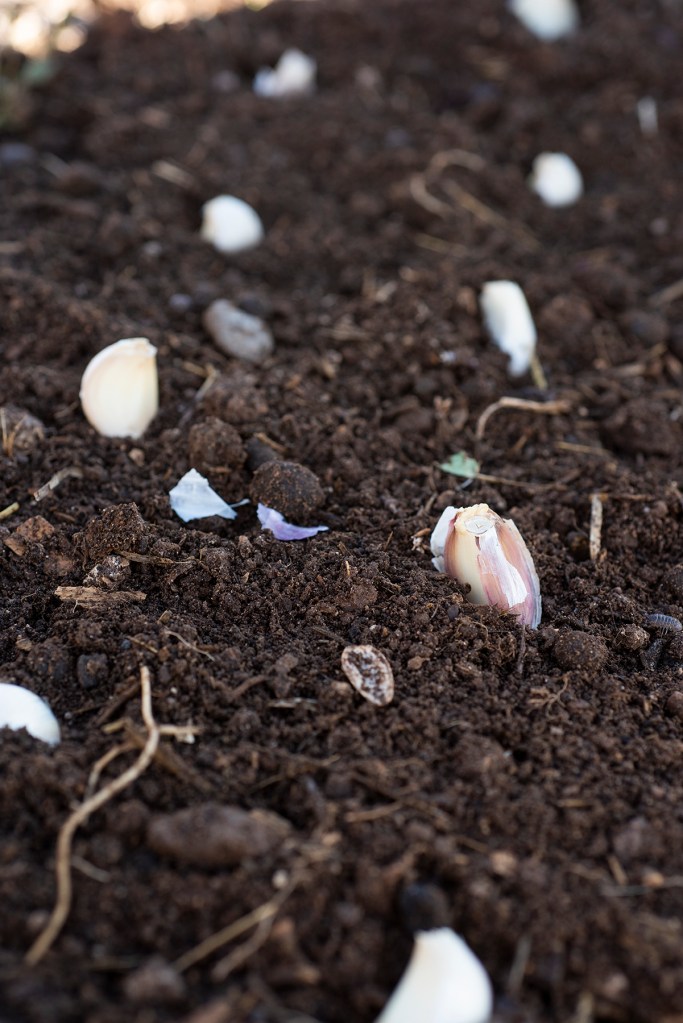
We planted our 2021 garlic crop this week; it’s tucked under a warm, cozy blanket of compost, alpaca manure and straw. Garlic is a unique annual crop in that it stays in the ground for about nine months, but during that time it requires almost no maintenance beyond occasional watering. As usual, we’d separated this year’s garlic harvest and saved the largest cloves for planting; thanks to garden magic, each individual clove grows into a full head. We planted about one hundred and fifty cloves in two new beds, then a friend texted with an offer of extra garlic that she had over-ordered (thanks, Judy!), so another seventy cloves went into an additional row. Every year I run out of garlic before the July harvest, and every year I vow to plant more. Will over two hundred heads be enough for next year? Stay tuned, and vampires beware.
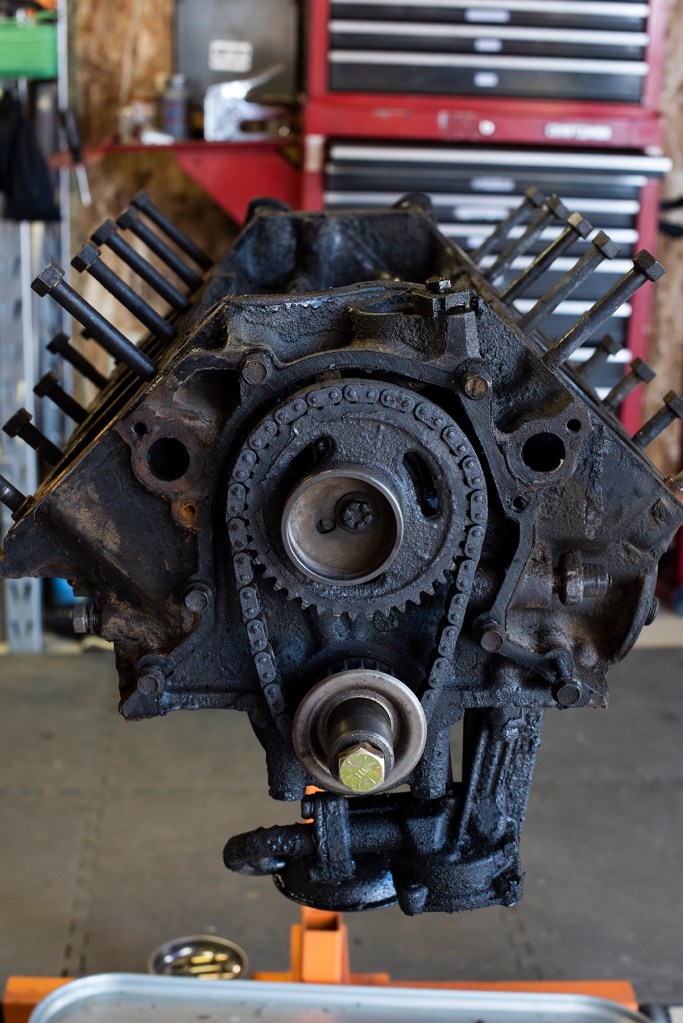
Simple. Elegant. Gorgeous. (Also filthy.)
My winter will hopefully involve lots of sewing and reading, and N will focus his time and energy on this rescued beauty. For all you gearheads out there, this is a classic example of American motor muscle: a Ford 289 small-block V8 manufactured in the summer of 1964; it likely came out of a Mustang or a Galaxie. At the moment, it needs a lot of cleaning and possibly a replacement part or two, but who knows what it could accomplish once restored to its former glory? While electric cars might be all the rage, there is much to be said for the elegant simplicity of a powerful internal combustion engine. (We obviously love beautiful 1960s Americana here; see also the recently-acquired Singer Touch ‘N’ Sew.)
So thrilled with our dry bean harvest!
I may well be more proud of the beans we grew than just about any other crop. While I love growing vegetables, with each passing year (especially when there’s a pandemic and associated food scarcity!) I am more and more committed to growing long-term food storage crops like grains and beans. We planted just one small row of these ‘Peregion’ beans this season, and though I doubt I have more than a few pounds of homegrown beans for the winter, I know that I’ll be expanding on the varieties we grow next season. Dry beans are easy to grow and to store, require very little post-harvest processing and punch well above their weight in terms of nutritional value. Plus, they’re delicious! We hope to grow a lot more beans here at Quiet Farm.
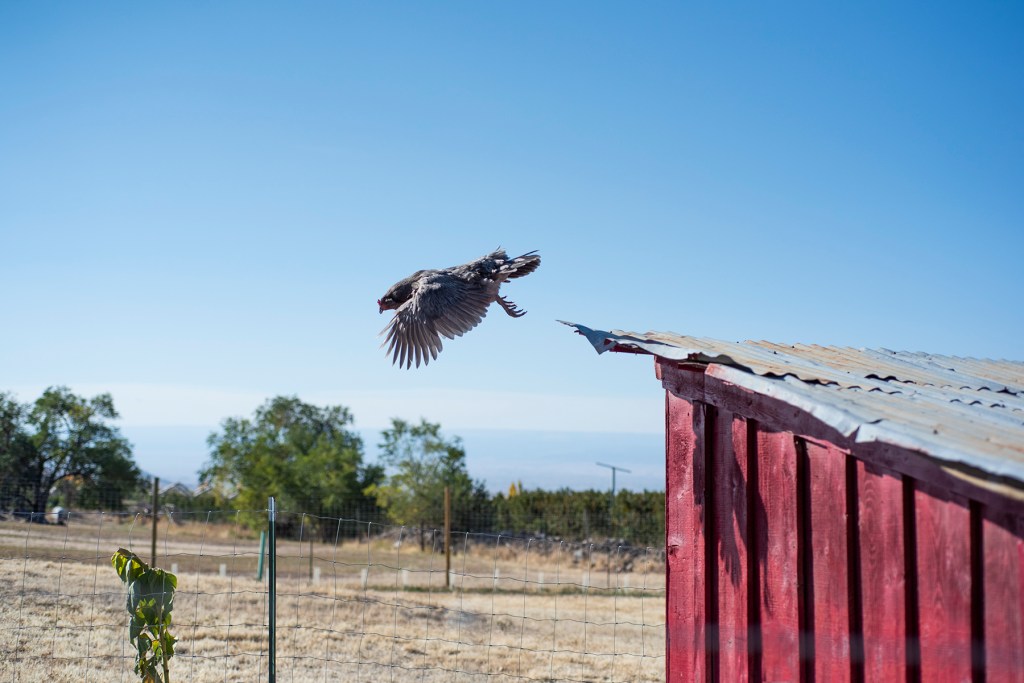
Flying the coop.
Domestic chickens are the closest living relatives of the T.Rex (that’s true) and have similarly tiny brains. Here, one of our genius hens decided to make her way to the top of the chicken house, but was understandably somewhat perplexed as to how she might get down – although she did finally make the leap. Little does she know that the roof offers zero protection from raptors, of which we have many, and actually makes a perfect runway for a hungry hawk searching for a tasty chicken meal. If she continues her high-flying adventures, she’ll learn that lesson the hard way.
This is how we roll.
True confession time, friends: all November and December issues of food and entertaining magazines (Bon Appetit, Food & Wine, Martha Stewart, etc.) received at Quiet Farm usually go straight into the library donation bin without even being opened once. Such is the extent of my loathing for the end-of-year holidays and all the attendant expectations, “must-have foods,” waste and excess! This year, however, a customer requested soft, fluffy dinner rolls, and I wanted to experiment with a few different iterations. Plus, I was completely sold on this caption: “If food could give you a hug, these rolls definitely would.” As we face the end of one of the most difficult years any of us have ever experienced, is there anything we all need more than a giant, warm, comforting hug? I think not. (P.S. The rolls are a bit labor-intensive but excellent, and they work at altitude. Worth your time.)
Wishing everyone a calm, restful and healthy week.
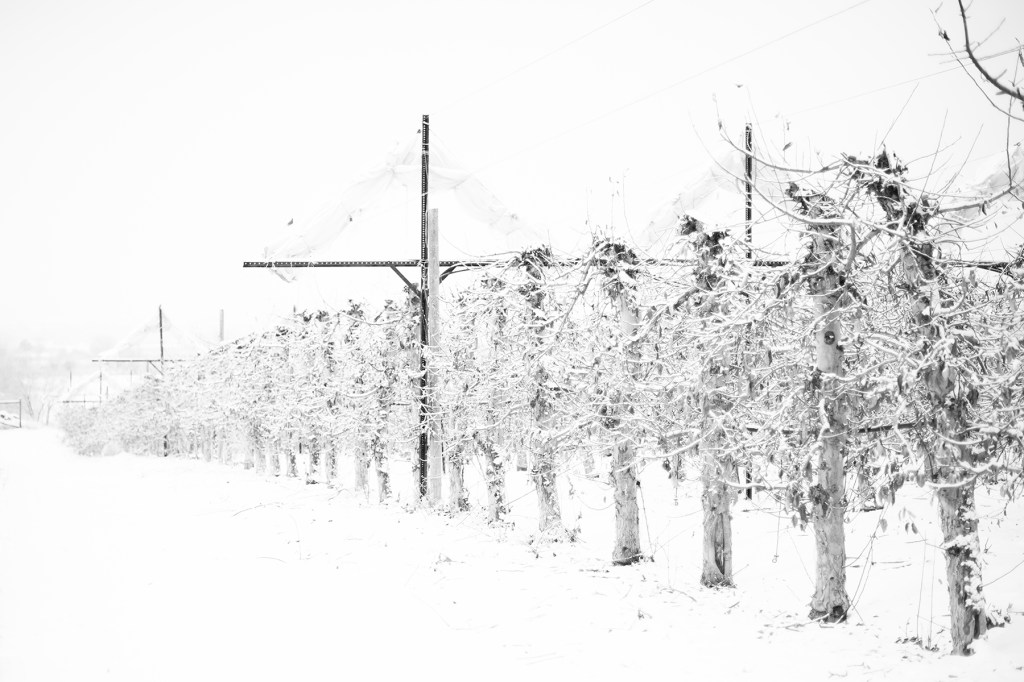
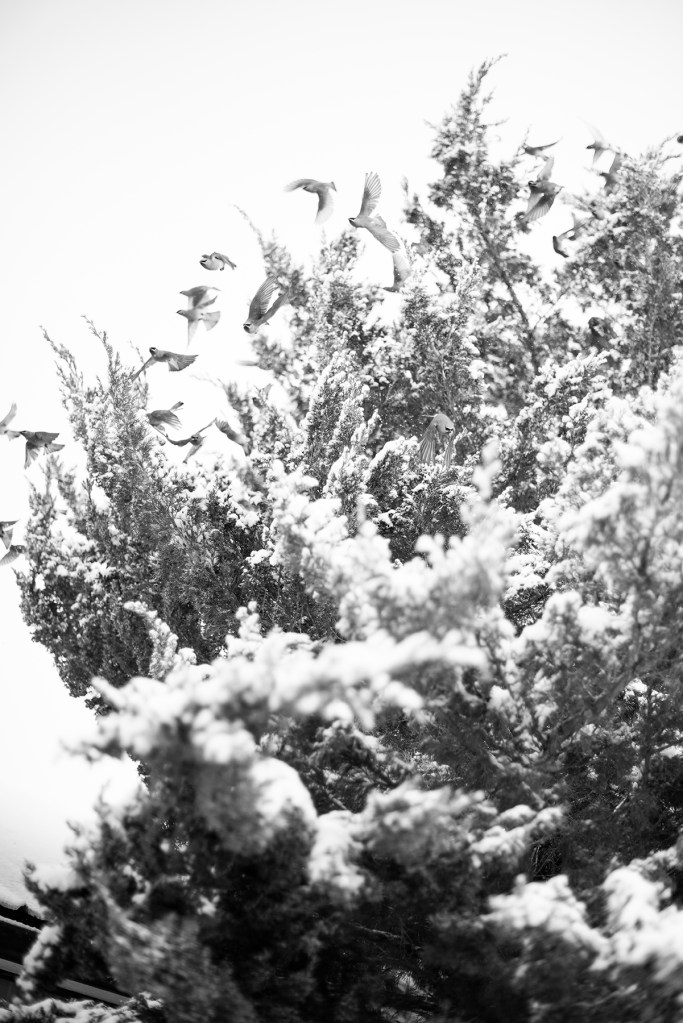
Our first snowstorm arrived late last night, and with that, the 2020 growing season at Quiet Farm has officially concluded. Much of the past week has been spent preparing for this introduction to winter; though our skies will clear and temperatures will rise again later in the week, none of our annual crops will survive this cold snap. We’ve been threatened with hard freezes prior to this and have been lucky enough not to lose any plants; our season lasted far longer than expected. We’re hopeful that this early, wet storm will help the firefighters battling the numerous destructive wildfires currently raging across Colorado.
Flooding our pasture with snowmelt from the Grand Mesa.
We ran our final irrigation last week, then broke down most of our gated pipe so that we can repair any damaged gates and valves during the off-season. We have stellar water shares here at Quiet Farm, and thanks to N’s careful planning, we made our water last all season. This year was definitely a rebuilding year for our pasture, and we’re optimistic that our plans for next year’s irrigation run, which include reseeding, marking and thoughtful grazing by our herd, will yield even better results. Small farms are key to fighting climate change – if managed well, land like ours can absorb far more carbon than it emits. Establishing these “carbon sinks” across the country should be of highest priority; if this season’s devastating wildfires are any indication, the Rocky Mountain West has a tough road ahead.
Greetings! We are currently stuck in that awkward phase between winter and spring. Some days it’s all teasing warmth and perfect blue skies, and some days it’s bleak and grey with icy, biting winds. Most of our snow is gone, though we expect (and hope for) one or two more storms, at least. It’s a changeable season, but spring is definitely in the air and we’re starting to hear more songbirds and see new growth everywhere we look. Here are a few things we’ve been up to recently.
A prairie falcon (Falco mexicanus) in one of our towering cottonwoods.
We still haven’t captured a photo of our shy Northern harrier, seen regularly hunting mice in our pasture on sunny afternoons, but N did snap this lovely photo of a prairie falcon. The prairie falcon is about the size of a peregrine falcon, but with a much different hunting style (low swooping over the ground, rather than rapid dives). Unfortunately for the songbirds we’ve been hearing, much of the prairie falcon’s winter diet is the Western meadowlark, but we hope this one will focus more on our ground squirrel population. As with all falcons, the female is substantially larger than the male.Continue reading →
In nautical terminology, “the doldrums” refer to an actual place – waters near the Equator where sailing ships were often stuck for days or weeks in windless seas. In common parlance, however, the doldrums mean “a state or period of stagnation, inactivity or depression.” And so here we are in deepest winter.
Hello there, and a very happy new year to you and yours. If you’re here for the first time, welcome! If you’re returning after our hiatus, thanks for coming back! We look forward to sharing a new year of food and farm adventures with you.
Our updated Snow Management Plan in action!
Last winter – our first winter at Quiet Farm – our area received an unprecedented amount of snow. Our inaugural Snow Management Plan was…ineffective, shall we say; we had no tractor and no plow and no way of getting out of our quarter-mile driveway with a foot of snow on the ground. At one point, we resorted to begging a friend with a truck to flatten the snow by driving up and down our lane so we could at least leave the farm (thanks, Joe!). Needless to say, that was not a sustainable long-term solution.
This winter we haven’t had nearly as much snow, but we do have a plan – a detachable plow for our ATV. And so far, the ATV plow has worked like a champion. We’re even thinking of purchasing other implements for the ATV, so that we can use it like a mini-tractor, since we’ve been unsuccessful in finding a reasonably-priced midsize tractor to manage our pasture. Stay tuned.
Over the next eight weeks (at least in the U.S.), we’ll careen wildly from one overwrought celebration to another. From a holiday where we decorate with fresh, healthy vegetables but celebrate with cheap processed candy (while leaving the vegetables to rot in the landfill) to a holiday where we throw away the equivalent of fourteen million turkeys to a holiday predicated entirely upon excessive spending, consumption, packaging and waste, the next two months are a difficult and challenging time of year for many people – including us.
And thus Finding Quiet Farm is on hiatus for the rest of 2019, though we’ll stay busy. We’re going to bundle up, hunker down and get to work on all sorts of interesting tasks, both indoors and out. We’ll be back in the new year with farm updates, lots of book recommendations, and photos of all our projects. We’ll be quiet and productive and we’ll skip the holidays entirely, thanks very much.
Take good care of yourselves, friends, and cook something tasty and nourishing. We hope to see you back here in 2020.
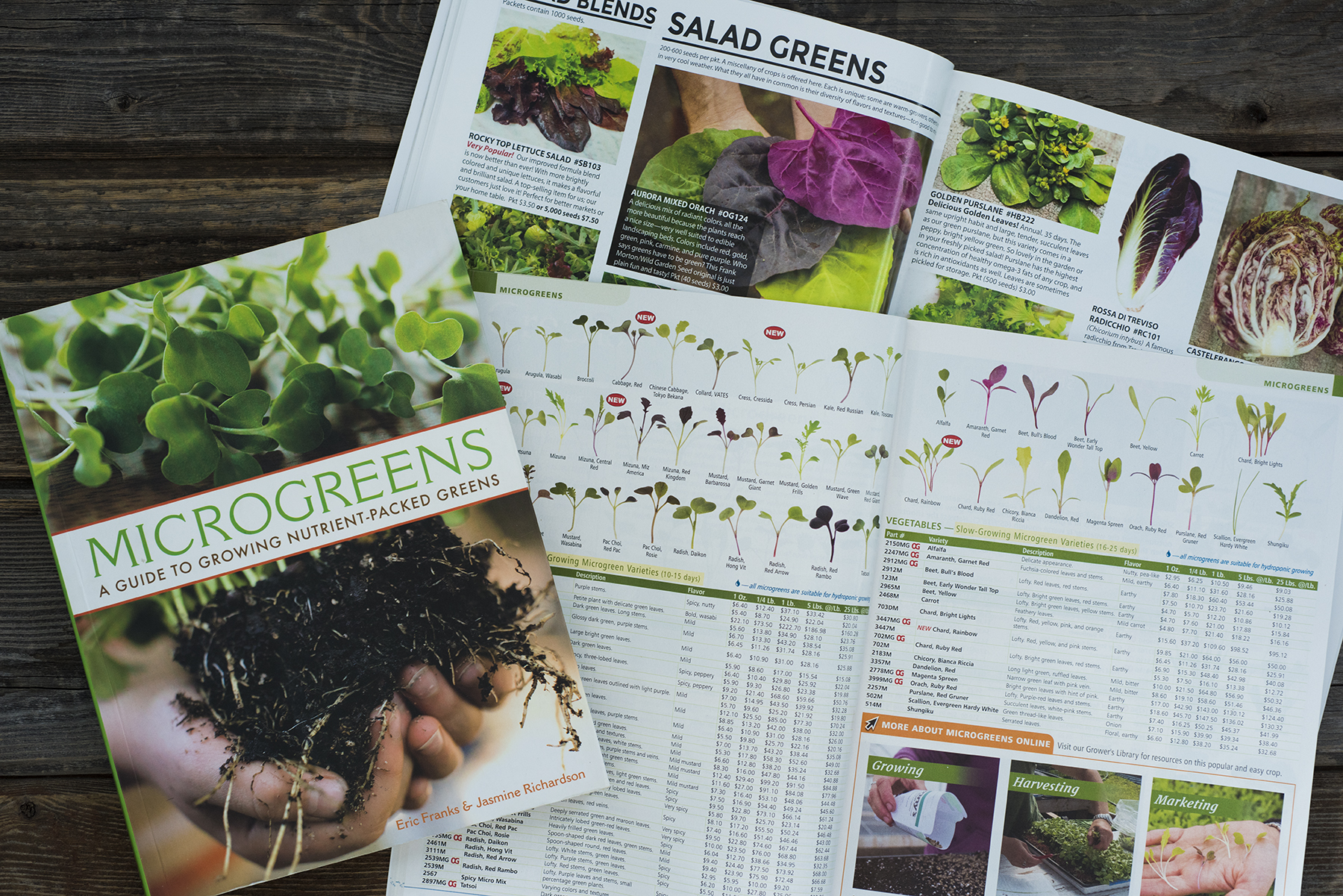
We’re still firmly in winter’s icy grip here on Colorado’s Western Slope, and there’s no better cure for spring fever than growing something indoors. Let’s learn how to grow microgreens!
Microgreens sound fancy and expensive, but really they’re just tiny versions of things we already eat, like kale, radishes and beets. They are packed with nutrition, super flavorful, quick and easy to grow with no special equipment needed and absolutely gorgeous on the plate. What more could you ask from an indoor crop?





 Finding Quiet Farm