
Part of our display at a recent harvest festival.
Hello friends. Mid-November and we’ve only just finished harvesting the last of our dry beans. We grew over thirty cultivars this year, some roaring successes and some total crop failures (Ayocote Blanco). As ever, we learn from each year’s experience and know better what to grow and what not to grow in coming seasons.
Below we’ve listed all the new cultivars we grew this season, and we also grew almost every cultivar from 2023. We won’t describe those again in this post, but you can read about that harvest here. (Note that the bean we referred to as ‘Palomino’ in 2023 is also called ‘Southwest Gold’ and ‘Zuni Gold,’ depending on the company.)

Annie Jackson: certainly we love any cultivar named for a woman – it doesn’t happen often! These were brought from Russia into Manitoba by their namesake, and the bean is gorgeous. Similar to Vaquero (Orca/Yin-Yang/Calypso) in size and markings, but cream with a rich burgundy rather than black and white. We only had a small handful of these to grow out and they produced abundantly, so we’re looking forward to expanding our production.

Blooming Prairie: a lovely little lavender and white bean that comes packaged in rich, deep purple pods. Like Annie Jackson (above), we only had a few of these in a ‘mix bag’ and were glad to see them do so well! We’ll grow these out in larger quantities next year.

Borlotti Lamon: an Italian bean in the cranberry (‘borlotti’) family but larger than standard cranberry beans. These plump beans produced surprisingly well and will probably remain in rotation.
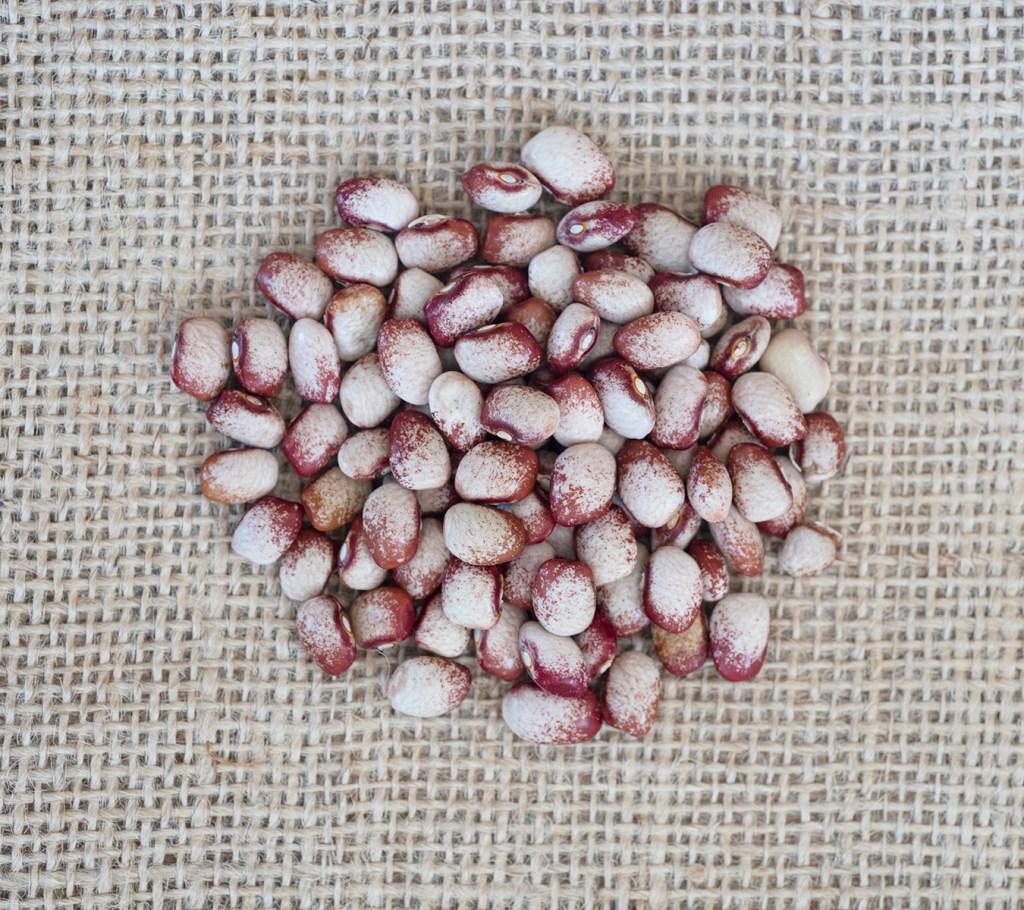
Colorado River: a beautiful little cream and maroon speckled bean, originating in the Four Corners area. Looking forward to winter vegetable soups with this! Great production but definitely a runner and bit of a hassle to harvest. Our seedstock came from the good folks at Pueblo Seed out of Cortez.
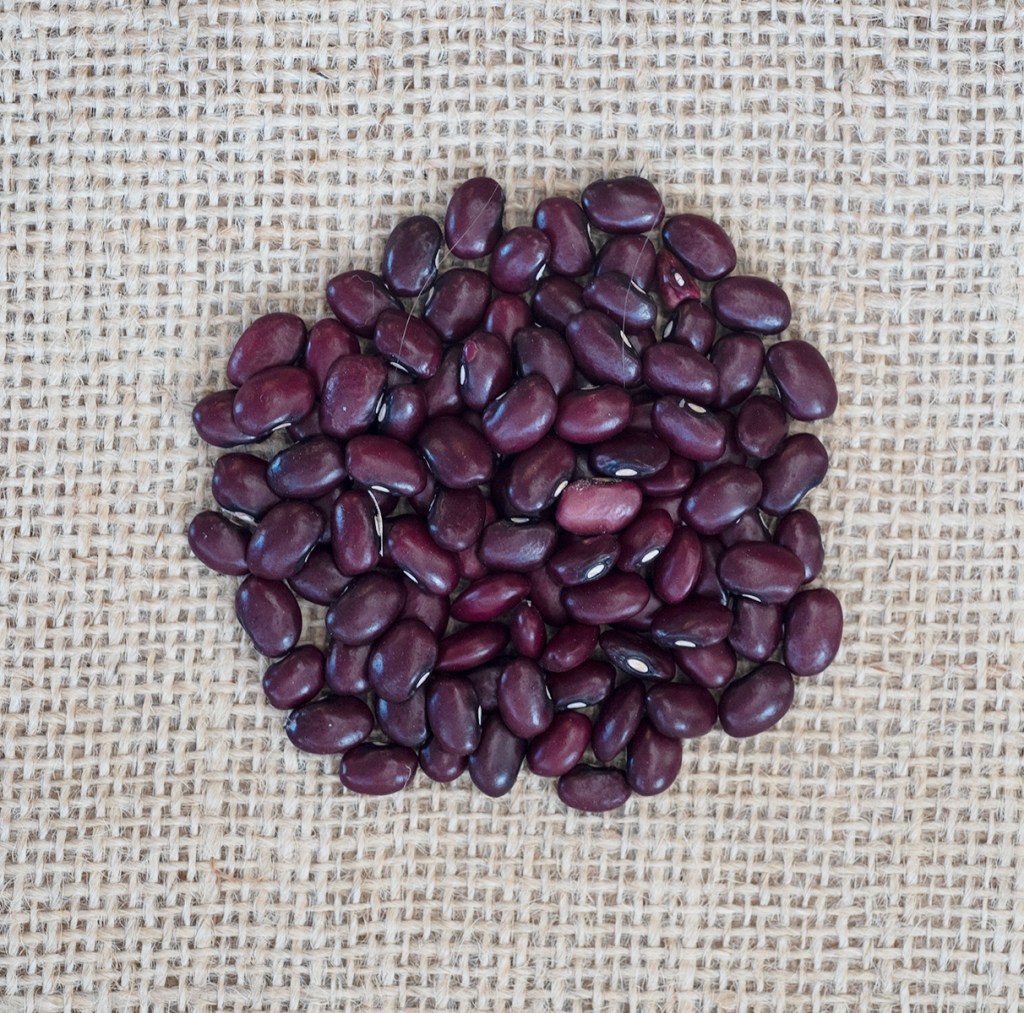
Domingo Rojo: a small, deep red bean that produced wildly. This bean was even more of a winner because it was a late planting to replace another cultivar with zero germination (unviable seedstock purchased from a local co-op – an exceptionally frustrating situation). We also missed the ideal harvest window with this so it lodged terribly (meaning the dry pods exploded, sending beans near and far) but we’re still happy with the results, despite all the drama. Certainly a regular now.
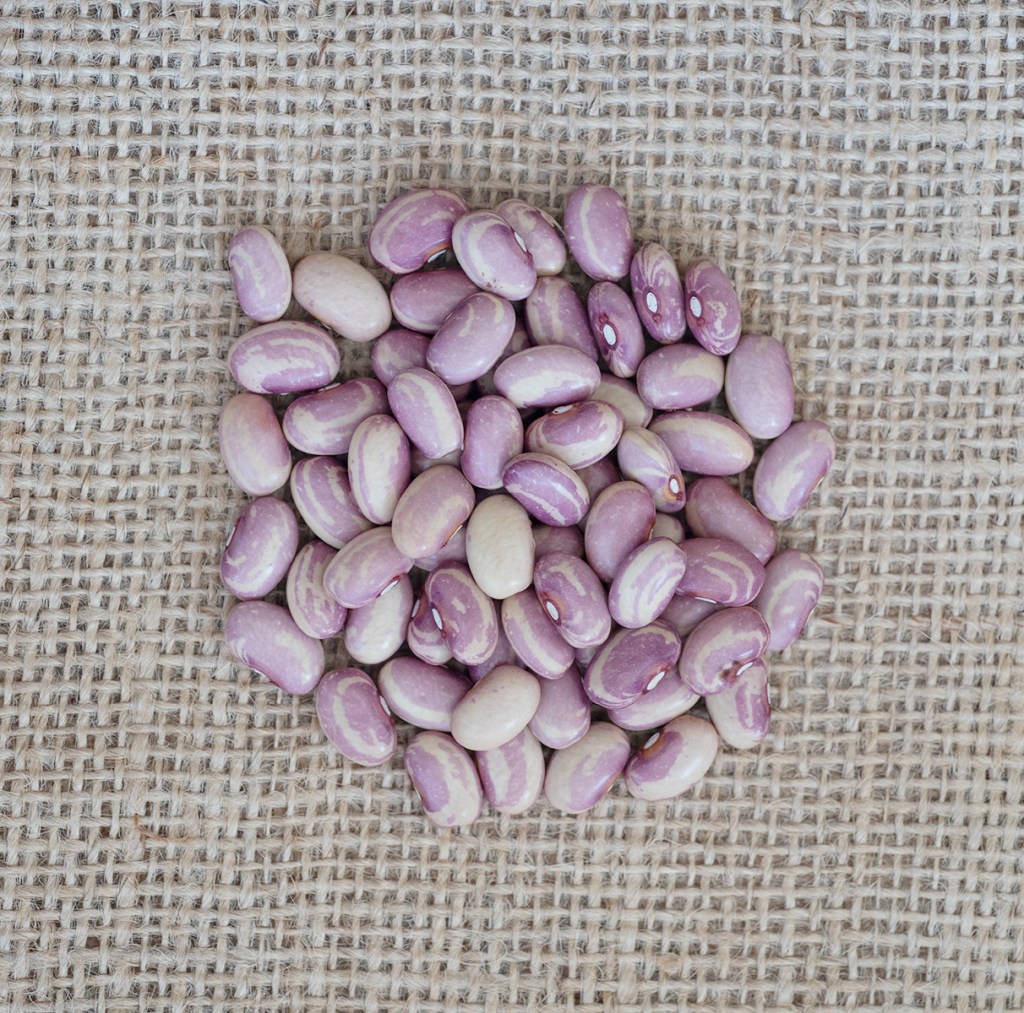
Flor de Mayo: small, pink and white swirled. Gentle, delicate flavor. Yield wasn’t incredible and these beans don’t hold as well in dry storage as others, so we likely won’t grow again.

Fremont: these gigantic, purple, black and white beans are truly stunning – they really do look like candy! They are a long-season bean and we thought we wouldn’t be able to harvest any, but since summer lasted until almost the end of October we got lucky with these. Unfortunately, they are trademarked and we did not learn this until after they were planted. We do not grow trademarked seeds (see also: Anasazi) as we do not believe that seeds can or should be trademarked, especially when they’ve been blatantly stolen from indigenous tribes. We should have done better research and we will not grow these again.
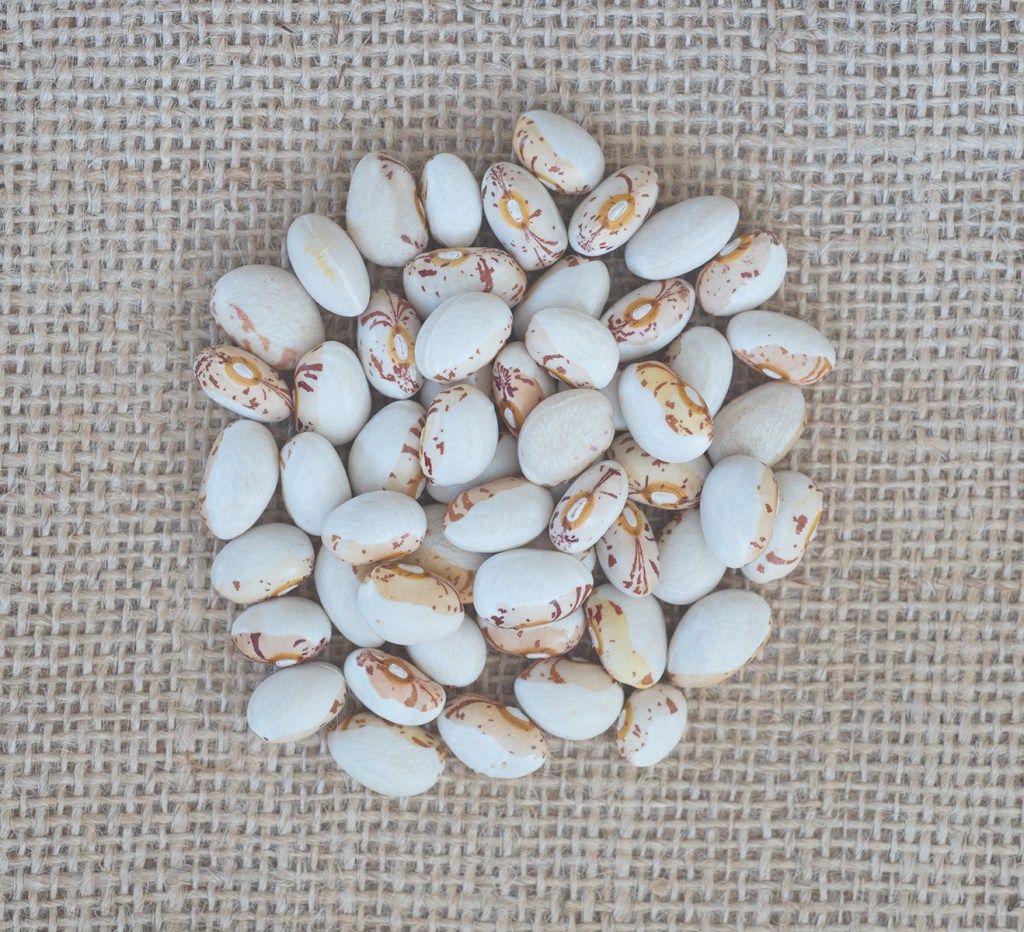
Hidatsa Shield: one of our star performers of 2024, we are thrilled with our first year growing this lovely heirloom. This bean originated with the Hidatsa tribe of the northern Great Plains, and it’s easy to see why this one survived over decades. Plump, flavorsome and abundant, Hidatsa Shield definitively joined our regular line-up.
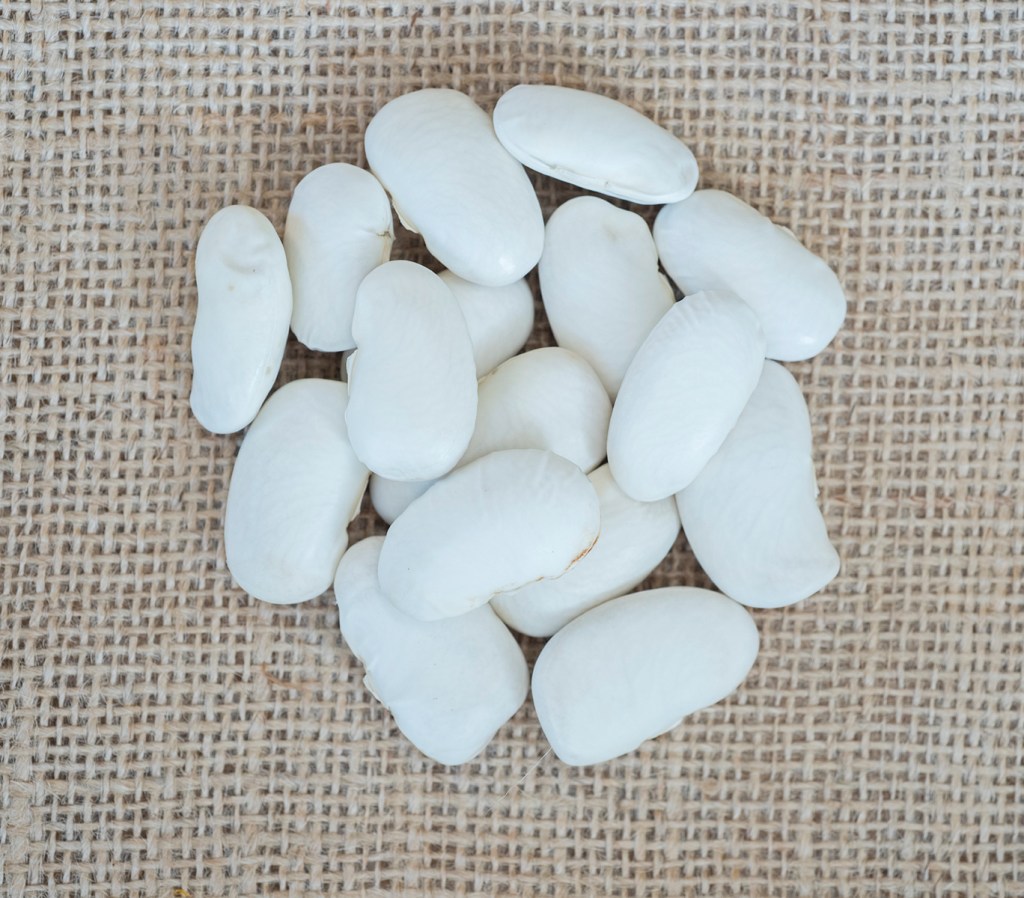
Royal Corona: a seriously massive white bean. Another long-season bean that we just barely managed to get to full size before the freeze. Incredibly delicious and substantial bean but the yield is far too low to justify here; these beauties need many weeks more growing time than they’ll get from us. Seedstock from Rancho Gordo.

Sangre de Toro: larger and brighter in color than Domingo Rojo, Sangre de Toro was another winner this year; it produced a good yield and was easy to harvest. Spicy red beans and rice this winter!
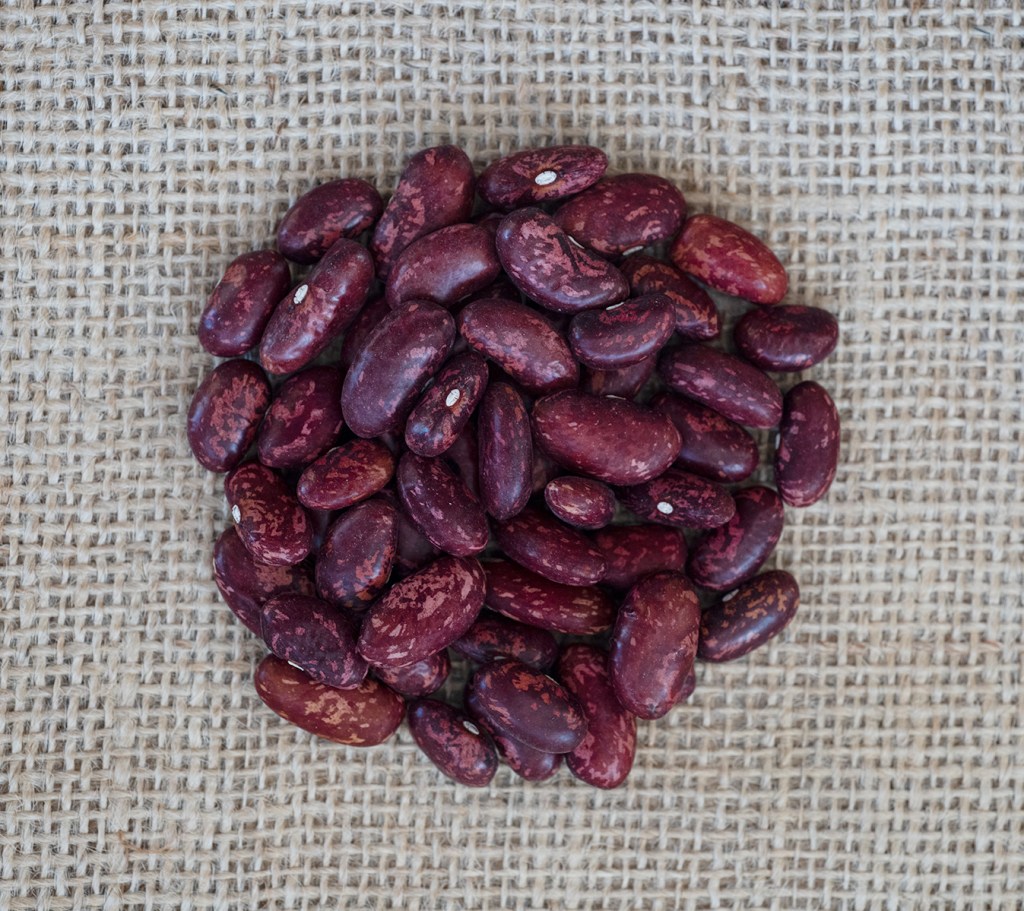
Scarlet Beauty: a deep red kidney bean with beige-pink stripes. This bean is gorgeous, but the yield wasn’t that impressive and we ended up with a surprising number of broken beans, which we can neither sell nor plant. For kidney beans we’re likely to stick with Jacob’s Cattle and Tiger’s Eye.

Tanya’s Pink Pod: another one named for a woman! These originated out of Salt Spring Seeds in Canada and the cultivar was named for an intern who discovered the sport (see below for more on sports). This bean, with its neon-pink pods, is more commonly grown as a fresh bean but we dried it down and find it similar to Great Northern or cannellini beans with its mild, creamy flavor. Great producer and beautiful on the vine; we’ll definitely grow this again.
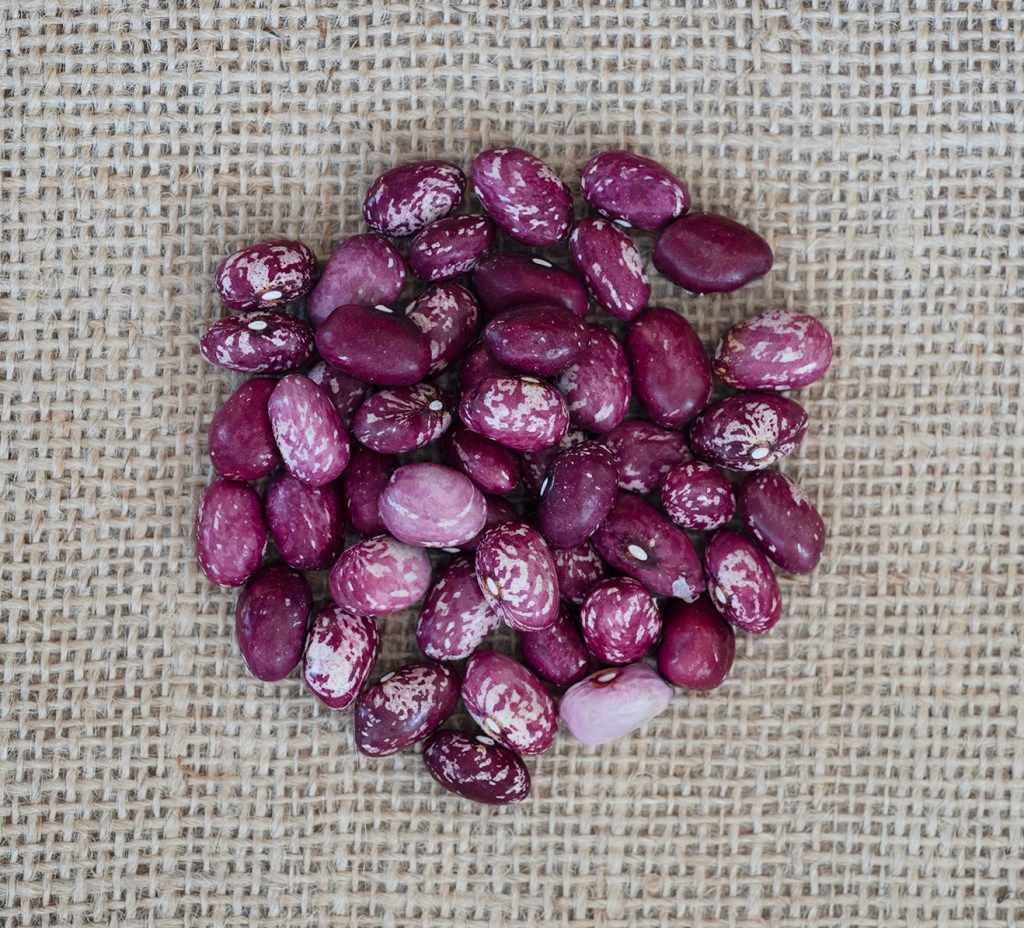
Whipple: a plump, round deep red bean with white markings; this bean likely originated in Oregon but its history is a bit murky, as with many beans. Good yield and easy to harvest; will be great in chili with winter squash. Seedstock from Rancho Gordo.

And finally, we had a bunch of ‘sports’ this year – sport is a botanical term for a plant that doesn’t match its neighbors. These could be from a rare genetic mutation, or they could have been planted by accident, but either way, we don’t know these cultivars’ names! (Beans also go by many different names throughout regions and indigenous groups, so that makes accurate identification even more challenging.) If you can name any of these cultivars, we’d love to hear it!
Dry beans have of course many benefits, which we’ve mentioned repeatedly. They’re a low-water crop and acclimated to intense high-altitude desert conditions. They enhance the soil by fixing nitrogen. They do not succumb to grasshoppers (in our experience). They’re easy to grow and easy to store. They’re the most nutritious source of plant-based protein and fiber. And if your mind is on food security, as might be true for many folks these days, dry beans are one of the very best foods to have safely stored in a pantry. We’re happy to have a generous supply of our beans tucked away in preparation for possibly difficult times ahead, and are always glad to field any questions about growing, saving, storing and cooking dry beans should you wish to expand your own pantry.
 Finding Quiet Farm
Gee, that is a lot of variety! At least you can narrow it down a bit as you eventually select what is best for you particular garden and tastes. I grew too many banana varieties, and because they are perennial, and I can not bear to discard any of them, they are not so easy to simply discontinue.
LikeLike
Hi Tony! It is a lot of variety, but as with many plants it is such a fun experiment to see what works well and what doesn’t. I’m always looking for new cultivars to try. And that’s so interesting about bananas – in supermarkets we obviously just get the standard Cavendish type, but in my travels I’ve seen so many other interesting types. Thanks for reading!
LikeLiked by 1 person
Dear Nick and Elizabeth,
I love your post on your 2024 Bean Harvest. I would love to stock my pantry with beans for the winter. If you have any recipes that you would share with me? That would make my day.
I hope you are both well. We are both still working long spring and summers hours.
We rebuilt our mountain cabin and spend many happy hours there when not in the greenhouse.
Thank you
Always a fan and a friend. Love you guys…
Annie Echter
LikeLike
Anne! What an absolute joy to see your name here! I would recommend checking out cookbooks from the library – my favorites to try would be any Rancho Gordo books (they have a number of cookbooks), Cool Beans by Joe Yonan, and Grist by Abra Berens. But I’ll be honest – I most often eat just a bowl of brothy beans, with good olive oil and cracked pepper and a few scallions on top – no recipe needed! I’m glad you’re well and I think you will never know what an incredible influence you have been on us. Thanks for reading and we send so much love to you and yours!
LikeLike
Such beautiful beans and such helpful info on how they did for you and why you will or will not be growing them again! Thank yoU!
LikeLike
Jennifer, thank you so much for your kind words. I just finished The Earth in Her Hands and loved it, and also loved your podcast interview with Erin Benzakein of Floret! We appreciate you reading our blog!
LikeLike
Hi friend,
I hope this email finds you well. Your beans are beautiful!
Do you have any before pictures of what the plants and pods looked like when growing? Did you wait for them to dry in the pods before plucking them?
Love, Jo
LikeLike
Hi Jo! I will dig up some images of the beans during the growing season and send them your way. Beans either grow about 14-16″ high if they’re bush variety, or can grow 6-8′ if they’re poles or runners. They’re pretty adaptable to any conditions, but you can train runners up a fence or trellis if you’ve got enough sun. And yes, for dry beans you do let them dry on the pod until the beans rattle in their shell. They can survive a freeze if they are already mostly dry, but if they’re still pretty green and soft they’ll freeze and split and then they can’t be saved. We were still harvesting even after a couple of hard freezes this year, and those beans are still drying down in the sunroom.
LikeLike
Pingback: Planting tomatoes | Finding Quiet Farm
Pingback: The 2025 bean harvest | Finding Quiet Farm