Farm update: July 26

And here we are at the tail end of July, scrambling to complete everything that needs doing. Each night before sleep finally arrives I focus on designing bright, colorful quilt patterns in my head – calming mental Tetris – rather than running through all of the tasks I didn’t complete during the day. The tomatoes need to be pruned and re-staked, again. The arugula and lettuce seeds need to be harvested, the straggly plants composted and the beds reseeded. The garlic needs to be pulled and cured. The mallow, bindweed and puncturevine are threatening a total takeover. And on and on and on. I feel a thousand miles behind on everything, and I remind myself to complete one task at a time. Also, I regularly remind myself to enjoy the moment I’m in, rather than race on to the next without even pausing for breath. (Easier said than done, no?)

Purple coneflower (Echinacea purpurea).

Admiring our seasonal plants is a great way for me to stop my frenzied rushing for just a moment. Many of our flowering perennials didn’t bloom this year, thanks to the drought, but we do still have a few. Echinacea, or coneflower, is one of my favorites, and the bees love it, too. (Our pollinator population is also greatly diminished this year, likely due to the lack of blossoms in the neighboring orchards.) Echinacea has been touted for years as an herbal remedy for just about any ailment, including the common cold, but legitimate scientific studies on this are lacking in substance, to say the least. Still, the coneflowers grow well here and I’m hopeful that I can expand their presence on the farm in future years.

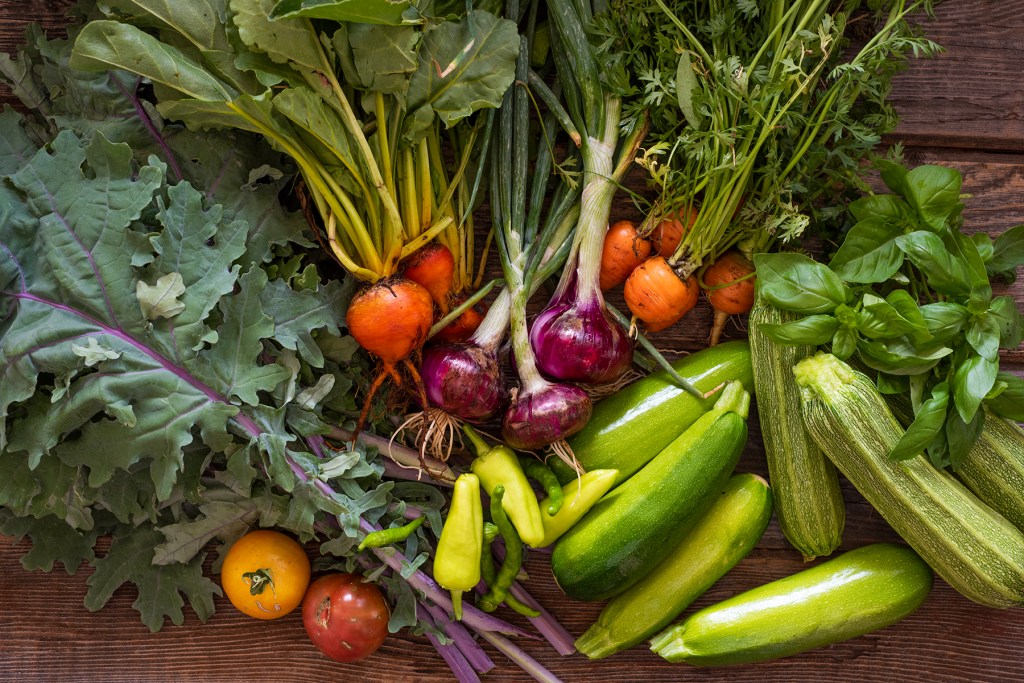
Just one day’s harvest…

Late July and August are the months we eagerly await all year – when the vegetables start rolling in. The flipside of that, of course, is that then you need to have a plan for what you’re going to do with all of that glorious food. Onions and kale are easy to deal with; they are garden stalwarts and stay fresh for weeks. Carrots and beets need to have their greens removed, at the very least; I usually don’t wash them until just before I’m ready to use them. The zucchini, of course, is where things start to feel overwhelming. Anyone who has planted zucchini knows full well that through some mysterious garden trickery you can check the plants twice a day and still end up with overgrown monsters. I like to harvest the squash when small and use it in salads, galettes and pastas; I also shred and freeze it for muffins. And our tomatoes are just now starting to come on; we’ve had a couple of early Juliets, plus a Lemon Boy and a Black Krim. The real bounty will start showing up in about ten days, and as with every year, I’m looking forward to an absurd excess of tomatoes. They never go to waste here.

So fresh! So crisp! So delicious!

We had a ridiculously abundant crop of peas this year! I adore fresh peas, but they often struggle here because we typically move so quickly from winter to summer, and peas generally like cooler, more moderate temperatures. This year, however, the plants just kept on producing, even when the temperatures accelerated into triple digits. Many, many peas were simply eaten fresh outside as a garden snack while doing chores, and many more made it inside for salads and stir-fries. The plants are mostly finished now, the peas starchy and the vines slowly crisping and browning, and all the peas still hanging will be dried and saved for seed. This year was such a roaring success that I’m very seriously considering giving the peas their own special home next to the raspberry beds, and saving the space in the raised beds for other spring crops like carrots and onions.

Neatly stacking hay bales is definitely a cardio workout.

We are thrilled to have our winter hay stores for the animals laid in. We completely guessed at the number of bales we bought last year – never having overwintered livestock – and actually came pretty close in our estimate! The animals are mostly on pasture right now but get hay in the evenings; come winter, however, this will be all the food they have. The drought has forced many producers to cull their cattle and sheep because the land can no longer support that many head, and the lack of water means that hay is obviously much more costly, too. Our hay cost fifty percent more than last year; in all honesty, we were prepared to pay double. Our focus, as always, is on ensuring that we don’t overgraze our pasture and that we always have emergency feed reserves stockpiled.

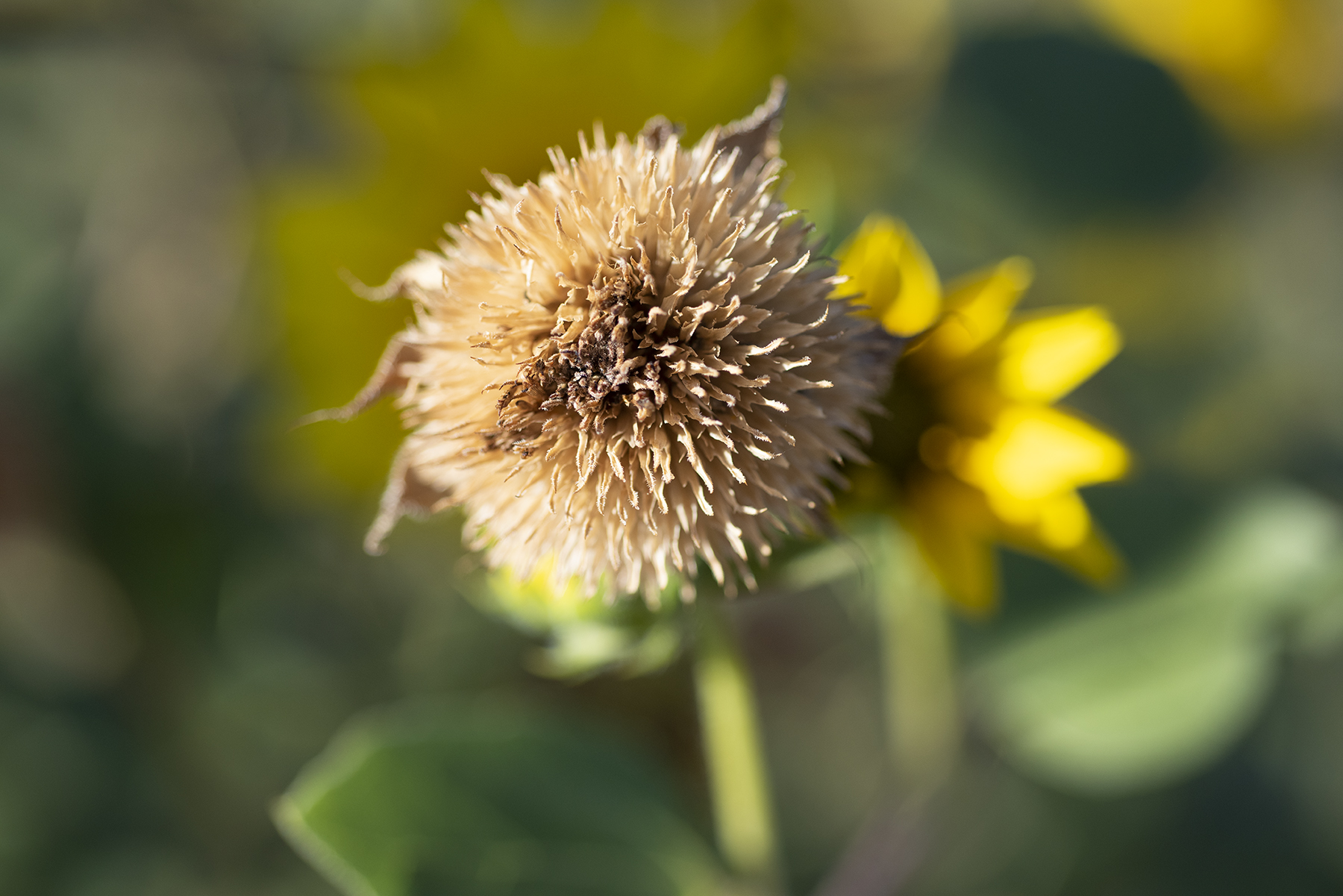
Our sunflowers are cheerful and abundant, too.

And with that, we’re off to tackle our neverending task list. Do tell, though – if you have an excess of zucchini, what are your favorite ways of using it up? I always enjoy hearing how others move through an abundance of garden produce.

Wishing you a lovely week, dear friends.

Farm update: June 14

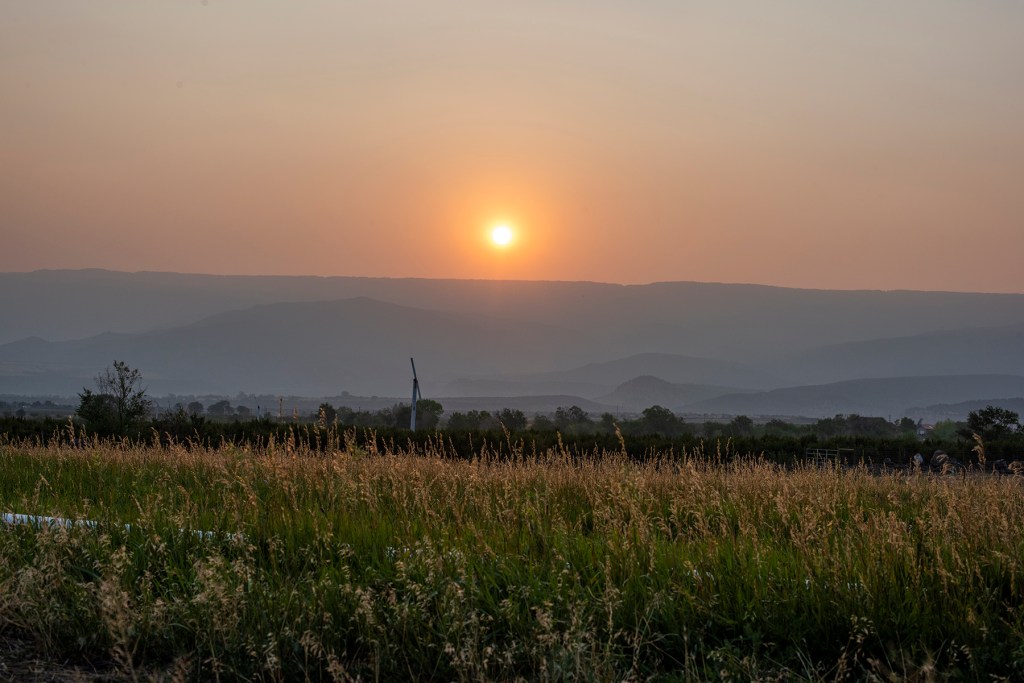
Hello there, and how are things in your world? Here at Quiet Farm it’s hot, dry and smoky. The Pack Creek Fire, burning southeast of Moab, Utah – started by an unattended campfire! Thanks, thoughtful and responsible campers! – has filled our blue skies with thick smoke and turned our sunsets into a terrible neon orange ball of scorching flame. We’re forecast to spend the week ahead melting under triple-digit temperatures, and we plan to only be outside for the bare minimum of tasks between noon and six o’clock. This week will be all about survival – ensuring that we, and all of our plants and animals, have plenty of shade and fresh, cool water.

A few activities we’ve been up to recently on the farm:

Look at all those vitamins!

Our harvests lately have been greens, greens and more greens – no complaints, since we eat salad every day. The arugula, kale, spinach and mixed lettuces have all been crisp and delicious this season, but this week’s furnace-like temperatures will put an end to that abundance; as a rule, most lettuces and greens do not care for excessive heat and often turn unpalatably bitter. I’ve harvested just about every leaf out there; as usual, I leave a number of plants to intentionally go to seed for future plantings. I regularly replant salad greens underneath the tomatoes; by the time the greens are up, the tomato plant will shield the tender leaves from the scalding summer sun. We’re also harvesting garlic scapes (the squiggly things on the left side of the photo) to encourage the garlic plant to put all its energy into the underground bulb. Scapes are delicious in pesto, salad dressing or stir-fried. And we’re picking strawberries, too, which are spectacular and have never once made it all the way into the house except for this photo, after which they were promptly devoured.

Continue reading

A season of rest

As is our custom every year about now, Finding Quiet Farm will be going on hiatus until January. In true agricultural tradition, we believe the dark, cold winter months are a time of rest and reflection, and this year more than any other demands that we reset and recharge. We will spend the winter baking bread, sewing quilts, reading books, rebuilding engines and (hopefully) crafting a plan to safely launch our cooking classes in 2021. If 2020 has taught us anything, it’s that adaptability, patience and grace are key to surviving in this new world.

Perhaps you’ve missed some of our previous adventures, and might like to read about our round-the-world trip, including a hot spring in Japan, a gurudwara in India, or a sheep farm in New Zealand? Or you might like some book recommendations? Or you want to know more about eating better, or saving seeds, or making hot sauce? Whatever aspect of travel, food or farming you might be interested in, we’ve probably got you covered. And if you don’t find what you’d like to read about, let us know and we’ll do our best to accommodate those wishes in the new year.

We might not be writing and photographing each week, but we are still here. If you want to ask a question about bread or squash or beans or kimchi or hummus or planning a garden or buying ethical meat, please contact us. If you want to order handmade baked goods, like fresh sourdough loaves and naan and crackers (local pick-up only!), please contact us. And if you simply want to say hello, please contact us. Be kind, and stay safe, active and healthy. Cook something delicious and nourishing. Take good care of yourselves, dear friends. We look forward to seeing you here again in the new year.

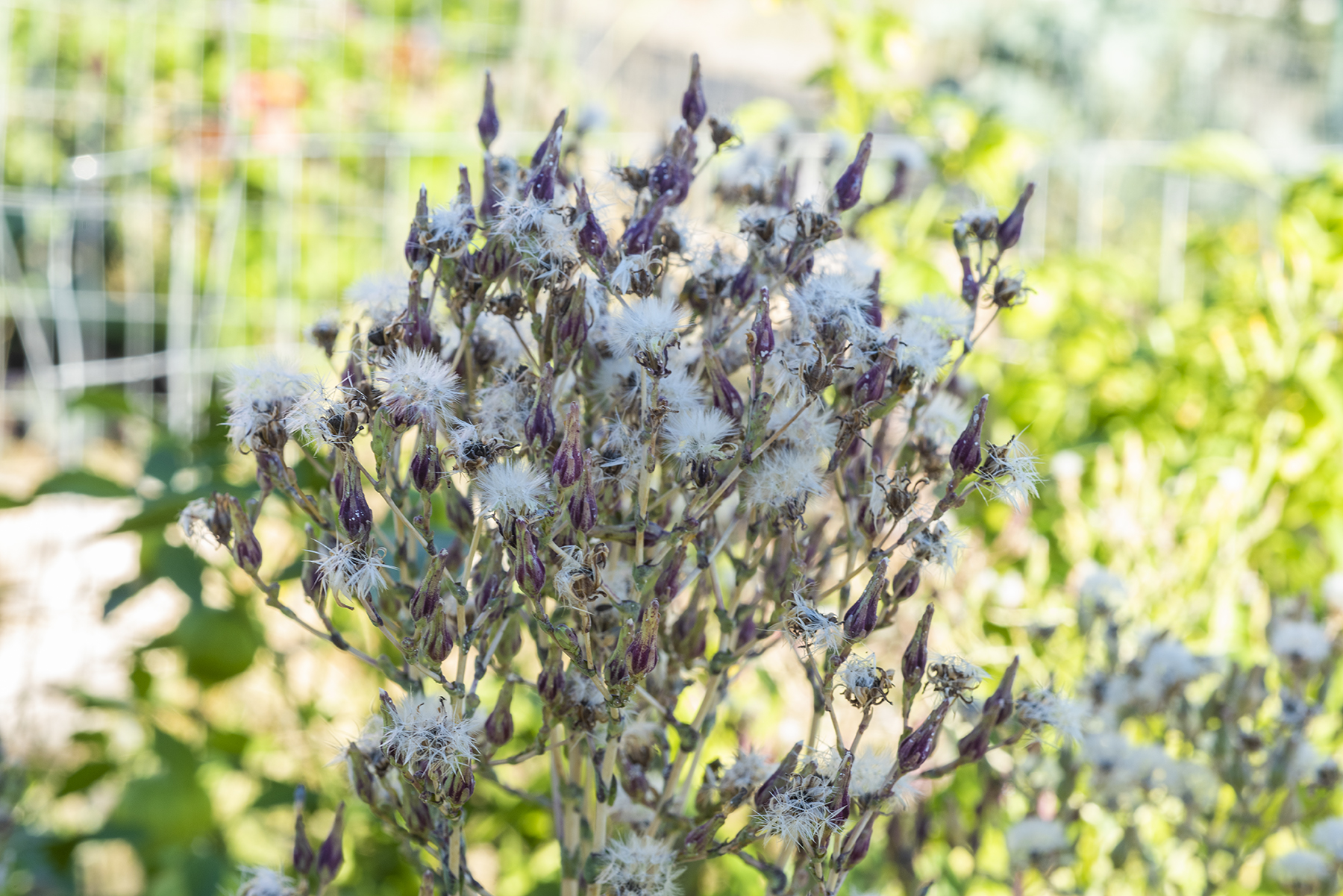
Gone to seed

We talk a lot about saving seeds here at FQF, and since fall is definitely underway, they’re on our minds more than ever at the moment. In addition to all of our canning and preserving projects and other preparations for winter, collecting and storing seeds is a big part of our autumn task list.

Sunflower Seeds 01 sml

Collect your sunflower seeds before the birds and squirrels do!

We use the idiom “go to seed” to refer to someone or something that’s let itself go. It’s become messy or unattractive or disheveled or unkempt; it no longer appears tidy and neat. It’s obviously a phrase of agricultural origin, and this is the time of year when it takes on significance in the garden, as most annuals are coming to the end of their natural lives. In their quest to reproduce, the plants have gone to seed: typically they flower first, then the flowers produce seeds, which are spread by wind, insects, animals or human intervention.

Lettuce Seeds 01 sml

Lettuces are one of the easiest plant families from which to save seeds.

It’s unfortunate, truly, that so many gardeners are offended by the appearance of plants gone to seed, and especially in perfectly manicured suburban settings are likely to rip plants out at the first sign of flowering. Letting plants proceed through their natural life cycle teaches you a lot about botany and helps you become a better grower. Plus, if you’re careful and diligent, you can start building your own unique seed bank, which will both save you money and improve plant diversity.

Continue reading

Let’s learn about alpacas and llamas!

Alpacas 04 sml

It’s a creative remake of The Sound of Music.

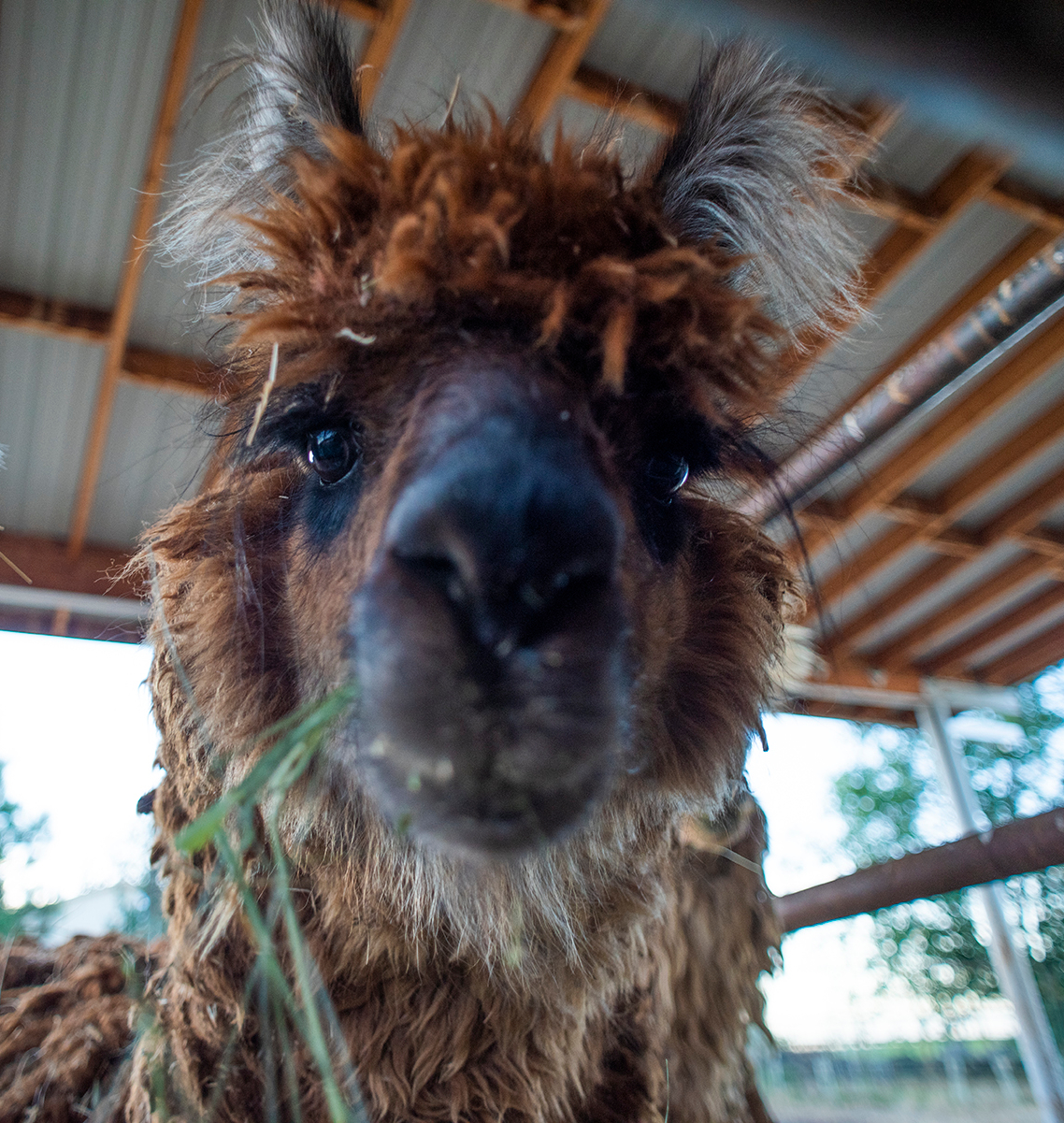
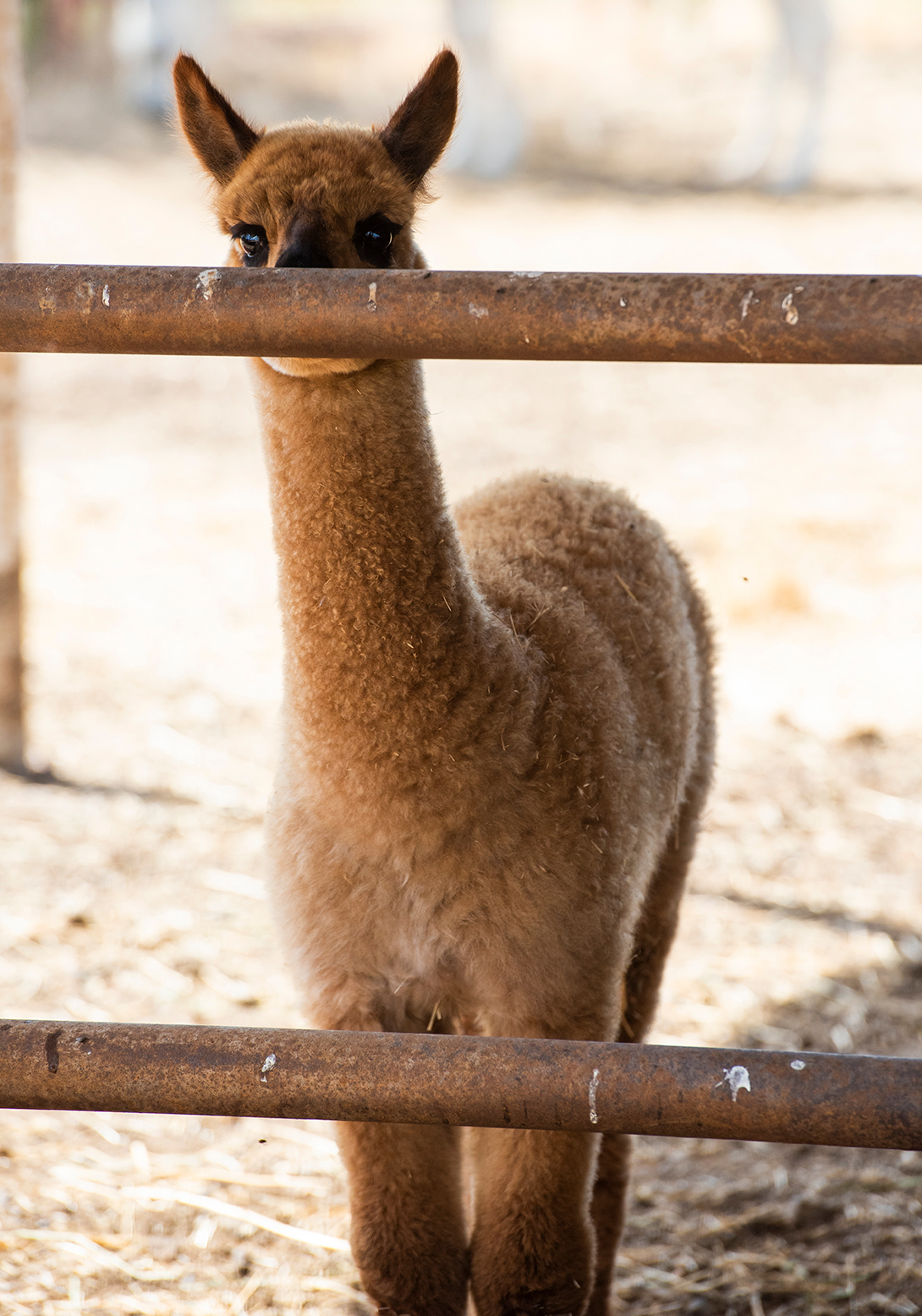
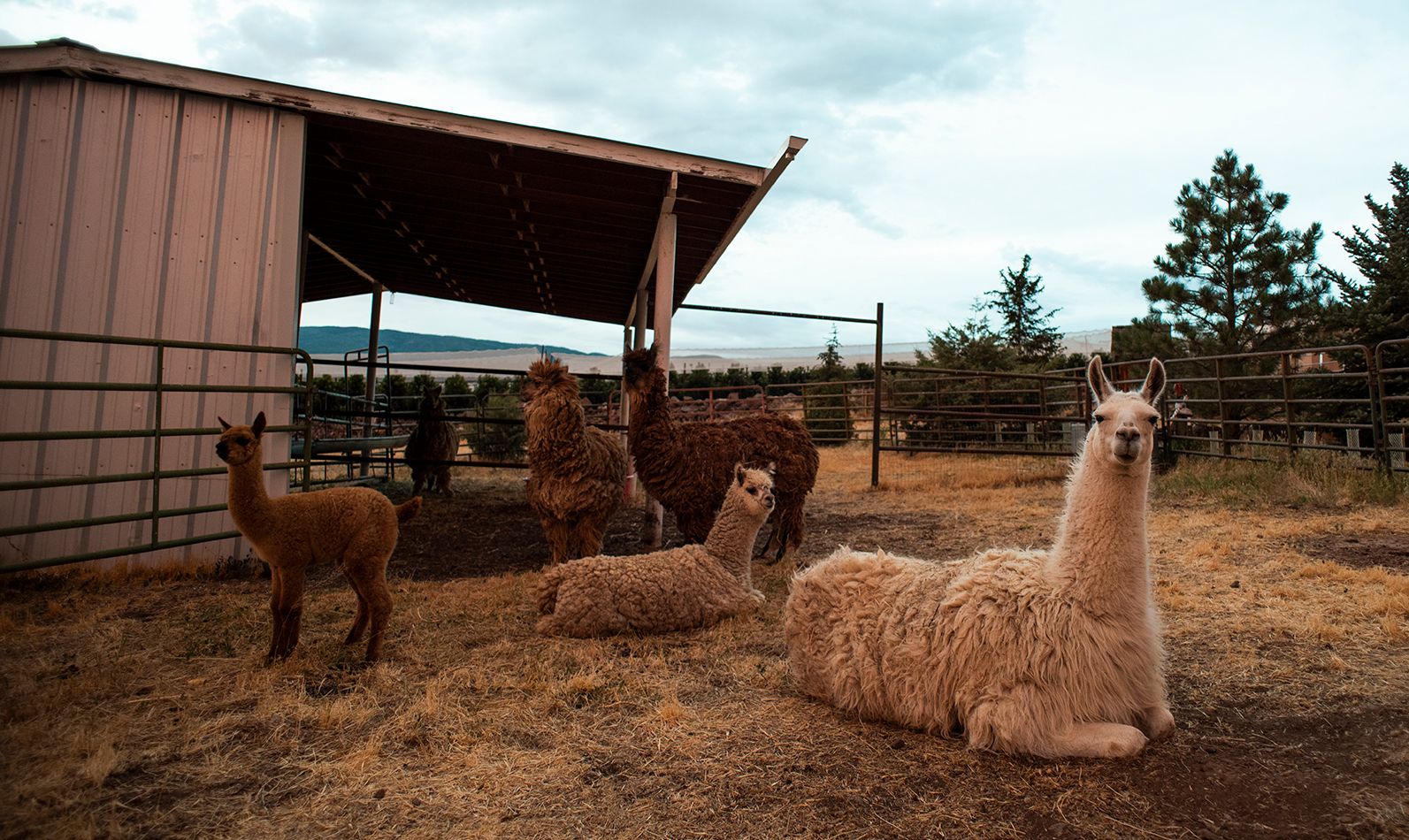
Some of you may recall that we expanded the Quiet Farm team a few weeks ago. We now have five alpacas and one llama on our farm, and they currently spend the majority of their time grazing placidly on our pasture. We’re new to livestock, and are doing as much research as possible, and we thought you might be interested in learning more about our new residents, too.

Alpacas 08 sml

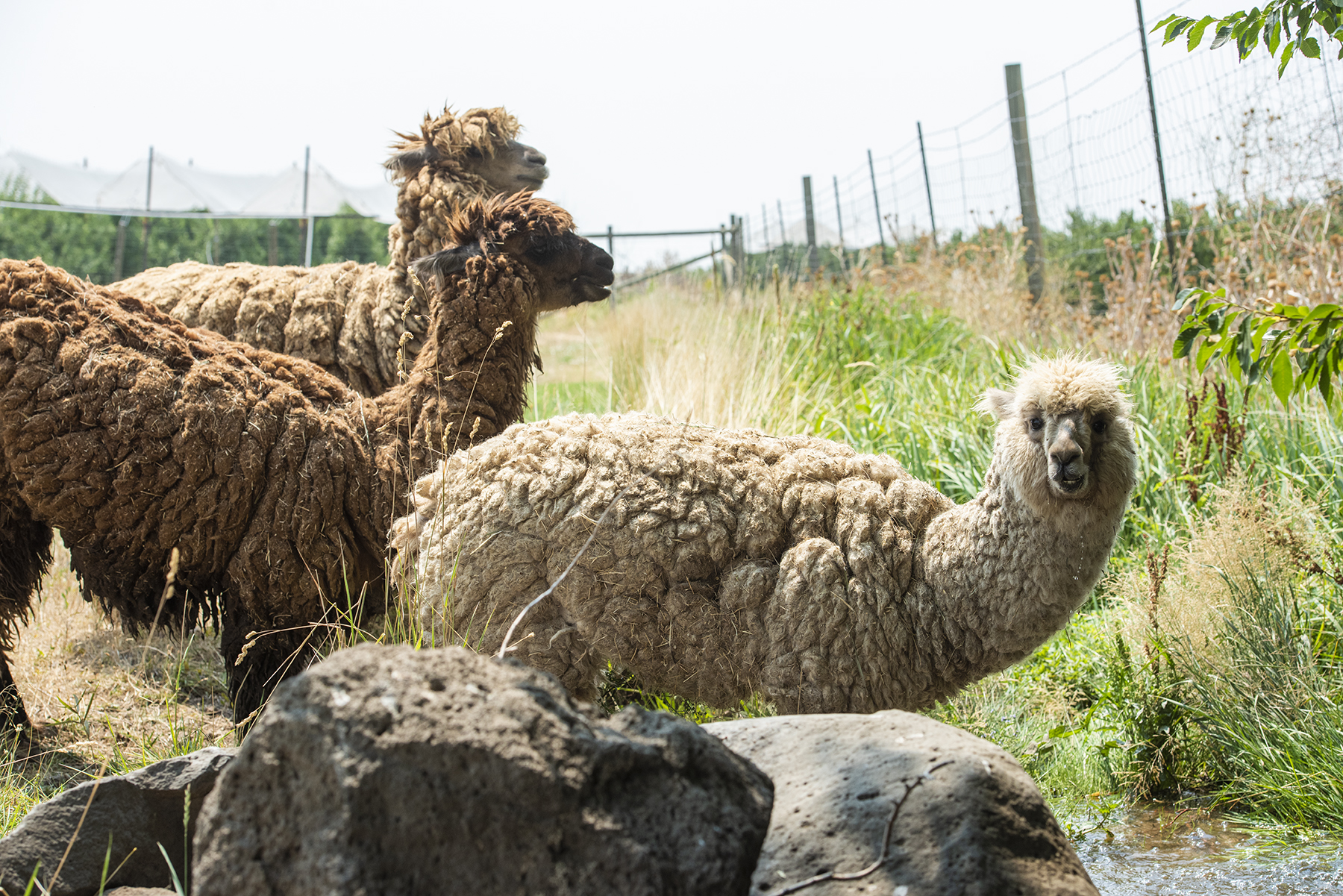
See you at the old watering hole?

First, what even are these odd creatures, anyway? Llamas (Lama glama) and alpacas (Vicugna pacos) are both members of the camelid family, along with their wild cousins, viçunas and guanacos. (Collectively, this group is known as lamoids.) Camelids actually evolved in North America; some of their ancestors migrated to Africa to become the desert camels we’re familiar with. Other ancestors migrated south to what is now South America and evolved into the llamas and alpacas we associate with indigenous tribes of South America. As bison were essential to the Native Americans, so were llamas and alpacas to the indigenous peoples. These animals provided food, fiber, grease, draft power, fertilizer, fuel, leather and protection.

Continue reading

Farm update: August 3

“This pandemic feels like a relay race and if that means that every once in a while, you need to break down and freak out, that’s fine. We can carry the baton for each other while we lose it, gather strength, and then carry on. The world seems out of control, but we can control our kitchens and the good things that come out of them. That’s something.”

-Steve Sando, Rancho Gordo

Vegetables 01 sml

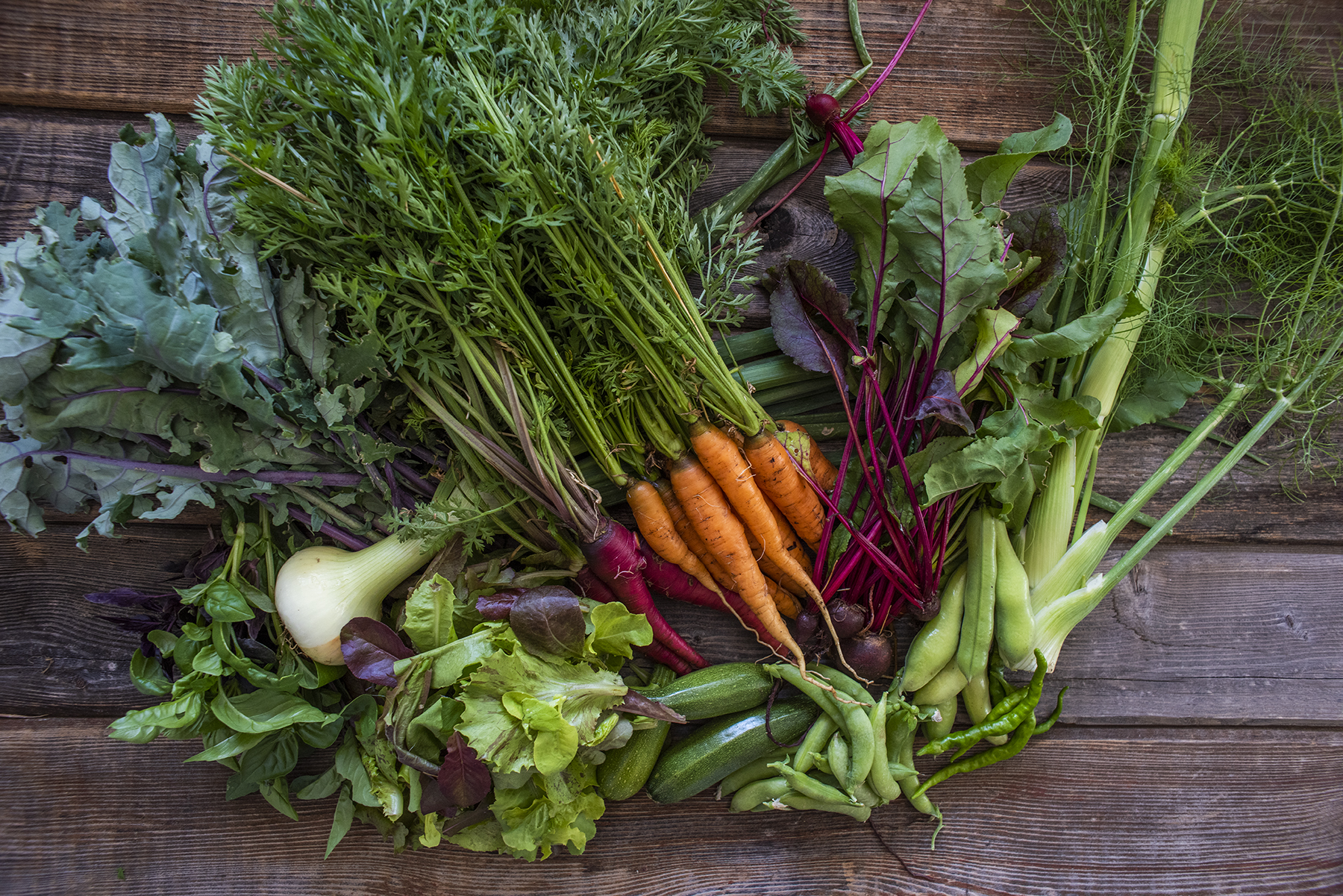
A daily harvest last week.

It’s reaching that point in the season when all of our hard work starts to pay off in abundance. Harvests now happen daily, rather than weekly or every few days, and a small bucket is required. Although the stars of summer – tomatoes and peppers – haven’t really come on yet, we’re swimming in greens, carrots, beets, onions, zucchini, fennel, kale and fresh herbs. It’s not going to be a great year for either winter squash or sweet peppers, much to our disappointment, and we fear that the squirrels have pre-harvested many of our potatoes. But we’re looking forward to cucumbers and fresh beans along with a (hopefully strong) tomato crop.

Continue reading

Meet the team

In an unexpected turn of events, five alpacas and one llama have joined us. We’re excited to present the newest members of the Quiet Farm team!

Alpaca Paris 01 sml

Paris

Alpaca Pahia 01 sml

Paihia

Alpaca Kona 01 sml

Kona

Alpaca Fiji 03 sml

Fiji

Llama Kingston 01 sml

Kingston

Alpaca Adelaide 01 sml

Adelaide

Alpacas 01 sml

Yes, they most definitely should be sheared. But since they’re basically feral, we all need some time to get to know each other before we tackle personal grooming. Never a dull moment here at Quiet Farm.

P.S. They’re named for places N and I have lived – three locations each.


Farm update: July 20

“Still, I cook. We need to cook, after all, to nourish ourselves and those around us. We need to cook to feel better, to make others feel better, to get along. I may begin the process in weariness, but as often as not I end it in surprise and triumph, happy at least to have made something delicious, to have shared it with those with whom I shelter.”

-Sam Sifton, The New York Times

Quiche 01 sml

No longer trendy but still delicious.

One of the cruel ironies of being a farmer is that when the vegetables really start rolling in, it’s way too hot to cook. Plus, after twelve hours working in the blazing sun all we want is chilled watermelon and ice-cold beer – not exactly a balanced diet. Enter the quiche! Long a mainstay of stuffy, boring women’s luncheons, quiche is hopelessly out of fashion but so well-suited for hot summer months, especially when fresh eggs, vegetables and herbs are in abundance. I always bake first thing in the morning (the house doesn’t need any help heating up later in the day), and quiche is perfect warm, cold or at room temperature. It has a reputation for being terribly unhealthy, but loaded with broccoli, spinach, peppers and herbs, with just a little egg and sharp, savory cheese to bind it all together, it’s an ideal summer staple. Let’s bring quiche back!

Continue reading

How to start composting

Americans produce about five times as much trash per capita as does the rest of the world: a truly shameful statistic. Even while the news shows images of food bank lines stretching for miles, we still manage to waste far more food (about 40% of everything we buy) than the average human. Most of this food waste ends up in landfills, which are rapidly reaching capacity; by some estimates, over half the waste in municipal landfills could be composted and used to build soil fertility. It’s also frustrating to see thousands of plastic trash bags filled with grass clippings and raked leaves headed to the landfill where they won’t decompose effectively when rebuilding the soil is one of the very best weapons we have against climate change.

QF Compost 01 sml

Our original compost pile.

If you’re looking to reduce your own waste stream, starting a compost pile is one of the best and easiest solutions. And if you’re cooking at home more these days, as most of us are, you might find yourself producing a lot of food scraps that could be put to much better use than the landfill. Composting has long been presented as too challenging / too time-consuming / too complicated / too messy / too smelly / impossible on a small scale. If managed correctly it is none of these, and is one of the very best ways to make your own plants better, even if you’re simply growing fresh herbs on a sunny windowsill.

Continue reading