Farm update: June 22

‘Tis the season of both growth and destruction. We spend most of our time weeding and watering and looking for new growth on our crops and in our pasture; in response, all of our crafty farm pests have come out with hunger in their tummies and destruction on their minds. Time spent not watering or weeding is instead spent defending our territory. It’s a hard-fought war of attrition out here, and both sides are digging their heels in.

Raspberry Growth 01 sml

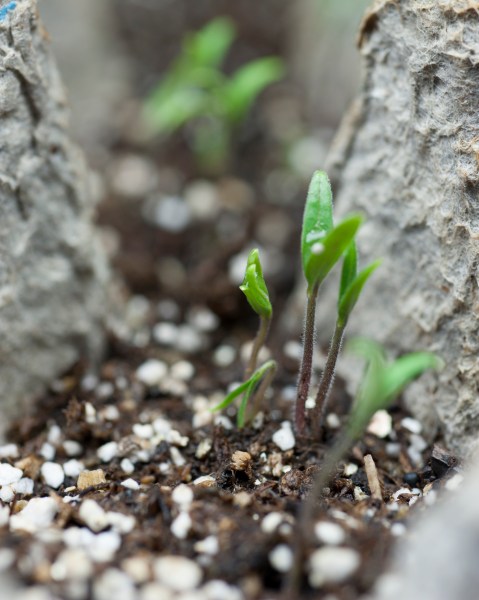
A raspberry cane with reassuring new growth.

We’re so pleased to see new growth on most of our raspberry canes. You might remember that we planted forty canes last year and every single one failed; this year we regrouped with drip irrigation and we believe that made all the difference. Bramble fruits like raspberries and blackberries typically do well in our climate; we’d love to grow our own fruit as well as our own vegetables. We’re always, always learning out here, and we’re trying hard not to make the same mistakes twice. We like to make lots of different mistakes instead.

Continue reading

The meat of the matter

The past two months have exposed a great number of frailties in systems we’ve long taken for granted. From child care to health care, we’ve learned firsthand that most – if not all – of our societal structures are built on debt-ridden quicksand. Nowhere has this fragility been more apparent than in our food supply, long the envy of less-developed nations.

Meat 01 sml

Mmmm…meat in tubes. Delicious.

If you’ve ever traveled in the Caribbean or Africa or Asia – really, anywhere outside of the U.S. and Europe – you know that a standard Western grocery store is a thing of miracles. The glossy, perfect produce, appealingly stacked in lush displays. With artificial thunderstorms! Acres of cold-storage, displaying hygienically shrink-wrapped packages of beef, pork, chicken and fish, none of which resemble the animal they once were. The deli abounds with cheeses and olives and overflowing dishes of prepared foods, enticingly displayed on beds of ornamental kale.  Aisle upon aisle of boxed mixes and snack foods and sodas and candy and cookies and chips, plus thousands of cleaning products and toiletries and other various and sundry items, all brightly-colored and stocked in abundance. A standard Western grocery store never has bare shelves, because that violates its very reason for existing – that we have so much, we can replenish each item before it’s even made its way to the check-out.

Continue reading

Chick lit

A couple of weeks ago The New York Times ran an article about how, in addition to guns, seeds, toilet paper and yeast, Americans have “stress-bought all the baby chickens.” For the record, N and I would like to point out that raising chicks was always in our 2020 plan, even before this pandemic wreaked havoc on the universe. And so it happens that ten chicks now reside in a makeshift fort in our sunroom, deftly constructed of cardboard, repurposed pallets, a vintage metal fireplace guard, free Harbor Freight tarps, and salvaged window screens. This chicken palace is a thing of architectural beauty, make no mistake.

Bielefelder Chick sml

Bielefelder

What distressed me most about that NYT article – and to be fair, this happens every Easter – is how many people buy chicks (and puppies, and kittens…) without thinking beyond their cuteness stage. Do you know anything about keeping chickens? Where do you plan to house them? How will you keep them safe from predators? What if you end up with a rooster, which are illegal in most municipalities? This flock will be our fourth, and before we had chickens at our old house we did a ton of research on how to keep them safe, healthy and happy.

Continue reading

Farm update: March 9

How are you doing? It’s probably been a whipsaw week where you live, too. Here we are trying our best to stay busy and avoid the headlines (easier said than done). A few things we’ve been up to, if you’d like to see:

Bees Coffee Filter 01 sml

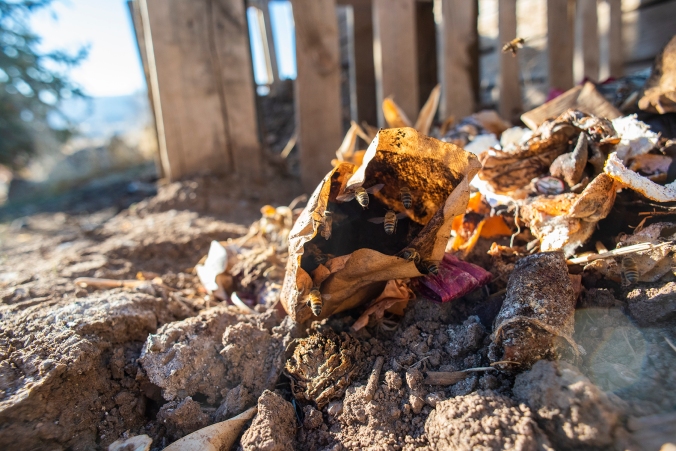
The bees love coffee as much as we do!

One sure sign of warming weather (which is coming far too early, in our opinion) is enhanced bee activity. On warm, sunny days we’re seeing lots of bees buzzing in the compost pile (they particularly love our spent coffee filters) and also near one of our big trees that’s in early bud. The apple trees in the surrounding orchards haven’t bloomed yet, but it’s always nice to know that our resident bee population survived another winter.

Continue reading

How to save the world

Last Friday, millions of people around the world marched as part of a “global climate strike.” The march was intended to draw world leaders’ attention to the climate crisis in advance of the U.N. General Assembly taking place this week in New York City. While the sight of millions of mostly young people taking to the streets to make their voices heard is heartening in theory, teenagers in expensive sneakers carrying smartphones and pithy signs aren’t going to change the perilous trajectory we’re on.

Despite the fact that we are by far the world’s largest consumer and by extension the world’s largest polluter per capita, the U.S. is the only country in the world still debating the very existence of climate change. While other countries have their heads down working to find solutions, we’re still arguing over whether this is actually happening, and if so whose fault it is. (Spoiler alert: ours.) This disparity will be on full public view this week at the U.N.; once again, we’ll look like idiots on the world stage, a role in which we’re becoming increasingly comfortable.

Here’s the painful truth: we can’t protest the idea of large corporations destroying the planet, because we are the reason those corporations exist. If we didn’t buy their products – if we didn’t upgrade our iPhones every year, if we didn’t rob each other at gunpoint for thousand-dollar puffer jackets, if we didn’t accept and then dispose of two million plastic bags per minute – these corporations wouldn’t be able to plunder the planet. We are the problem, and by that logic we also have to be the solution.

Mental health professionals have reported a sharp uptick in the number of people seeking treatment for depression related to the environmental catastrophe we’re facing. It’s a massive, complex problem, and it’s easy to feel hopeless when confronted with its scale. On a personal level, I’ve long since graduated from severe eco-anxiety and now find myself teetering on the cliff of abject climate despair. I don’t think we’re going to be able to fix this, but we can’t choose to do nothing and watch the world implode around us. With that in mind, here are five things we can implement immediately that might just make a difference.

Continue reading

Things that are great, vol. 2

Modern lives contain way too much negativity, a cycle perpetrated by a fear-mongering media looking to sell us stuff we don’t need. In the interest of combatting that mentality, then, we present our second “Things That Are Great” link round-up, highlighting news stories and trends that we think are worth celebrating. (Read our first positive link collection here!)

Sheepsies 01 sml

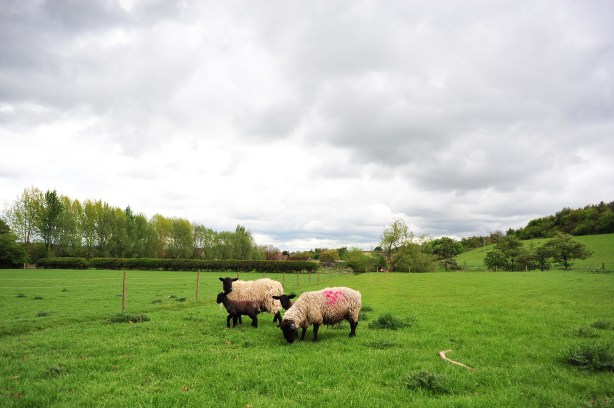
Photo clearly not taken in Colorado.

If you had to guess at the largest irrigated crop in America, you might well assume corn or soy. You’d be wrong; however; according to a 2015 NASA study, lawns represent about 40 million acres in the U.S., or about three times as much land as corn. All this grass comes at a steep price: 9 billion gallons of water per day, plus hundreds of millions of pounds of fertilizers and pesticides and other chemical treatments, all of which eventually end up in our water sources. And yard waste, including grass clippings and leaves, represents the largest single occupant of our landfills, too. All this for a crop we can’t even eat? Ridiculous.

02 February

Thankfully, though, forward-thinking companies are working to change that antiquated attitude. All across the country, edible landscapes are “unlawning” America. Converting pointless, thirsty lawns into healthy, local human food? Yes, please. These edible landscapers often face a lot of resistance from restrictive HOAs, but progress is still being made, albeit slowly. If you’d like to replace your lawn with native plants, check with your local extension agent – they’re often the best source of information for what will grow best and still look nice in your region.

Continue reading

A helpful guide to Quiet Farm wildlife

Fuckin' Deer 02 sml

Lots of people move out to the country to escape from society and get closer to nature. (We did.) This is all well and good, but more often than not that human-wildlife interface becomes difficult for both sides. On the Front Range, for example, dozens of black bears are killed by wildlife officials every year because they show little or no fear of humans and are regularly caught breaking into homes and businesses to scavenge for food. Many more are hit by cars. Mostly, this is because we continue to encroach on the bears’ territory, and because ignorant humans continue to place unsecured trash in places where the bears can access it.

Fuckin' Deer 03 sml

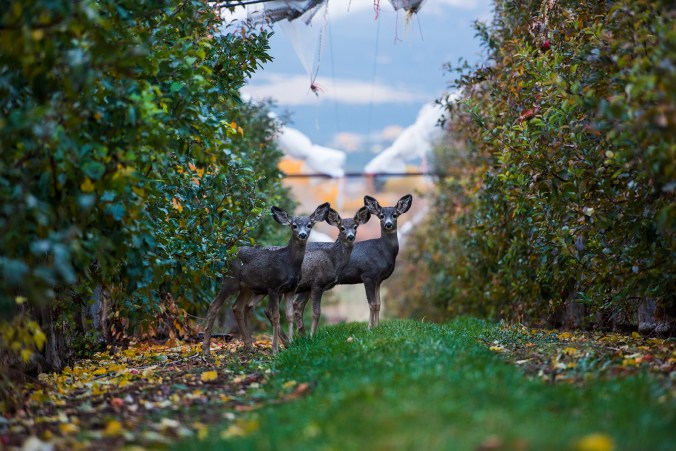
Here on Quiet Farm, then, one of our biggest challenges will be how to live in harmony with our local wildlife, rather than against them. For us, deer pressure will absolutely be the largest issue we face. There are thousands of deer in the nearby area, both whitetail and mule; we’re also surrounded on three sides by apple orchards, which attract deer and lots of other creatures who love fresh, crunchy apples, too. As we plan our vegetable beds for next season we’re still debating how best to protect those vegetables from the deer; these animals can do thousands of dollars of damage in one hungry night and we have no interest in opening an all-you-can-eat salad bar.

Continue reading

The Farm Series: Western Culture

Western Culture 01 sml

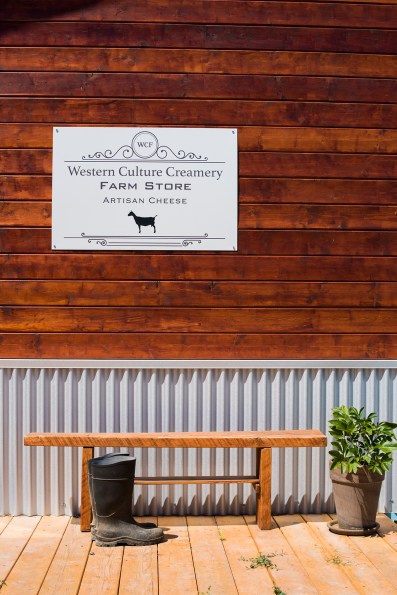
Now that we actually have a farm, we can get a bit more serious about researching where we’ll obtain our animals. We plan to raise dairy goats and laying hens, with the intention of producing enough milk, cheese and eggs to supply our own kitchen as well as our cooking school. Because healthy animals produce healthy food, it’s essential that we know exactly where our animals come from.

Western Culture 07 sml

We still have a lot of work to do on both our chicken house and our goat barn to get them ready for animals, and we don’t plan to purchase any until next spring. We want to make our reservations now, however, so that when we’re ready we’ve got animals waiting for us. Small dairies especially need to know in advance how many animals they can sell during a given season so they can plan their breeding program.

Western Culture 11 sml

Continue reading

The Farm Series: Desert Weyr

Of late, our Western Slope farm visits have taken us to pick delicious cherries and to meet happy pigs. How about we introduce you to some unusual sheep?

Weyr 01 sml - Copy

Desert Weyr is perched high on a mesa above the town of Paonia.

In the late 1990s, Eugenie “Oogie” McGuire decided she wanted to craft herself a traditional medieval cloak – from scratch. It would be made from wool, of course. She purchased one ram, five ewes and a loom, taught herself how to spin, weave and sew, and eventually made the cloak. As she says, “It’s more accurate for the 18th century. It took me six years to weave the fabric, two more to get up the courage to cut it, and two weeks to hand-sew it.” But what commitment! Now, Oogie and her husband, Ken, raise a large flock of Black Welsh Mountain sheep on pasture above Paonia.

Continue reading

The Farm Series: Colorado Pastured Pork

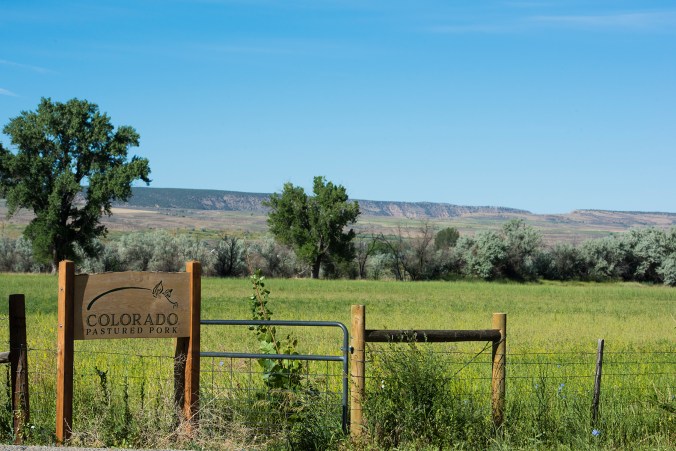
We’ve (sort of) relocated to the Western Slope, and we’re focused on meeting as many local farmers as possible. If we truly intend to start Quiet Farm here, and if we intend for it to grow into a thriving business, building a strong local producer network will be key to our success. To that end, when we’re not driving around looking for property, we’re visiting farms and ranches who practice the same sort of farming we plan to embrace.

CPP 01 sml

The Western Slope – specifically Delta County, where we’re currently based – has a long history of agriculture, but most of those ag products were shipped to population centers in Denver (to the east) and Salt Lake City (to the west). Now, with “local food” and “agritourism” evolving as valid ways for poorer counties to earn revenue, there is a movement afoot to encourage small farmers and other sustainable, innovative producers to make their mark here. Surprisingly, Delta County has more acres of organic farmland than any other county in Colorado (I know, we thought it was the Kingdom of Boulder, too).

CPP 02 sml

CPP 03 sml

Continue reading