
It’s been a staggeringly difficult year – for so many people, for so many different reasons. Our farming season was by far the most challenging we’ve experienced in our seven years here, and the bean harvest was…dispiriting, to understate the obvious. After a summer with no measurable moisture whatsoever, we experienced a too-late storm in October that managed to create mold on many of the beans, so the cleaning and sorting this year was more tedious and time-consuming than usual. Nevertheless, here are the heirloom beans we grew this year, with brief notes on each. Small quantities are available for sale to our local Surface Creek community; please contact me if you’d like to learn more about purchasing or growing beans. Previous bean harvest posts can be found here, here and here.
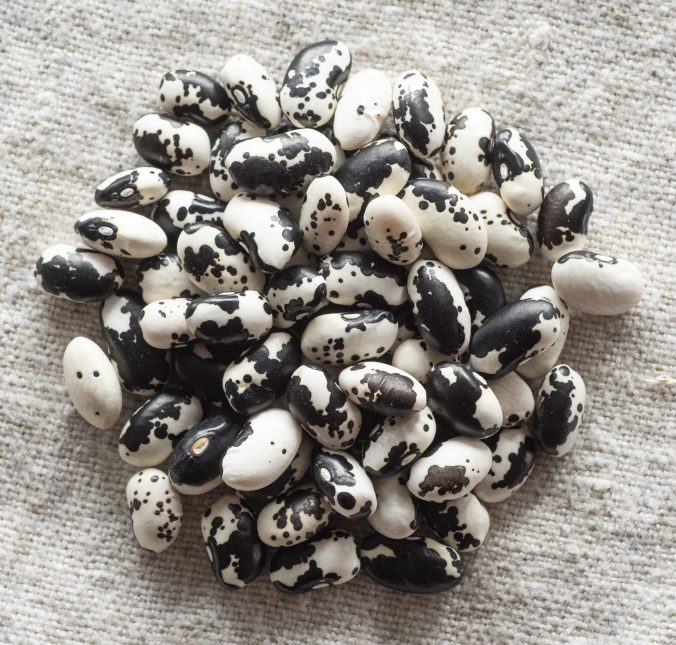
Vaquero is a new cultivar for us this year; previously it had been misidentified as Orca / Calypso / Yin Yang. Vaquero is the black version of red Anasazi (stolen/trademarked) and gold Palomino / Zuni. Many beans, many names! Good producer, easy to clean, rich, inky broth and delicious in any chili.
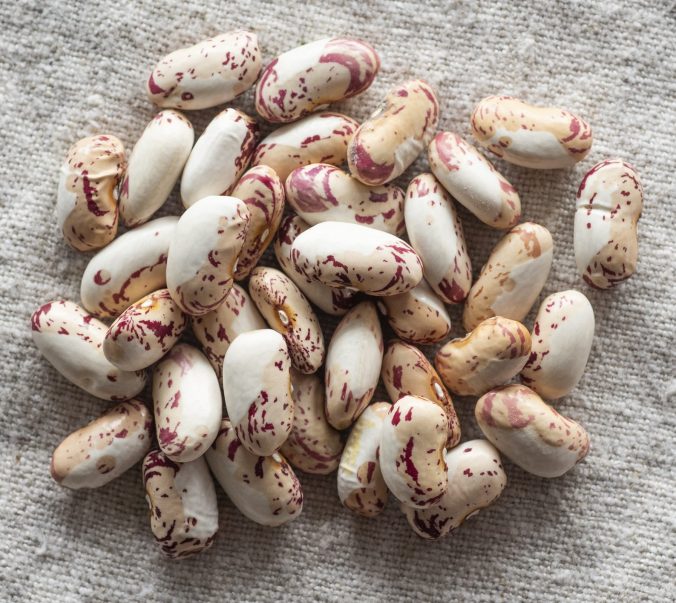
Snowcap is new for us this year too; seedstock and description both hail from Rancho Gordo: “Snowcaps are large beans with a distinct resemblance to everybody’s favorite tuber, the potato. They have an old-fashioned, Yankee-style goodness.” Perfect in hearty soups and chowders.

Triomphe de Farcy are a French-style filet bean, grown to be eaten green rather than dry. The crop was so decimated by grasshoppers that we chose to save the entire yield for seedstock rather than eat fresh.
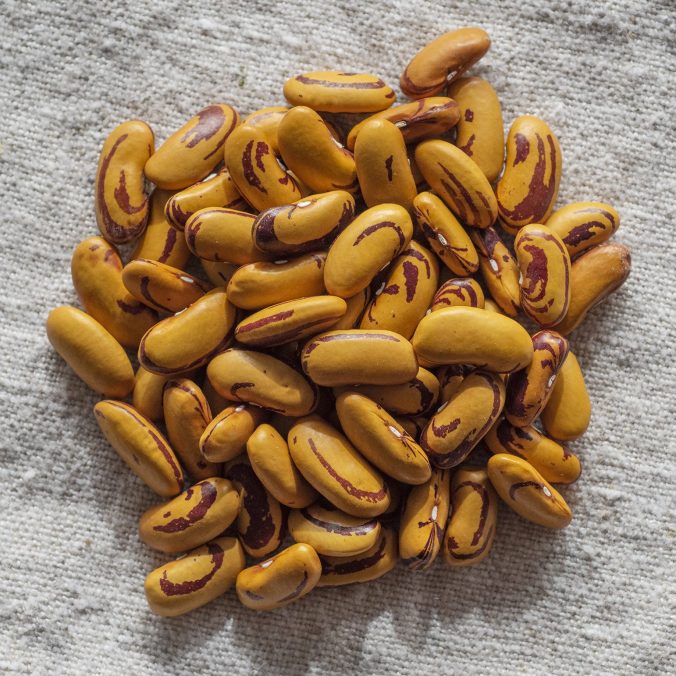
Tiger’s Eye are a gorgeous kidney bean, one of our favorite heirlooms and always one of the earliest producers. Very low yield.

Royal Coronas are delicious and so impressive but beans this grandiose simply need a longer season than we have here. We are unlikely to grow these again.

I don’t have enough complimentary adjectives for Rio Zape. They’re stunning in appearance, utterly delicious, high-yielding, easy to clean, don’t lodge and are one of our best all-around producers. A stalwart for us here.
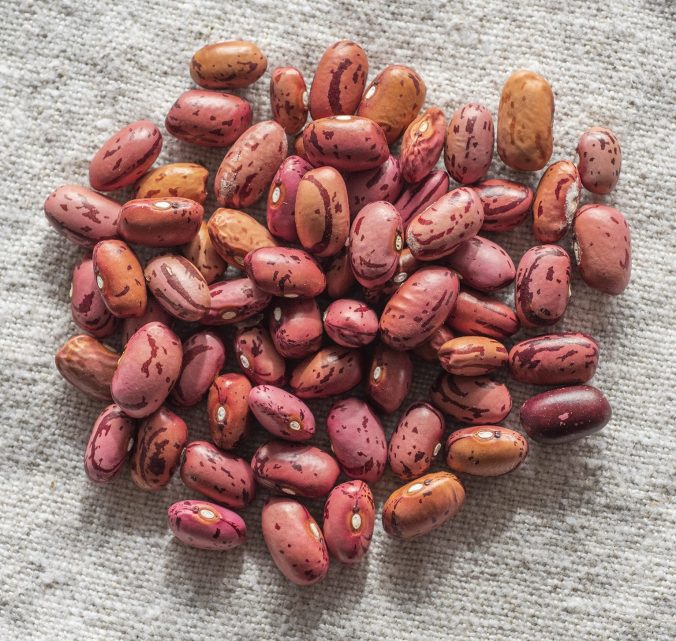
These Pinto Rosas are one of last year’s sports (meaning an unexpected arrival in an established row crop); they’re sort of a pink pinto or a rosy Rio Zape. High production and easy to clean; these will likely be in regular rotation.
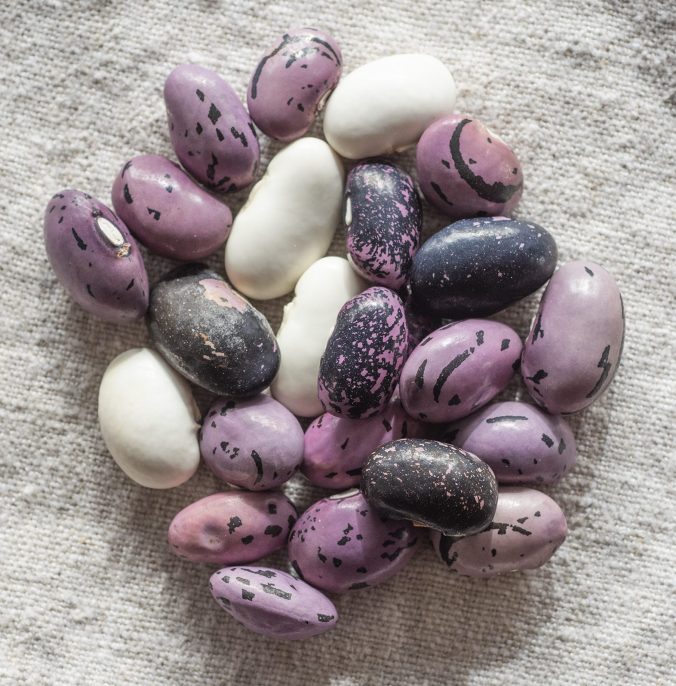
River Rocks are huge, stunning runner beans with gorgeous red flowers and an interesting color assortment. And they’re so tasty! But like Royal Coronas, they need a longer growing season and their yield isn’t worth the effort. This was probably their last season here.

Peregions, always and forever. Amazing yield even in difficult years, though they lodge like crazy. Neutral, easy to love and worth the effort.
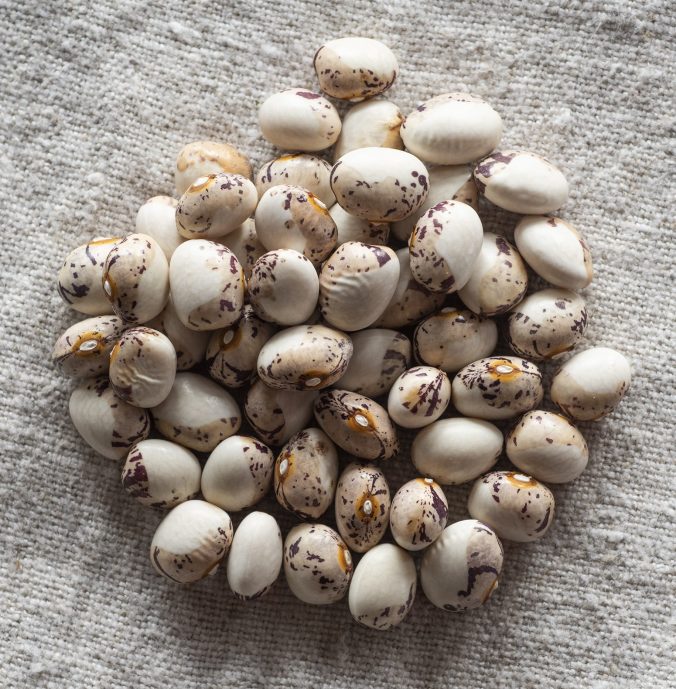
Papa de Rolas (‘pigeon’s breast’) are a plump Portuguese cultivar. Seedstock came from Zursun Beans – please heed my recommendation and do not ever, ever, ever order anything from this terrible company. Very low yield, likely a combination of low-quality seedstock and grasshopper pressure. Jury is out as to whether we’ll grow these again.
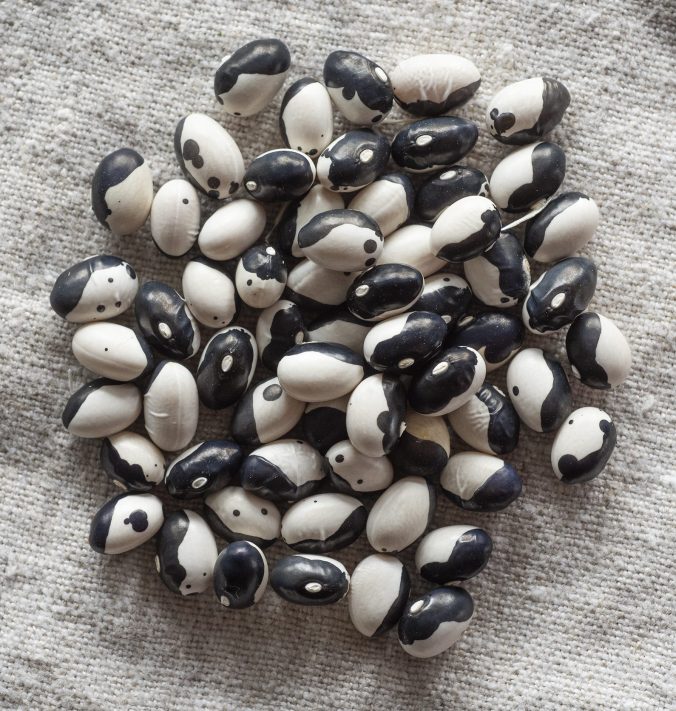
The original Orca, often confused with Vaquero up top. Good production and delicious, although they’re a bit troublesome to clean.

Like Rio Zape, I can’t say enough nice things about Hopi Yellows. Stellar yields no matter what and they obviously just love our growing conditions. Another mainstay.
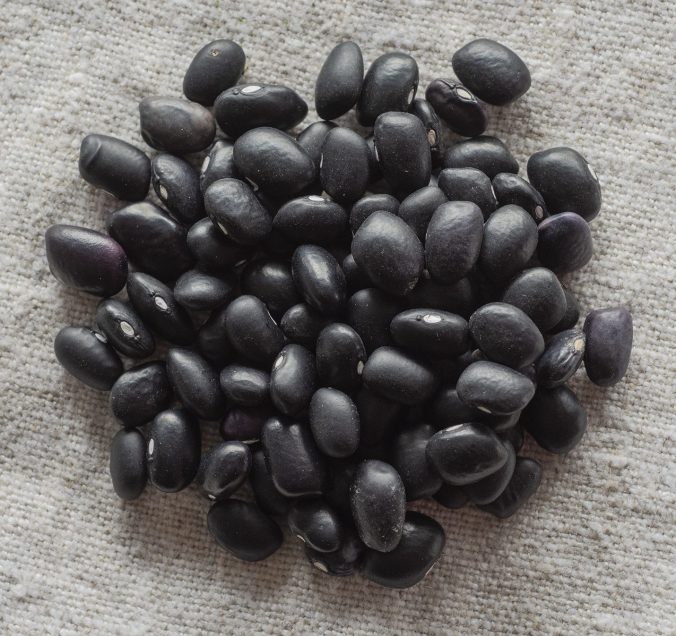
I adore black beans and I do think we need a black bean in our product line-up, but it’s tough to compete with commodity blacks. These Midnight Blacks didn’t have a great season and I might skip them next year in favor of more impressive hard-to-find varieties.
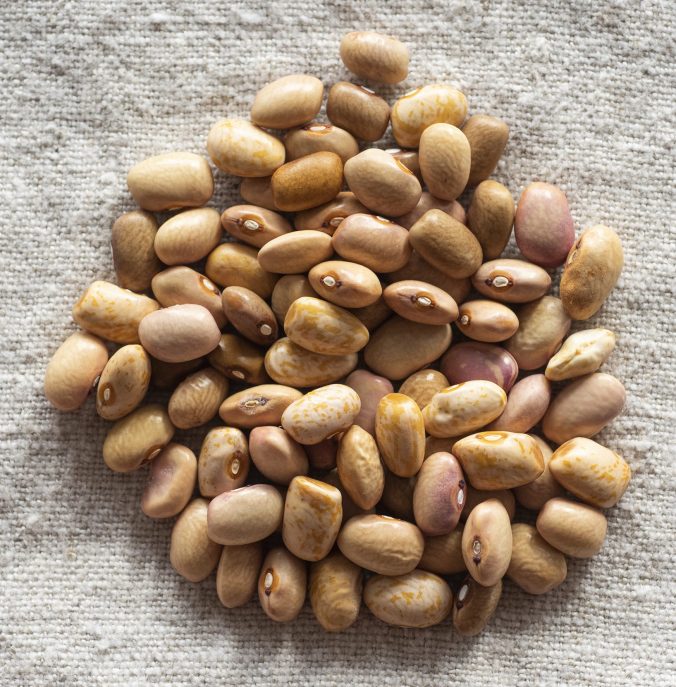
Bolitas usually offer great yields – mostly because they lodge so badly that they show up in almost every row – but the grasshoppers took their toll this year. Still a steady choice for a neutral pale bean.

These are Occhio della Capra, an Italian version of the very-in-demand Eye of the Goat. These larger beans produced far better than the tiny quantity of Ojo de Cabra we planted, so these are likely going into rotation. I’d still like to try for a crop of Ojo de Cabra, if only because it’s always spoken of in such reverent tones – but it’s also apparently a big challenge to grow. Will try again if I can get my hands on any viable seedstock.
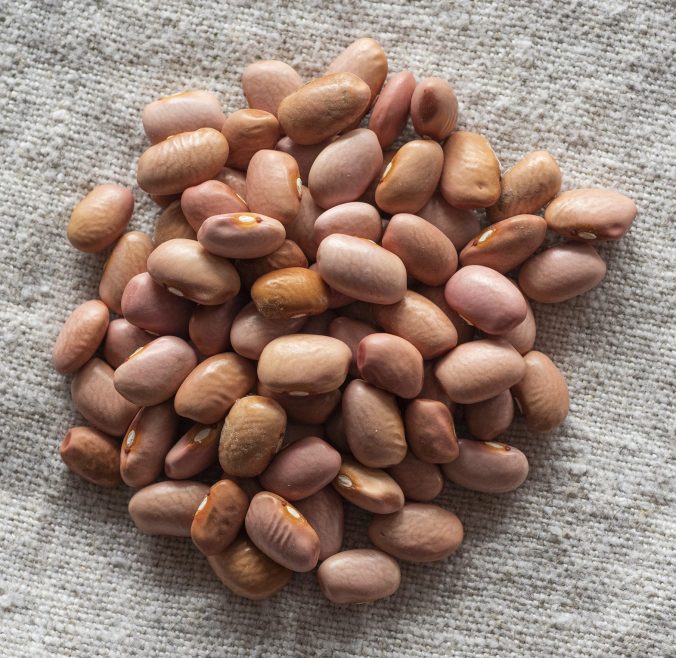
King City Pinks were the only pink bean we grew this year; they mostly fell to the rapacious grasshoppers.
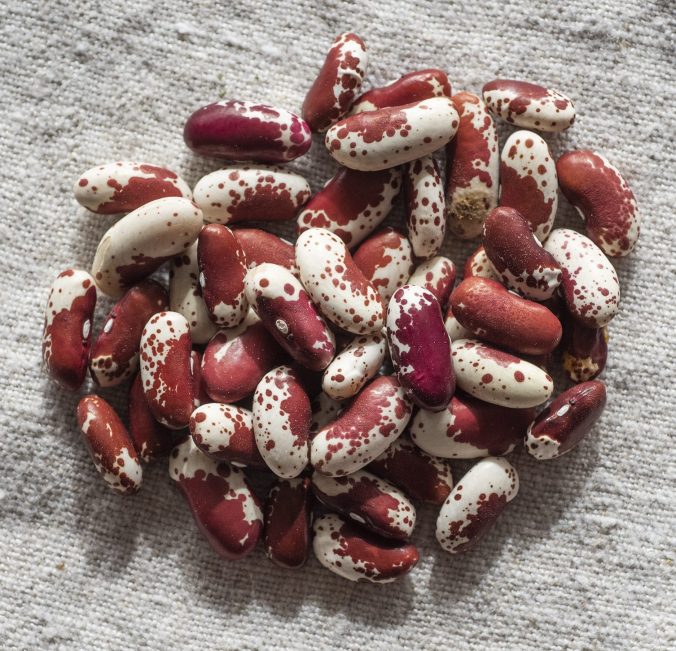
Like Tiger’s Eye, Jacob’s Cattle are a classic, delicious chili bean. And like Tiger’s Eye, we lost most of these to grasshoppers.
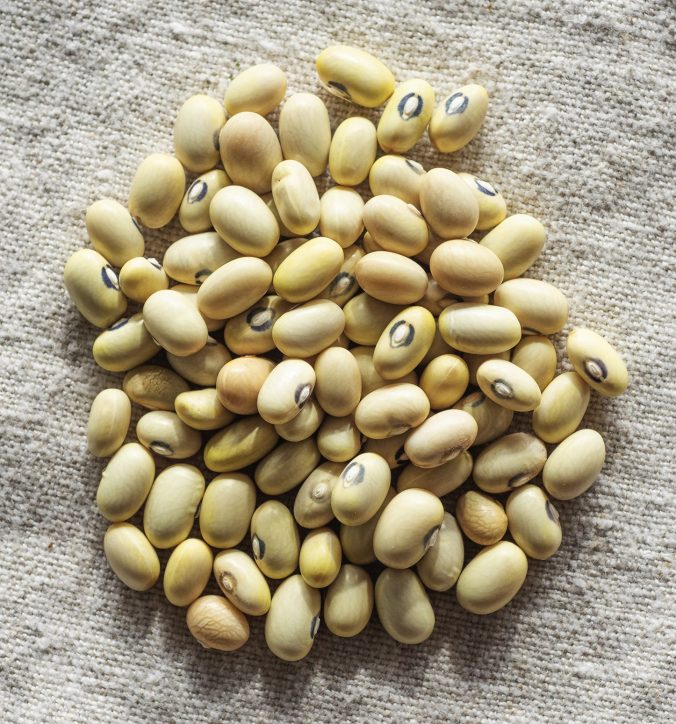
The Hutterites turned out somewhat okay; they’re usually an excellent producer. Good choice for a pale yellow bean that isn’t Mayocoba.
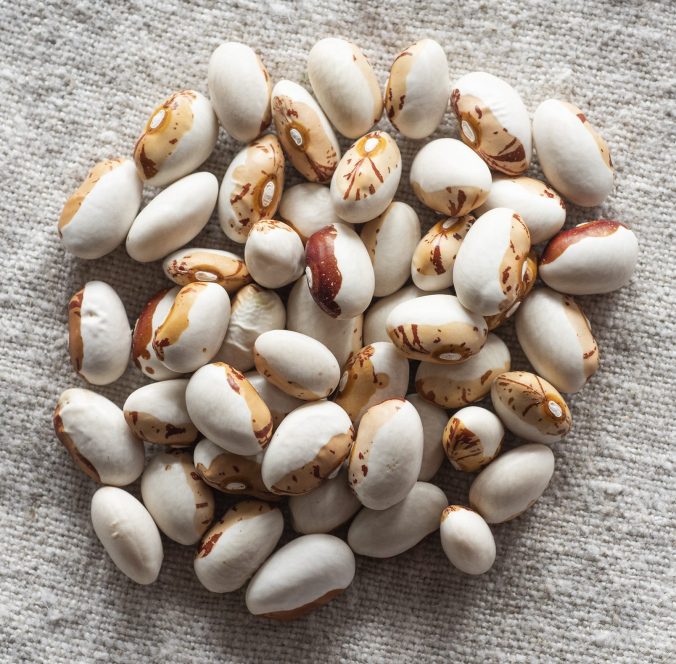
Smaller than Snowcap but similar in appearance, Hidatsa Shield Figure once again produced well. This is our second growing season for Hidatsa Shields and they’ll be a Quiet Farm standard going forward.
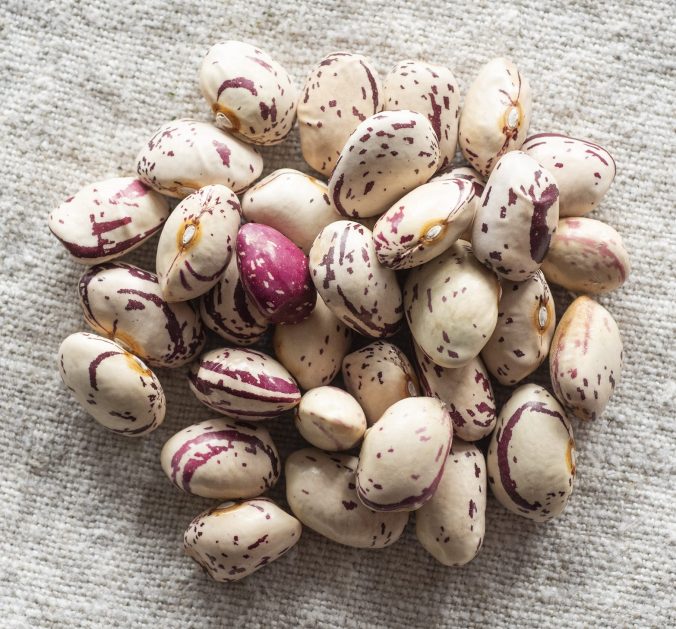
These Borlotti Lamons – a larger cranberry-type bean – performed really well this year, and will probably replace cranberry entirely. Our only challenge with these is a vague, inconsistent yellowing that doesn’t impact flavor but does impact appearance, an important consideration for a premium product.
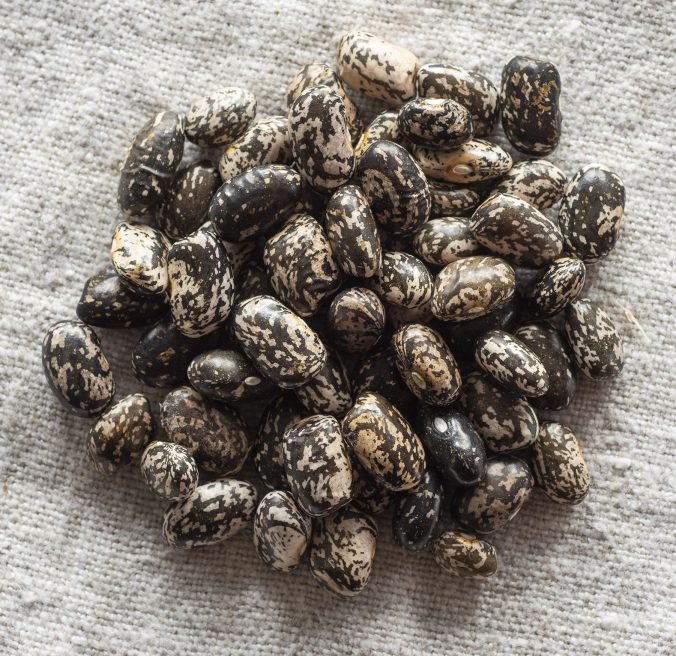
These speckled beans are one of last year’s sports, like Pinto Rosa, and we’ve named them Galaxy. Production wasn’t terrific but it was obviously a difficult year so we’ll probably give them another chance – but only if their turn in the slow cooker produces something delicious.
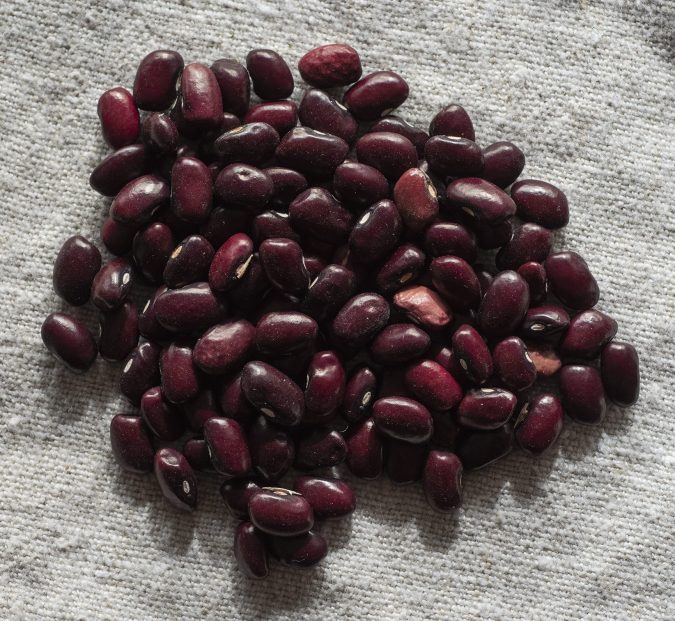
Domingo Rojos are a knock-out red bean with fantastic production. They’re small, toothsome and easy to love, and of course perfect for red beans and rice.
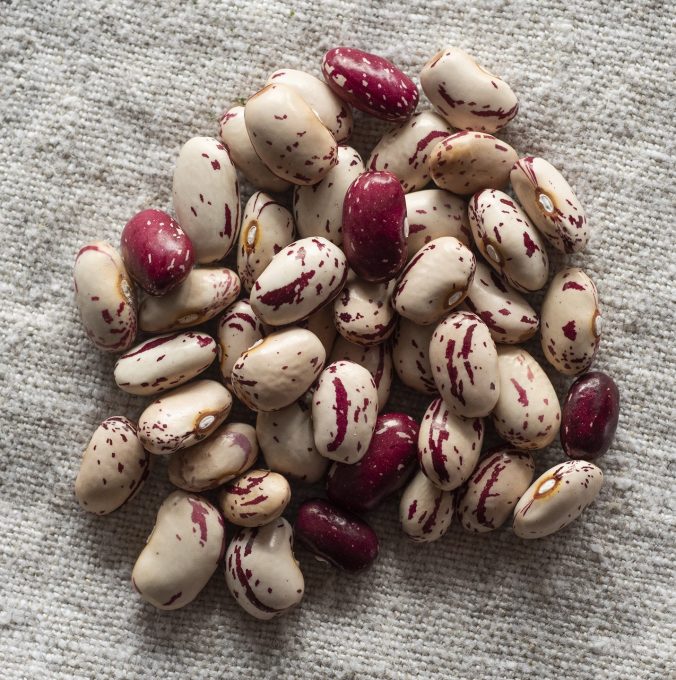
Standard cranberry beans just aren’t worth growing; even in a good year, their production is relatively minimal. I will likely try other cranberry varieties and leave these to the growers in more temperate climates.
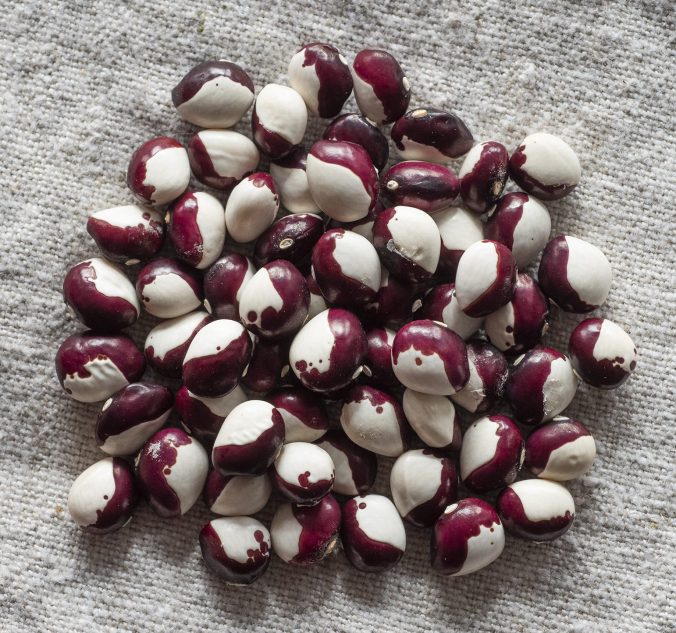
We grew out Annie Jacksons for the first time last year and were impressed by their productivity. The grasshoppers got most of this crop, but we’ll try again. These are a crimson color variation on Orca.
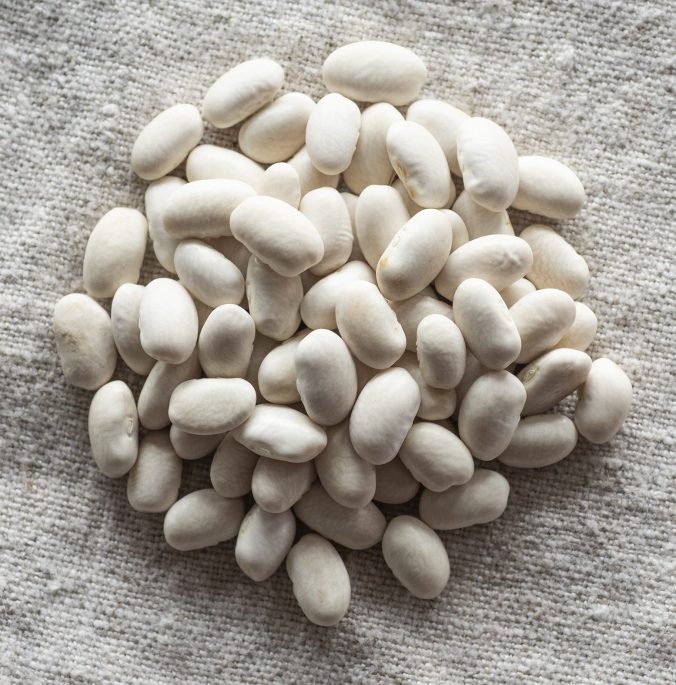
For some reason last year I didn’t plant any white beans and I really missed them in the pantry – for corn chowder and herby, garlicky dips and more. We’ve grown these Aztec Whites previously and consider them a pretty reliable cultivar. I planted Great Northerns from Zursun (again – do not support this company) and was unimpressed with the results, so Aztec Whites will probably remain our standard versatile white bean.

And finally, the 2025 winner: we grew Good Mother Stallards for the first time this year and wow, do they ever deliver! The yield was surprisingly good for such a terrible growing year and as promised the depth of flavor is incomparable. We served these at Thanksgiving and they were the sleeper hit of the buffet! Definitely added to the regular line-up.
We also grew Colorado River and Pinto Gris (neither pictured here). Total crop failures this year: Ayocote Negro, Dapple Grey, Tongues of Fire, Borlotti Stregoni. Never again on any of the Ayocote beans – they just do not work here, for whatever mysterious reason.
Thanks for reading about our bean harvest, friends. We hope you are warm and dry and have a pot of something delicious simmering on the stovetop.
 Finding Quiet Farm
I will buy a bag of your your good mother stollard beans if they are for sale. I’m sorry to hear of your losses. These climatic patterns are killing us all. Very discouraging.
Są’ah Naghai Bik’eh Hózhǭ…
LikeLike
Thanks, Alida! I will be in touch. Wishing you all the best.
LikeLike
I am so sorry you had a tough season this year. It’s sad how rough it is, all over our world today. I still think about and appreciate all of the knowledge you brought to our Lunch and Learns at Hunter Douglas back in the day. I really enjoyed every one of them! But each and every one of your beans are so beautiful. They are works of art in themselves! Wish I lived local to benefit from your lovely harvest! Happy holidays and hope for 2026 to be a better year for you!
LikeLike
Arlene, thank you so much for your lovely comment, and thanks for reading – even after all these years! I loved giving those Lunch & Learns – the HD group was always so warm and receptive! Wishing you and yours all the best in the new year.
LikeLike
Even if the harvest was not impressive, the variety certainly is.
LikeLike
Thanks, Tony. We are committed to trying as many cultivars as possible to see what grows best here! Best wishes to you and yours.
LikeLiked by 1 person