Crantastic!

We continue our never-ending quest to absorb everything we can about all types of farming, and just in time for America’s most revered Day of Gluttony, N and I learned how to harvest, sort and process cranberries! One of the farms we worked on in Oregon was home to three organic cranberry bogs, so we were able to see firsthand how this unique fruit is both grown and harvested.
NJB_1166

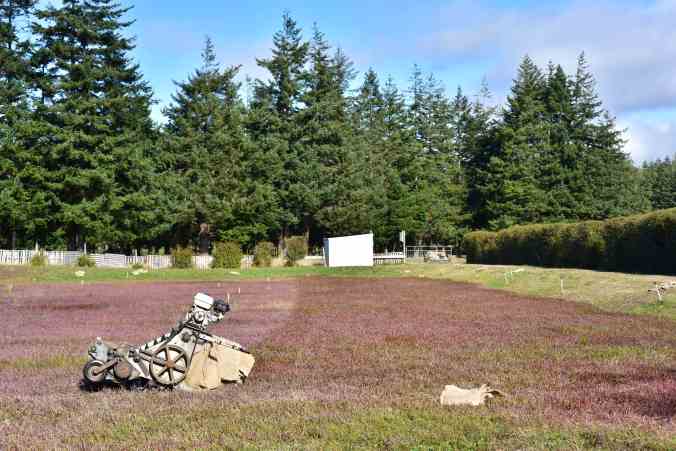
A one-acre dry cranberry bog with harvester. The portion on the left still needs to be harvested, while the section on the right is finished. 

Cranberries are grown in Washington, Oregon, Wisconsin, Massachusetts and New Jersey, as well as in Canada; they’re a low-growing vined shrub and the plants can live indefinitely if cared for properly. The vast majority of cranberries are conventionally wet-harvested, in the traditional bog we know from the Ocean Spray commercials. The organic farm we worked on, however, used dry harvesting. This is substantially more labor-intensive and has lower yields, but organic dry-harvested berries sell for nearly twenty times the amount that conventional wet-harvested berries do. This is primarily because dry cranberries can be sold fresh, packaged into bags in your produce department. Wet berries need to be processed into juice or other cranberry products almost immediately.

NJB_1160

Aren’t they gorgeous? And so good for you. I ate a lot.

NJB_1114

The harvester at work.

NJB_1164

The harvester removes a lot of branches, but not all.

NJB_1141

We filled burlap sacks with berries for transport to the packing shed.

NJB_1225

A surprising number of cranberries are left behind after harvesting.

We followed our farmer with clean, dry burlap sacks, ready to replace the one on the harvester as soon as it was full. It’s really important not to overpack the bags and not to double-stack them on the trailer, as too much pressure will crush the berries and render them unsaleable. I hand-harvested a few pounds of berries left behind; this was unbelievably labor-intensive. Agricultural work is not for the faint-of-heart.
NJB_1245

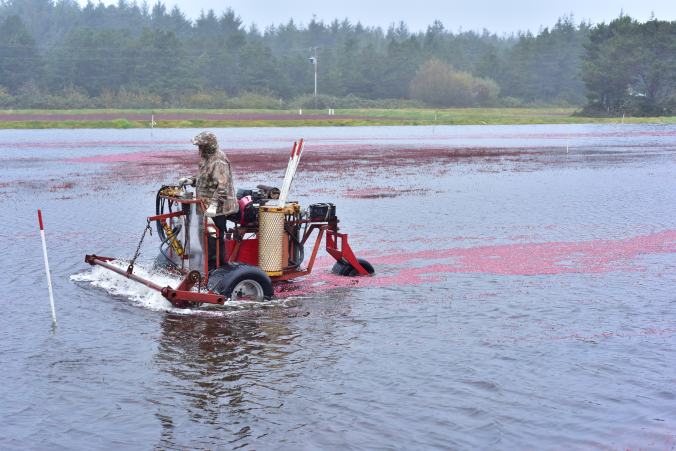
Traditional wet-harvesting involves flooding the bogs and a harvester like this one.

NJB_1246

The berries float to the surface of the flooded bog, where they can be easily scooped. 

We watched a traditional farmer wet-harvest his bogs on a miserably cold, rainy day: not at all fun. Our farmer can only harvest when it’s dry and clear, as the goal is for the berries never to get wet. Even the morning dew had to dry before we could harvest.

NJB_1239

Our daily harvest, ready to be put through the sorter.

Every day after we harvested, we took our berries to a shared packing shed. Our farmer ran the berries through the sorter, and N and I sorted and packed on the opposite side. Once the berries started tumbling through the chute on our side, we really had to work quickly to keep up, and to ensure that our crates didn’t get too full. As with loading the bags during harvest, it’s essential not to crush the berries on the bottom.
NJB_1241

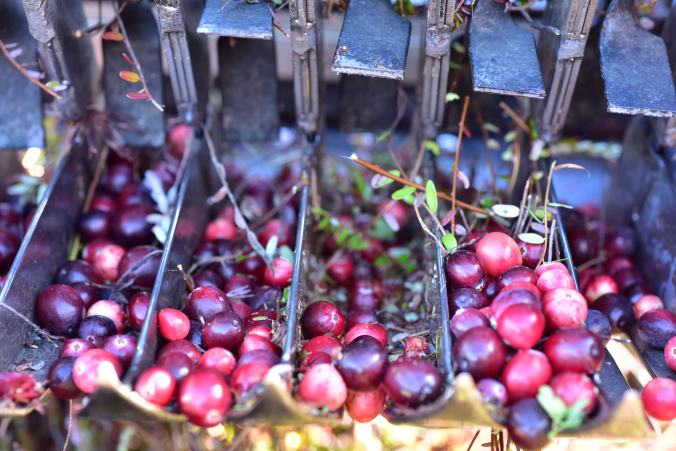
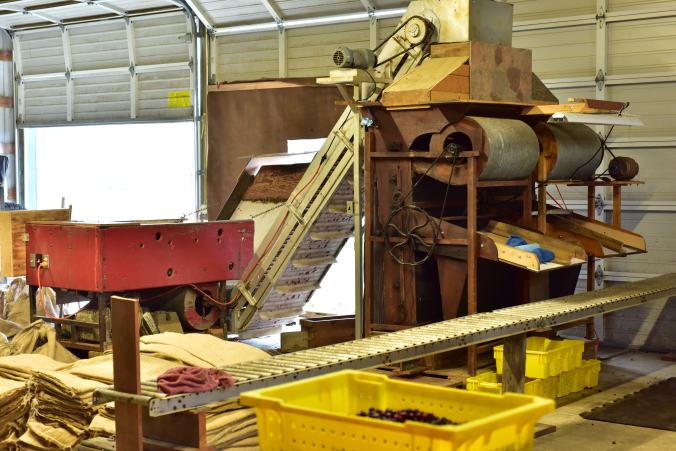
Berries are run up the conveyor belt, where they’re tested for ripeness.

NJB_1250

We stood here and sorted through the berries as they came down the belt, removing small branches, twigs, leaves and any damaged berries.

Unusually for most produce, cranberries actually bounce when they’re ripe (and float when they’re flooded), so the sorter both removes the larger vines and branches and tests the cranberries for ripeness. Berries that don’t make the cut are dropped into the yellow crates down below, and they’ll eventually be fed to pigs – just like our apple cider waste.
NJB_1211

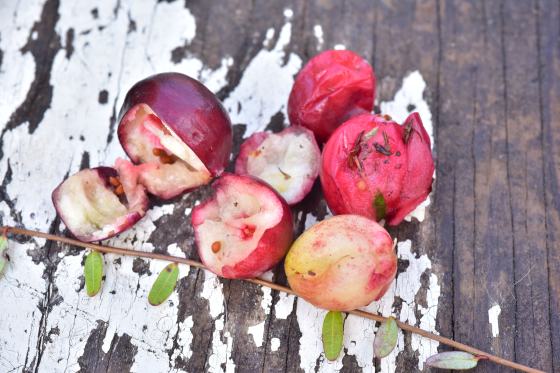
Berries that are split, crushed or otherwise open need to be removed, or they’ll spoil.

NJB_1249

Each crate holds about fifteen pounds of fruit after sorting.

Once our cranberries were sorted into the crates, they would be sent to a central distribution center, where they would be sorted again, washed and bagged. And then they’ll be on the shelves at your local grocery store!

IMG_0976

Only in cranberry country would you see fresh cranberries in bulk; mostly they’re sold pre-bagged.

I grew up in a household where the only “cranberries” we ever saw were in the exact shape of the can they came in. Once I discovered fresh cranberries, I always wondered why Americans only seem to use these once a year. They’re tart, crisp and delicious, and high in vitamin C, fiber and antioxidants, among numerous other health benefits. They’re delicious in oatmeal, baked goods, smoothies and of course as a condiment for roast turkey, goose or ham. Plus, they freeze beautifully, so buy a few extra bags when they’re on sale, and use them throughout the year. They’re great dried, too, but be aware that Craisins and other sweetened dried cranberries can contain as much as 85% sugar by weight, so they’re not nearly as healthy as you’d like to think. Buy unsweetened dried cranberries whenever possible. Oh, and “cranberry juice cocktail”? More sugar than soda. Don’t ever, ever drink it.

Cranberry sauce

Making your own cranberry sauce is by far the easiest thing you’ll prepare for a holiday dinner, and you can do it well in advance. Rinse one bag of fresh cranberries and place in a medium saucepan. Add about 1/2 cup water or orange juice (or Grand Marnier, if you’re feeling flush), a pinch of salt, the grated rind of two oranges or clementines, a bit of grated fresh ginger (or 1/4 tsp. powdered ginger) and about 1/4 cup brown sugar or honey. Simmer gently to allow the cranberries to burst, and stir occasionally to keep the sauce from sticking. Cook over low heat for about fifteen minutes or so, or until the sauce is the consistency you’d like, adding more liquid if needed. Taste and adjust the seasoning. I like to keep my cranberry sauce super-tart because I love the flavor and don’t like things overly sweet, but feel free to add more sweetener if you like. The sauce will thicken once refrigerated and will keep in the fridge for at least two weeks. I keep it thick and use it as jam on toast, too!

Need more inspiration for fresh cranberries? Go here.


Going nuts, vol. 2

We started the year learning about macadamias in New Zealand, so it’s only fitting that we should close it out harvesting chestnuts in Oregon. Prior to marrying an Englishman, I had never eaten a fresh chestnut – only candied, at culinary school in France – but they’ve become part of our fall traditions, as they were for him in childhood. And now that I’ve harvested them myself, I truly have a newfound appreciation for their exorbitant price. These things are little monsters.

NJB_1272

The trees in the grove we harvested are between fifteen and twenty years old.

Chestnut trees are grown across much of the world; chestnuts themselves are important food crops in Asia and Europe. Chestnuts were also hugely valuable to native Americans and early settlers; the fruit is primarily carbohydrates, has more starch by weight than potatoes and contains enough vitamin C to prevent scurvy. In the early 1900s, however, the Bronx Zoo imported Asian chestnut trees for their botanical collection and inadvertently introduced chestnut blight to North America. Within forty years, the blight wiped out nearly every single one of the forty billion chestnut trees in America, with only a few small isolated stands now remaining across the country.

NJB_1275

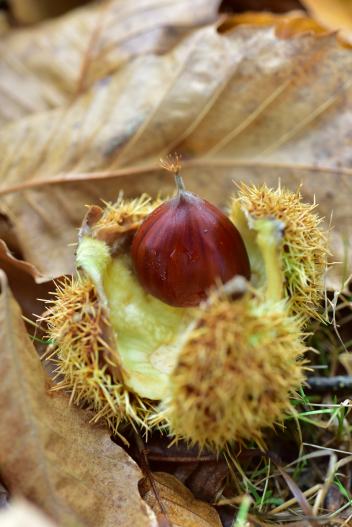
Usually you’ll find three chestnuts in the burr, but it depends on the species.

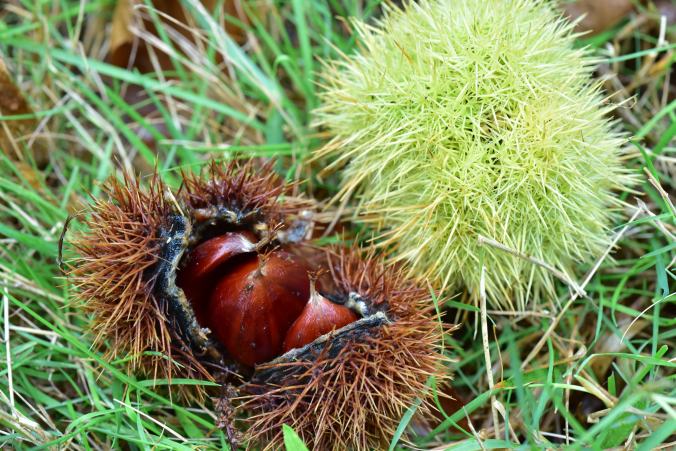
The actual chestnuts are contained in a burr, or hull, which is exactly like a tiny, angry porcupine. When the chestnuts are ripe, the chocolate-colored burrs fall to the ground; unlike other fruits or nuts, chestnuts are never harvested directly from the tree.

NJB_1279

Ripe burrs split open, as on the left.

The burrs split open on their own, further indicating ripeness; this is primarily due to soil humidity, as chestnut trees prefer more humid climates. Sometimes unripe (green) burrs will also fall, and if they haven’t opened they should be left to ripen further.

NJB_1271

Dry leaves and empty burrs after harvesting.

Things to know when harvesting chestnuts: you’ll need gloves. Kevlar gloves, to be precise, and yes, that is the material used for bulletproof vests. These things look relatively harmless but are truly vicious, and good gloves are mandatory. And it will take you ages to harvest these; the little burrs love to hide in the huge piles of dry leaves that have also fallen from the tree. They’re like adorable, spiky landmines, and now I know personally why they’re criminally expensive: the pain level is extraordinarily high. (I’m almost certain they were used as extras in this film.)

NJB_1262

Looks harmless. Isn’t.

These edible chestnuts aren’t to be confused with horse chestnuts, which are mildly toxic to humans, or water chestnuts, which are grown aquatically and used in Asian cuisine. Attempts have been made since the 1930s to hybridize the American and Asian chestnut trees, in order to create a native species resistant to blight, but it hasn’t as yet been hugely successful. (On a related note, we’re about to suffer another major loss of trees, as the emerald ash borer – also imported from Asia, on shipping pallets this time – continues its trail of destruction across America. Colorado alone is projected to lose more than two million trees.)

NJB_1261

It took forever to harvest a three-gallon bucket!

Chestnuts are used in savory and sweet preparations all over France and Italy; as with cranberries, they’re commonly seen in holiday recipes because their harvest time coincides perfectly. And in wintertime in cities like London or New York or Paris, you’ll often find street vendors roasting chestnuts over repurposed fifty-gallon oil drums.

NJB_1284

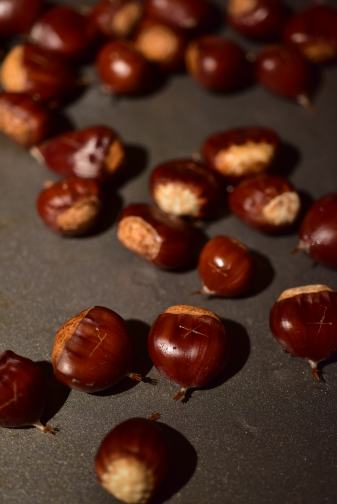
To roast fresh chestnuts at home, carefully cut an ‘X’ into the flat side of each nut. Use sturdy kitchen shears to do this and be very, very careful; the nuts are slippery and unwieldy. Place on a baking sheet and broil until you hear the first explosion, about ten minutes depending on the quantity and your broiler temperature; be patient and wait until the second explosion, which indicates that all of them should be cooked through. Open the oven carefully and quickly lay a kitchen towel over the entire tray as more explosions are likely to follow. Let cool until you can safely handle them, then peel and dip each nut into coarse salt and enjoy. (Sorry about your oven; you’ll probably need to clean up the shrapnel once it’s cooled down. And a pro tip: it’s not a great idea to roast chestnuts in someone else’s oven, unless you’re also willing to clean it.)

NJB_1290

Although chestnuts seem to thwart you at every turn, the reward is well worth the potential injury. Roasted chestnuts pair perfectly with a wee snifter of bourbon and are even better if enjoyed in front of a roaring fire. Take pleasure in the simple things, friends, and clean up the oven later.

Cider days

Gather round, kiddos, and let your crazy old auntie tell you stories about what people did down on the farm when they didn’t have these newfangled modern conveniences like “wifi” and “television” and “an actual life.” We participated in fun old-timey group activities like apple pressing, yes we did. And we have the photos to prove it.

NJB_0997.JPG

First, start with apples.

Grassward Dairy had about a dozen mature apple trees on the property; I felt especially silly because we went grocery shopping prior to our stay there and I bought apples. Like spent actual money! And there were thousands of delicious apples, free for the taking.

NJB_1028

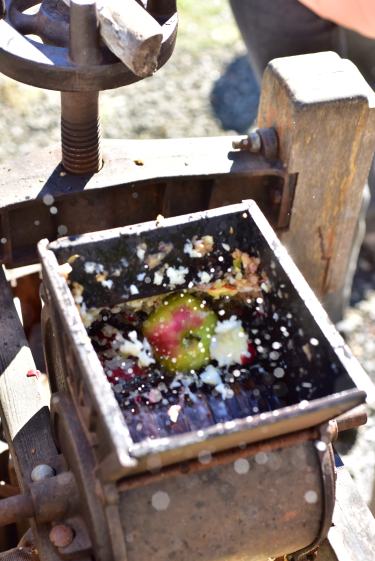
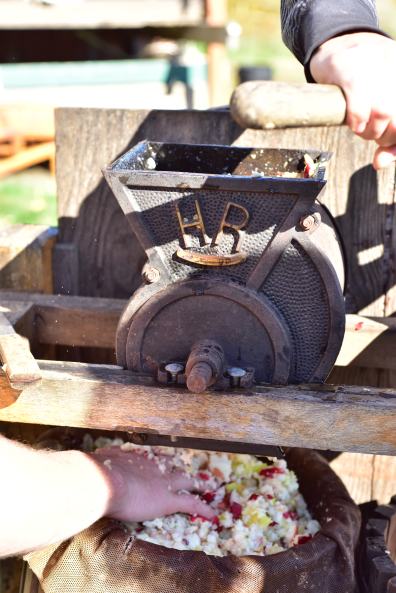
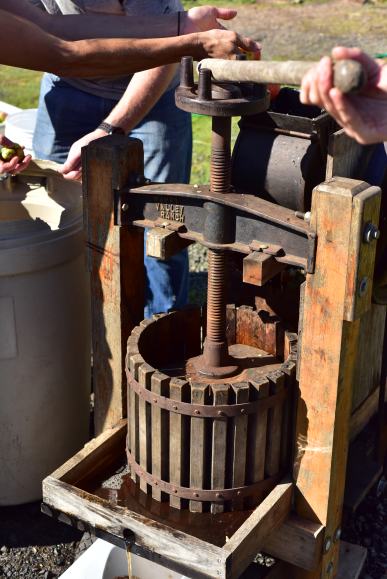
This press is pretty old-fashioned…except that it’s partially electric, so shredding the fruit is quicker and easier.

NJB_1040

One of many important foods pollinated entirely by bees.

For best results, use a mix of different apples so your cider is a balance of tart and sweet. And you don’t have to worry about bruised spots or any other damage, as the press takes no prisoners. Throw them all in.

NJB_1010

An action shot of an apple hitting the toothed shredding wheel. 

NJB_1012

The shredded pulp before pressing.

NJB_1014

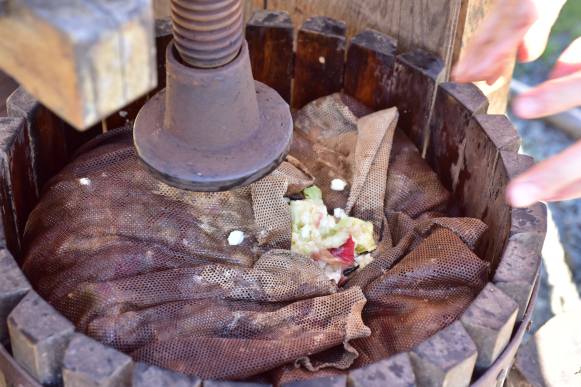
Gravity forces the pulp into a mesh bag for pressing and straining.

NJB_1018

Readying the pulp for pressing.

NJB_1020

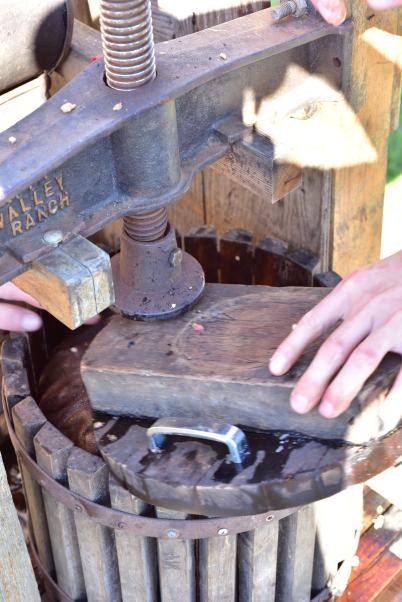
Placing the weighted lid on the bag.

NJB_1003

The electricity only helps with the shredding wheel; the press is still cranked by hand.

njb_1022.jpg

Leftover pulp is fed to the pigs. It’s like pre-marinating.

NJB_1001

And the result of all this hard work? The most incredible apple cider you’ve ever tasted.

NJB_1025

We pressed hundreds of pounds of apples; most of the juice was left for drinking fresh, but a few gallons will be turned into hard cider. Sadly, it won’t be ready for weeks, so we won’t be able to taste the fruits of our labors. (P.S. You can do this at home using a juicer…but it’s much more authentic if you’re fighting off aggressive wasps outside on a farm.)


The Farm Series: Grassward Dairy

Well, hello there. We’re at this moment in Oregon, volunteering on farms and trying to determine if Quiet Farm wants to be born in this place. We planned to spend a month on one particular small goat dairy, but as we know from previous adventures, travel plans don’t always work out exactly as envisioned. So we ended up living in a vintage trailer (oh, the memories) for ten days here at Grassward Dairy, a micro-creamery just outside of a college town we know and love (go Beavs!).

NJB_0979.JPG

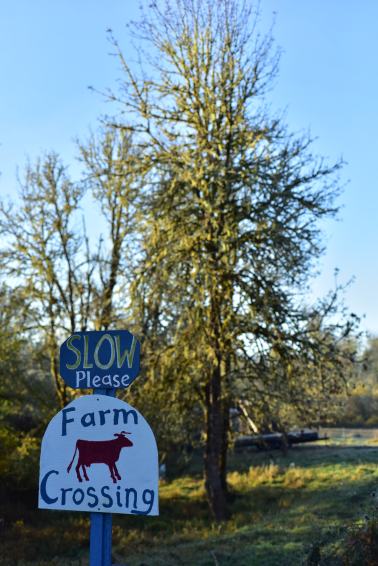
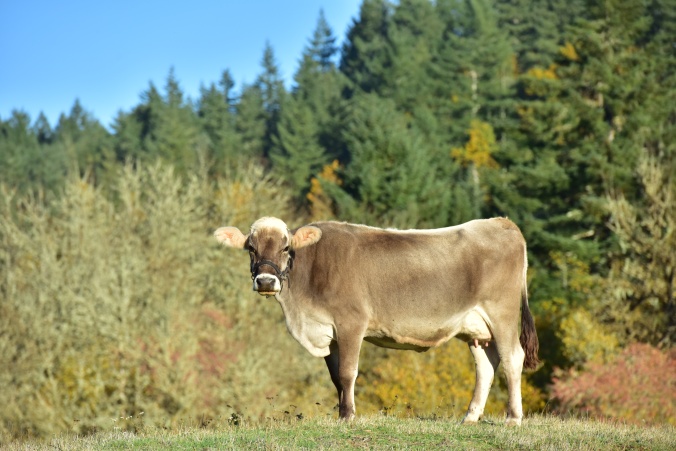
The farmers have to cross a road twice a day to move the cows for milking.

We’ve now worked and/or volunteered on more than half a dozen farms around the world, and every single one is different. Grassward Dairy sits on about one hundred rolling acres along Mary’s River in the southern stretch of the Willamette Valley; in addition to the three milking cows, there are ducks, laying hens, beef cattle, sheep, a donkey, a llama and a rambunctious cattle dog-in-training.

NJB_0713.JPG

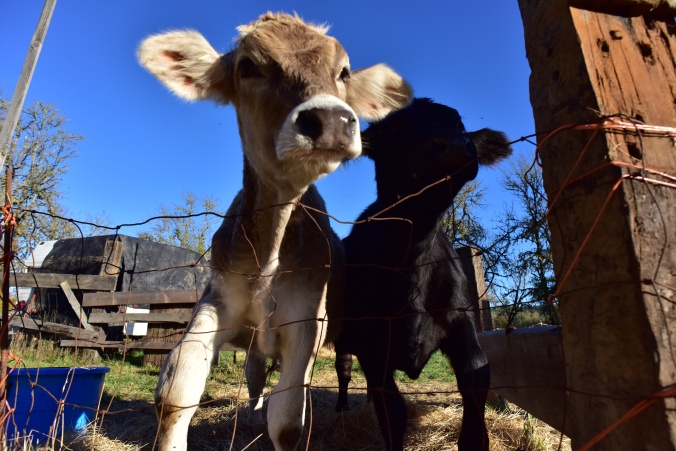
Harold, on the left, and Hazelita are being raised for meat. Hand-feeding them collards and chard was one of the highlights of our time here.
NJB_0810.JPG

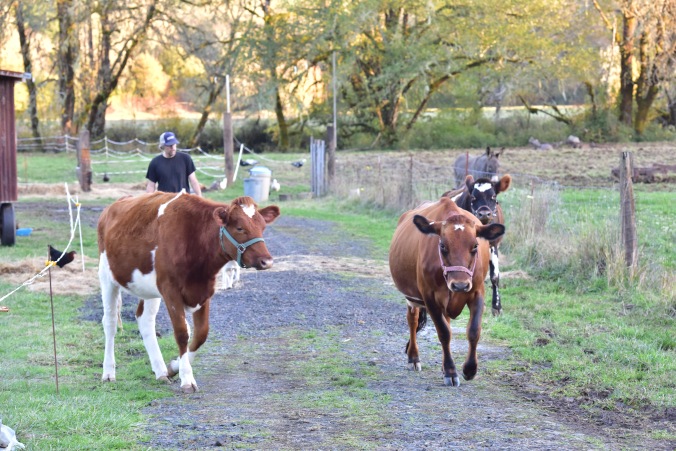
Cows on their way to the barn for the evening milking.

NJB_0970

It doesn’t always rain in Oregon.

NJB_0759.JPG

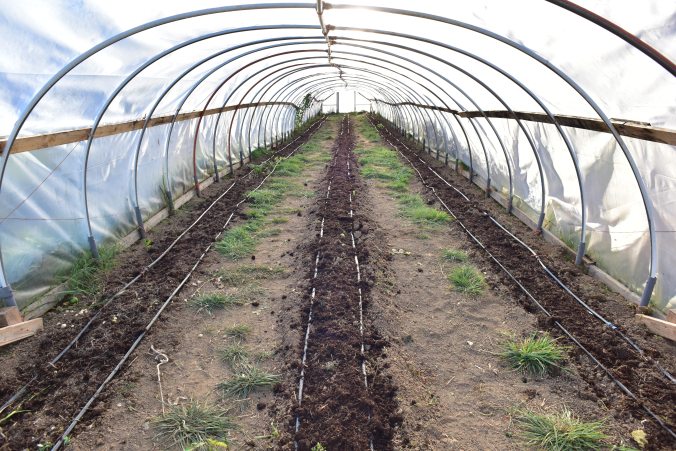
We cleaned out the tomato and pepper plants from this 100-foot hoop house, then prepped and reseeded the beds with winter greens.

NJB_0799.JPG

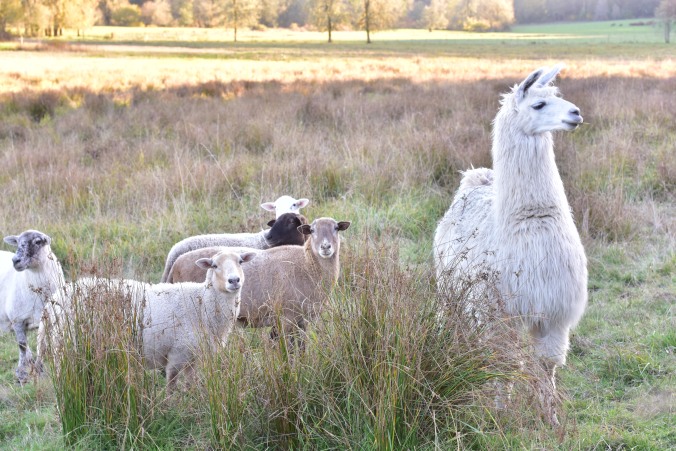
The guard llama and her flock.

Every farm is unique, and every farm’s business model is unique, too. Grassward Dairy offers a dairy CSA, which means that customers pay a fixed price each month in exchange for fresh raw milk, yogurt, cheese, butter and cream. In this agricultural part of Oregon, it’s easy to eat local just about all year.

NJB_0867.JPG

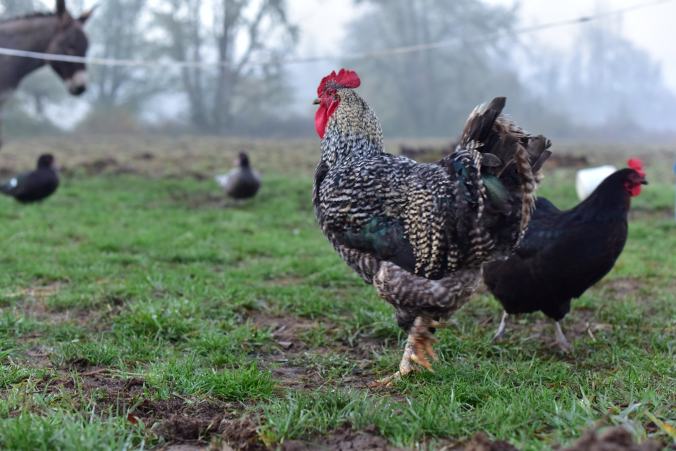
Terry the rooster, with one of his ladies. Muscovy ducks and Florencia the guard donkey can be seen in the background.

NJB_0766.JPG

Hattie, looking regal and proud.

NJB_0913

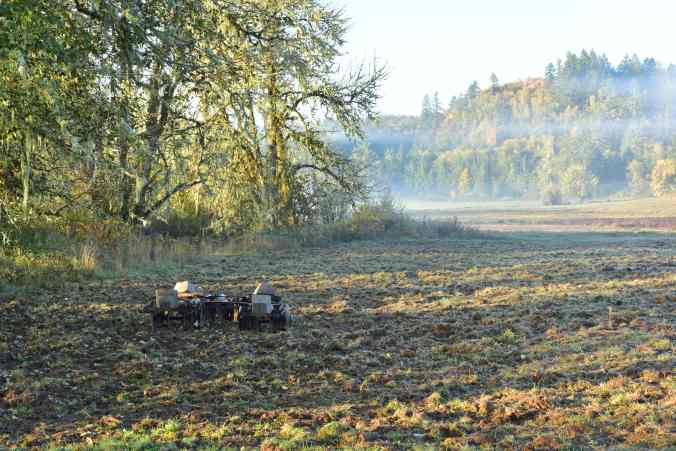
Disking one of the pastures in preparation for cover cropping. While we were there, heavy rains swelled the river and flooded this pasture, among others.

NJB_0824.JPG

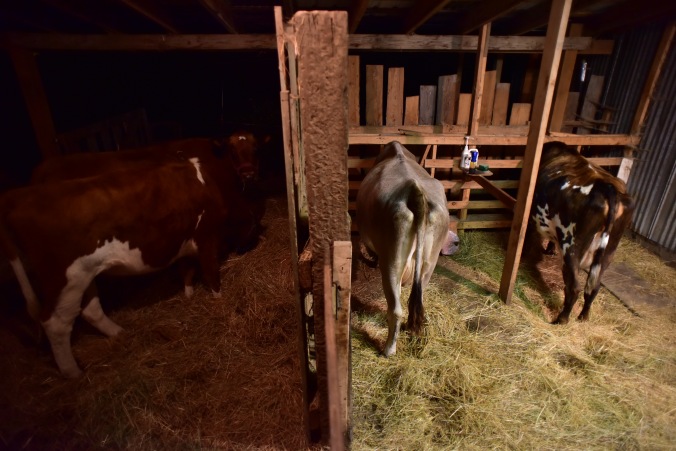
The evening milking.

The more time we spend on farms, the more we know this is the right path for us. Many thanks to the team at Grassward Dairy for letting us be part of their farm family for a short time. And if you’re in the area, you can stay there too!


Eating healthy on the road

Oh, the quintessential American road trip. Our country’s iconic open highways have been immortalized in so many classic movies, like when we thought “the Rocky Mountains would be a whole lot rockier.” Or perhaps you need to bootleg a few Coors Banquets from Texas to Georgia? Maybe two legendary ladies in a ’66 T-Bird is more your style? Whatever your favorite road trip film might be, there is no arguing that eating healthy while driving American highways is no easy feat.

IMG_20171014_101120147

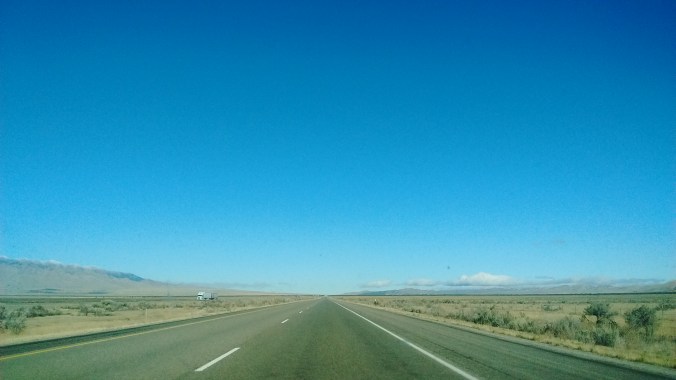
Hello Wyoming, and thanks for inventing cruise control. (Photo may have been taken in 1987 or 2017. With filters, who knows?)

I like to move food. It’s my thing. Whenever we leave our house, it’s a guarantee that there are a few canvas shopping bags and maybe a plastic tub or two stacked by the door. We go to my sister’s for dinner and I bring jars of homemade applesauce, fruit leather for my niece (also known as “repurposed jam”) or gorgeous cheese from these lovely folks. My book club ladies leave with end-of-the-garden produce, dinner leftovers and more cheese. And if we’re off on a trip, whether by car or by plane, I simply will not be held hostage by the American industrial food complex.

IMG_0764

Mmmm…McDonald’s or Cinnabon? Why not both?

The vast majority of food in this country is based on two key ingredients: corn and soy. We are very, very good at growing corn and soy, and even better at turning it into cheap meat, soda and processed food. And these “edible foodlike substances” are most of what’s on offer at your standard convenience store or truck stop. And to add insult to injury, it is absurdly priced! I will not play by those rules.

IMG_20171016_204714

Example A, above. Look! It’s a $2.79 “meal replacement bar!” You know, so we don’t have to eat an actual meal! Can you read the first ingredient? It’s soy protein isolate. The second ingredient is sugar, and the third is soluble corn fiber. If all of your standard meals are composed of soy, sugar and corn, then by all means, please choose this as a meal replacement. But this is just one of many examples of a giant, powerful marketing machine that has convinced the American public that we 1. don’t have time to cook and 2. can eat some junk like this with “PROTEIN” printed in large font and call it a meal. No, no and no.

IMG_0760.JPG

Absolutely no actual food was harmed in the making of these edible foodlike substances.

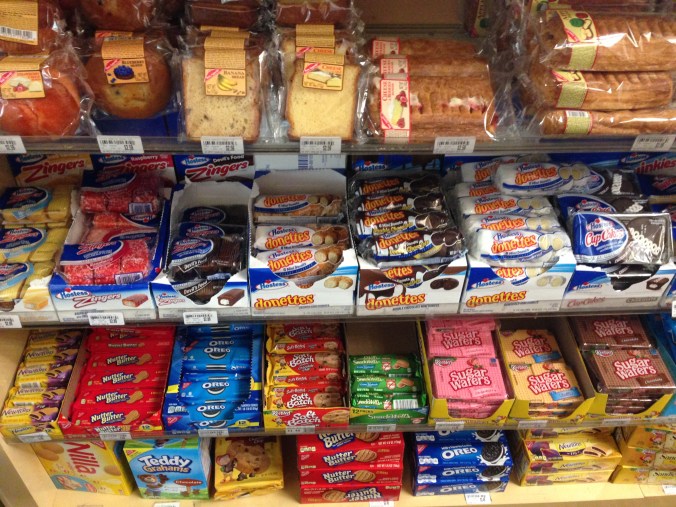
If you’re on a road trip, whenever possible get off the highway and into a town supermarket. Gas stations, convenience stores and truck stops are by their very nature stocked with cheap, non-perishable food, so that’s what you’ll buy. Their staff has neither the time or inclination to stock and then dispose of fresh fruit, vegetables and meat, so instead you’ll encounter a display like the one above. If you can make it away from the interstate and into a small grocery store, you’ll hopefully have access to a much better selection of food.

IMG_20171015_122515762

I genuinely pity the poor animals who died to make these “meat sticks.” (Also, “thungry?” Is this like “hangry?” Notice that it’s trademarked.)

NJB_0687.JPG

Part of our road trip survival kit.

So what’s a person to do in the face of this pretend food trash? Easy answer: plan in advance. Just like cooking healthy food at home, eating well on the road requires a bit of time and planning. But if you’re already doing other pre-road trip tasks like checking your tire pressure and refilling your windshield wiper fluid, why not get some healthy food in order? For me, it’s mostly shelf-stable items, plus a few perishables in a cooler. My basic road trip essentials, most of which are easily found in the bulk section of a good supermarket:

  • stellar cheese and good crackers are mandatory
  • dried fruit, including figs, apricots and homemade fruit leather
  • fresh fruit that can last, such as citrus and apples (no berries or bananas!)
  • homemade granola, to eat on its own or with purchased yogurt
  • jerky, either homemade or from well-raised animals
  • nuts, which for us are typically roasted salted almonds
  • rice cracker mix, pretzels or other reasonably healthy salty snacks
  • homemade granola or energy bars, or packaged bars with clean labels (be able to pronounce and understand every single ingredient, and the first three ingredients shouldn’t be soy, sugar and corn)
  • good-quality dark chocolate, preferably without soy lecithin

And for equipment:

  • without question, a good chef’s knife and paring knife, protected in sheaths, and a small polypropylene cutting board.
  • we bring our own coffeemaker, grinder, beans and mugs. We sleep cheap, and I’m not drinking Motel 6 coffee. Not negotiable.
  • cutlery rolls, which include an inexpensive metal fork, knife, spoon, reusable straw and corkscrew. We don’t use single-use items, with the exception of compostable paper napkins.
  • Mason jars with screw-top lids and a few plastic containers. These can be used for drinks, storing snacks or to eat meals.
  • a wooden spoon, rubber spatula and metal tongs
  • a small electric burner plus a frying pan and mini stockpot. This makes meal prep on the road easy – and more importantly – possible.

In all honesty, at various stops along this trip I did notice small containers of cut fresh fruit, hardboiled eggs and some seemingly fresh sandwiches and wraps, which indicates that demand is shifting. But there is no guarantee that every gas station will have these, and if you pack your own food you’ll have a much better selection and save a ton of money. I saw two packaged hardboiled eggs priced at $1.99; with a cooler and ice packs, a dozen well-sourced hardboiled eggs, flaky salt and hot sauce can easily be brought along for about $4 and a few minutes’ work in advance. There is simply no one thing you can do to improve both your physical and financial health more than planning, cooking and bringing your own food. Enough said.

Friends, please remember that your health is your responsibility, and what you choose to eat makes a huge difference in your health. Take some time prior to your next trip and bring food along, and stand in opposition to a system that insists you have to eat what it offers.


Cooking Class: Chiang Mai, Thailand

We’re excited to be headed out on the road again, and in that spirit we wanted to revisit some of our favorite moments from our adventures earlier this year. Some weeks back, we shared a cooking class we had taken in Udaipur, India. And as we’re in nostalgia mode, and I’ve got Thailand on my mind since I just spent time talking to a friend about his trip, let’s return to Chiang Mai and a fabulous cooking class we experienced there. Like our Indian class, this day out was one of the highlights of our trip to southeast Asia.

Thai dessert bowl

Looks like Thai green curry, but it’s actually dessert: sweet rice pudding with bananas and coconut milk.

Thai rice market

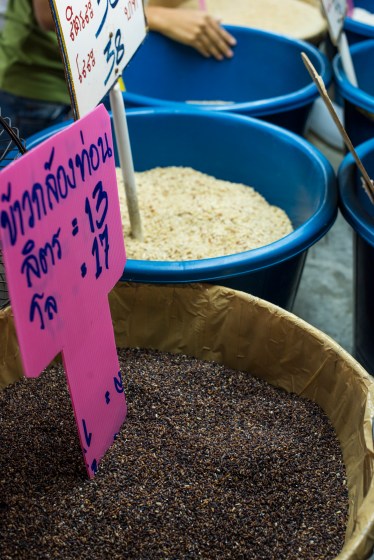
Dozens of varieties of rice are for sale at the market.

Thai ingredients market

Fish sauce, a key ingredient in southeast Asian cooking.

We started our cooking class at one of the many local markets, where we sampled various ingredients and drank cold, sweet Thai iced coffee. While the cooking school has an extensive garden and grows many of their own herbs and spices, they still need to shop for a few things. Many Thai homes don’t have refrigeration, so shopping each day for fresh ingredients is both a pleasure and a necessity.

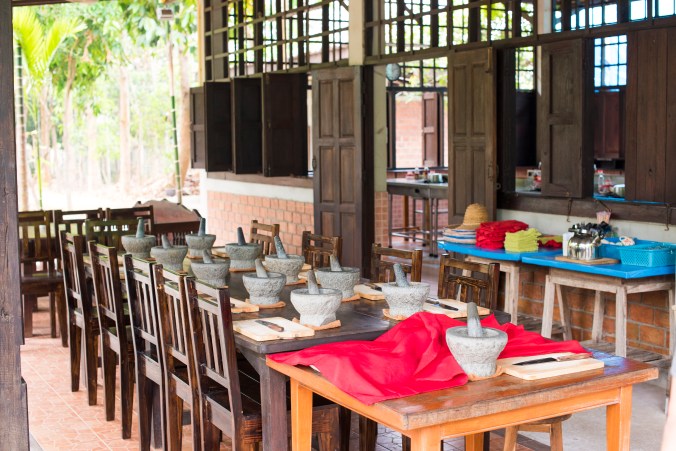
Thai cooking tables

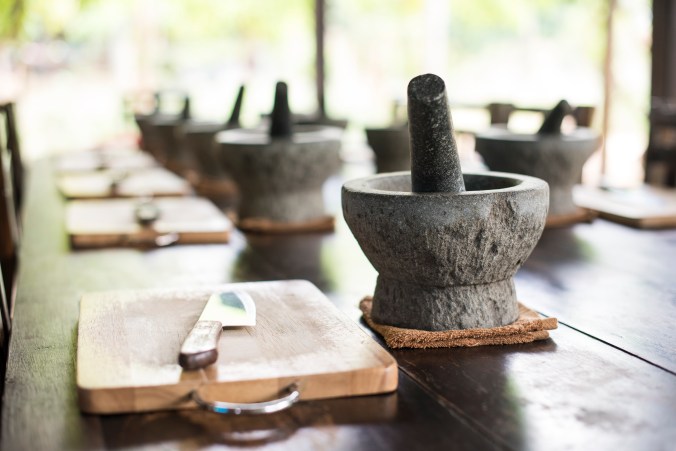
We’ll grind our curry pastes and chop our ingredients here.

We left the market and traveled by minibus to the school, where we were offered iced jasmine tea and given a tour of the property. The cooking school is perfectly set up to accommodate guests, with spaces for prep, cooking and eating together.

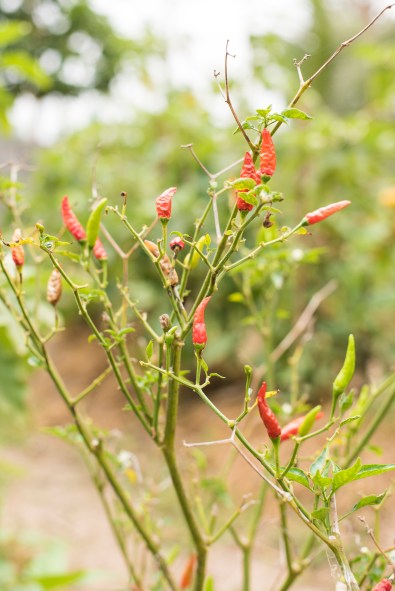
Thai garden chilies

Tiny, fiery Thai bird chiles. Typically, the smaller the chile, the bigger the punch.

Thai ingredients basket

Fresh herbs and aromatics, just harvested.

The cooking school has acres of gardens, where they grow lemongrass, basil, coriander, mint, galangal, ginger, kaffir lime, chiles and many other ingredients for their classes.

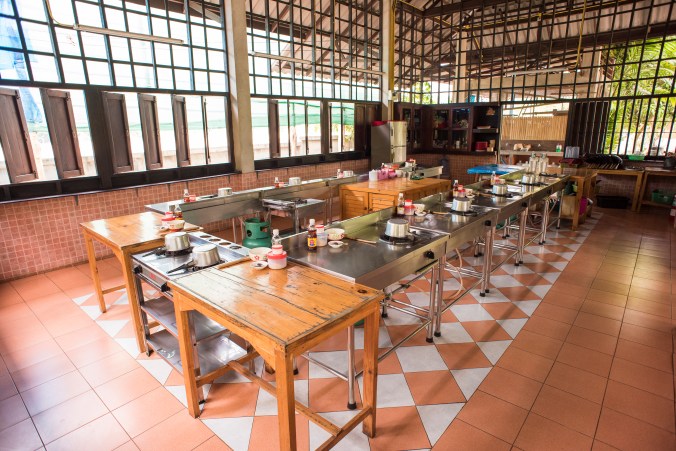
Thai cooking kitchen

Our indoor-outdoor kitchen, with cooking stations set up for each student.

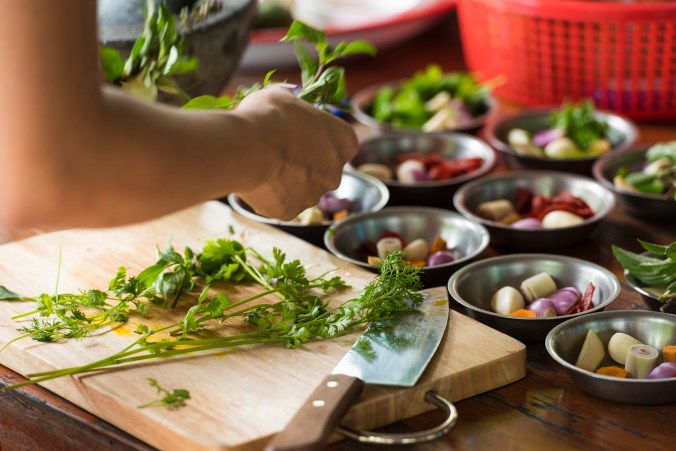
Thai ingredients board

Thai ingredients bowls 01

Thai ingredients bowls 02

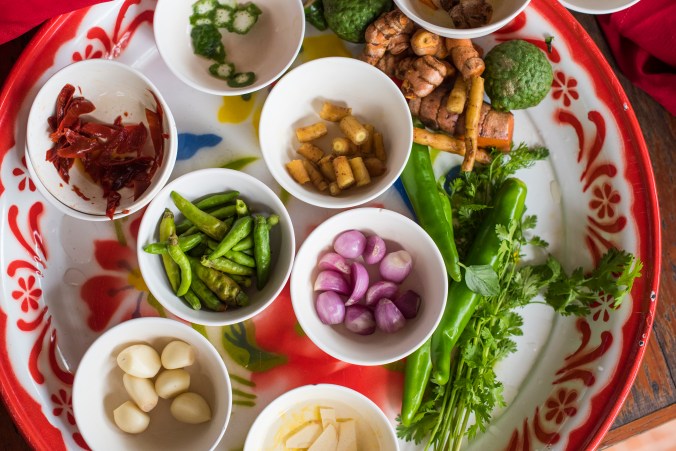
All of the components for the recipes we would make in class were neatly laid out for us. I emphasize this classical French technique a lot in my own cooking classes: it’s called mise-en-place, and it literally means “to put everything in its place.” When you’re cooking, assemble all of your ingredients like this in advance; it may seem tedious and time-consuming, but it actually makes preparing your dish much, much easier. Trust me.

Thai cutting board spoon

Fresh herbs and tamarind paste, like fish sauce, are key to classic Thai cooking.

Thai pestle mortar table

Although you can of course make curry paste in a blender, traditionally it’s prepared in a stone mortar and pestle.

Thai pestle mortar

Grinding aromatics for red curry paste.

Thai wok stir-fry veg

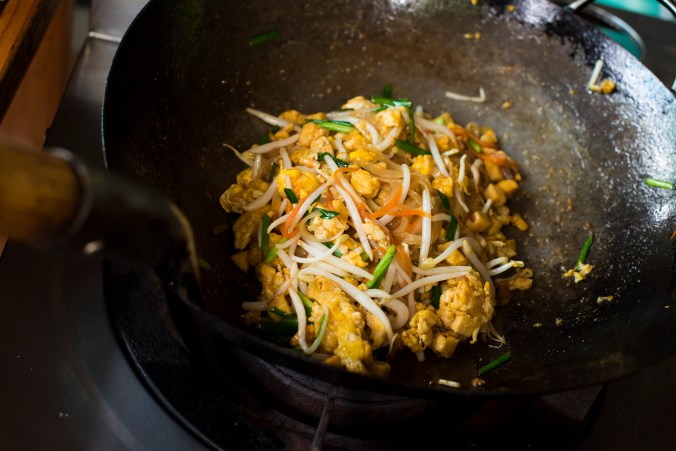
A wok allows for quick, high heat, so vegetables and proteins remain crisp and fresh.

Thai wok stir-fry tofu

Pad thai, a favorite Thai dish. In Thailand it’s not quite as sweet as it often is in America.

Thai red curry

Vegetarian red curry soup. Good Thai food is most often a delicate balance of hot, sour, salty and sweet.

Craving some Thai food after reading this? Me too. Try here, here or here. And if you have the chance, definitely book a cooking class on your next adventure. It’s well worth the time and money to cook and eat like a local, if only for a few hours.
On the road again + best travel tips

It’s early October, cool and crisp. N and I have been home from our round-the-world adventure for about four months, and it’s time to go again. We’re at the moment in a flurry of last-minute preparations to head to Oregon for a month, where we’ll volunteer on another goat dairy. This trip is quite a bit easier than the last one: no worrying about visas or passports, no cramming everything into just one bag, plus we’ll only be gone for one month, instead of five. But in the spirit of adventure, we thought we’d share some of our most useful travel tips, gleaned from nearly two decades (!) of short- and long-term travel.

Travel Books.jpg

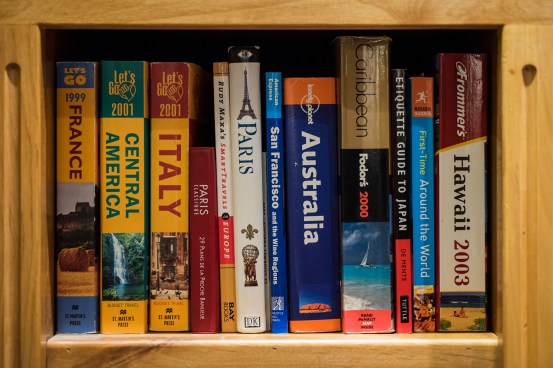
There are vacations, and then there are trips. One could argue that a trip is a bit more serious than a vacation; it might last for more than a month and involve a committed disentanglement from the everyday world. And nowadays, with opportunities for remote work increasing, it’s more likely that you might be able to swing that four-months-or-more abroad plan you’ve been ruminating on for ever so long. Below, our most useful tips for those of you who might be thinking about making the leap from a standard holiday to a trip.

  • Identify – roughly, at least – what you expect to get out of your travel. If you’re just traveling to capture Insta followers or get paid for blogging, fair enough. Or if you’re running away from a difficult situation, be honest about that, too. But don’t go traveling without at least a reasonably clear idea of what you hope to accomplish. Any less, and you’re asking the travel itself to do all the work. You have to show up, too.

Travel Blur.jpg

  • Make a budget. Then increase it by 25%. The old adage goes like this: “Lay out everything you think you need. Then take half that and twice the money,” and it holds true. For our five months overseas, we budgeted generously for two adults and still went over that number by 20%. They may say that the best things in life are free, but the truth is that travel costs money, and there is no glory in arriving back in your own country completely, totally broke. Account for the unexpected; for us, that was the high cost of point-to-point travel in Japan and unexpected gratuities required literally everywhere in India.
  • Ensure your passport is valid for at least six months beyond your return date. This seems like a surprisingly obvious tip, but you’d be amazed at how many travelers are caught out by it. Different countries have different requirements, but having at least six months’ validity, plus at least three or four blank pages, in your passport will make border crossings much easier.

Travel Diary.jpg

  • Please, research your destinations – and their visa rules – before you go. Again, different countries have different requirements and all of this information can easily be found online, most likely through your home country’s government. “I didn’t know” is simply not a valid excuse at any international border crossing.
  • Also, do a bit of research on your destinations and their customs. In many countries, it’s not appropriate to show shoulders and/or knees. Women might be expected to cover their heads. Certain countries may only eat with the right hand. Knowing this in advance can save a lot of awkwardness once you arrive, and you should always, always be respectful of the customs of the country you’re visiting.

IMG_20171011_095945299.jpg

  • If possible, sign up for a debit card that reimburses ATM fees. In the U.S., Charles Schwab provides some terrific options that can save you a lot of money. Find out if any banks in your country offer similar programs because ATMs are simply the very best way to withdraw local currency and avoid usurious fees. Money changers – especially in airports and train stations – should be used as an absolute last resort. (Thanks, India, for only having broken ATMs in your airports so we were forced to use money changers.)
  • Get travel insurance, and know its limitations. There are a number of great plans out there, but they vary enormously based on your home country and where and how long you plan to travel for. Do your research and don’t skimp on the essentials, and make sure you understand what will be covered if you’re required to be repatriated to your home country for additional treatment. Oh, and know that you’re rarely, if ever, covered for high-risk activities like skydiving, bungee jumping and so on.

Travel backpack.jpg

Five months in just one backpack each.

  • Pack less than you think you need, and buy your travel clothes at your local Goodwill or op-shop. It sounds counterintuitive, but you actually need far less for travel of more than two weeks than you do for a standard holiday. Bring some concentrated biodegradable laundry soap, and get used to washing your smalls in a hostel sink. Pegs and a simple washing line come in handy, too. Don’t take any article of clothing that you absolutely treasure – my favorite jumper is lost forever somewhere on an Indian train, or hopefully keeping someone else warm. You can always buy things on the road and donate what no longer serves you.
  • Ziptop bags, duct tape, safety pins and a small sewing kit are absolute necessities. If there is one thing that long-term travel teaches you, it’s to be resourceful with what you have. Especially if you’re traveling extensively in underdeveloped countries, you’ll find that things we take for granted at home aren’t always available. Being able to successfully repair your own kit is good for the wallet and the psyche.

TajMahal 1.jpg

Oh, this? Just doing a few renovations at our summer cottage.

  • Identify your priorities, and leave the rest to chance. In any country, there will be a few must-sees. Choose your top two or three mandatory sights, and let the rest of your trip happen as it will. Serendipitous travel moments rarely occur when every single second is carefully plotted out.

Above all else, go. Don’t let this or any of the billions of other pre-travel posts out there scare you – just go. There are few experiences in life as enriching as long-term travel and it will change you in ways you never even knew were possible. Grab your passport and your backpack and get out there. The world needs you.


Cooking Class: Udaipur, India

It’s been two months since we returned and N and I are missing our travels more than we expected. We thought we might revisit a few of our most memorable experiences here.
We went on lots of market tours during our travels and took a couple of incredible cooking classes, too. Udaipur, in the western Indian state of Rajasthan, was one of our favorite cities in India. It’s friendly and accessible, easy to walk and to navigate and filled with compelling sights and smells. While we were here, we went to an in-home cooking class led by a quiet, lovely Indian woman named Gita. She didn’t speak much English, but this was definitely one of those times when not many words were needed; the idea of food as a universal language is such an accurate cliché.

NJB_6253

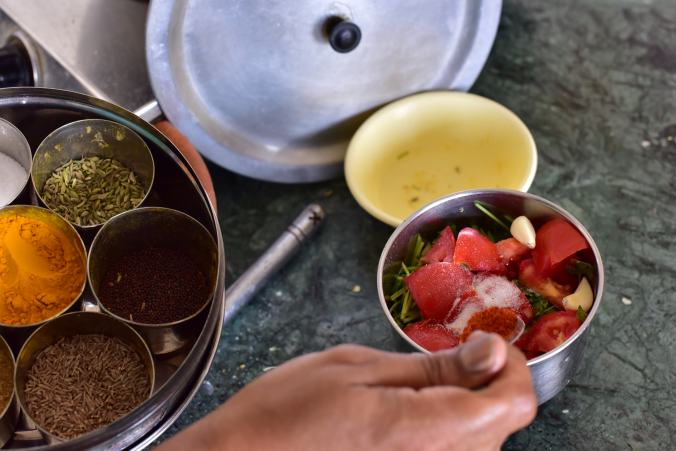
Traditional masala boxes contain cooking spices. Women are often given these as a wedding gift to bring to their new husband’s home.

NJB_6313

Combining fresh tomatoes, coriander and garlic for tomato chutney.

NJB_6273

Toasting whole spices brings out their aromatic oils.

NJB_6286

Making aloo gobi masala, cauliflower and potatoes with peas.

NJB_6287

This will be the filling for our samosas.

NJB_6294

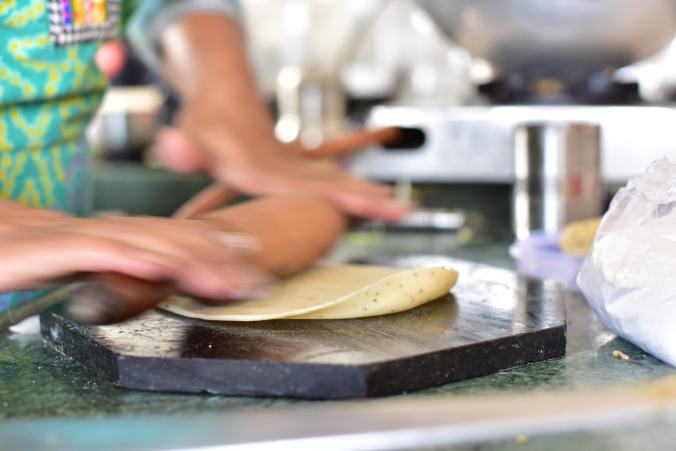
Rolling fresh dough for samosas.

NJB_6297

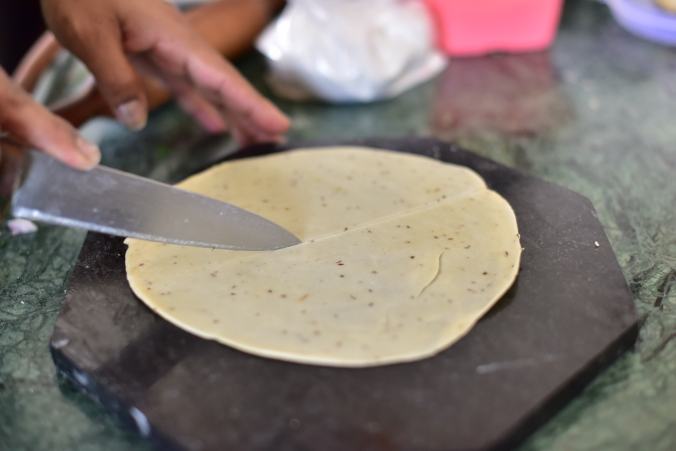
The dough, speckled with cumin seeds, is cut into quarters.

NJB_6298

Years of practice make this look easy.

NJB_6301

Filling the samosas

NJB_6307

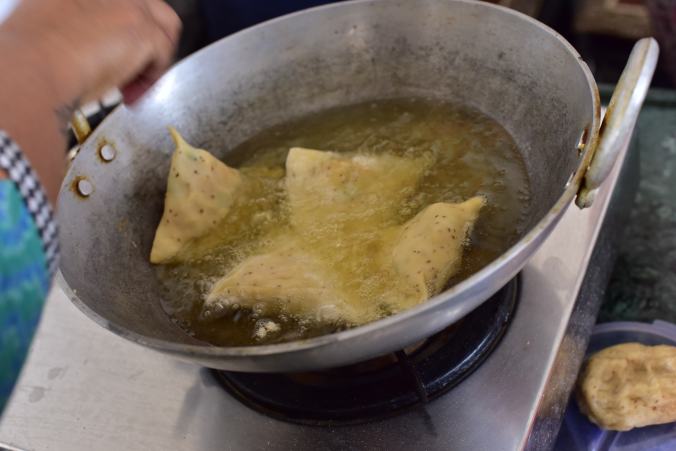
…and into the fryer they go.

NJB_6326.1

You don’t need fancy kitchen gear to produce amazing food.

NJB_6377

Many homes in rural India still don’t have refrigerators or freezers, so you buy what you need and cook fresh food every day.

NJB_6394

Indian cuisine includes an array of incredible breads.

NJB_6386

Poori puffs up when it’s cooked over an open flame.

NJB_6404.1

The best part of any cooking class is sitting down together to eat delicious food!

NJB_6413

Our kind, generous host, Gita – a truly incredible cook.

We miss you, India!

32,831 miles later

About eight months ago, we decided to put our regular lives on hold for a brief period and venture out to see the world again. We were heartsick and weary and in desperate need of a break from pretty much everything except each other. So we gave away our chickens, threw a few clothes in a backpack and locked up our house. And thus it happened that on a chilly January day, we left Colorado for Japan.

Garden Snow 01

Colorado

Tokyo Fuji sunset 01 sml

Japan

In Japan, we visited monkeys in hot tubs and worked on farms. We ate ramen and tempura and so many other delicious things. We walked Tokyo and Kyoto and fell deeply, completely in love with a country so strange and different and welcoming and lovely that we cannot wait to return.

New Zealand 01 sml

New Zealand

From Japan, we flew to New Zealand. We rented a ragged campervan and drove the length and breadth of the country. We stumbled on an old sheep station and did some stunning walks and learned how macadamia nuts grow. And we discovered that we are perfectly content to live in a campervan…and we plan to do that again soon, too.

Cambodia 01 sml

Cambodia

After New Zealand, we were off to southeast Asia. We started in Cambodia with Angkor Wat and we also saw interesting things being made, like incense and rice noodles and tofu. Oh, and it was hot. (At least we thought so until we got to India, where we learned what heat really is.)

Da Nang 03 sml

Vietnam

We traveled overland to Vietnam, where we jumped on trains, dodged motorbikes, devoured street food and struggled to learn more about a conflicted country with a conflicted history.

Chiang Mai sml

Thailand

Then it was time for a brief rest in Thailand; we went to more markets and bicycled through rice paddies and learned how to make handmade paper. We didn’t ride any elephants but we loved our time on the Banana Pancake Trail.

Flower Market 01 sml

India

No matter what, we weren’t ready for the heat and noise and crush and total sensory assault that is India. We’ve never traveled anywhere that we loved and hated in equal measure – sometimes in the exact same moment – and this complicated country has for certain gotten under our skin. We’ll be back here, too, and much better prepared this time.

Madrid palace 01

Spain

We flew from India to England, with a brief jaunt to gorgeous Madrid. This is one hell of a city…we miss drinking canas and eating jamón y queso at 2AM with hundreds of other people in the city’s beautiful plazas.

Bushby 01 sml

England

We finished with some restorative time in the Midlands’ lush, rolling hills, where the innumerable shades of intense green defy belief. Hours of walking with only cows and sheep for company and then perhaps a brief stop at the local pub for a pint of Tiger. It’s not the worst way to spend a day.

Denver Moon

Colorado

And that brings us to now. We’ve been home for about three weeks and we’re struggling to adjust. This is not the country we left; it has been immensely challenging to reconcile the joy and freedom and lovely people of our travels with the rage and divisiveness and fear currently smothering all of us like a dense fog. But we’re back on our bikes, we’re volunteering on a goat farm and we’ve planted our garden. And this fall, we’ll be out on the road again to search for our farm property in earnest. Thanks for joining us on our travels over these past months and please stay tuned, friends, as our journey has just begun. We’re off to find Quiet Farm.

Comer y beber en Madrid

Dear friends, it should come as no surprise by now that eating (comer) and drinking (beber) are two of our favorite travel activities. We are quick to search out food and market tours wherever we go, and Madrid was no exception. Many thanks to Jorge at Secret Food Tours for taking us on a gastronomic adventure through his city!

NJB_7856

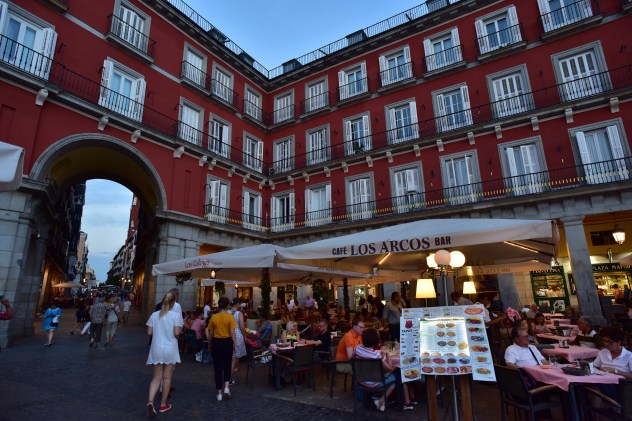
Madrid’s Plaza Major, a perfect example of Spain’s café culture.
NJB_7886.JPG

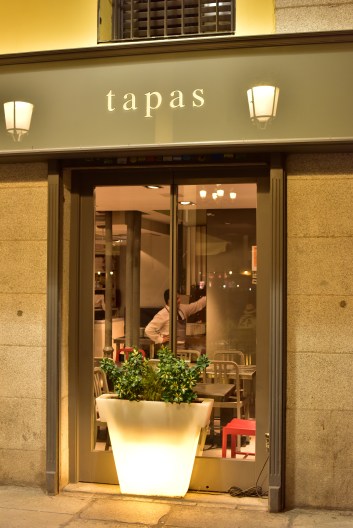
The Spanish verb tapear translates literally as “to eat small portions” – and of course from that we get tapas.  

NJB_7842

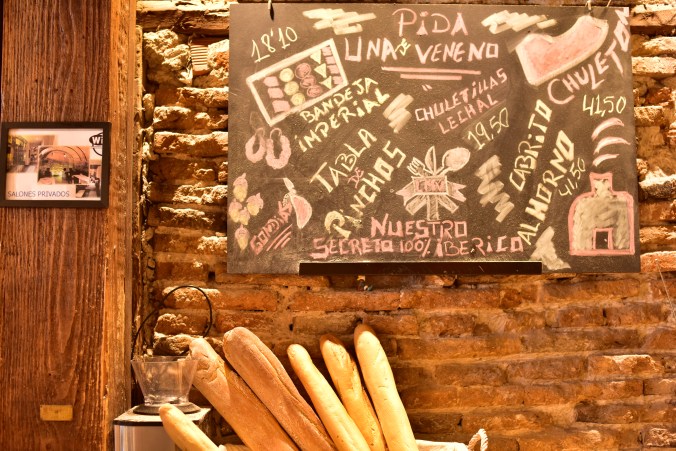
Chalkboard menus (and fresh baguettes) dot the city.

NJB_7841.JPG

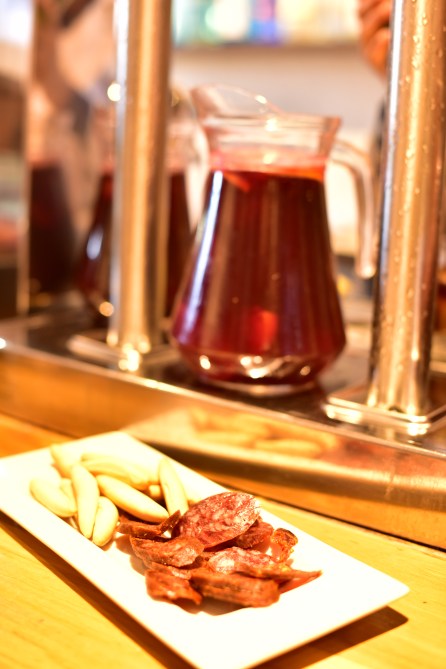
Chorizo and sangria. What more do you need, really?

NJB_7787

The city of Madrid issues plaques like the one above to stores and restaurants of historical significance in the city; this one dates from 1837. Many of these places pay rent that is far below market rates to keep their businesses open, because Madrid’s government has decided that they don’t wish to have the center of town filled with Starbucks, McDonald’s and tacky tourist stores able to pay inflated prices. Smart decisions like this help cities maintain their cultural character instead of becoming homogenized corporate copies.

NJB_7792

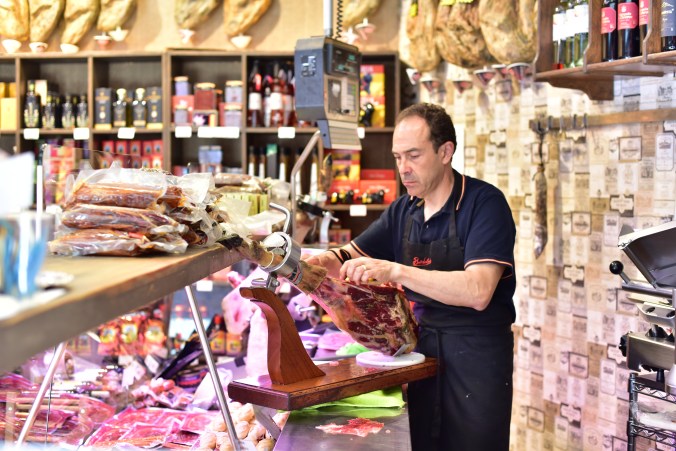
Slicing jamón by hand.

NJB_7851

Legs are hung for months or years to cure properly.

NJB_7795

Spain is justifiably famous for its jamón, which comes in different grades. Jamón ibérico, or Iberian ham, can only be made in Spain and Portugal from pigs that are at least 50% Iberian. The very best is called jamón ibérico de bellota, which comes from pigs allowed to forage in the wild for acorns, giving the flesh a sweet taste and silky texture. Jamón ibérico de bellota is so valuable that individual pigs often have armed bodyguards, since the entire pig can be worth as much as $4,000. Traditionally, it’s always shaved very thinly by hand and served as tapas with tiny breadsticks, above.
NJB_7849

Notice how the leg is stamped? Since they’re so valuable, it’s important that they can be traced to prevent forgeries and theft.

NJB_7798.JPG

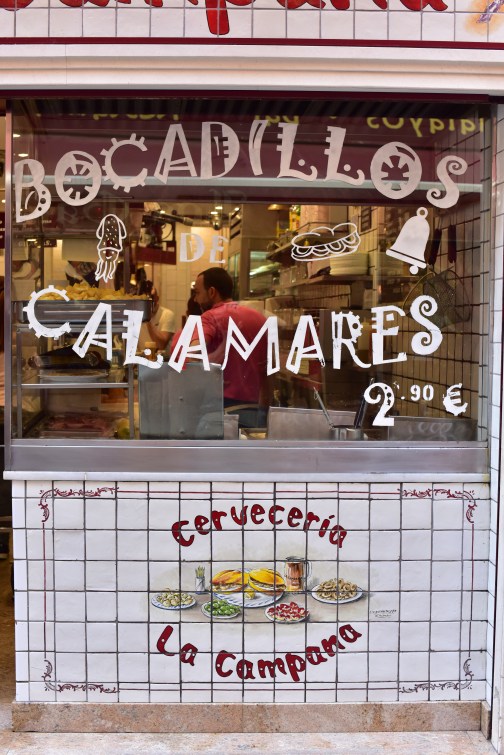
Calamari sandwiches are another classic snack in Madrid.

NJB_7809.JPG

NJB_7800.JPG

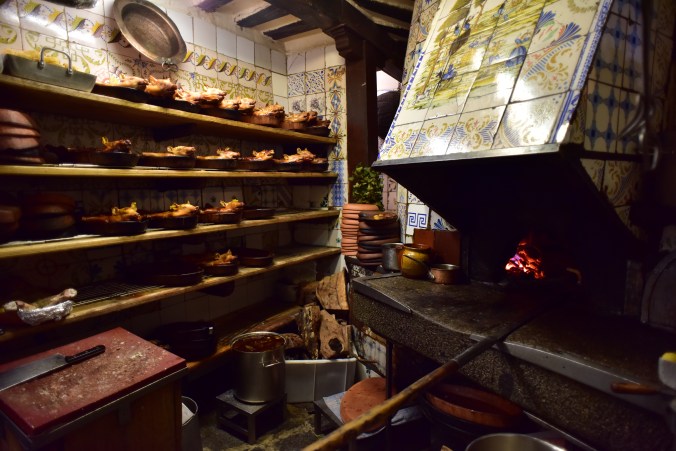
Did you know that the oldest continuously operating restaurant in the world is in Madrid? It’s famous for suckling pig, which you can see in the dishes on the left.

NJB_7775

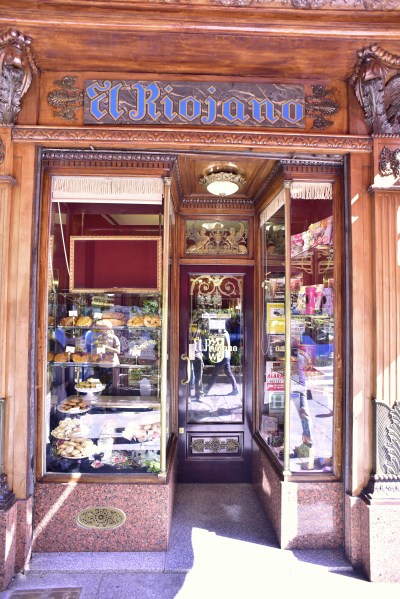
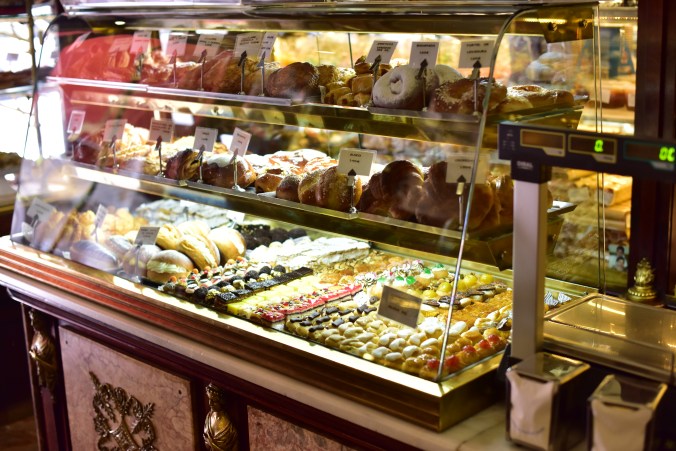
One of the oldest pastry shops in Madrid…

NJB_7779.JPG

…and their famous ponche segoviano, a layered pastry made with marzipan.

NJB_7780.JPG

France gets all the press, but Spain makes its fair share of incredible pastries.

NJB_7838

NJB_7822

Jorge demonstrating how to pour Spanish cidre, made from apples grown in the north of Spain.

NJB_7835.1

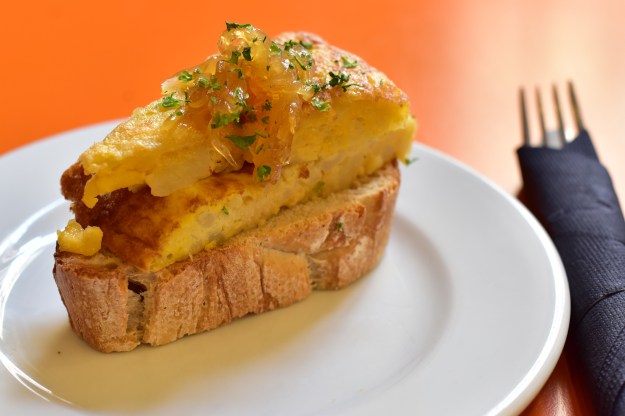
Classic tapas: a Spanish omelette, or tortilla, made of eggs, potatoes and onions, served on fresh bread. Simple, filling and delicious.

NJB_7831

A perfect pair: manchego and cidre.

NJB_7814

I’ll be in the cellar if anyone needs me.