You can pickle that

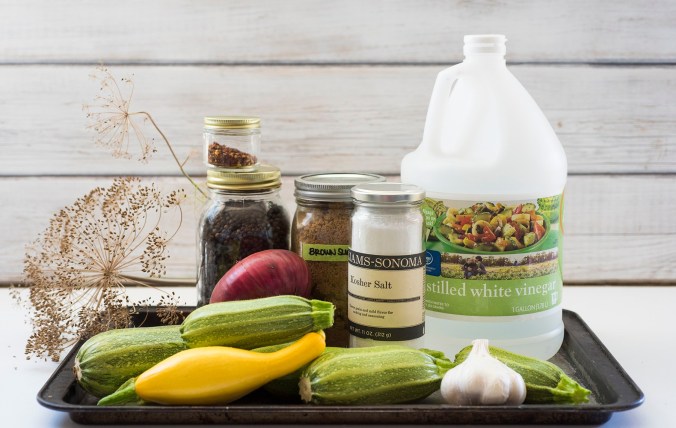
Are you swimming in zucchini and other summer squashes right now? We are, and grateful for it; if not for squash and kale and basil, I wouldn’t have grown much of anything this season. But what to do with all that zucchini, once you’ve grilled it in thick slices and tossed it with pasta and made overly-sweet not-at-all-healthy zucchini bread and so on? Those plants keep producing, even the surprise volunteers that showed up in the potato towers and the compost pile. Well, you could pickle that.

Canning 02 sml

What to do when the zucchini are threatening to take over.

The Quiet Farm household isn’t a huge fan of traditional cucumber dill pickles. I’ve tried them all the ways over the years – even traditional barrel fermentation, which meant that I once dumped five gallons of moldy, slimy cucumbers and their brine into our overwhelmed compost pile back at our old house in Denver – and it’s never been something that we’ve loved. (One of my sacrosanct rules of preserving: only make what you’ll actually eat.) Our altitude means that canned vegetables have to be processed much longer in a boiling water bath so pickles are almost always soggy; limp, overcooked cucumbers aren’t my thing. Also, even though I adore sharp, acidic flavors, standard vinegar pickles are sometimes just…too much.

Continue reading

The FAQ Series: Tomatoes

People think of tomatoes as a summer crop – as in June and July summer. And perhaps you live in a Magical Land of Elves and Unicorns (hello, Florida and southern California!) where field-grown tomatoes are available virtually year-round. Here in western Colorado, however, field-grown tomatoes don’t come on strong until August and September – but of course all the food blogs and magazines are telling us that it’s now time for apple cider and winter squash and pumpkin spice everything. It’s a confusing period, this shoulder season.

heirloom-tomatoes-05-sml.jpg

Seed packets offer plenty of information – and if it’s an heirloom, they’ll be sure to mention it.

There is no debate that tomatoes are the star of the garden. They’re by far the most popular crop for home gardeners as well as the biggest seller at farmers’ markets, and more tomatoes are grown each year than any other fruit in the world – including apples and bananas. There are more than twenty thousand known varieties of tomatoes, and new cultivars are developed every year.

Like the word organic, the word heirloom gets thrown around a lot in reference to tomatoes. But what is an heirloom tomato, exactly? And why do they cost five dollars a pound?

Continue reading

Coming home to roost

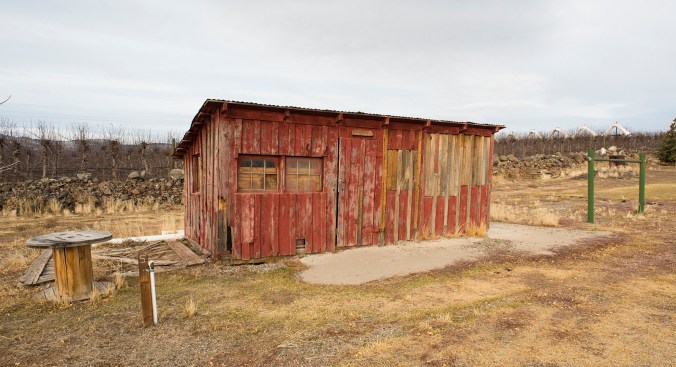
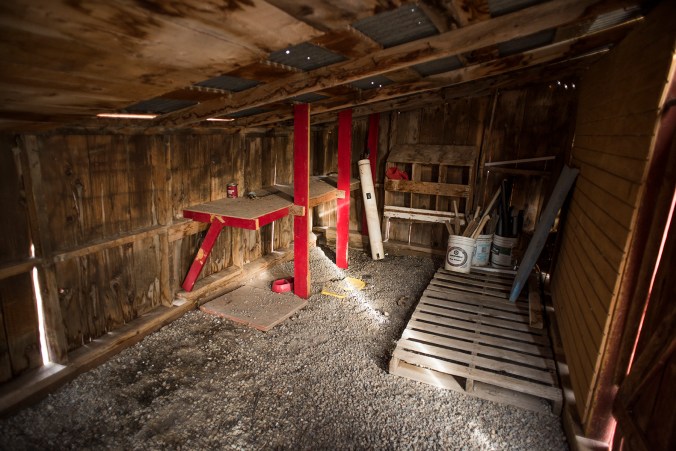
One of the many reasons we were drawn to Quiet Farm was its collection of rather ramshackle yet usable outbuildings. Since keeping chickens for eggs (and entertainment) was always a top priority, renovating the chicken house was definitely high on our project list.

Chicken House 01 sml

The ‘before’ photo, in bleakest winter.

Chicken House 02 sml

The original nest boxes on the far wall indicate that this may previously have been used as a henhouse.

Continue reading

The Farm Series: I-Guana Farm

As we’ve discussed previously, Quiet Farm is located in the “fruit basket” of Colorado. The Western Slope produces Colorado’s revered Palisade peaches, along with apples, cherries, plums, apricots, table grapes and wine grapes. Fruit grows so well here because the climate doesn’t experience the significant diurnal swings common on the Front Range. (In February 2018, the temperature in Denver dropped 72 degrees in forty hours.) Fruit trees, especially once they’re in flower, cannot survive extreme temperature shifts, so harvesting fruit on the Front Range is hit-or-miss. It’s hit-or-miss over here, too, as all farming is, but with a lot more hits than misses.

I-Guana Farm 03 sml

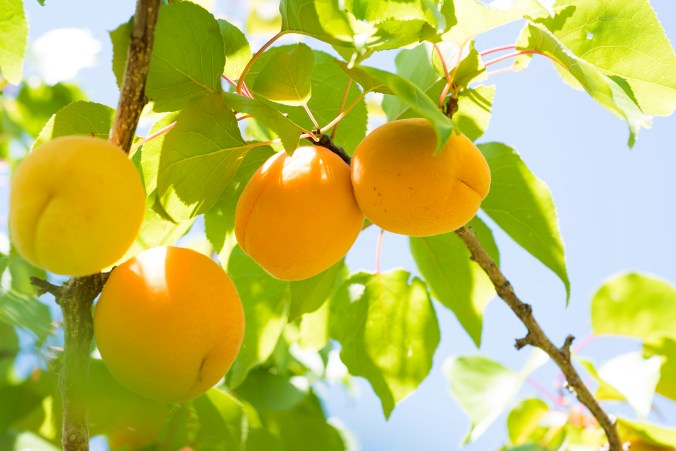
Last year – our first year as official Western Slope residents – we ate ourselves silly on local peaches, plums, cherries and apples. The apricots, though, were lost to a late spring freeze, so while a few orchards had a very small amount of fruit to sell, it wasn’t widely available and we missed out entirely. This year, between our record snowfall and ideal spring weather, the fruit growers in our area have a bumper crop of just about everything, with apricots no exception. We’re even seeing wild apricot trees, heavy with fruit, growing on roadsides around us. It’s been a banner year.

Continue reading

Lessons learned

Hello again, and please forgive us our recent absence. We’ve taken a small summer hiatus – not because we’ve actually been on vacation, but because for a period of time there we didn’t have many nice things to say about farming, and we didn’t want our space here to sound whiny and negative. We’re genuinely thrilled to be farming, even when we aren’t.

Hail 01 sml

One of early summer’s low points.

It’s been just under one year since we found Quiet Farm, and what a year it’s been. There have been highs and lows and successes and failures. And now that we’re one year wiser and can officially call ourselves farmers, we’re working hard on learning from our experiences. We always say that we’re allowed to make as many mistakes as we want, but we have to make different mistakes. If we make the same mistakes over and over, then we obviously haven’t learned anything.

Continue reading

Farm update: July 8

Hail 04 sml

This is not some sort of newfangled organic fertilizer.

Welcome to high summer. It’s hot, dry and crispy here at Quiet Farm…except when it’s hailing. We’ve had three significant hailstorms so far; the one pictured above did some pretty severe damage to our vegetables. Between the late start, our overwhelming whistle pig infestation and this extreme weather, we’ll be thrilled to harvest anything this season. Growing food is not for the faint-of-heart.

Continue reading

This week in flowers: July 1

There are lots of amazing aspects of living where we do now, but one of the most rewarding has to be watching the farm change with the seasons. Since we’re still learning our land, we’re constantly surprised by plants or blooms or bushes that appear seemingly overnight. Summer is here, and we’ve got lots of lovely flowers all over.

QF Flowers 07 sml

‘English Munstead’ lavender (Lavandula angustifolia), fragrant and bee-friendly. Continue reading

Farm update: June 10

Seedlings 02 sml

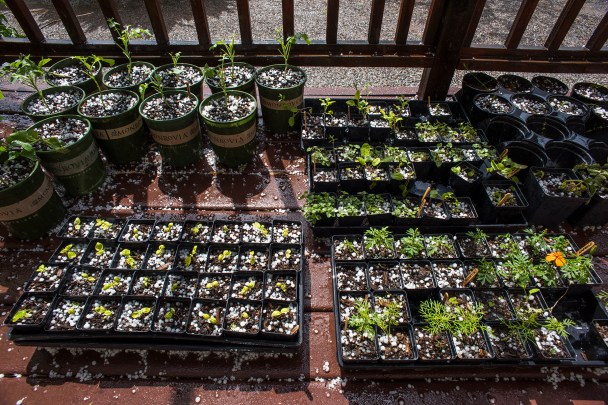
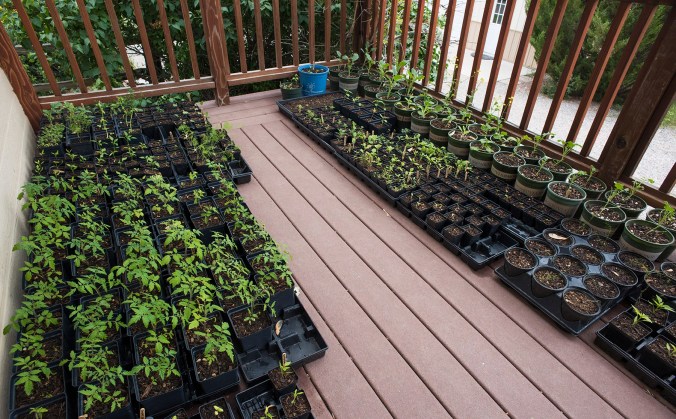
Still relatively safe on our west deck.

Why aren’t these plants in the ground, you say? Because our fence still isn’t finished. I know, I know…we’ve been going on about this game fence for what seems like decades; trust us, it’s twice as long when you’re actually building it. And we’re progressing, we really are – but it isn’t complete. And so these seedlings wait patiently on our sun porch, getting leggier and more rootbound every day. We’re glad this is a year focused on building infrastructure and learning, because if we actually had to harvest these crops on a specific schedule in order to make money, our season would already be shot. Most of them will thrive once they’re finally planted into raised beds, but some, like the pak choi, have already set flowers and are on their way to going to seed, so their life cycle is nearly complete. Had we known the pest pressure we’d face here, we would have started building the game fence last fall. Live and learn.

Whistle Pigs 01 sml

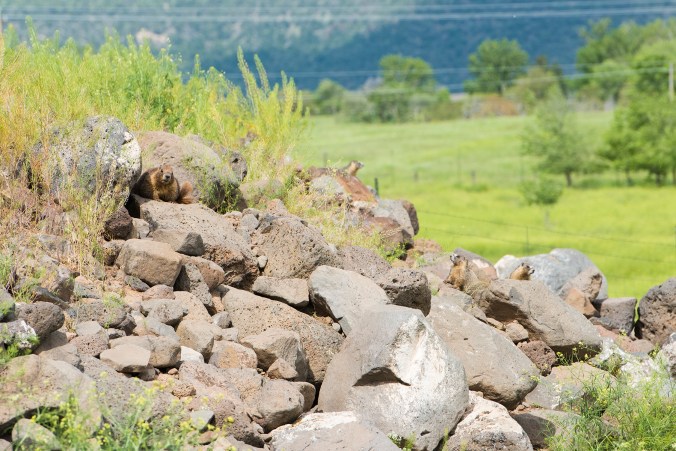
Look carefully…there are at least four visible in this photo. And probably four hundred hidden in the rocks.

Speaking of pest pressure, our resident whistle pigs have had a wildly successful breeding season. Not familiar with whistle pigs? They’re part of the large marmot family (Marmota monax), commonly known as ground squirrels, and they’re related to woodchucks, gophers and prairie dogs. They do actually whistle to warn their brethren of impending doom (like when we stroll down the lane to pick up the mail) and they live amongst our extensive rock collection. While they haven’t done much damage to crops yet (mostly because there aren’t any – see above), we do believe they’re orchestrating a stealthy and coordinated campaign to creep ever closer to the vegetables. They are exceptionally quick despite their awkward bulk, and they have lush, glossy pelts – perfect for a fashionable winter hat! Right now we’re offering a special: come collect one rock, and you get a free whistle pig. (Some trapping required.)

Continue reading

Farm update: June 3

Hello there! Has summer finally started where you live? We’re excited for warm weather and sunshine and to get all of our tomatoes, peppers, eggplant and other summer crops into the ground finally.

Rasberry Beds 04 sml

The raspberry plants are tiny, like our fruit trees, and are protected with plastic cages.

A few weeks ago we planted forty raspberry plants, ten each of four different cultivars. We planted both summer-bearing and fall-bearing varieties, in the hopes of having fresh raspberries for months on end. We don’t expect to see any fruit this year, but raspberries typically do well in this area so we’re looking forward to bountiful future harvests. In order to plant these canes, we used the excavator to dig long, wide beds, then we filled those beds with about eight cubic yards of soil from Mount Doom. This meant around thirty-six wheelbarrow loads moved by hand – we farm like it’s the 1850s over here, friends. One day, we’ll have a tractor. One day.

Kale Salad 01 sml

Greens this fresh make those plastic supermarket packets taste like nothing.

We were excited to harvest our first salad greens and radishes; shown here is a mixture of Buttercrunch lettuce, pak choi, red Russian kale and lacinato kale. Our greens are pretty late this year; next year we hope to have our high tunnel built so that we have fresh greens throughout the winter and early spring. Few things taste better after months of heavy, rich, starchy foods than a bright, crisp salad.

Bullock's Oriole 02 sml

A male Bullock’s oriole waiting for the buffet to open.

Although we love seeing the hummingbirds at our feeders, we’ve found that the local population of Bullock’s orioles (Icterus bullockii) appreciates the easy sugar hit, too. The orioles are much bigger than the tiny hummingbirds, and when they’re on the feeders they scare the hummingbirds away. Because they’re so big, they also cause the feeders to swing wildly and spill sugar syrup everywhere, which makes a sticky mess. We haven’t yet figured out how to keep the hummingbirds coming while discouraging the orioles, even though their flashy yellow plumage is gorgeous.
Compost 03 sml

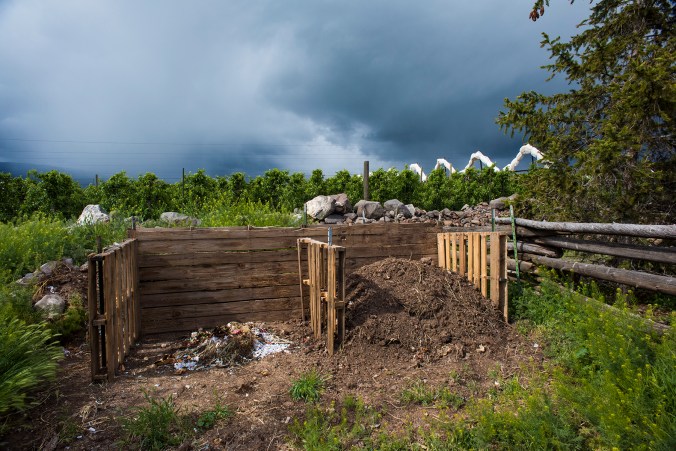
So much tidier now!

We built a new bin structure for our compost using salvaged shipping pallets; you can see the original small compost pile here. (We think pallets are one of the most useful free things you can find!) Now the compost can be kept neater, and it’s simple to throw fresh organic material into the left bin while waiting for the right side to finish “cooking.” When we get that tractor it will be a lot easier to move the finished compost onto the vegetable beds.

Chickens 01 sml

Welcome home, chickens!

And then there’s this news: Quiet Farm has twelve new residents. They are a motley, ragtag bunch, who came to us because a friend was moving house. We have at least two roosters (maybe three; one is sensibly staying quiet for the moment) and an assortment of breeds. They’re still laying pretty well for older birds – certainly enough for our needs – and thus far they’ve had an exciting time exploring their new home. More on the chicken house renovation coming soon!

Have a great week!
 

Farm update: May 20

Our average last frost date here at Quiet Farm is May 13; as a rough guideline, this means that it’s generally safe to plant warm-weather crops (tomatoes, peppers and so on) outside after this date. Except that we had about an inch of light, fluffy, powdery snow plus some shockingly low overnight temperatures this past week, and if we’d had all of these plants outside they would have died a chilly death. While some vegetables can handle low temperatures, our summer stars want heat and more heat, so ours are still safely tucked away in the sunroom. What do we learn from this? Always check the forecast, and never trust Colorado weather to do what you expect.

Seed Potatoes 01 sml

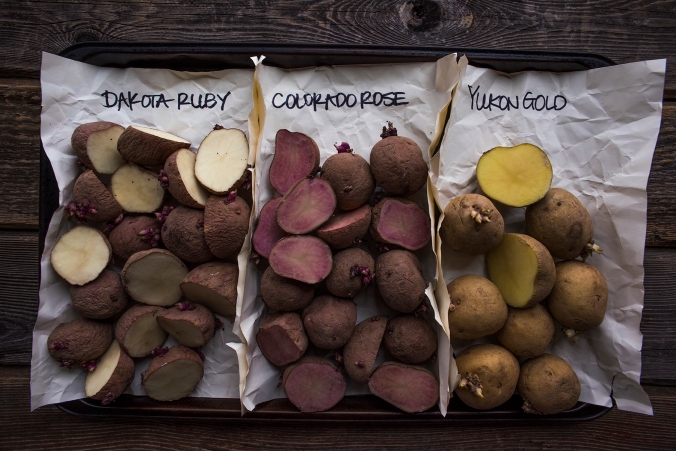
These seed potatoes are bred for the Rocky Mountain West.

We’re expecting another week of cool, wet weather, which makes it impossible to pour concrete for our fence posts. But there is always something that can be planted, even if it’s not tomatoes and peppers. Our locally-grown seed potatoes have been planted in “potato towers,” which we constructed from galvanized fencing and layers of newspapers, compost and straw. I planted a little over a pound of each variety; theoretically each pound planted should yield about ten pounds of fresh potatoes in maybe July or August. I’ve never planted potatoes in towers so am excited to see how this experiment turns out! (If you want to plant potatoes, buy certified seed potatoes and don’t plant those from the grocery store – they’ve typically been treated to prevent sprouting and therefore won’t grow.)

Continue reading