Farm update: March 9

How are you doing? It’s probably been a whipsaw week where you live, too. Here we are trying our best to stay busy and avoid the headlines (easier said than done). A few things we’ve been up to, if you’d like to see:

Bees Coffee Filter 01 sml

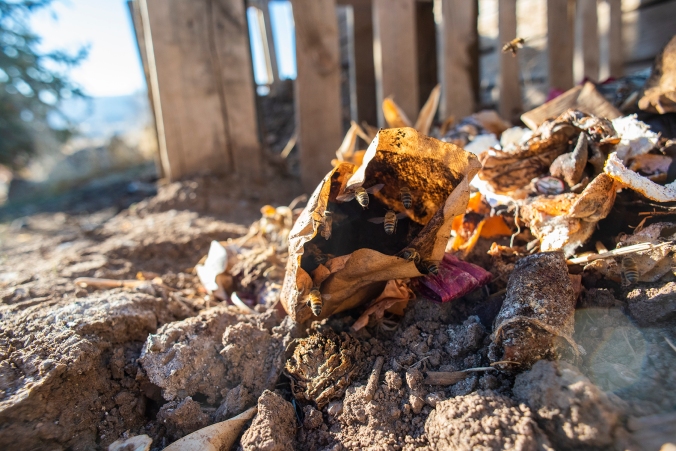
The bees love coffee as much as we do!

One sure sign of warming weather (which is coming far too early, in our opinion) is enhanced bee activity. On warm, sunny days we’re seeing lots of bees buzzing in the compost pile (they particularly love our spent coffee filters) and also near one of our big trees that’s in early bud. The apple trees in the surrounding orchards haven’t bloomed yet, but it’s always nice to know that our resident bee population survived another winter.

Continue reading

Starting seeds

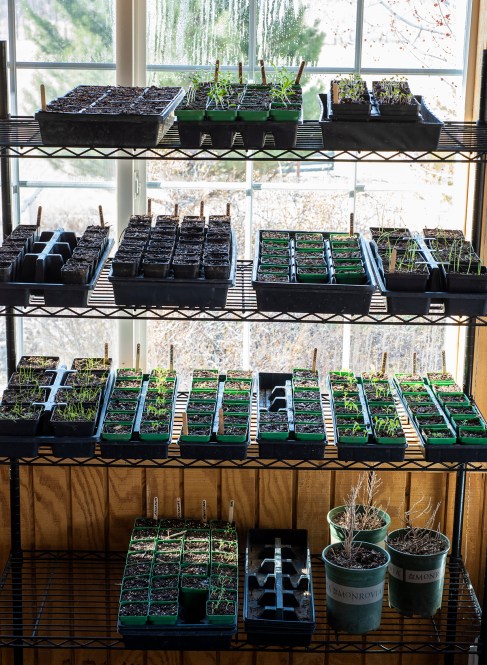
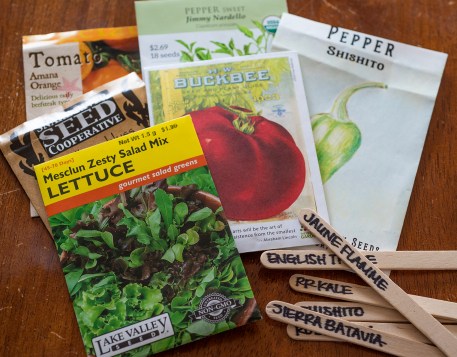
Welcome to March! Our spring is shaping up to be a bit too premature and a bit too warm and a bit too dry for our liking; we’d like to see quite a lot more moisture. This time last year, we still had at least four inches of snowpack on the ground; this year, zilch. Also last year, we were adorable, eager, optimistic, first-year farmers, and we started our seeds way too early. This year, we’re hardened, grizzled veterans, so we know better. And next year? Watch out.

Compost 08 sml

If you’re going to grow anything outside, the single most important piece of information you need is your average first and last frost date. This statistic is pretty much exactly what it sounds like; weather stations all over the country send data to the USDA, which in turn calculates average first and last frost dates. These dates are essential because most (but not all) annual food crops will not tolerate freezing temperatures.

Here at Quiet Farm, our average last frost is May 13, and our average first frost is October 4 for a 143-day growing season; this means we’re almost assured not to have frost between these dates. Keep in mind, however, that this is an average, not a guarantee – you’re safer assuming that frost is possible one to two weeks on either side of these dates. (The location of weather stations varies widely and can sometimes be inaccurate, so check where your closest weather station is located to ensure you’re getting the best information. Plus, the climate emergency is totally destroying the consistency and reliability of these dates. It’s all pretty much guesswork from here on out.)

Continue reading

Farm update: February 24

Greetings! We are currently stuck in that awkward phase between winter and spring. Some days it’s all teasing warmth and perfect blue skies, and some days it’s bleak and grey with icy, biting winds. Most of our snow is gone, though we expect (and hope for) one or two more storms, at least. It’s a changeable season, but spring is definitely in the air and we’re starting to hear more songbirds and see new growth everywhere we look. Here are a few things we’ve been up to recently.

Prairie Falcon 01 sml

A prairie falcon (Falco mexicanus) in one of our towering cottonwoods.

We still haven’t captured a photo of our shy Northern harrier, seen regularly hunting mice in our pasture on sunny afternoons, but N did snap this lovely photo of a prairie falcon. The prairie falcon is about the size of a peregrine falcon, but with a much different hunting style (low swooping over the ground, rather than rapid dives). Unfortunately for the songbirds we’ve been hearing, much of the prairie falcon’s winter diet is the Western meadowlark, but we hope this one will focus more on our ground squirrel population. As with all falcons, the female is substantially larger than the male. Continue reading

Winter on the farm

In nautical terminology, “the doldrums” refer to an actual place – waters near the Equator where sailing ships were often stuck for days or weeks in windless seas. In common parlance, however, the doldrums mean “a state or period of stagnation, inactivity or depression.” And so here we are in deepest winter.

Raised Beds 02 sml

Our dormant raised beds, slumbering under snow.

Continue reading

Farm update: October 21

Buck 01 sml

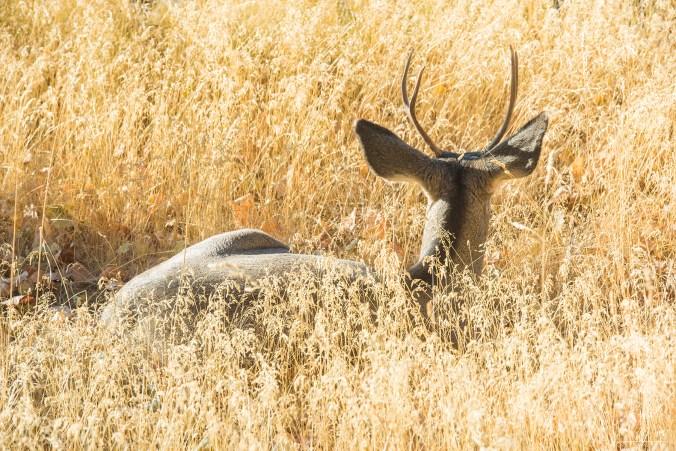
The south lawn of our house makes a peaceful resting spot.

Is it autumn where you live? Is it crisp and cool with bright scarlet and gold leaves everywhere? Is it dark when you wake up in the morning? It is here, and we’re settling into this brief transition season before winter extends its icy grip. Much of our work these days involves cleaning, tidying, preserving, covering and generally setting things in place for the colder months. We try to take advantage of these bluebird fall days for as long as we can; once the snows come, we won’t be working outside much.

Garlic Slate 01 sml

Growing garlic takes forever, but it’s worth the wait.

Ninety of this season’s largest garlic cloves have been planted in a bed newly prepared with lots of rich compost. Last year’s garlic went into an existing cinderblock bed that was here when we moved in; a few weeks ago we broke that bed down and dispersed the soil into new trenches for garlic and asparagus. The cloves will slumber quietly here over the winter, and in the spring we’ll hopefully see green garlic peeking up through mulch and snow. Every year we’ll plant more and more garlic; we eat a lot of it, of course, but since garlic adapts to its unique environment, we want a generous quantity to save for planting.

Irrigation Water 01 sml

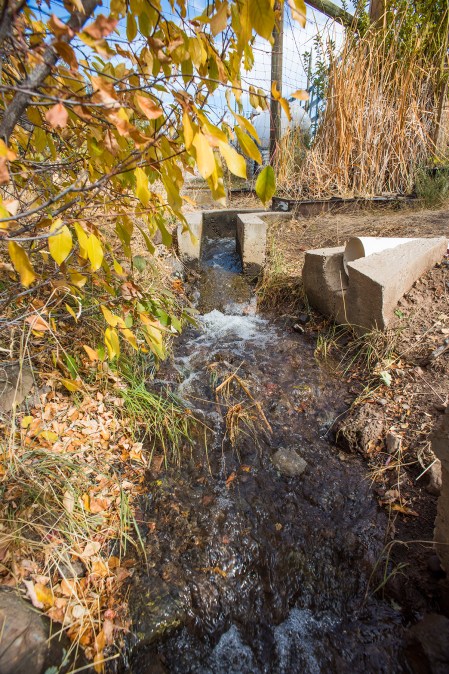
The water runs through a culvert underneath our driveway and out into our pasture. You can see our flume in the upper right.

We ran our irrigation water for the first time this season, and it went surprisingly well. Our pasture isn’t planted right now so the irrigation run was more of an experiment to see how the water would move through our gated pipe system. We own shares in a local creek that pulls water from reservoirs on the Grand Mesa; when we want to run water we order a certain amount for a certain period and that water is deducted from our account. This run was for two days (forty-eight hours straight!) and it requires a lot of hands-on management, mainly opening and closing gates manually in the big pipes. When we’re more comfortable with our irrigation we won’t need to babysit it as much, but we’re unleashing hundreds of thousands of gallons of water mere feet from our house, and we definitely want to pay close attention to where it’s going.

Tomatoes Ripening 01 sml

Our tomato crop redeemed itself after a rocky start.

We harvested all of our vegetables prior to our recent hard freeze and brought in just over one hundred pounds of green, unripe tomatoes. In the past I’ve never had good luck ripening tomatoes indoors, but for whatever reason these are ripening quite well. They’re no longer good to eat fresh – the overnight temperatures dropped too low, so the tomatoes taste as though they’ve been refrigerated – but they’re perfect for sauces, soups and purees. A pantry stocked with canned homegrown tomatoes is a winter gift indeed.

Tree Mulch 01 sml

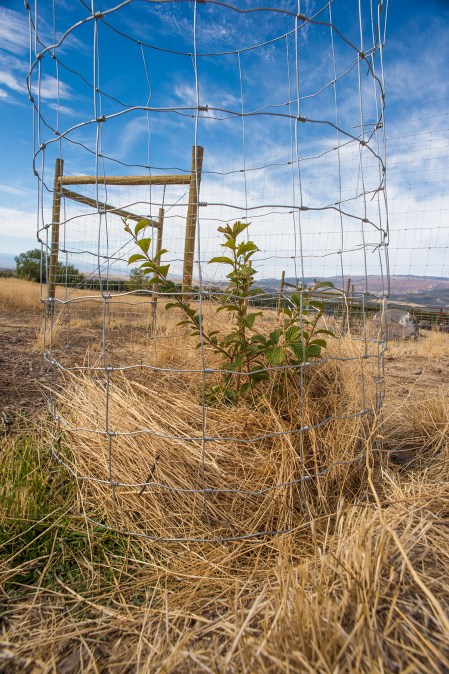
One of our little saplings, hopefully protected from winter weather (and deer). 

We’ve hustled recently to layer all of our fruit tree saplings with warm winter mulch. Some of our little trees look healthy and others are…struggling. We’re hopeful that the mulch blanket will keep the trees protected from our harsh winter weather, since their root systems are likely to still be quite delicate. One of our priority spring projects next year will be to put a drip irrigation system in the orchard so we can stop watering the trees by hand.

We’re back to work, friends. We wish you a good week.


Save our seeds

Seeds 01 sml

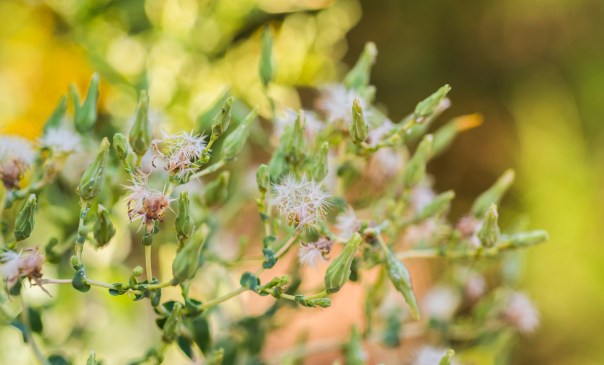
Our first hard frost is forecast this week, so there is much to be done. In addition to lots of canning and preserving, autumn on a small homestead means saving seeds. We’ve talked about the importance of seed saving previously, and each season we’re working on expanding our seed bank. Never before has it been so important to save our own seeds and thereby take responsibility for our own food supply; as seed companies are again and again snapped up by massive agrochemical conglomerates, our control of our own seeds – our fundamental birthright, and the source of our food supply – becomes ever more tenuous.

Lettuce Seed 01 sml

Most lettuces and other salad greens encase their seeds in little windblown puffballs.

As I wrote in our previous seed post, “Today, nearly three-quarters of all seeds planted in the U.S. – both unmodified and genetically engineered varieties – are privately owned and controlled by three large agrichemical corporations. Growing food is a basic human right, and we are quickly moving towards a future in which we will no longer own the source of our food. Lack of food leads to hunger, which leads to unrest, which leads to revolution, which leads to profitable wars benefitting those same corporations. Building our own seed banks, even if technically illegal, means we still have some say in our food supply. Seed saving is a small but powerful act of resistance.”

Continue reading

Small victories

In ten years of growing food, this is by far the most challenging season we’ve ever experienced. Between punishing hail, voracious deer, late snows, devastating winds, crafty rodents and ten million grasshoppers (I’m certain the locusts are on their way), we feel we’ve taken everything the world can throw at new farmers. We might be down, we might be bruised, but we’re not out yet. And in that spirit, how about we count up some wins?

Sunflowers 01 sml

Thanks, sunflowers, for cheering us on with your bright faces.

Our farm is awash in sunflowers right now, not one of which we planted. They weren’t here last year when we moved in (historic drought?), but we’re so glad to see them this year. Hopefully they’ll continue to self-seed and their cheerful countenances will be part of every summer here.

Continue reading

Coming home to roost

One of the many reasons we were drawn to Quiet Farm was its collection of rather ramshackle yet usable outbuildings. Since keeping chickens for eggs (and entertainment) was always a top priority, renovating the chicken house was definitely high on our project list.

Chicken House 01 sml

The ‘before’ photo, in bleakest winter.

Chicken House 02 sml

The original nest boxes on the far wall indicate that this may previously have been used as a henhouse.

Continue reading

Lessons learned

Hello again, and please forgive us our recent absence. We’ve taken a small summer hiatus – not because we’ve actually been on vacation, but because for a period of time there we didn’t have many nice things to say about farming, and we didn’t want our space here to sound whiny and negative. We’re genuinely thrilled to be farming, even when we aren’t.

Hail 01 sml

One of early summer’s low points.

It’s been just under one year since we found Quiet Farm, and what a year it’s been. There have been highs and lows and successes and failures. And now that we’re one year wiser and can officially call ourselves farmers, we’re working hard on learning from our experiences. We always say that we’re allowed to make as many mistakes as we want, but we have to make different mistakes. If we make the same mistakes over and over, then we obviously haven’t learned anything.

Continue reading