Starting seeds

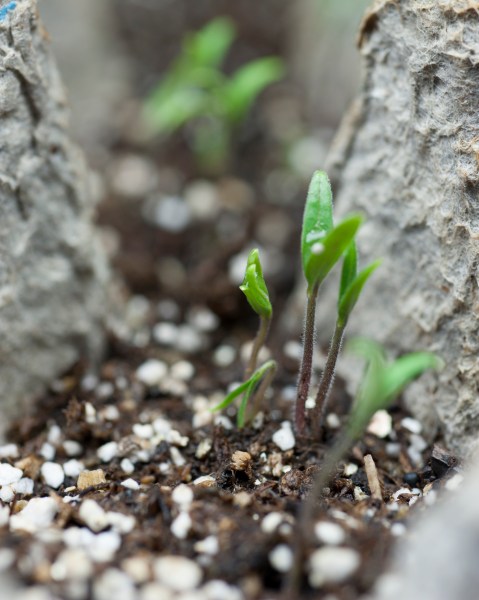
Welcome to March! Our spring is shaping up to be a bit too premature and a bit too warm and a bit too dry for our liking; we’d like to see quite a lot more moisture. This time last year, we still had at least four inches of snowpack on the ground; this year, zilch. Also last year, we were adorable, eager, optimistic, first-year farmers, and we started our seeds way too early. This year, we’re hardened, grizzled veterans, so we know better. And next year? Watch out.
Compost 08 sml

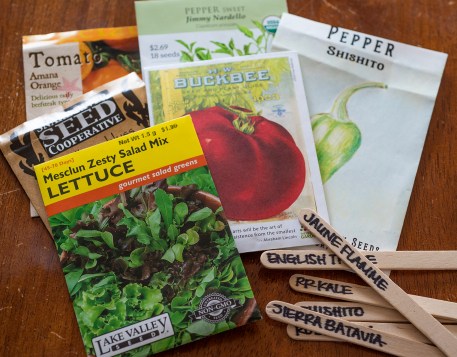
If you’re going to grow anything outside, the single most important piece of information you need is your average first and last frost date. This statistic is pretty much exactly what it sounds like; weather stations all over the country send data to the USDA, which in turn calculates average first and last frost dates. These dates are essential because most (but not all) annual food crops will not tolerate freezing temperatures.

Here at Quiet Farm, our average last frost is May 13, and our average first frost is October 4 for a 143-day growing season; this means we’re almost assured not to have frost between these dates. Keep in mind, however, that this is an average, not a guarantee – you’re safer assuming that frost is possible one to two weeks on either side of these dates. (The location of weather stations varies widely and can sometimes be inaccurate, so check where your closest weather station is located to ensure you’re getting the best information. Plus, the climate emergency is totally destroying the consistency and reliability of these dates. It’s all pretty much guesswork from here on out.)

Continue reading

Save our seeds

Seeds 01 sml

Our first hard frost is forecast this week, so there is much to be done. In addition to lots of canning and preserving, autumn on a small homestead means saving seeds. We’ve talked about the importance of seed saving previously, and each season we’re working on expanding our seed bank. Never before has it been so important to save our own seeds and thereby take responsibility for our own food supply; as seed companies are again and again snapped up by massive agrochemical conglomerates, our control of our own seeds – our fundamental birthright, and the source of our food supply – becomes ever more tenuous.

Lettuce Seed 01 sml

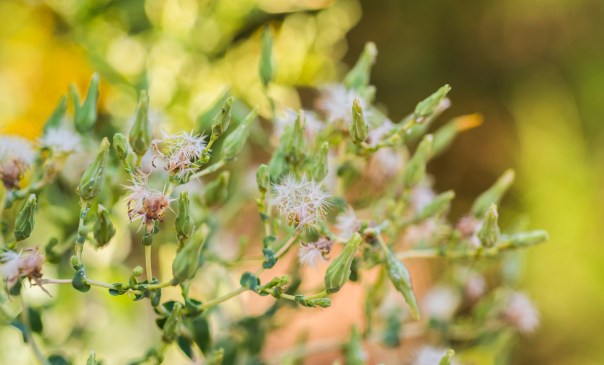
Most lettuces and other salad greens encase their seeds in little windblown puffballs.

As I wrote in our previous seed post, “Today, nearly three-quarters of all seeds planted in the U.S. – both unmodified and genetically engineered varieties – are privately owned and controlled by three large agrichemical corporations. Growing food is a basic human right, and we are quickly moving towards a future in which we will no longer own the source of our food. Lack of food leads to hunger, which leads to unrest, which leads to revolution, which leads to profitable wars benefitting those same corporations. Building our own seed banks, even if technically illegal, means we still have some say in our food supply. Seed saving is a small but powerful act of resistance.”

Continue reading

How to save the world

Last Friday, millions of people around the world marched as part of a “global climate strike.” The march was intended to draw world leaders’ attention to the climate crisis in advance of the U.N. General Assembly taking place this week in New York City. While the sight of millions of mostly young people taking to the streets to make their voices heard is heartening in theory, teenagers in expensive sneakers carrying smartphones and pithy signs aren’t going to change the perilous trajectory we’re on.

Despite the fact that we are by far the world’s largest consumer and by extension the world’s largest polluter per capita, the U.S. is the only country in the world still debating the very existence of climate change. While other countries have their heads down working to find solutions, we’re still arguing over whether this is actually happening, and if so whose fault it is. (Spoiler alert: ours.) This disparity will be on full public view this week at the U.N.; once again, we’ll look like idiots on the world stage, a role in which we’re becoming increasingly comfortable.

Here’s the painful truth: we can’t protest the idea of large corporations destroying the planet, because we are the reason those corporations exist. If we didn’t buy their products – if we didn’t upgrade our iPhones every year, if we didn’t rob each other at gunpoint for thousand-dollar puffer jackets, if we didn’t accept and then dispose of two million plastic bags per minute – these corporations wouldn’t be able to plunder the planet. We are the problem, and by that logic we also have to be the solution.

Mental health professionals have reported a sharp uptick in the number of people seeking treatment for depression related to the environmental catastrophe we’re facing. It’s a massive, complex problem, and it’s easy to feel hopeless when confronted with its scale. On a personal level, I’ve long since graduated from severe eco-anxiety and now find myself teetering on the cliff of abject climate despair. I don’t think we’re going to be able to fix this, but we can’t choose to do nothing and watch the world implode around us. With that in mind, here are five things we can implement immediately that might just make a difference.

Continue reading

Small victories

In ten years of growing food, this is by far the most challenging season we’ve ever experienced. Between punishing hail, voracious deer, late snows, devastating winds, crafty rodents and ten million grasshoppers (I’m certain the locusts are on their way), we feel we’ve taken everything the world can throw at new farmers. We might be down, we might be bruised, but we’re not out yet. And in that spirit, how about we count up some wins?

Sunflowers 01 sml

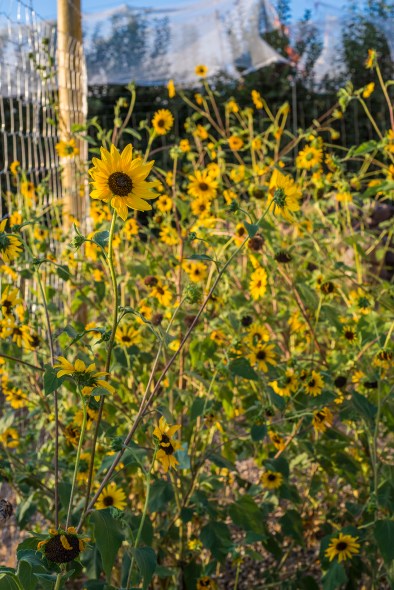
Thanks, sunflowers, for cheering us on with your bright faces.

Our farm is awash in sunflowers right now, not one of which we planted. They weren’t here last year when we moved in (historic drought?), but we’re so glad to see them this year. Hopefully they’ll continue to self-seed and their cheerful countenances will be part of every summer here.

Continue reading

Farm update: May 6

It’s been mostly cool and rainy this week. We’re of course grateful for the moisture and lower temperatures, which might keep our snowpack in place longer, but the weather has literally put a damper on our excavator plans. Never mind, though; there are always plenty of other things to do!

Broad Tailed Hummingbird 02 sml

A male black-chinned hummingbird getting its sugar fix.

One of our most successful ventures recently has been installing hummingbird feeders around our house. We’ve been utterly astounded at the sheer number of hummingbirds that have appeared, including both the black-chinned and broad-tailed varieties. They’ve apparently informed all their friends that the bar is open!

Continue reading

Farm update: April 29

San Juans 00

Spring is truly here and the Quiet Farm project list expands daily! The weather has been unusually warm, so much so that everyone is concerned about our wonderful mesa snowpack melting too quickly and flooding the creeks. This sunny (and windy) week alone, we received deliveries of soil, lumber, fencing and concrete. We hauled railroad ties, hefted 80-pound bags of Quikrete, wheelbarrowed soil, hammered in T-posts and more. Our farm muscles are coming along nicely, and we’re trying hard to remember to apply sunscreen and drink enough water. When people say farming is hard work, they aren’t kidding – especially when you don’t yet own a tractor.

Continue reading

Farm update: April 8

QF Purple Flowers 01 sml

The hills are alive…with weeds! But we call them “wildflowers.”

The snow is finally gone at this elevation, even though plenty can still be seen on the mesa. Our pasture is coming back with a vengeance, and we spend our days walking the land, looking at what plants are coming up and trying to decide whether they’re helpful or harmful to us. Since we bought Quiet Farm at the end of a blistering summer in the midst of a hundred-year drought, pretty much everything was crispy and dormant. We hadn’t yet determined what bushes and trees might survive, and what would need to be removed. We’re giving everything a generous opportunity to stage a spring comeback before we tear it out.

Continue reading

Farm update: February 18

Despite the snow on the ground, spring is in the air. We’re entering the freeze-thaw cycle (also known as mud season) and our quarter-mile driveway is the worse for it, but all around us, things seem to be softening and readying for growth. We’re excited for spring, friends. This winter has offered much more moisture than last year’s punishing drought, and we’re looking forward to seeing how our fields regenerate once the snows have disappeared for good.

Snow Tracks 01 sml

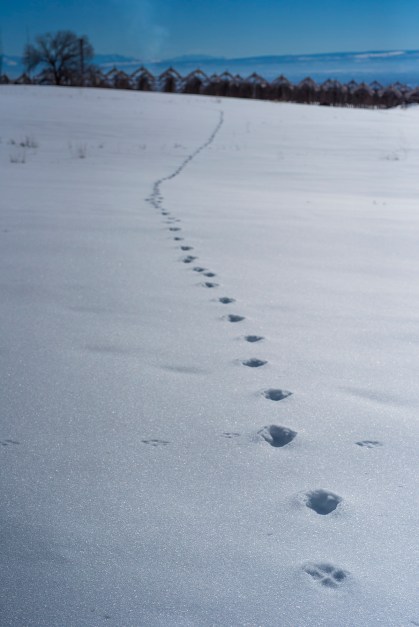
One of our favorite winter activities has been watching for wildlife across our land; the persistent snow has made tracks easy to see. We’ve spotted coyotes, foxes, rabbits, raccoons, ground squirrels and of course our nemesis, deer. We are trying hard to learn this land, to know what lives here now and what was here before us so we can figure out how to best live in harmony.

Continue reading

Things that are great, vol. 2

Modern lives contain way too much negativity, a cycle perpetrated by a fear-mongering media looking to sell us stuff we don’t need. In the interest of combatting that mentality, then, we present our second “Things That Are Great” link round-up, highlighting news stories and trends that we think are worth celebrating. (Read our first positive link collection here!)

Sheepsies 01 sml

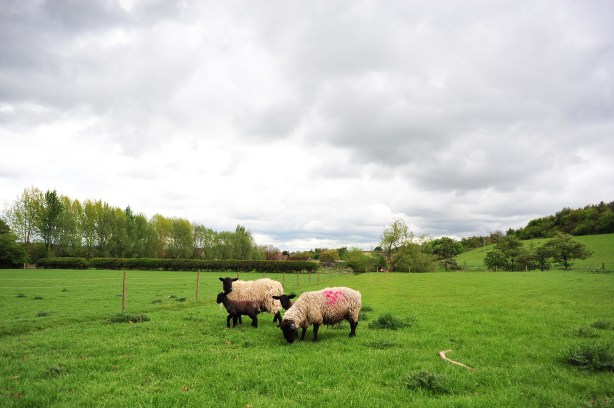
Photo clearly not taken in Colorado.

If you had to guess at the largest irrigated crop in America, you might well assume corn or soy. You’d be wrong; however; according to a 2015 NASA study, lawns represent about 40 million acres in the U.S., or about three times as much land as corn. All this grass comes at a steep price: 9 billion gallons of water per day, plus hundreds of millions of pounds of fertilizers and pesticides and other chemical treatments, all of which eventually end up in our water sources. And yard waste, including grass clippings and leaves, represents the largest single occupant of our landfills, too. All this for a crop we can’t even eat? Ridiculous.

02 February

Thankfully, though, forward-thinking companies are working to change that antiquated attitude. All across the country, edible landscapes are “unlawning” America. Converting pointless, thirsty lawns into healthy, local human food? Yes, please. These edible landscapers often face a lot of resistance from restrictive HOAs, but progress is still being made, albeit slowly. If you’d like to replace your lawn with native plants, check with your local extension agent – they’re often the best source of information for what will grow best and still look nice in your region.

Continue reading

A helpful guide to Quiet Farm wildlife

Fuckin' Deer 02 sml

Lots of people move out to the country to escape from society and get closer to nature. (We did.) This is all well and good, but more often than not that human-wildlife interface becomes difficult for both sides. On the Front Range, for example, dozens of black bears are killed by wildlife officials every year because they show little or no fear of humans and are regularly caught breaking into homes and businesses to scavenge for food. Many more are hit by cars. Mostly, this is because we continue to encroach on the bears’ territory, and because ignorant humans continue to place unsecured trash in places where the bears can access it.

Fuckin' Deer 03 sml

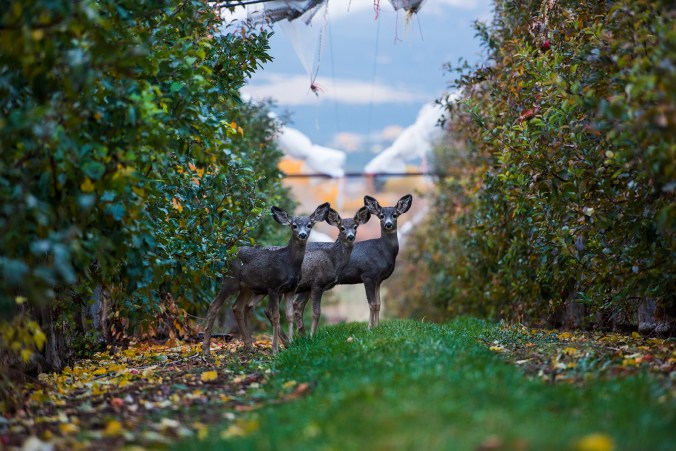
Here on Quiet Farm, then, one of our biggest challenges will be how to live in harmony with our local wildlife, rather than against them. For us, deer pressure will absolutely be the largest issue we face. There are thousands of deer in the nearby area, both whitetail and mule; we’re also surrounded on three sides by apple orchards, which attract deer and lots of other creatures who love fresh, crunchy apples, too. As we plan our vegetable beds for next season we’re still debating how best to protect those vegetables from the deer; these animals can do thousands of dollars of damage in one hungry night and we have no interest in opening an all-you-can-eat salad bar.

Continue reading