The height of the harvest

“Things are somewhat ugly out there. I couldn’t have imagined in the spring that we’d be suffering Covid (and fools) this long after a vaccine was announced, but here we are. One really fine manifestation of this has been to appreciate the things that are going right. Not as planned, but still in the right direction. Gardening and farming help a lot. Whether you pop a bean in a clay pot with some soil or you are farming thousands of acres, producing food is pretty cool and we’re lucky to be helping nature, in the garden and on the stovetop!” -Steve Sando, Rancho Gordo
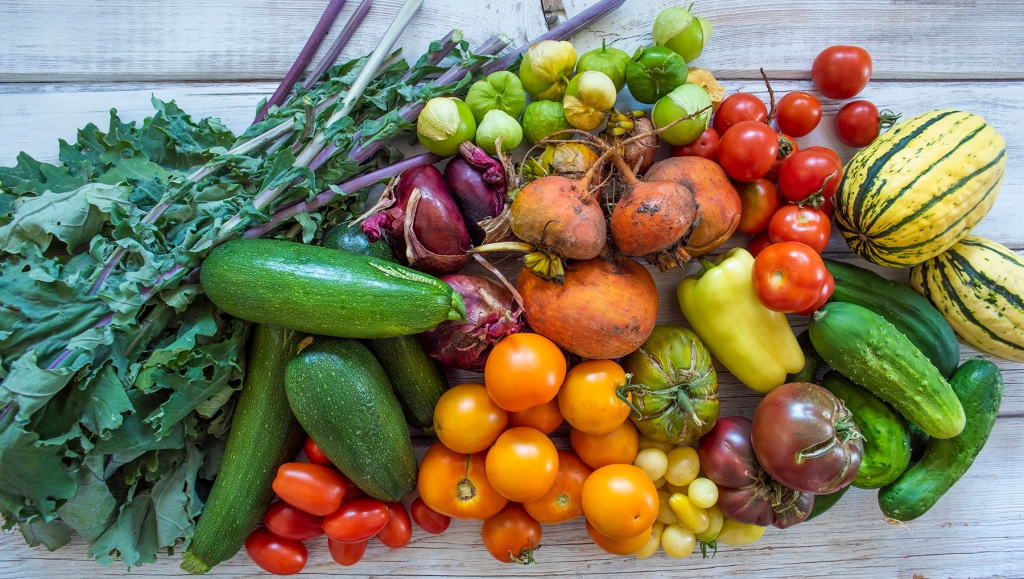
Hello there, friends. As you might imagine, it is an exceptionally busy time on the farm. August and September are the months we wait all year for and the abundance is staggering. These are the days when all of the hard work done in early spring really comes to fruition, but the workload is staggering, too. In addition to harvesting each day, we also need to preserve the harvest, plant fall crops, collect seeds and start thinking about fall clean-up tasks and winterizing the farm. We’re still irrigating two days per week, too, which eats up a lot of time. No matter the long hours, though, the incredible food we’re growing makes it all worthwhile.


These squash bugs are having one heck of a party.

Every growing season we face different challenges – the weather, the water and the pests all vary from year to year. Ideally, though, we’re learning from each experience and are better equipped for future troubles. This year we were surprised to discover the common squash bug (Anasa tristis) attacking our summer squash. Despite our never-ending drought, our relentless winds and our high altitude, we do have one great advantage in farming where we do – insects are rarely (if ever) a major problem. I’ve never dealt with squash bugs before, and by the time I discovered them, they’d done a huge amount of damage. I researched organic control methods and laughed out loud at one not–at-all-helpful suggestion: “carefully remove each bug by hand.” (Let me tell you what I do not have time for right now: removing individual bugs by hand.) And so, I opted for a broader form of retaliation: I clear-cut the Costata Romanesco plant back to its roots, leaving only the two huge squashes that I’m saving for seed. I do think that the ‘overgrown tropical jungle’ aspect of this particular plant contributed to this infestation, since the bugs often shelter at the plant’s base, so I need to consider this for future plantings. Also, if we should be so unlucky as to have a mild winter the larvae will likely not be killed and I’ll encounter the same problem again. Therefore, crop rotation and careful attention before the bugs get out of hand are definitely on next year’s to-do list.
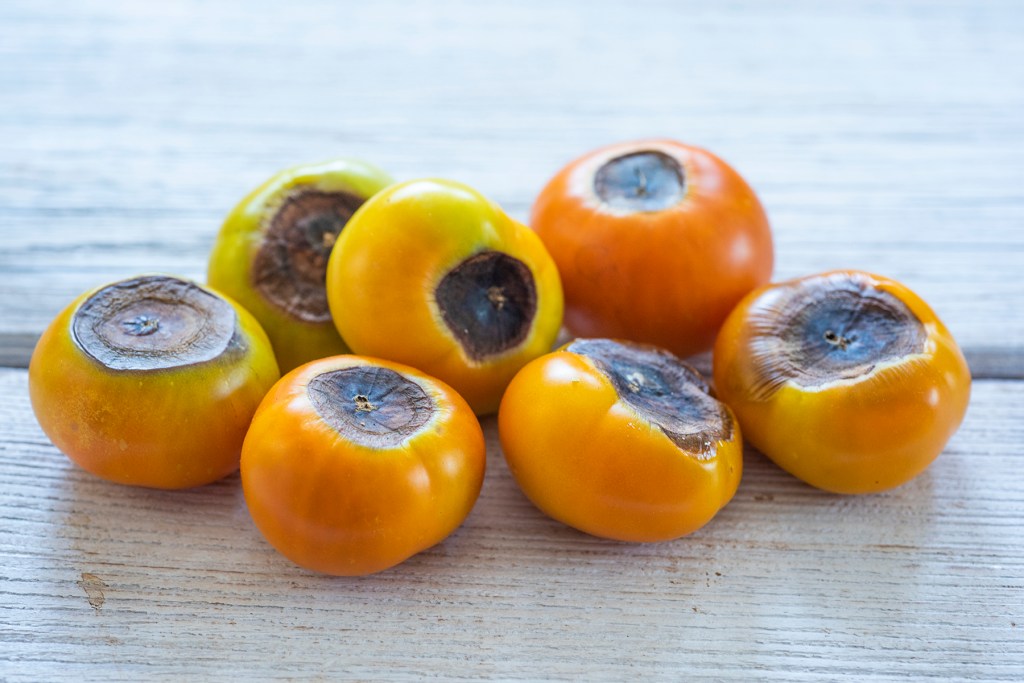
Blossom end rot is easy to identify.

One garden ailment that I am painfully familiar with is blossom end rot, commonly referred to as BER by horticulturalists and farmers. BER isn’t technically a pest or a disease; rather, it’s a physiological disorder caused by insufficient calcium uptake. Although BER can affect peppers, squash, cucumbers and melons, I’ve only ever encountered it in tomatoes. Though there can be various causes, in my growing experience, BER is most often caused by inconsistent watering – both too much and too little – which can definitely be an issue in our growing area. As an example: for the past few weeks we’ve been running our regular Wednesday/Thursday irrigation schedule, but then have also experienced dramatic midnight thunderstorms which of course soak the plants even further. BER usually appears when the fruit is about half-size, and the spot at the base will turn leathery and spongy and eventually cause the entire fruit to rot. BER won’t hurt you, and you can cut out the affected areas, but I usually throw affected fruits straight to the chickens. As always, keep good records – you may find that certain species are more affected by BER in your garden than others. This year, I’m only seeing it in the Jaune Flammes shown above, and not in other varieties, and only in one raised bed – which indicates that the drip irrigation in that particular bed may also need a closer look. Paying attention to what’s going on with your plants will usually teach you everything you need to know.

Tomatillos are one of our favorite summer staples.

Do you grow tomatillos? I feel like they’re not very well known outside of the American Southwest, but I adore them and grow them every year. They’re in the same nightshade family (Solanaceae) as tomatoes, peppers, eggplant and potatoes, and they’re also closely related to ground cherries and Cape gooseberries. They grow on plants similar to tomatoes and often need to be staked, because they’re quite sprawling and unkempt, but they’re prolific, hardy, drought-tolerant and delicious. Tomatillos are crisp and tart and usually ready to eat when the papery husk turns from bright green to a paler beige, or when they fall off the plant. Most of ours end up in salsa verde, but they make a wonderful sauce for enchiladas and a great addition to spicy soups, vegetarian tacos or green chile. Plus, they’re rich in fiber and vitamins C and K, too!
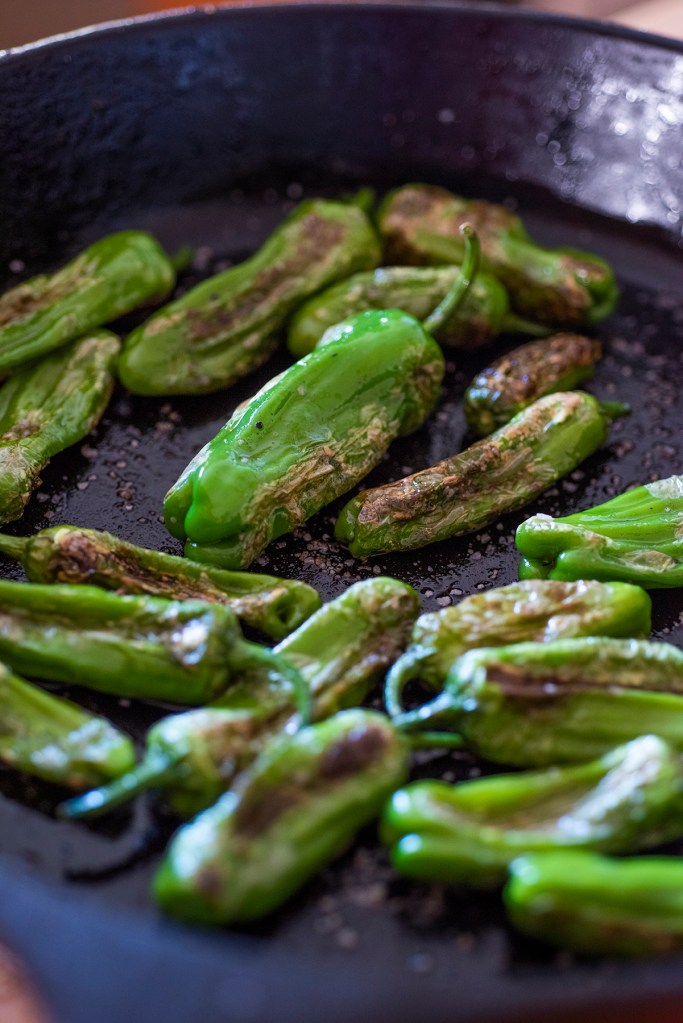
Blistered shishitos are often a pre-dinner snack.

Our shishito peppers have done well this year, which is terrific news because I haven’t had any success with this crop since we moved here. Shishitos are native to Japan, likely bred from the Spanish padrón pepper, and harvested green at about two inches long. We enjoy them in the most common fashion, seared in a screaming-hot cast iron skillet, dusted with flaky salt and nanami togarashi seasoning, then eaten whole out of hand (except for the stem). Shishitos are considered a “Russian roulette” pepper, in that they’re mostly quite mild but about one in ten will be eye-wateringly hot. This has a lot to do with their growing conditions, however, and ours have been pretty tame so far this year. As usual, I’ve left one pepper on the plant for the entire season so that I’ll have viable seeds for next year.

A great reason to dust off the angel food cake pan!

In addition to harvesting and preserving our own crops, this is also high time for purchasing fresh fruits and vegetables from other local farmers. We don’t grow sweet corn here at Quiet Farm; it’s a wind-pollinated grass, needs a good amount of land, and is virtually impossible to grow organically. Instead, I typically buy a case (about fifty ears) from a grower just down the road in Olathe, which is of course famous for its sweet corn. I grilled two-thirds of the ears and left the rest raw; all of the kernels, cooked and raw, were cut off the cob and frozen in small zip-top bags for adding to soups and chowders this winter. A few ears were saved for enjoying fresh, but most of this box went straight into the freezer as quickly as possible – corn does not improve once it’s been picked. I hope you were able to enjoy lots of fresh corn this summer, too.

One of the highlights of living where we do.

We’ve mentioned more than once this year that our local stone fruit growers were devastated by an early freeze last October, and many had no fruit at all. We were able to get out to pick a few peaches and have been enjoying them every day since. When I say “a few peaches,” what I actually mean is more than two hundred pounds – most went into the canning pot (fifty quarts), many into the dehydrator and the remainder into jam. This could well be our last year for peaches; we know many growers who are pulling out their peach trees because the heartache and stress simply isn’t worth it. And the orchard where we go to harvest is likely being sold soon, and it’s doubtful that a u-pick will be part of the new owner’s business model. Change is hard but inevitable, especially in the era of climate disruption – but at least we’ll have local peaches this winter.

As the world seems to spin more and more out of control each day, all we can do is focus on controlling what we can – and for us, that’s our land, our animals, what we grow and what we eat. We are doing our very best out here and hope you are, too, wherever you may be.

Farm update: March 22

We are sorely disappointed to report that we did not receive even one paltry inch of snow from the massive spring storm that walloped Denver and the Front Range last weekend. To add insult to injury, snow was in the forecast again today, to no avail – I promise you that it is clear and dry outside right now. We joke regularly about checking (In)AccuWeather on our phones, where it’s always “currently snowing in Delta County” – no. No, it isn’t. We have learned from our time here to only trust the weather that we can actually see and feel. All other promises and forecasts ring hollow.

So what we’re not doing on the farm right now is plowing or shoveling snow. But here are a few other things we’ve been up to lately, if you’d care to see.

Continue reading

Farm update: October 26

Our first snowstorm arrived late last night, and with that, the 2020 growing season at Quiet Farm has officially concluded. Much of the past week has been spent preparing for this introduction to winter; though our skies will clear and temperatures will rise again later in the week, none of our annual crops will survive this cold snap. We’ve been threatened with hard freezes prior to this and have been lucky enough not to lose any plants; our season lasted far longer than expected. We’re hopeful that this early, wet storm will help the firefighters battling the numerous destructive wildfires currently raging across Colorado.

Flooding our pasture with snowmelt from the Grand Mesa.

We ran our final irrigation last week, then broke down most of our gated pipe so that we can repair any damaged gates and valves during the off-season. We have stellar water shares here at Quiet Farm, and thanks to N’s careful planning, we made our water last all season. This year was definitely a rebuilding year for our pasture, and we’re optimistic that our plans for next year’s irrigation run, which include reseeding, marking and thoughtful grazing by our herd, will yield even better results. Small farms are key to fighting climate change – if managed well, land like ours can absorb far more carbon than it emits. Establishing these “carbon sinks” across the country should be of highest priority; if this season’s devastating wildfires are any indication, the Rocky Mountain West has a tough road ahead.

Continue reading

Preserving season

Fresh, local fruit is one of the great joys of living where we do.

There is much to be done outdoors – plant garlic, collect seeds, tidy irrigation – but there is much to be done indoors, too. We are in the height of harvest season, and every available surface in our house is littered with canning jars, dehydrator trays and other preservation projects in various stages of completion. Our goal is to eat locally as much as possible, and in the dark months of winter and early spring, that means we eat from the pantry and freezer – but only if we’ve done the hard work in advance.

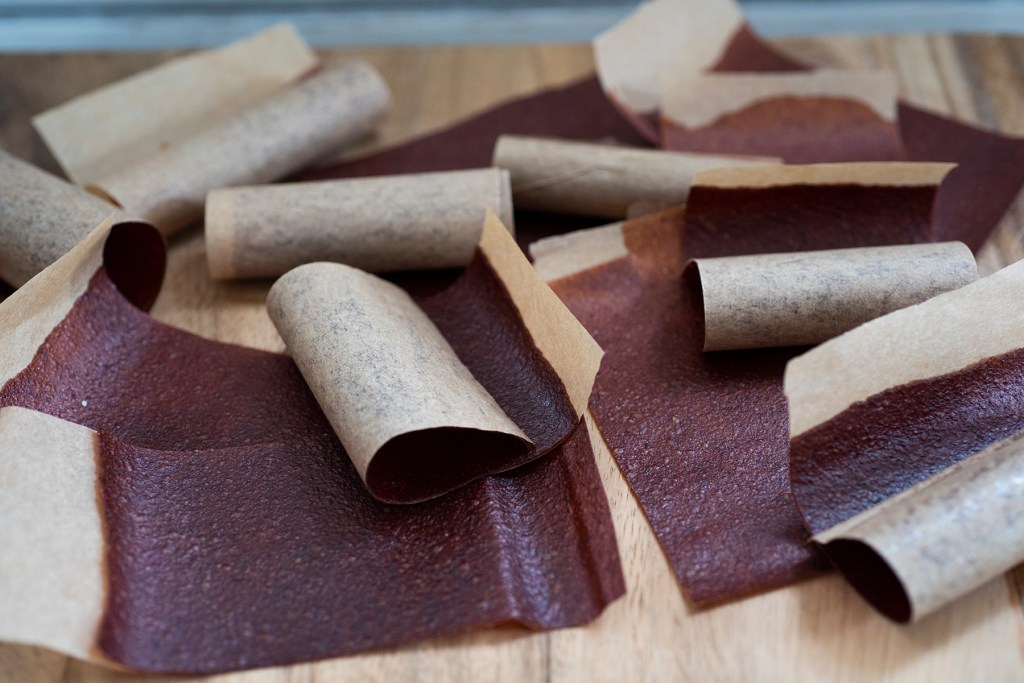
Homemade fruit leather makes a perfect healthy and portable snack.

Obviously, no one has to preserve and store the harvest any longer, and many would think the extra work we do this time of year is preposterous. Preservation is a dying art, because we live in a magical world where any food we might want, in season or not, is available with a single click. Also, most of us don’t grow our own food, so there’s even less incentive to preserve. Where our great-grandmothers might have been obligated to can their summer vegetables in order to have anything to eat in winter, we most definitely are not. And preserving can be tedious, time-consuming work. Why, then, go through all this extra effort?

Continue reading

Farm update: August 31

How are you doing out there, friends? Here at Quiet Farm we’re immensely grateful for clearer skies and cooler temperatures. We’re about seventy miles from the largest wildfire in Colorado’s history, and there were days over the past couple of weeks where it felt as though we lived inside of a barbecue grill. Although the air still smells of smoke, and we don’t have our crystalline blue skies back, conditions have definitely improved. We send our heartfelt thanks to all of the fire fighters, police officers, and other emergency services personnel who put their lives on the line every single day. Thank you.

Peaches 01 sml

To be eaten out of hand over the sink.

We went peach picking this past week; these are likely the last of this year’s harvest and ninety pounds are now nestled in boxes in our garage fridge awaiting processing. Colorado is most famous for its Palisade peaches, north of us in Mesa County; unfortunately – as though 2020 weren’t awful enough! – Palisade lost about eighty percent of its peach crop this year to that killing frost we had back in April. Our peach trees here in Delta County didn’t suffer nearly as badly (we did lose all of our cherries), so we’ll have local canned peaches in January that taste like liquid sunshine. (Fun fact: if you’re buying Palisade peaches on the Front Range, you should ask what orchard the fruit actually came from. Most of the peaches sold as “Palisade” this year didn’t come from Colorado, but from California. Also, in a season like this one, many of our Delta County peaches get rebranded as Palisade. Brand names sell, plain and simple.)

Fox 01 sml

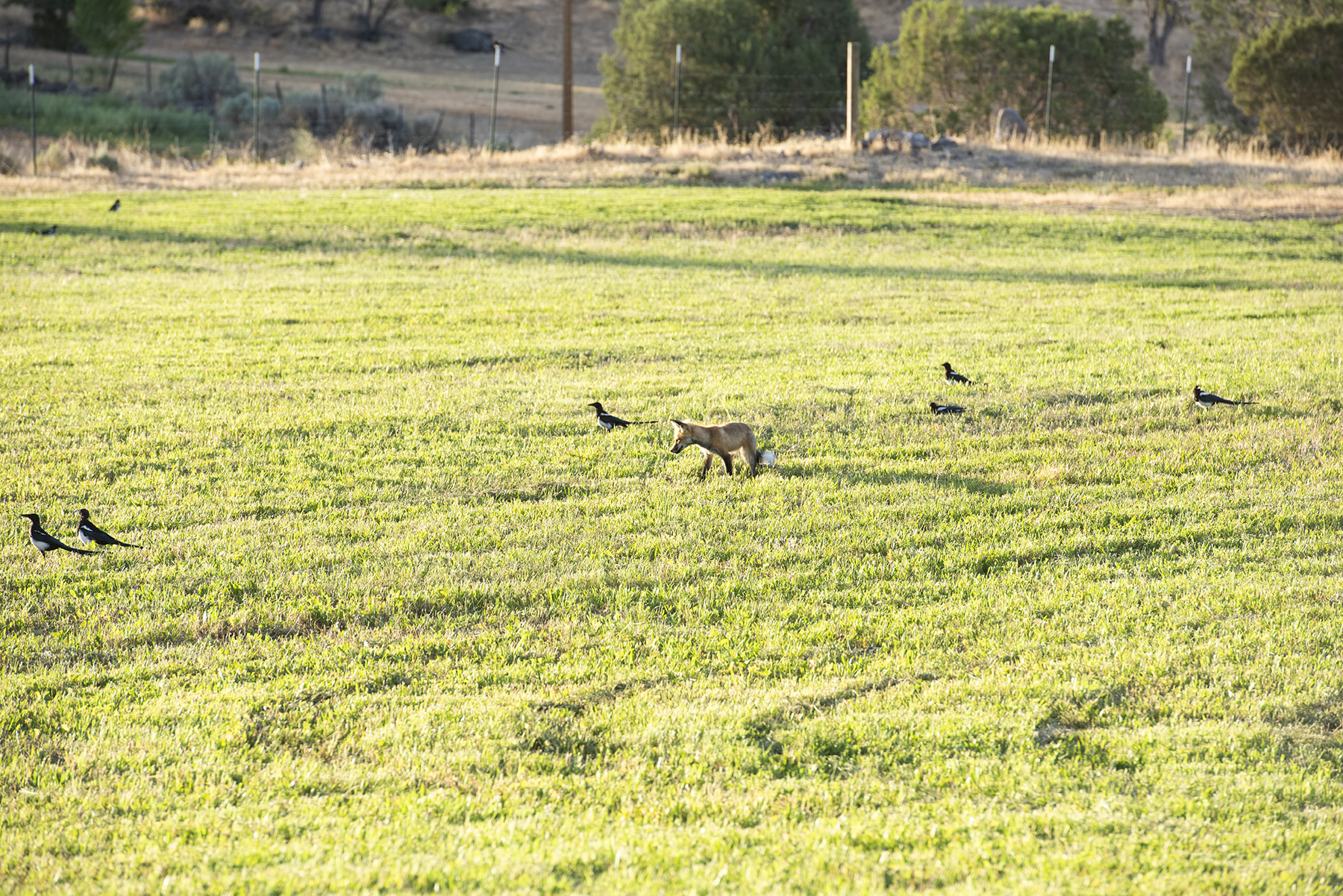
Hunting with an audience.

N captured this early morning shot of our resident young fox hunting voles in our pasture. The magpies, never shy about their desire for a free meal, wait patiently in the hope that they too might share in the spoils. It’s tough to balance our ecosystem’s need for apex predators – we definitely want the fox to help control our rodent population, but we’d also like it to stay far away from our chickens. This debate is currently playing out on a much larger scale, as the Colorado ballot this November will ask whether voters want to reintroduce gray wolves, eradicated around 1940, in our part of the state. (Also please observe how beautiful that pasture looks. All credit to N for his mowing and irrigation work this season!)

Wheat 01 sml

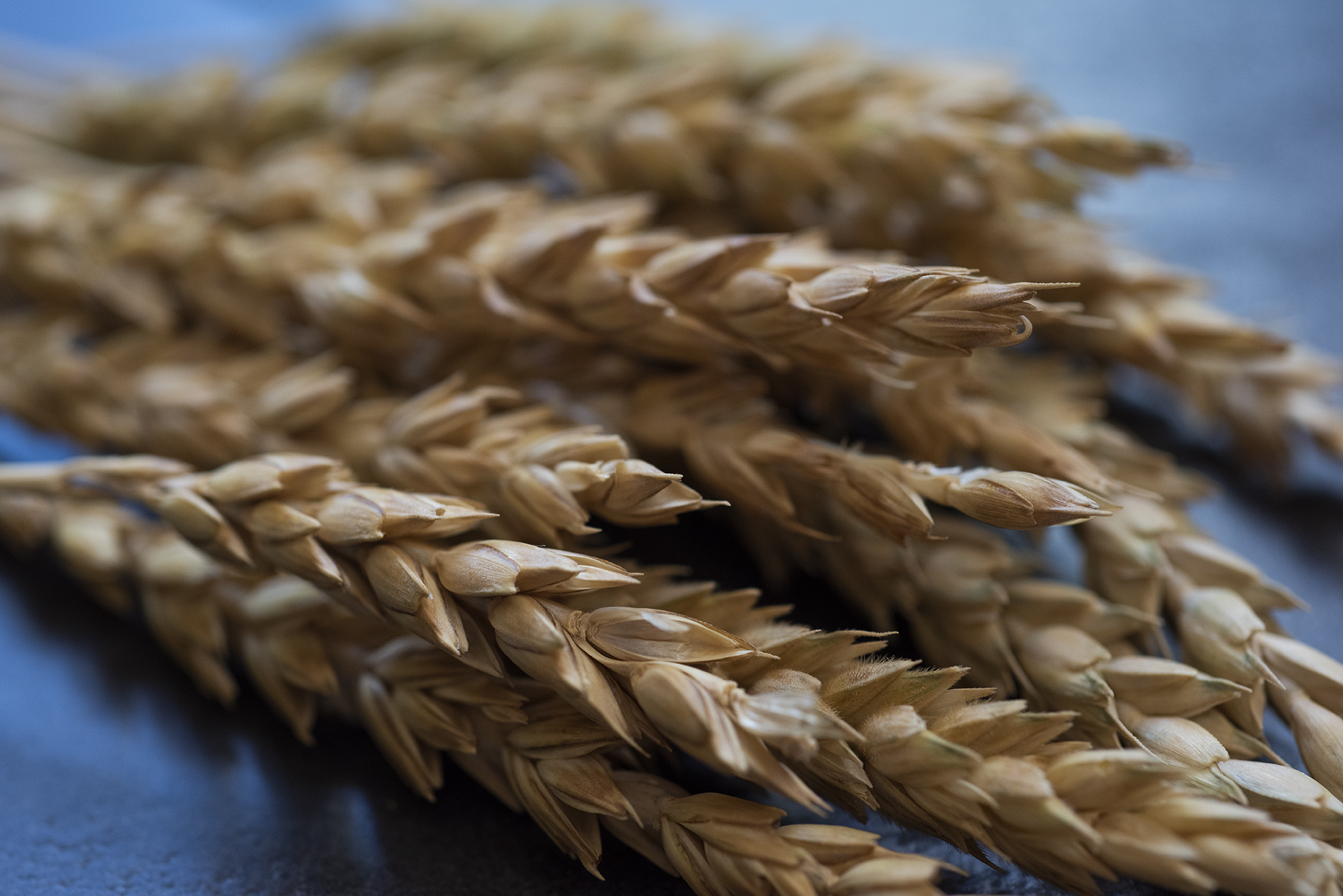
‘Marquis’ spring wheat.

We grew wheat! We opted to participate in small-scale wheat trials this year, and while much of our trial crop was demolished by deer, rabbits and squirrels, and plenty more taken out by strong winds, we did harvest a few stalks. The wheat still needs to be separated from the chaff and field notes beg to be written, plus seed must be returned to the seed bank organizing the project. If we actually grew enough to bake a single loaf of bread, I’ll be amazed – but it’s really exciting to grow grains. In decades past, most regions in the U.S. had their own uniquely adapted grain varieties, and of course this also supported the mills and bakeries required to process those grains. Those disappeared in the centralization of agriculture, but local heritage grains are staging a resurgence across the country. We want to be part of that trend, even on a minuscule scale.

Cantaloupe 01 sml

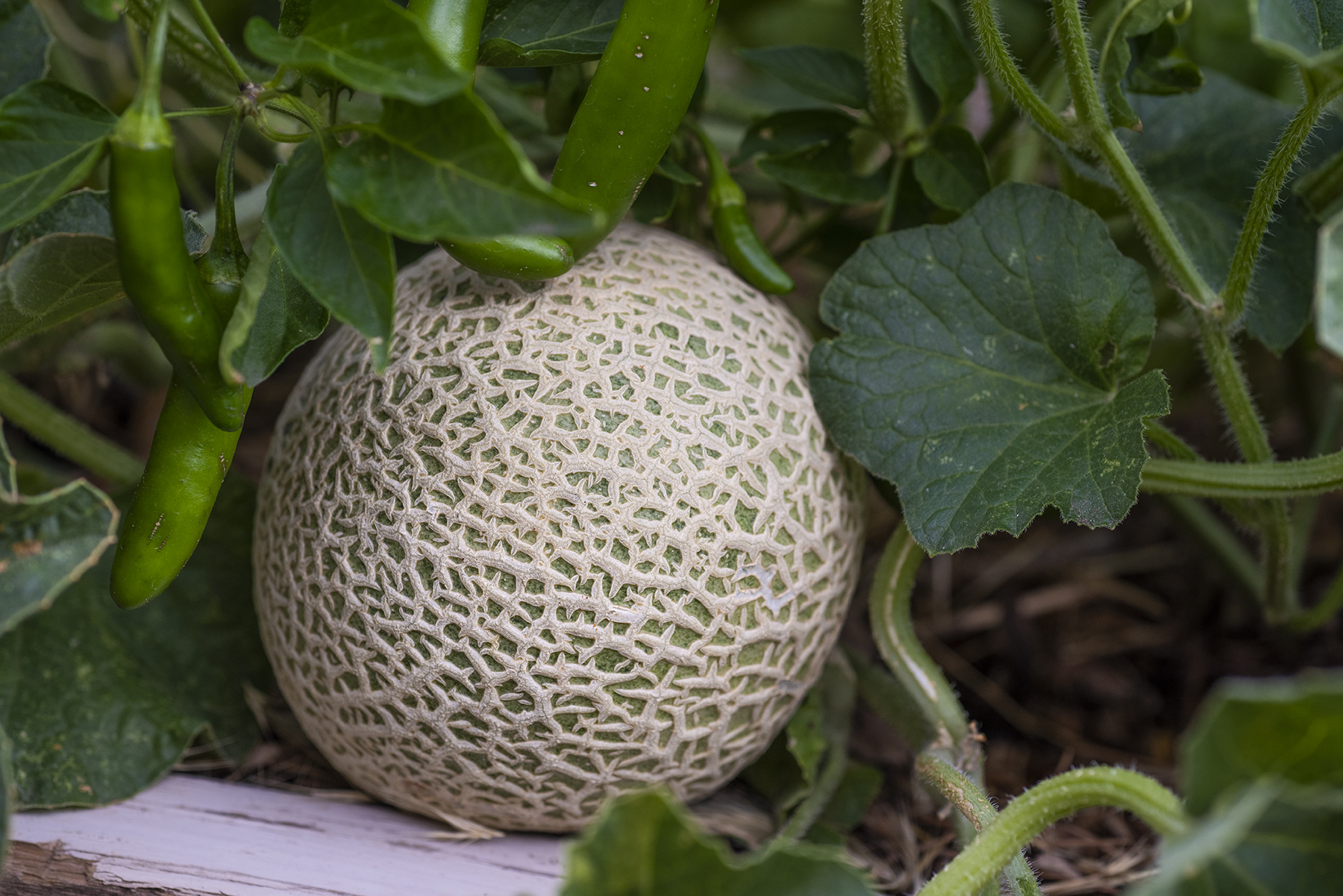
Not bad for an unintentional crop.

We also grew melons! This is amusing because we didn’t plant any melons. We do, however, have a thriving compost pile, and members of the vast curcubit family (squash, cucumbers and melons) are notorious both for cross-pollinating and for volunteering in unexpected places. This miniature cantaloupe (each is about the size of a softball) appeared in the hot pepper bed, where the serranos and cayennes are flourishing. We have five or six mature fruits now, and are excited to harvest one to see what we grew. If it’s delicious, we’ll save the seeds in the hopes we can grow it again, and we’ll have a melon bred just for Quiet Farm!

Tomato Plate 01 sml

Definitely qualifies as a meal.

And finally, our tomatoes are coming on strong. The intense heat wave we’ve just endured definitely hastened the tomato ripening schedule, though we’ve obviously needed to irrigate much more frequently. This time of year we’re likely to have a tomato salad at every meal, if only because the season is so fleeting. No recipe needed: sun-warmed tomatoes, halved or quartered, good olive oil, thinly-sliced red onion, a few grinds of black pepper, basil and a generous sprinkling of crunchy salt. Fresh mozzarella, ricotta or cotija would obviously not go amiss here. Honestly, it’s summer in a bowl and we’ll make the most of it while it lasts.

With that, we’re off to tackle a busy week that will hopefully include a hay delivery, a pre-winter fireplace inspection and more than a few canning projects. Wishing you all safety and health.

Farm update: October 21

Buck 01 sml

The south lawn of our house makes a peaceful resting spot.

Is it autumn where you live? Is it crisp and cool with bright scarlet and gold leaves everywhere? Is it dark when you wake up in the morning? It is here, and we’re settling into this brief transition season before winter extends its icy grip. Much of our work these days involves cleaning, tidying, preserving, covering and generally setting things in place for the colder months. We try to take advantage of these bluebird fall days for as long as we can; once the snows come, we won’t be working outside much.

Garlic Slate 01 sml

Growing garlic takes forever, but it’s worth the wait.

Ninety of this season’s largest garlic cloves have been planted in a bed newly prepared with lots of rich compost. Last year’s garlic went into an existing cinderblock bed that was here when we moved in; a few weeks ago we broke that bed down and dispersed the soil into new trenches for garlic and asparagus. The cloves will slumber quietly here over the winter, and in the spring we’ll hopefully see green garlic peeking up through mulch and snow. Every year we’ll plant more and more garlic; we eat a lot of it, of course, but since garlic adapts to its unique environment, we want a generous quantity to save for planting.

Irrigation Water 01 sml

The water runs through a culvert underneath our driveway and out into our pasture. You can see our flume in the upper right.

We ran our irrigation water for the first time this season, and it went surprisingly well. Our pasture isn’t planted right now so the irrigation run was more of an experiment to see how the water would move through our gated pipe system. We own shares in a local creek that pulls water from reservoirs on the Grand Mesa; when we want to run water we order a certain amount for a certain period and that water is deducted from our account. This run was for two days (forty-eight hours straight!) and it requires a lot of hands-on management, mainly opening and closing gates manually in the big pipes. When we’re more comfortable with our irrigation we won’t need to babysit it as much, but we’re unleashing hundreds of thousands of gallons of water mere feet from our house, and we definitely want to pay close attention to where it’s going.

Tomatoes Ripening 01 sml

Our tomato crop redeemed itself after a rocky start.

We harvested all of our vegetables prior to our recent hard freeze and brought in just over one hundred pounds of green, unripe tomatoes. In the past I’ve never had good luck ripening tomatoes indoors, but for whatever reason these are ripening quite well. They’re no longer good to eat fresh – the overnight temperatures dropped too low, so the tomatoes taste as though they’ve been refrigerated – but they’re perfect for sauces, soups and purees. A pantry stocked with canned homegrown tomatoes is a winter gift indeed.

Tree Mulch 01 sml

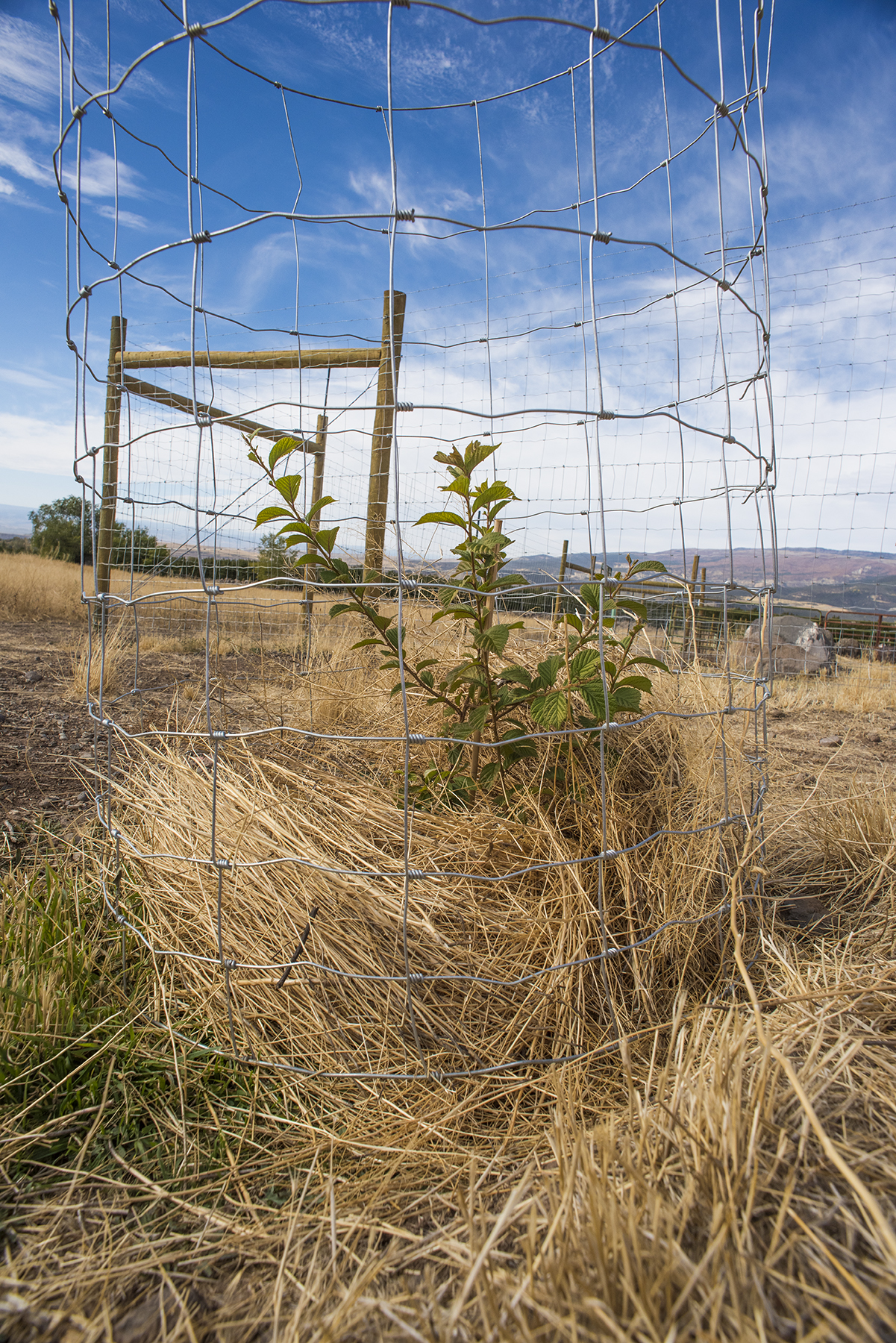
One of our little saplings, hopefully protected from winter weather (and deer). 

We’ve hustled recently to layer all of our fruit tree saplings with warm winter mulch. Some of our little trees look healthy and others are…struggling. We’re hopeful that the mulch blanket will keep the trees protected from our harsh winter weather, since their root systems are likely to still be quite delicate. One of our priority spring projects next year will be to put a drip irrigation system in the orchard so we can stop watering the trees by hand.

We’re back to work, friends. We wish you a good week.


You can pickle that

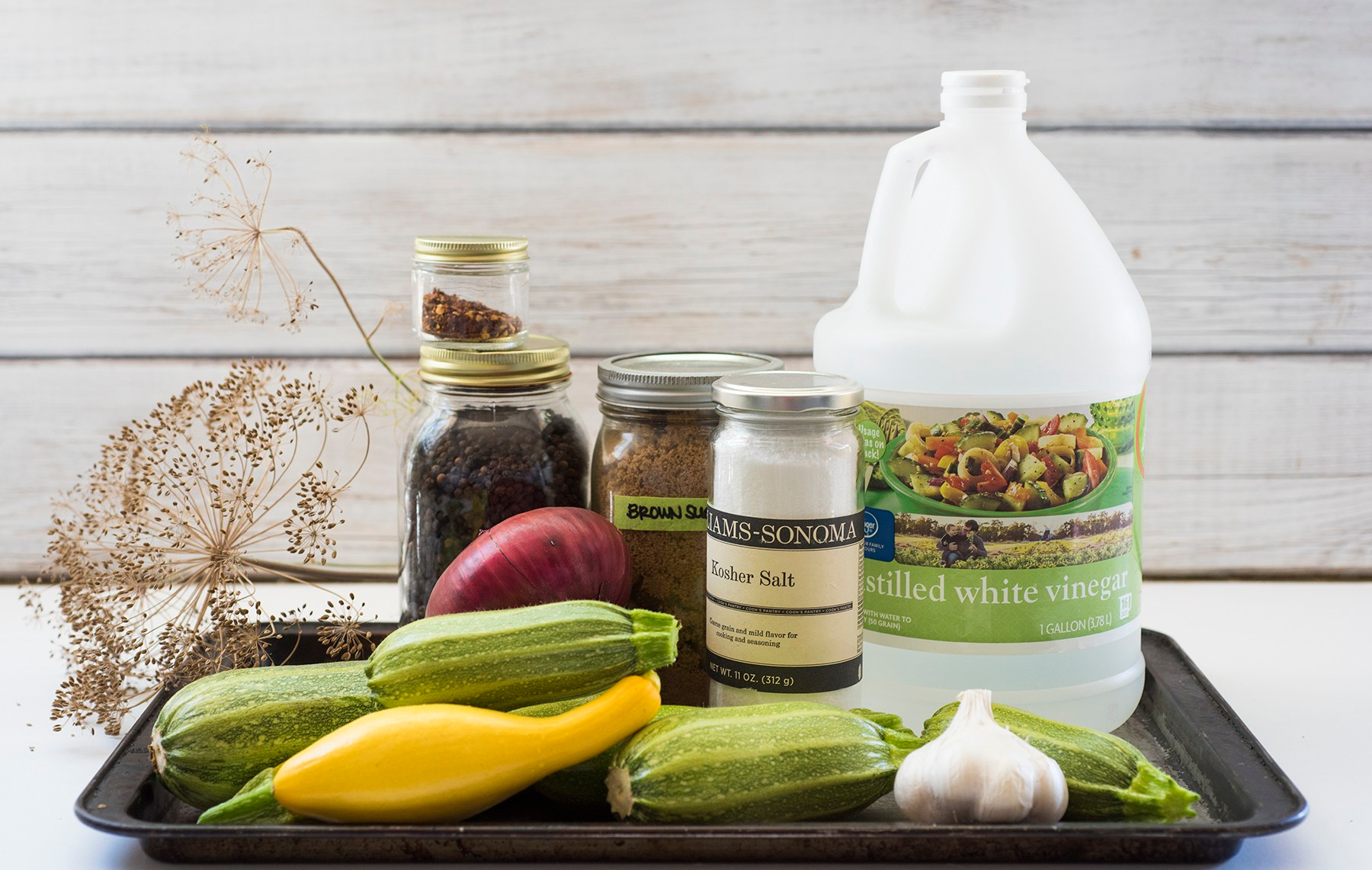
Are you swimming in zucchini and other summer squashes right now? We are, and grateful for it; if not for squash and kale and basil, I wouldn’t have grown much of anything this season. But what to do with all that zucchini, once you’ve grilled it in thick slices and tossed it with pasta and made overly-sweet not-at-all-healthy zucchini bread and so on? Those plants keep producing, even the surprise volunteers that showed up in the potato towers and the compost pile. Well, you could pickle that.

Canning 02 sml

What to do when the zucchini are threatening to take over.

The Quiet Farm household isn’t a huge fan of traditional cucumber dill pickles. I’ve tried them all the ways over the years – even traditional barrel fermentation, which meant that I once dumped five gallons of moldy, slimy cucumbers and their brine into our overwhelmed compost pile back at our old house in Denver – and it’s never been something that we’ve loved. (One of my sacrosanct rules of preserving: only make what you’ll actually eat.) Our altitude means that canned vegetables have to be processed much longer in a boiling water bath so pickles are almost always soggy; limp, overcooked cucumbers aren’t my thing. Also, even though I adore sharp, acidic flavors, standard vinegar pickles are sometimes just…too much.

Continue reading

The FAQ Series: Tomatoes

People think of tomatoes as a summer crop – as in June and July summer. And perhaps you live in a Magical Land of Elves and Unicorns (hello, Florida and southern California!) where field-grown tomatoes are available virtually year-round. Here in western Colorado, however, field-grown tomatoes don’t come on strong until August and September – but of course all the food blogs and magazines are telling us that it’s now time for apple cider and winter squash and pumpkin spice everything. It’s a confusing period, this shoulder season.

heirloom-tomatoes-05-sml.jpg

Seed packets offer plenty of information – and if it’s an heirloom, they’ll be sure to mention it.

There is no debate that tomatoes are the star of the garden. They’re by far the most popular crop for home gardeners as well as the biggest seller at farmers’ markets, and more tomatoes are grown each year than any other fruit in the world – including apples and bananas. There are more than twenty thousand known varieties of tomatoes, and new cultivars are developed every year.

Like the word organic, the word heirloom gets thrown around a lot in reference to tomatoes. But what is an heirloom tomato, exactly? And why do they cost five dollars a pound?

Continue reading

Farm update: February 25

It hasn’t really been the most exciting week here on Quiet Farm, dear readers. We’ve been busy with boring but grown-up things like obtaining contractor quotes for electrical refits and game fencing (tedious), comparison shopping for auto insurance (horrible), changing oil in the cars (chilly), and taxes (the new 1040 is rather streamlined!). While necessary, none of those tasks make for very interesting tales.

Snow Removal 01 sml

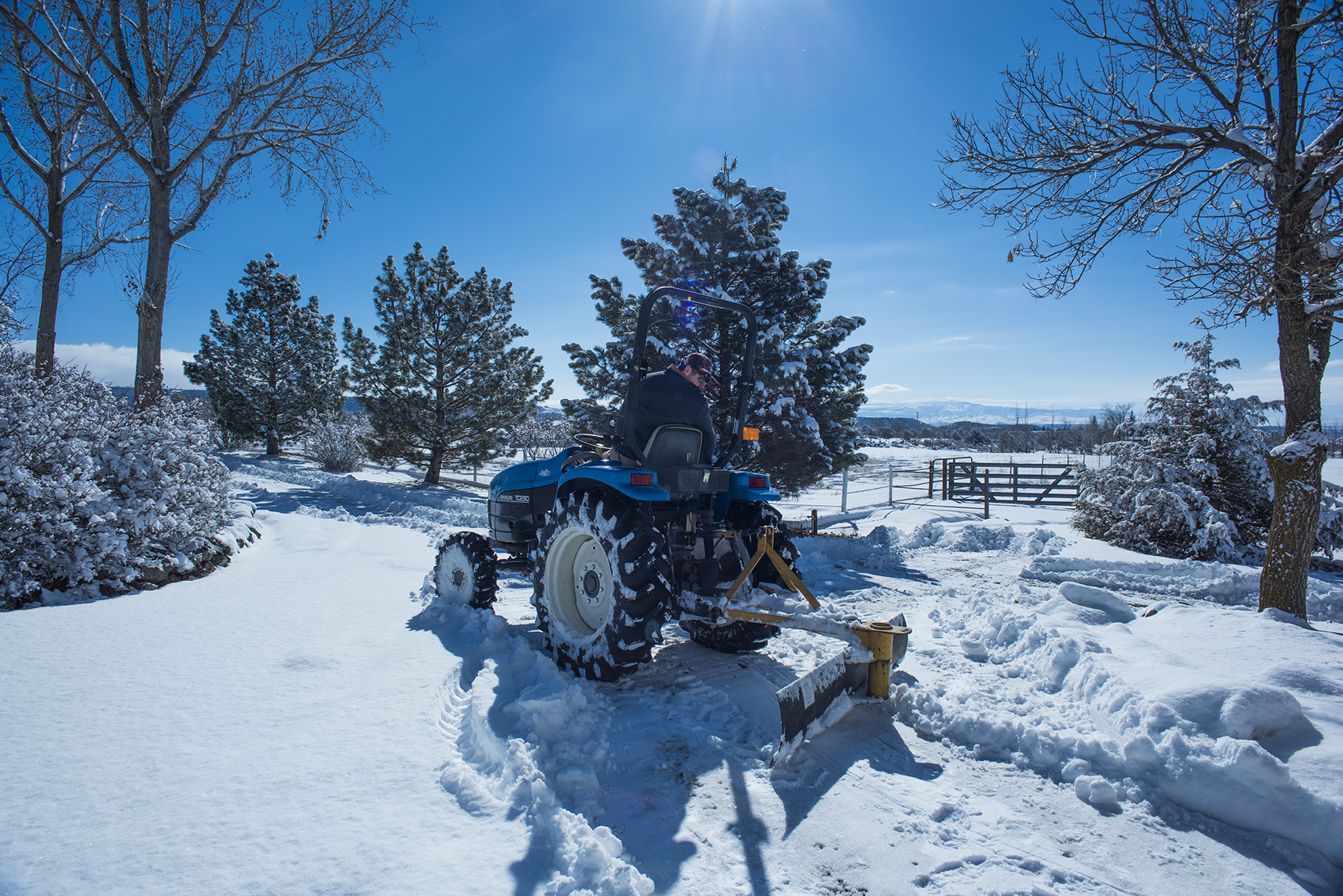
Like a real farmer!

Winter continues its slog. After another six inches of fresh powder we did finally see our bluebird sky again, which was a welcome change. N borrowed our neighbor’s tractor to do some plowing; we’ve also been out shopping for our own tractor and ATV, since our current Snow Management Plan – i.e. ignore it and hope it melts – is definitely not panning out.

Game Fence 01 sml

All this just to protect some vegetables!

This uninspiring pile of materials is the beginning of our game fence. We can’t install it until the ground is a little more workable, and the hungry deer are taking full advantage of their current unrestricted freedom. We thought seriously about installing the fence ourselves, but once we realized we’d need to rent heavy equipment (skid-steer, auger and probably some other complicated, expensive, possibly dangerous things) we decided to hire it out. It’s going to cost us many thousands of dollars, but some jobs should be left to the professionals. We hope the deer will learn to respect our boundaries.

Continue reading