This post likely would have been much more helpful about fourteen months ago, when the baking craze started in full force, but better late than never. Hopefully people still bake on occasion? Today we’re going to talk about yeast, a reasonably simple subject that gets complicated surprisingly quickly.
Before we get into the precise details of the baking yeast we use today, it’s important to understand just a bit about the history of bread and leaveners in general. A leavener – basically anything that makes dough rise – can be physical, chemical or biological in nature. Physical leavening agents are air and steam, which might be incorporated either through mixing or through the oven’s heat. Chemical leaveners, most often baking soda and baking powder, create a chemical reaction that causes doughs to rise. And finally, yeast acts as a biological leavener; yeast is a microscopic organism that consumes simple sugars and creates carbon dioxide gas as a byproduct of fermentation, which in turn causes dough to expand. Yeast cells used in baking are found either in commercial packaged form or wild in a starter.

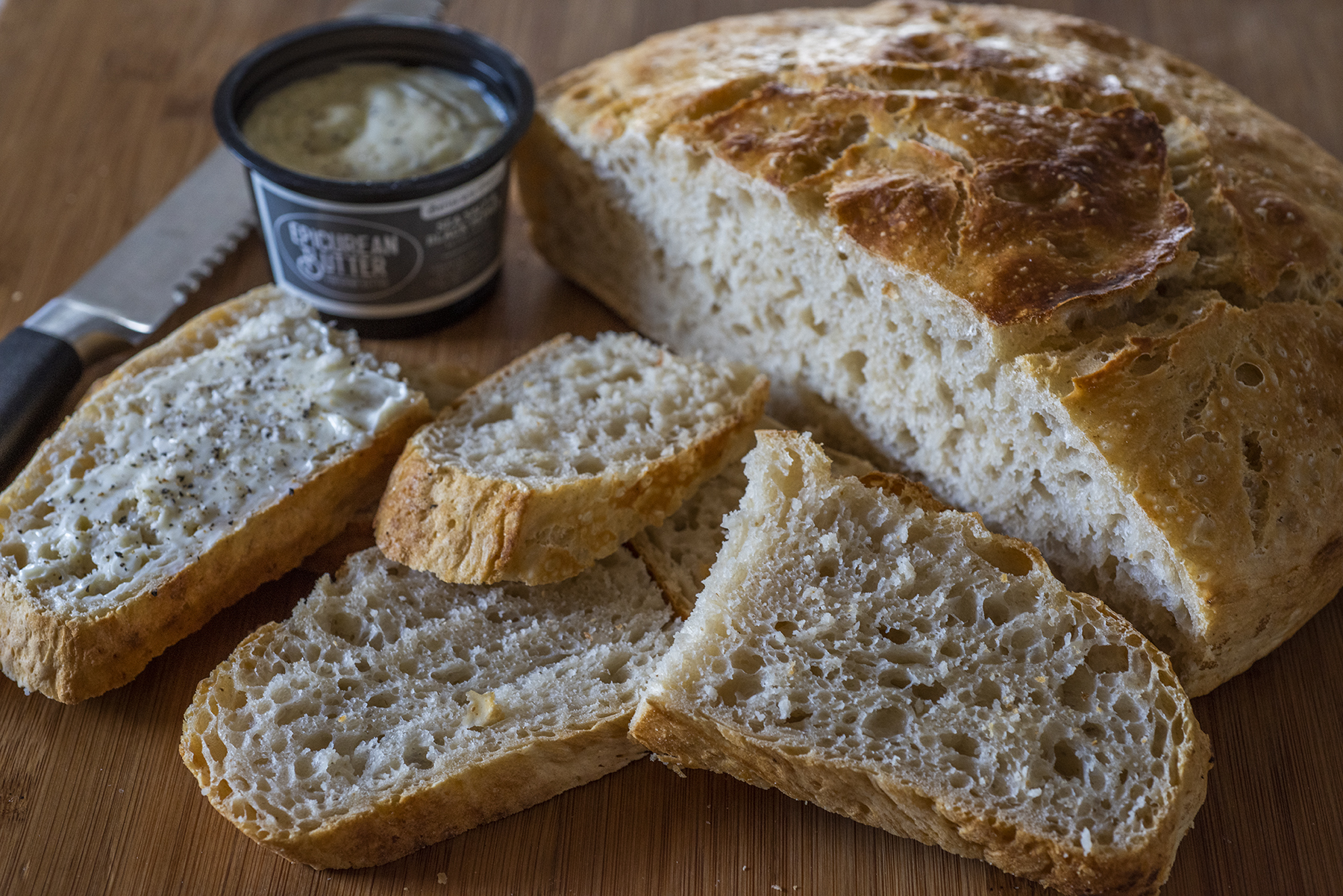
Yeast-risen doughs really are simpler than this picture makes them seem.
Continue reading

 Finding Quiet Farm