It is official: we crown 2024 The Year of Mediocrity. Six years into our farming journey, it is expected that we might hit a slump – and so here we are. Numerous farming challenges large (hay delivery canceled, annual shearing rescheduled again and again, a goathead invasion, an apocalyptic plague of grasshoppers, rampaging rodents, hail) and small (late planting, poor germination, ricocheting temperatures) mean that this season, we’re going to be happy with anything we get. Anything! I’m not even weighing our harvests, because I’m not going to judge this year’s output against previous years – it’s not a fair fight. The brassicas were mowed down by hungry grasshoppers. The beets and carrots got too hot and never germinated. The strawberries were devoured by ravenous baby squirrels (a terrific band name!). The tomatoes and cucumbers and peppers and squash are all still so tiny and fragile and battered that the prospect of harvesting anything before Christmas seems laughable at the moment, but perhaps the tide will turn in our favor as we move into high summer. We do have plenty of irrigation water this year, which is something we never take for granted.
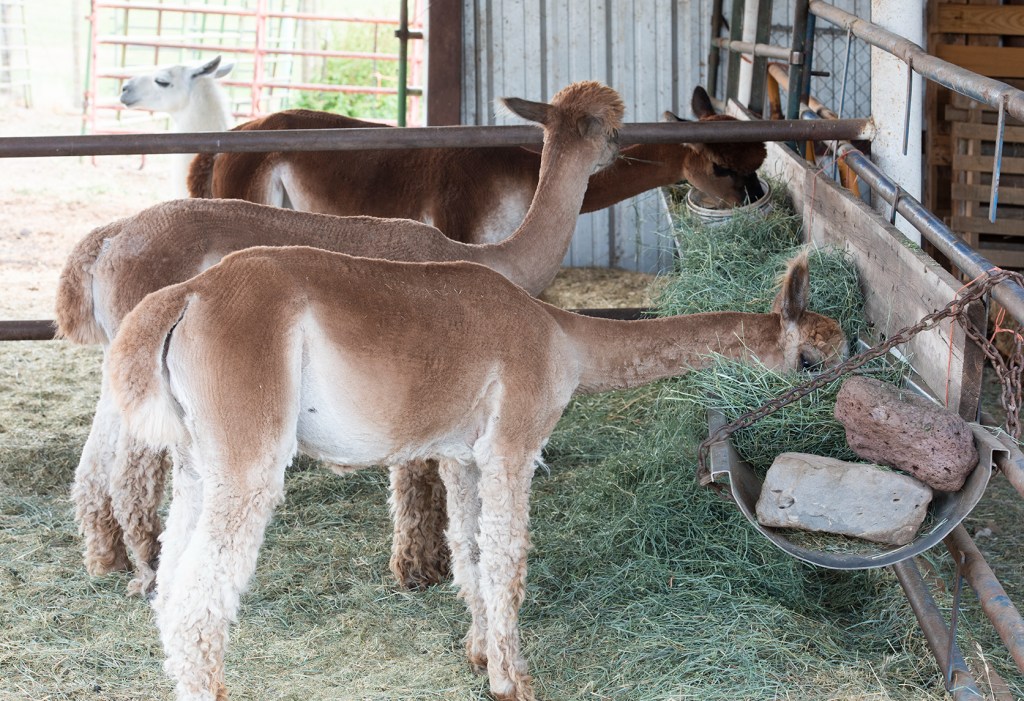
Much happier after taking off their winter sweaters.
Despite an unplanned six-week delay that was entirely out of our control, our four rescue alpacas were successfully sheared a few days ago. They had really started to suffer in June’s abnormally high temperatures, constantly seeking out shade in the pasture and the cooling waters whenever we irrigated, and we were very glad to get their winter coats removed. I am in the process of learning how to spin their fleece into yarn and have attended a local spinning and weaving guild to observe and practice this ancient art. Like all handcraft there is a meditative aspect to spinning that soothes my constantly anxious mind, and this winter I hope to make some real headway on the bags of fleece we’ve accumulated over the years.
Continue reading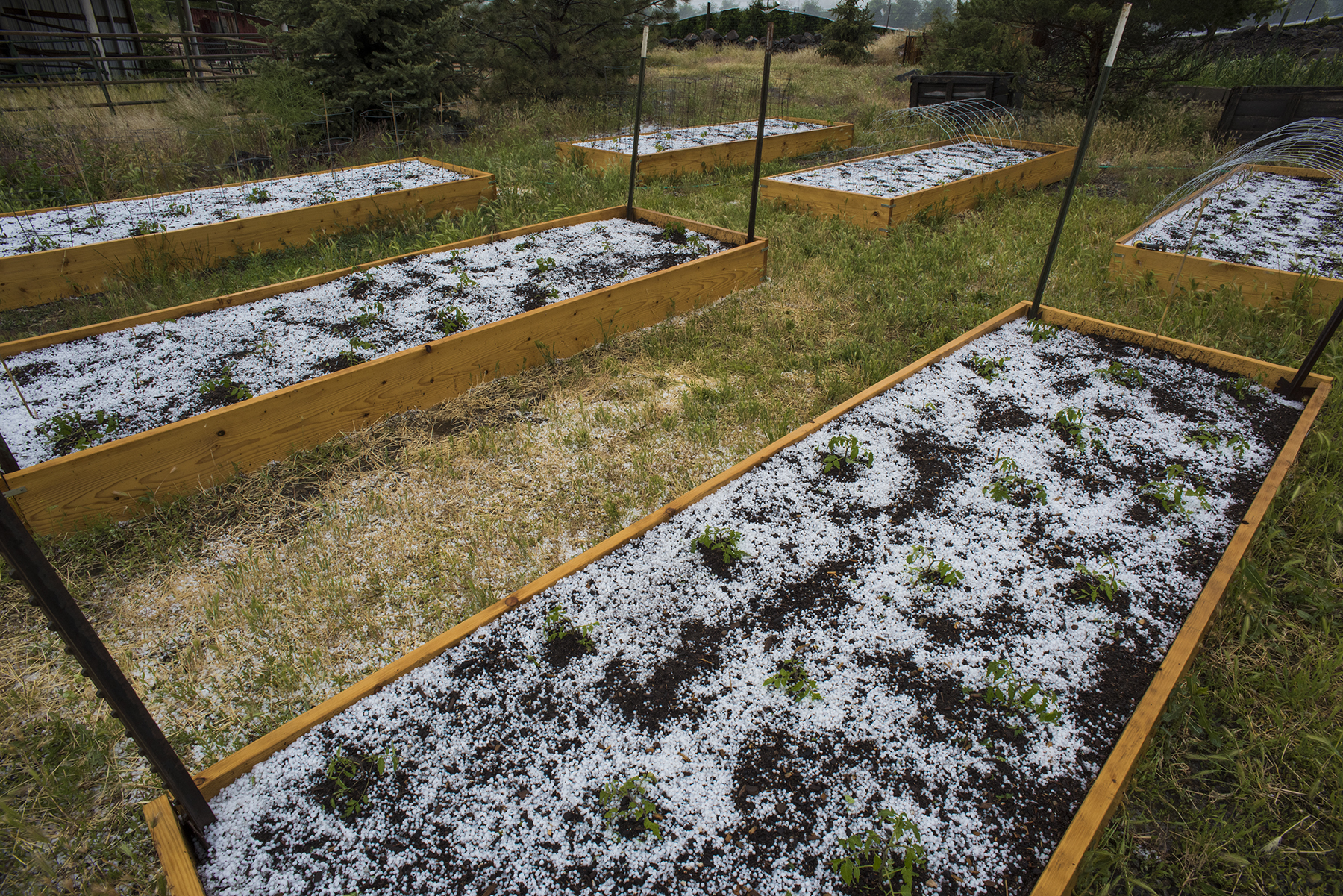


 Finding Quiet Farm