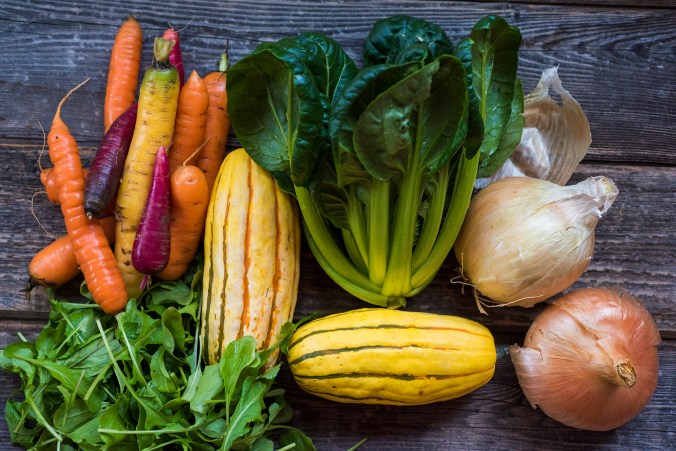
Cooking with winter squash

I may not love the excesses of the holidays, but I do love cooking this time of year. Ideally the weather is chilly enough to make us crave warm, earthy dishes, rich in the nutrients we need to sustain ourselves through the cold, dark winter. There’s a lot to be said for eating seasonally – not only does it make more sense to eat what’s available right now (or to preserve it for later), but nature magically gives us exactly what our bodies need. In the case of winter squash, that’s a lot.

Squash 01 sml

A large component of our winter storage pantry.

Edible squashes are in the curcubit family and essentially fit into two categories: summer and winter. Summer squashes include the thin-skinned varieties, like commonly available green zucchini and yellow squash. Winter squashes don’t ripen until late summer and early fall, then must be cured for extended storage. Most winter squashes are encased in a hard, protective skin, allowing them to be kept for months without refrigeration. As with other long-keeping vegetables (onions, potatoes, root crops), this comes in handy when there isn’t much else around to eat and you can’t just run to the store.

Continue reading

Farm update: November 19

Hi there! Is it cold and snowy where you live? We think everyone in the world is getting lots of snow except us, but really that’s fine. It has been remarkably chilly, though, so most of our activities and projects are indoors these days.

Fall CSA wk2 01 sml

Nom nom nom.

We are loving our fall CSA share; each week we receive delicious vegetables that we’d never find in our grocery store. Those sweet, colorful carrots were devoured raw; the delicata squash was roasted and served over the arugula, and the tatsoi went into a spicy stir-fry with local pork. We highly recommend joining a CSA in your community if you have the option.

Paint Sprayer 01 sml

Like a Roomba, only better.

Our new pet looks like a Star Wars extra, but when you have this much painting to do, a sprayer makes things a whole lot easier. There is a learning curve with a paint sprayer, but once you’ve mastered set-up and clean-up it saves hours. Pro tip: do not skip the cleaning and storage instructions. If you store the sprayer without cleaning it properly, you will regret it. Trust us on this.

Continue reading

Farm update: November 5

Fall Colors 01 sml

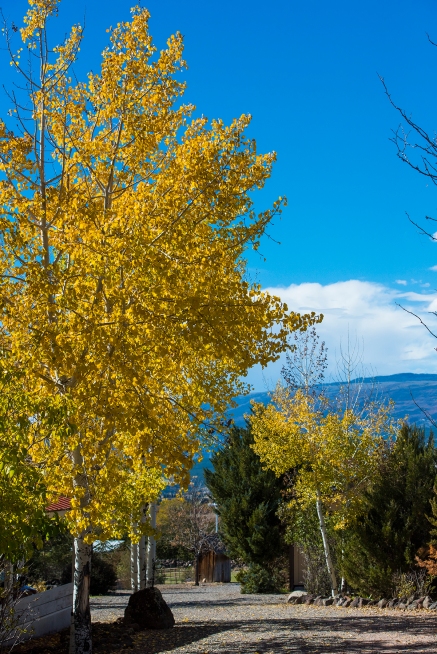
Looking west down our land, with the Grand Mesa peeking out in the back.

Autumn has thus far been quite fickle here at Quiet Farm; we’ve had blue-sky days of close to eighty degrees, and we’ve had misty, rainy days filled with murky low clouds. We’ve had a couple of hard frosts, but no snow as yet.

Doorknobs 01 sml

These will be even more gorgeous once they’re back on our original doors.

As we’ve mentioned previously, we’re trying hard to maintain the original spirit of our 1901 home during our renovation. To that end, if it’s old and we can salvage it, we’ll do so. N has diligently hand-scraped layer upon layer of carelessly slopped paint off these doorknobs and plates; it’s a tedious project, to be sure, but the results are spectacular.

Fall CSA wk1 01 sml

So much possibility here.

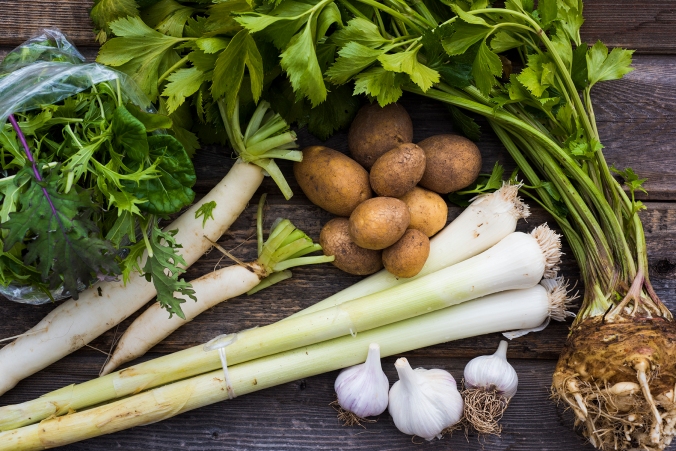
We’ve joined a local CSA this fall and are excited to share photos of our bounty each week. This first pick-up we received leeks, garlic, potatoes, daikon radish, spicy greens and celeriac (or celery root). We believe firmly in the CSA model and also believe that CSAs make everyone better cooks; you’re often compelled to use ingredients you’d never have selected at the grocery store. Hearty, warming fall soups, roasted vegetables and intriguing salads are on the menu at Quiet Farm this week.

Mud Room 01 sml

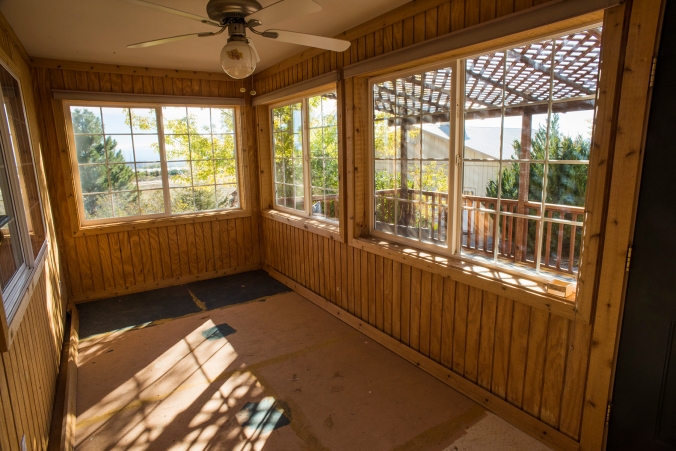
The “before” photo of our light-filled sunroom, which will eventually be a home for plant starts and a sewing corner, too.

On the to-do list this week: install flooring in our sunroom. This is our first attempt at installing what everyone calls foolproof click-lock laminate. This room needs to be waterproof, dirt-proof and easy to clean, so we’re giving this wonder material a shot. We’ll report back on our successes and our failures learning opportunities, dear reader.

QF Fog 01 sml

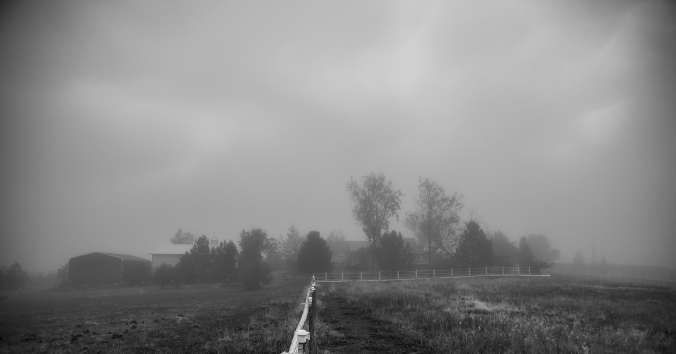
Atmospheric, no?

Up next: monumental painting projects (but we bought a sprayer!). More flooring. Stripping and refinishing vintage doors. Storing irrigation pipes for the winter. Never a dull moment around here, friends. Have a great week!

Farm update: October 1

Hello there! It’s officially autumn, although you wouldn’t know it from our weather; it’s still hot and dry. Everything feels crispy and parched and we’re hoping desperately for some moisture from a Pacific hurricane system this week.

We’ve got lots of projects underway at the farm. Here are a few things we’ve been up to:

QF Living Room 03 sml

Our living room in a state of disrepair.

Although our farmhouse is livable, it needs a lot of work. N tore up all of the carpet but kept it intact so we could donate it. We had hoped to find hardwood floors underneath and although we did find some in the older portion of the house, we’ll have to install new floors on most of the main floor. Our renovation list grows by the minute.

Canning 03 sml

It’s canning season!

Canning 04 sml

An experiment: fermented green hot sauce.

Obviously we didn’t have our own garden this summer, so I was excited to unpack my canning supplies. Our grocery shopping options are extremely limited here, so preserving local produce now will make our winters much more pleasant. I put up a hundred pounds of tomatoes and forty pounds of apples in various formats, plus roasted and froze plenty of green chiles. The onions will keep in a cool, dry place; eventually we’ll have a root cellar of sorts for all of our long-keeping vegetables. I feel calm and confident when I have a full pantry.

QF Seedlings 01 sml

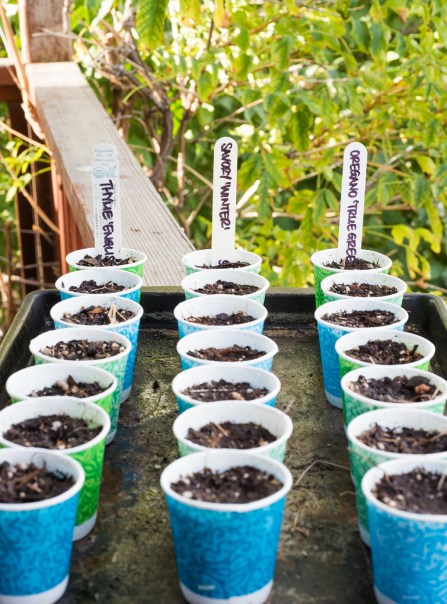
Perennial seedlings for next spring.

In addition to growing vegetables on our farm, we also need to rebuild perennial beds around the property. I’ve started perennial herbs from seed to see if I can keep them alive over the winter and plant them when the ground thaws in spring. This would be better done in a true greenhouse, but it’s worth a shot. Here you can see English thyme, winter savory and Greek oregano, all useful both in the kitchen and (hopefully) as deer repellent.

This week we’re tackling our irrigation system because we’re hoping to call for water next Monday! We’ll also get our old hardwood floors refinished and it’s Applefest this weekend, so there’s a lot going on in our tiny world. Have a great week!


Two free classes!

Thank you all so much for your kind words and your good wishes about our purchase of Quiet Farm. We have a ton of work ahead of us but are exhilarated by the challenge.

And in other news, if you’re in the Denver area I’m thrilled to announce that I’ll be teaching two cooking classes at Broomfield Public Library this fall! Both classes are free and open to the public, but you must register in advance due to space limitations. Please see registration details below.

canning-01-sml.jpg

Just some of the local produce awaiting the canning pot.

Canning 02 sml

Yes, you can!

First up, I’m teaching all about canning & preserving on Wednesday, September 26 from 6:30-7:30PM. Learn more and register here, or call 720.887.2350!

Savoring summer’s freshest fruits, vegetables and herbs well into the cold weather is easy with a little canning and preserving knowledge – and preserving is a lot less intimidating than you think. There is nothing like opening a jar of fresh, sunny peaches or rich, flavorful tomato sauce in the middle of cold, dark January! Join Chef Elizabeth Buckingham for this fun class where you’ll learn the basics of preserving, including water bath canning, freezing, pickling and dehydrating. We’ll taste lots of delicious jams, chutneys, salsas, pickles and more, and you’ll leave class ready to preserve your own seasonal bounty. Recipe handouts and generous food samples served! (Please note that class is lecture and demonstration – not hands-on – and is geared towards guests twelve years of age and older.)

Halloween 03 sml

What will you be for Halloween? I plan to be deeply angry about our compromised food system. Or a Killer Bear. Not sure yet.

Halloween 01 sml

Mmm…plastic food in plastic packages.

And in October, we’ll talk spooky Halloween treats! Come see me on Wednesday, October 24, again from 6:30-7:30PM. More info and registration here, or call 720.887.2350!

Interested in upping your Halloween treat game this year? Join Chef Elizabeth Buckingham for this fun class where you’ll taste a variety of new Halloween treats. We’ll talk sweet and savory, snacks and beverages, and you’ll leave with plenty of great ideas for all of your spookiest Halloween gatherings. Recipe handouts and generous food samples served! (Please note that class is lecture and demonstration – not hands-on – and is geared towards guests twelve years of age and older.) 

I’d love to see you at one of these classes this fall! Thanks to Broomfield Public Library for hosting my classes, and please support your local library system no matter where you live.

An announcement

Many of you know this, and the rest of you have probably guessed, but N and I found Quiet Farm. (We’re not changing our website, however.) We closed on the property in early August and have just now gotten all of our things moved from the Front Range over to our (new to us) house. We heard too many horror stories about unscrupulous, lazy and irresponsible moving companies, so we opted to do the whole move ourselves. N had plenty of experience driving a 25-foot RV, so driving a 26-foot box truck couldn’t be much different, right? (P.S. We sold the RV. Bittersweet, but it served its purpose for our transient summer. And it’s just right down the road from us, so we can visit it if we want!)

QF 02 sml

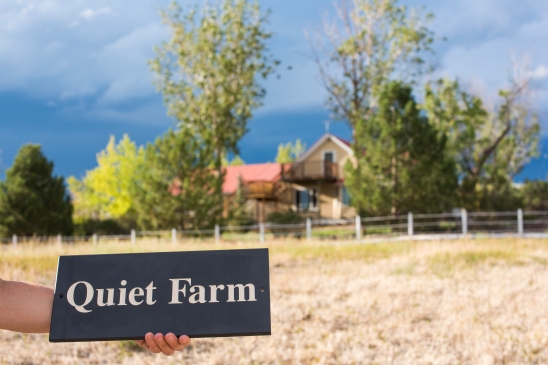
Quiet Farm is a ten-acre parcel just outside of Cedaredge, on Colorado’s Western Slope. We’re tucked under the Grand Mesa and surrounded on three sides by apple orchards; to the south we can see all the way to the San Juan Mountains. Just over eight acres of the property is in pasture, but both the land and the house have been essentially abandoned and unloved for about five years. It will take a lot of time and hard work and water to regenerate the pasture; historically it’s always been alfalfa, but we’re looking at other drought-tolerant options, too – maybe hops or quinoa?

Bluebird Rooster grey final

Our vision for Quiet Farm is an organic teaching farm and cooking school. We plan to build a certified commercial kitchen in a detached garage on the property. We’ll offer classes on everything from healthy cooking basics to bread baking to canning and preserving to beekeeping to fermentation to knife skills, and any other homesteading topics that our guests might be interested in. We’ll keep laying hens for eggs and pest control, goats for milk and entertainment, beehives and extensive vegetable and perennial plantings. We want to be part of the community and host potluck suppers and farm tours and coffee klatches and food swaps. We want to showcase the amazing fruit and animals and people this part of Colorado offers. We want Quiet Farm to be an agritourism destination.

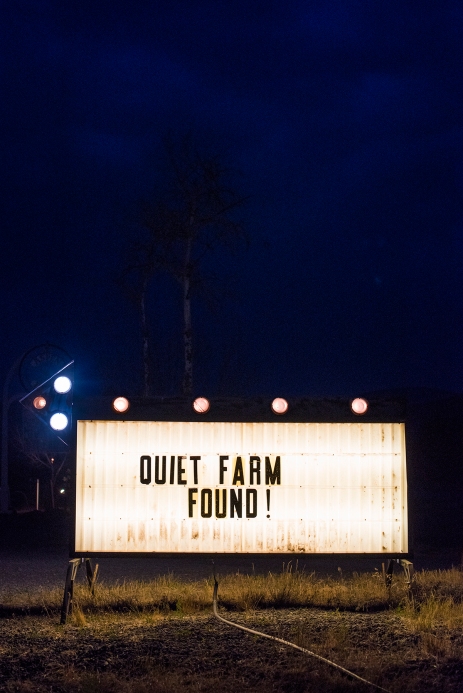
QF sign 01 sml.jpg

We’ll post regular farm updates here, with before-and-after pictures so you can see our progress. It took us three years to find Quiet Farm, and we’ve got a lot of work to do to fully realize our vision, but we’re exactly where we want to be. Thank you for joining us on this journey, and we’re so much looking forward to all of the incredible adventures ahead. We can’t wait to share Quiet Farm with you!


Restless book club

Mesa Smoke 01 sml

This should be a gorgeous shot of the San Juan Mountains; unfortunately they are completely obscured by smoke.

A heaviness sits over our Western Slope mesa right now. For two weeks we’ve seen evidence of numerous wildfires nearby plus California, too; the normally clean, crisp air is thick with a sickly haze and it smells as though you’re standing in the middle of a campfire. Our pure blue sky hasn’t been seen in some time, and you can almost taste the ash on your tongue. The rains are infrequent, but when they do come – even when they disrupt an annual town potluck – they seem to wash the smoke away, and people rejoice. It feels charred, dry and desperate here, and we’ll be the first to admit that we’re getting restless. We’re mired in an enforced and extended waiting period on the farm we’re trying to purchase, so while there have been plenty of farm visits, long, hilly bike rides, hiking in Grand Mesa National Forest, fruit picking and hours of tennis, there is also a lot of escapist reading going on these days.

Continue reading

Ode to the cherry

One key element missing from our globalized grocery industry is seasonality. By that, I mean that we can have virtually whatever food we want, whenever we want it. It doesn’t occur to us that tomatoes taste better in August, or that citrus is sweeter and juicier in winter. Our supermarket produce departments know no seasons, and that is a loss – but because most of us have never known true seasonality, we don’t demand it. We should.

AH Cherries 01 sml

AH Cherries 03 sml

AH Cherries 06 sml

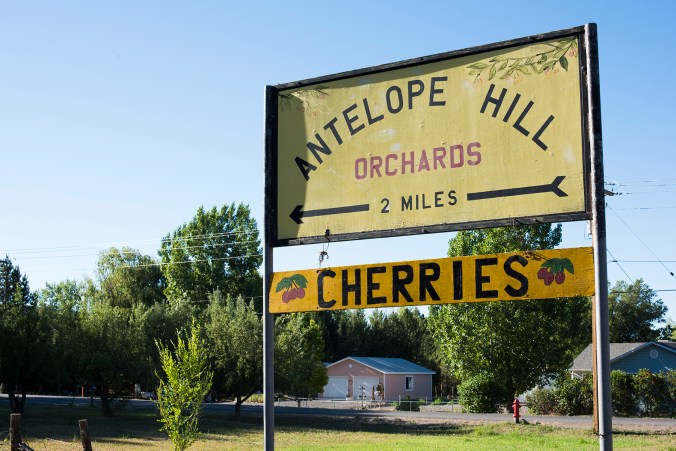
Colorado’s Western Slope has long grown most of the stone fruit produced between California and the Midwest, and wine grapes are now in vogue here as well. Make no mistake, though: growing fruit in a high-plains desert more than five thousand feet above sea level, with less than ten inches of total precipitation a year (that’s rain and snow), isn’t easy. Plus, the orchards and vineyards here are tiny, averaging only a few dozen acres; these are micro-orchards compared to those in California and Oregon and Washington, which cover thousands of acres. All of that means when cherries are in season here, often for as little as two weeks, one must act quickly. And so we did, hustling up to Antelope Hill Orchards for the opportunity to pick our own.

Continue reading

How to recognize a superfood

Now that we potentially all have attention spans less than that of a goldfish – can’t believe you’re still reading this! – it is apparently more important than ever that we distill information down into small, digestible bits. One way we do this is by labeling everything, especially food. This is so we can recognize it, so we can boast about it, so we can post a photo of it, so we can pay more for it. So we can say, Oh, don’t mind me, I’m just eating my superfood salad over here. Goji berries, acai, spirulina, wheatgrass…the list of trendy branded superfoods goes on and on.

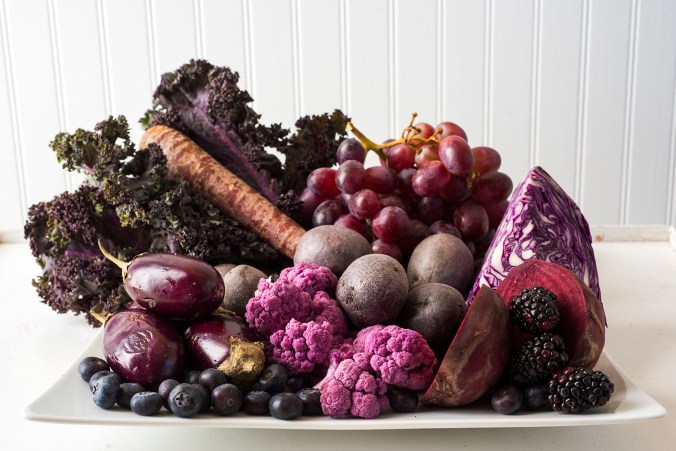
Vegetables Color 01 sml

Purple foods are rich in anthocyanins, a specific type of antioxidant.

Western society, particularly America, has some serious food issues. We are collectively overfed and undernourished. We all know that obesity, heart disease, diabetes and other lifestyle diseases are on the rise, and yet still we consume on average more than twice the calories we need in a day. We’re overwhelmed by choice and information and the constant barrage of marketing thrown at us every second. We’re no longer able to think for ourselves.

“We are a society obsessed with the potential harmful effects of eating, according to the University of Pennsylvania psychologist Paul Rozin, renowned for his theories on the role that fear and disgust play in modern food culture. Overwhelmed by the abundance and variety of foods in our groceries, and flooded with competing health claims, we can’t help but make instinctive food-purchase decisions, subject to the whims of the latest trends and health scares. No wonder that, when confronted with ambiguities in health-based marketing claims, we fill in the gaps with inaccurate inferences, as the Cornell University economist Brian Wansink found in a 2006 study. Food companies bragging about supposed health benefits, such as low calorie count or low cholesterol, create what the influential study dubbed a “health halo,” a vague but positive glow that temporarily relieves our food-centered anxieties—at least long enough to get through checkout.”

-Michael Fitzgerald, Pacific Standard, May 26, 2017

Continue reading

Meat your maker

We eat very little meat these days. This shift has come about for a number of reasons, primarily concerns about our own health and that of the planet’s – truthfully, the best thing you can do for the world (besides avoiding disposable straws at all times) is to reduce or eliminate your meat consumption. We also went vegetarian for our round-the-world adventure last year, and when we returned home it was easy just to carry on eating plant-based.

What meat we do eat comes from sources we know and trust, primarily wild-hunted game and animals raised on friends’ farms and ranches. We know how these animals lived and also how they died, and that matters. A lot.

Jerky 01 sml

Tools of the trade.

As we prepare to move from our first house, we’re not only downsizing books and furniture and knickknacks – we’re also downsizing a fairly impressive pantry. I’ve always kept a lot of food on hand; this habit stems from our time on the boats, where we traveled to some pretty remote places; often, we didn’t know when we’d be able to provision, or what would be available when we got there, so I tended to stockpile. I’m focused right now on cooking with what we have, and part of that plan involves using up the remainder of a bull elk hunted by a former client of ours.

Jerky 02 sml

You can tell this is wild game by the almost total lack of fat in the meat.

Jerky 03 sml

Ready for the grinder.

When you’re accustomed to cooking with standard American feedlot beef and pork, wild game – most commonly deer and elk in these parts – takes some getting used to. As a general rule, you either slice it thin and cook it super-fast and hot, such as for a stir-fry, or you cook it low and slow, as in a stew or braise, to tenderize the tough fibers. Because we’re not really eating meat as the centerpiece of our meals any longer, I think the highest and best use of lean game such as this elk is making it into jerky, and thankfully N agrees. Once it’s made into jerky we can keep it indefinitely, and it’s great to have along for road trips and other adventures.

Continue reading