Early summer book reviews, vol. 1

Lots of newspapers and magazines like to publish “summer reading lists,” implying that the only thing you have to do this summer is relax on a lounge chair by the pool, languidly sipping cold drinks and tearing through page after page of the latest bestseller. For us, at least, this aspirational vision bears absolutely zero resemblance to our real lives – we actually read less in summer, mainly because maintaining the farm is more than a full-time occupation. (Also we don’t have a pool. ) Even with all of our tasks and projects, however, I have managed to read more this year than I did in 2020 – I know plenty of avid readers who struggled with focus and the inability to finish books last year. Based on the round-up below, it certainly looks as though non-fiction, specifically focused on human psychology and behavior, is my genre of choice these days; with that in mind, we offer a few book recommendations. As always, we’d love to hear yours, too!

Continue reading

Gardening book club

The world feels far too heavy and sad, particularly here in Colorado, for some absurdly cheerful post about alpacas or chickens or whatever we’re doing on the farm. Instead, we’ll offer a brief round-up of some favorite gardening books, in the hopes that you might be inspired to search these out at your local library or favorite independent bookseller. As with cooking, there is always something new to learn about gardening and growing food, no matter how long you’ve been doing it. And as with cooking, where feeding hungry people nourishing, healthy food feels like an act of pure hope and a direct rebellion against the stupid, meaningless tragedy of the world, so does planting a seed or a sapling.

Continue reading

Mindset book club

I think it’s fair to say that things are not going well out there. Between incessant doomscrolling and paralyzing anxiety attacks, I’m desperately searching out reading material that calms and soothes, rather than inflames and terrorizes – so I scoured our rainbow library for books that I thought fit the bill. Read on for a few suggestions.

What I Know Now: Letters to My Younger Self ed. by Ellyn Spragins

This is a lovely book, filled with precisely what the title advertises: prominent, successful women write letters to their younger selves, offering guidance, wisdom, consolation, advice and solace. I’ve thought a lot about how we’ll look back on this intensely difficult time, and what I might like to tell my own younger self. I particularly loved this quote from photographer Joyce Tenneson: “Your best work will come in moments of grace.” Perhaps we all need to focus on showing more grace to both ourselves and others.

Tiny Beautiful Things by Cheryl Strayed

Cheryl Strayed is certainly best known for Wild, but she also wrote a gorgeous, heartbreaking advice column called Dear Sugar, which has been translated into plays and podcasts and all sorts of other media. In a dark time, the thing you need most might be to know that others have experienced pain and heartache and betrayal and trauma too, and have still survived even after all that, and that’s exactly what this book offers. Plus, there are some laugh-out-loud moments which will have you guffawing through your tears. This one hits all the right notes.

Continue reading

The best books about food

Apparently this country is electing a president this year and probably electing some other people too, though over here at Quiet Farm we’re doing our damnedest to ignore the entire circus. One thing that still surprises (and infuriates!) me immensely in every single election cycle is that we never, ever discuss national food policy. Neither side even mentions it in passing, unless a hotdish fundraiser happens. We talk about defense, and education, and occasionally the climate crisis, and of course health care, and yet we never discuss the single issue that unites every one of us, regardless of party affiliation. We never talk about the fact that if we changed our food system, we’d naturally change our health care system for the better. And that changing our food system would be a huge step towards repairing our devastated planet. Changing our food system would also mean more military readiness, since we’re now too fat to fight. And our children would gain a better education if they had access to better nutrition for growing brains and bodies. We always ignore the food, when it’s the one issue we should talk about more than any other.

Continue reading

Spring fever book club

It’s been gray, snowy and cold here at Quiet Farm this weekend, and I think I can confidently speak for most of the United States when I say we are ready for spring. Between polar vortexes and bomb cyclones and Snowmageddons and white-knuckle drives over mountain passes and goodness knows what other chilliness, this winter has been…lengthy. Despite our grumbling, though, we are of course entirely dependent on that winter moisture for our spring and summer irrigation, so we are truly grateful. And all that snow and mud means no outdoor projects, so we have more time to read, too!

Continue reading

Winter book club

Though the solstice has passed and days are theoretically growing longer, we have settled into deepest winter here. Famed organic farmer Eliot Coleman calls this the “Persephone period,” when winter days are less than ten hours in length. Late sunrises, early sunsets and a chilly winter sun barely peeking through the gloom create perfect days for curling up in front of the fire with a book. Though we should be studying farming materials – and we are, I promise! – I also devote plenty of time to non-farm reading, too.

Book Club 04 sml

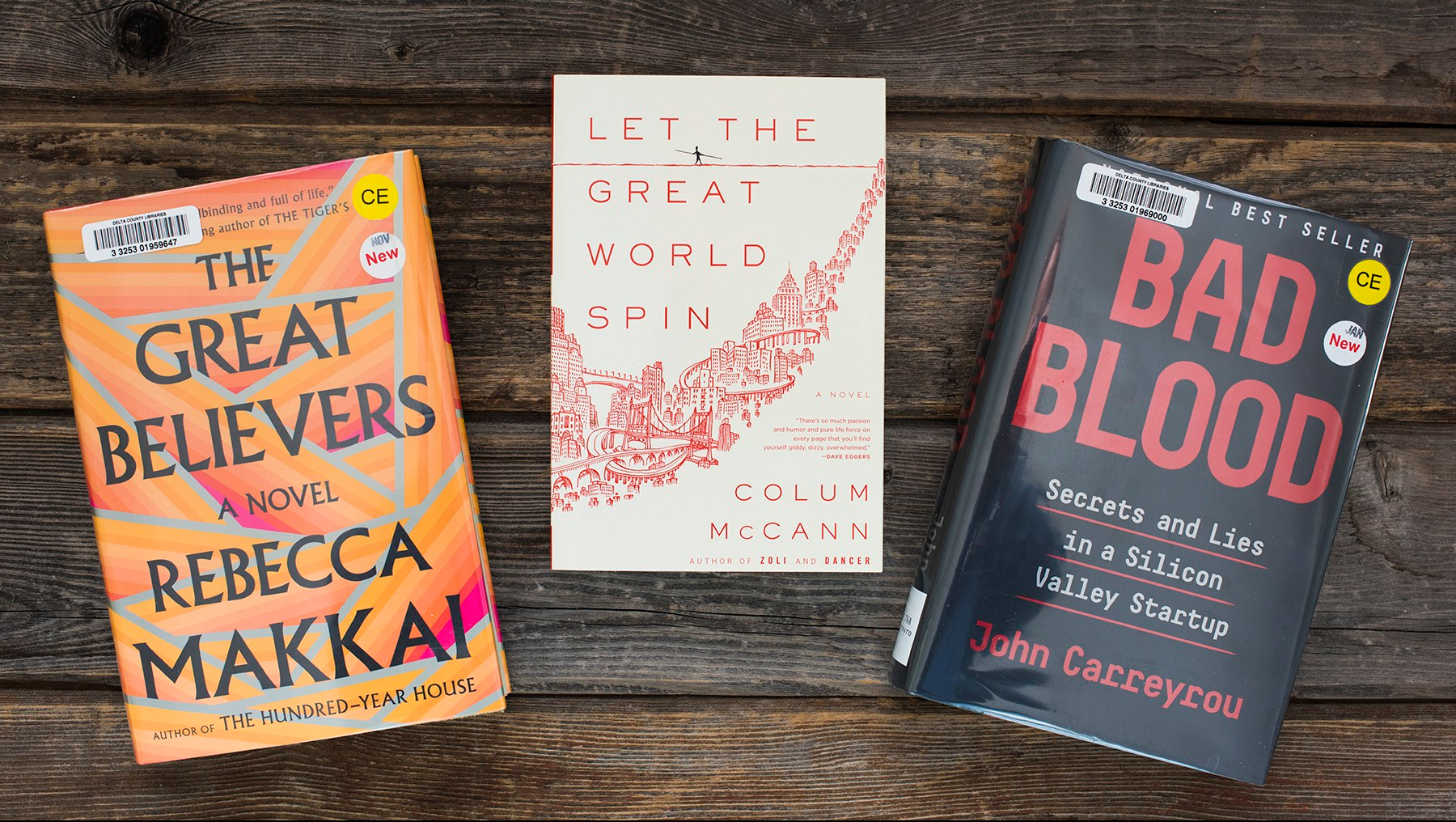
The Great Believers, Rebecca Makkai

This book appeared on a number of 2018’s “Best Of” lists and won numerous prizes, and for good reason. Like Jonathan Franzen’s Freedom, this book, to me, perfectly represents The Great American Novel. It concerns two parallel stories, one set in Chicago in the mid-eighties during the height of the AIDS crisis and one in 2015 Paris, and both stories grab you by the throat and consume you completely. This was a book that I had a hard time putting down even when I couldn’t keep my eyes open late at night, and one that I dove into when I was supposed to be doing ten million other things. It’s only been a few short decades, but it’s difficult to acknowledge now just how blind and how cruel we were when AIDS ravaged our country. Now that HIV/AIDS is no longer a guaranteed death sentence, it seems even more shocking that we let thousands of people, mostly young, vibrant men, die horribly – because we didn’t agree with their lifestyles, because “God is punishing them.” Along with Vietnam and civil rights, I’d identify this period as one of the most truly shameful in American history. Layered, gorgeous and tragic, The Great Believers is one of the best books I’ve read recently.

Continue reading

Restless book club

Mesa Smoke 01 sml

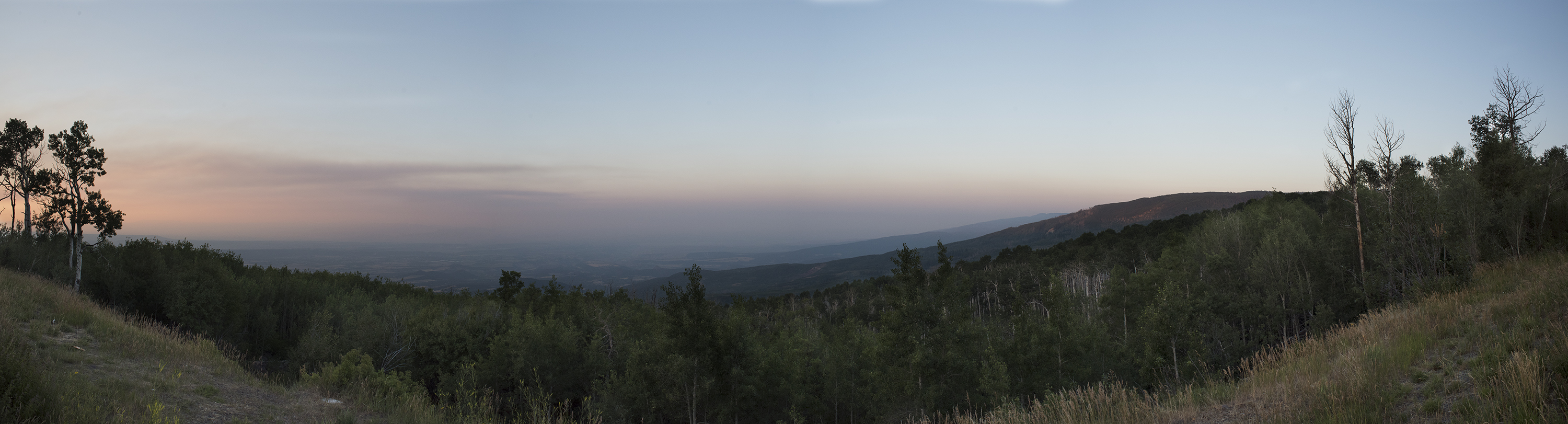
This should be a gorgeous shot of the San Juan Mountains; unfortunately they are completely obscured by smoke.

A heaviness sits over our Western Slope mesa right now. For two weeks we’ve seen evidence of numerous wildfires nearby plus California, too; the normally clean, crisp air is thick with a sickly haze and it smells as though you’re standing in the middle of a campfire. Our pure blue sky hasn’t been seen in some time, and you can almost taste the ash on your tongue. The rains are infrequent, but when they do come – even when they disrupt an annual town potluck – they seem to wash the smoke away, and people rejoice. It feels charred, dry and desperate here, and we’ll be the first to admit that we’re getting restless. We’re mired in an enforced and extended waiting period on the farm we’re trying to purchase, so while there have been plenty of farm visits, long, hilly bike rides, hiking in Grand Mesa National Forest, fruit picking and hours of tennis, there is also a lot of escapist reading going on these days.

Continue reading

RV book club

Pretty much every RV we’ve encountered on our travels thus far has had a television, and most carry a satellite dish. We’ve seen some TVs on the big rigs that would cover an entire wall in our tiny home, if we could even get the thing through the door. For us, though, no TV. And no Netflix, either, because even though we have a device on which to watch, most parks don’t have Internet service strong enough to support streaming. (Serious RVers also carry Internet boosters.) So we read, and that’s not intended as a complaint.

RV Books 02 sml

A selection of reading material at an RV park.

We packed an eclectic selection of books, of course, before throwing everything else into boxes and jamming it all into a rented storage unit. We happened to be camped at the fairgrounds when our local county library held their semi-annual book sale there, so we grabbed a few then, too. And most every park we’ve stayed at has had a book exchange, typically located near the laundry facilities. I’ll confess that most of the books at the RV parks are not to my taste – they lean heavily towards bodice-rippers, legal thrillers and Stuart Woods – but truly, I’m happy when anyone is reading actual paper books and I am not passing any judgment on these. And there are occasionally diamonds in the rough. So what are we reading these days on the RV?

Continue reading

The FAQ Series: Salt

We’re starting a new thing over here at Finding Quiet Farm: the FAQ Series. This programming will be based on the most common questions I’ve been asked over nearly a decade of teaching cooking classes to thousands of people; hopefully you’ll learn something and improve your own cooking. Let’s kick this show off right with the number-one question I hear: “How can I make my food taste more like restaurant food?”
Salt Crystals 01

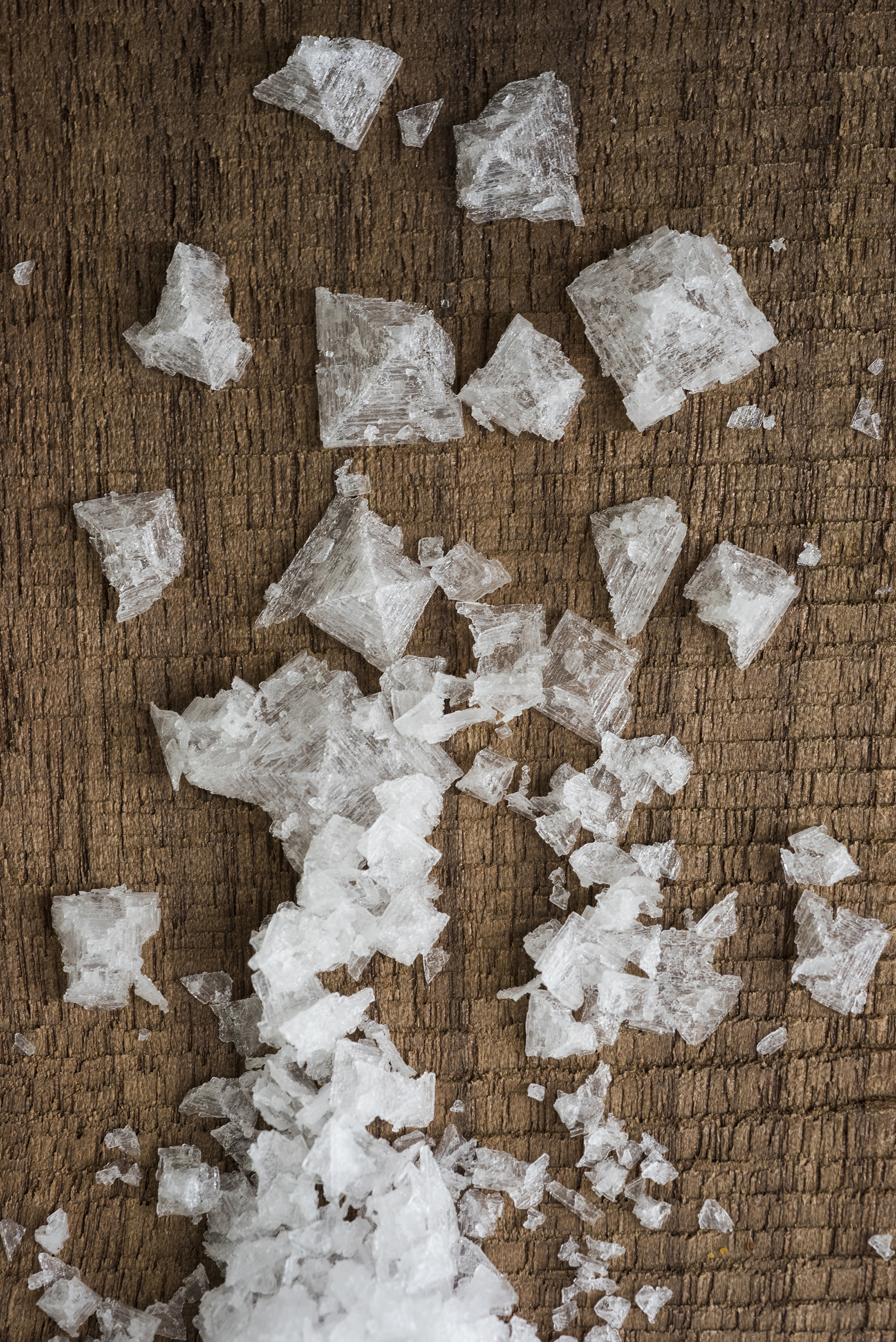
The iconic pyramidal crystals of Maldon salt, harvested off the coast of England.

Pose this question to any professional chef, and the answer will be the same: learn how to use salt properly. (Just to quell the suspense, the second most popular question is “What sort of salt should I use?”)
Salt Selection.jpg

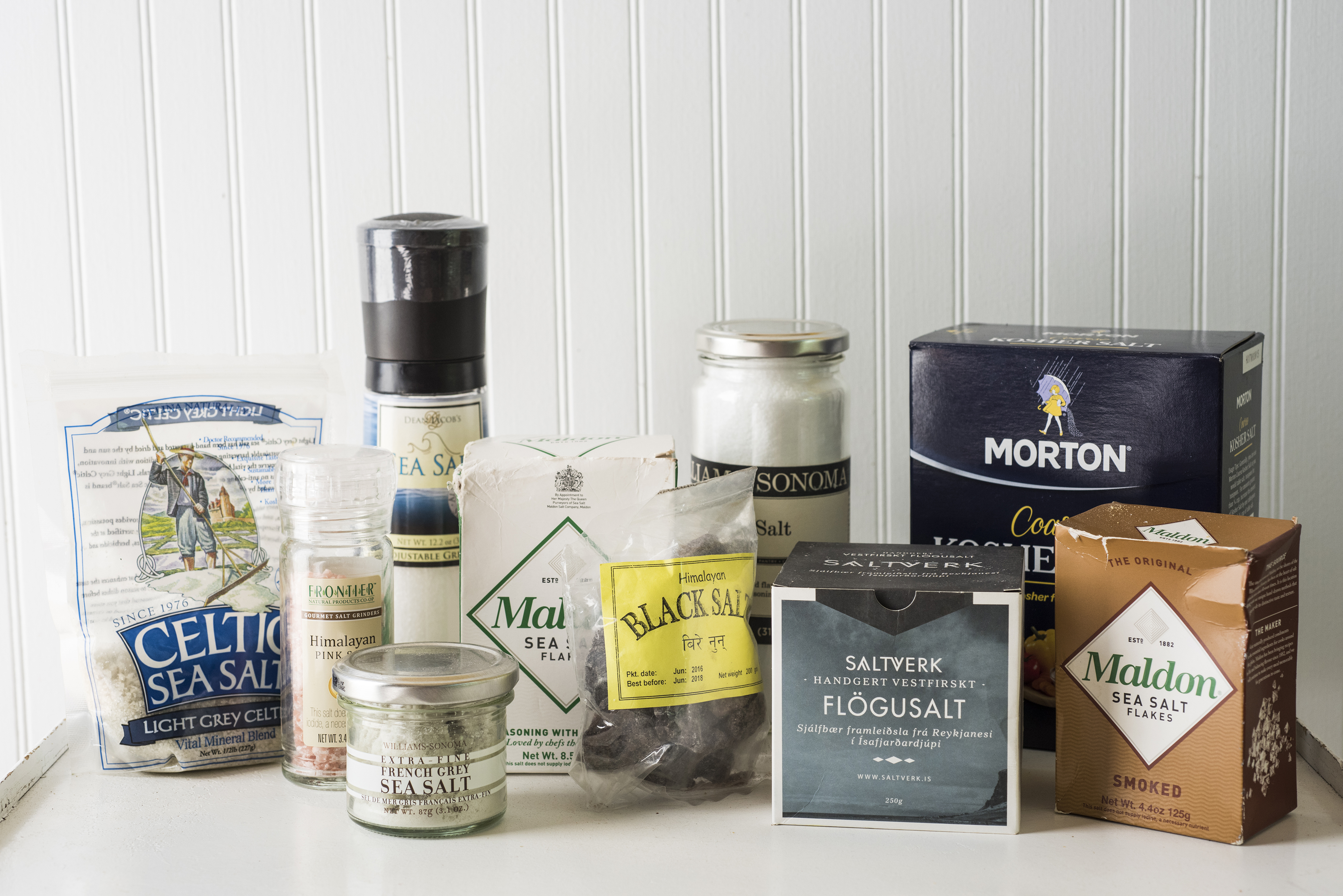
I don’t find it at all unreasonable that I have more than ten varieties of salt in my kitchen…except I only use two. You don’t need this many.

Learning how to season food properly – and specifically, how to use salt – is what separates mediocre cooks from amazing cooks. Whether in a restaurant or at home, salt is far and away the single most important component after the raw ingredients themselves – you can get by without almost anything else, but nothing (savory, at least) tastes good unless it’s been properly salted. And most sweet things need a little salt too, for balance. (Looking at you, salted caramel.)

Salt is the only rock we eat, and it’s vital to our health. It’s been prized for thousands of years throughout the world; Roman soldiers used to be paid their monthly wages in salt, hence our word salary. Salad, too, originates from salt since the Romans salted their greens. The Bible carries dozens of references, including salt of the earth and pillar of salt. Someone without esteem is not worth their salt. Simply put, it’s essential to our survival.

Salt Flats

The salt flats in Bonaire.

Salt is actually composed of two minerals, sodium and chloride. It’s produced either through mining deep deposits in the earth, or through solar evaporation. Most standard table salt is heavily processed and includes both added iodine (as a public health measure) and anti-caking agents to keep it free-flowing. Sea salt is, as you might expect, evaporated from seawater; fleur de sel is the crunchy, delicate top layer of sea salt and is typically used as a finishing salt. There are no health benefits to sea salt, despite a marketing campaign designed to make you think otherwise, but chefs don’t like the intensely chemical taste of iodized salt. We also use so much of it that we can’t spend our entire budget on fancy sea salts. We love coarse kosher salt.

Kosher Salt.jpg

So 11 ounces is less than 48 ounces but the bottle costs $12.95 and the box costs $2.99? I sense a swindle.

The term kosher just means that the crystals are larger and therefore more effective in drawing blood out of meat after it’s been slaughtered, in keeping with kosher tradition. Chefs love it because we use our fingertips to pick it up; most of us have those measurements so carefully calibrated that we’re more accurate than a set of teaspoons. All you need in your kitchen is a box of coarse kosher salt, poured into a small dish and set near the stove, plus a finishing salt like Maldon, whose large pyramidal crystals offer a satisfying crunch and burst of flavor when used properly on top of caramels or fresh ricotta with peaches on crostini or a beautifully seared steak. Don’t ever waste your finishing salt in pasta water or in baking recipes, and don’t ever pay $12.95 for the branded bottle on the left when the box on the right is the exact same thing, contains more than four times as much and costs $2.99.
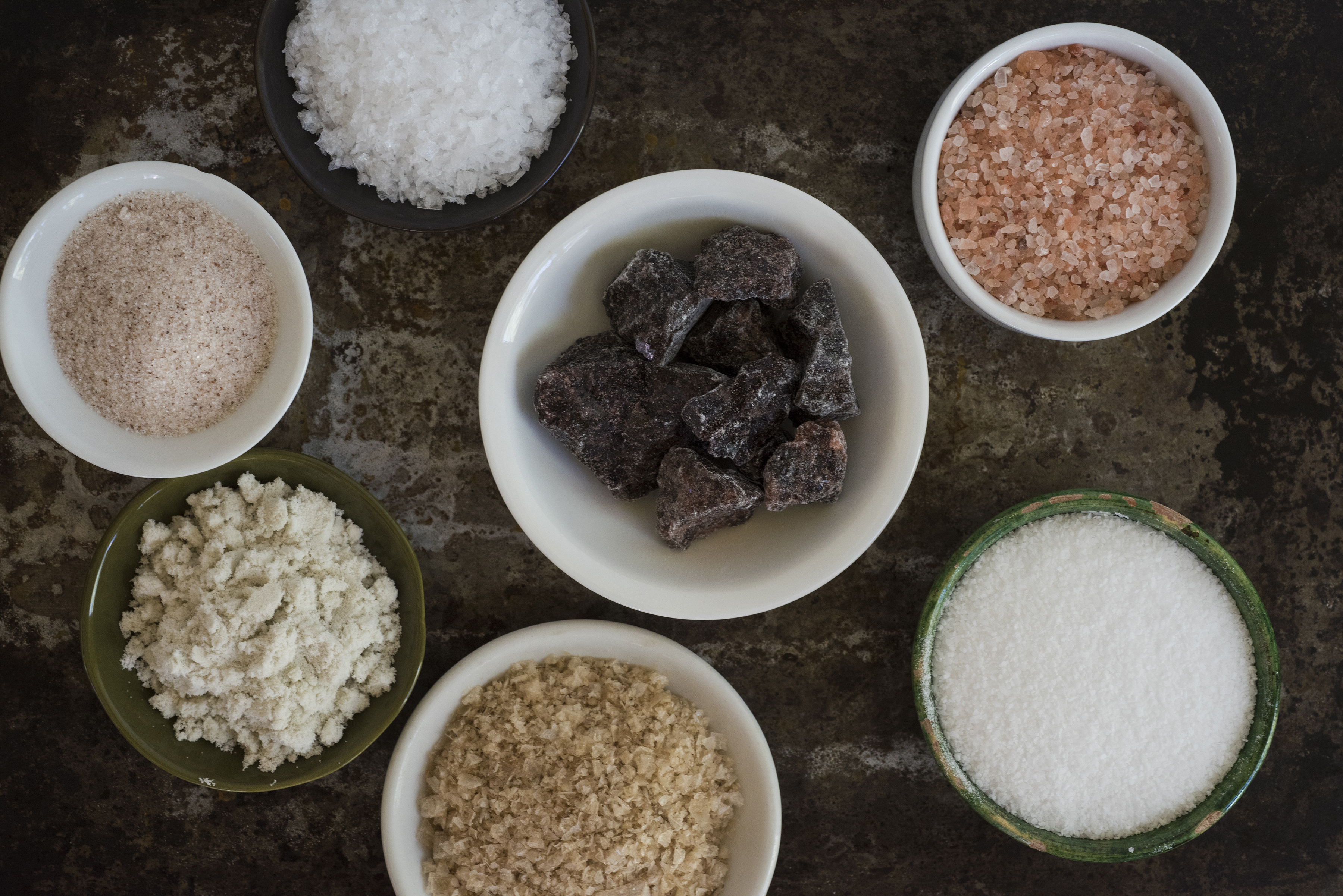
Salt Dishes.jpg

It’s the only rock we eat…and it’s gorgeous. And delicious. And necessary.

Like our newfound obsession with the mysterious gluten, however, we’ve gotten our relationship with salt all wrong. The American Heart Association and other major medical organizations have shouted for years that Americans consume way too much salt and that it is a leading cause of high blood pressure, diabetes and other lifestyle-related diseases. The Mayo Clinic claims the average American consumes about 3,400 milligrams of salt each day, while the recommendation is 1,500 milligrams or less.

We avoid using salt the few times we do cook at home – that’s the salt we can control – because we’re so scared of it, and as a result our food is bland and tasteless. So we go out, or buy premade foods, because they taste better. Unfortunately, we get the vast majority of our salt (and our sugar) from these processed foods, including the ones we don’t even think about: sliced bread. Salad dressing. Bottled spaghetti sauce. Pastries. And obviously, any fast food will be loaded with salt. A single Egg McMuffin contains over 700 milligrams of salt – good luck staying under that 1,500 milligram mark if you eat fast food. Salt is a flavor enhancer, but more importantly for the processed food industry, it’s a preservative.
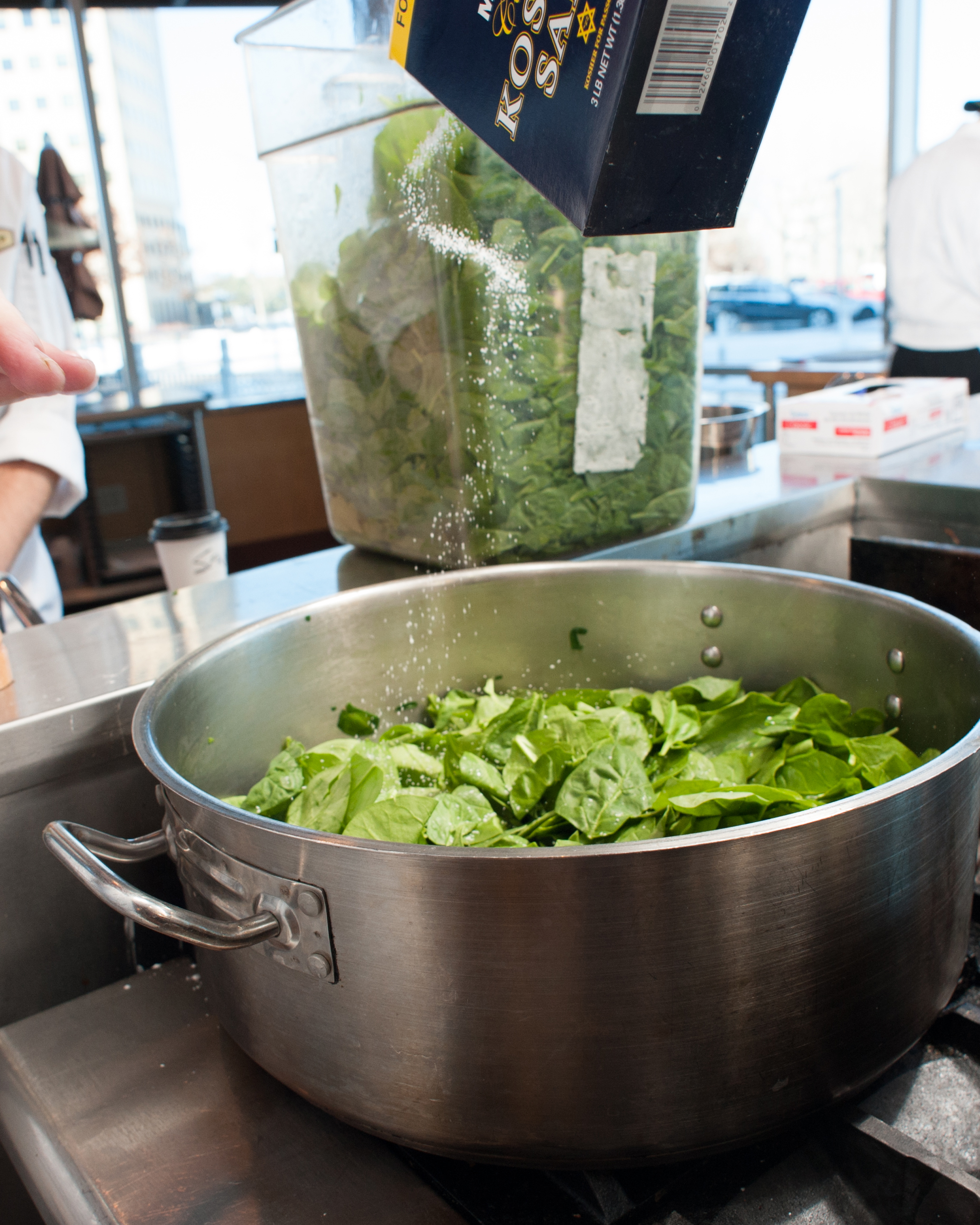
Kosher Salt Seasoned

I’ve taught numerous cooking classes where I’ve added salt to a dish and acknowledged gasps of horror at the quantity I’m using. Please, trust me on this: if you are eating most of your meals at home, cooked from fresh, healthy, whole foods and not from boxes and packets, and if you avoid processed foods like bottled salad dressings, take-out pizza, commercial lunch meats and cheap sliced sandwich bread, you don’t need to worry about adding salt when you cook. You’re already way ahead of the game.
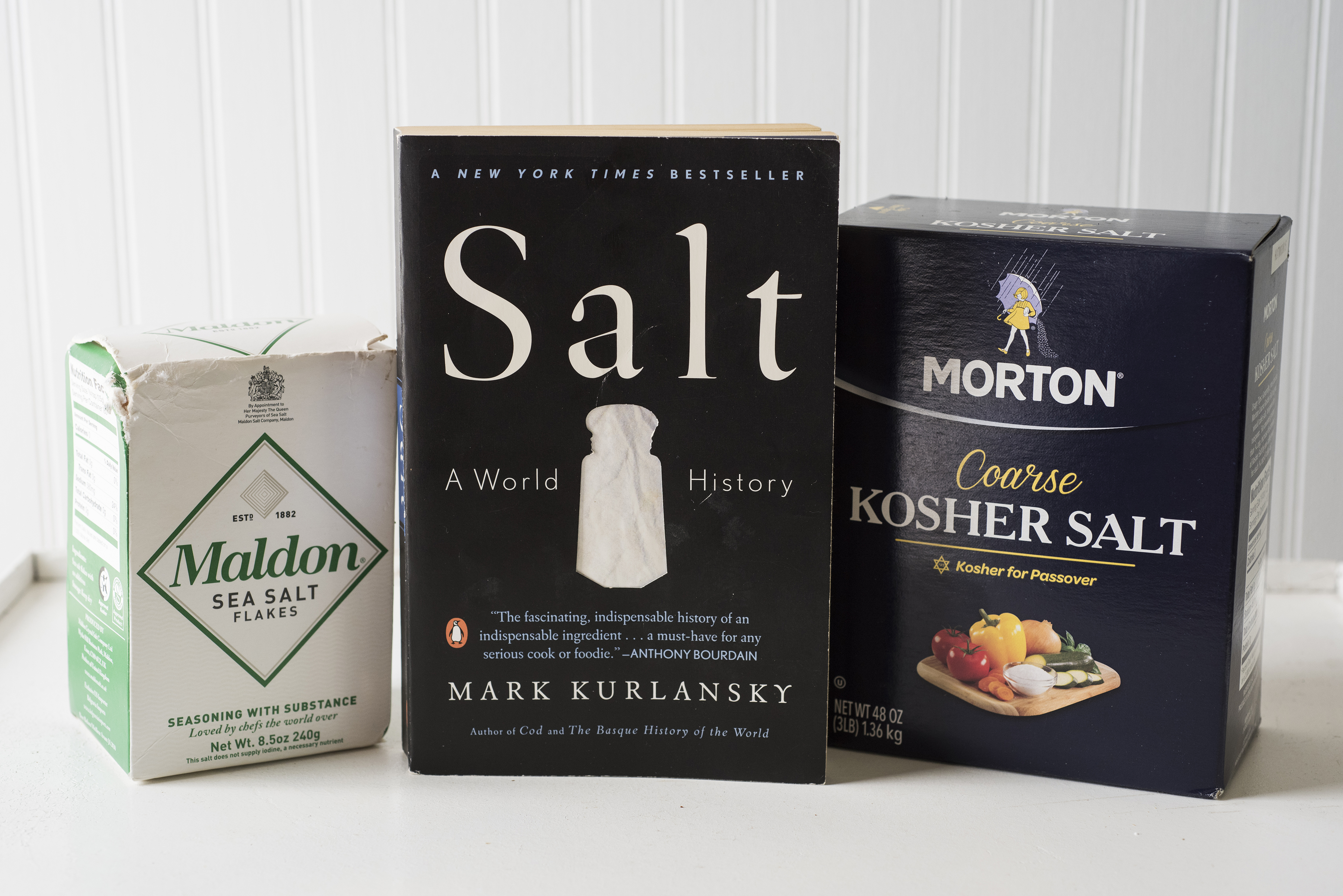
Salt Book.jpg

You only need two salts: one for finishing, on the left, and one for everything else, on the right. Oh, and read that book.

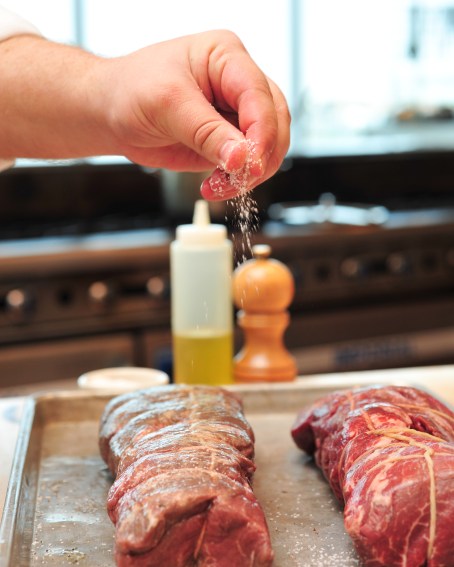
How can you become more proficient about using salt? Taste your food. Taste it before you add salt, and after. Slice a fresh summer tomato and eat it without any salt. Now take another slice, sprinkle it with crunchy Maldon, and taste it again. Cut a steak in half, and cook it exactly the same, but use salt on one portion and not on the other. Your pasta water should taste like the sea, according to Italian grandmothers everywhere, and you should never cook beans or rice or vegetables or grains in unsalted water. Seasoning should be done in layers, as you build a dish, rather than just dumping a bunch of salt on at the end. Taste and taste again. Salt should never make food taste salty, it should make food taste more like itself; it’s designed to enhance food, not to overwhelm it. Restaurant food tastes delicious – and ideally not salty – because those amounts are carefully calibrated.  And because chefs have spent years learning how to season.
CCA-11.jpg

Learning to cook well at home is a process, as I’ve mentioned many times. And learning to season is part of that process, just like learning your own palate. Remember those famous words: “salt to taste.” So go get a box of kosher salt, and start using it. With your fingertips, please.

Salt Crystals 02.jpg


Food politics book club

Our house is filled with books. On shelves, stacked by the bed, in my office…the only place that doesn’t contain any books is the kitchen. N reads a lot of military history mixed with an eclectic selection of farming books and autobiographies, and my choices tend to be modern fiction plus just about anything on food. I feel as strongly about books as I do about food: if they’re not good, I won’t finish them. I have no sense of obligation having started a book; there are simply too many stellar books out there to waste time on the appallingly bad ones. I’ve written before about how choosing books for our trip was one of the toughest parts of packing; I didn’t care at all about which tattered shirts and frayed cargo pants I brought, but I cared a lot about the reading material.

cookbooks-4-sml.jpg

Because I talk a lot about food politics both here and in my cooking classes, I’m often asked for book recommendations. I’ve put together a compilation of some of my favorite books on food politics and America’s desperately compromised food system. Know that there are many more great selections out there, and if you have recommendations for books I haven’t included, please share them! If you’re looking for an even more comprehensive list of some of the best books on food politics, go here.

Cookbooks 1 sml

It is not possible to have a discussion about food politics in America without mentioning Michael Pollan. In my opinion, no author has done more to explain how what was once just “food” evolved into “industrialized agriculture.” I think Cooked is by far his most accessible work; even for me, The Omnivore’s Dilemma and The Botany of Desire get a little…technical. But really, anything by Mr. Pollan is guaranteed to get you questioning your assumptions. And if you can’t commit to reading his books, watch his Netflix series based on Cooked. Plus, his breathtakingly simple manifesto “Eat food. Not too much. Mostly plants.” is by far the best seven-word statement on food I’ve ever encountered.

Cookbooks 2 sml

Four Fish, Paul Greenberg

It is virtually certain that certain species of fish currently used as food will become extinct within our lifetimes; our visit to Japan’s famous Tsukiji fish market simply stunned us with the sheer quantity of seafood caught and sold every single day. There isn’t much positive that can be said about the world’s fishing industry, but this book explains it in a clear, simple manner. (Please, if you’re in the U.S. and you choose to eat fish: consider buying only sustainably caught or responsibly farmed American seafood. Or eat much, much lower on the ocean food chain, like sardines and anchovies. Whatever you do, please don’t buy farmed fish from southeast Asia; their abuse of both humans and the environment makes ours here in the U.S. look positively benign.)

The Meat Racket, Christopher Leonard

One of the best and most difficult books I’ve ever read on our industrial meat supply, The Meat Racket exposes the brilliantly cruel “bracket” system used in modern CAFOs. This book is a carefully researched and shockingly grim portrait of the massive corporations like Tyson currently controlling the vast majority of America’s meat market, and of the farmers trying desperately to stay afloat in a game totally rigged against them. Read at your own risk; you’ll have a hard time buying frozen chicken nuggets after this one.

Fast Food Nation, Eric Schlosser

This book, published in 2001, is subtitled “The Dark Side of the All-American Meal” and could be rightfully argued as the one that started it all. No one really has anything nice to say about fast food in general; it is toxic to the people who eat it, the people who work there, the animals sacrificed for it and most definitely the planet. But it’s great for shareholders…or at least it was, until the fast food industry started slowing down after decades of growth. This is one area where there may actually be something positive on the horizon: fewer Golden Arches across our country.

Cookbooks 3 sml

Twinkie, Deconstructed, Steve Ettlinger

Ever been curious about sodium caseinate? How about modified food starch? Hydrolyzed soy protein? Polysorbate 60? Learn more than you ever wanted to know about how our processed food is made. (Remember, food at home is “cooked.” Food in packages is “processed.”) And we wonder why our gut microbes can no longer handle anything.

The Third Plate, Dan Barber

Last December, N and I had the honor of attending the Young Farmers Conference, held annually at Chef Barber’s Blue Hill at Stone Barns just outside of New York City. I’ve admired and respected this chef since his early days of farm-to-table cuisine; in the professional chef world, he is at the forefront as an advocate for less food waste and a more conscious approach to cooking and food overall. Simply one of my very favorite food books.

Tomatoland, Barry Estabrook

This book sort of pretends to be just about tomatoes and is actually much more about the workers planting and picking them, but it’s still worth a read. We’ve had out-of-season produce in supermarkets for so long that we rarely think about it anymore, but it’s not just the earth that takes a beating – the people do, too. This book almost singlehandedly brought about a very public and (somewhat) successful battle with fast food companies and supermarkets over fair pay for farmworkers; learn more here.

Animal, Vegetable, Miracle, Barbara Kingsolver

Kingsolver might be more known for her fiction, but when she and her family packed up and left Arizona for rural Kentucky, then documented their attempts to eat solely from their own land for a year, the food cognoscenti paid attention. It’s a deceptively simple book (with recipes!) that explains why modern turkeys can’t reproduce naturally and why organic certification is almost impossible for small farms to get and why you should bake your own bread, but there is a lot more under the surface. If you’re thinking about running away to your own piece of land as we are, this book will push you farther in that direction.

Other books I recommend not pictured here (most likely because I loaned them to someone):

The American Way of Eating, Tracie McMillan

Eating Animals, Jonathan Safran Foer

Salt, Sugar, Fat, Michael Moss

Anything by Marion Nestle

Anything by Joel Salatin