The FAQ Series: Sugar, Part One

It’s February, and in America that means we’re celebrating both American Heart Month (take care of your heart!) and Valentine’s Day (so much excess sugar!). Ironic, no? We’re going to return to travel posts from our winter trip to Europe shortly, but in every single one of my recent corporate presentations, I’ve been asked about sugar. Therefore, I think it’s time that your trusted team over here at FQF HQ answer some questions about this ubiquitous yet widely misunderstood ingredient – one that we absolutely need to survive but that is also making us very, very sick.

Sugar 02 sml

Oh my goodness! So very many sugars! All in my own cupboard!

We’re going to start with the basics, and we’re going to break this post into three parts because it’s that lengthy and it’s that important. (Also, I don’t want you to tune out due to boredom.) I’d argue that no other single ingredient in our collective Western diet right now is as significant as this one, so let’s get a few things straight.

  • sugarany of the class of soluble, crystalline, typically sweet-tasting carbohydrates found in living tissues and exemplified by glucose and sucrose; present in sorghum, maple sap, honey, etc.; used extensively as an ingredient and flavoring of certain foods and as a fermenting agent in the manufacture of certain alcoholic beverages

Let’s break that definition down a bit further: almost every single food we eat – fruit, vegetables, dairy – contains some quantity of naturally occurring sugar. It’s a carbohydrate, and it exists in simple and complex forms, and we need it to survive. But it’s not so much the naturally occurring sugars that are killing us, it’s the added sugars in just about everything.

In this first section, we’re going to talk about commonly available sugars: the ones we might find in our grocery store or pantry, the ones we use every day in our own coffee and tea and cookies and other things we make at home. And in the second section, we’re going to talk about industrial sugars: the ones that are added in for us, the ones we’re totally addicted to and the ones we eat way too much of. Finally, we’re going to discuss how the sugar industry has conspired for decades to convince us that butter and cream and eggs and bacon are the true villains, not sugar, even though they’ve long known otherwise.

Continue reading

Manger et boire à Paris

Of course we went on a food tour while in Paris. How could we not? This is the city where I learned to cook (and drink), and there are far too many delicious choices to navigate on your own. Many thanks to Jennifer from Paris by Mouth, who escorted us through the Saint-Germain neighborhood with grace, hospitality and true passion for food and wine.

PFT-02

PFT-01

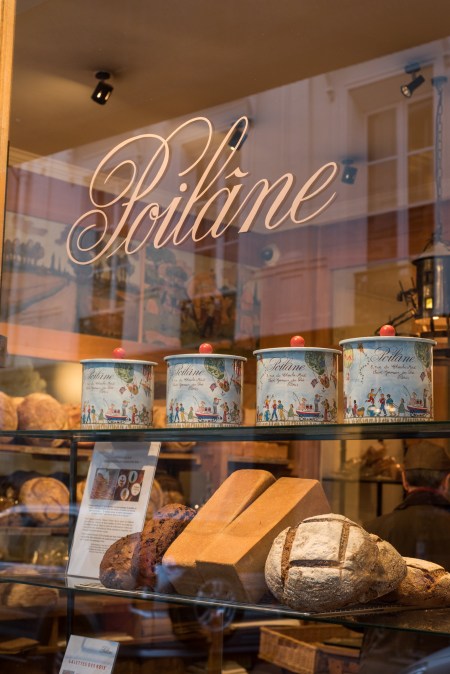
Our first stop: the esteemed Poilâne bakery, the most famous boulanger in the world. Poilâne is operated by Apollonia Poilâne, who took over the company when her parents died in an accident in 2002. She was eighteen, and she ran the company from her dorm room at Harvard until her graduation, four years later. Interviewed during that time, she said, “The one or two hours you spend procrastinating, I spend working. It’s nothing demanding at all.” Words of wisdom, indeed.

Continue reading

Cooking in cast iron

In my holiday-themed classes, I talk about how I’d rather have two or three really stellar, delicious dishes at a meal than an extensive buffet of mediocrity. I feel the same way about cookware and knives: that is, I’d rather have a few sturdy, durable pieces that perform perfectly and can take a beating, rather than dozens of cheap, flimsy pans or knives that bend, warp, break or just plain fail. Cooking well isn’t only about starting with the best ingredients, but having the tools (and the skills) to turn those ingredients into something remarkable.

Cast Iron 01 sml

See how well-loved they are? I use mine every single day.

I love classic cast iron cookware. I love its heft, its lived-in appearance, its ability to retain heat. I love that it can be passed down through generations, and it only gets better. I love that it’s not shiny, not new, not a throwaway item. I love that it looks like something I should be using over a rickety camp stove to make a fry-up for hungry cowboys out on a cattle drive. I love that there is something of quality still manufactured in the United States. I love that cast iron asks you to cook well and simply and honestly.

Cast Iron 04 sml

You can roast peppers to smoky, tender perfection!

Cast iron cookware has been in use around the world for over two thousand years, and there’s a reason for that: nothing retains heat better while still holding its form. Before we became such a disposable society, cookware like this was valued for its durability and its effectiveness, especially when slow simmering tough cuts of meat. Cast iron goes from stove to oven, and it can be used to make anything: flavorful stews, crispy yet tender cornbread, smoky, filling beans. And nothing – I mean nothing – sears a steak like cast iron. Ask any cowboy.

Cast Iron 02 sml

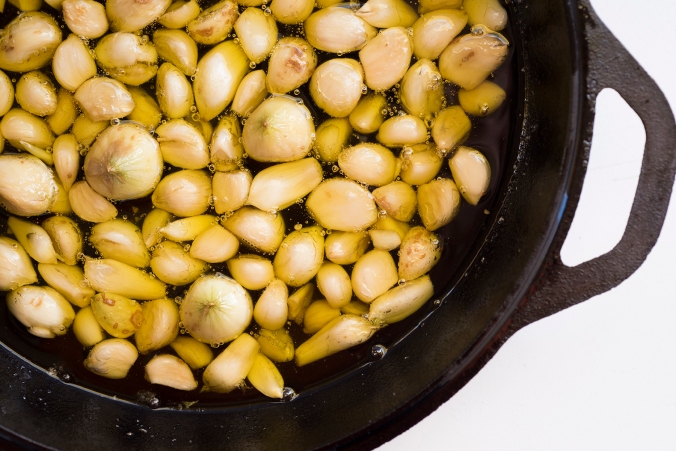
You can create the most amazing garlic confit!

In the first half of the 20th century, cast iron cookware was ubiquitous in America. Then – coincidentally, right about the time we started turning to processed “convenience” foods – cast iron fell out of favor. It was too heavy. Too unwieldy. Impractical for TV dinners. Not suitable for microwaving soup. Couldn’t be put in the dishwasher. And so, most of the American companies went out of business. Today, Lodge is the only major manufacturer in the U.S., although a couple of smaller, “artisan” brands like Finex have appeared recently.

Cast Iron 06 sml

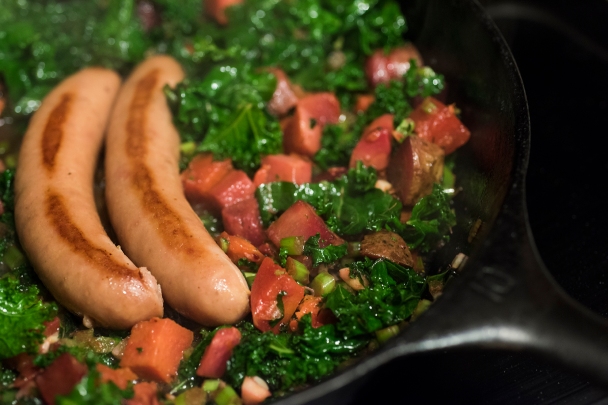
You can make one-pan meals!

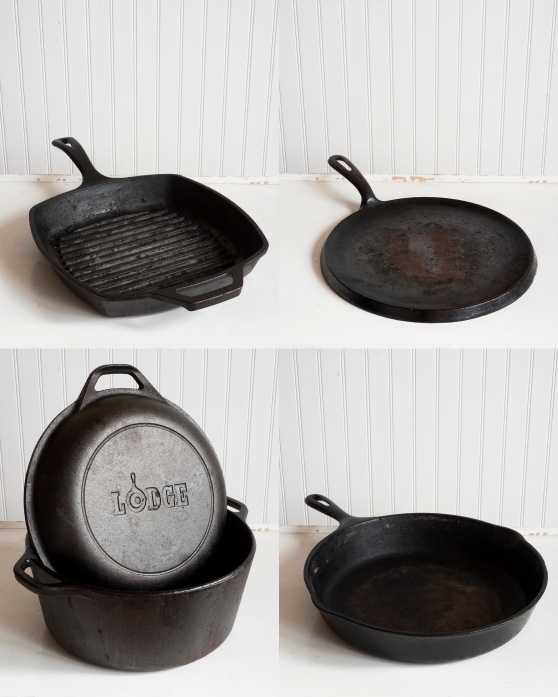
I got rid of my grandmother’s cast iron pans at a garage sale years ago. Freshly minted from an uppity French culinary school, I thought cast iron was too down home, too low-class, too American for my lofty European cooking skills. What misplaced arrogance; to this day, I regret selling those pans. Thankfully, N found a ten-inch skillet for me at a church rummage sale, and I picked up my comal, a flat, round griddle traditionally used for making fresh tortillas, at a thrift store. My other two are classic Lodge, a Dutch oven and a grill pan. They’re all pieces I love cooking with.

Cast Iron 03 sml

You can put a little char on your tomatoes!

If you have any cast iron, take good care of it and it will take care of you for decades. Once it’s seasoned, meaning that you’ve basically created a nonstick surface through a combination of cooking fat and heat, never, ever use soap or any other chemical cleaner on it. Don’t immerse it in water, either. I typically just wipe my pans with a dry paper towel, if necessary, but if you’ve got stuck-on bits, you can heat the pan with a bit of water until they loosen, then scrape them out with a spatula. Really tough messes can be tackled with coarse kosher salt and a scouring pad. You can’t scratch them, can’t break them, don’t have to use any fancy utensils. They are indispensable workhorses.

Cast Iron 07 sml

And the most essential thing you can cook in your cast iron Dutch oven…

Cast iron’s greatest advantage, of course, is also its greatest downfall: their weight means they retain heat beautifully, so they get hot and stay hot, and they’re heavy. Treat them carefully and respectfully. Use both hands when lifting; never try to “one-hand” a cast iron pan. When you remove the pan from the oven and set it back on the stove or other protected surface, do as restaurant chefs do and make sure you leave your kitchen towels on the pan to remind everyone (including you) that it’s hot. Large pans that have been heating for a while may take a couple of hours to cool down, so have a safe place to put them where no one will burn themselves. Don’t leave water in the pan, either, as they can rust, though if you find an unloved, rusty specimen, you can always remove the rust with salt and reseason the pan.

Cast Iron 08 sml

…is quite simply the best bread you’ll ever taste.

Want to build your own cast iron collection? Start here, and thanks for buying American. Their stuff is top-notch and remarkably well-priced. Visit thrift stores and garage sales and flea markets (maybe you’ll find my grandmother’s pans?) but stay away from anything called an “antique store.” Little-known fact: antique is actually French for “overpriced stuff bought cheaply in a thrift store and aggressively marked up.” Cast iron’s resurgent popularity in recent years means anything even vaguely vintage can cost a fortune.

Cast Iron 09 sml

And while we’re on the topic of the French and expensive things, this stuff is cast iron too, but with an enamel coating. It’s gorgeous, comes in an array of coordinating colors so the kitchen at your Provencal château can match the Parisian pied-a-terre and it’s priced for really rich people. Tread carefully with these: they’re beautiful and colorful, but you can scratch that enamel without too much effort, and not all of the knobs and handles are designed for high heat. These definitely require a bit more attention, and a lot more money.

Go cook, friends. And save me some cornbread.


Food stamp challenge

One of the comments I hear most frequently in my cooking classes and presentations is that “it’s impossible to eat healthy on a budget.” I wholeheartedly disagree with this statement, and to prove my point, I decided N and I would take part in the Food Stamp Challenge. In Colorado, the challenge is organized by Hunger Free Colorado; your state will have different resources available.

While SNAP (Supplemental Nutrition Assistance Program) benefits vary from place to place and family to family, in Colorado food stamps amount to approximately $4.20 per person, per day. That amounts to $1.40 per meal, if you eat three meals a day, or about $29.40 per week; that number encompasses everything you consume, including drinks and snacks. (Legally, you cannot buy alcohol, tobacco, lottery tickets or non-food products with food stamps, but unfortunately you can buy soda, energy drinks, candy, cakes, chips, cookies, ice cream and plenty of other unhealthy items.) This is going to take some planning, and some smart shopping.

Here’s the tricky bit, though: SNAP benefits can’t be used for any sort of takeaway food, and can’t be used for anything consumed within a store. So no prepared deli items, no to-go coffees, no rotisserie chickens. It’s easy to see why smart hunger relief experts advocate cooking classes along with SNAP benefits; to make the most of this program, you really need to know how to cook from scratch.

Since my household comprises two adults, I’ll allot us a total weekly budget of $58.80. And since I want to play in the most honest way possible, I’ll plan for the way we currently eat: we drink black coffee in the mornings but don’t eat an early-morning breakfast; we typically eat around 10AM and 4PM (it works for us). We also eat very little meat, so going mostly vegetarian won’t be much of a struggle; this budget definitely doesn’t allow for a lot of good meat. And we only eat at restaurants when we’re traveling, so planning and cooking all of our meals at home won’t stress us, either.

Food Stamp 05 sml

Scanning for sales is key to eating well on a budget.

A couple of other caveats about our food stamp challenge:

  • A challenge like this is necessarily a snapshot in time. We’re doing our challenge in December, which definitely makes most fresh fruits and vegetables harder to come by in our Rocky Mountain region – and they’re certainly not local, except for onions and greens! Fresh produce would be more abundant and less expensive in late summer.
  • To play fair, I am not using our backyard honey, or my own canned and frozen goods pantry. I have dozens of jars of applesauce, salsa, Western Slope peaches and other homemade canned goods, plus lots of produce in the freezer, but since I can’t truly ascribe a dollar value to these, we’re not eating these during the challenge.
  • I refuse to dramatically change our standard eating style in order to adhere to the budget; I’m not going to add cheap meat or nutritionally devoid, high-sugar cereal to our shopping list just to have something on the table. That isn’t what we eat now, and I believe the point of this challenge is to make fresh, delicious, nutritious food on a limited budget – not to just eat for the sake of eating.
  • As mentioned above, we’re a household of two healthy adults, and we only eat two meals a day. Your own household’s food stamp challenge will look very different, but we would love to hear about it!

Food Stamp 03 sml

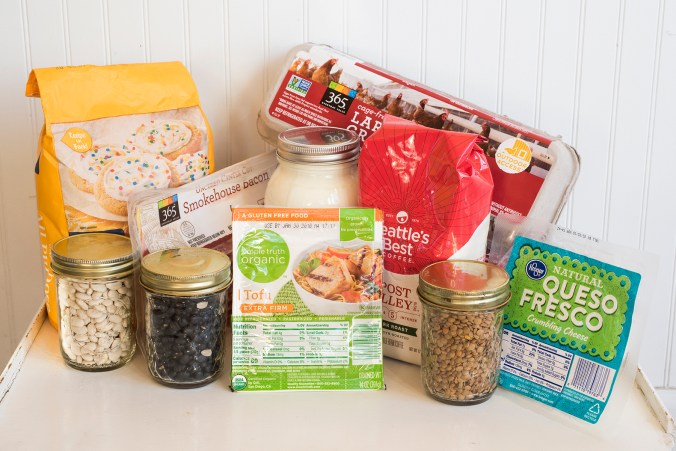
Some of our food stamp challenge ingredients. Embrace the bulk department.

Here’s what I bought for our challenge:

  • 12 oz. whole-bean coffee ($4.99, and it amounts to about $0.12 per cup. Worth every penny.)
  • 12 oz. animal-welfare certified bacon ($4.99)
  • dairy: 1 gal. local whole milk ($2.19), plain yogurt for starter ($0.59), 10 oz. queso fresco cheese ($2.49)
  • two dozen non-GMO cage-free with outdoor access eggs ($5.98)
  • fruit: 3 apples ($0.98), 3 grapefruit ($0.99), 1 lb. grapes ($0.97), 6 kiwi ($0.99), 3 pomegranates ($0.99), 3 pears ($0.98), 8 satsuma clementines ($1)
  • grains and legumes: 0.5 lb. dried black beans ($0.85), 0.5 lb. brown rice ($0.35), 0.5 lb. dried chickpeas ($0.75), 0.5 lb. green lentils ($0.59), 0.5 lb. rolled oats ($0.35), 1 lb. linguine ($0.99), 0.5 lb. white beans ($0.99)
  • 1 lb. organic tofu ($1.79)
  • vegetables: 2 lb. broccoli ($1.76), 1 lb. carrots ($0.69), 1 bunch cilantro ($0.33), 12 oz. frozen corn ($1), 2 cucumbers ($1), 3 bell peppers ($0.99), 2 heads garlic ($0.66), 2 bunches kale ($1.98), 1 lb. yellow onions ($1), 12 oz. frozen peas ($1), 5 oz. salad greens ($1.69), 1 bunch scallions ($0.33), 3 zucchini ($0.99)
  • staples: assorted bulk spices ($1), 0.5 lb. roasted almonds ($2.99), corn tortillas ($0.99), 5 lb. flour ($1.79), 0.25 lb. roasted pumpkin seeds ($1.25), 3 packets yeast ($1.19 with coupon), hot sauce ($0.99)

Total spent: $58.41

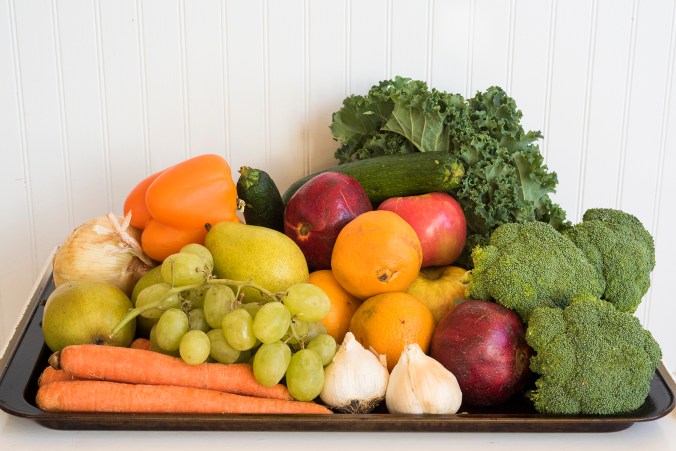
Food Stamp 04 sml

Thanks to savvy shopping and the discount table, this is less than $10 of healthy, nutrient-dense fruits and vegetables!

And here is our simple seven-day menu plan; again, we start with a pot of black coffee and only eat two meals per day. For snacks, we eat fresh fruit or raw vegetables, plus a handful of almonds and pumpkin seeds.

  • Day One: yogurt with fruit and almonds; white beans and sautéed kale with fried eggs; fresh bread
  • Day Two: breakfast tacos with eggs, zucchini, peppers, onions and queso fresco; tofu and broccoli stir-fry over brown rice; green salad
  • Day Three: oatmeal with fruit and almonds; pasta with bacon, garlic, zucchini and peppers; green salad; fresh bread
  • Day Four: eggs on toast with sautéed greens; lentil, vegetable and chickpea soup; green salad; fresh bread
  • Day Five: yogurt with fruit and almonds; frittata with vegetables, greens and queso fresco
  • Day Six: oatmeal with fruit and almonds; spicy black bean and corn soup; kale salad
  • Day Seven: huevos rancheros with leftover beans and rice; “favorites” (i.e. everything remaining from the week)

Cast Iron 05 sml

Remind me again why vegetables are boring?

My comments on the week:

  • Our menu wasn’t really that different from what we eat on a regular basis. Each day included at least four servings of various fruits and vegetables and usually more, plus grains and legumes. Virtually everything we ate was healthy, flavorful and made from scratch. We didn’t feel hungry or deprived, but I can easily see how someone accustomed to eating at restaurants and/or eating a lot of meat might find this challenge…well, challenging.
  • I chose bacon as our only meat for the week because it offers so much flavor in even tiny quantities. In addition to adding it to pasta and soups, I also used the rendered fat for sautéing vegetables and greens for extra savory punch. Skipping the bacon entirely would obviously leave about ten percent of the weekly budget for other items, but that’s a sacrifice I’m willing to make. I’d rather eat a small amount of good, flavorful meat than a lot of cheap meat.
  • I made four quarts of my own yogurt from one gallon of whole milk; the starter culture only has to be purchased once since you use a bit of your own yogurt as the starter for future batches. Plain full-fat yogurt made from good milk is a great source of quality protein, fat and calories, and dramatically cheaper than buying it premade.

Food Stamp 07 sml

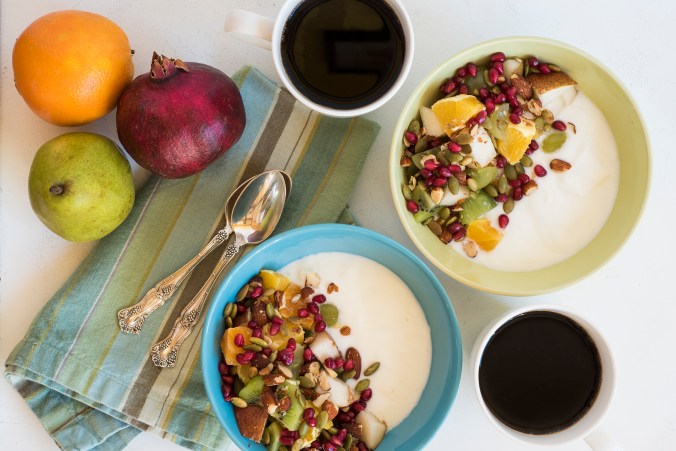
Does it still count as breakfast if we eat at eleven o’clock?

  • I also baked my own fresh bread as I do now, both for health and economic reasons. Although one could claim that whole wheat flour would be a better choice for homemade bread, I would argue that any homemade bread is far better than what you can buy, and far cheaper. Plus, stale bread becomes croutons and breadcrumbs, which add extra value and flavor; storebought sandwich bread doesn’t go stale, it just molds. (I buy my yeast in one-pound bags for $2.99 from a local restaurant-supply store; this is far cheaper than three packets for $1.19, even with a coupon. If you bake bread regularly, buy your yeast in bulk.)
  • It’s virtually impossible to eat purely organic on a budget this tight. While I appreciate the virtues of organic, with so little money to spend I’d far rather eat more conventional fruits and vegetables than just a few organic ones. Value for money wins here, although some of the discounted produce was organic.
  • I did miss having access to a well-stocked pantry, specifically various oils, vinegars, cooking fats (including good butter), seasonings and condiments. It’s very easy to make delicious, healthy food by just dressing it up a bit, and citrus, spices and other flavor enhancers really come in handy.
  • I also really missed cheese. We eat a lot of cheese, both on its own and as a garnish for vegetables and grains, and while I love queso fresco, I really enjoy using a variety of specialty cheeses in almost every meal. Plus, good cheese can often be found at a discount at our grocery store, too!

Food Stamp 02 sml

Because we’re obsessed with aesthetic perfection and meaningless sell-by dates, it’s easy to find supermarket bargains.

Tips for success for your own food stamp challenge:

  • Flexibility is absolutely key. I bought what was on sale, rather than what I necessarily wanted. If you’re going to cook well on a budget, pay attention to store advertising circulars, clip coupons and learn to adjust your meal plan based on what’s available at a good price, rather than what you feel like eating.
  • Our local grocery store has recently started selling blemished or undersized produce at a discount. This produce made all the difference in our food stamp challenge; most of our fruits and vegetables came from this table, usually packed at three for $0.99. I also always search for items close to their sell-by date that the store is looking to offload at a discount; I’ve purchased a lot of healthy, cheap and still-good food this way (see photo above). Don’t ignore this option if you’re cooking on a budget.
  • Also, don’t ignore frozen vegetables. They are cheap, healthy and easy to have on hand, plus they were frozen when that vegetable was actually in season. Fresh vegetables aren’t always the best option, especially on a tight budget.
  • Shop the bulk department for grains, legumes and spices; skipping the inflated packaging makes a huge difference in price. Dried beans are far less expensive than canned, and they don’t contain excess salt, either. Soaking beans overnight takes virtually no time and a slow cooker makes preparing healthy food easy.
  • Search out local ethnic markets. I could have spent substantially less on produce and beans if I had gone to any one of our incredible Mexican markets here in Denver. I wouldn’t buy animal products there, but I’d definitely buy pantry staples.

Food Stamp 01 sml

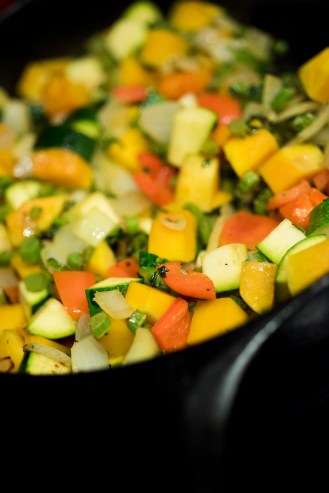
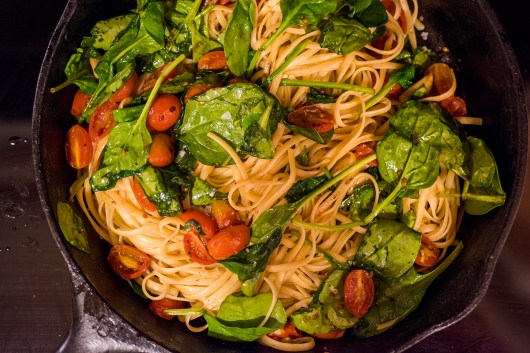
Pasta is oft-maligned, but it is quick, inexpensive, filling, and most importantly easy to pack with lots of vegetables.

  • Get a good knife and a good cutting board and learn how to prep your own fruits and vegetables. Paying for the precut product costs a lot extra and it’s already started to deteriorate, too.
  • Think nutrient-dense and lots of color: discounted spinach, sturdy kale or purple cabbage rather than cheap but nutritionally vacant iceberg; black beans over pinto beans. Whenever possible, choose the most intensely colored whole food (that Windex-colored Gatorade does not qualify).
  • And think high flavor, too. I used small amounts of bacon, sharp, salty queso fresco and crunchy nuts and seeds to add a lot of flavor and texture to our dishes. You don’t need much, but they add interest. I spent money on onions, garlic, scallions and cilantro, both because they’re healthy and because they add a ton of flavor and punch without spending a fortune. Growing your own fresh herbs is a great way to enhance your meals.
  • We had quite a bit of food remaining at the end of the week (both prepared and raw ingredients); this is partially why our final day incorporated “favorites.” If you want to eat on a budget, you have to make use of leftovers, too. Throwing away food is exactly the same as throwing away money.

Food Stamp 06 sml

Garlicky white beans and kale with fried eggs: pretty much perfect, in my opinion.

N pointed out that this challenge was easy for me, because I know how to prepare healthy, delicious food and enjoy doing so. While that’s certainly true, I would say yet again that the number-one best thing you can do for both your physical and your financial health is to learn how to cook, and cook often – whether or not you’re on a strict food budget. Take responsibility for your own health, and cook yourself some wholesome, tasty food. You don’t need to break the bank to do that.

If you choose to organize your own food stamp challenge, please share it with us!


A winter cake

It seems winter in Colorado has been canceled this year, considering that it was nearly seventy degrees (21C for our international audience) when we took these photos. In December. And on one hand, this is delightful, because driving in the snow is truly one of my least favorite activities, despite being a born-and-bred Colorado native. And on the other hand, these disconcerting weather patterns freak me out in a serious fashion. But I’m working on my anxiety, and my ability to “accept the things I cannot change.” So let’s make a cake.

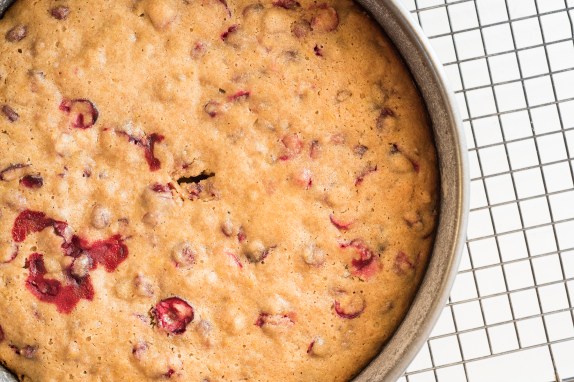
Pom Ginger Cran Cake 01 sml

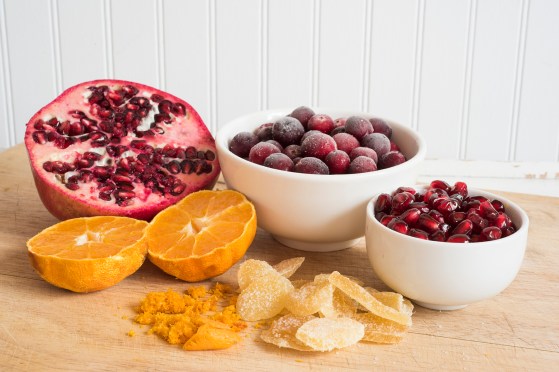
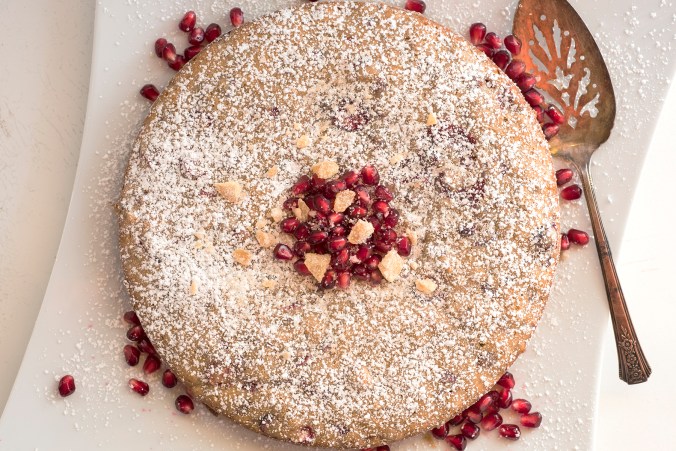
This lovely cake has all the flavors of winter: tangy, bright cranberries and citrus, plus sharp, spiky ginger. And pomegranates. Oh, pomegranates. Is there any fruit I adore more? I think not. When these babies are in season, as they are now, I often eat one a day. Somehow their tart sparkle seems to apologize for the misery of endless winter – or whatever season it is we’re currently having. The cake isn’t excessively sweet, either, which pleases me; if you had a strong, dark honey on hand, I imagine that might be compelling here.

Pom Ginger Cran Cake 03 sml

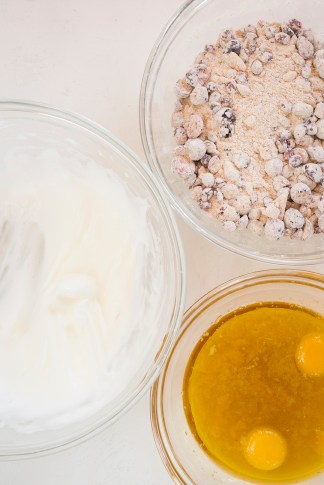
Any time you’re making a light, delicate cake, friends, please be careful not to overmix the batter – it’s a sure way to achieve dense, tough gumminess. This is even more key when baking at altitude, as we are here. Assemble all of your ingredients in advance, then place your liquids in one bowl, your dry ingredients and the fruit in another, and whip the egg whites at the very last minute, when everything else is ready. Never pre-whip your egg whites then go back to put together the other components – their ethereal fluffiness is exactly what you need. (Tossing dried, fresh or frozen fruit with flour helps keep it from sinking to the bottom of the cake, and from bleeding its juices, though that effect can actually be quite pretty. If you’re using frozen fruit, never let it thaw first but just throw it in frozen. And move quickly.)

Pom Ginger Cran Cake 04 sml

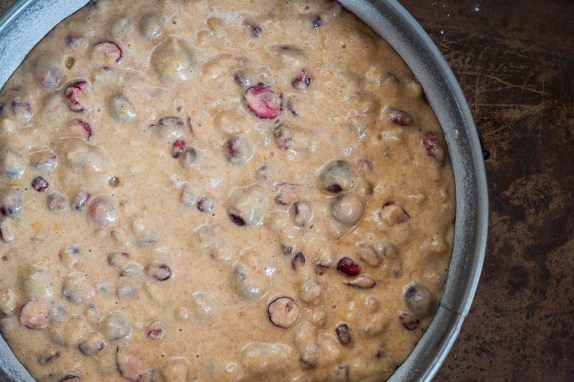
As before, make sure your pan is prepped and your oven is preheated. Once the batter is together, it needs to go straight into a hot oven. This is not the time to dilly-dally.

Pom Ginger Cran Cake 05 sml

This recipe as written makes for quite a moist cake, which is lovely here in Colorado as it stays fresher for longer in our dry climate. I reduced the leavening by 1/4 tsp. and added 1/4 cup extra flour, as is often done when adjusting baking recipes for altitude. If you’re at sea level, you may need to use a total of 3/4 tsp. baking powder. You can probably reduce the whole wheat pastry flour by 1/4 cup at sea level, too. Make sure to check carefully for doneness with this cake; I found that I needed a bit more baking time than the recipe indicates. Ovens vary; adjust accordingly.

Pom Ginger Cran Cake 06 sml


Pomegranate, Cranberry and Ginger Cake (written for 5,300 ft. elevation)

For The Cake

  • 1/2 cup honey
  • 1/4 cup mild olive oil
  • 2 large eggs, at room temperature, separated
  • 2 tbsp. freshly grated orange zest
  • 1/3 cup fresh orange juice
  • 5 tbsp. crystallized ginger, chopped
  • 1 1/4 cup whole wheat pastry flour
  • 2/3 cup all-purpose flour
  • 1/2 tsp. baking powder
  • 1/2 tsp. salt
  • 1/2 cup fresh or dried cranberries
  • 1/2 cup pomegranate seeds, plus more for garnish
  • 2 tsp. confectioner’s sugar for dusting
  

Directions

Preheat oven to 350 degrees. Butter and flour an 8-inch round cake pan; line with parchment paper and butter and flour the parchment.

In a small bowl, stir together honey, olive oil, egg yolks, zest, juice and 3 tbsp. crystallized ginger. In a large bowl, sift together both flours, baking powder and salt. Gently fold cranberries and pomegranate seeds into dry ingredients. In another bowl, beat egg whites and a pinch of salt with an electric mixer until soft peaks form, about 1-2 minutes. Using a rubber spatula, gently fold honey mixture into flour mixture, then fold in egg whites until combined. Do not overmix.

Pour and scrape batter into prepared pan and bake until toothpick inserted in center comes out clean, about 35 minutes. Allow cake to cool on a wire rack for at least 10 minutes; run a knife around sides of pan to loosen cake and turn it our onto rack. Remove paper and allow to cool completely.

To serve, sift confectioner’s sugar over cake and garnish with remaining crystallized ginger and additional pomegranate seeds.

Crantastic!

We continue our never-ending quest to absorb everything we can about all types of farming, and just in time for America’s most revered Day of Gluttony, N and I learned how to harvest, sort and process cranberries! One of the farms we worked on in Oregon was home to three organic cranberry bogs, so we were able to see firsthand how this unique fruit is both grown and harvested.

NJB_1166

A one-acre dry cranberry bog with harvester. The portion on the left still needs to be harvested, while the section on the right is finished. 

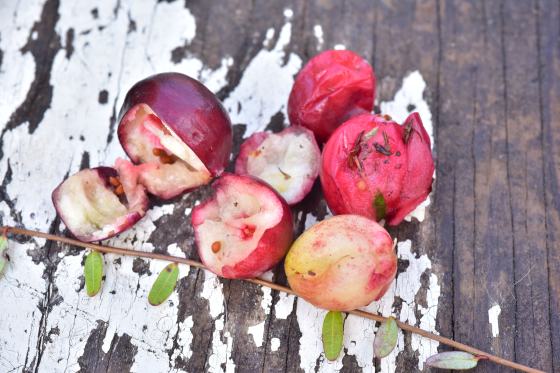
Cranberries are grown in Washington, Oregon, Wisconsin, Massachusetts and New Jersey, as well as in Canada; they’re a low-growing vined shrub and the plants can live indefinitely if cared for properly. The vast majority of cranberries are conventionally wet-harvested, in the traditional bog we know from the Ocean Spray commercials. The organic farm we worked on, however, used dry harvesting. This is substantially more labor-intensive and has lower yields, but organic dry-harvested berries sell for nearly twenty times the amount that conventional wet-harvested berries do. This is primarily because dry cranberries can be sold fresh, packaged into bags in your produce department. Wet berries need to be processed into juice or other cranberry products almost immediately.

NJB_1160

Aren’t they gorgeous? And so good for you. I ate a lot.

NJB_1114

The harvester at work.

NJB_1164

The harvester removes a lot of branches, but not all.

NJB_1141

We filled burlap sacks with berries for transport to the packing shed.

NJB_1225

A surprising number of cranberries are left behind after harvesting.

We followed our farmer with clean, dry burlap sacks, ready to replace the one on the harvester as soon as it was full. It’s really important not to overpack the bags and not to double-stack them on the trailer, as too much pressure will crush the berries and render them unsaleable. I hand-harvested a few pounds of berries left behind; this was unbelievably labor-intensive. Agricultural work is not for the faint-of-heart.

NJB_1245

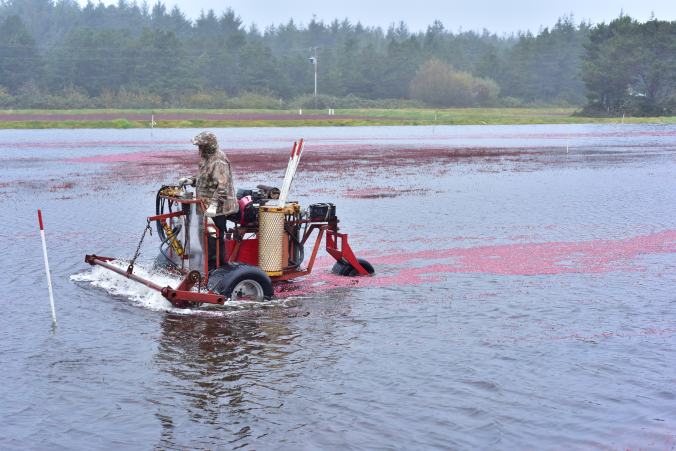
Traditional wet-harvesting involves flooding the bogs and a harvester like this one.

NJB_1246

The berries float to the surface of the flooded bog, where they can be easily scooped. 

We watched a traditional farmer wet-harvest his bogs on a miserably cold, rainy day: not at all fun. Our farmer can only harvest when it’s dry and clear, as the goal is for the berries never to get wet. Even the morning dew had to dry before we could harvest.

NJB_1239

Our daily harvest, ready to be put through the sorter.

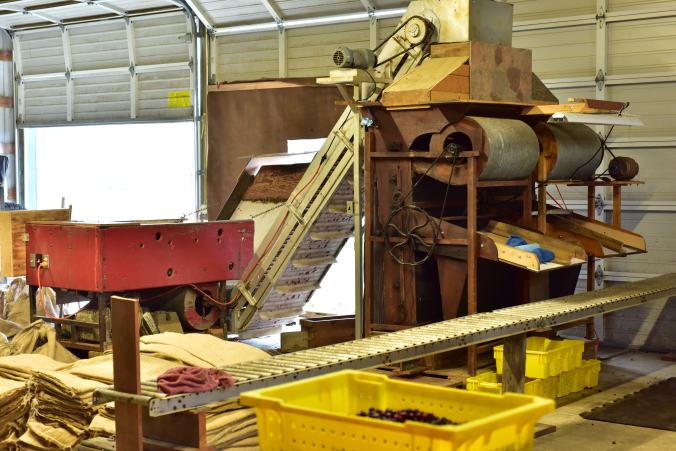
Every day after we harvested, we took our berries to a shared packing shed. Our farmer ran the berries through the sorter, and N and I sorted and packed on the opposite side. Once the berries started tumbling through the chute on our side, we really had to work quickly to keep up, and to ensure that our crates didn’t get too full. As with loading the bags during harvest, it’s essential not to crush the berries on the bottom.

NJB_1241

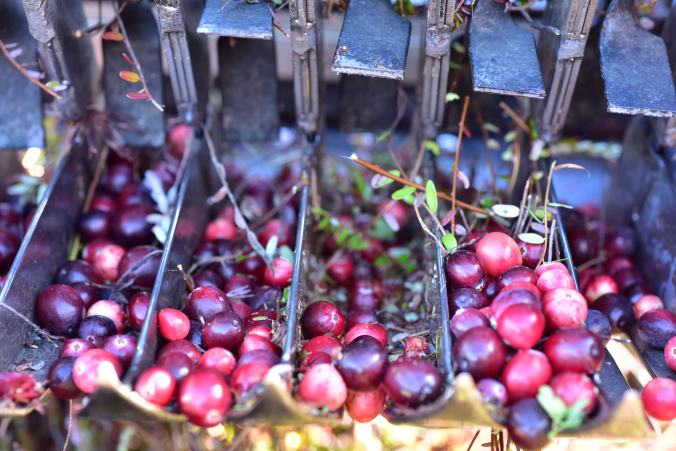
Berries are run up the conveyor belt, where they’re tested for ripeness.

NJB_1250

We stood here and sorted through the berries as they came down the belt, removing small branches, twigs, leaves and any damaged berries.

Unusually for most produce, cranberries actually bounce when they’re ripe (and float when they’re flooded), so the sorter both removes the larger vines and branches and tests the cranberries for ripeness. Berries that don’t make the cut are dropped into the yellow crates down below, and they’ll eventually be fed to pigs – just like our apple cider waste.

NJB_1211

Berries that are split, crushed or otherwise open need to be removed, or they’ll spoil.

NJB_1249

Each crate holds about fifteen pounds of fruit after sorting.

Once our cranberries were sorted into the crates, they would be sent to a central distribution center, where they would be sorted again, washed and bagged. And then they’ll be on the shelves at your local grocery store!

IMG_0976

Only in cranberry country would you see fresh cranberries in bulk; mostly they’re sold pre-bagged.

I grew up in a household where the only “cranberries” we ever saw were in the exact shape of the can they came in. Once I discovered fresh cranberries, I always wondered why Americans only seem to use these once a year. They’re tart, crisp and delicious, and high in vitamin C, fiber and antioxidants, among numerous other health benefits. They’re delicious in oatmeal, baked goods, smoothies and of course as a condiment for roast turkey, goose or ham. Plus, they freeze beautifully, so buy a few extra bags when they’re on sale, and use them throughout the year. They’re great dried, too, but be aware that Craisins and other sweetened dried cranberries can contain as much as 85% sugar by weight, so they’re not nearly as healthy as you’d like to think. Buy unsweetened dried cranberries whenever possible. Oh, and “cranberry juice cocktail”? More sugar than soda. Don’t ever, ever drink it.

Cranberry sauce

Making your own cranberry sauce is by far the easiest thing you’ll prepare for a holiday dinner, and you can do it well in advance. Rinse one bag of fresh cranberries and place in a medium saucepan. Add about 1/2 cup water or orange juice (or Grand Marnier, if you’re feeling flush), a pinch of salt, the grated rind of two oranges or clementines, a bit of grated fresh ginger (or 1/4 tsp. powdered ginger) and about 1/4 cup brown sugar or honey. Simmer gently to allow the cranberries to burst, and stir occasionally to keep the sauce from sticking. Cook over low heat for about fifteen minutes or so, or until the sauce is the consistency you’d like, adding more liquid if needed. Taste and adjust the seasoning. I like to keep my cranberry sauce super-tart because I love the flavor and don’t like things overly sweet, but feel free to add more sweetener if you like. The sauce will thicken once refrigerated and will keep in the fridge for at least two weeks. I keep it thick and use it as jam on toast, too!

Need more inspiration for fresh cranberries? Go here.


Cookbook Club: Full Moon Suppers

It will come as precisely no surprise to any of you that I have what some might consider an excessive cookbook collection. I try to keep it pared down – honestly, I do – but then every October the local library has their annual book sale where you get to fill shopping bags for $6 each and I just lose any ability I might once have had to act like a rational adult. It’s true. And no one will ever, ever help us move.

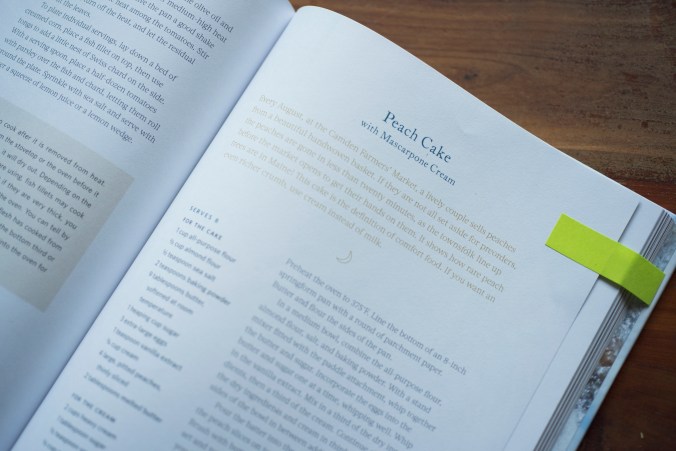
Peach Cake Cook Book.jpg

Not long ago, this cookbook crossed my path, and it is pure and simple and lovely. As a professional chef, I know that most cookbooks are used by home cooks, and therefore I am infuriated (not too strong a word) by gorgeous, glossy, overproduced cookbooks with fabulous photos where the recipes don’t actually work. Home cooks, especially those just starting out, don’t need perfect photos of airbrushed superstars (or blog stars) happily munching on avocado toast. What they need are clear, easy to-understand recipes that have been tested many times, in many kitchens (preferably home kitchens), with variable equipment. And possibly not all of the correct ingredients.

Peaches Garden.jpg

The last of the season’s stone fruit. 

Annemarie Ahearn has been cooking and farming on her family’s property overlooking Penobscot Bay, Maine, since 2009. As she says,

“I had not moved to Maine on a whim. My plan was to open a cooking school for home cooks and teach people how to grow a kitchen garden. The mission of the school aligned with my personal ambition, which was to fundamentally change my daily routine. City life, while rich with professional opportunity, did not feed my soul in the way that I was hoping a more rural life would. And what better place to experience nature than on a farm, nestled between the mountains and the sea? So many skills that my grandmothers and generations prior to theirs possessed I did not know the first thing about. Chopping wood for warmth, putting up preserves for winter, catching a fish for dinner and raising laying hens for eggs were all efforts that I wanted to experience firsthand.”

The book is broken into twelve menus, appropriately themed to the twelve months of the year. Her recipes are simple, seasonal and easy to follow, and every single one pays homage to the land above all else. I can’t get the quality of Maine lobster that she has, nor fresh periwinkles, but there are plenty of recipes here that could easily be made across the country, depending on the season. We haven’t been to Salt Water Farm (yet), but we feel a definite kinship between the cooking and farming life Annemarie has forged for herself on Maine’s rocky, windswept coast and the cooking and farming life we want to build at Quiet Farm, wherever that may be.

Tomatoes Green.jpg

Please ripen before first frost hits…

I’ll be completely honest and say that I’m a little late on this post, but truly that’s only because I was (im)patiently waiting for our tomatoes to ripen so I could make a glorious summer salad. Salt Water Farm has a short growing season too; they treasure their warm-weather peaches, tomatoes and corn just as we do at nearly six thousand feet in the Rocky Mountains. You work with what you have.

Lovage G&T.jpg

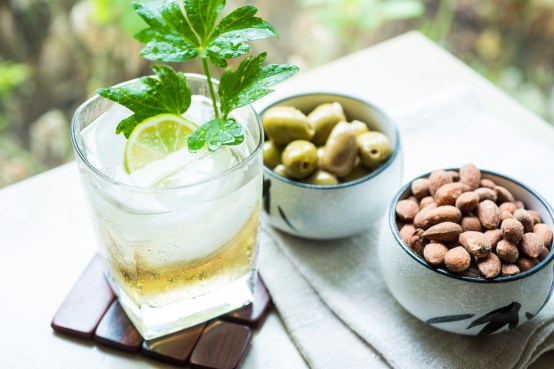
Cocktail hour is my favorite hour!

Each of the twelve menus in Full Moon Suppers starts with a paired beverage. N and I really only partake of gin-and-tonics in summer; they seem to suit the weather so well. I’ve seen a couple of recipes this summer encouraging the use of lovage in a simple syrup to add to G&Ts or sparkling water; since I have an abundance of lovage that I leave for the bees every year, I thought I might as well use it. The syrup is truly simple: combine two cups water, two cups sugar and bring to a boil. Add eight cups roughly chopped lovage, remove from heat and allow to cool completely while lovage steeps. Strain into a clean quart jar and store in refrigerator. It’s herby, grassy and deeply refreshing, whether in a cocktail or sparkling water. I’m surprised by how much I like it.

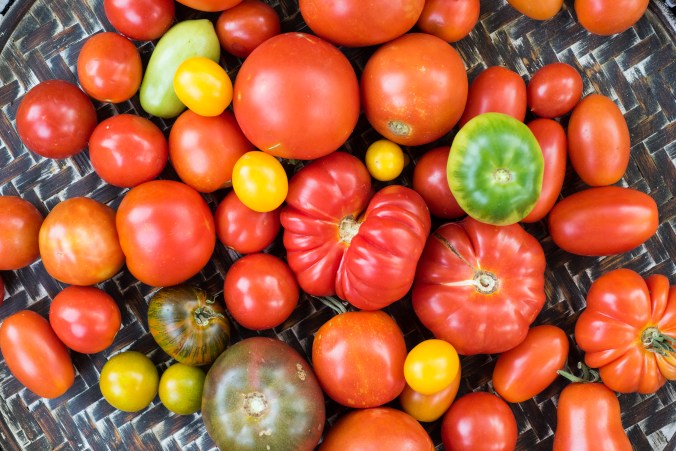
Tomatoes Tray 02.jpg

Tomato Cucumber Salad.jpg

I know that I said previously that once you finally have ripe tomatoes, you should only anoint them with olive oil and salt. But really, you should also find some amazing local sweet corn (I froze all my excess from this event) and some fresh cucumbers and you should make this salad. It has a simple vinaigrette made with lemon and mustard and honey and red wine vinegar, and honestly, it tastes like summer in a bowl. This is not a salad you’d make any other time of the year – only when the ingredients are at their absolute very best. And that window of opportunity is very swiftly closing.

Peach Cake Recipe.jpg

Peaches Tray.jpg

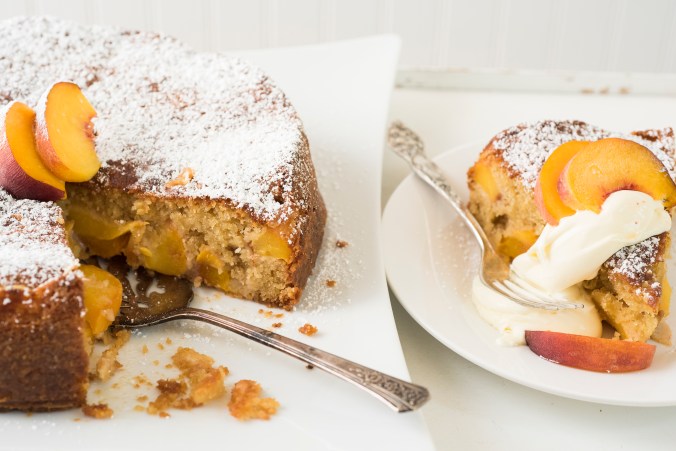
And then there’s the peach cake, although in my world it’s a peach and nectarine cake, plus I added almonds to complement the almond flour and for extra crunch. Oh, and I just served it with mascarpone rather than sweetened whipped cream. (It’s exceedingly difficult for me to follow recipes exactly.) But this one is worth the time and effort, and even though it takes forever to bake, you’ll be rewarded. The butter creates a gorgeous, rich crust, but the interior is as soft as a dream. And this would work beautifully with home-canned peaches, too, should you be so inclined, so you can make it more than two months of the year.

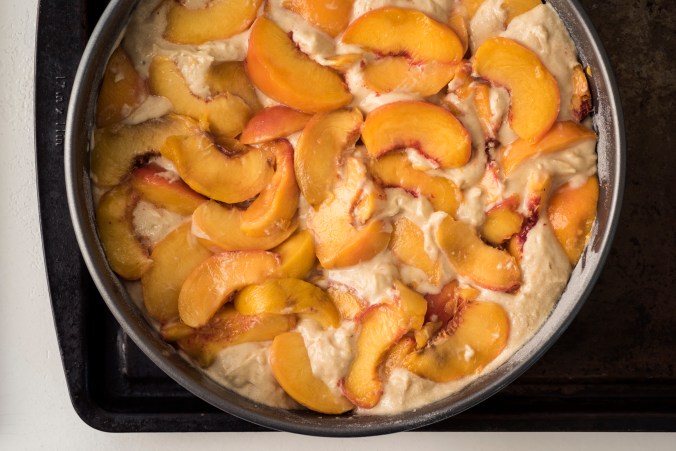
Peach Cake Uncooked.jpg

Peach Cake Cooked.jpg

Peach Cake.jpg

Peach Almond Cake with Mascarpone

Chef’s Notes: As mentioned above, I included 1/2 cup slivered almonds in the batter; incorporate these with the dry ingredients in the first step. I used a combination of ripe peaches and nectarines, and I served the cake with just a dollop of this plus additional sliced fresh peaches and nectarines on the side. No additional alterations are needed to bake this cake in the Denver area, although above 7,000 feet you may wish to make adjustments. This cake counts as breakfast, in case you’re wondering.

For The Cake

  • 1 cup all-purpose flour
  • ½ cup almond flour
  • ½ tsp. sea salt
  • 2 tsp. baking powder
  • 9 tbsp. unsalted butter, softened to room temperature
  • 1 heaping cup sugar
  • 3 extra-large eggs, at room temperature
  • 1 tsp. vanilla extract
  • ¾ cup cream
  • 4 large, pitted peaches, thinly sliced
  • 2 tbsp. melted butter

For The Cream

  • 2 cups heavy cream
  • 1 tbsp. sugar
  • ½ tsp. vanilla extract
  • ½ cup mascarpone
  • confectioner’s sugar for dusting
  

Directions

Preheat the oven to 375°. Line the bottom of an 8-inch springform pan with a round of parchment paper. Butter and flour the sides of the pan.

In a medium bowl, combine the all-purpose flour, almond flour, salt and baking powder. With a stand mixer fitted with the paddle attachment, whip together the butter and sugar. Incorporate the eggs one at a time, whipping well. Whip in the vanilla extract. Mix in a third of the dry ingredients, then a third of the cream. Continue alternating the dry ingredients and cream in thirds, scraping the sides of the bowl in between additions.

Pour the batter into the prepared cake pan. Spread the peach slices on top and press them into the dough. Brush with melted butter. Bake for 1 hour, or until the cake has set and turned golden on top. The cake is done when you insert a toothpick into the center and it comes out clean. Allow to cool on a rack; serve slightly warm or at room temperature.

Using your stand mixer fitted with a whisk, whip the cream with the sugar and vanilla extract until soft peaks form. Fold in mascarpone.

Serve slices of cake on individual plates with a generous spoonful of cream and a dusting of confectioner’s sugar on top.

(All recipes reprinted with permission from Full Moon Suppers at Salt Water Farm by Annemarie Ahearn and published by Roost Books, but the photographs are N’s!)

The FAQ Series: Salt

We’re starting a new thing over here at Finding Quiet Farm: the FAQ Series. This programming will be based on the most common questions I’ve been asked over nearly a decade of teaching cooking classes to thousands of people; hopefully you’ll learn something and improve your own cooking. Let’s kick this show off right with the number-one question I hear: “How can I make my food taste more like restaurant food?”

Salt Crystals 01

The iconic pyramidal crystals of Maldon salt, harvested off the coast of England.

Pose this question to any professional chef, and the answer will be the same: learn how to use salt properly. (Just to quell the suspense, the second most popular question is “What sort of salt should I use?”)

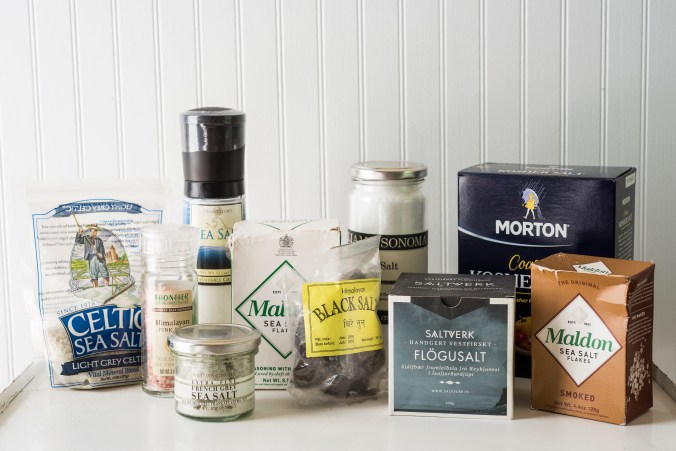
Salt Selection.jpg

I don’t find it at all unreasonable that I have more than ten varieties of salt in my kitchen…except I only use two. You don’t need this many.

Learning how to season food properly – and specifically, how to use salt – is what separates mediocre cooks from amazing cooks. Whether in a restaurant or at home, salt is far and away the single most important component after the raw ingredients themselves – you can get by without almost anything else, but nothing (savory, at least) tastes good unless it’s been properly salted. And most sweet things need a little salt too, for balance. (Looking at you, salted caramel.)

Salt is the only rock we eat, and it’s vital to our health. It’s been prized for thousands of years throughout the world; Roman soldiers used to be paid their monthly wages in salt, hence our word salary. Salad, too, originates from salt since the Romans salted their greens. The Bible carries dozens of references, including salt of the earth and pillar of salt. Someone without esteem is not worth their salt. Simply put, it’s essential to our survival.

Salt Flats

The salt flats in Bonaire.

Salt is actually composed of two minerals, sodium and chloride. It’s produced either through mining deep deposits in the earth, or through solar evaporation. Most standard table salt is heavily processed and includes both added iodine (as a public health measure) and anti-caking agents to keep it free-flowing. Sea salt is, as you might expect, evaporated from seawater; fleur de sel is the crunchy, delicate top layer of sea salt and is typically used as a finishing salt. There are no health benefits to sea salt, despite a marketing campaign designed to make you think otherwise, but chefs don’t like the intensely chemical taste of iodized salt. We also use so much of it that we can’t spend our entire budget on fancy sea salts. We love coarse kosher salt.

Kosher Salt.jpg

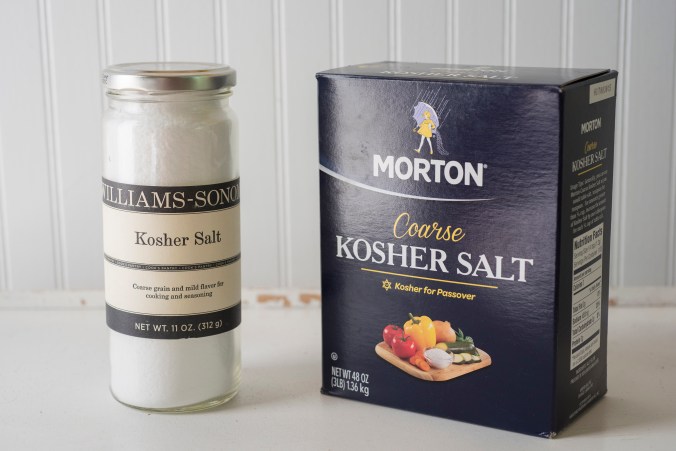
So 11 ounces is less than 48 ounces but the bottle costs $12.95 and the box costs $2.99? I sense a swindle.

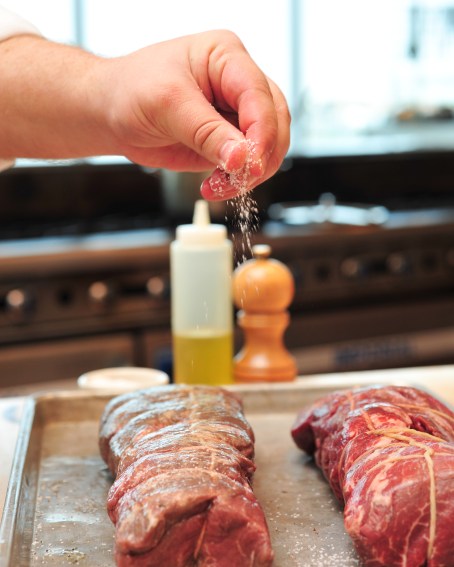
The term kosher just means that the crystals are larger and therefore more effective in drawing blood out of meat after it’s been slaughtered, in keeping with kosher tradition. Chefs love it because we use our fingertips to pick it up; most of us have those measurements so carefully calibrated that we’re more accurate than a set of teaspoons. All you need in your kitchen is a box of coarse kosher salt, poured into a small dish and set near the stove, plus a finishing salt like Maldon, whose large pyramidal crystals offer a satisfying crunch and burst of flavor when used properly on top of caramels or fresh ricotta with peaches on crostini or a beautifully seared steak. Don’t ever waste your finishing salt in pasta water or in baking recipes, and don’t ever pay $12.95 for the branded bottle on the left when the box on the right is the exact same thing, contains more than four times as much and costs $2.99.

Salt Dishes.jpg

It’s the only rock we eat…and it’s gorgeous. And delicious. And necessary.

Like our newfound obsession with the mysterious gluten, however, we’ve gotten our relationship with salt all wrong. The American Heart Association and other major medical organizations have shouted for years that Americans consume way too much salt and that it is a leading cause of high blood pressure, diabetes and other lifestyle-related diseases. The Mayo Clinic claims the average American consumes about 3,400 milligrams of salt each day, while the recommendation is 1,500 milligrams or less.

We avoid using salt the few times we do cook at home – that’s the salt we can control – because we’re so scared of it, and as a result our food is bland and tasteless. So we go out, or buy premade foods, because they taste better. Unfortunately, we get the vast majority of our salt (and our sugar) from these processed foods, including the ones we don’t even think about: sliced bread. Salad dressing. Bottled spaghetti sauce. Pastries. And obviously, any fast food will be loaded with salt. A single Egg McMuffin contains over 700 milligrams of salt – good luck staying under that 1,500 milligram mark if you eat fast food. Salt is a flavor enhancer, but more importantly for the processed food industry, it’s a preservative.

Kosher Salt Seasoned

I’ve taught numerous cooking classes where I’ve added salt to a dish and acknowledged gasps of horror at the quantity I’m using. Please, trust me on this: if you are eating most of your meals at home, cooked from fresh, healthy, whole foods and not from boxes and packets, and if you avoid processed foods like bottled salad dressings, take-out pizza, commercial lunch meats and cheap sliced sandwich bread, you don’t need to worry about adding salt when you cook. You’re already way ahead of the game.

Salt Book.jpg

You only need two salts: one for finishing, on the left, and one for everything else, on the right. Oh, and read that book.

How can you become more proficient about using salt? Taste your food. Taste it before you add salt, and after. Slice a fresh summer tomato and eat it without any salt. Now take another slice, sprinkle it with crunchy Maldon, and taste it again. Cut a steak in half, and cook it exactly the same, but use salt on one portion and not on the other. Your pasta water should taste like the sea, according to Italian grandmothers everywhere, and you should never cook beans or rice or vegetables or grains in unsalted water. Seasoning should be done in layers, as you build a dish, rather than just dumping a bunch of salt on at the end. Taste and taste again. Salt should never make food taste salty, it should make food taste more like itself; it’s designed to enhance food, not to overwhelm it. Restaurant food tastes delicious – and ideally not salty – because those amounts are carefully calibrated.  And because chefs have spent years learning how to season.

CCA-11.jpg

Learning to cook well at home is a process, as I’ve mentioned many times. And learning to season is part of that process, just like learning your own palate. Remember those famous words: “salt to taste.” So go get a box of kosher salt, and start using it. With your fingertips, please.

Salt Crystals 02.jpg


On bread (and gluten)

It is not hyperbole to state that wheat is the reason human civilization exists today. As always, Michael Pollan says it best:

“Compared with earlier and simpler methods humans have devised for turning plants and animals into foods – the roasted chunk of meat, say, or pot of stew, either of which an individual or small group can pull off – a loaf of bread implies a whole civilization. It emerges only at the end of a long, complicated process assuming settlement and involving an intricate division of human, plant and even microbial labor. In addition to an agriculture and a culture of milling and baking, the loaf of bread depends on a nonhuman culture as well: it won’t rise without the active contribution of some highly specialized living creatures besides the baker, the miller and the farmer. Few things are as ordinary as a loaf of bread, yet the process by which it is made is extraordinary – and still something of a mystery even to those who study it or practice it every day.”
Bread Loaves.jpg

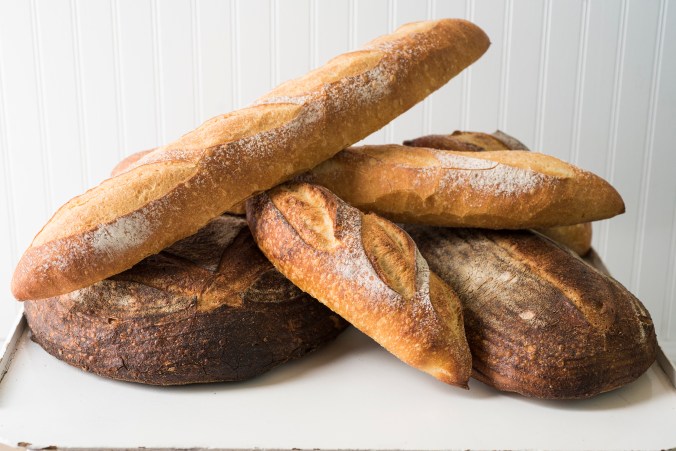
Nom nom nom.

That last sentence says it all: it’s ordinary, it’s extraordinary, and it’s a mystery, even when you do it every day. Is it any wonder people refer to baking bread as a religion?

It’s impossible to put into words how much I love good bread. I’d much rather eat bread than just about any dessert. With olive oil, with cheese, perhaps homemade jam or backyard honey, a thick smear of salted butter or just on its own, well-made bread is one of life’s great edible pleasures. Like Mr. Pollan, I particularly adore rustic breads with rugged, crunchy crusts that are thisclose to burned and conceal a “soft, custardy interior.” Many people don’t like this type of bread; they think the outside is cooked too much while the inside isn’t cooked enough. But as we know, one of the many magical pleasures of cooking at home is that you get to make things exactly the way you like them.

Bread Bowl-01

My namesake grandmother’s bread bowl and one of my most treasured possessions.

Before we left on our round-the-world trip, when I was stressed and overwhelmed with all the things that needed to be done, I wrote a short post about baking bread. I honestly think it’s one of life’s most cathartic activities, and when you’re done with your cheap therapy you’re rewarded with a loaf of homemade bread. What I’m trying to understand nowadays is why we’ve so wholeheartedly rejected a truly time-honored and pleasurable task. It seems unreasonable to mourn bread when there are so many other things to mourn in the world right now, yet over the past decade, very few foods have been as maligned as the humble loaf of bread. More accurately, it’s rare that we collectively have found something to vilify on the scale that we’ve vilified wheat.

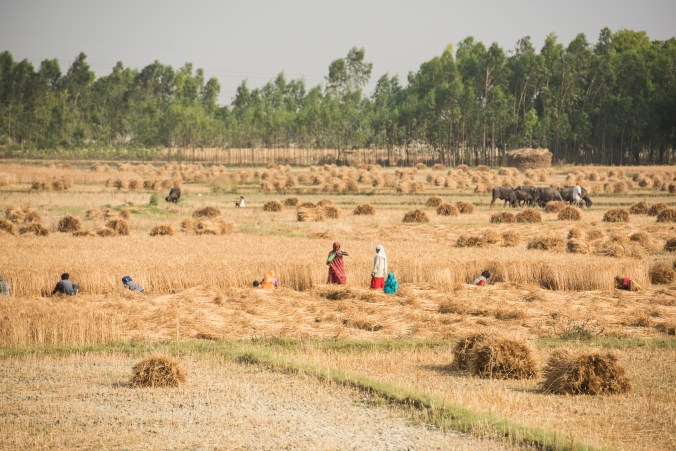
Humans have been eating wheat for about ten thousand years. Wheat represents one-fifth of all the food consumed worldwide, and it’s also the world’s most important source of non-animal protein. Its production surpasses every other grain, including rice and maize, and it can be grown almost everywhere on the planet. Human civilization as we know it would not exist without wheat and all the agricultural settlement that goes along with its production, processing, storage and conversion into digestible foodstuffs.
Wheat Field.jpg

Wheat fields in India.

Gluten is a protein that occurs naturally in wheat as well as other grasses such as rye, triticale and barley. Gluten is one of the primary factors responsible for that amazing chew we get in pizza crusts and breads; softer baked goods, like flaky pie crusts and tender cakes, don’t perform well with high-gluten flours. The type of wheat, i.e. soft spring or hard red winter, determines the amount of gluten in the final flour.

Despite its importance, about 20% of the U.S. avoids gluten; numbers are increasing in the UK, Australia and other Western countries as well. Chefs and other food and nutrition professionals have questioned (both covertly and openly) why everyone has suddenly gone gluten-free. A very small percentage of the population – less than 1%, depending on which sources you choose to believe – has celiac disease, which makes digesting gluten difficult. But it is scientifically impossible for one-fifth of the Western world to suddenly, collectively develop the same allergy or intolerance. It simply can’t happen.

What can happen is for everyone to decide that a gluten-free diet is somehow healthier and – by extension – will help one lose weight with very little effort. People who go gluten-free say they feel better, and that may well be true. If you legitimately feel better eating a gluten-free diet, then by all means, please carry on. But I’d unscientifically attribute “feeling better” to avoiding processed foods, eating more fruits and vegetables and generally being more conscious of your diet, although a gluten-free doughnut is, ultimately, still a doughnut. “Gluten-free” also means profit; sales of gluten-free foods have increased nearly 70% over the past four years, which translates to billions of dollars. The vast majority of gluten-free devotees are middle- to upper-class white women, and savvy food manufacturers know well that there is an enormous amount of money to be made from this market.

YetiCake.1

Chocolate stout cake. Yes, please.

Why have we all decided that gluten is making us sick? Some sources believe that GMOs are responsible, although there is no commercially available GMO wheat. (There are, however, escaped volunteer plants in Washington.) Many say it’s because we’ve hybridized our wheat, though we hybridize a lot of plants. And still others claim that it’s because we grind all of the nutrition out of the wheat to produce white flour, which travels better, stays fresher longer and produces the light, fluffy taste and texture that most people prefer. Once the bran and germ are removed and the flour is enriched, they say, we struggle to digest it.

If I had to choose, I’d fall firmly into the third camp, but I simply refuse to acknowledge that good bread is somehow singlehandedly responsible for the Western world’s catastrophic increase in diabetes, heart disease and other lifestyle-related diseases. Bread isn’t the problem; our entire industrialized, inhumane, chemically-drenched food system is the problem. As usual, though, we’ve chosen one villain to attack because to address the actual issue would be tantamount to admitting that our shockingly profitable agricultural fiefdom – based on cheap corn, soy, and animal protein – isn’t working. We somehow selected gluten, an ingredient most people can’t actually define, and decided that it was to blame for all of our health issues. Plain and simple: I disagree.
CCA-64.jpg

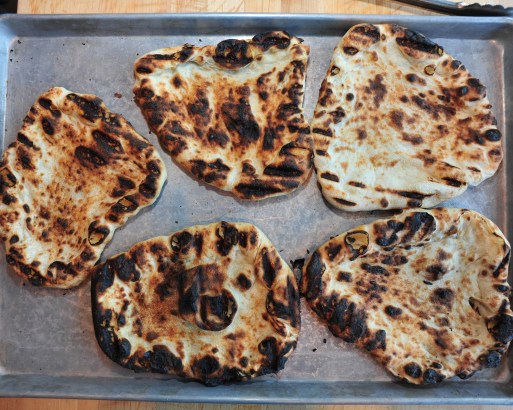
Every single culture in the world has some form of bread.

Ever wondered about what is actually in Wonder Bread? I’ve conveniently assembled the ingredient list here for your consideration: unbleached enriched flour (wheat flour, malted barley flour, niacin, reduced iron, thiamin mononitrate, riboflavin, folic acid), water, high fructose corn syrup, yeast, contains 2% or less of each of the following: calcium carbonate, soybean oil, wheat gluten, salt, dough conditioners (contains one or more of the following: sodium stearoyl lactylate, calcium stearoyl lactylate, monoglycerides, mono- and diglycerides, azodicarbonamide, enzymes, ascorbic acid), vinegar, monocalcium phosphate, yeast extract, modified corn starch, sucrose, sugar, soy lecithin, cholecalciferol (vitamin d3), soy flour, ammonium sulfate, calcium sulfate, calcium propionate (to retard spoilage).

Do you even know what most of these words mean? Can you buy those ingredients (separately) in your local grocery store to assemble your own homemade version of Wonder Bread? The simplest bread made at home contains four ingredients: flour, salt, yeast and water. No commercial yeast, even, if you’re using a wild starter. Review that ingredient list above once more. I don’t deny that we’re pretty sick, but we cannot logically blame gluten.