The FAQ Series: Tomatoes

People think of tomatoes as a summer crop – as in June and July summer. And perhaps you live in a Magical Land of Elves and Unicorns (hello, Florida and southern California!) where field-grown tomatoes are available virtually year-round. Here in western Colorado, however, field-grown tomatoes don’t come on strong until August and September – but of course all the food blogs and magazines are telling us that it’s now time for apple cider and winter squash and pumpkin spice everything. It’s a confusing period, this shoulder season.

heirloom-tomatoes-05-sml.jpg

Seed packets offer plenty of information – and if it’s an heirloom, they’ll be sure to mention it.

There is no debate that tomatoes are the star of the garden. They’re by far the most popular crop for home gardeners as well as the biggest seller at farmers’ markets, and more tomatoes are grown each year than any other fruit in the world – including apples and bananas. There are more than twenty thousand known varieties of tomatoes, and new cultivars are developed every year.

Like the word organic, the word heirloom gets thrown around a lot in reference to tomatoes. But what is an heirloom tomato, exactly? And why do they cost five dollars a pound?

Continue reading

Farm update: April 8

QF Purple Flowers 01 sml

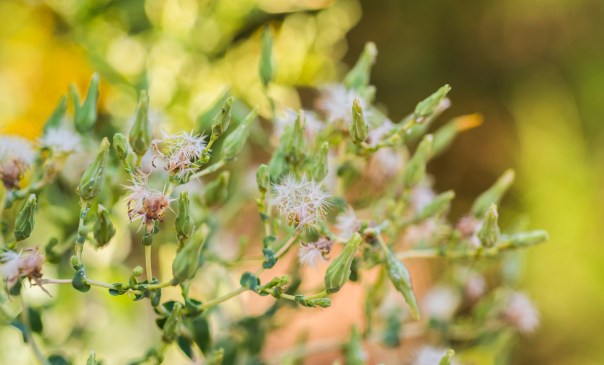
The hills are alive…with weeds! But we call them “wildflowers.”

The snow is finally gone at this elevation, even though plenty can still be seen on the mesa. Our pasture is coming back with a vengeance, and we spend our days walking the land, looking at what plants are coming up and trying to decide whether they’re helpful or harmful to us. Since we bought Quiet Farm at the end of a blistering summer in the midst of a hundred-year drought, pretty much everything was crispy and dormant. We hadn’t yet determined what bushes and trees might survive, and what would need to be removed. We’re giving everything a generous opportunity to stage a spring comeback before we tear it out.

Continue reading

Sowing the seeds

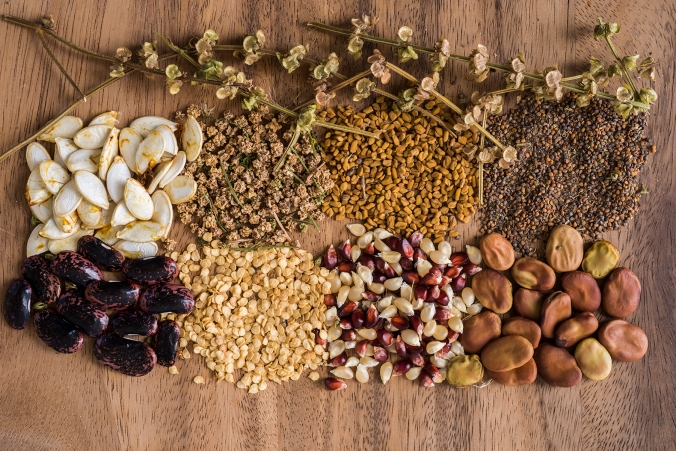
As recently as three or four generations ago, the vast majority of seeds planted in home gardens were saved from year to year. Gardeners learned what plants thrived in their unique microcosm, and they might have saved seeds from the earliest beans, or the largest cucumber, or the most delicious tomato. Season after season, these saved seeds protected plant diversity, acted as a hedge against famine and in many cases were so treasured that they were sewn into hems of immigrants’ clothes when they traveled – voluntarily or not – to new lands.

Seeds 02 sml

A few samples from the Quiet Farm seed bank.

Now, we think nothing of buying seed packets every growing season. Wintertime brings glossy seed catalogs to the mailbox, filled with mouth-watering descriptions of intensely flavorful tomatoes, trendy kalettes, or spicier peppers. We page through these during the dark, cold days, eagerly anticipating the chance to get our hands in the soil once again, and often we order much more than we need. Most home gardeners have a wealth of seeds left over from previous years, and even this abundance doesn’t stop us from buying just a few more. They’re just tiny packets, we reason. A few more couldn’t hurt.

Continue reading