The past two months have exposed a great number of frailties in systems we’ve long taken for granted. From child care to health care, we’ve learned firsthand that most – if not all – of our societal structures are built on debt-ridden quicksand. Nowhere has this fragility been more apparent than in our food supply, long the envy of less-developed nations.

Mmmm…meat in tubes. Delicious.
If you’ve ever traveled in the Caribbean or Africa or Asia – really, anywhere outside of the U.S. and Europe – you know that a standard Western grocery store is a thing of miracles. The glossy, perfect produce, appealingly stacked in lush displays. With artificial thunderstorms! Acres of cold-storage, displaying hygienically shrink-wrapped packages of beef, pork, chicken and fish, none of which resemble the animal they once were. The deli abounds with cheeses and olives and overflowing dishes of prepared foods, enticingly displayed on beds of ornamental kale. Aisle upon aisle of boxed mixes and snack foods and sodas and candy and cookies and chips, plus thousands of cleaning products and toiletries and other various and sundry items, all brightly-colored and stocked in abundance. A standard Western grocery store never has bare shelves, because that violates its very reason for existing – that we have so much, we can replenish each item before it’s even made its way to the check-out.
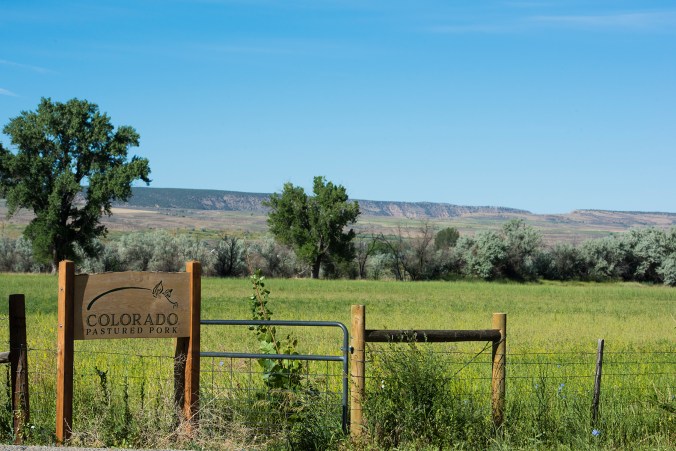


 Finding Quiet Farm