To market, to market

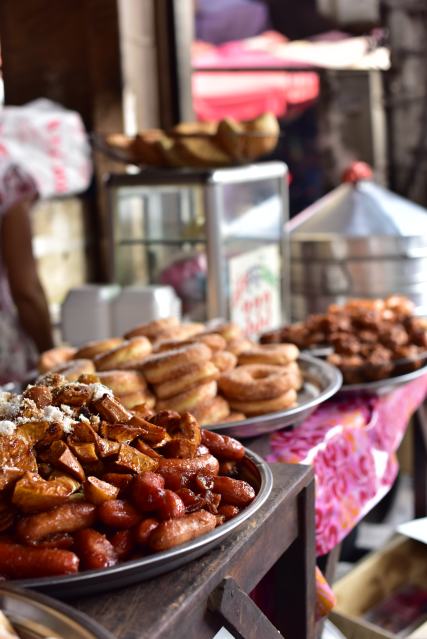
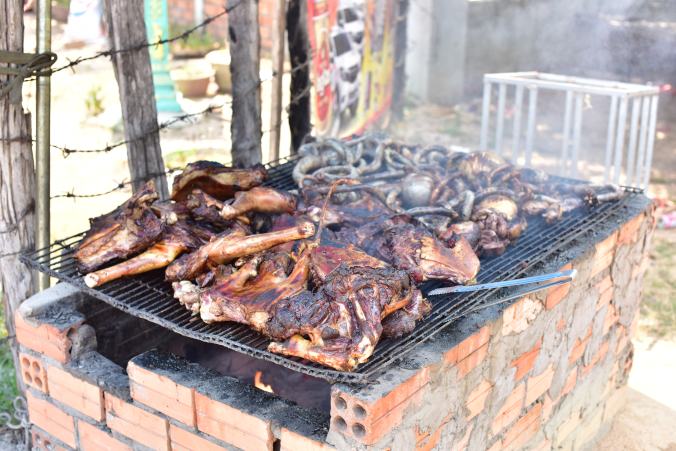
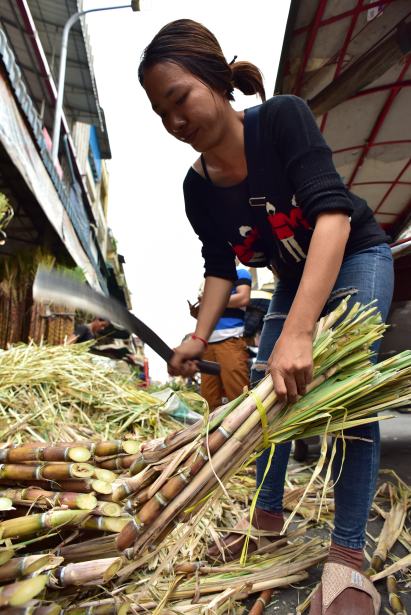
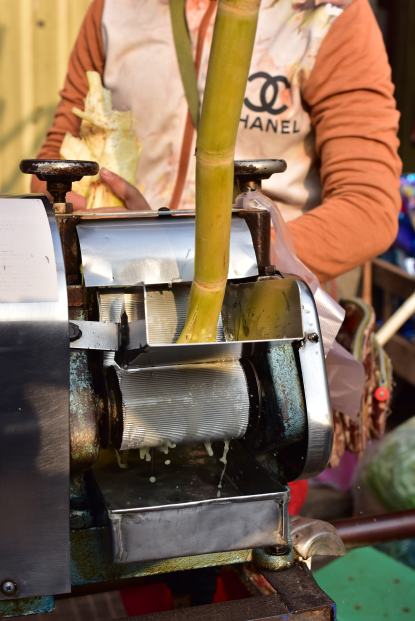
For a chef and a photographer, traditional food markets are a wonderland. We visit markets whenever possible and do our best to capture the scents, sounds and tastes through our words and photos. These markets are often messy, fragrant, hot and noisy, to say the least, but they capture a place and its people the way few other tourist attractions do.

P.S. If you’re in the Denver area, I’m teaching an incredible cooking class on exploring ethnic markets in June at the Botanic Gardens. Learn more here!

NJB_2489.JPG

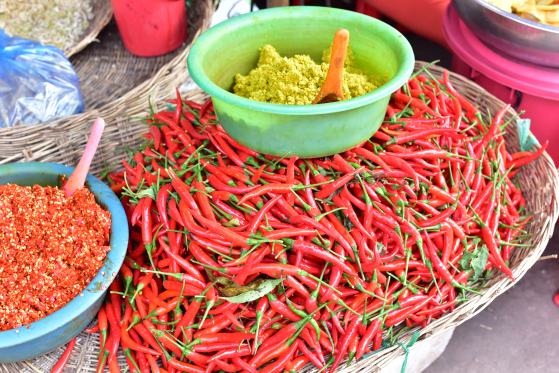
Chile paste, fresh chiles and ground turmeric.

NJB_2513.JPG

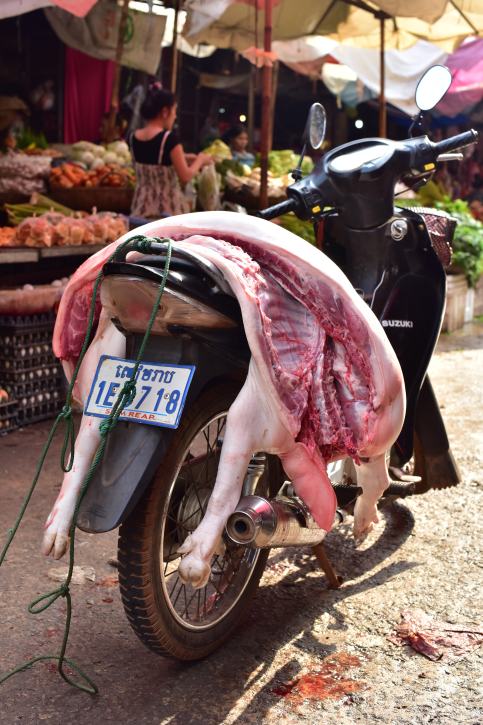
This little piggy went to market…

NJB_3271

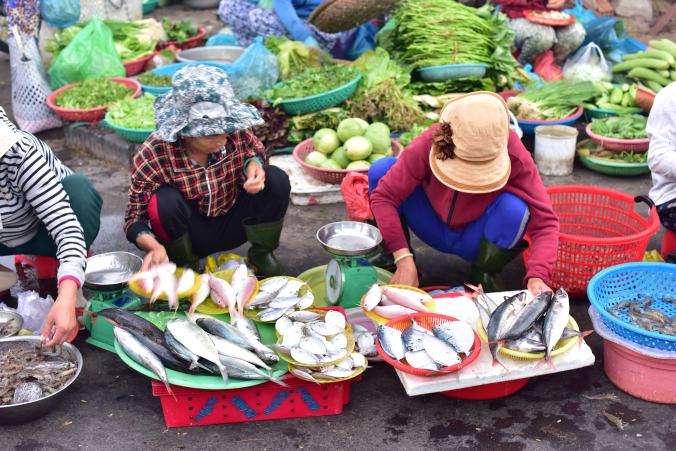
The morning fish market in Hoi An.

NJB_2504.JPG

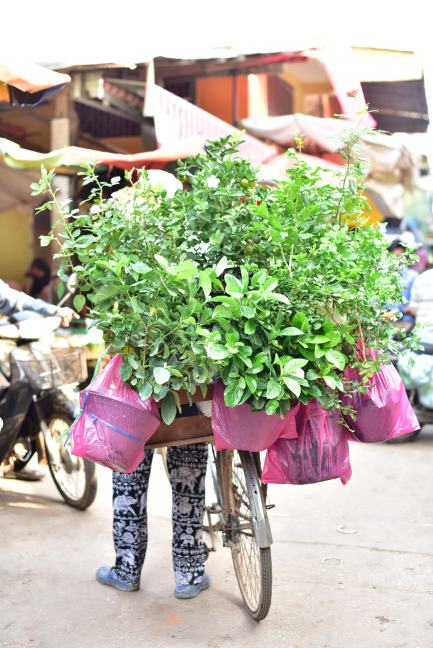
Fresh herbs, delivered by bicycle.

NJB_2491.JPG

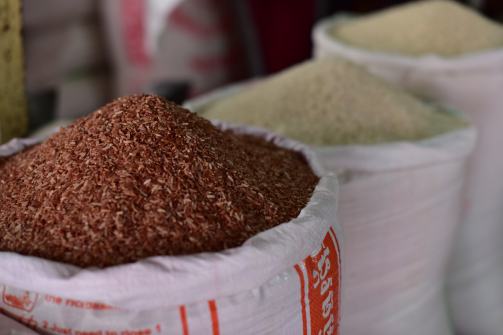
Rice is the staple food for more than two-thirds of the world’s population, unsurprisingly, there is a lot available for purchase here.

NJB_2510.JPG

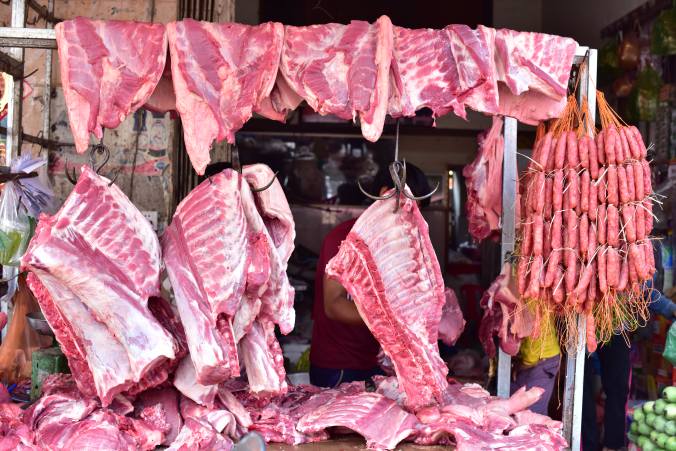
Know where your meat comes from.

NJB_2317.JPG

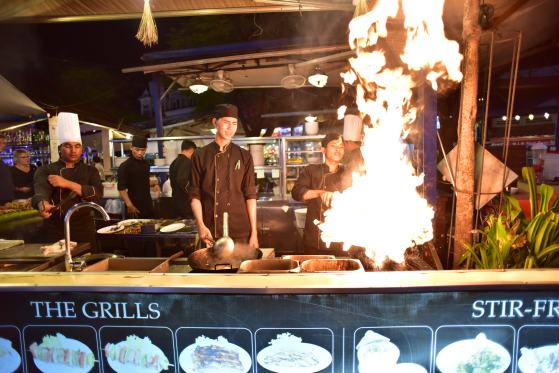
Siem Reap’s famous Night Market.

NJB_2503

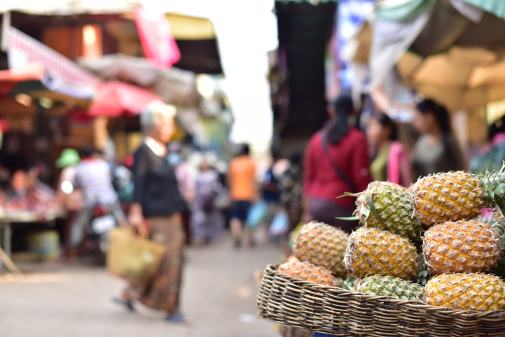
Fresh pineapples are often sold peeled and cut for an easy to-go snack. 

NJB_2472.JPG

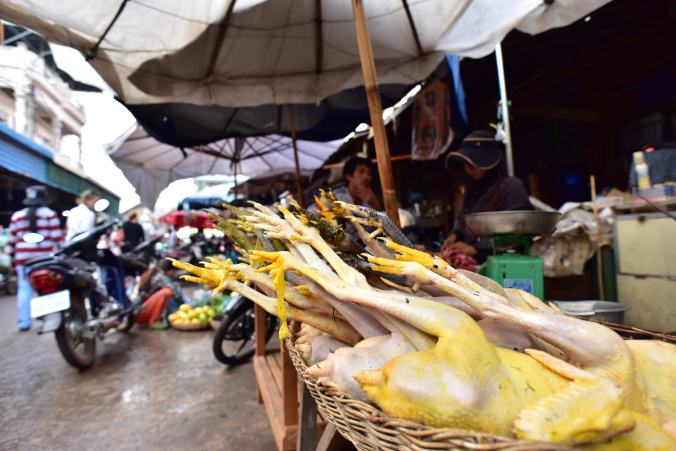
The “blackfoot chicken” is just one of the many poultry options available. Every conceivable type and size of bird is eaten here.

NJB_2763.JPG

Lots of unusual fruit varieties that I’ve never seen before!

NJB_2500.JPG

This is what chefs mean when they talk about “nose-to-tail” cooking.

NJB_2477.JPG

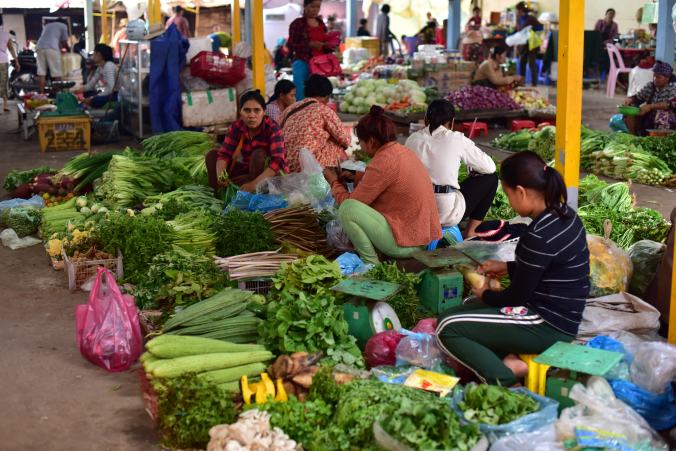
Most markets we’ve seen are conducted primarily on the ground.

NJB_2519.JPG

This is not the gluten-free section.

NJB_2493

Spices ready to blend into fiery curry pastes.

NJB_2306

NJB_2304

Markets in southeast Asia aren’t just for food; Cambodia and Vietnam produce a great deal of the world’s “fast fashion,” typically in abysmal working conditions.

NJB_2507.JPG

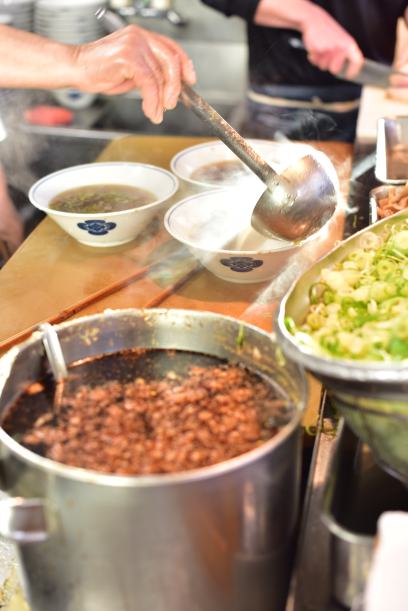
Everything you need to garnish pho.

Needless to say, I’m looking forward to cooking again when we get home!


How things are made

Hi! We’re in Cambodia! Adjusting to southeast Asia’s extreme temperatures (currently 96°F with 43% humidity) after New Zealand’s temperate climate has been a bit of a shock, but we’re adapting. The key? Drinking plenty of water and a hotel with a pool. Plus, no heavy-duty touring activities (like dusty temples) between the intense hours of noon and 5PM. One must take good care of oneself when traveling.

NJB_2321.JPG

$29 a night gets you quite a bit of luxury in Siem Reap.

One of the benefits of traveling in less developed countries like Cambodia is often the opportunity to see things being made by hand that are almost always created by machine elsewhere. We participated in a tour that took us through small villages outside of Siem Reap where we had the chance to see incense, rice noodles, and tofu, among other things, all crafted by hand.

NJB_2608

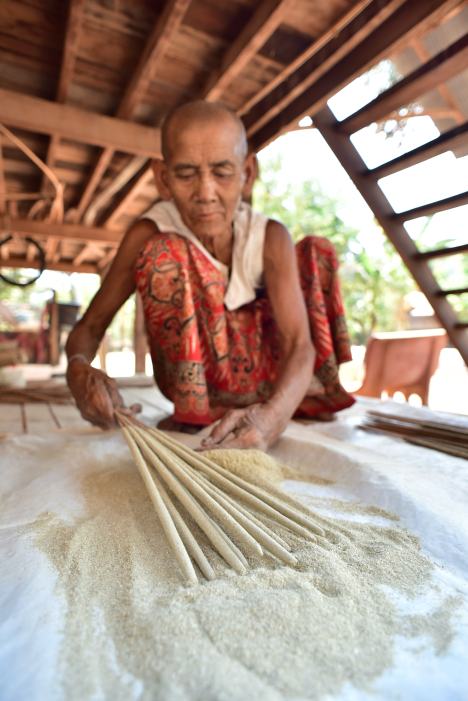
This incredible woman has been making incense sticks since she was 15. She’s now 76.

NJB_2614

Scented bark, used as the base for the incense sticks.

Bark and other raw materials for the incense are collected from the surrounding area, then sifted and made into a paste with water. The paste is rolled around bamboo sticks, dusted and dried in the sun.

NJB_2609.JPG

61 years of making incense by hand might be the embodiment of mastering one’s craft.

NJB_2620

Dusting the incense sticks before they’re left to dry in the sun.

NJB_2613.JPG

The finished incense sticks are collected into bundles and sold at the market for ceremonial use at altars such as the one below.

NJB_2558

An altar at a village pagoda.

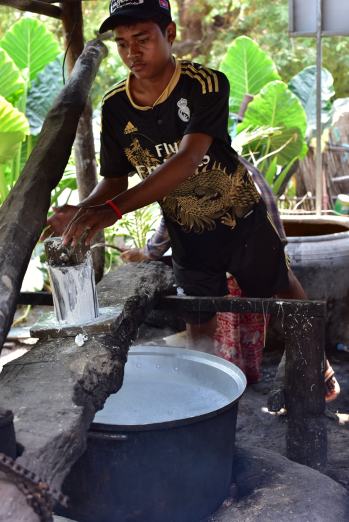
We stopped at a home in a village outside of Siem Reap where fresh rice noodles are made. As with most of the homes we visited, this business is a family affair, with everyone participating in the household’s livelihood.

NJB_2583

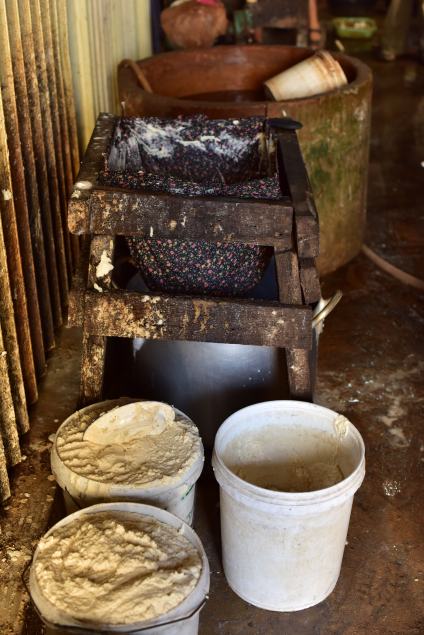
The dough for these noodles is simply finely ground rice and water.

NJB_2592

This contraption uses the well-known engineering theory of “playground seesaw” to knead and pound the dough in shallow pans.

NJB_2577

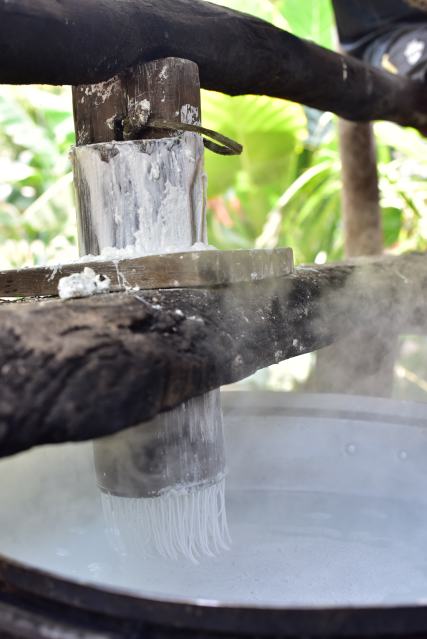
The noodle dough is placed in the cylindrical press and tamped down with a wooden plunger.

NJB_2584

The boy wasn’t heavy enough to weigh down the press, so another family member joined in.

NJB_2580

Noodles gently dropping into their hot bath.

The family’s press is a simple yet ingenious human-weighted device that forces the thick, dense dough through a metal sheet pricked with tiny holes, creating the thin noodles. The noodles are quickly cooked in boiling water, then removed and drained.

NJB_2590

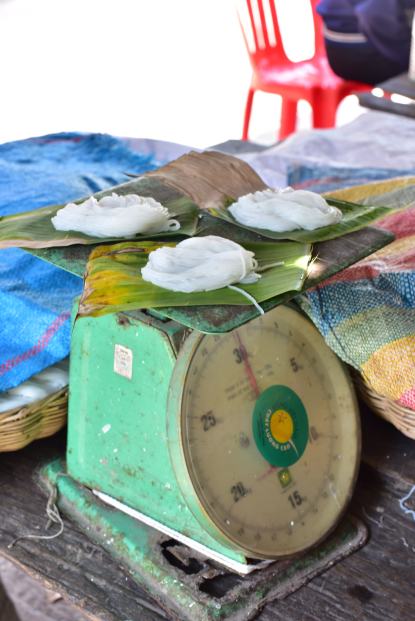
Bundles are carefully weighed, although these women are so skilled and accurate that the scale probably isn’t even necessary.

NJB_2576

The noodle bundles are packed in bamboo-lined rattan baskets for transport to the market and local restaurants.

Another stop was a house near Siem Reap’s wholesale market where a local family makes fresh tofu. Batches and batches are made every day and sold at the market or to a multitude of small restaurants. The “production kitchen” is of course also the family’s home.

NJB_2525

The wood-fired stove used for heating the soymilk.

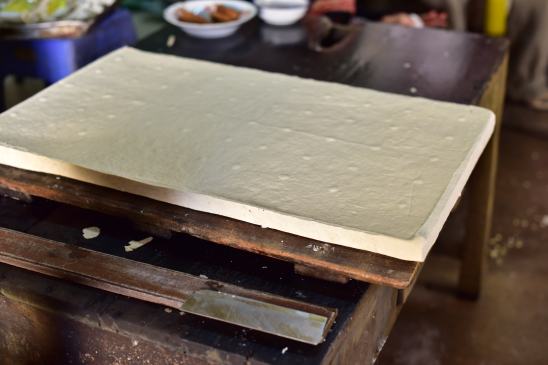
Tofu is made in a manner very similar to cheese: fresh soy milk is heated, a coagulant is added to curdle the milk, and the mixture is pressed to remove liquid.

NJB_2537

The hot soymilk curdles immediately after the coagulant is added. 

NJB_2526

The curd is drained through fabric before being placed in the press.

NJB_2527

The drained curd is placed in a tray and pressed to remove liquid. Note the clever use of a bottle jack!

NJB_2529

Finished tofu.

NJB_2531

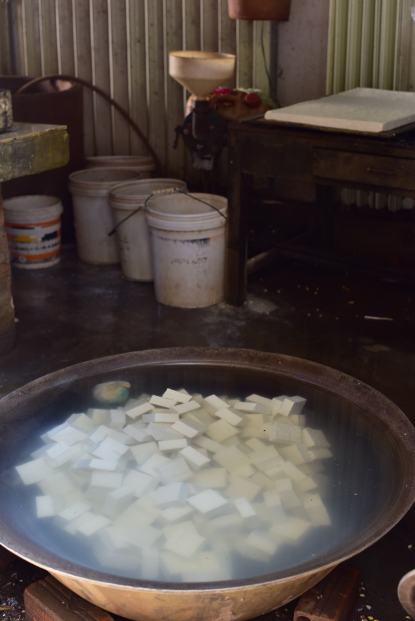
Tofu cubes, ready for sale. Tofu is always stored in liquid (usually filtered water) to keep it fresh and moist. 

If you’re interested in making your own homemade tofu, start here!

Going nuts, vol. 1

When roadtripping in New Zealand in a converted 1999 Ford Transit van with less-than-ideal brakes, there are few things that your partner – who is gamely doing all of the driving – enjoys more than you screeching “Hey! Fresh avocados!” or “Stop! They’ve got pick-your-own strawberries!”, thus forcing him to make dramatic unplanned stops and U-turns, typically on dusty gravel roads with no turning room whatsoever. No, seriously, he loves this! Sometimes, however, you get your act together enough in advance that you can actually plan a visit to a farm, and so it was with our stop at Cathedral Cove Macadamias.
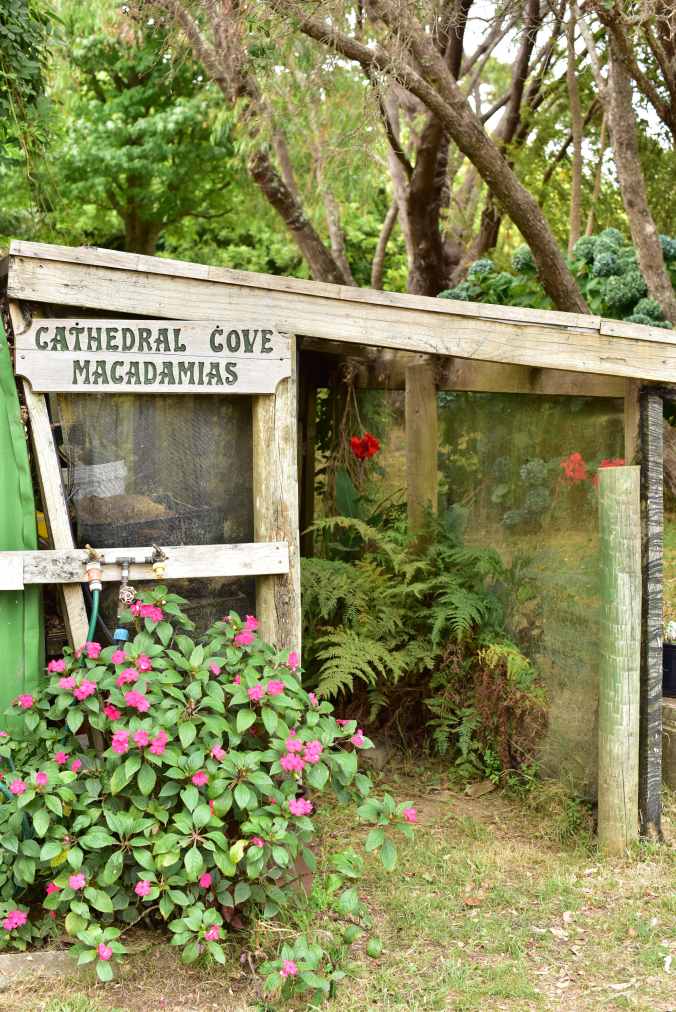
NJB_1177

Cathedral Cove is located on the Coromandel Peninsula, east of Auckland on New Zealand’s North Island. Macadamias, named in 1857 in honor of Scottish-Australian chemist John Macadam, are native to Australia and grown commercially in many of the world’s tropical regions, including Hawaii, South America, Australia and New Zealand.

NJB_1178

Cathedral Cove’s storefront and open-air tasting parlor.

South Africa now produces most of the world’s macadamias, although Hawaii is credited with “introducing” the nut to consumers, specifically with their ubiquitous and smartly-marketed Royal Hawaiian chocolate macadamia boxes which have been given as gifts by travelers returning from Hawaii for decades.

NJB_1182

A few of Cathedral Cove’s mature macadamia trees.

Macadamia trees are propagated by grafting, and they start producing in abundance at about seven to ten years of age. Once established, the trees can produce for over 100 years. They are higher in overall nutrition than any other nut, and they are also typically the most expensive, with the exception of the treasured pine nut.
NJB_1187

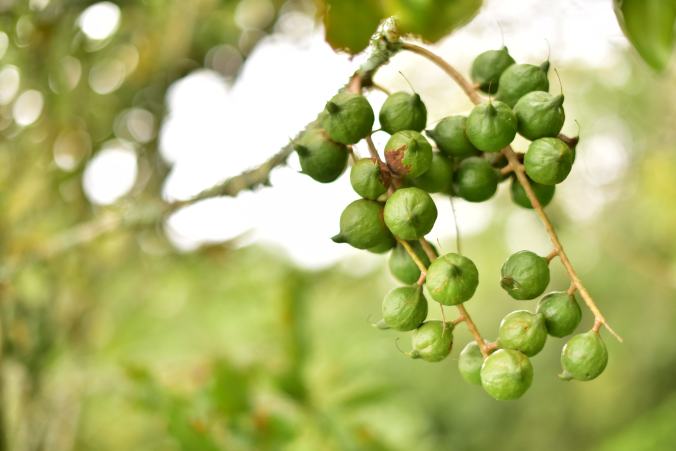
These macadamias will be ready to harvest in April or May. After they’re hulled, they’ll be dried for about six weeks before they’re ready to consume.
NJB_1190

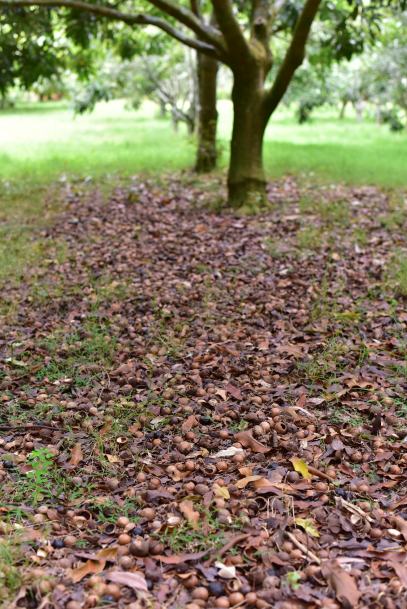
Hulls from the previous year’s crop are used as mulch in the orchard, ensuring that nothing goes to waste.

At Cathedral Cove, the macadamias are processed entirely by hand from start to finish, and they’re also completely organic. The macadamias are sold fresh and roasted, and pressed into oil and made into butter, brittle and other value-added products. In addition to macadamias, Cathedral Cove also grows avocados, figs, apples and a variety of citrus fruits.
NJB_1173

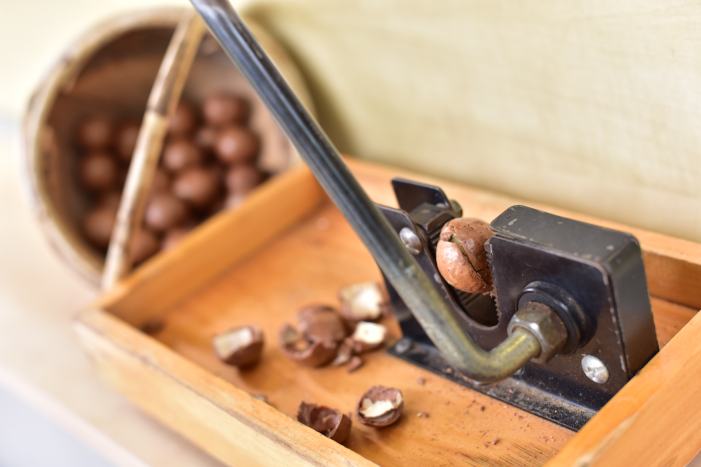
At the little storefront you get to eat as many macadamias as you crack!

NJB_1181

Macadamia oil, best used as a simple, flavorful drizzle over salad or grilled bread. It also works wonders as a hair or skin moisturizer!
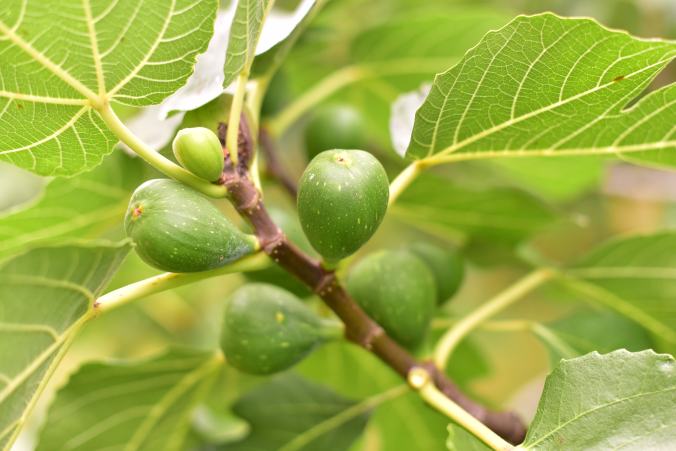
NJB_1215

Fresh figs that were sadly not yet ready to eat when we visited.
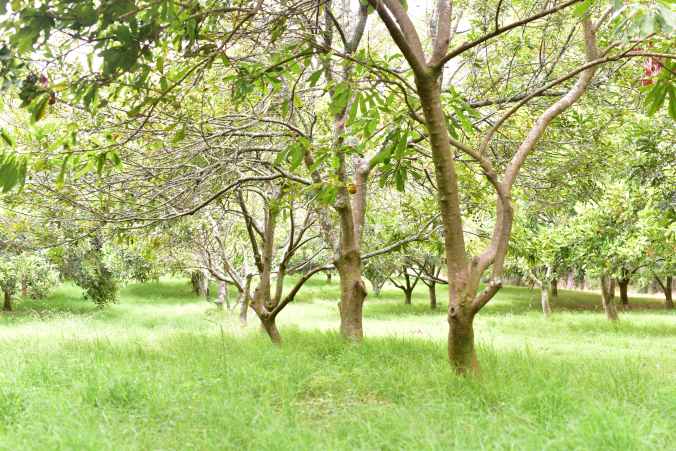
NJB_1191

Cathedral Cove is organic, so no chemical pesticides or herbicides are used in the orchard.

NJB_1188

Bees are absolutely integral to a successful orchard. As at most of the farms we’ve seen, maintaining a healthy pollinator population is essential to a healthy ecosystem.

NJB_1204

We bought avocados to eat with heirloom tomatoes from the farmers’ market…it is summer here, after all.
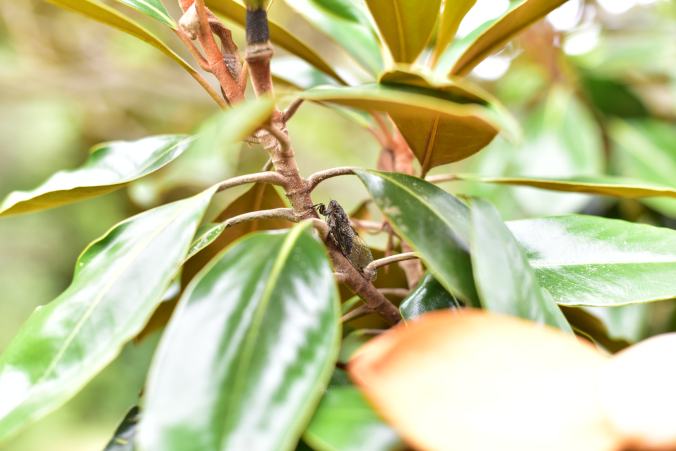
NJB_1199

Look closely…New Zealand’s most vocal yet least seen creature, the cicada, is hiding here.

NJB_1205

One of the many citrus trees on the property.

NJB_1213

Definitive proof that “drinking wine” actually qualifies as “eating fruit.”
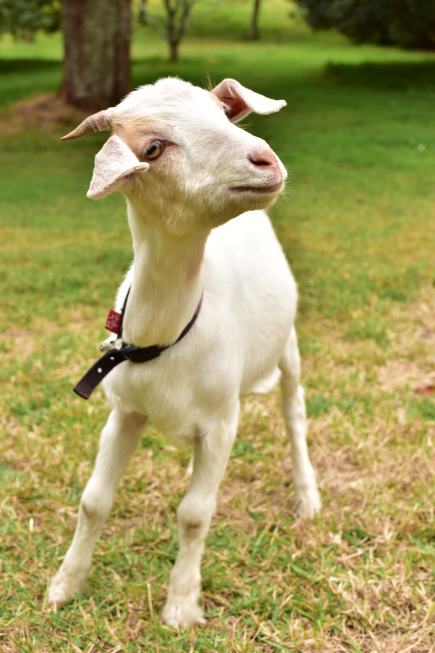
NJB_1203

Meet Willow, one of Cathedral Cove’s organic lawnmowers.

Because macadamias are so delicious (and so precious), they’re best used as a showcase ingredient. As with all nuts, lightly toasting them in a dry pan will bring out their flavorful oils, but tread carefully – nuts burn very quickly. For storage, place in an airtight bag or container in the refrigerator or freezer as the good fats in nuts cause them to turn rancid quickly. Always buy nuts from stores with high turnover (of product, not staff) and whenever possible, smell them before purchasing – rancidity is definitely noticeable. Should you find yourself with a wealth of macadamias, try this. Or maybe this. Or just eat them lightly toasted and salted, perhaps with a gentle dusting of curry powder.

Many thanks to Cathedral Cove Macadamias for welcoming us onto their beautiful property!

Interlude: Cows love Skittles

Friends, we interrupt our regularly scheduled light and fluffy travel programming to bring you a brief interlude on cows. Cows and Skittles, to be precise. If you are here just for fun travel adventures, please feel free to tune out now – this one is about food politics.

Perhaps some of you noticed a little story that a couple of papers ran recently about a Skittles spill on a Wisconsin highway (although I’m painfully aware that there are one or two more significant American news stories to focus on right now). To summarize, a truckload of red Skittles missing their signature “S” spilled onto the road thanks to a rain-saturated cardboard box. When the local sheriff’s department came out to investigate, they discovered that the candy was on its way to be used as cattle feed. Maybe it’s fake news? Now that so much of what we read contains “alternative facts,” it’s hard to know what to believe. (You can read versions of the article here, here and here, and I’m sure there are plenty more.) Feeding food waste to cattle is apparently common practice in the U.S.

Stone Barns-06

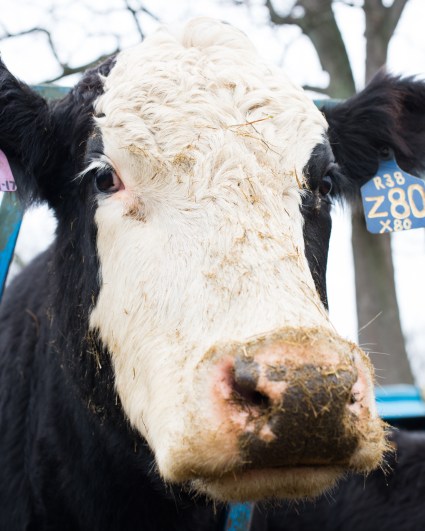
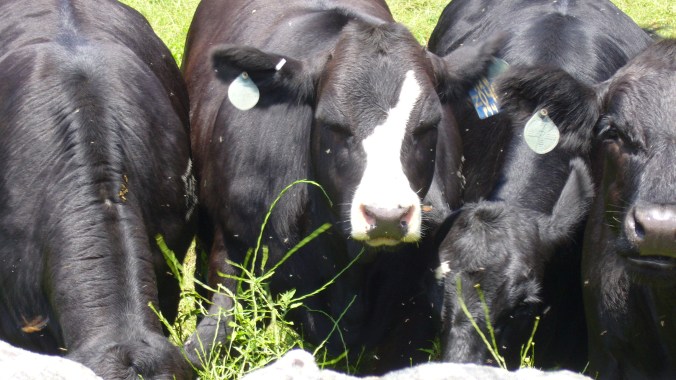
Bessie here actually prefers M&Ms to Skittles, if you want to know the truth.

Back in 2012, the severe drought that swept across the country caused corn prices to skyrocket, and that’s reportedly when the trend of feeding excess food to cattle really accelerated. In some cases, cows were even fed candy that was still wrapped, although a professor of animal nutrition seemed mostly convinced that the wrappers would pass through the cow without issue. I’m in no way a vet or other animal expert, but I imagine that plastic really can’t be good for an animal’s insides – even one as large and tough as a cow.

But wait, you might say. Skittles are mostly just corn syrup, which is just corn, right? And that’s what the cow would be eating if corn prices hadn’t risen so much, so really, what’s the big deal? It’s actually not the Skittles that bother me – it’s all the other stuff we don’t know about. Consider that the only reason we now know that these Skittles were intended for cattle feed is because they spilled. Had they not spilled, we’d still be shoveling our CAFO hamburgers in, none the wiser. This story indicates that a lot of other mysterious food waste goes to our cows, including but not limited to stale baked goods, peanut and almond shells, and orange rinds. Probably harmless, yes, but do these ingredients affect the integrity (what little there is) of the meat? Could a severely peanut-allergic person have a reaction to beef from a cow fed on peanut meal? I have no idea. And I also have no idea what is in our food.

Stone Barns 074

My point is not that the Skittles themselves that are inherently bad (although they are). It’s that you didn’t know they were there. How can anyone make an informed decision about what they eat when they don’t have all the information? How can I implore my cooking students to read the label of every food item they buy when I know full well that label is inherently misleading? I also resent the implication that feeding Skittles to cows saves them from the landfill and is therefore virtuous. In a country that wastes over 40% of all edible food produced, I’m fairly certain that the quantity of Skittles we’re talking about here is negligible enough that the landfill excuse doesn’t hold up – greenwashing at its finest.

Some time ago, a friend who shops very consciously received a recall notice at the bottom of her grocery store receipt indicating that the big-brand chicken she’d purchased weeks earlier had been recalled. Since she deliberately never purchased big-brand chicken, she knew this had to be a mistake – yet when she contacted store management, she received a boilerplate customer service response that didn’t address the issue. Follow-up calls and emails went ignored, leaving her to assume that of course she had purchased that chicken – labeled as organic and packaged under a “clean” name – even while trying so hard not to. Plus, organic and conventional chicken were both part of the same recall, so how can one trust that the organic product really is? And that leaves us here, stumbling around the grocery store in a panic, reading labels frantically and generally feeling like a failure all the time because we no longer have any faith in a system designed to protect us from fraud and mislabeling.

These stories are compelling on many levels, but my takeaway is this: unless we’ve grown, raised and processed food ourselves from start to finish, we no longer can have any faith that we’re buying what we think we’re buying. I know plenty of people who wouldn’t feed their kid Skittles (concerns over Red 40 high on the list) but would certainly offer a lean beef stir-fry with plenty of supposedly organic vegetables and arsenic-free brown rice. Yet these same people, who are working so hard to get it right, are getting it wrong. Again and again, because they cannot trust that they’re buying and consuming what they think they are.

Stone Barns 070

I’d love to end on a positive note, so I’ll leave you with this – if you want to trust your food, grow your own. Start a small garden. (If you’re in the Denver area, support a locally-owned business and go here for everything you need to get growing.) Raise backyard chickens. Get a beehive. Join a CSA. Know what you’re eating and where it came from, and be willing to ask questions. Also: eat less meat, and spend more money on it, and know who raised and processed it. And please, let us know your thoughts on this story. We’d specifically like to hear if you feel confident about label honesty and accuracy (including organic vs. conventional) and what exactly is in the food you buy.

chickens2

Here fishy, fishy

NJB_0713

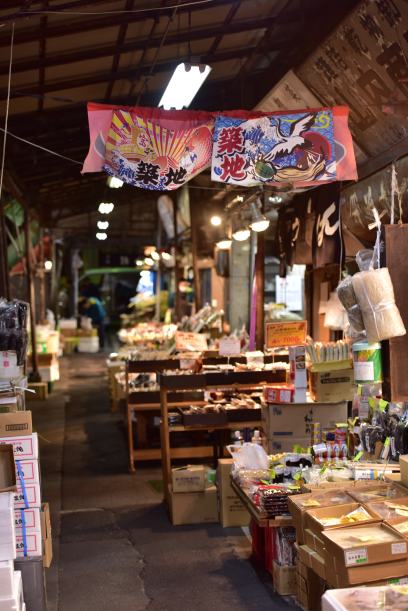
Tsukiji Fish Market is definitely not dressed up to impress tourists.

It’s our last week in Japan and we’re tackling Tokyo, district by district. We woke up at 4AM to jump on the first train out to Tsukiji Fish Market, the largest wholesale seafood market in the world. We opted not to attend the famous tuna auction, mostly because you have to arrive by about 2AM via expensive taxi in order to queue for the limited tickets available to tourists. Even without the tuna auction, though, the market is pretty spectacular.

NJB_0702

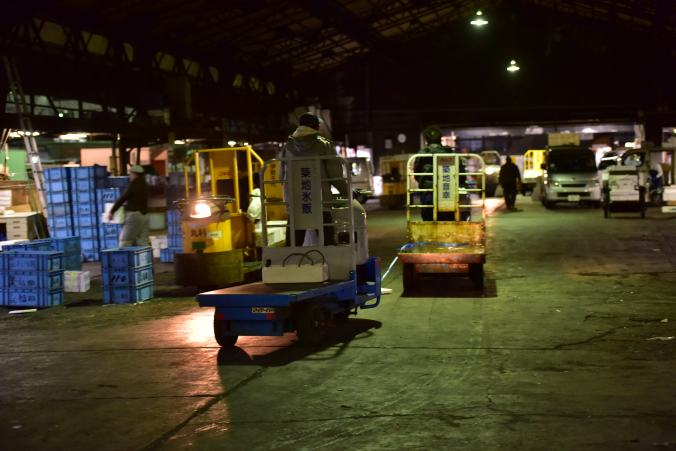
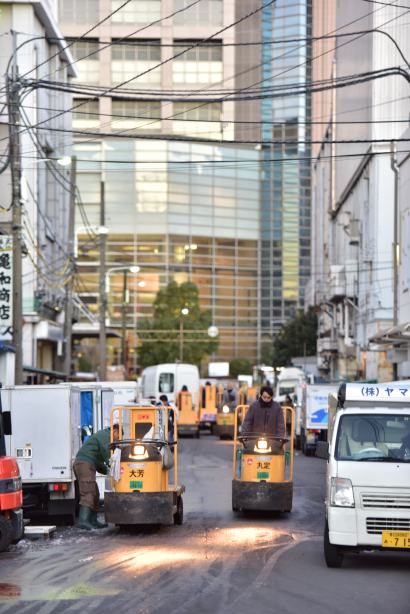
Please stay out of the way…these guys move fast.

NJB_0706

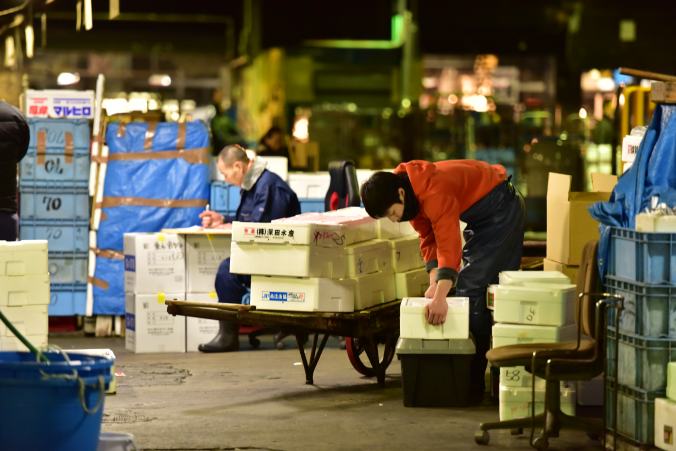
Seafood arrives here from all over the world. Most of the crew starts work between 2 and 3AM each day the market is open.

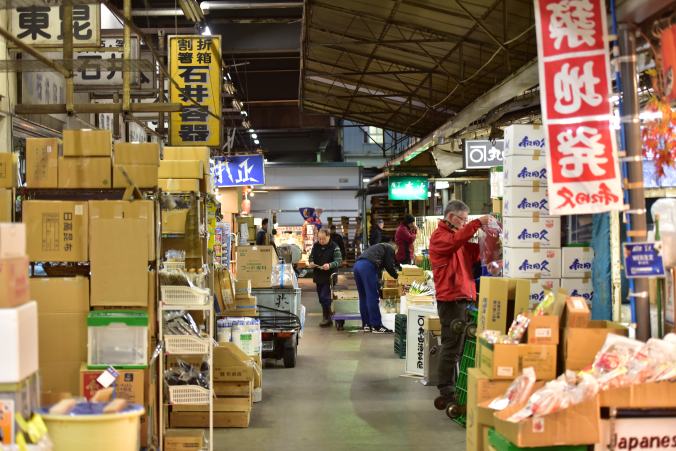
Tsukiji is made up of two markets – the inner market holds all the wholesale vendors and is off-limits to the public except for between about 5 and 6:30AM for those with tickets to the auction. The outer market is entirely open to the public and contains dozens of small restaurants, plus stalls selling kitchen equipment and other goods.

NJB_0690

Stalls selling kitchen equipment and other sundries line the outer market.

NJB_0689

Of course you can still smoke here…we’re in Japan.

Make no mistake – this is a working market, and tourists are barely tolerated. The market has closed to tourists entirely on a number of occasions, thanks to safety concerns and complaints from vendors, but is currently open. You’re expected to pay close attention to the carts, forklifts, trucks and other machinery moving at high speed around the market, and basically stay out of the way.

NJB_0721

The grittiness of the fish market contrasts with shiny modern skyscrapers.

Tsukiji Market sits on prime Tokyo real estate just outside Ginza, one of the city’s fanciest shopping districts. Land here is more valuable than anywhere else in the world; as such, the market was scheduled to move in November 2016 in preparation for the 2020 Olympics. This was a highly unpopular decision, as many of these stalls (and their inhabitants!) have been in place for decades. In August 2016, the move was postponed; the reclaimed land where the market is to relocate is reportedly heavily polluted, and corruption allegations have been tossed around. Relocating a market of this size is a massive undertaking and it will be interesting to see if and when it actually occurs.

NJB_0734

NJB_0731

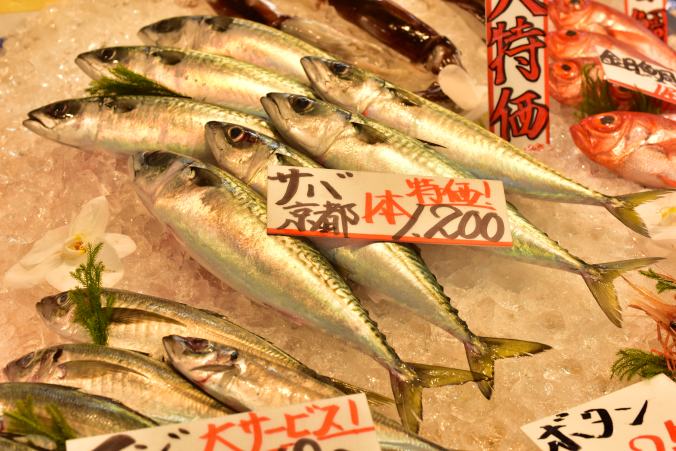
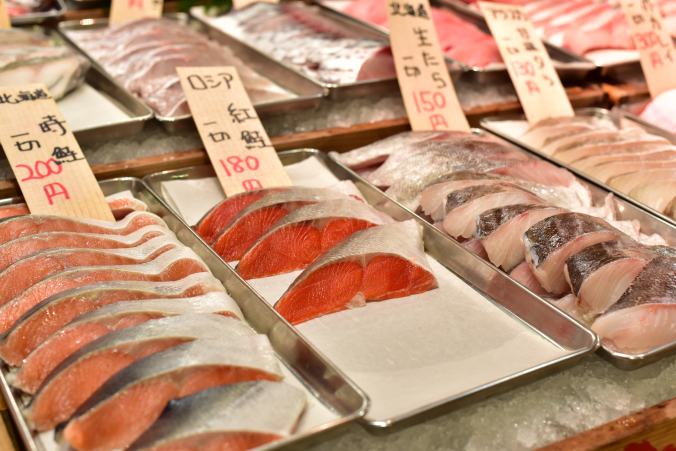
The fish for sale is always presented beautifully, and of course on plenty of fresh ice.

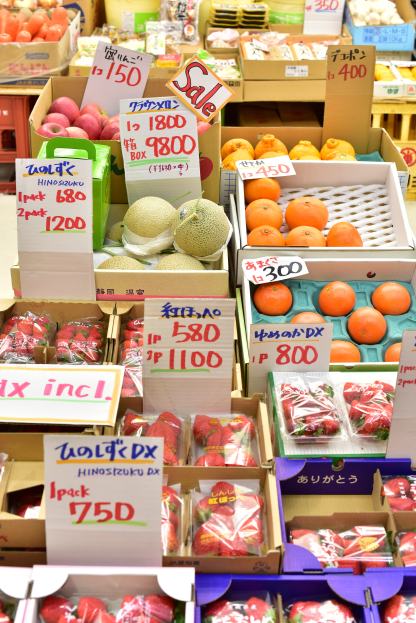
Tsukiji doesn’t just sell fish, though that’s what it’s best known for. There are stands with fruit, vegetables and exotic mushrooms too. Earlier on our trip I commented about the exorbitant cost of fruits and vegetables here; have a close look at the cantaloupes in the photo below – they’re priced at 1800 yen, or about $16 each. And they’re on sale! You can save if you buy the whole box of six for about $87. At a fancy food hall later that day, we saw melons nestled gently into little presentation crates and selling for about $150, and individual strawberries for $5 each. Perfect fruit are a popular gift here.

NJB_0735

Want an orange? They’re between $3 and $4.50 each, depending on the variety.

NJB_0730

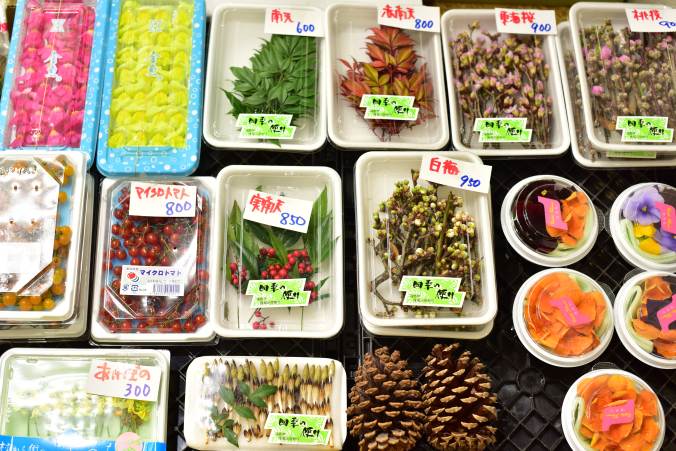
An interesting array of herbs, flowers and other decorative garnishes.

NJB_0736

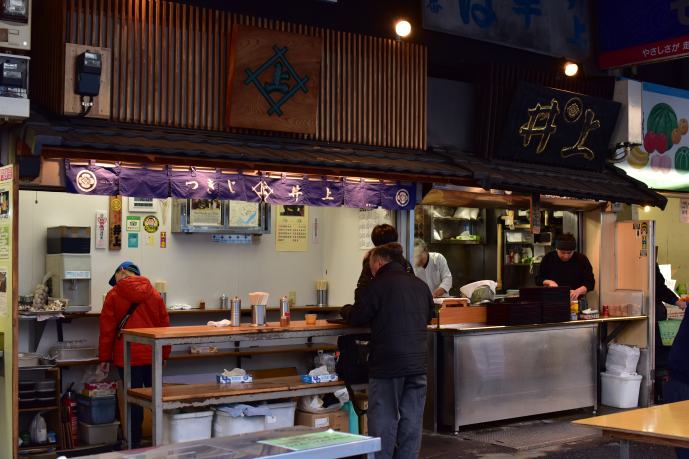
One of the numerous small “restaurants” that line the outer market. You order at the counter on the right from the chef or his assistant, and eat standing at the long table on the left. Dishes are washed in the gutter next to the street, and no, I don’t think the health department is bothered.

NJB_0742

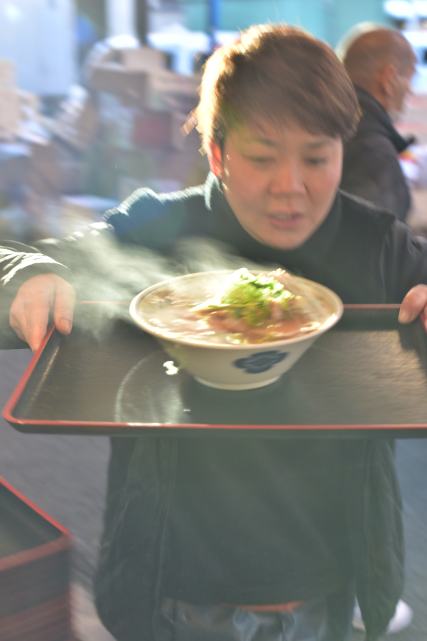
Ramen for breakfast on a chilly winter morning? Yes, please.

NJB_0746

Indeed we ate ramen, not sushi, at the world’s most famous fish market.

NJB_0719

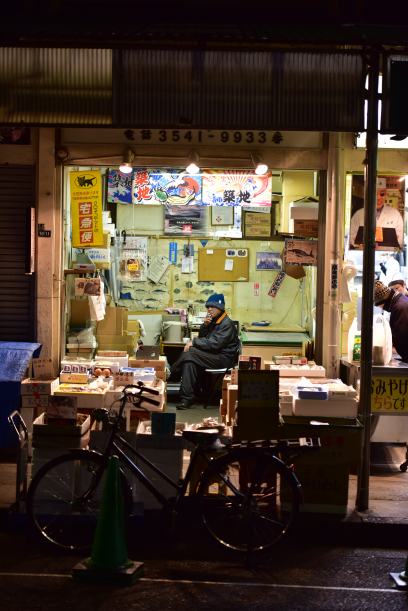
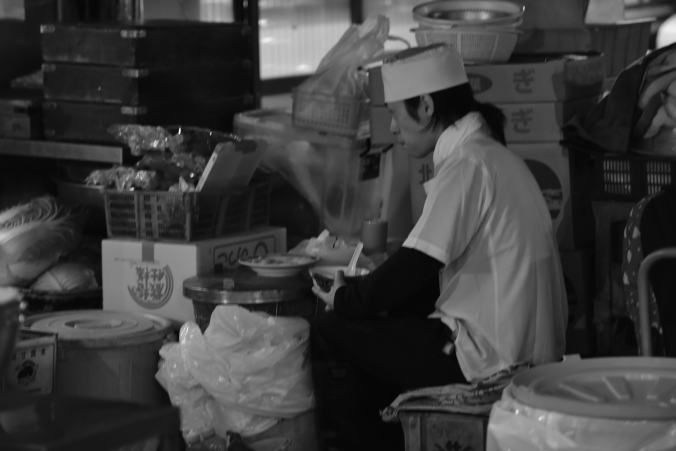
A quiet moment before a busy day.

Commercial fishing is a challenging topic, especially for the Japanese. On one hand, you have cultural traditions formed over countless generations in this island nation. On the other hand, it’s pretty clear that we’re running out of fish. Consider that Tsukiji Market alone handles over 700,000 tons of fish per year. That isn’t even a comprehensible number, but it’s definitely one that won’t continue. Many wholesalers and famous sushi chefs lament that the size and quantity of the tuna has decreased dramatically over the past twenty years; as oceanic pelagics, these fish can’t be farmed as other fish can. By some accounts, over 90% of the world’s fishing stocks are either fished out or nearly so; it’s estimated that at current fishing rates, fish and seafood will be completely gone by 2048.

This isn’t made any easier by the fact that – at least in the U.S. – we’re constantly told to eat more fish to improve our health. The U.S. imports over 90% of its seafood, much of it from highly compromised environments, so while fish may help your heart, eating more of it has an irrevocable environmental and social cost. And how do you even know you’re eating the fish you think you are? Much of it is mislabeled. Like most of our food system, this industry is heavily compromised too.

An issue as complex as the sustainability of modern fishing isn’t going to be solved in one post. But as always, friends, please spend your food dollars wisely and make your fish and seafood choices consciously and carefully.

NJB_0385

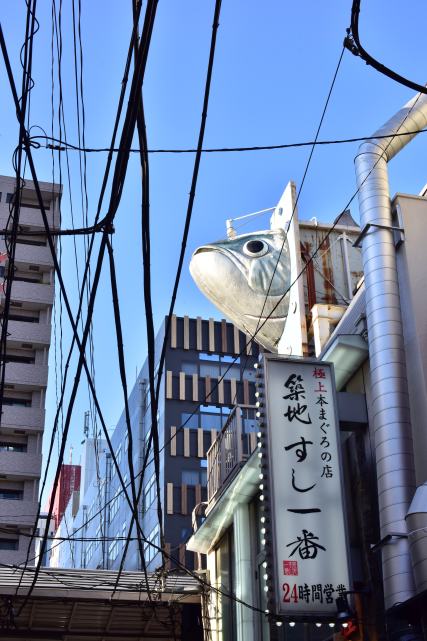
Easy to find the market with landmarks like this!