The Farm Series: Mountain Flower Goat Dairy

Part of our grand plan this summer, our transitional period between our round-the-world trip and our journey to find Quiet Farm, is to visit and volunteer on as many farms as possible. As we’ve said before, we can learn something from every single farm.

MFGD-01.jpg

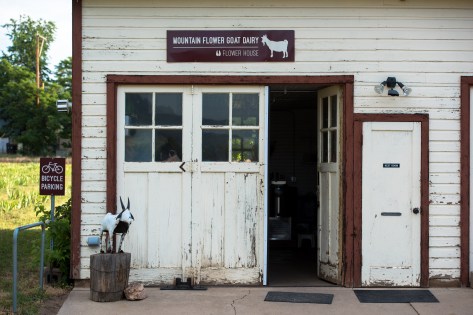
We’ve volunteered on vegetable farms (both cold and warm) before, but because we’re virtually certain we’ll have goats, for meat and milk, on Quiet Farm, we wanted to spend some time with these lovely creatures this summer. And that brought us here, to Mountain Flower Goat Dairy in Boulder. Mountain Flower is a non-profit committed to a few different key goals that we respect wholeheartedly: community engagement and education, sustainable agriculture and humane animal husbandry, and land conservation. All of these are tenets we plan to incorporate into Quiet Farm.

MFGD-22.jpg

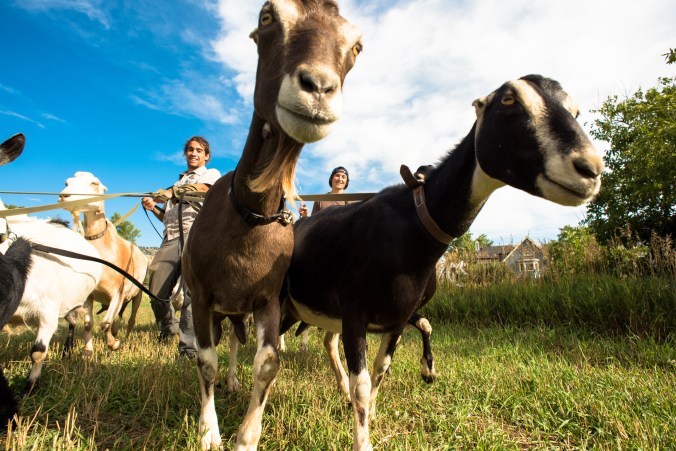
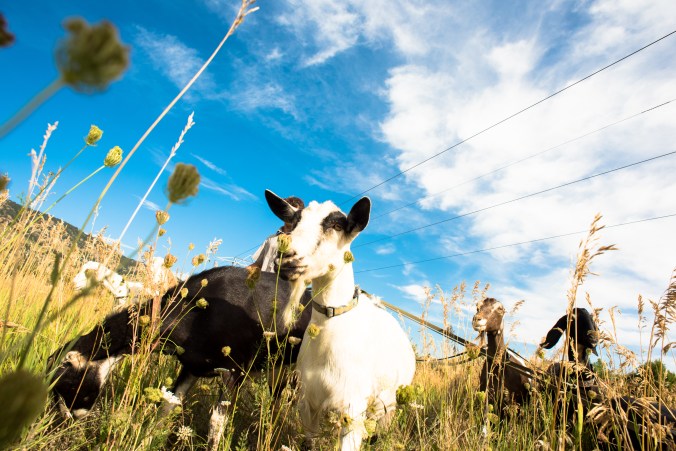
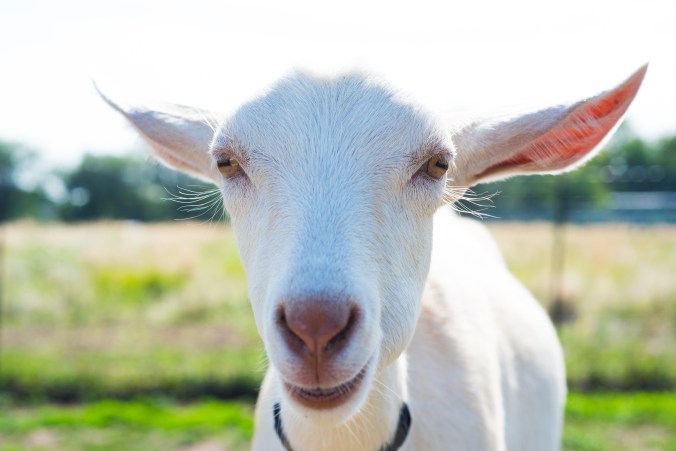
Smart, inquisitive, affectionate and productive…goats are popular for good reason.

MFGD-02.jpg

Mountain Flower Goat Dairy is a raw-milk goat dairy, the only one within the city limits of the Kingdom of Boulder. There is a lot of controversy surrounding raw milk; the sale of it is illegal in most states and dairies must often sell “herd shares” in order to operate legally. It’s important to familiarize yourself with both the pros and the cons before forming your own opinion on raw milk. In MFGD’s own words:

“The primary focus at Mountain Flower Goat Dairy is to provide a supply of the most gorgeous, clean, healthy goat milk possible while demonstrating to the public a working urban farm. We are the only dairy in the Boulder city limits and we are delighted to fill this food void for our community. We allow the public the opportunity to own a portion of our herd and thereby gain access to raw milk.

A spirited debate exists over whether raw milk should be made available to the general public or not. Raw milk advocates have an uphill battle to shatter paradigms that remain from a time when little was known about microbiology and modern refrigeration did not exist. We believe it comes down to a person’s right to choose what food to put into their own bodies. We make a point to keep informed on and involved in the issues related to raw milk. We encourage you to do the same.

We do what feels right to us. That is to raise goats the way nature intended eating grass and alfalfa, grazing in the fields, playing with each other, being loved by humans and eating organic grains. We milk our goats in a low-stress environment and treat their milk with the utmost care, cleanliness and respect.”

MFGD-29.jpg

Relocating to greener pastures.

Mountain Flower keeps about thirteen adult does on hand for milking at any given time. They breed most of these does every year and either keep the young to expand their own herd, or sell the kids to families or farms who will uphold their high standards. Some of the kids are eventually used as pack animals, or family pets, or for meat.

MFGD-06.jpg

Up you go, darling.

MFGD-10

Cleanliness is of paramount importance in any dairy operation.

MFGD-14

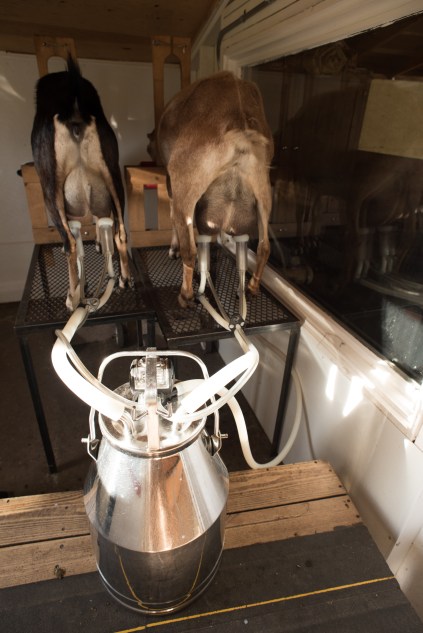
Small goat dairies may still milk by hand…

MFGD-08

…but milking by machine is much quicker and more efficient.

Dairy goats are milked twice per day; the amount of milk they produce varies wildly based on grazing availability, season, breed, weather and other factors. While it’s now common to find goat cheese in grocery stores and on restaurant menus, goat (and its related value-added products) have only been well-known in the U.S. for about forty years or so. Despite being the world’s most commonly-consumed meat, goats are a relatively recent introduction to American palates. Goat milk, yogurt and cheese are now easy to market, but goat meat is still a hard sell – and the honest truth of any dairy operation, no matter the animal, is that approximately fifty percent of the babies born will be male. That logically means slaughter for meat, a reality that we’ll fully accept on Quiet Farm.

MFGD-21.jpg

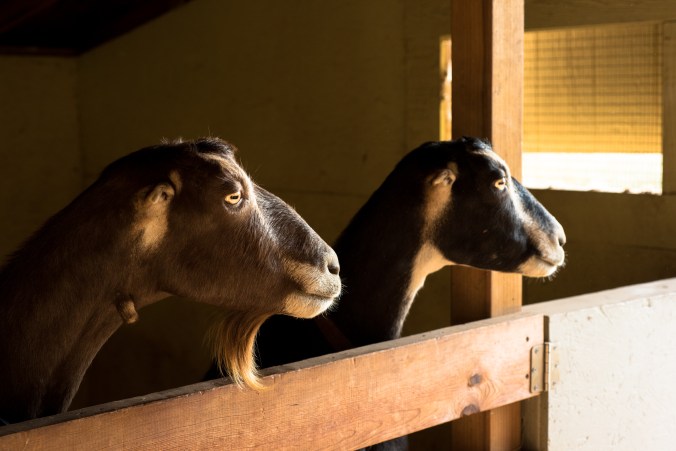
Pensive goats in thought, probably about how to escape their grazing pasture.

What we learned during our summer at Mountain Flower is that these are truly incredible animals. They are passionate and irascible and difficult and gorgeous and moody and infuriating and loving – just like humans. We learned that they remember you and your weirdly soft yet nubbly leather gloves and that there are few things more comforting than a doe leaning up against you for an aggressively affectionate scruffle. We acknowledge that the realities of raising livestock mean that they will eventually (hopefully) grace our table, and that we’ll be even more thankful for the gifts they’ve given us. We learned that we want these animals in our lives and on our farm.

MFGD-17.jpg

Fresh goat milk is truly amazing. Oh, and it makes incredible cheese, butter and yogurt.

MFGD-19.jpg

Ready for customers.

MFGD-34.jpg

The definition of “free range.”

MFGD-41.jpg

What’s going on over here?

MFGD-51.jpg

Come on! Who doesn’t want to cuddle that sweet face?

Know thy food, and know thy farmer. The more we learn about these animals (and farming in general), the more we want to know. Quiet Farm, here we come.

P.S. A huge thank-you to the wonderful team at Mountain Flower Goat Dairy for hosting us this summer. Catherine and Dennis, thank you for sharing your land. Michael, Maddie, Kallie and Ryen, thank you for showing us the ropes. Please come see us on Quiet Farm.

MFGD-03.jpg


Cooking from the garden

Friends, hello. It is early September and thus the height of the harvest season in our corner of the world. And though the tomatoes are finally, finally coming on after an unseasonably cool August, I find that I’m struggling to work up the enthusiasm I typically have during this time of abundance.

Veg Mixed

Right now seems to be a time of sadness for just about everyone. Not only are people suffering in our country and of course across the world, but closer to home friends and family are coping with grief, misfortune, illness, despair and all sorts of darkness. I struggle mightily (and often unsuccessfully) not to carry the weight of the world, so at times like these I always find myself back in the kitchen. We soldier on, doing our best; no matter what, we all need to eat.

Pepper Leaves.jpg

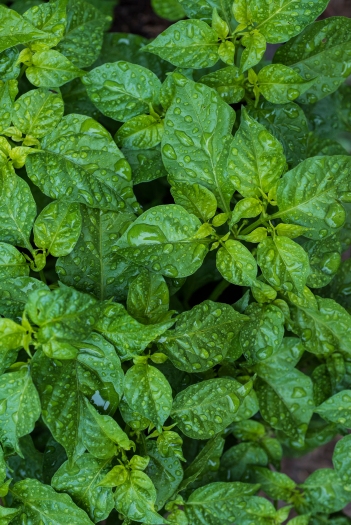
A habanero pepper plant after a rainstorm.

One of my biggest challenges in my cooking classes is providing clear, usable recipes, because more often than not, I don’t cook from them. I know well that everyone wants recipes – especially if you’re just starting out in the kitchen, recipes offer valuable handholding and a sense of regimented calm and comfort, a plan to follow. What I ultimately try to teach, however, is the confidence to cook without recipes – to improvise, to adjust, to have faith in the process and your own palate and that the end result might not be exactly what you planned but will still, most likely, be delicious. And summer and early fall are certainly one of the easiest times to cook without recipes, since you can let the produce guide you.

Peppers Raw.jpg

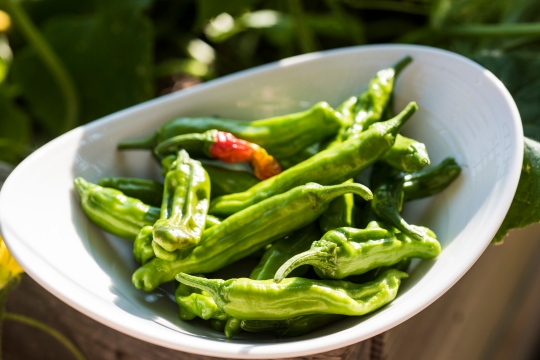
The before and after: shishitos raw…

Peppers Cooked.jpg

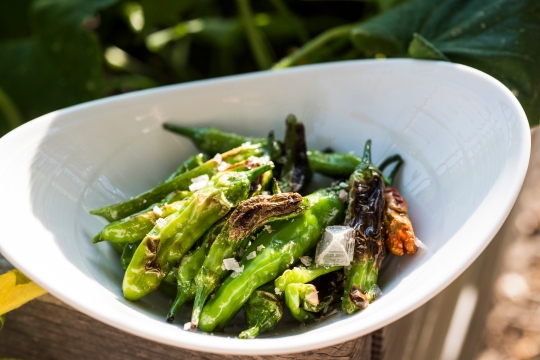
…and shishitos cooked, with flaky sea salt (of course).

As for improvisational cooking from the garden: let’s talk shishitos, just for a moment. These small peppers burst onto the culinary scene some years back as an appetizer in Japanese restaurants. The tip of the pepper is thought to resemble the head of a lion, shishi in Japanese; as such, their full name is shishitogarashi but is typically shortened to shishito. They’ll eventually turn red, like most peppers if left to ripen long enough, but they’re usually harvested green, about the size of a pinky finger. No recipe needed for these: crank up the heat on a cast-iron pan, drizzle with a tiny bit of neutral oil, like canola, and toss the peppers in just until they char and soften. Serve with soy sauce and flaky salt. I leave mine pretty crunchy, but you can cook them until they collapse, too, if that’s your preference.

Cucumber On Vine.jpg

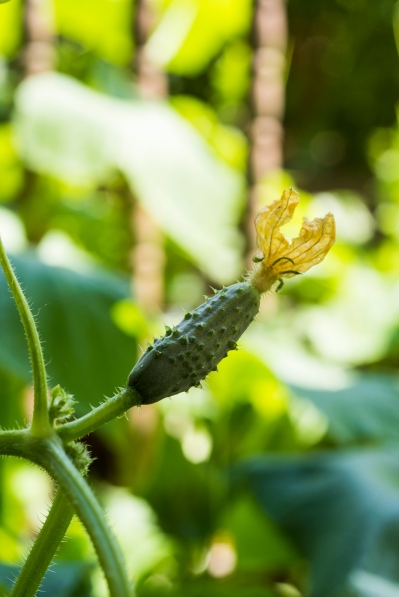
Cucumbers are another summer favorite; like tomatoes, the difference between harvesting your own and buying sad, bitter supermarket versions is night and day. These little ones are theoretically designed for pickling, but to be honest I end up eating most of them raw. Thinly sliced or cut into chunks, with slivers of red onion; they’re dressed lightly with rice vinegar, olive oil, salt and pepper. Plus, any variety of bright, fresh herbs that I might feel compelled to use. Simple, fresh, crunchy, tangy and satisfying.

Zuccini.jpg

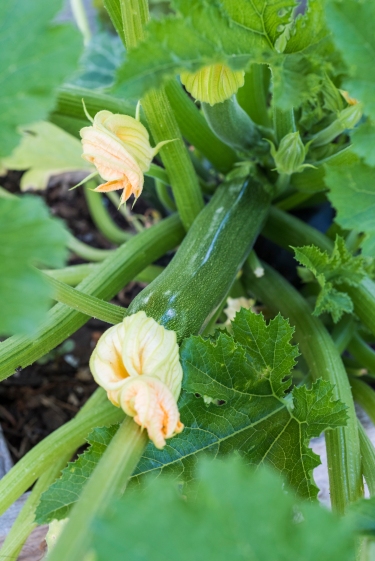
Unlike some, I am never tired of zucchini. Growing vegetables in our high-plains desert can be so challenging that I’m gratified by anything that produces so much for so little effort. Plus, zucchini is infinitely versatile, and it never goes to waste in my kitchen. Looking for an interesting spread for toast? Try this recipe from a talented Oregon farmer and home cook.

Zucchini Grilled Plate.jpg

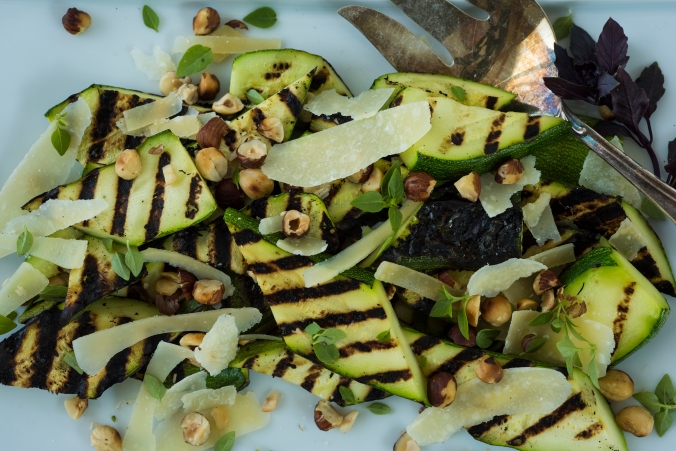
This summer, most of my zucchini starred in this Ottolenghi classic: lightly grilled with olive oil, then layered with fresh basil, toasted hazelnuts and slivers of Parmigiano, drizzled with hazelnut oil and white balsamic. I pretty much just gave you the recipe, but if you want more specific guidance, go here.

Tomatoes Heirloom

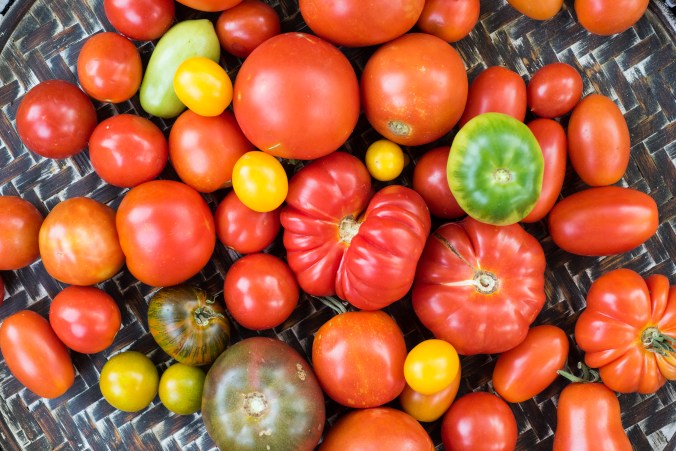
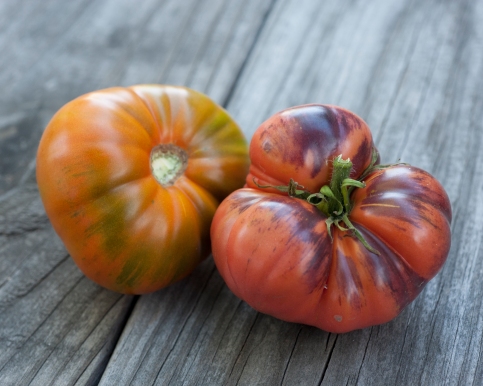
And these beauties? Nothing more than sliced, on a plate, with a drizzle of good olive oil and a sprinkling of salt. That’s it. Growing tomatoes in Colorado – and actually having them survive until harvest – is such a labor of love that it’s a crime to do anything more.

Take care of yourselves, friends, and make something delicious and nourishing to eat. Good food matters.


The Farm Series: Chatfield Farms

A couple of weeks ago, N and I spent some time at Denver Botanic Gardens’ Chatfield Farms, so we decided to make this the second post in our Farm Series. We’ve mentioned before that since we plan to buy a farm, we visit farms whenever possible. And we’re not fussy – we’ll visit any kind of farm, whether or not it’s similar to our vision for Quiet Farm, because we believe we can learn something from every single one.

Sweetcorn Chatfield 01

Chatfield Farms occupies 700 acres along the banks of Deer Creek. It’s a historical site, a native plant restoration area, and a working farm with a 270-family CSA program, plus it includes nature trails and spectacular birdwatching. I’ve been part of the Veterans-to-Farmers program here and taught cooking classes at DBG for years now, and N photographed a friend’s wedding at Chatfield a couple of years ago, but we hadn’t yet had the chance to spend an evening at Chatfield Farms. And what an evening it was.

Sweetcorn Chatfield 02.jpg

We were at the farm to participate in DBG’s annual Colorado Foodways event, which showcases both local food and local farmers. We showed up early with a car loaded down with grilled sweet corn and chiles from Palizzi Farm in Brighton, plus applewood-smoked goat cheese from Haystack Mountain, and we set about making samples for 150 guests.

Sweetcorn Chatfield 04

But see that dramatic Colorado sky? Oh yes, there was rain. And wind. And more rain, and more wind. And a tent that flipped itself over and very nearly took down all of my carefully prepared food with it. But we persevered, and we ended up having a wonderfully perfect summer night in Colorado. And in times like these, it’s always essential to remember that we may believe we’re fully in control, but nature often has other ideas entirely.

Sweetcorn Chatfield 03

Blue skies after all!

Sweetcorn Whole

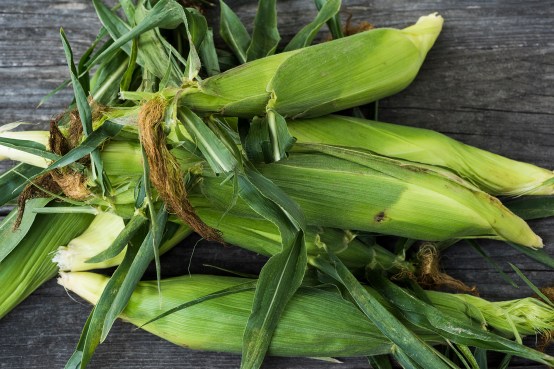
What says summer more than fresh, local sweet corn?

Sweetcorn Mixed Grilled

The sugars in sweet corn start turning to starch as soon as it’s picked. Leave the husks on until the very last minute, and eat it as soon as possible!

Sweetcorn Husks

Husking one hundred and twenty ears does leave quite a lot for compost.

Peppers Roasted

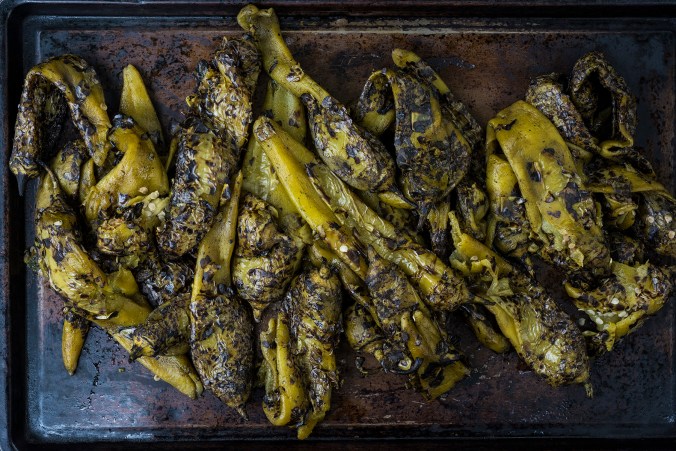
Charred green chiles…the scent of late summer and early fall in Colorado.

Sweetcorn Plated

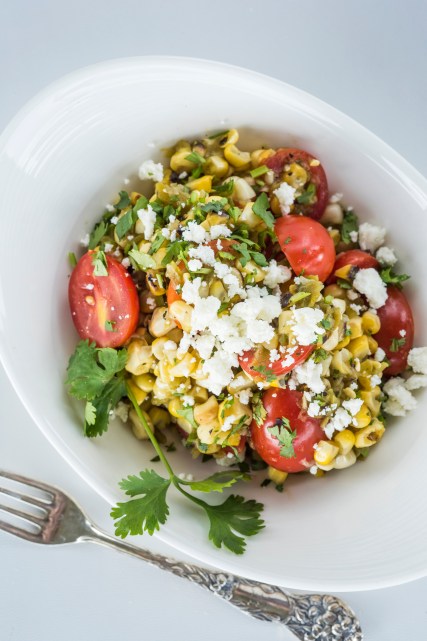
Colorado Charred Sweet Corn and Green Chile Salad


Ingredients

  • 8 ears fresh Palizzi Farm corn
  • Olive oil, as needed
  • 4 large Palizzi Farm green chiles
  • 1 large red bell pepper
  • 1 pint cherry tomatoes
  • 1 bunch cilantro, trimmed and chopped
  • 1 bunch scallions, trimmed and chopped
  • 1 jalapeno or other hot pepper, minced (optional)
  • Juice and zest from 3-4 limes
  • 1-2 tbsp. white wine vinegar
  • 1 tsp. chile powder
  • Kosher salt and freshly ground pepper, to taste
  • 4 oz. fresh Haystack Mountain goat cheese, crumbled
  

Directions

Preheat a grill or broiler to medium-high heat. Remove the corn husks and rub the ears gently with a paper towel to remove the silks.

Rub six ears of corn lightly with olive oil and place on grill. Cook, turning as needed, until corn kernels are lightly charred. Remove corn from grill and set aside to cool. When corn is cool enough to handle, place one end upright on a cutting board and use a sharp knife to remove kernels. Cut kernels off two remaining raw ears of corn and combine with grilled corn.

Roast the chiles and bell pepper until skins are blackened; place in a glass bowl or container and cover tightly to allow steam to loosen skins. When cool enough to handle, remove skins, stems and seeds; roughly chop chiles and pepper.

Halve the tomatoes, and combine in a large bowl with cilantro and scallions. Add chiles, peppers, raw and grilled corn and hot pepper, if using.

In a small jar, shake together juice, zest, vinegar, chile powder and a pinch of salt and pepper. Pour dressing over salad, and taste for seasoning, adjusting as necessary with additional lime juice, vinegar, salt and pepper. Serve at room temperature, garnished with crumbled goat cheese.

Fresh herbs

It’s August in Colorado and that means the garden is finally, finally overflowing. We’ve had more than a few cool, rainy days recently; that leaves everything looking (falsely) lush and green, although it certainly doesn’t help the tomatoes ripen. This is when cooking is the easiest it will be all year: just go outside and harvest.
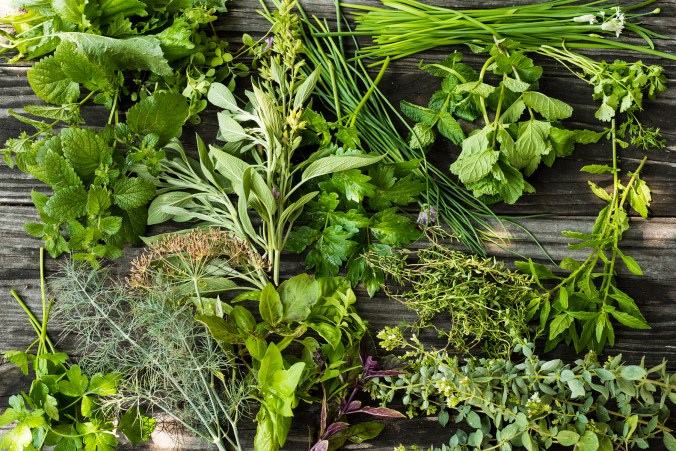
Herb Assortment

Especially in summer, when they’re cheap and abundant, fresh herbs are by far my favorite way to elevate simple home cooking. I get rather resentful about buying expensive plastic clamshells of herbs well past their prime for nine months of the year, but in the summer I can add them to everything with abandon.

If you want to grow herbs at home, the most important thing to know is your zone: in the U.S., we classify the entire country into growing zones based on climate. Most herbs will grow well on a sunny patio or deck; some may be perennials, which means they’ll come back year after year, while others might be annuals, so they’ll only last for one season. Find a good local garden center or a proficient gardener friend to serve as a resource.

Basil.jpg

Genovese, Thai purple and Greek ‘Yevani’ basil.

Basil is one of summer’s most versatile herbs; it shines with tomatoes and in pesto, of course, but is also underutilized with summer stone fruits and in cocktails. Make pesto in large batches and freeze in ice cube trays; once the cubes are frozen, empty into plastic zip-top bags and use with pastas and soups throughout the winter.
Chives.jpg

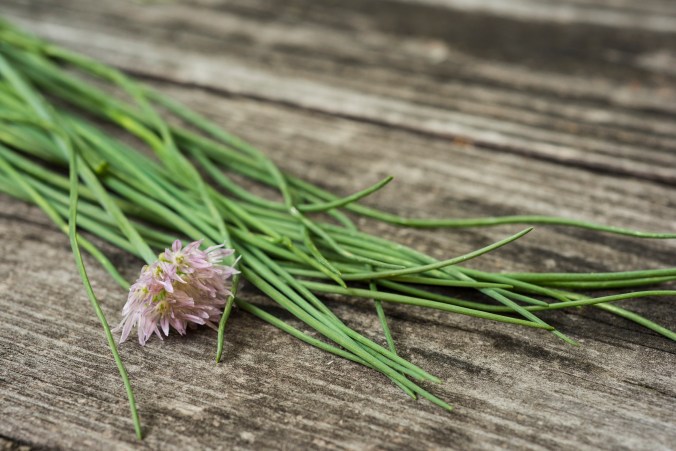
Chives and chive flower.

Thank goodness for chives; they’re a perennial in the Denver area and typically the first sight of green after a bleak winter. I use chives almost more than any other herb; they offer bright, fresh onion flavor without being too aggressive. Perfect for eggs; use the flowers as a garnish on salads.

Cilantro.jpg

Love-it-or-hate it cilantro.

Cilantro appears most often in Mexican and Asian cuisines. It’s a bit tricky to grow in Denver, as it tends to bolt quickly in our intense heat, but it’s worth trying in a cool, shady container. The aversion to cilantro that makes it taste like soap to some people is thought to be genetic.

Dill.jpg

Dill, gone to seed.

Growing up, dill was always labeled “dill weed.” This is accurate in other parts of the country, but it doesn’t tend to overrun Colorado gardens. Annoyingly, my dill is always ready long before my pickling cucumbers. Delicate dill is a perfect partner for fish, potatoes and pickles of any variety.

Epazote.jpg

Epazote, popular in Mexican cooking.

A friend started epazote for my herb cooking class earlier this year (thanks, Jim!), so this is the first season I’ve had it. It’s most commonly used when cooking dried beans, as it moderates the “negative effects”. Use sparingly; a little goes a long way.

Garlic Chives.jpg

Garlic chives, recognizable by their flat rather than tubular appearance.

As with chives, garlic chives are a frequent guest in my kitchen. Ideal with eggs and perfect as a last-minute garnish over just about anything. They have a light garlicky bite but aren’t too strong.
Lemon Balm.jpg

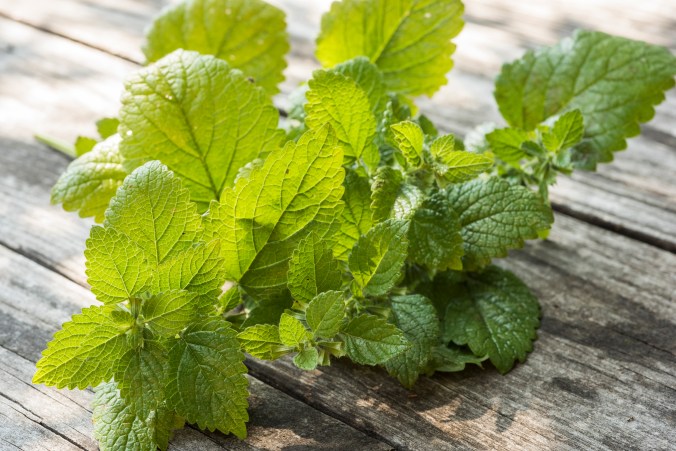
Lemon balm is often considered an invasive weed.

Years ago, when we first moved in to our house, I planted lemon balm. I wasn’t much of a gardener then and had no idea how aggressive it can be; it’s a member of the mint family, however, so really I should have known better. Now we have lemon balm everywhere, but the bees love it and it’s rare to find plants that grow well in Denver’s harsh climate, so I leave it alone. Perfect for making teas and tinctures.

Lovage.jpg

Lovage leaves.

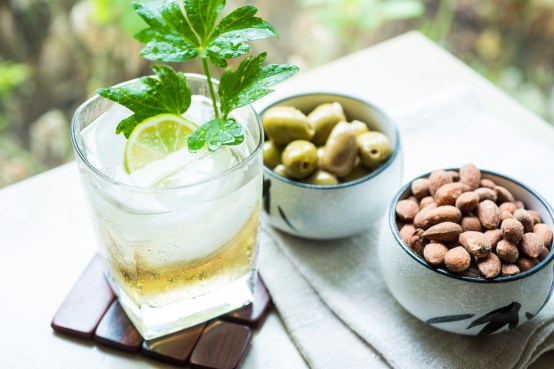
Lovage is another bee-friendly plant that I mostly leave alone, but this year I made lovage simple syrup for flavoring sparkling water and elevating gin and tonics. It has a pungent, celery-like flavor and can be used as a garnish for soups and stews, but as with other strongly flavored herbs, a little goes a long way.

Marjoram.jpg

Delicate, underused marjoram.

Marjoram is criminally underused in American cooking; it can go pretty much anywhere oregano might. It’s perfect in meat mixtures, such as meatballs or sausages, and adds lovely flavor to sauces, too. Any stuffed vegetable topped with tomato sauce is a great place to show off marjoram. Easy to grow in pots, but not a perennial in Denver.
Oregano.jpg

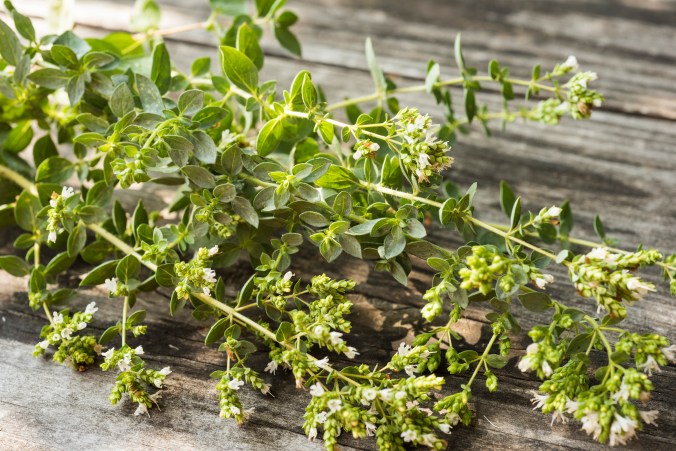
Oregano in flower.

Oregano pairs beautifully with tomatoes, especially in slow-simmered sauces. I also use it in herbed breads, typically mixed with thyme and sage. It’s a perennial where we live, so my plants come back every year. It’s one of the easiest herbs to dry for winter storage. Mexican and Greek oregano are the two most common varieties for home gardens.

Parsley.jpg

Flat-leaf parsley.

For so long, parsley has been relegated to a wilted garnish (with a sad orange slice, of course) on the side of the plate at cheap breakfast joints everywhere. With the interest in Mediterranean cooking, however, parsley is coming into its own. It’s an excellent source of vitamins C and K, and its bright, snappy flavor livens up just about anything. I use it in grain salads (like tabbouleh) for crunch and texture, and also add the leaves to salad greens. I prefer flat-leaf to curly, but both should be used more than they are.

Sage

Velvety sage leaves.

Sage is most often used with poultry, specifically Thanksgiving turkey. As with oregano, I use it frequently in herbed breads as well as sausages. It’s also a perennial and a bee favorite, plus the leaves dry really well and don’t lose too much flavor. And the plant grows into huge bushes here, which is rare in this climate.
Shiso.jpg

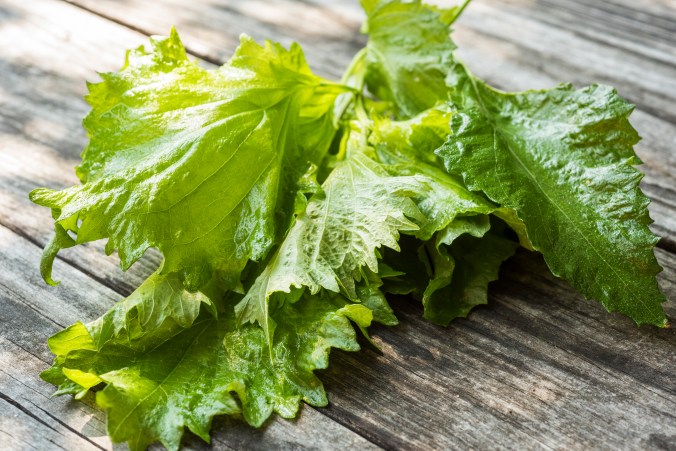
Soft, floppy shiso, a Japanese favorite.

Shiso is a recent discovery for me, and I’m really learning to love it. It is common in Japanese cuisine, along with many other herbs unfamiliar to American palates. The flavor is difficult to describe, but it’s herbaceous, with a little mintiness. It’s perfect thinly julienned in citrus or green salads, and it has a real affinity for fish. It’s also lovely in Vietnamese summer rolls, which typically contain an array of bright, fresh herbs. Surprisingly easy to grow (mine are in pots) once the seeds have started successfully.

Spearmint.jpg

Kentucky spearmint, one of the many members of the mint family.

There are hundreds of varieties of culinary mints; I prefer Kentucky spearmint. It grows well (some might say too well) and is useful in classic mint juleps, mojitos, fruit salads and every kind of summer vegetables. I add a little mint to salad greens, blend it into chocolate shakes and throw it on most grain salads. Again, an herb that I think everyone has but no one uses enough.

Thyme.jpg

English thyme, delicate and pretty.

Thyme has a soft flavor and pairs wonderfully with stone fruits like peaches and plums. It goes with summer vegetables, like eggplant and tomatoes, and is one of my culinary workhorses for focaccia and other breads. Great in desserts, too. To remove the tiny leaves, place one end of the stem through a hole in a sieve and pull gently. The leaves should remain inside the sieve, saving you a lot of time and trouble!
Mad about ewe

It is impossible to overstate the importance of the humble sheep in New Zealand. The famous Captain Cook first introduced sheep here in 1773; meat and wool, as well as numerous other byproducts, quickly formed the economic background of this young nation. Even today, New Zealand is well-known for its lamb and wool, and the oft-cited statistic that New Zealand has a lot more sheep than people (about 27 million to 4 million) still holds true, although the animal numbers have fallen dramatically in recent years. The worldwide introduction of synthetic fibers understandably had a massive impact on the wool industry.

NJB_1837

One of the great joys of travel – especially on road trips – is stumbling upon something amazing that wasn’t in the day’s plans. We were on our way to camp on the beach at Clifton, in Hawke’s Bay on the east coast of the North Island, when we drove by Wool World. My head immediately filled with visions of a slick, American-style theme park devoted entirely to sheep, hopefully with a petting zoo, roller coaster and extensive gift shop. The reality was far different, and much better.

NJB_1891

Clifton Station, Hawke’s Bay.

NJB_1846

The dogs are coming…

Clifton Station (ranches in the U.S. are stations here) was founded in 1859 and has been run by the same family since. It encompasses about 2,000 acres on the east coast of the North Island. Despite the signage outside advertising shearing and herding demonstrations, Wool World is now only open for large groups of pre-booked cruise ship passengers. We got lucky, however, and walked up while a station hand was treating lambs in a gated paddock near the road. These lambs had just been taken off their mothers and were headed out to munch on fresh new pasture; the abrupt change in diet causes their delicate little lamb tummies to go a bit haywire, so they’re essentially given a pre-emptive antacid.

NJB_1865

The station hand gave us free rein to walk into the old shearing barn, built in 1886 and still in use today. This barn is true living history and it was incredible to see the pride that this family takes in their property, their animals and their way of life. Places like these are becoming more and more rare, and recognizing the past is especially relevant because modern agriculture is changing so quickly. The opportunity to see this space will be one of the highlights of our trip to New Zealand.

NJB_1880

Blade shearers in 1893 with shedhands and shepherds. The records indicate that 25,000 sheep were shorn in the shed that year.

NJB_1876

Horse-drawn wool bales headed to the railyard for transport to Wellington or Napier.

NJB_1877

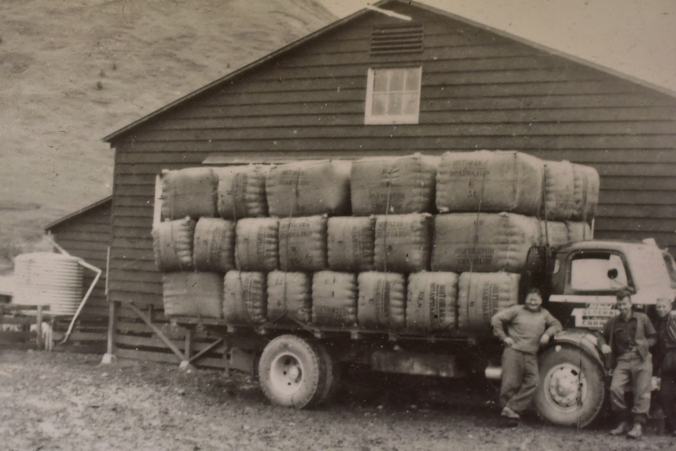
Bales of wool bound for a local wool sale.

NJB_1848

Not much has changed in this woolshed since the late 1800s.

NJB_1853

Shearing stalls.

NJB_1871

Belt-driven machinery allowed multiple sheep to be shorn at one time.

NJB_1860

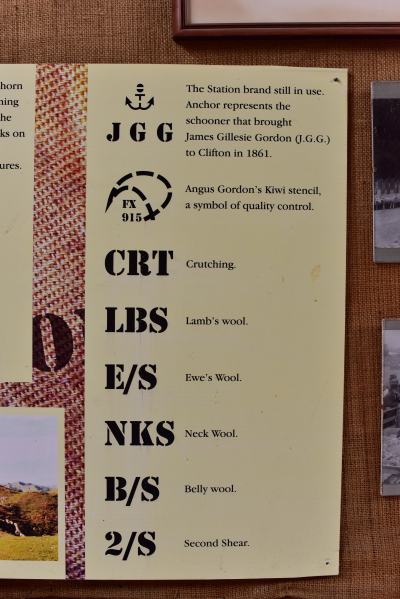
Wool bales are stenciled with their station origin, destination, pack year and grade. Low-grade wool (and the sacks) were often used on walls for home insulation.

NJB_1873

A helpful identification key for bale stencils.

NJB_1861

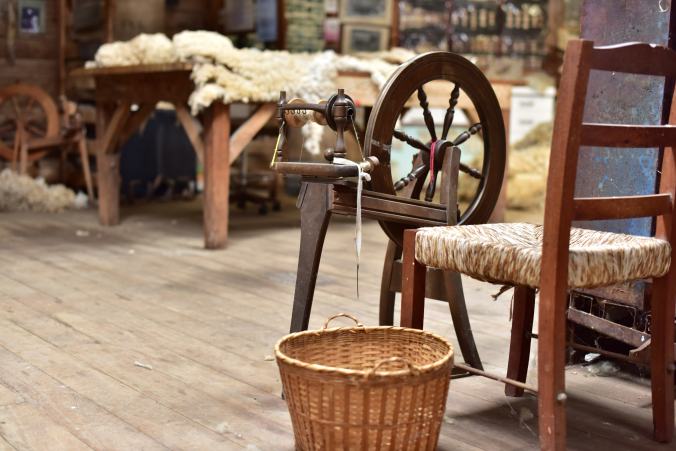
Ye Olde Spinning Wheel. Avoid at all costs, princesses.

NJB_1843

If you should ever have the opportunity to see a herding demonstration, do not miss it! Watching the shepherd and the dogs run the sheep is truly remarkable.
Interlude: Cows love Skittles

Friends, we interrupt our regularly scheduled light and fluffy travel programming to bring you a brief interlude on cows. Cows and Skittles, to be precise. If you are here just for fun travel adventures, please feel free to tune out now – this one is about food politics.

Perhaps some of you noticed a little story that a couple of papers ran recently about a Skittles spill on a Wisconsin highway (although I’m painfully aware that there are one or two more significant American news stories to focus on right now). To summarize, a truckload of red Skittles missing their signature “S” spilled onto the road thanks to a rain-saturated cardboard box. When the local sheriff’s department came out to investigate, they discovered that the candy was on its way to be used as cattle feed. Maybe it’s fake news? Now that so much of what we read contains “alternative facts,” it’s hard to know what to believe. (You can read versions of the article here, here and here, and I’m sure there are plenty more.) Feeding food waste to cattle is apparently common practice in the U.S.

Stone Barns-06

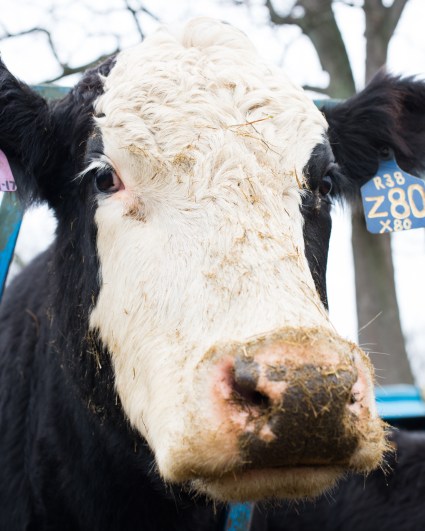
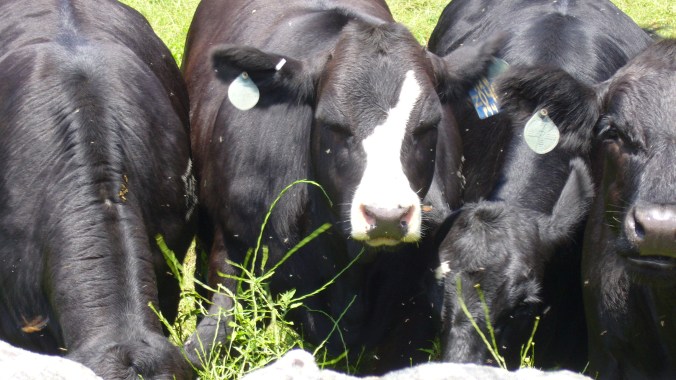
Bessie here actually prefers M&Ms to Skittles, if you want to know the truth.

Back in 2012, the severe drought that swept across the country caused corn prices to skyrocket, and that’s reportedly when the trend of feeding excess food to cattle really accelerated. In some cases, cows were even fed candy that was still wrapped, although a professor of animal nutrition seemed mostly convinced that the wrappers would pass through the cow without issue. I’m in no way a vet or other animal expert, but I imagine that plastic really can’t be good for an animal’s insides – even one as large and tough as a cow.

But wait, you might say. Skittles are mostly just corn syrup, which is just corn, right? And that’s what the cow would be eating if corn prices hadn’t risen so much, so really, what’s the big deal? It’s actually not the Skittles that bother me – it’s all the other stuff we don’t know about. Consider that the only reason we now know that these Skittles were intended for cattle feed is because they spilled. Had they not spilled, we’d still be shoveling our CAFO hamburgers in, none the wiser. This story indicates that a lot of other mysterious food waste goes to our cows, including but not limited to stale baked goods, peanut and almond shells, and orange rinds. Probably harmless, yes, but do these ingredients affect the integrity (what little there is) of the meat? Could a severely peanut-allergic person have a reaction to beef from a cow fed on peanut meal? I have no idea. And I also have no idea what is in our food.

Stone Barns 074

My point is not that the Skittles themselves that are inherently bad (although they are). It’s that you didn’t know they were there. How can anyone make an informed decision about what they eat when they don’t have all the information? How can I implore my cooking students to read the label of every food item they buy when I know full well that label is inherently misleading? I also resent the implication that feeding Skittles to cows saves them from the landfill and is therefore virtuous. In a country that wastes over 40% of all edible food produced, I’m fairly certain that the quantity of Skittles we’re talking about here is negligible enough that the landfill excuse doesn’t hold up – greenwashing at its finest.

Some time ago, a friend who shops very consciously received a recall notice at the bottom of her grocery store receipt indicating that the big-brand chicken she’d purchased weeks earlier had been recalled. Since she deliberately never purchased big-brand chicken, she knew this had to be a mistake – yet when she contacted store management, she received a boilerplate customer service response that didn’t address the issue. Follow-up calls and emails went ignored, leaving her to assume that of course she had purchased that chicken – labeled as organic and packaged under a “clean” name – even while trying so hard not to. Plus, organic and conventional chicken were both part of the same recall, so how can one trust that the organic product really is? And that leaves us here, stumbling around the grocery store in a panic, reading labels frantically and generally feeling like a failure all the time because we no longer have any faith in a system designed to protect us from fraud and mislabeling.

These stories are compelling on many levels, but my takeaway is this: unless we’ve grown, raised and processed food ourselves from start to finish, we no longer can have any faith that we’re buying what we think we’re buying. I know plenty of people who wouldn’t feed their kid Skittles (concerns over Red 40 high on the list) but would certainly offer a lean beef stir-fry with plenty of supposedly organic vegetables and arsenic-free brown rice. Yet these same people, who are working so hard to get it right, are getting it wrong. Again and again, because they cannot trust that they’re buying and consuming what they think they are.

Stone Barns 070

I’d love to end on a positive note, so I’ll leave you with this – if you want to trust your food, grow your own. Start a small garden. (If you’re in the Denver area, support a locally-owned business and go here for everything you need to get growing.) Raise backyard chickens. Get a beehive. Join a CSA. Know what you’re eating and where it came from, and be willing to ask questions. Also: eat less meat, and spend more money on it, and know who raised and processed it. And please, let us know your thoughts on this story. We’d specifically like to hear if you feel confident about label honesty and accuracy (including organic vs. conventional) and what exactly is in the food you buy.

chickens2

Japanese farm life

We spent two weeks volunteering on two very different Japanese farms, one in the wintry valleys of Nagano and one about ninety minutes outside of Tokyo, in the Ibaraki prefecture. We did this through WWOOF, which isn’t well-known in the U.S. but is very popular in much of the rest of the world. Essentially, you work a specified number of hours per day (usually between six and seven, depending on tasks) in exchange for room and board. This is a great way for travelers to get to know a specific area and culture a little better; we obviously hoped to learn a bit more about different ways of farming, too.

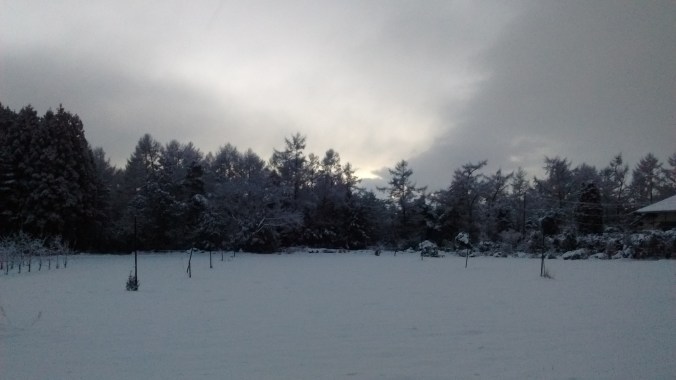
Our two farms couldn’t have been more different, and as is the rule with travel in general, sometimes things don’t go exactly as you’d expect. Our first farm was primarily an orchard, with hundreds of apple, pear, plum and persimmon trees. Obviously, in the winter the work has very little to do with fruit. We harvested carrots from underneath the snow, spread rice hulls as mulch in the orchard, and chopped a lot of firewood. Accommodations there were a bit rustic, to be charitable. We slept in an unheated packing shed with a composting toilet (that’s Latin for “hole in the ground”) with no hot water. It was never above 30 degrees there, and we were cold. Really, really cold.

IMG_20170120_134103010

A haiku: “Sunrise in winter. Today I am cold again. Where is my warm coat?”

IMG_20170119_190417177

We harvested well over a thousand pounds of carrots from underneath the snow.

IMG_20170118_162124810

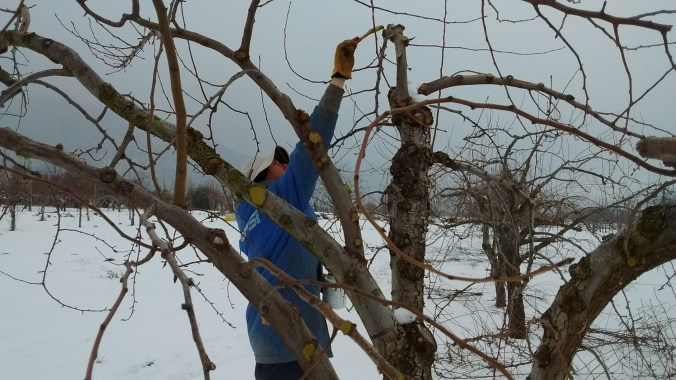
One team pruned the fruit trees, while we followed with a special sealant to paint the pruning cuts so the tree didn’t get infected. 

IMG_20170117_191024915_HDR

Thankfully the farm’s chainsaw was very similar to N’s at home. The farmhouse was only heated by a woodburning stove, so they needed lots of firewood. Basically, we were in Little House on the Japanese Prairie.

IMG_20170120_182358534

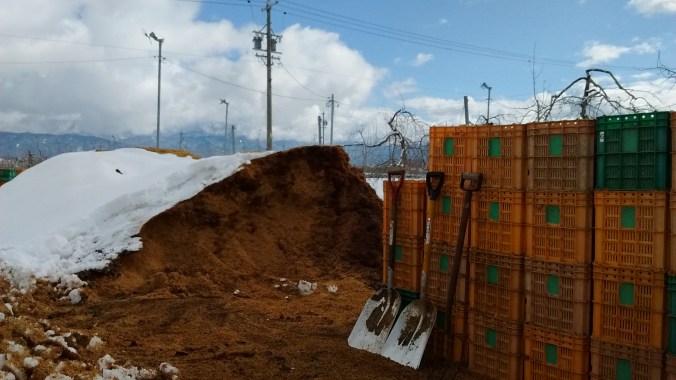
We filled the crates with rice husks from the pile, then spread the husks in the orchard as mulch. 

Our second farm brought us back to life. We stayed in an incredible traditional Japanese wooden farmhouse, built about thirty years ago from just three trees harvested from the owner’s property.

NJB_0266

The entrance to our second farmhouse with traditional Japanese gardens out front.

NJB_0269

A rice field on our second farm. We were sort of in the Nebraska of Japan, which is genuinely intended as a compliment. 

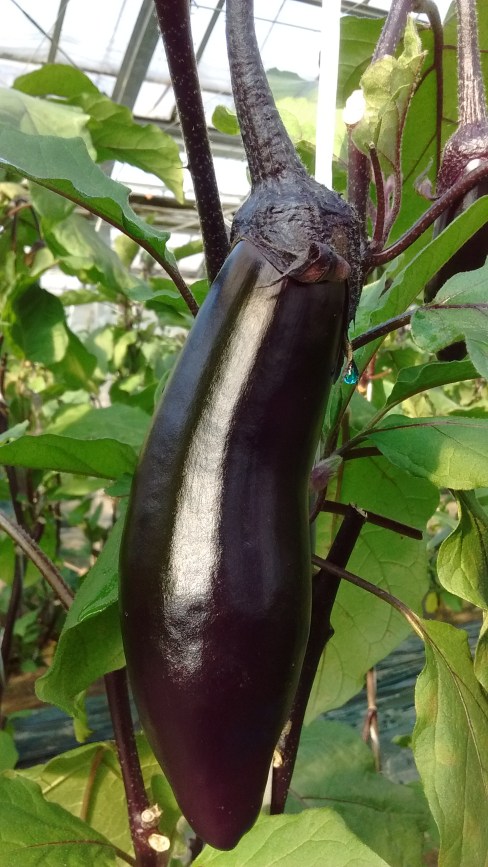
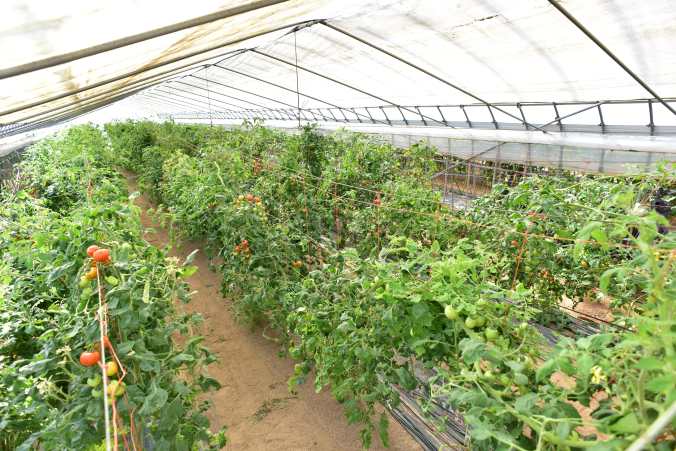
Perfect greenhouse-grown eggplants (aubergines, for our British readers) and cherry tomatoes are the farm’s primary cash crop, although they also grow and process a hundred tons of different rice varieties. Our first task each morning was typically to harvest that day’s eggplants (nasu in Japanese), and if you think that’s easy, try harvesting only the eggplants that weigh above 80g. Without weighing them. There was a bit of a learning curve.

NJB_0214

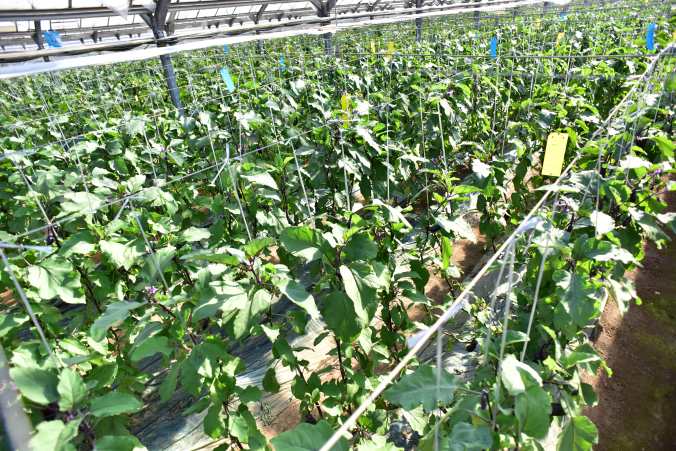
One of the eggplant greenhouses. The plants are pruned aggressively to keep them producing consistently for over eight months; the technique was completely different from anything I’d seen before.

IMG_20170127_172037488

Gorgeous Japanese eggplant, or nasu. They’re harvested from the greenhouse every single day to ensure they’re the perfect size.

IMG_0483

Our task one morning was to spray the eggplant flowers with pollination liquid, because in winter it’s too cold for the bees to go to work. The liquid is clear, so it’s colored with blue food-grade dye so you can easily see the flowers that have already been sprayed.

NJB_0217

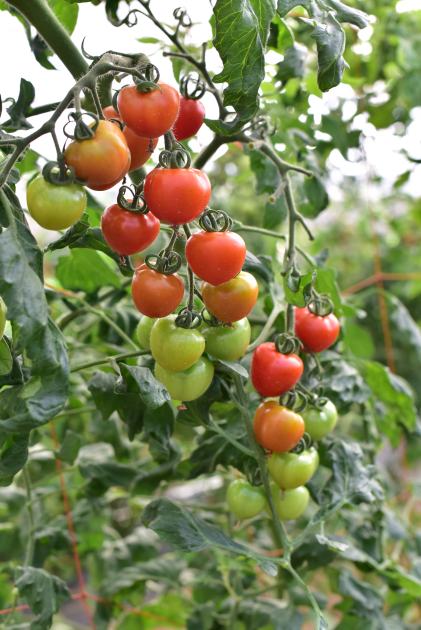
One of the tomato greenhouses. All of the tomatoes were indeterminate cherry varieties so they produced for months and months.

NJB_0200

Tomatoes were harvested every day too, and we had to be extremely careful to pick only those that were perfectly ripe.

IMG_0491

N found this little one on an eggplant branch while weeding the greenhouse. He’s only about an inch and a half or so.

We’re very glad that we got to experience a side of Japan away from the touristy commotion of the big cities, and we learned a lot – especially about how important it is to keep your farm clean, tidy and safe and how to profitably grow and maintain eggplants and tomatoes in greenhouses. And also that we don’t really want to farm in eighteen inches of snow. That knowledge will definitely come with us to Quiet Farm.