Farm update: July 26

And here we are at the tail end of July, scrambling to complete everything that needs doing. Each night before sleep finally arrives I focus on designing bright, colorful quilt patterns in my head – calming mental Tetris – rather than running through all of the tasks I didn’t complete during the day. The tomatoes need to be pruned and re-staked, again. The arugula and lettuce seeds need to be harvested, the straggly plants composted and the beds reseeded. The garlic needs to be pulled and cured. The mallow, bindweed and puncturevine are threatening a total takeover. And on and on and on. I feel a thousand miles behind on everything, and I remind myself to complete one task at a time. Also, I regularly remind myself to enjoy the moment I’m in, rather than race on to the next without even pausing for breath. (Easier said than done, no?)

Purple coneflower (Echinacea purpurea).

Admiring our seasonal plants is a great way for me to stop my frenzied rushing for just a moment. Many of our flowering perennials didn’t bloom this year, thanks to the drought, but we do still have a few. Echinacea, or coneflower, is one of my favorites, and the bees love it, too. (Our pollinator population is also greatly diminished this year, likely due to the lack of blossoms in the neighboring orchards.) Echinacea has been touted for years as an herbal remedy for just about any ailment, including the common cold, but legitimate scientific studies on this are lacking in substance, to say the least. Still, the coneflowers grow well here and I’m hopeful that I can expand their presence on the farm in future years.
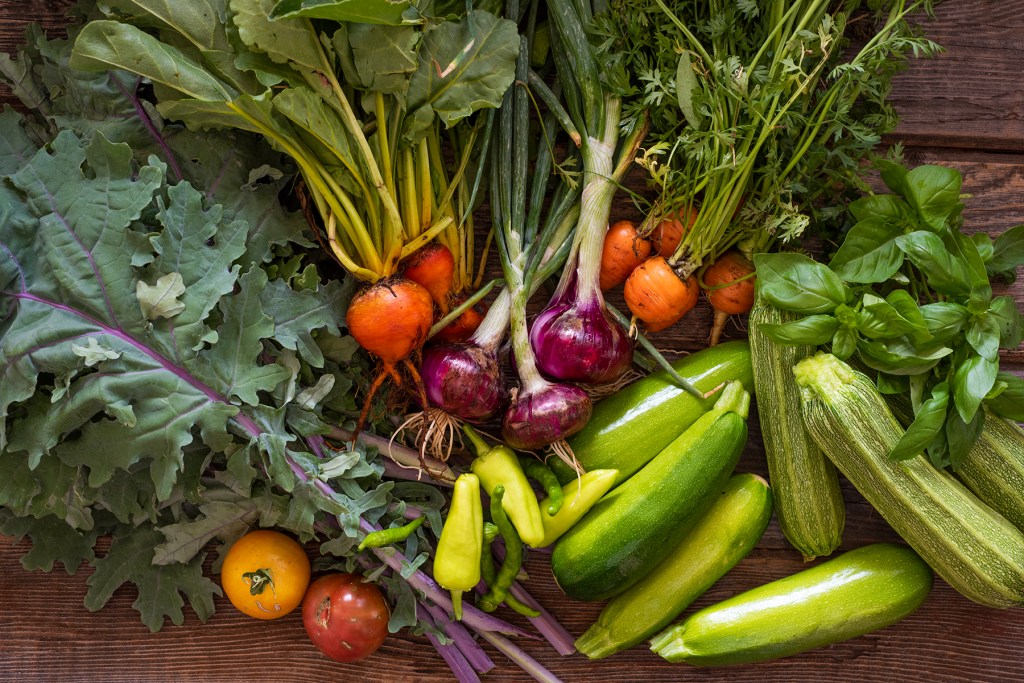
Just one day’s harvest…

Late July and August are the months we eagerly await all year – when the vegetables start rolling in. The flipside of that, of course, is that then you need to have a plan for what you’re going to do with all of that glorious food. Onions and kale are easy to deal with; they are garden stalwarts and stay fresh for weeks. Carrots and beets need to have their greens removed, at the very least; I usually don’t wash them until just before I’m ready to use them. The zucchini, of course, is where things start to feel overwhelming. Anyone who has planted zucchini knows full well that through some mysterious garden trickery you can check the plants twice a day and still end up with overgrown monsters. I like to harvest the squash when small and use it in salads, galettes and pastas; I also shred and freeze it for muffins. And our tomatoes are just now starting to come on; we’ve had a couple of early Juliets, plus a Lemon Boy and a Black Krim. The real bounty will start showing up in about ten days, and as with every year, I’m looking forward to an absurd excess of tomatoes. They never go to waste here.

So fresh! So crisp! So delicious!

We had a ridiculously abundant crop of peas this year! I adore fresh peas, but they often struggle here because we typically move so quickly from winter to summer, and peas generally like cooler, more moderate temperatures. This year, however, the plants just kept on producing, even when the temperatures accelerated into triple digits. Many, many peas were simply eaten fresh outside as a garden snack while doing chores, and many more made it inside for salads and stir-fries. The plants are mostly finished now, the peas starchy and the vines slowly crisping and browning, and all the peas still hanging will be dried and saved for seed. This year was such a roaring success that I’m very seriously considering giving the peas their own special home next to the raspberry beds, and saving the space in the raised beds for other spring crops like carrots and onions.

Neatly stacking hay bales is definitely a cardio workout.

We are thrilled to have our winter hay stores for the animals laid in. We completely guessed at the number of bales we bought last year – never having overwintered livestock – and actually came pretty close in our estimate! The animals are mostly on pasture right now but get hay in the evenings; come winter, however, this will be all the food they have. The drought has forced many producers to cull their cattle and sheep because the land can no longer support that many head, and the lack of water means that hay is obviously much more costly, too. Our hay cost fifty percent more than last year; in all honesty, we were prepared to pay double. Our focus, as always, is on ensuring that we don’t overgraze our pasture and that we always have emergency feed reserves stockpiled.

Our sunflowers are cheerful and abundant, too.

And with that, we’re off to tackle our neverending task list. Do tell, though – if you have an excess of zucchini, what are your favorite ways of using it up? I always enjoy hearing how others move through an abundance of garden produce.

Wishing you a lovely week, dear friends.

Gardening book club

The world feels far too heavy and sad, particularly here in Colorado, for some absurdly cheerful post about alpacas or chickens or whatever we’re doing on the farm. Instead, we’ll offer a brief round-up of some favorite gardening books, in the hopes that you might be inspired to search these out at your local library or favorite independent bookseller. As with cooking, there is always something new to learn about gardening and growing food, no matter how long you’ve been doing it. And as with cooking, where feeding hungry people nourishing, healthy food feels like an act of pure hope and a direct rebellion against the stupid, meaningless tragedy of the world, so does planting a seed or a sapling.

Continue reading

Farm update: October 26

Our first snowstorm arrived late last night, and with that, the 2020 growing season at Quiet Farm has officially concluded. Much of the past week has been spent preparing for this introduction to winter; though our skies will clear and temperatures will rise again later in the week, none of our annual crops will survive this cold snap. We’ve been threatened with hard freezes prior to this and have been lucky enough not to lose any plants; our season lasted far longer than expected. We’re hopeful that this early, wet storm will help the firefighters battling the numerous destructive wildfires currently raging across Colorado.

Flooding our pasture with snowmelt from the Grand Mesa.

We ran our final irrigation last week, then broke down most of our gated pipe so that we can repair any damaged gates and valves during the off-season. We have stellar water shares here at Quiet Farm, and thanks to N’s careful planning, we made our water last all season. This year was definitely a rebuilding year for our pasture, and we’re optimistic that our plans for next year’s irrigation run, which include reseeding, marking and thoughtful grazing by our herd, will yield even better results. Small farms are key to fighting climate change – if managed well, land like ours can absorb far more carbon than it emits. Establishing these “carbon sinks” across the country should be of highest priority; if this season’s devastating wildfires are any indication, the Rocky Mountain West has a tough road ahead.

Continue reading

Preserving season

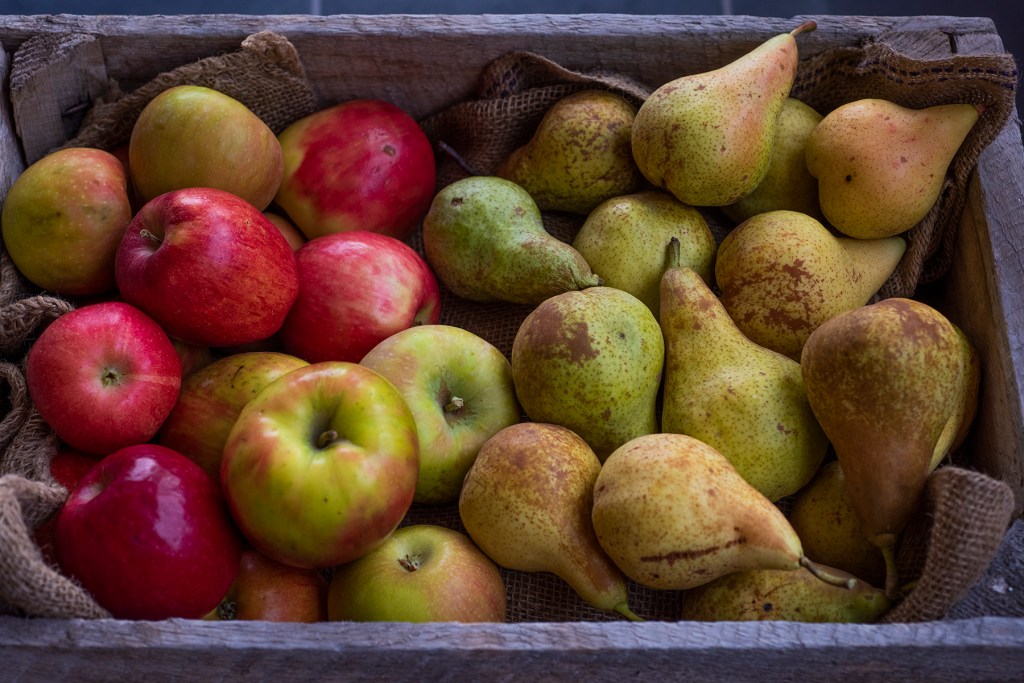
Fresh, local fruit is one of the great joys of living where we do.

There is much to be done outdoors – plant garlic, collect seeds, tidy irrigation – but there is much to be done indoors, too. We are in the height of harvest season, and every available surface in our house is littered with canning jars, dehydrator trays and other preservation projects in various stages of completion. Our goal is to eat locally as much as possible, and in the dark months of winter and early spring, that means we eat from the pantry and freezer – but only if we’ve done the hard work in advance.

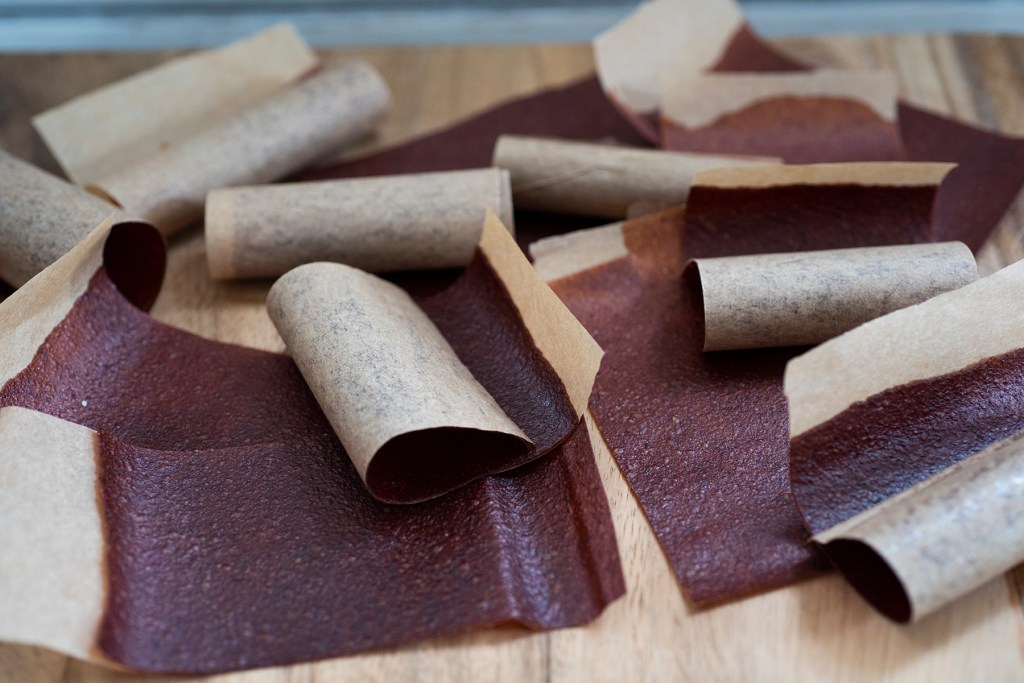
Homemade fruit leather makes a perfect healthy and portable snack.

Obviously, no one has to preserve and store the harvest any longer, and many would think the extra work we do this time of year is preposterous. Preservation is a dying art, because we live in a magical world where any food we might want, in season or not, is available with a single click. Also, most of us don’t grow our own food, so there’s even less incentive to preserve. Where our great-grandmothers might have been obligated to can their summer vegetables in order to have anything to eat in winter, we most definitely are not. And preserving can be tedious, time-consuming work. Why, then, go through all this extra effort?

Continue reading

Farm update: August 31

How are you doing out there, friends? Here at Quiet Farm we’re immensely grateful for clearer skies and cooler temperatures. We’re about seventy miles from the largest wildfire in Colorado’s history, and there were days over the past couple of weeks where it felt as though we lived inside of a barbecue grill. Although the air still smells of smoke, and we don’t have our crystalline blue skies back, conditions have definitely improved. We send our heartfelt thanks to all of the fire fighters, police officers, and other emergency services personnel who put their lives on the line every single day. Thank you.

Peaches 01 sml

To be eaten out of hand over the sink.

We went peach picking this past week; these are likely the last of this year’s harvest and ninety pounds are now nestled in boxes in our garage fridge awaiting processing. Colorado is most famous for its Palisade peaches, north of us in Mesa County; unfortunately – as though 2020 weren’t awful enough! – Palisade lost about eighty percent of its peach crop this year to that killing frost we had back in April. Our peach trees here in Delta County didn’t suffer nearly as badly (we did lose all of our cherries), so we’ll have local canned peaches in January that taste like liquid sunshine. (Fun fact: if you’re buying Palisade peaches on the Front Range, you should ask what orchard the fruit actually came from. Most of the peaches sold as “Palisade” this year didn’t come from Colorado, but from California. Also, in a season like this one, many of our Delta County peaches get rebranded as Palisade. Brand names sell, plain and simple.)

Fox 01 sml

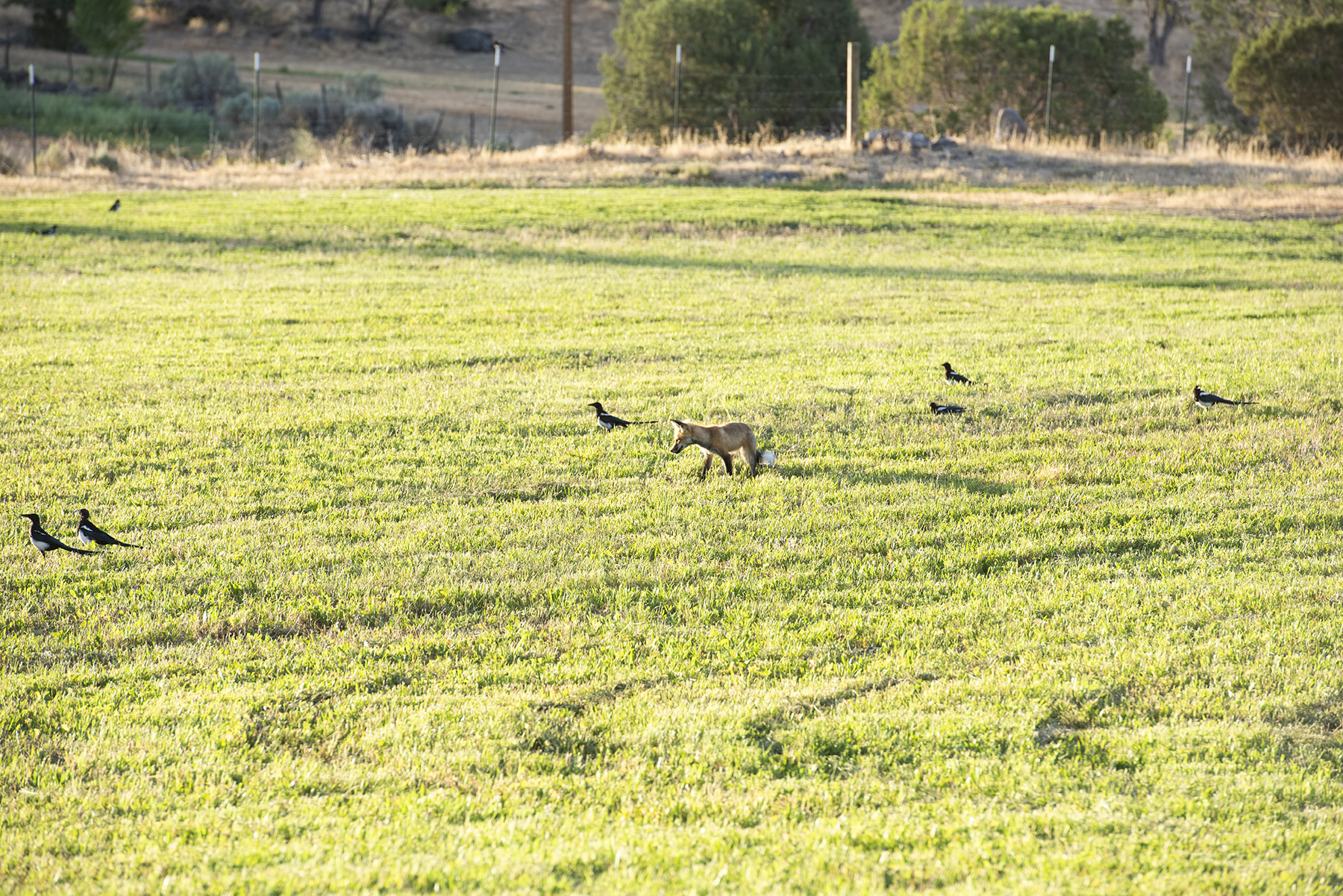
Hunting with an audience.

N captured this early morning shot of our resident young fox hunting voles in our pasture. The magpies, never shy about their desire for a free meal, wait patiently in the hope that they too might share in the spoils. It’s tough to balance our ecosystem’s need for apex predators – we definitely want the fox to help control our rodent population, but we’d also like it to stay far away from our chickens. This debate is currently playing out on a much larger scale, as the Colorado ballot this November will ask whether voters want to reintroduce gray wolves, eradicated around 1940, in our part of the state. (Also please observe how beautiful that pasture looks. All credit to N for his mowing and irrigation work this season!)

Wheat 01 sml

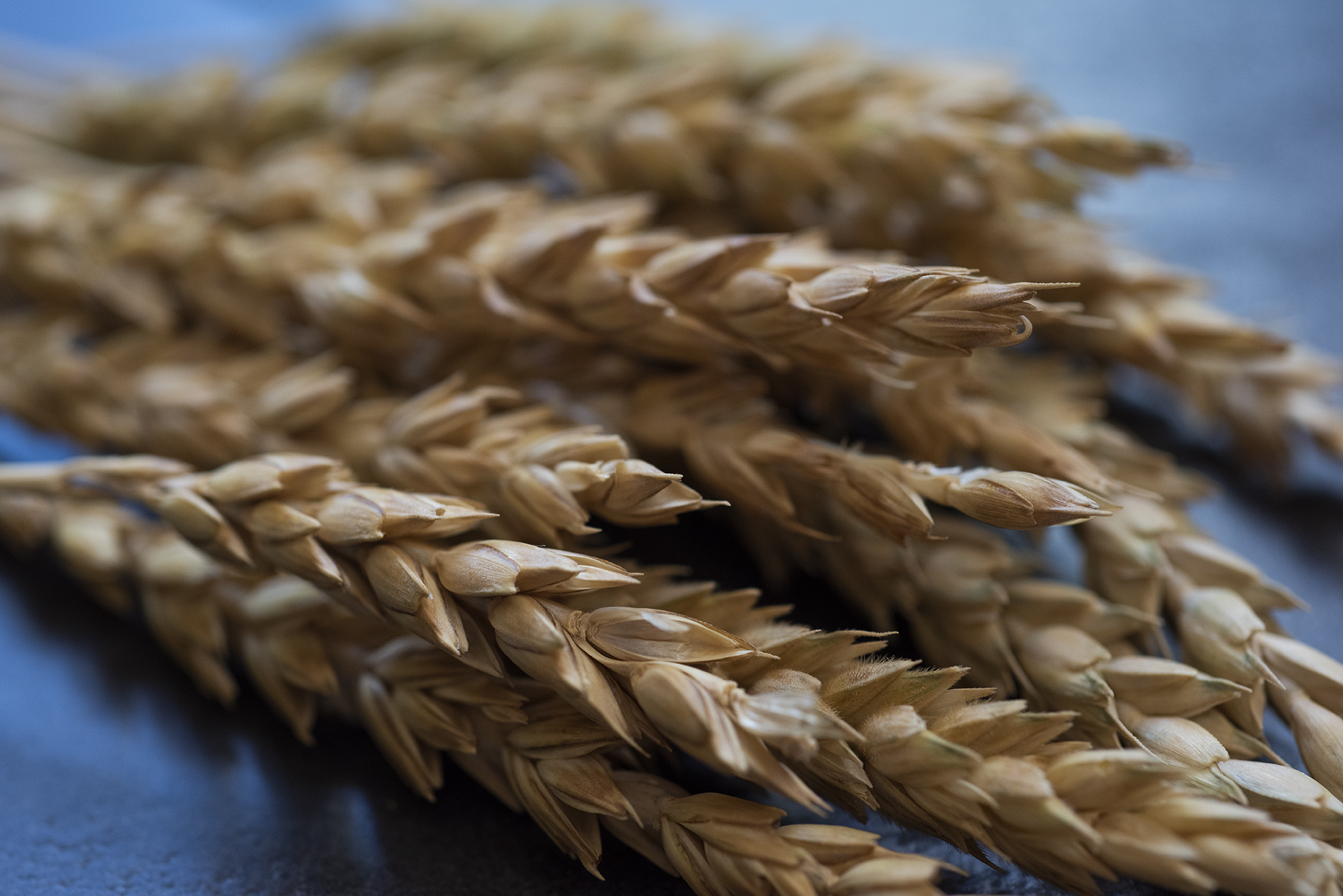
‘Marquis’ spring wheat.

We grew wheat! We opted to participate in small-scale wheat trials this year, and while much of our trial crop was demolished by deer, rabbits and squirrels, and plenty more taken out by strong winds, we did harvest a few stalks. The wheat still needs to be separated from the chaff and field notes beg to be written, plus seed must be returned to the seed bank organizing the project. If we actually grew enough to bake a single loaf of bread, I’ll be amazed – but it’s really exciting to grow grains. In decades past, most regions in the U.S. had their own uniquely adapted grain varieties, and of course this also supported the mills and bakeries required to process those grains. Those disappeared in the centralization of agriculture, but local heritage grains are staging a resurgence across the country. We want to be part of that trend, even on a minuscule scale.

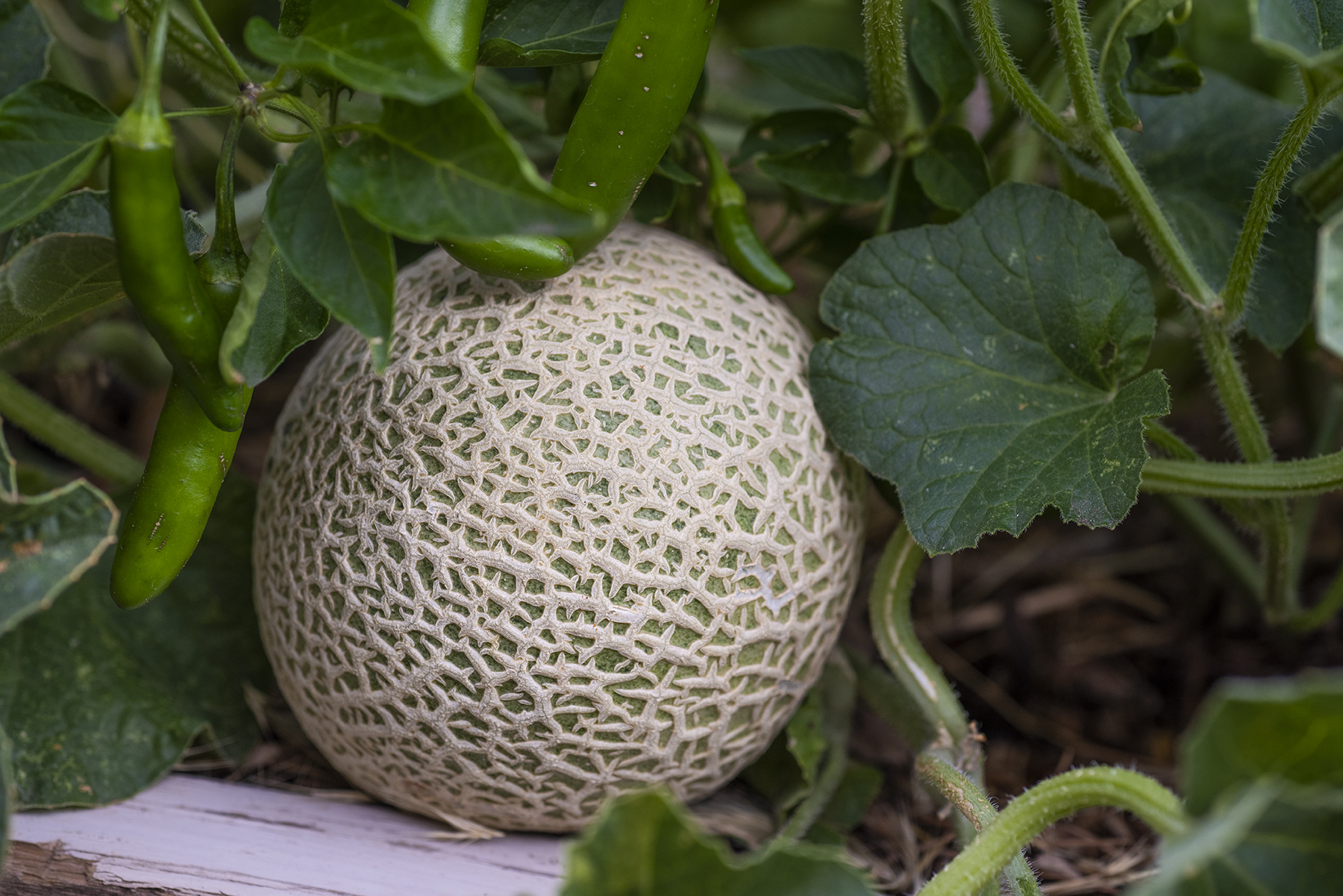
Cantaloupe 01 sml

Not bad for an unintentional crop.

We also grew melons! This is amusing because we didn’t plant any melons. We do, however, have a thriving compost pile, and members of the vast curcubit family (squash, cucumbers and melons) are notorious both for cross-pollinating and for volunteering in unexpected places. This miniature cantaloupe (each is about the size of a softball) appeared in the hot pepper bed, where the serranos and cayennes are flourishing. We have five or six mature fruits now, and are excited to harvest one to see what we grew. If it’s delicious, we’ll save the seeds in the hopes we can grow it again, and we’ll have a melon bred just for Quiet Farm!

Tomato Plate 01 sml

Definitely qualifies as a meal.

And finally, our tomatoes are coming on strong. The intense heat wave we’ve just endured definitely hastened the tomato ripening schedule, though we’ve obviously needed to irrigate much more frequently. This time of year we’re likely to have a tomato salad at every meal, if only because the season is so fleeting. No recipe needed: sun-warmed tomatoes, halved or quartered, good olive oil, thinly-sliced red onion, a few grinds of black pepper, basil and a generous sprinkling of crunchy salt. Fresh mozzarella, ricotta or cotija would obviously not go amiss here. Honestly, it’s summer in a bowl and we’ll make the most of it while it lasts.

With that, we’re off to tackle a busy week that will hopefully include a hay delivery, a pre-winter fireplace inspection and more than a few canning projects. Wishing you all safety and health.

Gardening for beginners

The aftermath of both September 11 and the 2008 economic collapse brought a renewed interest in home gardening, and our current catastrophe looks to be no different. Garden centers have started operating online, seed companies are back-ordered for the foreseeable future and lots of people are reviewing their HOA regulations and eyeing available space in their suburban backyards. While it might not be practical to expect a backyard garden to provide all necessary food for a standard American family (how do you grow dinosaur-shaped chicken nuggets, anyway?), gardening offers an active yet meditative experience, an immense sense of satisfaction and self-sufficiency, and a deeper appreciation for how much work it takes to grow food. With that in mind, we offer a few basic tips for people looking to start their own garden.

Seedling 02 sml

The current seed-starting set-up in our sunroom, expanding by the day.

Start small, and plant what you’ll actually eat. In moments of stress or panic (or when we suddenly have an unexpected amount of free time on our hands) we might be tempted to dig up our entire backyard and start an urban farm. This is great in theory, but if you’ve never grown a single basil plant before, we highly recommend that you start small – maybe just a couple of herb pots or a tidy little container garden on a sunny patio. It’s easy to think big and abundant, but when things return (somewhat) to normal, whenever that may be, you may not have the necessary time to devote to your garden. You can always expand if it turns out you love growing food.

Also in the interest of keeping things manageable, plant what you’ll actually eat. I’ve decided this year that I’m no longer going to devote precious garden space to eggplant, because although we don’t hate it, we don’t love it, either. And our vegetable real estate is exceedingly valuable – more so every year – and I want to plant things we adore, like tomatoes and peppers and interesting culinary herbs. When you’re choosing what you’ll grow, make sure you have a selection of vegetables and herbs that are relevant to your household, and if possible, try one new variety that you’ve never eaten before.

Continue reading

Starting seeds

Welcome to March! Our spring is shaping up to be a bit too premature and a bit too warm and a bit too dry for our liking; we’d like to see quite a lot more moisture. This time last year, we still had at least four inches of snowpack on the ground; this year, zilch. Also last year, we were adorable, eager, optimistic, first-year farmers, and we started our seeds way too early. This year, we’re hardened, grizzled veterans, so we know better. And next year? Watch out.

Compost 08 sml

If you’re going to grow anything outside, the single most important piece of information you need is your average first and last frost date. This statistic is pretty much exactly what it sounds like; weather stations all over the country send data to the USDA, which in turn calculates average first and last frost dates. These dates are essential because most (but not all) annual food crops will not tolerate freezing temperatures.

Here at Quiet Farm, our average last frost is May 13, and our average first frost is October 4 for a 143-day growing season; this means we’re almost assured not to have frost between these dates. Keep in mind, however, that this is an average, not a guarantee – you’re safer assuming that frost is possible one to two weeks on either side of these dates. (The location of weather stations varies widely and can sometimes be inaccurate, so check where your closest weather station is located to ensure you’re getting the best information. Plus, the climate emergency is totally destroying the consistency and reliability of these dates. It’s all pretty much guesswork from here on out.)

Continue reading

Farm update: October 21

Buck 01 sml

The south lawn of our house makes a peaceful resting spot.

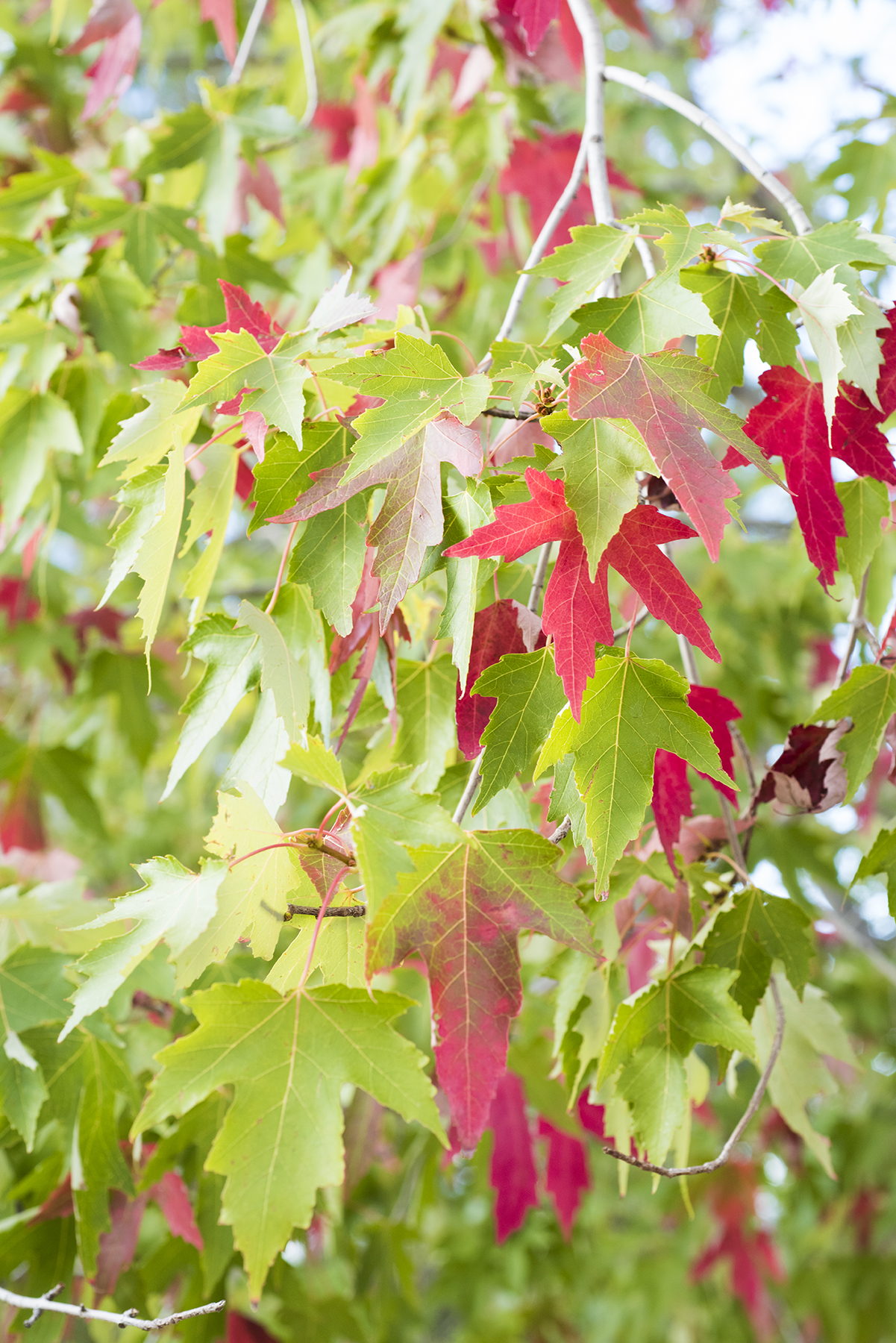
Is it autumn where you live? Is it crisp and cool with bright scarlet and gold leaves everywhere? Is it dark when you wake up in the morning? It is here, and we’re settling into this brief transition season before winter extends its icy grip. Much of our work these days involves cleaning, tidying, preserving, covering and generally setting things in place for the colder months. We try to take advantage of these bluebird fall days for as long as we can; once the snows come, we won’t be working outside much.

Garlic Slate 01 sml

Growing garlic takes forever, but it’s worth the wait.

Ninety of this season’s largest garlic cloves have been planted in a bed newly prepared with lots of rich compost. Last year’s garlic went into an existing cinderblock bed that was here when we moved in; a few weeks ago we broke that bed down and dispersed the soil into new trenches for garlic and asparagus. The cloves will slumber quietly here over the winter, and in the spring we’ll hopefully see green garlic peeking up through mulch and snow. Every year we’ll plant more and more garlic; we eat a lot of it, of course, but since garlic adapts to its unique environment, we want a generous quantity to save for planting.

Irrigation Water 01 sml

The water runs through a culvert underneath our driveway and out into our pasture. You can see our flume in the upper right.

We ran our irrigation water for the first time this season, and it went surprisingly well. Our pasture isn’t planted right now so the irrigation run was more of an experiment to see how the water would move through our gated pipe system. We own shares in a local creek that pulls water from reservoirs on the Grand Mesa; when we want to run water we order a certain amount for a certain period and that water is deducted from our account. This run was for two days (forty-eight hours straight!) and it requires a lot of hands-on management, mainly opening and closing gates manually in the big pipes. When we’re more comfortable with our irrigation we won’t need to babysit it as much, but we’re unleashing hundreds of thousands of gallons of water mere feet from our house, and we definitely want to pay close attention to where it’s going.

Tomatoes Ripening 01 sml

Our tomato crop redeemed itself after a rocky start.

We harvested all of our vegetables prior to our recent hard freeze and brought in just over one hundred pounds of green, unripe tomatoes. In the past I’ve never had good luck ripening tomatoes indoors, but for whatever reason these are ripening quite well. They’re no longer good to eat fresh – the overnight temperatures dropped too low, so the tomatoes taste as though they’ve been refrigerated – but they’re perfect for sauces, soups and purees. A pantry stocked with canned homegrown tomatoes is a winter gift indeed.

Tree Mulch 01 sml

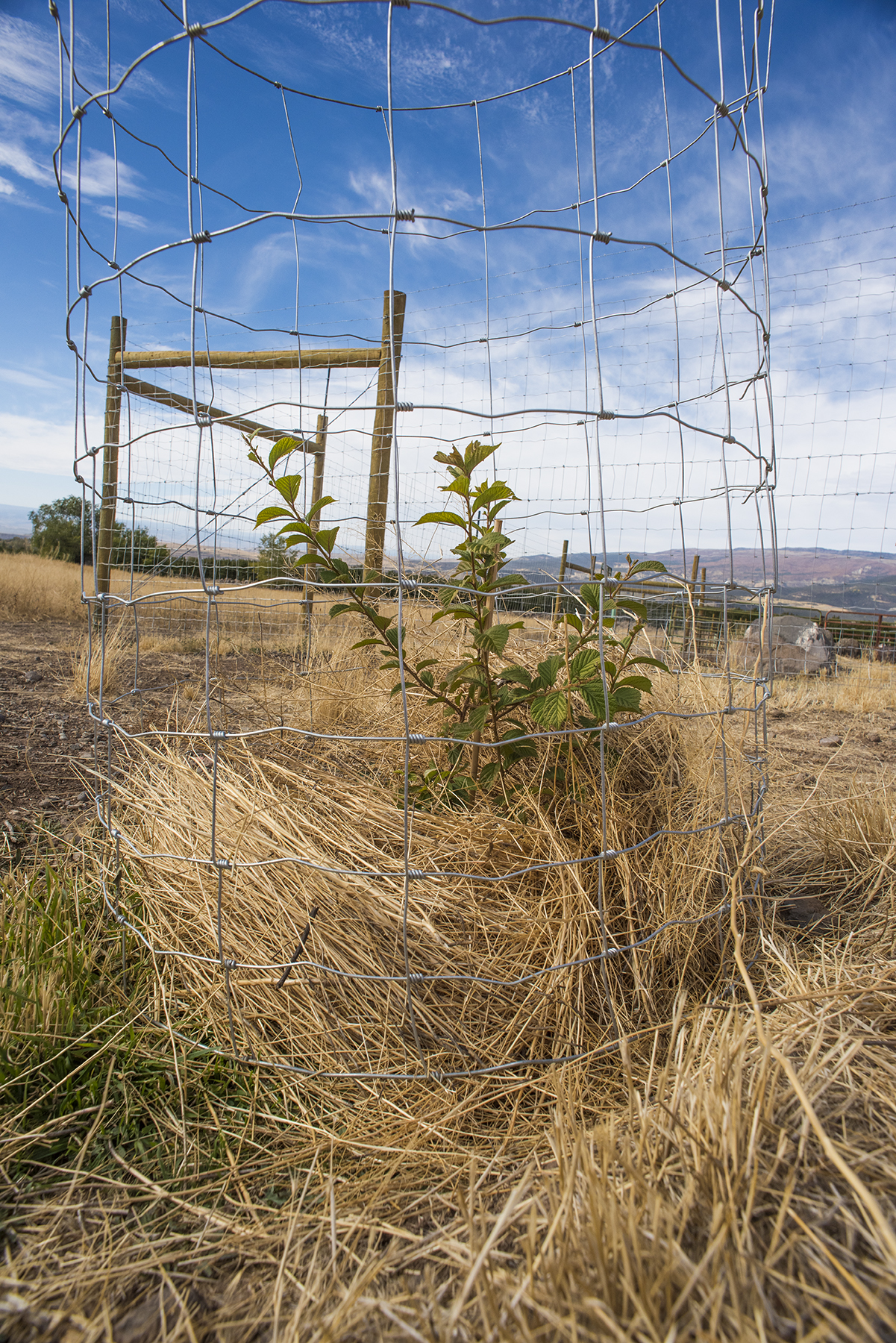
One of our little saplings, hopefully protected from winter weather (and deer). 

We’ve hustled recently to layer all of our fruit tree saplings with warm winter mulch. Some of our little trees look healthy and others are…struggling. We’re hopeful that the mulch blanket will keep the trees protected from our harsh winter weather, since their root systems are likely to still be quite delicate. One of our priority spring projects next year will be to put a drip irrigation system in the orchard so we can stop watering the trees by hand.

We’re back to work, friends. We wish you a good week.


The FAQ Series: Tomatoes

People think of tomatoes as a summer crop – as in June and July summer. And perhaps you live in a Magical Land of Elves and Unicorns (hello, Florida and southern California!) where field-grown tomatoes are available virtually year-round. Here in western Colorado, however, field-grown tomatoes don’t come on strong until August and September – but of course all the food blogs and magazines are telling us that it’s now time for apple cider and winter squash and pumpkin spice everything. It’s a confusing period, this shoulder season.

heirloom-tomatoes-05-sml.jpg

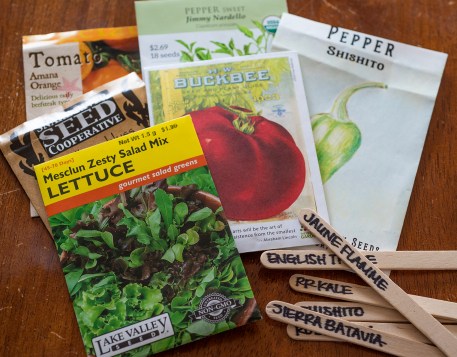
Seed packets offer plenty of information – and if it’s an heirloom, they’ll be sure to mention it.

There is no debate that tomatoes are the star of the garden. They’re by far the most popular crop for home gardeners as well as the biggest seller at farmers’ markets, and more tomatoes are grown each year than any other fruit in the world – including apples and bananas. There are more than twenty thousand known varieties of tomatoes, and new cultivars are developed every year.

Like the word organic, the word heirloom gets thrown around a lot in reference to tomatoes. But what is an heirloom tomato, exactly? And why do they cost five dollars a pound?

Continue reading