Farm update: January 25

Hello there, and how are things in your world? We’re still in the slower season here at Quiet Farm, but we’re starting to think about spring planting and other farm tasks on our to-do list. The biggest issue on our minds right now is definitely water, or lack thereof – it’s been far too warm and dry this winter, with very little snow. We need about twenty feet of snowpack on the Grand Mesa in order to have decent irrigation run-off in spring and summer, and right now we have two feet – or ten percent of what we need. We are hoping for an exceptionally wet spring, but to be honest it’s looking as though our “extraordinary drought conditions” will persist, which likely means more wildfires, too. With that concern front and center, we’re always thinking of ways we can use the water we do have more efficiently.

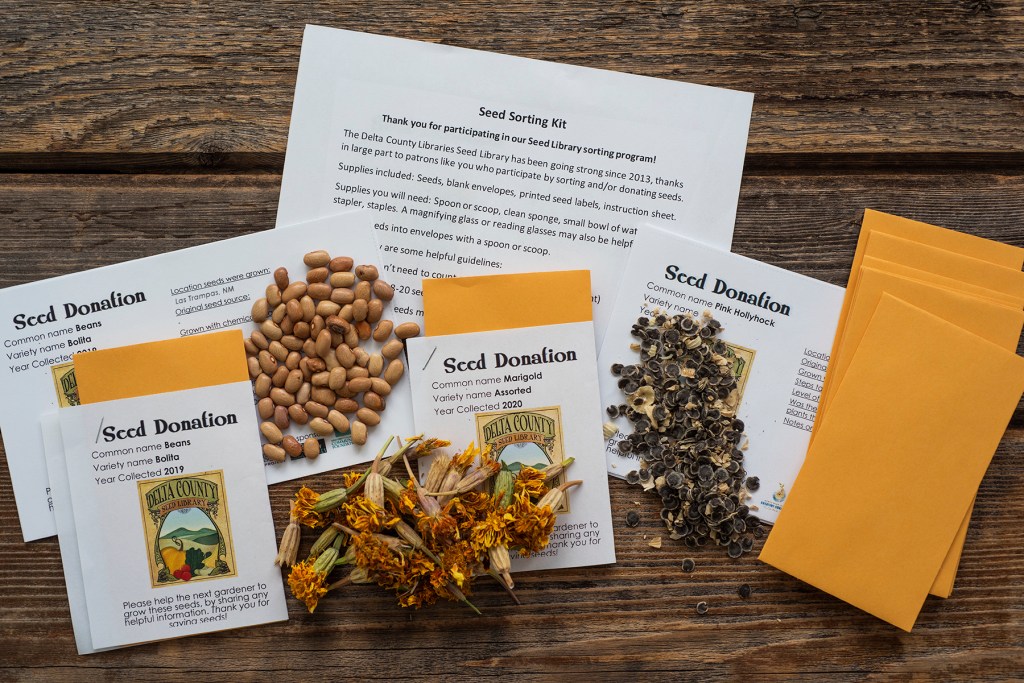
We love our local library’s seed bank!

We are huge fans of the Delta County Library system, which does yeoman’s work on a painfully limited budget. In years past we’ve attended “seed-sorting parties” in late winter to help the library prepare its extensive seed bank for the spring growing season. Obviously we cannot gather in person at the moment, so the library managed a perfect pivot and created take-home kits for volunteers. Each kit contained donated seeds (we received bolita beans, marigolds and pink hollyhock) and we sorted and packaged the seeds into individual labeled envelopes. Local gardeners are encouraged to “check out” seeds in spring, grow out the crop, then collect and return seeds to the library in autumn to share with other gardeners. The seed library has been going strong in Delta County since 2013; this program not only encourages seed-saving, but also provides an incredible wealth of locally-adapted seeds and helps build our foodshed’s sovereignty. A task like this is well worth our time.

Continue reading

Farm update: October 26

Our first snowstorm arrived late last night, and with that, the 2020 growing season at Quiet Farm has officially concluded. Much of the past week has been spent preparing for this introduction to winter; though our skies will clear and temperatures will rise again later in the week, none of our annual crops will survive this cold snap. We’ve been threatened with hard freezes prior to this and have been lucky enough not to lose any plants; our season lasted far longer than expected. We’re hopeful that this early, wet storm will help the firefighters battling the numerous destructive wildfires currently raging across Colorado.

Flooding our pasture with snowmelt from the Grand Mesa.

We ran our final irrigation last week, then broke down most of our gated pipe so that we can repair any damaged gates and valves during the off-season. We have stellar water shares here at Quiet Farm, and thanks to N’s careful planning, we made our water last all season. This year was definitely a rebuilding year for our pasture, and we’re optimistic that our plans for next year’s irrigation run, which include reseeding, marking and thoughtful grazing by our herd, will yield even better results. Small farms are key to fighting climate change – if managed well, land like ours can absorb far more carbon than it emits. Establishing these “carbon sinks” across the country should be of highest priority; if this season’s devastating wildfires are any indication, the Rocky Mountain West has a tough road ahead.

Continue reading

Farm update: August 31

How are you doing out there, friends? Here at Quiet Farm we’re immensely grateful for clearer skies and cooler temperatures. We’re about seventy miles from the largest wildfire in Colorado’s history, and there were days over the past couple of weeks where it felt as though we lived inside of a barbecue grill. Although the air still smells of smoke, and we don’t have our crystalline blue skies back, conditions have definitely improved. We send our heartfelt thanks to all of the fire fighters, police officers, and other emergency services personnel who put their lives on the line every single day. Thank you.

Peaches 01 sml

To be eaten out of hand over the sink.

We went peach picking this past week; these are likely the last of this year’s harvest and ninety pounds are now nestled in boxes in our garage fridge awaiting processing. Colorado is most famous for its Palisade peaches, north of us in Mesa County; unfortunately – as though 2020 weren’t awful enough! – Palisade lost about eighty percent of its peach crop this year to that killing frost we had back in April. Our peach trees here in Delta County didn’t suffer nearly as badly (we did lose all of our cherries), so we’ll have local canned peaches in January that taste like liquid sunshine. (Fun fact: if you’re buying Palisade peaches on the Front Range, you should ask what orchard the fruit actually came from. Most of the peaches sold as “Palisade” this year didn’t come from Colorado, but from California. Also, in a season like this one, many of our Delta County peaches get rebranded as Palisade. Brand names sell, plain and simple.)

Fox 01 sml

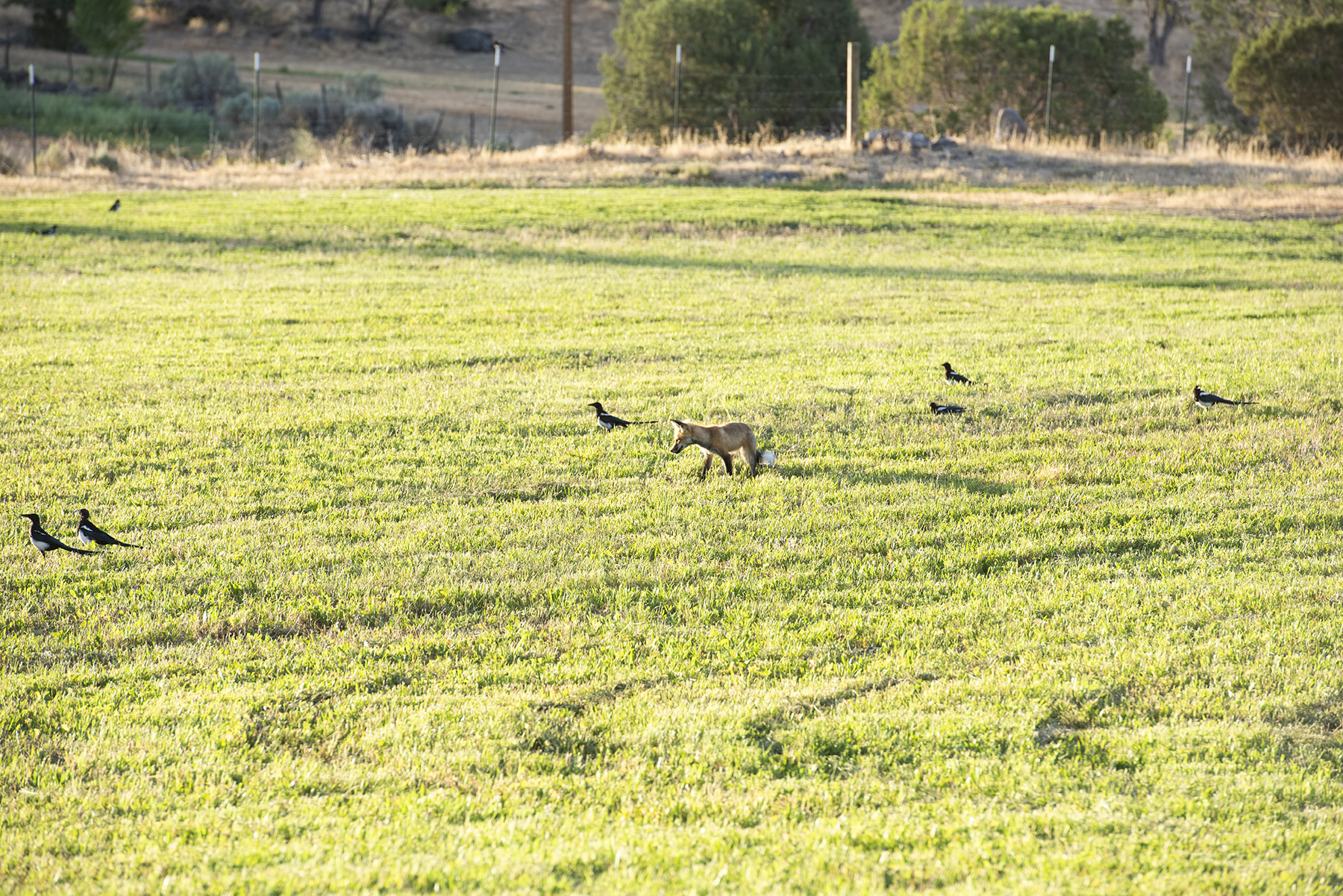
Hunting with an audience.

N captured this early morning shot of our resident young fox hunting voles in our pasture. The magpies, never shy about their desire for a free meal, wait patiently in the hope that they too might share in the spoils. It’s tough to balance our ecosystem’s need for apex predators – we definitely want the fox to help control our rodent population, but we’d also like it to stay far away from our chickens. This debate is currently playing out on a much larger scale, as the Colorado ballot this November will ask whether voters want to reintroduce gray wolves, eradicated around 1940, in our part of the state. (Also please observe how beautiful that pasture looks. All credit to N for his mowing and irrigation work this season!)

Wheat 01 sml

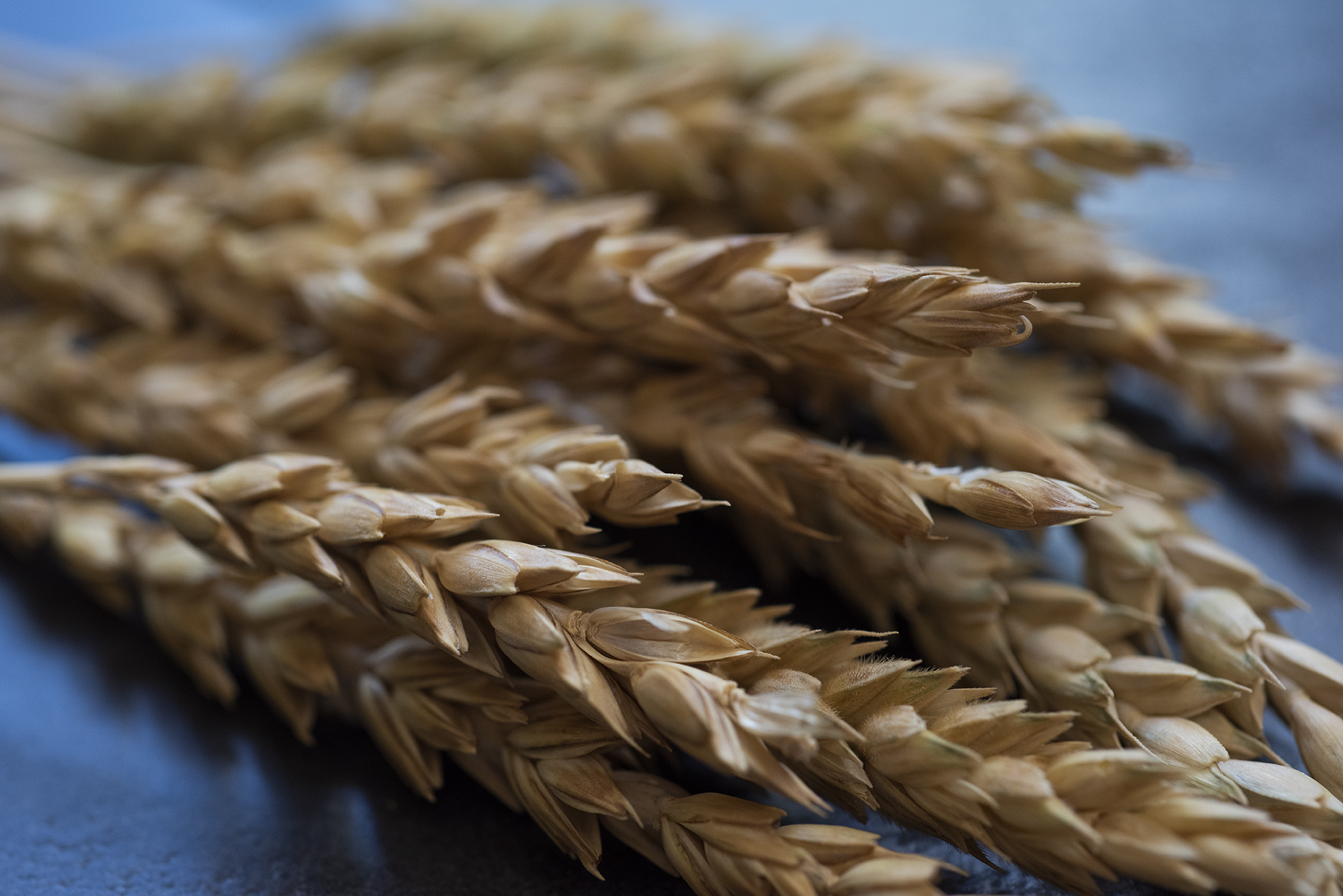
‘Marquis’ spring wheat.

We grew wheat! We opted to participate in small-scale wheat trials this year, and while much of our trial crop was demolished by deer, rabbits and squirrels, and plenty more taken out by strong winds, we did harvest a few stalks. The wheat still needs to be separated from the chaff and field notes beg to be written, plus seed must be returned to the seed bank organizing the project. If we actually grew enough to bake a single loaf of bread, I’ll be amazed – but it’s really exciting to grow grains. In decades past, most regions in the U.S. had their own uniquely adapted grain varieties, and of course this also supported the mills and bakeries required to process those grains. Those disappeared in the centralization of agriculture, but local heritage grains are staging a resurgence across the country. We want to be part of that trend, even on a minuscule scale.

Cantaloupe 01 sml

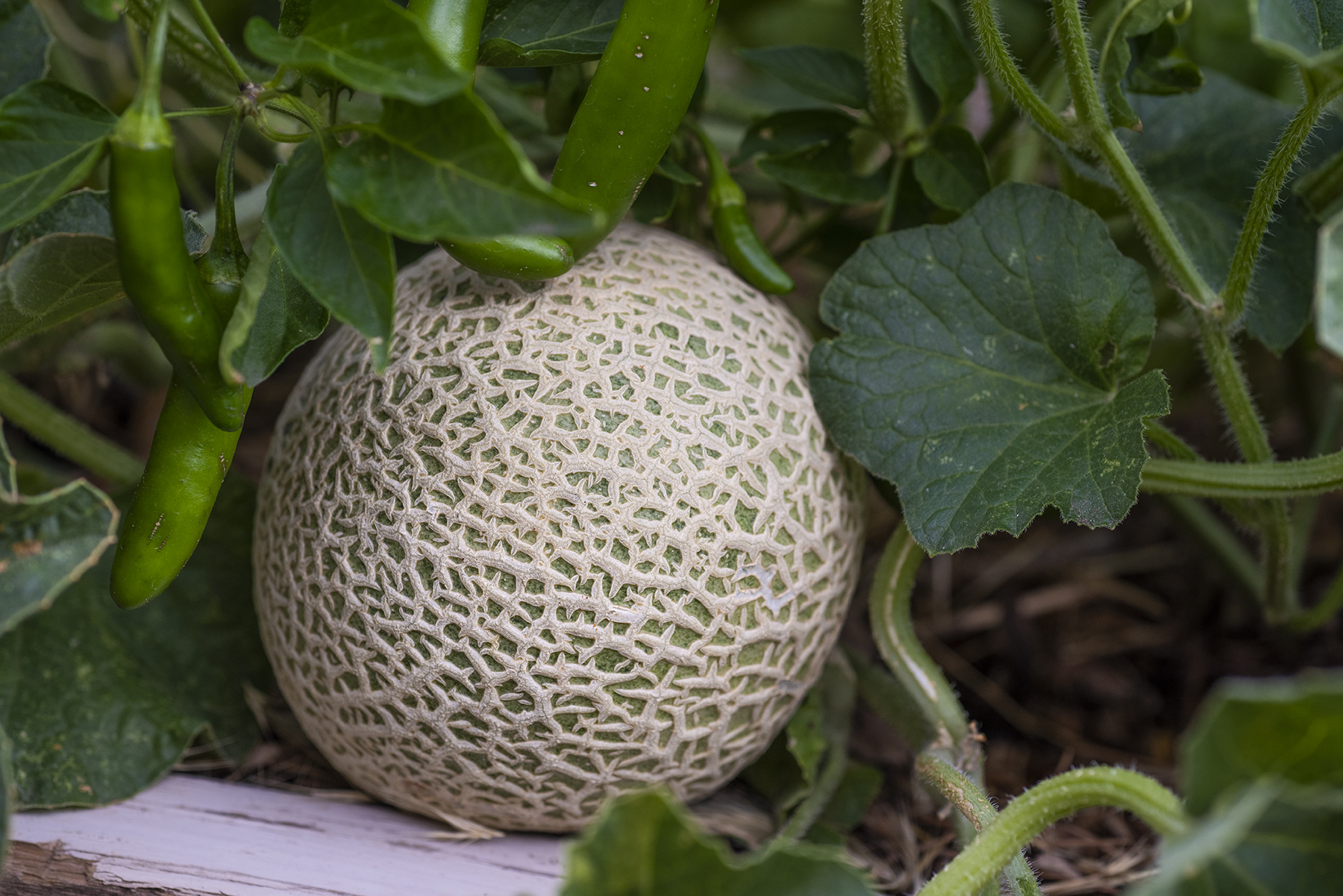
Not bad for an unintentional crop.

We also grew melons! This is amusing because we didn’t plant any melons. We do, however, have a thriving compost pile, and members of the vast curcubit family (squash, cucumbers and melons) are notorious both for cross-pollinating and for volunteering in unexpected places. This miniature cantaloupe (each is about the size of a softball) appeared in the hot pepper bed, where the serranos and cayennes are flourishing. We have five or six mature fruits now, and are excited to harvest one to see what we grew. If it’s delicious, we’ll save the seeds in the hopes we can grow it again, and we’ll have a melon bred just for Quiet Farm!

Tomato Plate 01 sml

Definitely qualifies as a meal.

And finally, our tomatoes are coming on strong. The intense heat wave we’ve just endured definitely hastened the tomato ripening schedule, though we’ve obviously needed to irrigate much more frequently. This time of year we’re likely to have a tomato salad at every meal, if only because the season is so fleeting. No recipe needed: sun-warmed tomatoes, halved or quartered, good olive oil, thinly-sliced red onion, a few grinds of black pepper, basil and a generous sprinkling of crunchy salt. Fresh mozzarella, ricotta or cotija would obviously not go amiss here. Honestly, it’s summer in a bowl and we’ll make the most of it while it lasts.

With that, we’re off to tackle a busy week that will hopefully include a hay delivery, a pre-winter fireplace inspection and more than a few canning projects. Wishing you all safety and health.

Farm update: June 22

‘Tis the season of both growth and destruction. We spend most of our time weeding and watering and looking for new growth on our crops and in our pasture; in response, all of our crafty farm pests have come out with hunger in their tummies and destruction on their minds. Time spent not watering or weeding is instead spent defending our territory. It’s a hard-fought war of attrition out here, and both sides are digging their heels in.

Raspberry Growth 01 sml

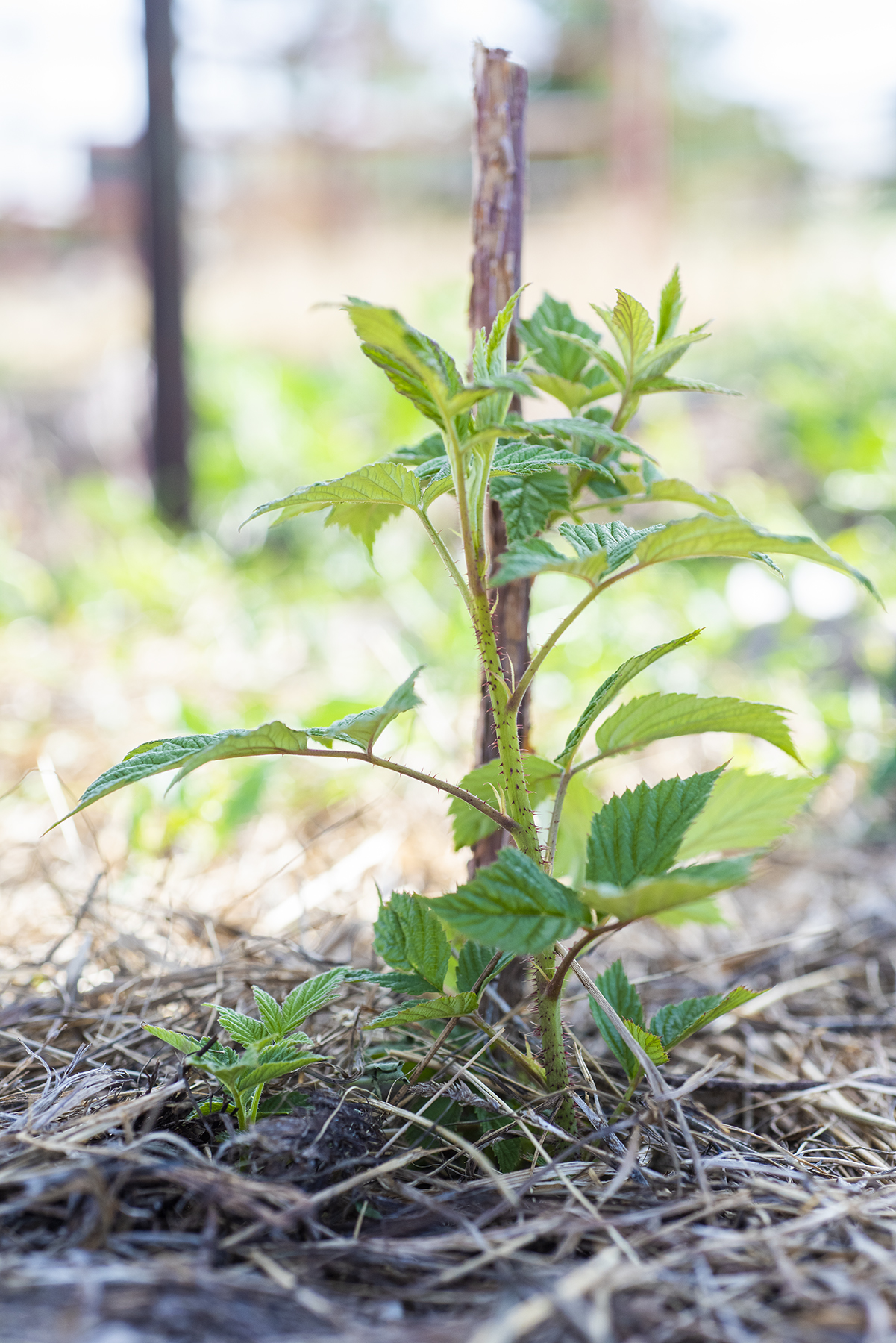
A raspberry cane with reassuring new growth.

We’re so pleased to see new growth on most of our raspberry canes. You might remember that we planted forty canes last year and every single one failed; this year we regrouped with drip irrigation and we believe that made all the difference. Bramble fruits like raspberries and blackberries typically do well in our climate; we’d love to grow our own fruit as well as our own vegetables. We’re always, always learning out here, and we’re trying hard not to make the same mistakes twice. We like to make lots of different mistakes instead.

Continue reading

Where the water goes

There has long existed a tired stereotype of a farmer as some sort of rural idiot, a barely-literate country bumpkin who can only just string two sentences together. If there is anything we’ve learned during our nearly two-year (!) farming adventure, it’s that a successful small farmer is anything but stupid. You have to be a veterinarian and a seedsman and an ATV mechanic and a soil scientist and an entomologist. You have to dig holes, repair fences, build structures, patch hoses and outwit pests. You have to be strong, creative, resourceful, thrifty and tireless. And you have to know how to manage the water on your property, no matter how it gets there.

Drip Irrigation 02 sml

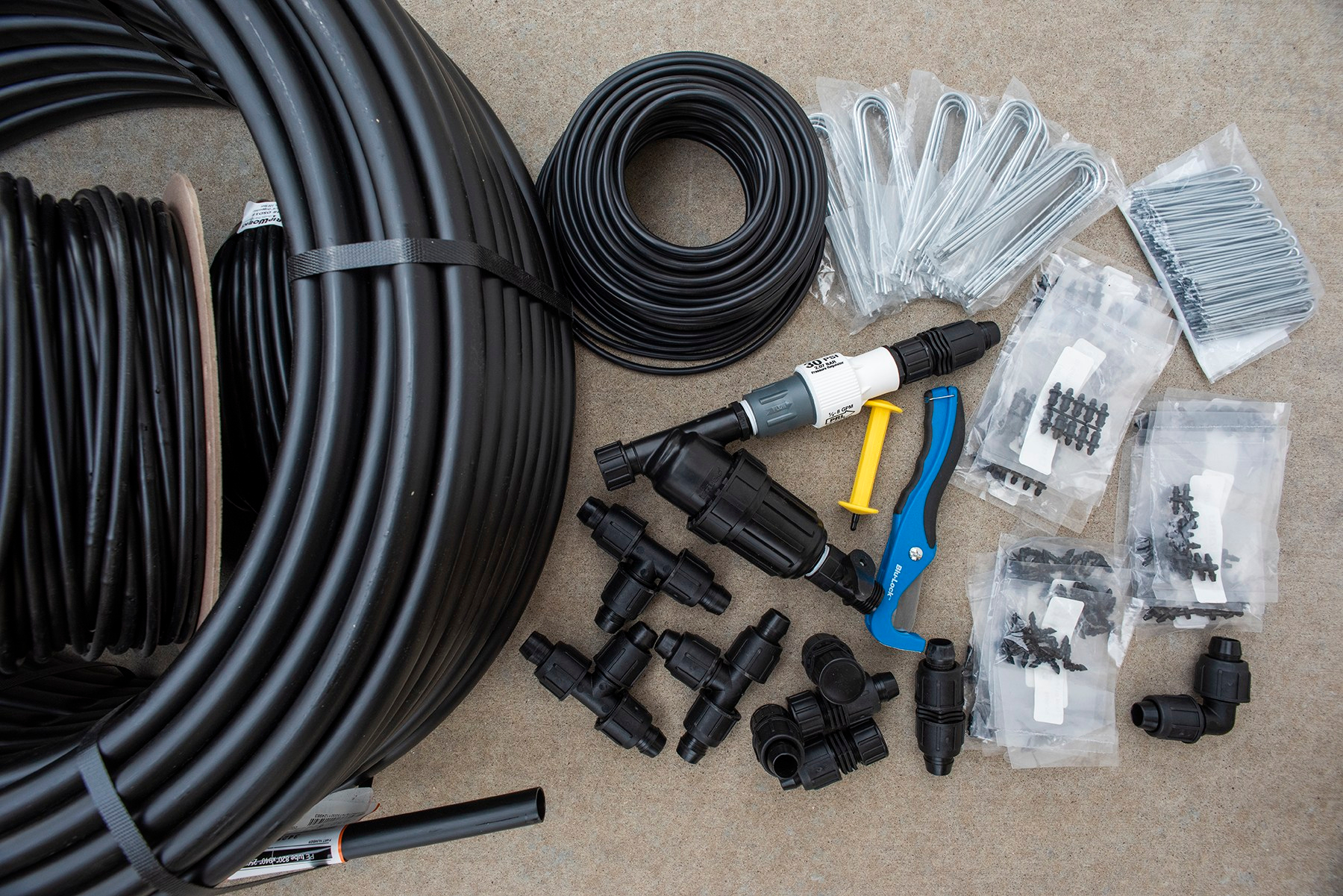
The components of one of our drip irrigation kits.

One of our goals for this, our second full season of farming, is to get our irrigation dialed in. We don’t farm in a traditional American sense, i.e. hundreds of acres of the same crop (usually corn or soybeans) laid out in precise rows and neat blocks. Irrigating that sort of monocrop is relatively easy, because every plant is identical and therefore its water needs are identical, too. Once that irrigation system is established, it’s basically set-it-and-forget-it. Instead, we farm in a sort-of patchwork style all across our property: perennial herbs in this corner, a bed or two or nine here, trees over there. As a result, our irrigation is similarly patchwork, because there is no one-size-fits-all solution.

Continue reading

Farm update: May 11

It’s hot, dry and windy out here, and feels more like late July than early May. We seem to have skipped straight from a parched winter into an equally arid summer, missing the soft green lushness of spring entirely; the peas and radishes survived frost damage only to turn bitter and pithy from sun scald. Last year we had rain almost every single day in May, and this year it’s unlikely we’ll see any. Early reports indicate that the mountain snowpack is melting far too quickly, thanks to this premature summer, and our primary focus these days is on keeping all of our plants irrigated. Here are a few more things we’ve been up to recently.

Irrigation 02 sml

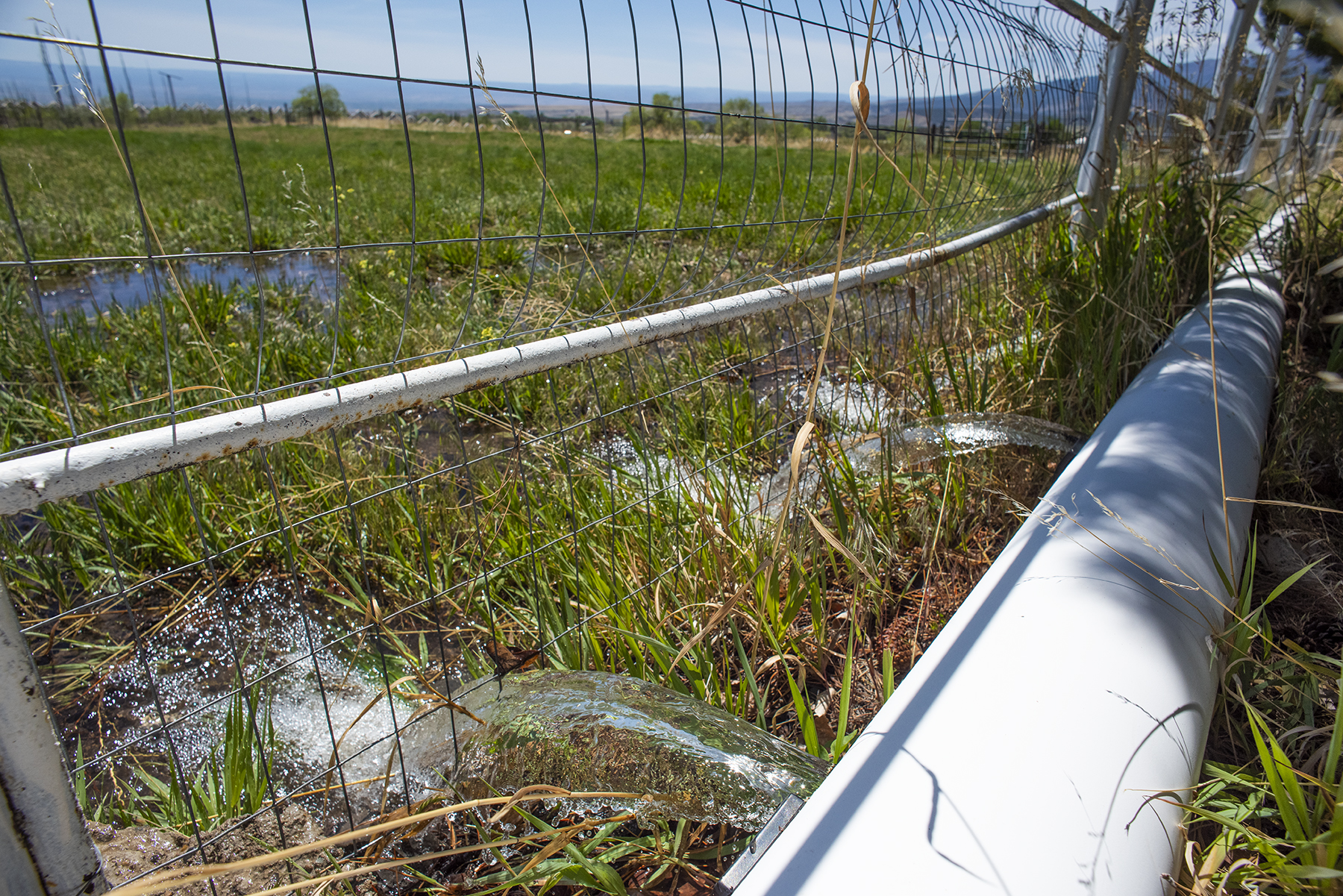
Our gated irrigation pipe at work. 

All of our irrigation water comes from snow on the Grand Mesa. When the snow thaws each spring, the snowmelt makes its way down the mountain through an intricate series of ditches, headgates, creeks and pipes. We’re focused this year on regenerating our pasture, so have started flood-irrigating our land to see what grows. Later this season we’ll remark our pasture (cut channels that direct the water) and hopefully seed it with perennial grasses, too. Eventually we’ll use the land for rotational grazing, likely a grass-fed steer or two. Flood irrigation requires a lot of work – the water has to be “moved” by opening and closing valves and gates along the pipes – but it’s the system we have, so we’re learning how to use it to the land’s advantage.

Continue reading

One potato, two potato

Last year we planted potatoes for the first time and achieved a reasonable level of success for a freshman effort, though our part of Colorado isn’t at all suited for potato growing. To our south and east, however, you’ll find the San Luis Valley: the second-largest fresh potato-growing region in the country and justifiably famous for the crop. Their loose, sandy soils are much better for potatoes than our heavy, rocky clay.

Potato Towers 01 sml

Last season’s potato towers.

But like any stubborn farmer, we love being told what we can’t grow, so that we can try it anyway. We quickly realized that we wouldn’t be planting potatoes in the ground and so opted for potato towers: layers of soil, compost, newspaper and straw in a wire cage, with seed potatoes nestled gently in between. We planted about one and a half pounds of seed potatoes in each of three potato towers, and yielded about twenty pounds of potatoes in total – not bad, considering the minimal growing space and effort required, but not the thirty-plus pounds we were hoping for. And some of the potatoes were really tiny, like the size of marbles. Not very practical.

Continue reading

Farm update: October 21

Buck 01 sml

The south lawn of our house makes a peaceful resting spot.

Is it autumn where you live? Is it crisp and cool with bright scarlet and gold leaves everywhere? Is it dark when you wake up in the morning? It is here, and we’re settling into this brief transition season before winter extends its icy grip. Much of our work these days involves cleaning, tidying, preserving, covering and generally setting things in place for the colder months. We try to take advantage of these bluebird fall days for as long as we can; once the snows come, we won’t be working outside much.

Garlic Slate 01 sml

Growing garlic takes forever, but it’s worth the wait.

Ninety of this season’s largest garlic cloves have been planted in a bed newly prepared with lots of rich compost. Last year’s garlic went into an existing cinderblock bed that was here when we moved in; a few weeks ago we broke that bed down and dispersed the soil into new trenches for garlic and asparagus. The cloves will slumber quietly here over the winter, and in the spring we’ll hopefully see green garlic peeking up through mulch and snow. Every year we’ll plant more and more garlic; we eat a lot of it, of course, but since garlic adapts to its unique environment, we want a generous quantity to save for planting.

Irrigation Water 01 sml

The water runs through a culvert underneath our driveway and out into our pasture. You can see our flume in the upper right.

We ran our irrigation water for the first time this season, and it went surprisingly well. Our pasture isn’t planted right now so the irrigation run was more of an experiment to see how the water would move through our gated pipe system. We own shares in a local creek that pulls water from reservoirs on the Grand Mesa; when we want to run water we order a certain amount for a certain period and that water is deducted from our account. This run was for two days (forty-eight hours straight!) and it requires a lot of hands-on management, mainly opening and closing gates manually in the big pipes. When we’re more comfortable with our irrigation we won’t need to babysit it as much, but we’re unleashing hundreds of thousands of gallons of water mere feet from our house, and we definitely want to pay close attention to where it’s going.

Tomatoes Ripening 01 sml

Our tomato crop redeemed itself after a rocky start.

We harvested all of our vegetables prior to our recent hard freeze and brought in just over one hundred pounds of green, unripe tomatoes. In the past I’ve never had good luck ripening tomatoes indoors, but for whatever reason these are ripening quite well. They’re no longer good to eat fresh – the overnight temperatures dropped too low, so the tomatoes taste as though they’ve been refrigerated – but they’re perfect for sauces, soups and purees. A pantry stocked with canned homegrown tomatoes is a winter gift indeed.

Tree Mulch 01 sml

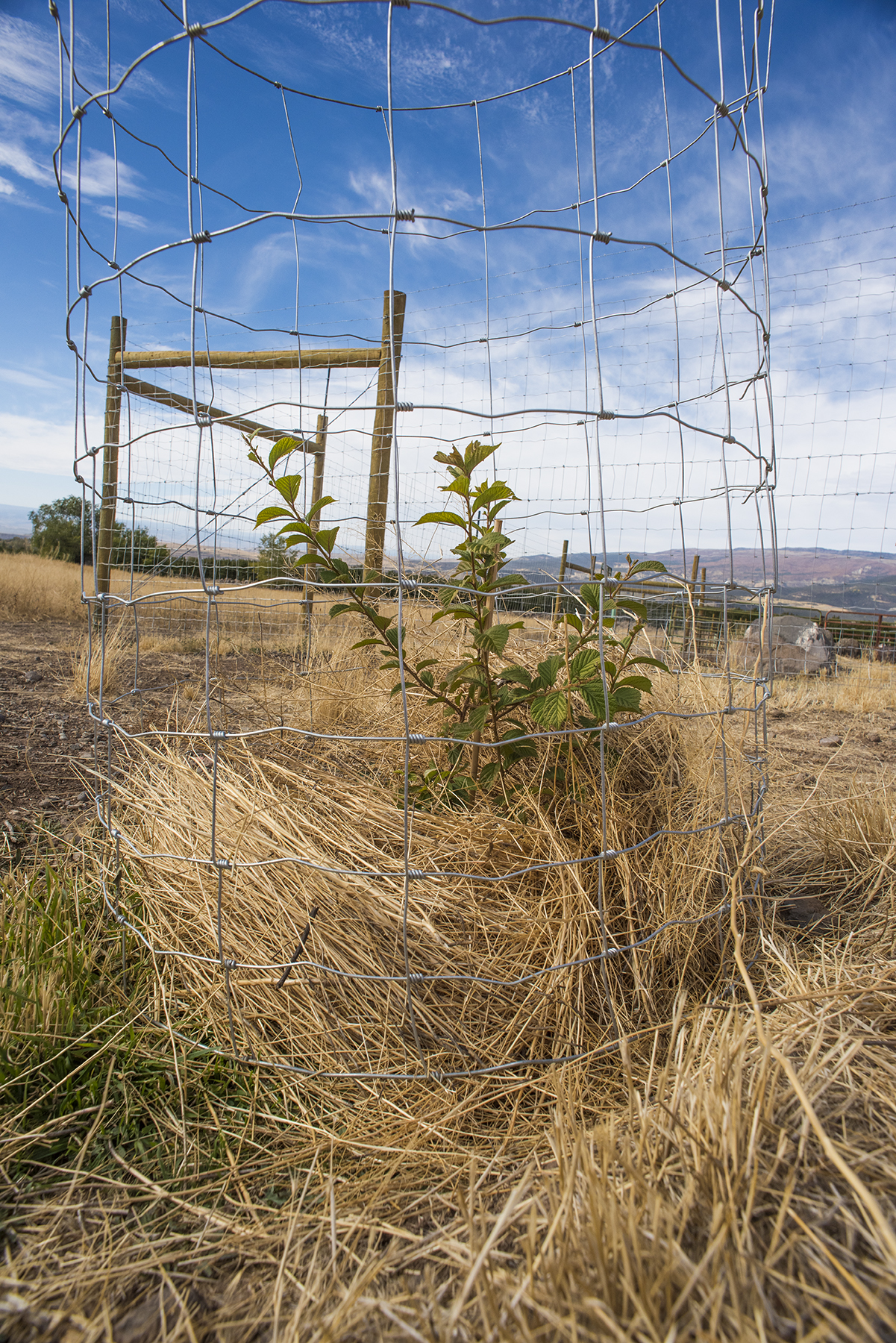
One of our little saplings, hopefully protected from winter weather (and deer). 

We’ve hustled recently to layer all of our fruit tree saplings with warm winter mulch. Some of our little trees look healthy and others are…struggling. We’re hopeful that the mulch blanket will keep the trees protected from our harsh winter weather, since their root systems are likely to still be quite delicate. One of our priority spring projects next year will be to put a drip irrigation system in the orchard so we can stop watering the trees by hand.

We’re back to work, friends. We wish you a good week.


Farm update: May 6

It’s been mostly cool and rainy this week. We’re of course grateful for the moisture and lower temperatures, which might keep our snowpack in place longer, but the weather has literally put a damper on our excavator plans. Never mind, though; there are always plenty of other things to do!

Broad Tailed Hummingbird 02 sml

A male black-chinned hummingbird getting its sugar fix.

One of our most successful ventures recently has been installing hummingbird feeders around our house. We’ve been utterly astounded at the sheer number of hummingbirds that have appeared, including both the black-chinned and broad-tailed varieties. They’ve apparently informed all their friends that the bar is open!

Continue reading

A crash course in irrigation, vol. 2

Hello, could everyone please put on their interested faces? We’re going to get into the nuts and bolts of learning how to run ditch water on our farm, and we know you won’t want to miss a single moment.

We ordered our water two weeks ago; today is the final day of the season we can have it. We’ve called for half a foot for two days, the minimum we can request and hopefully enough for us to test our gated pipe and our repairs. There will be no more testing this season after this run, so we need to learn all we can.

QF Irrigation 11 sml

At the headgate before sunrise.

The morning of the irrigation call starts with a pre-dawn alarm and a drive to the headgate (about a half-mile north of our farm). On the stile post we find a metal tin with the day’s water requests: where the water is going and in what quantity. The paper below it lists which households are on which ditch lateral (west or south).

QF Irrigation 12 sml

This is the Stevens and Linder ditch ticket; there are four requests with the totals listed (names underneath ours removed for privacy). All four of the day’s requests are located on the west lateral so the first task was to shut the headgate to the south lateral, thereby directing all the water to the west.

The ticket shows the quantity of water requested by us (.50 or half a foot), the corresponding gauge chart conversion (.47) – to be remembered to help set the flow gauge on our property – and lastly the water shrink to be expected due to ditch loss (6%). Requests three and four on the ticket won’t suffer the 6% water shrink because they’re on decree water and it doesn’t apply. Those folks have senior water rights which allows them decree water (free and separate from their water shares) even at the end of the season. For almost everyone else this season, there was no decree water at all; the reservoirs are too low to allow it. We’re supposedly in a hundred-year drought, but even that is a misnomer; we’ll almost certainly see a drought this severe or worse again in our lifetimes. Extreme drought is the new normal here, and learning how to properly manage our water rights will be key to our longterm success.

Continue reading