Farm update: March 16

Mid-March over here and we are preparing for a growing season that will challenge us yet again. While last year was the toughest we’ve experienced, 2026 looks likely to be harder. We simply did not have winter at all this year. This week’s predicted heat dome will break records across the region and might push our highs into the mid 80s – in March. Snowpack across the American West is in many places at its lowest recorded levels ever, most Mesa reservoirs are at 20% or less of capacity, the Colorado River will not meet its obligations this year, and we are girding ourselves for a hot, dry and fiery season. Will the grasshoppers return? Probably; they thrive in drought conditions, unlike us.
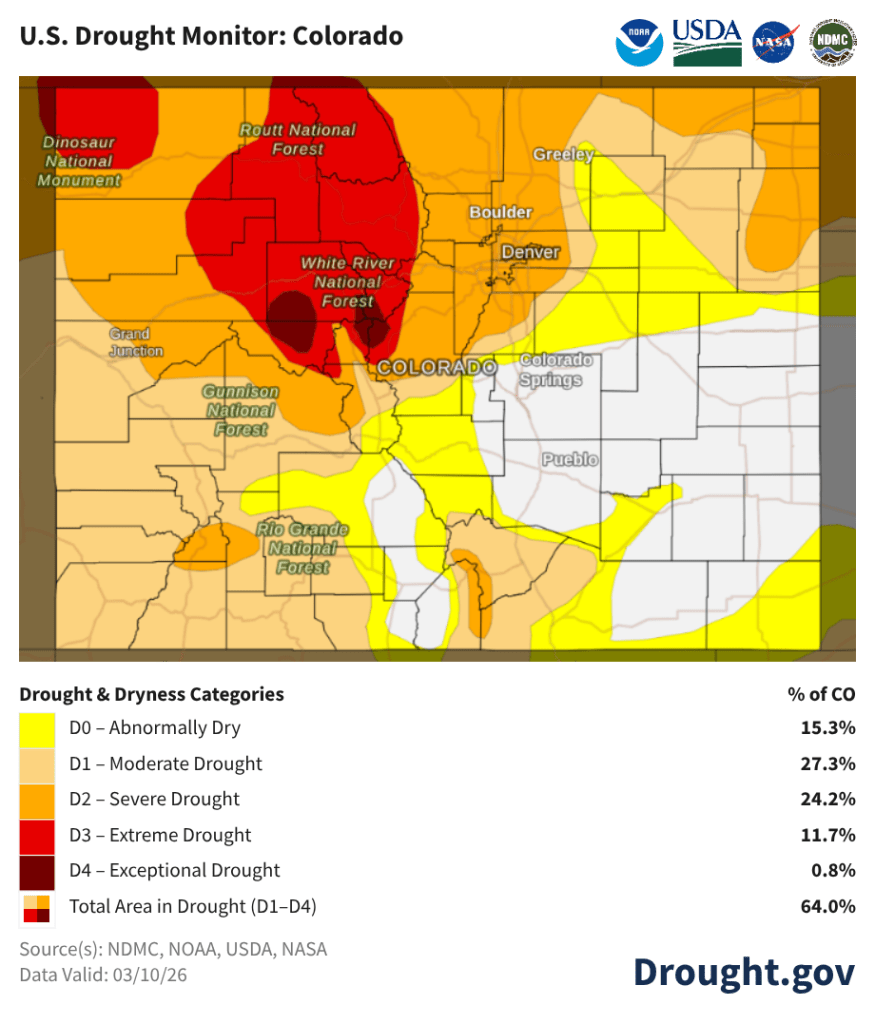
Enjoy this federally-provided data while you still can.

While our irrigation allocation won’t be announced until mid-May or later, we are preparing for our lowest allotment since starting the farm in 2018. This means altering our irrigation schedule, buying in more hay, and planting fewer crops. We are having lots of hard conversations about how we’ll manage our pasture and our crops on minimal water, and what changes we’ll make to prioritize our own physical and mental health – something we really struggled with last year.
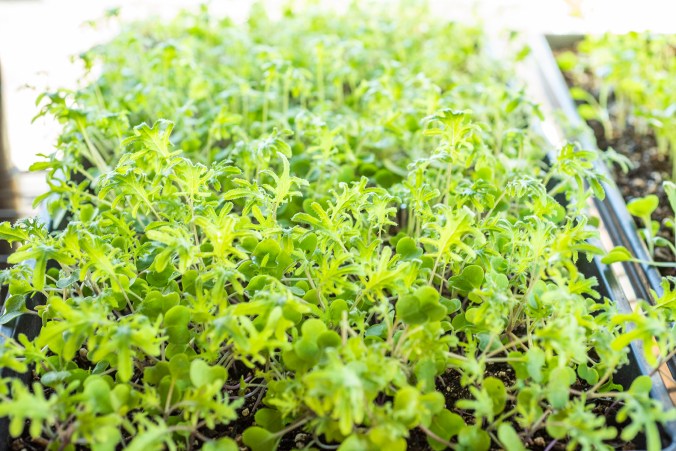
Kale sprouts in the sunroom.

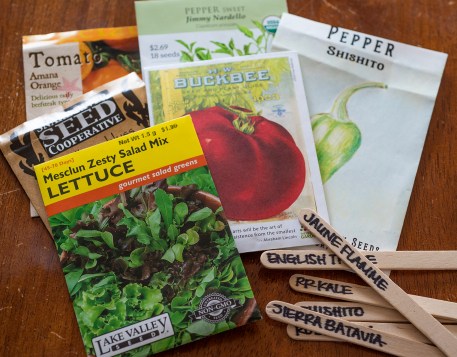
The sunroom is currently packed with the usual assortment of starts – peppers, tomatoes, greens, onions and much more. Even though it’s unlikely that I’ll plant as much I have in previous years, on the outside chance that we score a wet spring I’d still like to have our own organic starts ready to go in. I’m also growing lots of salad sprouts this year, which has been remarkably gratifying – the nutritious sprouts are so crunchy and fresh in our daily salads, and I can control the environment much better indoors. I plan to grow sprouts continuously, if I can manage it!

Outside beds have been seeded with all manner of hardy greens, plus peas and fava beans. I’m trying black chickpeas for the first time this season; unlike most dry beans, they’re planted early and I’m curious to see how they’ll fare here. We usually go straight from winter into summer, skipping the cool season loved by peas, rhubarb, cilantro and asparagus, but since we’re already in spring and have been since January…well, it’s difficult to know how well anything will grow. Historic temperature records and weather patterns might once have been useful, but now all bets are off and it’s just one big rickety roulette wheel. In a stable climate, temperature and precipitation levels are rarely broken; highs and lows exist within established, constant parameters. In a destabilizing climate, however, records are broken all the time; certainly we’ve seen this play out across the country over the past few years and especially this winter.

The climate crisis is forcing us all to adapt in various ways, and farmers are no exception. This week we watched this one-hour documentary about farmers across Colorado incorporating agrivoltaics on their land. Much of the film was shot here in Delta County and features many of our farmer friends and colleagues. Watch for free here, if you’d like.

Despite the obstacles, we’ll carry on growing food in a high-plains desert – at least for now. It feels like our food security is shakier and therefore more important than ever, yet in my anecdotal experience, fewer people are choosing to grow food, even in small quantities. Will you plant a garden this year or has it all become too much?

Take good care of yourselves, dear friends, and hope to see you in the streets on March 28.
Farm update: January 25

Hello there, and how are things in your world? We’re still in the slower season here at Quiet Farm, but we’re starting to think about spring planting and other farm tasks on our to-do list. The biggest issue on our minds right now is definitely water, or lack thereof – it’s been far too warm and dry this winter, with very little snow. We need about twenty feet of snowpack on the Grand Mesa in order to have decent irrigation run-off in spring and summer, and right now we have two feet – or ten percent of what we need. We are hoping for an exceptionally wet spring, but to be honest it’s looking as though our “extraordinary drought conditions” will persist, which likely means more wildfires, too. With that concern front and center, we’re always thinking of ways we can use the water we do have more efficiently.

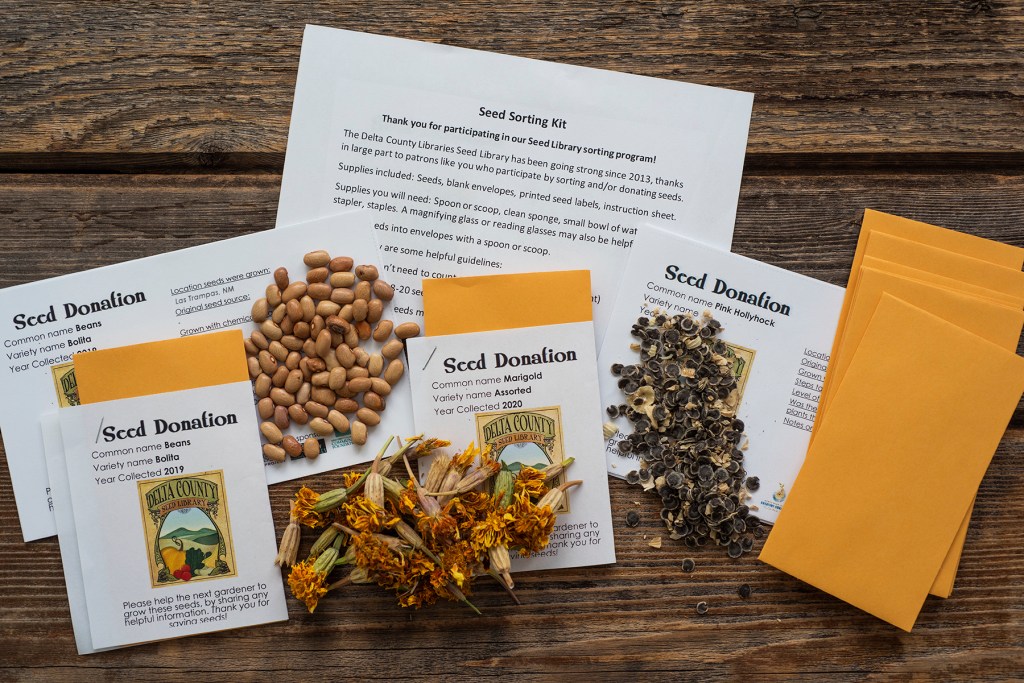
We love our local library’s seed bank!

We are huge fans of the Delta County Library system, which does yeoman’s work on a painfully limited budget. In years past we’ve attended “seed-sorting parties” in late winter to help the library prepare its extensive seed bank for the spring growing season. Obviously we cannot gather in person at the moment, so the library managed a perfect pivot and created take-home kits for volunteers. Each kit contained donated seeds (we received bolita beans, marigolds and pink hollyhock) and we sorted and packaged the seeds into individual labeled envelopes. Local gardeners are encouraged to “check out” seeds in spring, grow out the crop, then collect and return seeds to the library in autumn to share with other gardeners. The seed library has been going strong in Delta County since 2013; this program not only encourages seed-saving, but also provides an incredible wealth of locally-adapted seeds and helps build our foodshed’s sovereignty. A task like this is well worth our time.

Continue reading

Gardening for beginners

The aftermath of both September 11 and the 2008 economic collapse brought a renewed interest in home gardening, and our current catastrophe looks to be no different. Garden centers have started operating online, seed companies are back-ordered for the foreseeable future and lots of people are reviewing their HOA regulations and eyeing available space in their suburban backyards. While it might not be practical to expect a backyard garden to provide all necessary food for a standard American family (how do you grow dinosaur-shaped chicken nuggets, anyway?), gardening offers an active yet meditative experience, an immense sense of satisfaction and self-sufficiency, and a deeper appreciation for how much work it takes to grow food. With that in mind, we offer a few basic tips for people looking to start their own garden.

Seedling 02 sml

The current seed-starting set-up in our sunroom, expanding by the day.

Start small, and plant what you’ll actually eat. In moments of stress or panic (or when we suddenly have an unexpected amount of free time on our hands) we might be tempted to dig up our entire backyard and start an urban farm. This is great in theory, but if you’ve never grown a single basil plant before, we highly recommend that you start small – maybe just a couple of herb pots or a tidy little container garden on a sunny patio. It’s easy to think big and abundant, but when things return (somewhat) to normal, whenever that may be, you may not have the necessary time to devote to your garden. You can always expand if it turns out you love growing food.

Also in the interest of keeping things manageable, plant what you’ll actually eat. I’ve decided this year that I’m no longer going to devote precious garden space to eggplant, because although we don’t hate it, we don’t love it, either. And our vegetable real estate is exceedingly valuable – more so every year – and I want to plant things we adore, like tomatoes and peppers and interesting culinary herbs. When you’re choosing what you’ll grow, make sure you have a selection of vegetables and herbs that are relevant to your household, and if possible, try one new variety that you’ve never eaten before.

Continue reading

Starting seeds

Welcome to March! Our spring is shaping up to be a bit too premature and a bit too warm and a bit too dry for our liking; we’d like to see quite a lot more moisture. This time last year, we still had at least four inches of snowpack on the ground; this year, zilch. Also last year, we were adorable, eager, optimistic, first-year farmers, and we started our seeds way too early. This year, we’re hardened, grizzled veterans, so we know better. And next year? Watch out.

Compost 08 sml

If you’re going to grow anything outside, the single most important piece of information you need is your average first and last frost date. This statistic is pretty much exactly what it sounds like; weather stations all over the country send data to the USDA, which in turn calculates average first and last frost dates. These dates are essential because most (but not all) annual food crops will not tolerate freezing temperatures.

Here at Quiet Farm, our average last frost is May 13, and our average first frost is October 4 for a 143-day growing season; this means we’re almost assured not to have frost between these dates. Keep in mind, however, that this is an average, not a guarantee – you’re safer assuming that frost is possible one to two weeks on either side of these dates. (The location of weather stations varies widely and can sometimes be inaccurate, so check where your closest weather station is located to ensure you’re getting the best information. Plus, the climate emergency is totally destroying the consistency and reliability of these dates. It’s all pretty much guesswork from here on out.)

Continue reading

Farm update: April 8

QF Purple Flowers 01 sml

The hills are alive…with weeds! But we call them “wildflowers.”

The snow is finally gone at this elevation, even though plenty can still be seen on the mesa. Our pasture is coming back with a vengeance, and we spend our days walking the land, looking at what plants are coming up and trying to decide whether they’re helpful or harmful to us. Since we bought Quiet Farm at the end of a blistering summer in the midst of a hundred-year drought, pretty much everything was crispy and dormant. We hadn’t yet determined what bushes and trees might survive, and what would need to be removed. We’re giving everything a generous opportunity to stage a spring comeback before we tear it out.

Continue reading

How to grow microgreens

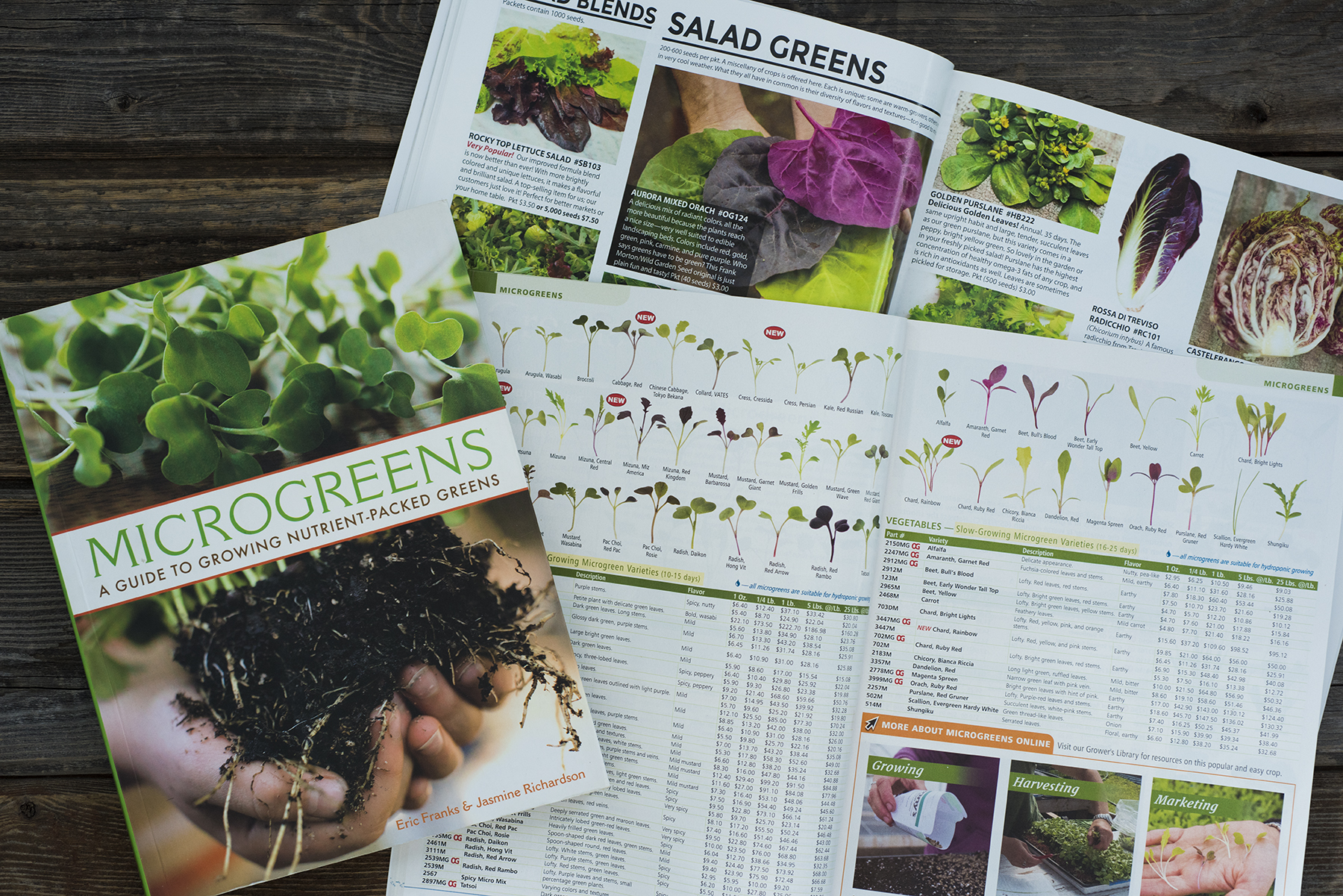
We’re still firmly in winter’s icy grip here on Colorado’s Western Slope, and there’s no better cure for spring fever than growing something indoors. Let’s learn how to grow microgreens!

Microgreens 01 sml

Microgreens sound fancy and expensive, but really they’re just tiny versions of things we already eat, like kale, radishes and beets. They are packed with nutrition, super flavorful, quick and easy to grow with no special equipment needed and absolutely gorgeous on the plate. What more could you ask from an indoor crop?

Continue reading

Farm update: February 18

Despite the snow on the ground, spring is in the air. We’re entering the freeze-thaw cycle (also known as mud season) and our quarter-mile driveway is the worse for it, but all around us, things seem to be softening and readying for growth. We’re excited for spring, friends. This winter has offered much more moisture than last year’s punishing drought, and we’re looking forward to seeing how our fields regenerate once the snows have disappeared for good.

Snow Tracks 01 sml

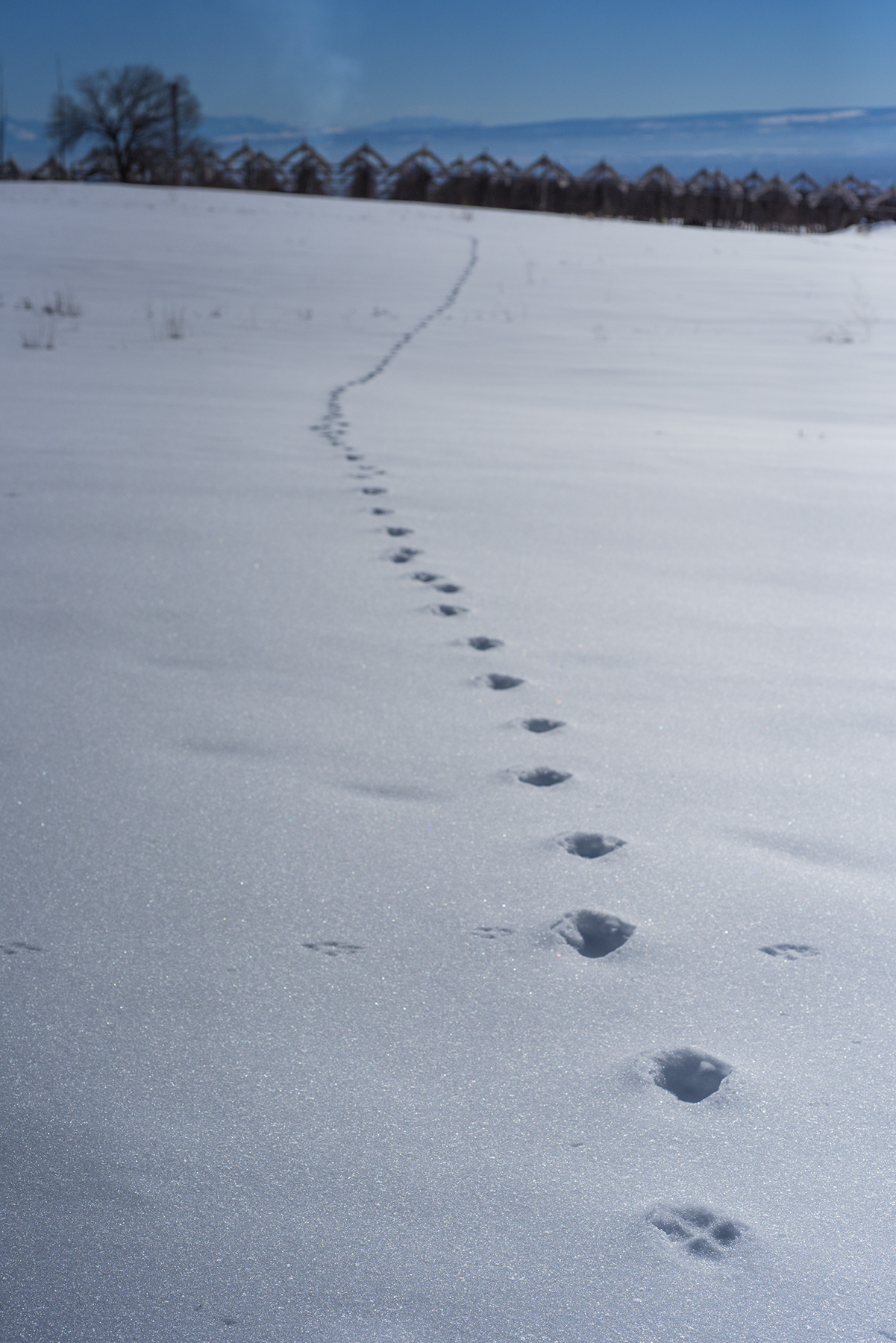
One of our favorite winter activities has been watching for wildlife across our land; the persistent snow has made tracks easy to see. We’ve spotted coyotes, foxes, rabbits, raccoons, ground squirrels and of course our nemesis, deer. We are trying hard to learn this land, to know what lives here now and what was here before us so we can figure out how to best live in harmony.

Continue reading

The Farm Series: Rebel Farm

Friends, we don’t want you to think that all we do is trek around wintry European countries, eating schnitzel and drinking wine. No, sometimes we also visit delightful urban hydroponic farms and we eat handfuls of just-harvested fresh greens. Balance. It’s all about balance.rebel-farm-01-sml.jpg

Rebel Farm 05 sml

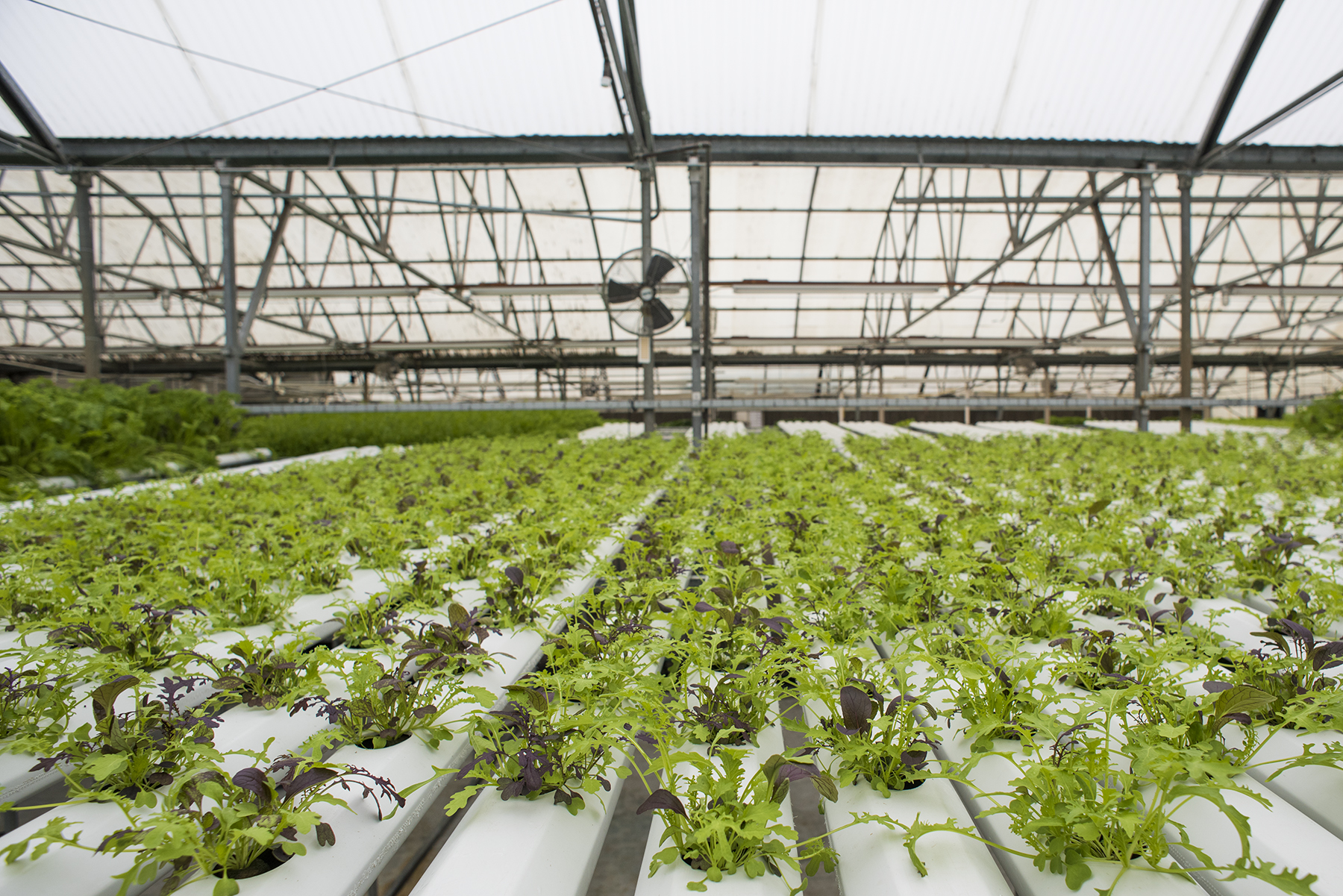
Rebel Farm, run by Jake and Lauren, is a 15,000 square-foot hydroponic greenhouse on the border of Denver and Lakewood. For those readers who live in Colorado, you may well wonder how these fine folks can afford to grow lettuce, rather than weed, considering that just about every greenhouse in the state has been snatched up by the marijuana industry. In the case of Rebel Farm, however, the greenhouse is perfectly situated between two schools – which means it cannot be a grow operation, and instead it can grow food. Brilliant.

Rebel Farm 19 sml

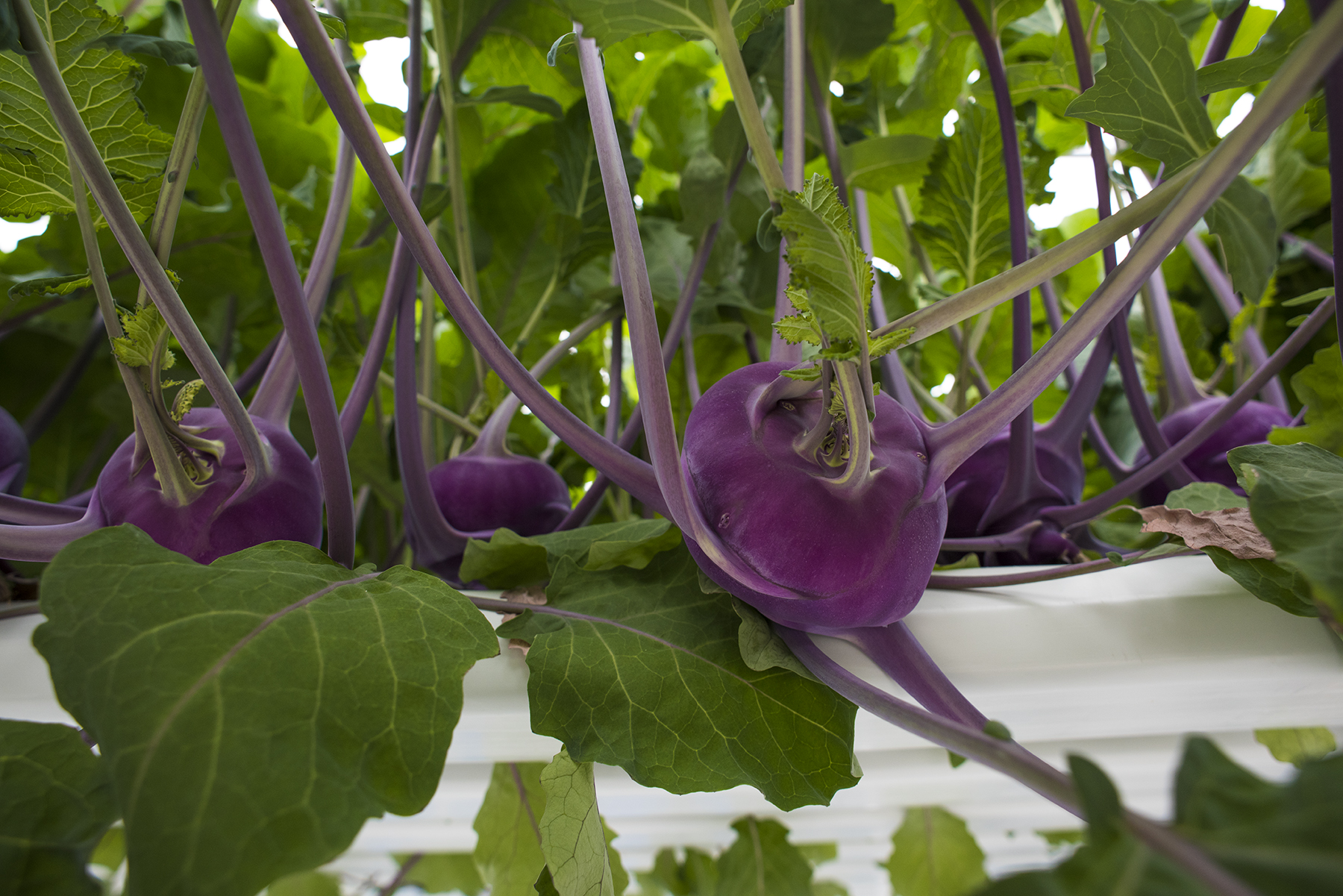
Purple kohlrabi, sadly underappreciated by CSA members everywhere.

Rebel Farm 08 sml

Tangy, citrusy red sorrel.

Rebel Farm 04 sml

If you’re not familiar with hydroponics, don’t feel alone. In its simplest form, hydroponics is a method of growing plants without soil. The plants can be planted in gravel, sand or other inert materials, or their roots can be suspended in a nutrient-rich water mixture. There are lots of different ways to grow hydroponically; Rebel Farm uses the NFT, or nutrient film technique, method.

Continue reading