Farm update: October 22

Panorama 01 sml

We are enjoying spectacular sunrises and sunsets here on the farm as the weather seems to settle comfortably into true fall. The days are crisp and the evenings are chilly – but we finally figured out our tricky gas stoves, so we’re staying toasty when we’re inside. We don’t have a furnace in our farmhouse, so we keep warm with the stoves plus lots of layers. A near-constant simmering soup pot and frequent bread baking help too.
Garlic 01 sml

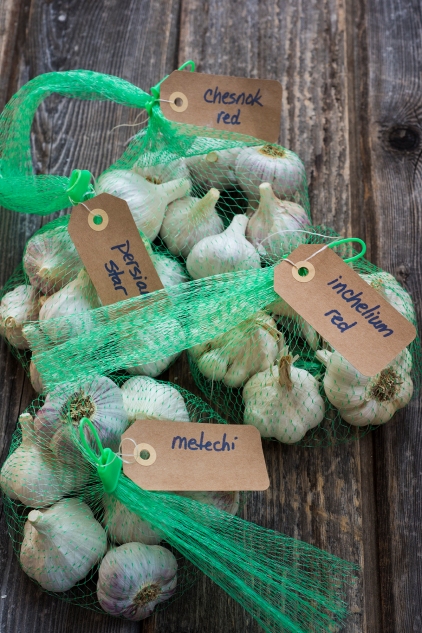
I’m pleased to report that next year’s garlic has been planted in the arugula (and grass and thistle) bed. Garlic is a fall-planted crop in our climate; we typically plant it in mid-October and harvest it the following July. Our good friend and farming mentor Lara generously donated this seed garlic to Quiet Farm; one of the many cool things about garlic is that it adapts to the microclimate in which it’s planted. This means that within a few years Quiet Farm will grow entirely unique garlic, which we’ll then pass on to other farmers. (If you live in the Lafayette/Boulder/Louisville area, you should join Lara’s CSA next year. She’s an amazing farmer and has taught us so much, and she grows truly spectacular vegetables and herbs. We think the world of her.)
Hallway Floor Contrast 01 sml

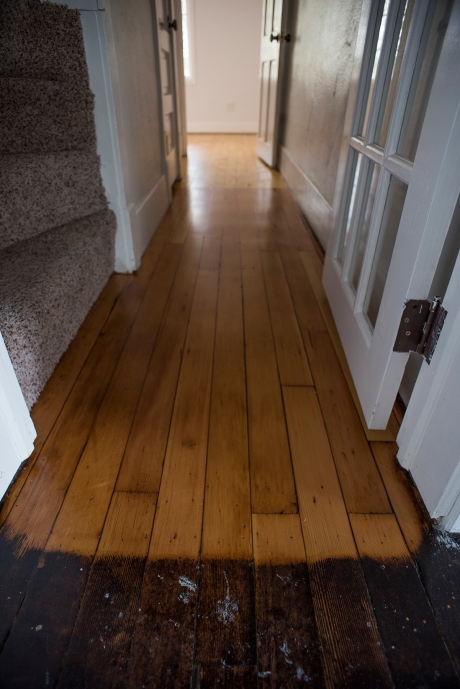
Look at our gorgeous pine-and-fir floors!

The Quiet Farmhouse Major League Very Serious Renovation Project is kicking off with a vengeance, and we started by refinishing some vintage hardwood floors. We were disappointed to only find salvageable floors in a small part of the original 1901 house, but we opted to save what we could. The floors had been dark stained and then used as a careless dropcloth for later painting projects, and they were in rough shape. We’re so pleased with how the sanding and refinishing turned out, but now comes the difficult decision of what sort of flooring we’ll install in the rest of the house.
NRCS 01 sml

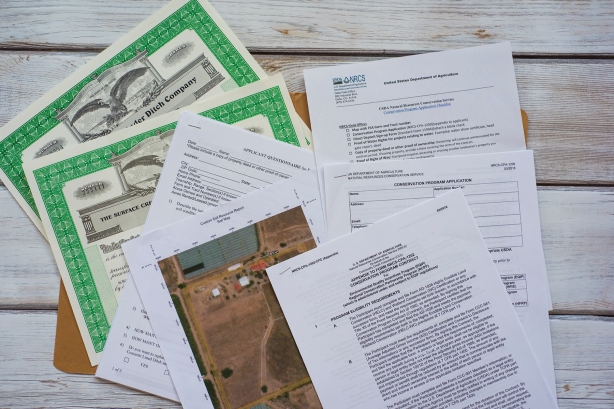
Government paperwork is good for insomnia.

Another task on our to-do list recently has been to apply for a season extension grant through the NRCS. There is lots to learn about applying for grants as a small start-up farm, but we’re hopeful that this grant will assist us in building hoop houses (also called high tunnels) to extend our growing season. We’re quite lucky because, unlike many other programs for small farmers, this grant will still be funded whether or not our government manages to pass a new Farm Bill before they go on yet another unnecessary vacation or campaign trip or whatever it is they do while not doing their jobs. (And on that note, please could everyone remember to vote in the upcoming midterms? Astonishingly, only 37% of eligible voters managed to make time for this in 2016. Your small farmers thank you.)
Brittle 01 sml

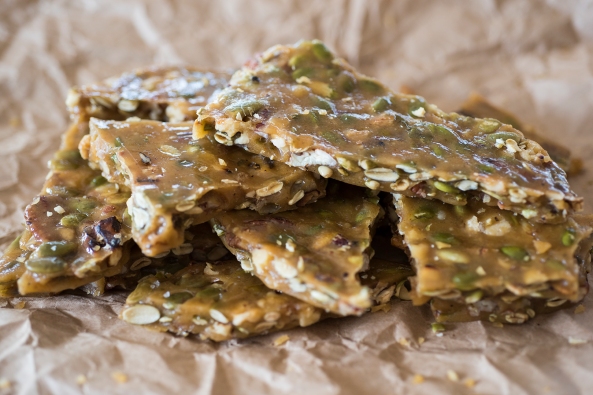
Pumpkin spice what?

While avoiding the news I’m diligently testing recipes for my “Fall Treats” class this week at Broomfield Public Library. Though I’m not at all a fan of sugar, especially the quantities consumed in the average American diet, I think an occasional homemade indulgence might be permitted. This here is a chile-spiced brittle with pecans and toasted pumpkin seeds, and I’m looking forward to sharing it with you. We’ll taste curried pumpkin soup and other delicious fall things, too. Not registered yet? Go here!

This week I’m in seed school and N is painting our walls. We hope to have positive irrigation news for you next week, and I hope to see many of you in class on Wednesday evening!


Farm update: October 8

Hi! How was your weekend? We survived our first Applefest and we think we’ve made all of the necessary repairs on our irrigation system so that we can call for water in two weeks (more on that soon). I made yogurt, but I’m still searching for a source of truly local milk that I can get basically straight from the cow. Most of the cattle around here, however, are raised for meat, not dairy, so I’ll keep on looking. Here a few other things we’re up to:

Storm Clouds 01 sml

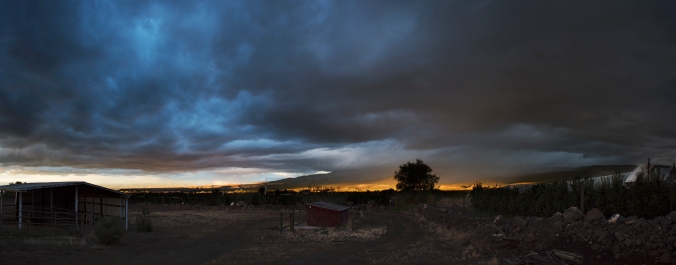
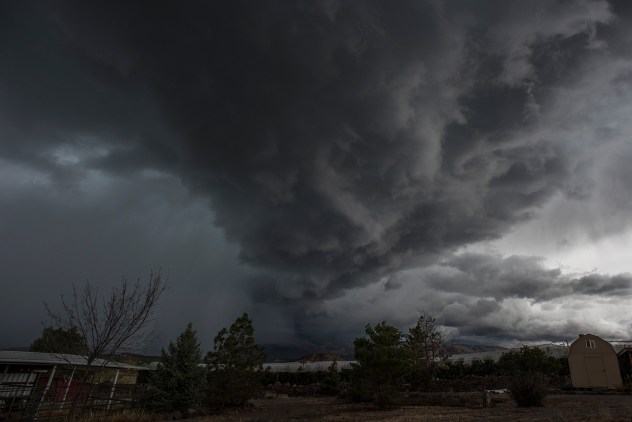
It was all very dramatic here for a time.

We were thrilled to have nearly a week of cool, damp weather (the mesa got its first snowfall!). This is such a rarity over here that you could almost hear the valley’s farmers cheering when the rains came. The high winds destroyed our flagpole (N rescued the flag) and the heavy rains helpfully identified some heretofore unknown leaks in our house, but we are still inestimably grateful for the moisture. Even the pasture came back a bit, with tiny green sprouts everywhere. Water is life, make no mistake.

QF Seedlings 02 sml

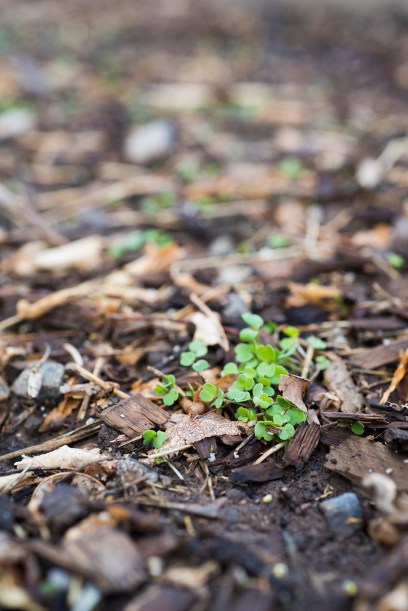
Quiet Farm’s first official crop! I’ll sell them as fancy microgreens and charge a fortune.

Speaking of tiny green sprouts, I attended a women’s farming conference last weekend in Estes Park and I planted some arugula before I left so that I could say in all honesty that I’m a farmer! Spicy, peppery arugula is one of our favorite greens, and it grows so well, especially in spring and fall, that I used it to test the soil fertility in an existing makeshift raised bed shoddily constructed (not by us) from cinderblocks. The arugula sprouted beautifully – along with tons of grass and possibly some thistles. Since there is no grass (or thistles) nearby, I’m at a loss to explain this, but now I have to painstakingly weed my tiny arugula. Pro tip: know your soil before you plant. This is not a good use of farm time.

QF Seed Saving 01 sml

Local sunflowers drying for seed harvesting.

This spring I attended a seed saving class, and I’m looking forward to participating in an even more intensive teacher training in a few weeks. Saving seeds is an important part of food sovereignty; if we really want to opt out of our industrial food complex, we need to own the seeds, too. So we’re working on building up our own Quiet Farm seed bank, and we’re collecting, drying and storing seeds whenever we can. Once we grow our own vegetables, grains and herbs, seed saving will become an even bigger task each fall.

QF Compost 01 sml

Our compost pile. It’s not pretty, but it’s so valuable.

Just about any gardening or small-scale farming book you’ll ever read will extol the virtues of compost, and we’ve got ours started. We identified an otherwise unusable plot about equidistant between the kitchen and the future raised beds, so it’s easily accessible to all. We began with lots of old straw bedding and manure from the animal pens; we’ll need to clean the pens out anyway before we purchase our goats and it makes a beneficial addition to the pile, especially since the manure is well-aged. All of our kitchen waste, leaves, weeds and other organic material go in, too. At the moment we’re watering it frequently because it’s been so dry, but we’re hoping for a long, wet winter and it will be perfect for building up the fertility of our raised beds next spring. As a rule, never let even a scrap of organic material leave your property.

This week we plan to tear up the oddly rumpled carpet in our sun porch and replace it with some durable and water-resistant flooring, since it will shortly become a mud porch. We’ll repair two broken window mechanisms and patch our newly discovered leaks. We may take down a couple of dead trees, and hopefully establish our woodpile, too. Thanks for reading, and have a lovely week!

Farm update: October 1

Hello there! It’s officially autumn, although you wouldn’t know it from our weather; it’s still hot and dry. Everything feels crispy and parched and we’re hoping desperately for some moisture from a Pacific hurricane system this week.

We’ve got lots of projects underway at the farm. Here are a few things we’ve been up to:

QF Living Room 03 sml

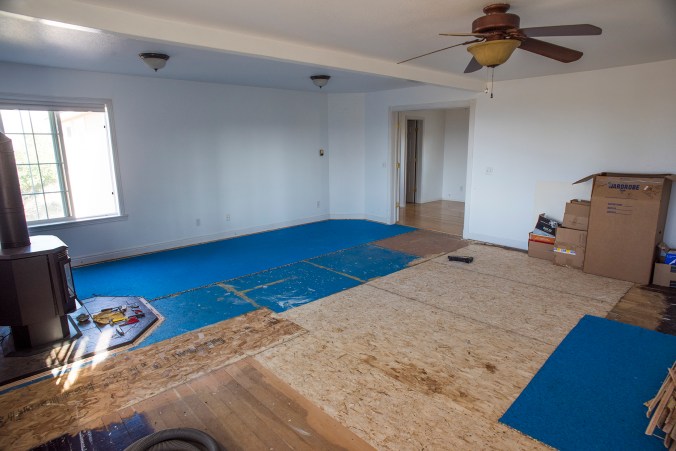
Our living room in a state of disrepair.

Although our farmhouse is livable, it needs a lot of work. N tore up all of the carpet but kept it intact so we could donate it. We had hoped to find hardwood floors underneath and although we did find some in the older portion of the house, we’ll have to install new floors on most of the main floor. Our renovation list grows by the minute.

Canning 03 sml

It’s canning season!

Canning 04 sml

An experiment: fermented green hot sauce.

Obviously we didn’t have our own garden this summer, so I was excited to unpack my canning supplies. Our grocery shopping options are extremely limited here, so preserving local produce now will make our winters much more pleasant. I put up a hundred pounds of tomatoes and forty pounds of apples in various formats, plus roasted and froze plenty of green chiles. The onions will keep in a cool, dry place; eventually we’ll have a root cellar of sorts for all of our long-keeping vegetables. I feel calm and confident when I have a full pantry.

QF Seedlings 01 sml

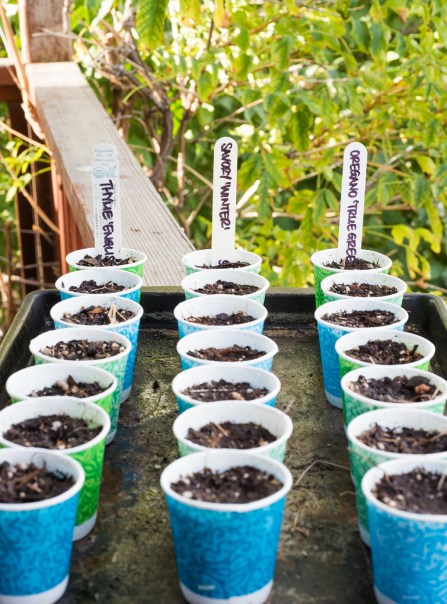
Perennial seedlings for next spring.

In addition to growing vegetables on our farm, we also need to rebuild perennial beds around the property. I’ve started perennial herbs from seed to see if I can keep them alive over the winter and plant them when the ground thaws in spring. This would be better done in a true greenhouse, but it’s worth a shot. Here you can see English thyme, winter savory and Greek oregano, all useful both in the kitchen and (hopefully) as deer repellent.

This week we’re tackling our irrigation system because we’re hoping to call for water next Monday! We’ll also get our old hardwood floors refinished and it’s Applefest this weekend, so there’s a lot going on in our tiny world. Have a great week!