Preservation classes!

Hi! Would you like to learn how to can and preserve your own food? Come take a fun preservation class with me! I teach small-group classes (never more than eight guests) in our dedicated studio space. We learn a lot! We eat delicious food! We build community and self-reliance!

Peaches / Saturday, August 16 / 9AM-11AM / Showcasing our area’s legendary local peaches! Learn the basics of water-bath canning, plus how to dry and freeze peaches. Opening a jar of home-canned peaches in frigid January is a beacon of warm sunlight!

Jams & Chutneys / Saturday, August 30 / 9AM-11AM / You need homemade jam to enjoy with your homemade sourdough! Learn the basics of water-bath canning, plus how to make delicious homemade jams, chutneys and condiments.

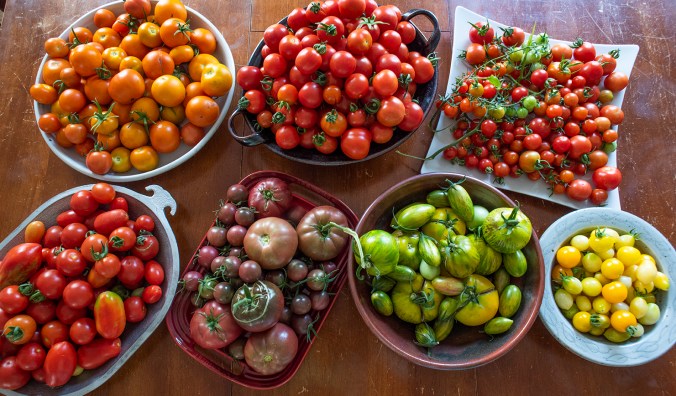
Tomatoes / Saturday, September 13 / 10AM-12PM / Preserved tomatoes are an incredibly versatile addition to your home pantry. Learn the basics of water-bath canning, plus how to dry and freeze tomatoes. This class showcases our farm’s heirloom tomatoes (grasshopper-permitting)!

Salsas & Hot Sauces / Saturday, September 27 / 10AM-12PM / What to do with all those peppers? Learn the basics of water-bath canning, plus how to make delicious mild and spicy condiments like salsa, hot sauce and chile powder. Featuring our farm’s unique peppers and heirloom tomatoes!

Apples / Saturday, October 11 / 10AM-12PM / Keep the Applefest vibes rolling and enjoy more local apples! Learn the basics of water-bath canning for applesauce and apple pie filling, plus how to dry and freeze apples.

Fermentation, Vinegar & Kombucha / Saturday, October 25 / 10AM-12PM / Learn the basics of fermentation, and make your own incredible homemade vinegars and kombuchas! Sauerkraut and pickles, too!

If you would like more information on these or any other cooking classes or events, please send me a message!

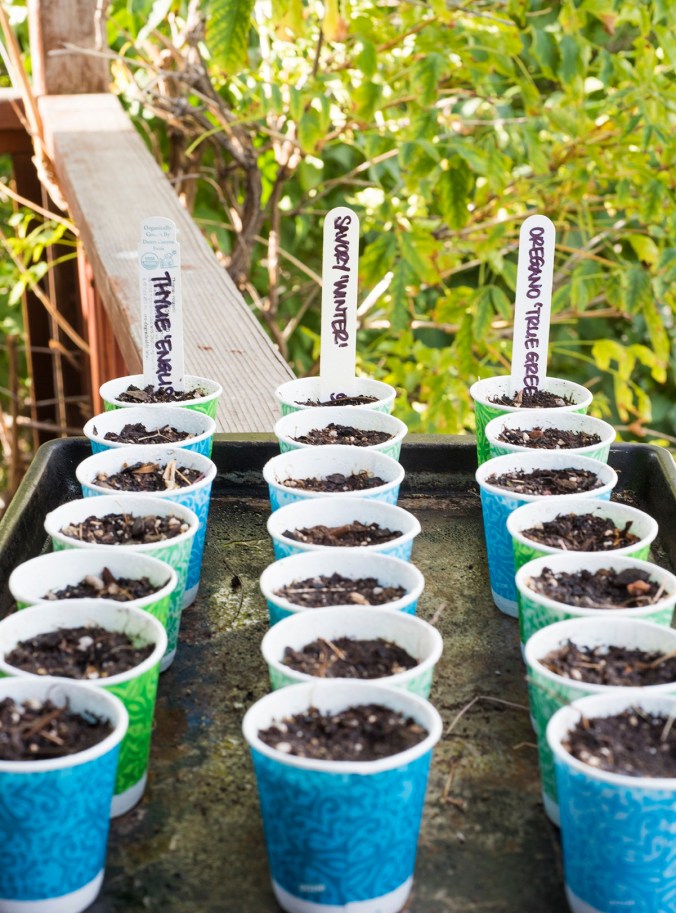
Planting tomatoes

When it comes to home gardens, there is no contest – tomatoes are far and away the most popular vegetable (botanically a fruit) to plant. And it’s no surprise; while we can purchase tomatoes year-round, they’re uniformly cold, flavorless, mealy orbs only vaguely reminiscent of “tomato.” But a homegrown tomato in late summer, sliced thickly and drizzled with good olive oil, flaky salt and cracked pepper? There is simply nothing better, and the grocery store versions do not hold a candle. Home growers and small farmers know this.

Continue reading

Farm update: May 12

It’s mid-May here on the Western Slope and we’ve had virtually no appreciable moisture for months. Grand Mesa snowpack is critically low. Accordingly, even though water allocations haven’t yet been set, we are planning for an exceptionally limited irrigation season, as are other farmers in our region.

What else is happening on the farm these days?

This photo of gated pipe in our pasture is from back in 2018 – our pasture looks nothing like this now.

Our gated pipe is always broken down and stored for winter, and we’ve returned that pipe to its position along the ridgeline. We made some needed repairs, but it will likely be at least four to six weeks before we get water so we won’t know our pass/fail result until that first irrigation run.

Continue reading

The 2024 bean harvest

Part of our display at a recent harvest festival.

Hello friends. Mid-November and we’ve only just finished harvesting the last of our dry beans. We grew over thirty cultivars this year, some roaring successes and some total crop failures (Ayocote Blanco). As ever, we learn from each year’s experience and know better what to grow and what not to grow in coming seasons.

Below we’ve listed all the new cultivars we grew this season, and we also grew almost every cultivar from 2023. We won’t describe those again in this post, but you can read about that harvest here. (Note that the bean we referred to as ‘Palomino’ in 2023 is also called ‘Southwest Gold’ and ‘Zuni Gold,’ depending on the company.)

Continue reading

We have garlic!

Back in 2021, farmer colleagues down in southwestern Colorado launched the Grasshopper Collective. This cooperative operation amongst growers was created in response to a particularly devastating grasshopper invasion that year:

“The intense growing conditions left us with many questions. In an age of drought and increasing climate instability, how can we adapt? How can vegetable growers be better prepared for years like this? What crops make sense for the future? Amongst our four farms, one plant stood out as particularly resilient, and that was GARLIC! Garlic harvests were bountiful across the board. It seemed that this pungent, powerful Allium was exceptionally undesirable to the hoppers. Beyond that, its timely July harvest window makes garlic a reliable crop to produce, even in the tightest of water years. Garlic thrives at our high elevation and appreciates the cool nights and desert air. On the consumer and market end, it is a keystone of the culinary world, and an essential item in many growers seed stock.  Thus, the idea was born – let’s grow more garlic – let’s start a Garlic Seed Company – and with what better name than “The Grasshopper Collective.” 

This is a smart team of growers who chose to work together to address the ongoing challenges presented by a changing climate, and one of their answers to those challenges was ‘garlic.’ While we are too far away geographically to team up with this lovely group, ‘garlic’ is the answer to some of our challenges here, too.

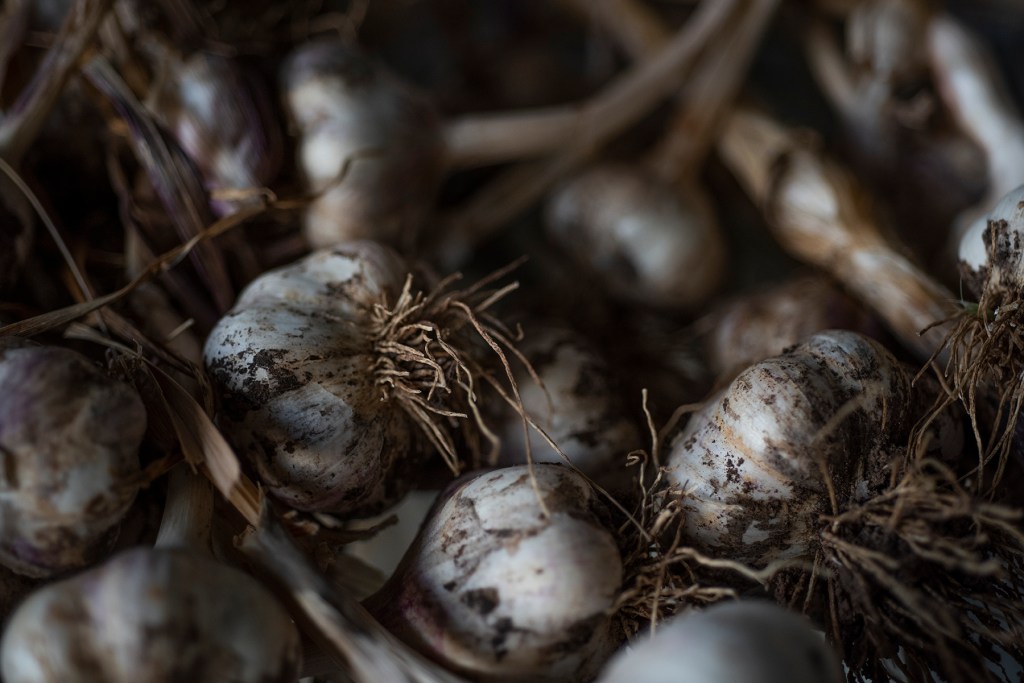
We mentioned in our last post that the grasshopper infestation this year is apocalyptic, dwarfing the damage we saw last year. This means we have missed out entirely on many of the favorite crops we grow, including tender salad greens, head lettuces, chard, kale, beets and carrots, to name a few. But in our lived experience (and this might certainly vary for others!) the grasshoppers never touch the alliums, a spicy, pungent plant family that also includes onion, leek, shallot and chive. And so, we’ve had a terrific garlic harvest of almost eighty pounds this year, nearly doubling last year’s yield.

Continue reading

Farm update: July 8

It is official: we crown 2024 The Year of Mediocrity. Six years into our farming journey, it is expected that we might hit a slump – and so here we are. Numerous farming challenges large (hay delivery canceled, annual shearing rescheduled again and again, a goathead invasion, an apocalyptic plague of grasshoppers, rampaging rodents, hail) and small (late planting, poor germination, ricocheting temperatures) mean that this season, we’re going to be happy with anything we get. Anything! I’m not even weighing our harvests, because I’m not going to judge this year’s output against previous years – it’s not a fair fight. The brassicas were mowed down by hungry grasshoppers. The beets and carrots got too hot and never germinated. The strawberries were devoured by ravenous baby squirrels (a terrific band name!). The tomatoes and cucumbers and peppers and squash are all still so tiny and fragile and battered that the prospect of harvesting anything before Christmas seems laughable at the moment, but perhaps the tide will turn in our favor as we move into high summer. We do have plenty of irrigation water this year, which is something we never take for granted.

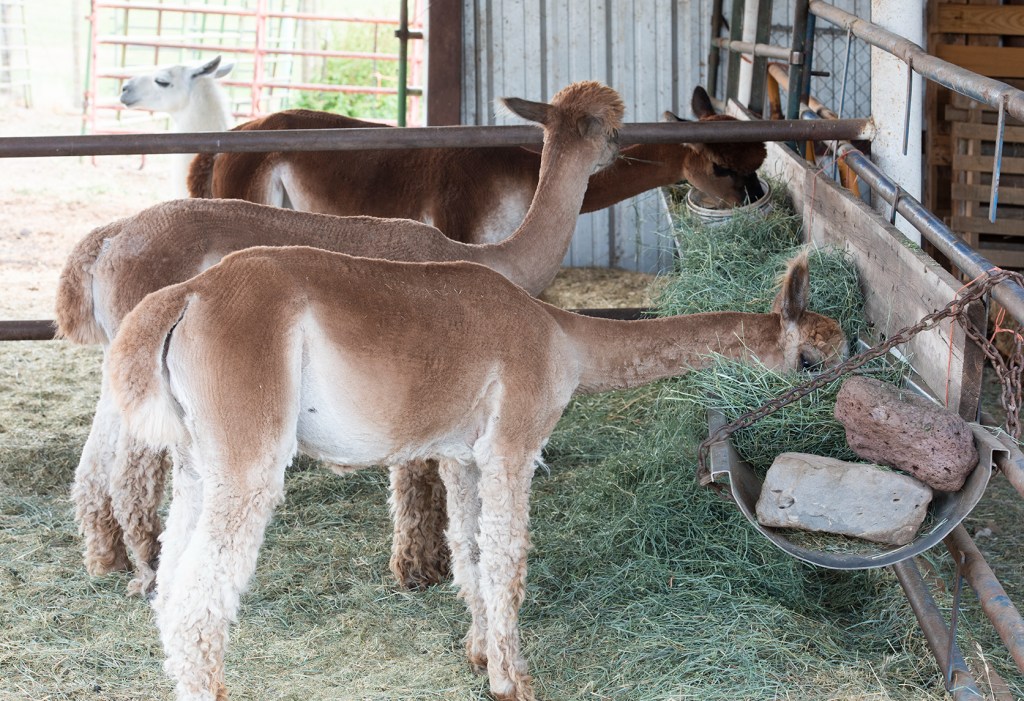
Much happier after taking off their winter sweaters.

Despite an unplanned six-week delay that was entirely out of our control, our four rescue alpacas were successfully sheared a few days ago. They had really started to suffer in June’s abnormally high temperatures, constantly seeking out shade in the pasture and the cooling waters whenever we irrigated, and we were very glad to get their winter coats removed. I am in the process of learning how to spin their fleece into yarn and have attended a local spinning and weaving guild to observe and practice this ancient art. Like all handcraft there is a meditative aspect to spinning that soothes my constantly anxious mind, and this winter I hope to make some real headway on the bags of fleece we’ve accumulated over the years.

Continue reading

The 2023 bean harvest

Well, hello there. It’s nice to be here again. We’ve taken a break from posting, but we certainly haven’t taken a break from farming. On the contrary, we have expanded our growing area and our crops. This year, we grew hundreds of pounds of organic vegetables, but we’re most proud of our dry bean harvest – twenty varieties! Read on to learn more about what we grew.

Clockwise from top left: Hopi Yellow, Vaquero, Bolita, Dragon’s Tongue.

Hopi Yellow: A classic yellow bean, larger than Buckeye. Perfectly at home in any soup or stew, this is a bean that will enhance any recipe yet never steal the spotlight. Excellent productivity.

Vaquero: Also called Orca or Yin-Yang (for obvious reasons), these small, dense beans cook up beautifully and produce a rich, inky pot liquor. A stunning bean and surprisingly productive for an heirloom.

Bolita: A lovely, delicate little bean in the pinto family, but smaller and sweeter in flavor. Bolitas are native to southwestern Colorado and New Mexico and figure prominently in the Indigenous cuisine of the region.

Dragon’s Tongue: These pale lavender wax beans grow inside pretty dark purple-striped pods and are most commonly eaten as a fresh green bean, though the attractive pod stripes unfortunately disappear when they’re cooked.

Clockwise from top left: Aztec White, Rio Zape, Jacob’s Cattle, Tiger’s Eye.

Aztec White: One of our very favorite varieties, Aztec White is our top producer and a bean we will likely always grow. These beans are perfect for a white chili or a lush, garlicky dip for crudités.

Rio Zape: We’re proud to grow this spectacular purple and black bean that inspired the creation of the legendary Rancho Gordo. An impressive member of the pinto family, this bean offers deep, dark flavor with coffee and chocolate notes.

Jacob’s Cattle: Like most beans in the kidney family, Jacob’s Cattle’s is dense, meaty and full-flavored. It holds its shape and stands up to strong seasoning, so it makes an excellent chili bean.

Tiger’s Eye: These stunning beans are honestly almost too beautiful to eat. Almost! Tiger’s Eye ripen early due to their thin pods; their correspondingly thin skin nearly disappears in cooking, but they’ll hold their own in any chili or soup.

Clockwise from top left: Hutterite, Cranberry, Palomino, Midnight Black.

Hutterite: Possibly brought to the northern Midwest by Ukrainians in the 1850s, or maybe selected from China Yellow by settlers – like many beans its origin story is a bit murky. This bean is creamy, productive and mild, perfect for any gentle, warming soup or stew.

Cranberry: This comes from a huge bean family; it is likely native to Colombia but is now bred around the world. It’s also called Borlotti, Wren’s Egg and more. Cranberry beans are soft and thin-skinned and they produce a luxurious pot liquor, perfect for pasta e fagioli.

Palomino: This bean is a golden variation of Anasazi, but we choose not to use that disputed name and so have branded it Palomino. Like other yellow beans, it is creamy, mild and versatile.

Midnight Black: A true black turtle bean with traditional flavor and an inky broth, this bean originates from Rancho Gordo’s seedstock. Fresh black beans, cooked from dry, will completely change hearts and minds on using canned black beans.

Clockwise from top left: Forelle, Mayocoba, Peregion, Yellow Eye.

Forelle: Officially known as Forelle fliederfarben, which translates to ‘lilac trout’ in German, these round, purple beans with black stripes are absolutely gorgeous. This variety produced abundantly, always a surprise for heirloom beans.

Mayocoba: Native to either Peru or Mexico, these are creamy, pale yellow, thin-skinned beans with a soft, buttery texture. They make excellent refried beans.

Peregion: These come out of the Pacific Northwest and have a gorgeous zebra coloration. One of the few beans where the striping is still (faintly) visible after cooking, Peregion are productive and delicious.

Yellow Eye: These beans are both rich and mild, more a supporting character than an outright star. They are an old New England variety and the bean of choice for classic Boston baked beans.

Clockwise from top left: Garbanzo, Buckeye, Marcella, Red Cranberry.

Garbanzo: Also called chickpea or ceci bean, this legume is most commonly used in hummus and other Middle Eastern dishes. Garbanzos are not native to North America like most other beans here and are low-yielding and tricky to grow – but the unusual, fronded plants are fun to see in the field.

Buckeye: Rancho Gordo says, “A small, dense yet velvety bean that holds its shape and provides a rich bean broth. Easily one of the staff’s favorite beans. Buckeye is incredibly creamy, almost more like a classic black turtle bean than anything else. It’s dense without being intense, if that makes sense.” Can’t top that description.

Marcella: A long white cannellini-style bean, named by Rancho Gordo in honor of the great Marcella Hazan. Thin-skinned and creamy; ideal for brothy Italian-style soups and rich, flavorsome dips and spreads.

Red Cranberry: An old variety, likely grown by Indigenous tribes in the northeast U.S. Gorgeous rich red color and much rounder than the more common striped/speckled cranberry bean above. Listed in Slow Food’s Ark of Taste.

We could go on and on about dry beans (and have, previously), but let’s sum it up like this: they’re native to our region and therefore exceptionally drought-tolerant. They’re an incredibly nutritious source of plant-based protein and beneficial fiber. They require almost no care, and they are not plagued by pests, viruses or disease so require no inputs, at least in our microclimate. They keep well. And they actually give more than they take, replenishing the soil with each season’s growth. Beans are an absolute powerhouse in every category, and they’re a great addition to Quiet Farm. We’re deeply proud of our 2023 harvest, and are already evaluating what varieties we’ll grow next year.

More than ever, we know that small, regenerative farms are the only sure way out of this increasingly catastrophic environmental mess we find ourselves in. We encourage you to support small farms in whatever way makes the most sense for you and your household.

As always, thanks for being here. We’ll be back again soon!

The season in review

It’s surprisingly cold now, in late November, although dry and clear. As always, we’d love for some of the snow blanketing other parts of the country (hello, six feet in Buffalo!) to bestow its generosity upon us here, but nothing shows in the forecast as yet. Days are crisp and blue, and nights definitely require extra quilts. The sunroom is still full of cardboard trays of slowly ripening tomatoes and peppers; this unheated room works perfectly for cold storage and allows these vegetables to ripen slowly with sunlight but without so much warmth that they’d rot. Certainly something is sacrificed in terms of flavor when crops aren’t allowed to ripen outside, but we have a reasonably short growing season here so we have to work with what we have – and it’s a lovely treat to enjoy our own fresh tomato salads well into winter.

Those cardboard trays are slowly transforming into rustic, delicate ristras and canning jars of salsa and sauce; seeds are mostly dried and packed away. The winter squash bounty hasn’t been tapped into yet; that will carry us through the coldest months and into fragile spring with warming soups and curries. New planting rows for next year have been plowed and filled with compost. The plants we pulled out have been mowed into bits to break down into compost over winter; the beds have been mulched with spent straw and next year’s garlic has been planted. In all ways, our season is gradually winding down and we’re more than ready to tuck ourselves in for a couple of months of much-needed rest.

We’re still reviewing our season, cataloguing our successes and noting what changes and improvements we plan to make for next year. This year certainly had its challenges, but it definitely offered wins, too! Read on for more about the 2022 growing season.

Continue reading

The bean harvest

Our eight bean varieties from the 2022 harvest.

Here we are, dear friends, and yet again I’m singing songs of love and devotion to beans – specifically our own 2022 harvest! My total and complete adoration of dried beans is no secret. Not only are beans one of the most inexpensive yet nutritious whole foods available, but as nitrogen-fixing legumes they actually improve soil. They grow well in our tricky high-plains desert environment, they don’t require much water and they’re very low-maintenance. There can hardly be a better edible crop to grow! Plus, as the world gradually starts to realize that a meat-centric diet for nine billion people simply won’t work, beans (and other nutritious legumes and pulses) will become ever more important as plant-based proteins. We’d like to get ahead of that curve and start cultivating more edible legumes on our farm, for both our own health and our soils, so this year we planted a test crop.

Continue reading