Farm update: October 26

Our first snowstorm arrived late last night, and with that, the 2020 growing season at Quiet Farm has officially concluded. Much of the past week has been spent preparing for this introduction to winter; though our skies will clear and temperatures will rise again later in the week, none of our annual crops will survive this cold snap. We’ve been threatened with hard freezes prior to this and have been lucky enough not to lose any plants; our season lasted far longer than expected. We’re hopeful that this early, wet storm will help the firefighters battling the numerous destructive wildfires currently raging across Colorado.

Flooding our pasture with snowmelt from the Grand Mesa.

We ran our final irrigation last week, then broke down most of our gated pipe so that we can repair any damaged gates and valves during the off-season. We have stellar water shares here at Quiet Farm, and thanks to N’s careful planning, we made our water last all season. This year was definitely a rebuilding year for our pasture, and we’re optimistic that our plans for next year’s irrigation run, which include reseeding, marking and thoughtful grazing by our herd, will yield even better results. Small farms are key to fighting climate change – if managed well, land like ours can absorb far more carbon than it emits. Establishing these “carbon sinks” across the country should be of highest priority; if this season’s devastating wildfires are any indication, the Rocky Mountain West has a tough road ahead.

Continue reading
Preserving season

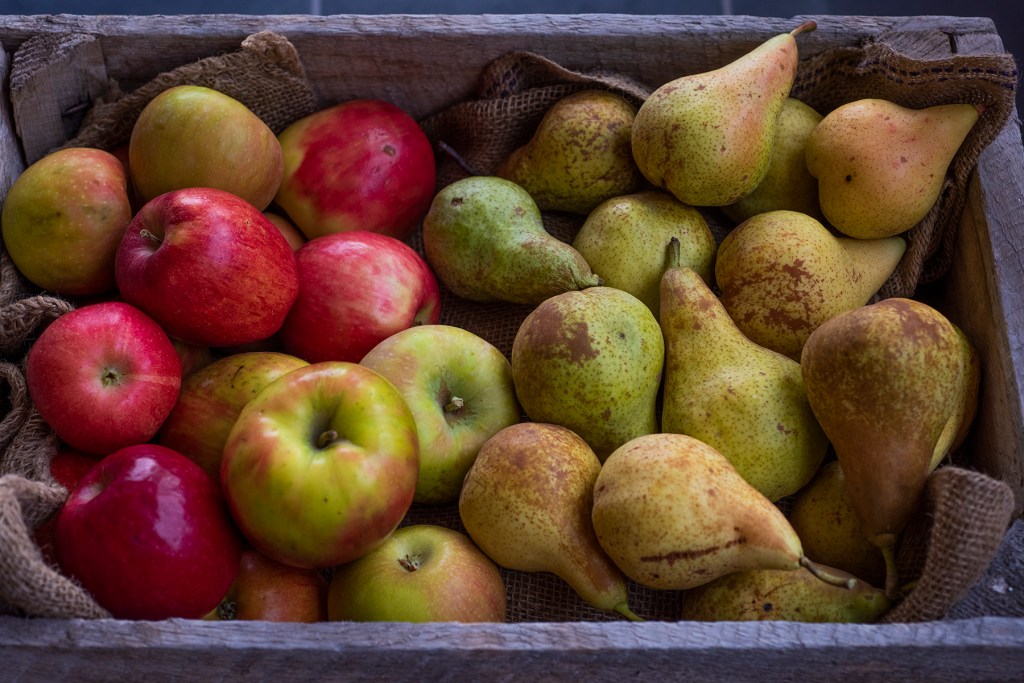
Fresh, local fruit is one of the great joys of living where we do.

There is much to be done outdoors – plant garlic, collect seeds, tidy irrigation – but there is much to be done indoors, too. We are in the height of harvest season, and every available surface in our house is littered with canning jars, dehydrator trays and other preservation projects in various stages of completion. Our goal is to eat locally as much as possible, and in the dark months of winter and early spring, that means we eat from the pantry and freezer – but only if we’ve done the hard work in advance.

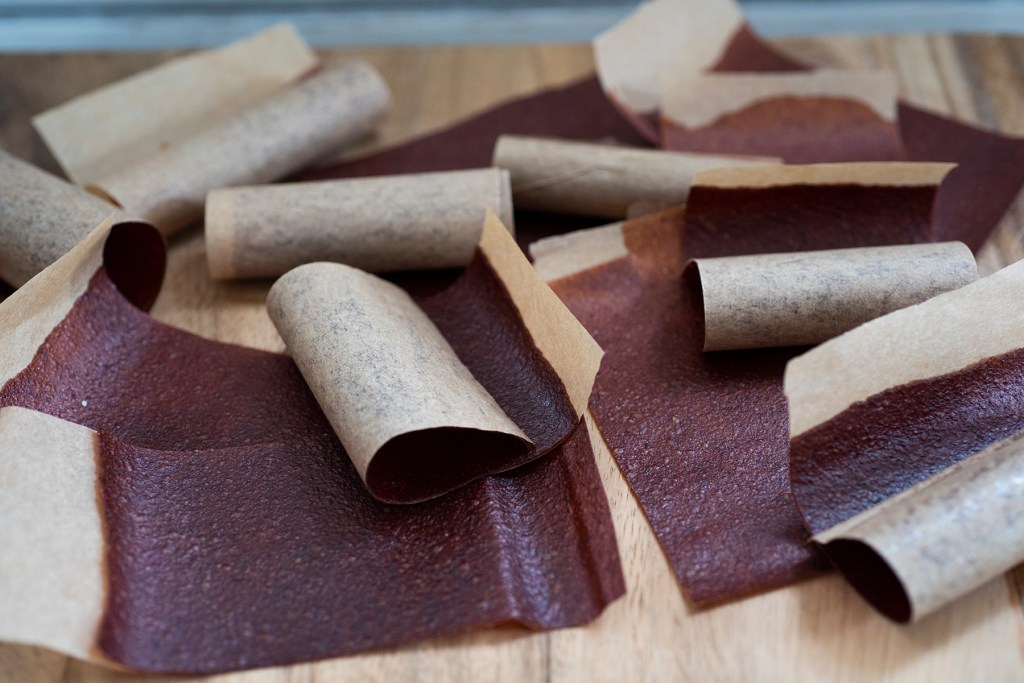
Homemade fruit leather makes a perfect healthy and portable snack.

Obviously, no one has to preserve and store the harvest any longer, and many would think the extra work we do this time of year is preposterous. Preservation is a dying art, because we live in a magical world where any food we might want, in season or not, is available with a single click. Also, most of us don’t grow our own food, so there’s even less incentive to preserve. Where our great-grandmothers might have been obligated to can their summer vegetables in order to have anything to eat in winter, we most definitely are not. And preserving can be tedious, time-consuming work. Why, then, go through all this extra effort?

Continue reading

Farm update: September 28

Aspens Fall

How are things in your world, friends? It’s officially autumn here, with clear bluebird days and crisp, cool nights; the destructive Pine Gulch fire, sparked at the end of July about seventy miles away, is thankfully entirely contained. Our neighboring orchards are nearly all harvested, and our task list is packed with tidying, organizing, preserving, cleaning and stocking up for what we hope is a very snowy winter.

Hay Delivery 01 sml

Hay for animal feed has to stay dry at all costs.

The winter feed for our alpacas and llama has been delivered and safely stored in our de facto hay barn. As this is our first year with the animals, we had to guess on quantities and are hoping that we won’t find ourselves out of hay in frigid January with no green pasture on the near horizon – in a situation like that, a hay farmer will be able to charge us whatever he wishes, and rightfully so. Our llama, Kingston, has already figured out that with some crafty contortionist maneuvering he can reach the fresh bales through the corral panels. Bless his tenacity, and his flexible neck.

Continue reading

Gone to seed

We talk a lot about saving seeds here at FQF, and since fall is definitely underway, they’re on our minds more than ever at the moment. In addition to all of our canning and preserving projects and other preparations for winter, collecting and storing seeds is a big part of our autumn task list.

Sunflower Seeds 01 sml

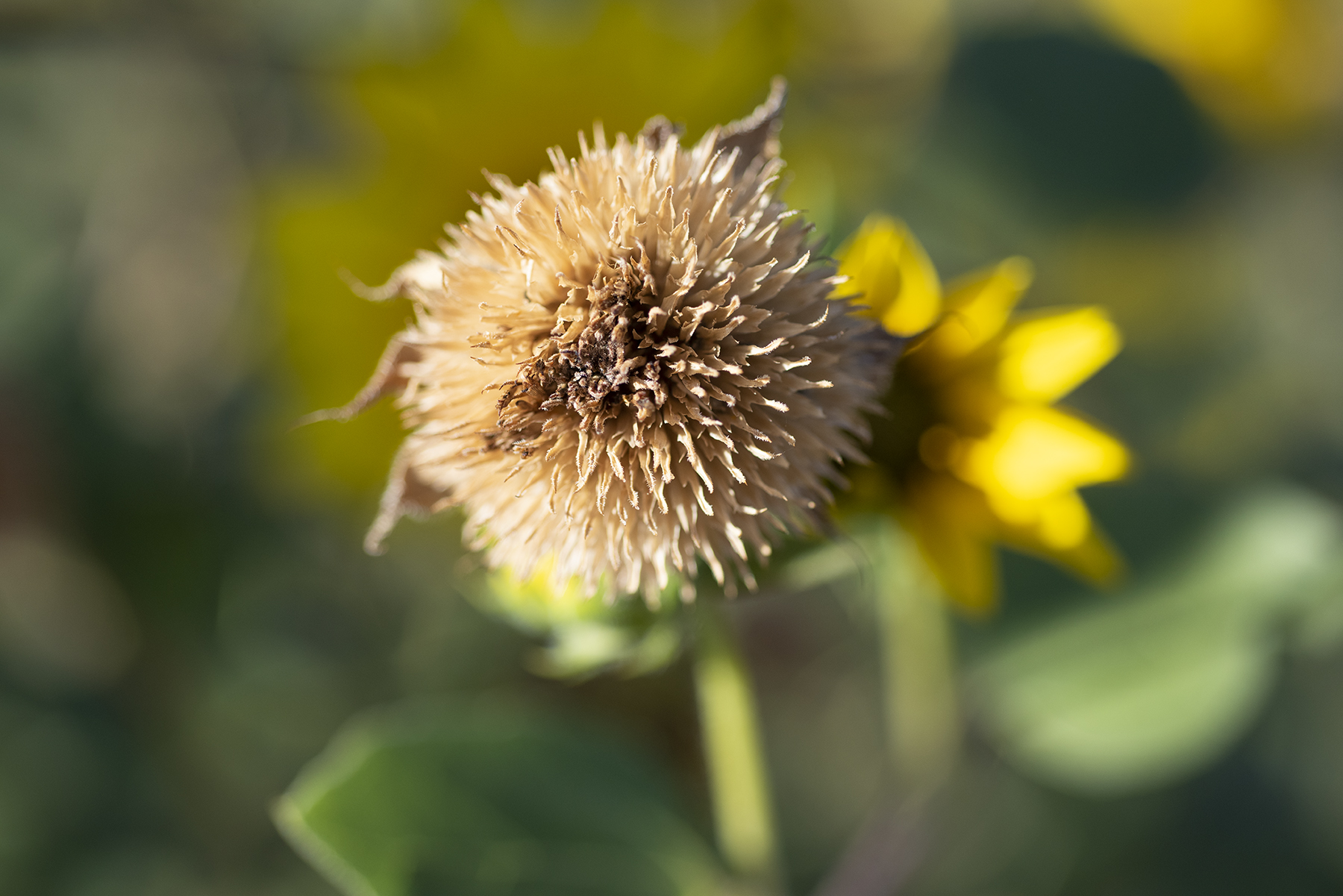
Collect your sunflower seeds before the birds and squirrels do!

We use the idiom “go to seed” to refer to someone or something that’s let itself go. It’s become messy or unattractive or disheveled or unkempt; it no longer appears tidy and neat. It’s obviously a phrase of agricultural origin, and this is the time of year when it takes on significance in the garden, as most annuals are coming to the end of their natural lives. In their quest to reproduce, the plants have gone to seed: typically they flower first, then the flowers produce seeds, which are spread by wind, insects, animals or human intervention.

Lettuce Seeds 01 sml

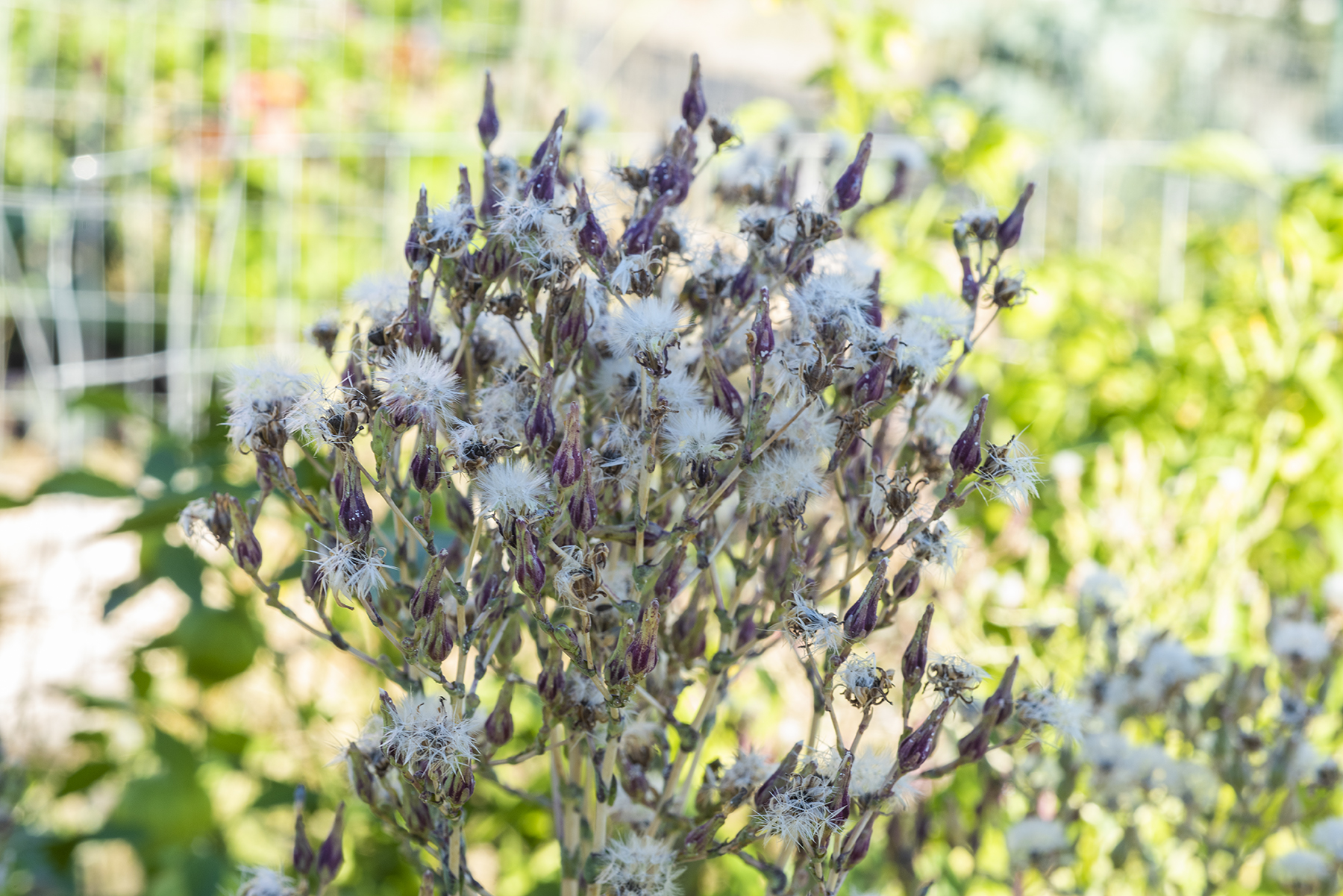
Lettuces are one of the easiest plant families from which to save seeds.

It’s unfortunate, truly, that so many gardeners are offended by the appearance of plants gone to seed, and especially in perfectly manicured suburban settings are likely to rip plants out at the first sign of flowering. Letting plants proceed through their natural life cycle teaches you a lot about botany and helps you become a better grower. Plus, if you’re careful and diligent, you can start building your own unique seed bank, which will both save you money and improve plant diversity.

Continue reading

This week in flowers: September 7

Slowly but surely, summer is giving way to fall – or winter, really, considering Tuesday night’s forecast. From a high today of just above 90, the thermometer will plummet sixty degrees to a projected hard freeze Tuesday night, and possibly snow, too. This shockingly early first frost (it usually occurs in the first or second week of October) is on-brand for the utter debacle that is 2020, and it will likely kill all of our tomatoes, peppers, squash, cucumbers, flowers and delicate herbs. None of these plants are even close to finished for the season, so our overall yields will be cut in half, at least. It’s a terrible, heartbreaking situation for any farmer, and we’re no exception.

At the moment, though, we still have lots of blooms on the farm, and it’s fascinating to watch the flowering plants shift with the seasons. Here are a few we’ve spotted recently (see blossoms from earlier this season here and here). After Wednesday morning, all of these will have vanished.

Continue reading

The zucchini chronicles

Zucchinis 01 sml

This is only one day’s harvest!

(…or the courgette chronicles, for our English audience.) By now we’re likely all familiar with the time-honored adage about how rural residents only lock their cars in July and August, because that’s when a fiendish neighbor is most likely to deposit a bag of overgrown and unwanted zucchini on the passenger seat. It’s an apt joke, however; anyone who has grown summer squash knows that it absolutely has a mind of its own. One day, there are tiny flowers on the plant; not even twenty-four hours later, it seems, zucchini the size of baseball bats have taken over the garden. If not carefully monitored, these plants can become unmanageable very quickly.

Squash 01 sml

Please, someone, tell me what’s wrong with this zucchini plant?

I always think of zucchini (like my beloved kale) as a self-esteem boost for the gardener. It grows well in just about any conditions, needs little care and produces voluminously and reliably. Interestingly, this is the first season I’ve struggled with zucchini – of seven plants, four look like the photo above: small and stunted with initially green leaves that turn crisp and brown without growing larger. The plant keeps putting on new leaves, which promptly die; no blossoms or fruit appear. All of the seven plants are from the same seed and in the same bed and none are planted where squash grew last year; I’ve never seen anything like this. Are they diseased? Attacked by a mysterious pest? Why are three plants growing perfectly? If any experienced gardeners want to weigh in on this unexpected quandary, I’d love to hear your thoughts.

Continue reading

Farm update: August 3

“This pandemic feels like a relay race and if that means that every once in a while, you need to break down and freak out, that’s fine. We can carry the baton for each other while we lose it, gather strength, and then carry on. The world seems out of control, but we can control our kitchens and the good things that come out of them. That’s something.”

-Steve Sando, Rancho Gordo

Vegetables 01 sml

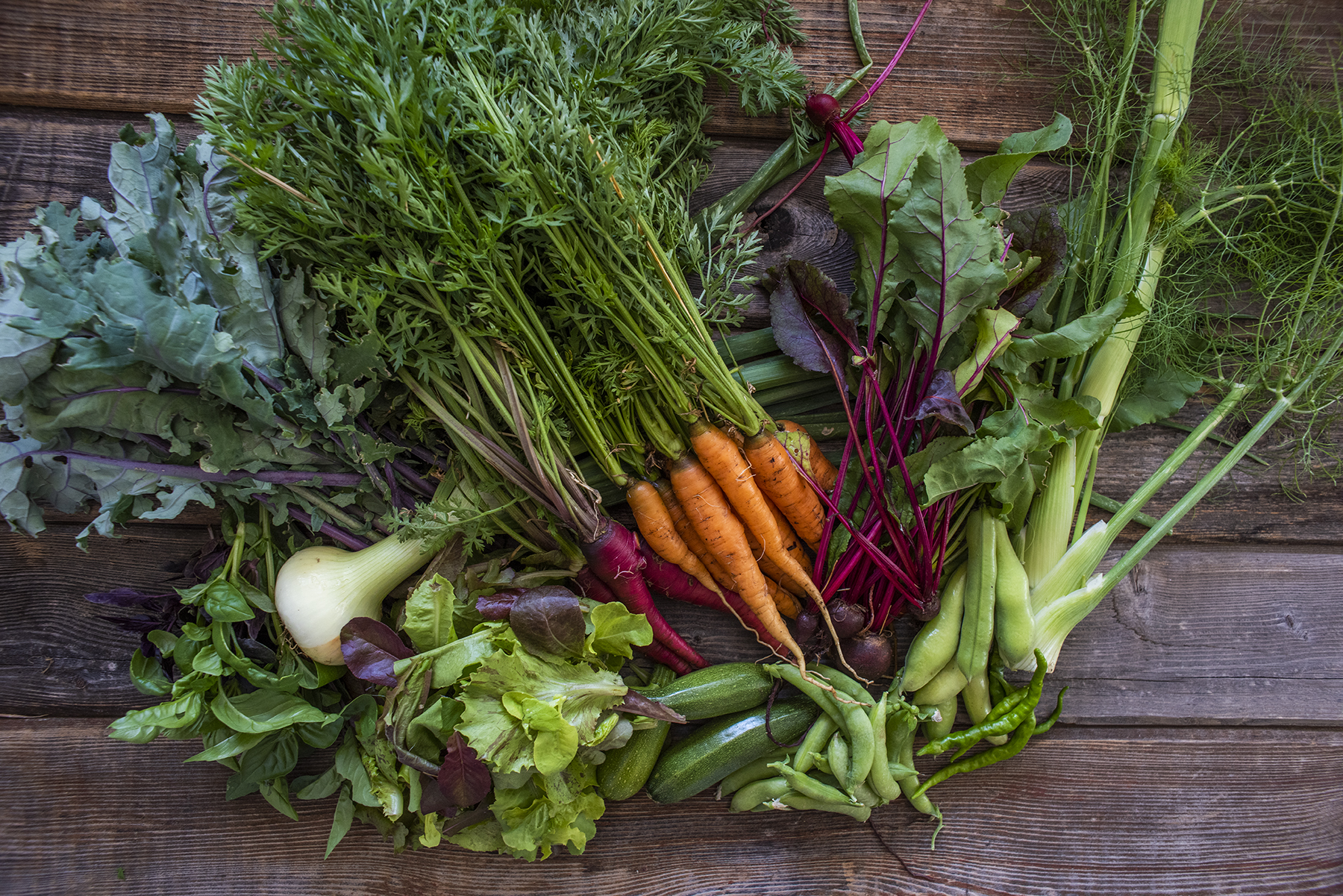
A daily harvest last week.

It’s reaching that point in the season when all of our hard work starts to pay off in abundance. Harvests now happen daily, rather than weekly or every few days, and a small bucket is required. Although the stars of summer – tomatoes and peppers – haven’t really come on yet, we’re swimming in greens, carrots, beets, onions, zucchini, fennel, kale and fresh herbs. It’s not going to be a great year for either winter squash or sweet peppers, much to our disappointment, and we fear that the squirrels have pre-harvested many of our potatoes. But we’re looking forward to cucumbers and fresh beans along with a (hopefully strong) tomato crop.

Continue reading

Farm update: July 20

“Still, I cook. We need to cook, after all, to nourish ourselves and those around us. We need to cook to feel better, to make others feel better, to get along. I may begin the process in weariness, but as often as not I end it in surprise and triumph, happy at least to have made something delicious, to have shared it with those with whom I shelter.”

-Sam Sifton, The New York Times

Quiche 01 sml

No longer trendy but still delicious.

One of the cruel ironies of being a farmer is that when the vegetables really start rolling in, it’s way too hot to cook. Plus, after twelve hours working in the blazing sun all we want is chilled watermelon and ice-cold beer – not exactly a balanced diet. Enter the quiche! Long a mainstay of stuffy, boring women’s luncheons, quiche is hopelessly out of fashion but so well-suited for hot summer months, especially when fresh eggs, vegetables and herbs are in abundance. I always bake first thing in the morning (the house doesn’t need any help heating up later in the day), and quiche is perfect warm, cold or at room temperature. It has a reputation for being terribly unhealthy, but loaded with broccoli, spinach, peppers and herbs, with just a little egg and sharp, savory cheese to bind it all together, it’s an ideal summer staple. Let’s bring quiche back!

Continue reading

This week in flowers: July 13

Friends, it’s truly a surprise anything is blooming right now, considering our punishing temperatures – high nineties every day! – and total lack of moisture. Also, please send tax-deductible donations to help pay our extortionate water bill. But! We do have a few bright spots of color around the farm that we thought we’d share.

Calendula 01 sml

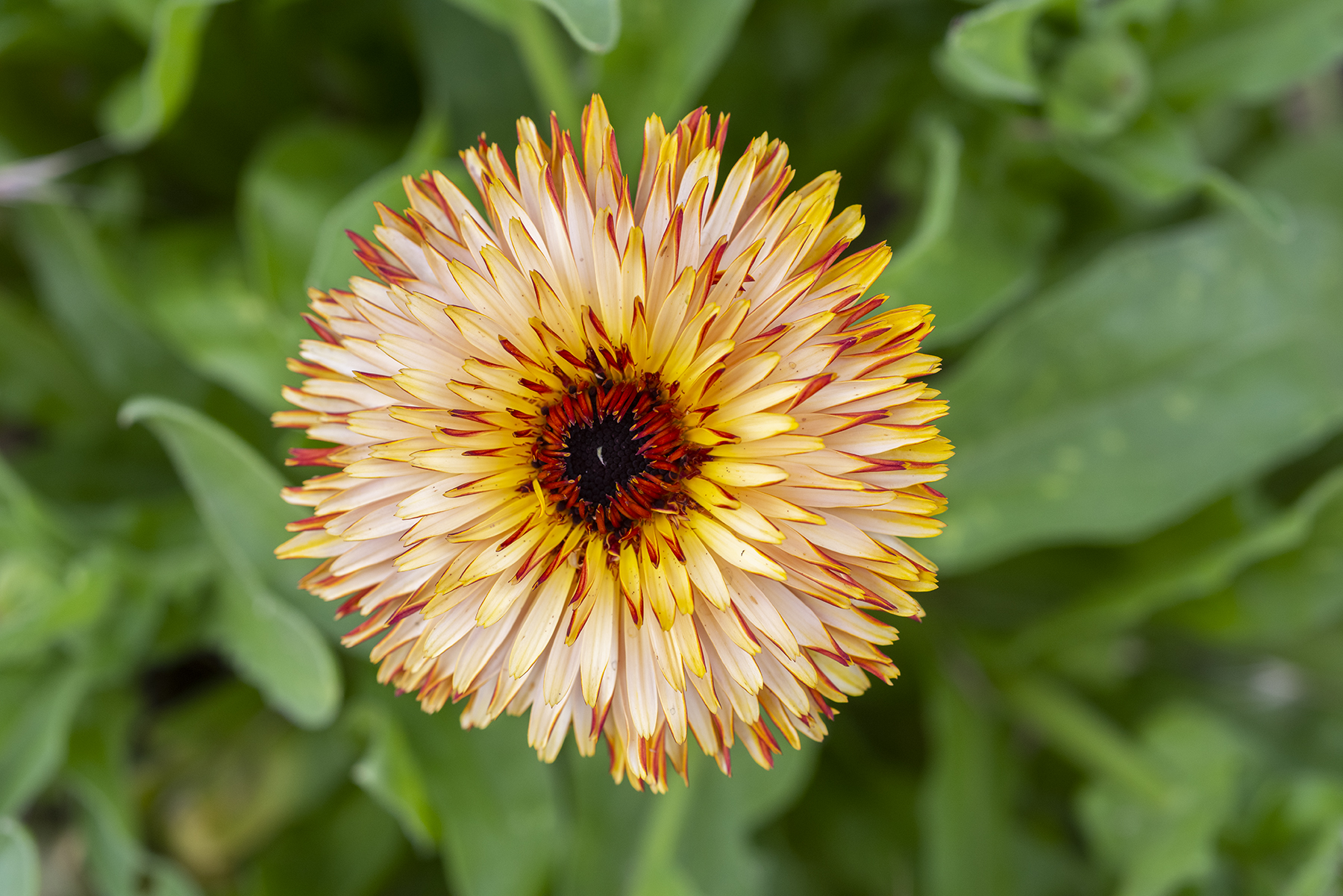
Calendula (Calendula officinalis) is a member of the marigold family.

We planted a number of different flowers, including calendula and marigolds, in our raised beds to both provide visual interest and to attract beneficial pollinators. Although calendula doesn’t love our intense summer weather, most seem to be doing reasonably well and will hopefully bloom again in fall’s cooler temperatures.

Continue reading

How to start composting

Americans produce about five times as much trash per capita as does the rest of the world: a truly shameful statistic. Even while the news shows images of food bank lines stretching for miles, we still manage to waste far more food (about 40% of everything we buy) than the average human. Most of this food waste ends up in landfills, which are rapidly reaching capacity; by some estimates, over half the waste in municipal landfills could be composted and used to build soil fertility. It’s also frustrating to see thousands of plastic trash bags filled with grass clippings and raked leaves headed to the landfill where they won’t decompose effectively when rebuilding the soil is one of the very best weapons we have against climate change.

QF Compost 01 sml

Our original compost pile.

If you’re looking to reduce your own waste stream, starting a compost pile is one of the best and easiest solutions. And if you’re cooking at home more these days, as most of us are, you might find yourself producing a lot of food scraps that could be put to much better use than the landfill. Composting has long been presented as too challenging / too time-consuming / too complicated / too messy / too smelly / impossible on a small scale. If managed correctly it is none of these, and is one of the very best ways to make your own plants better, even if you’re simply growing fresh herbs on a sunny windowsill.

Continue reading