Farm update: August 31

How are you doing out there, friends? Here at Quiet Farm we’re immensely grateful for clearer skies and cooler temperatures. We’re about seventy miles from the largest wildfire in Colorado’s history, and there were days over the past couple of weeks where it felt as though we lived inside of a barbecue grill. Although the air still smells of smoke, and we don’t have our crystalline blue skies back, conditions have definitely improved. We send our heartfelt thanks to all of the fire fighters, police officers, and other emergency services personnel who put their lives on the line every single day. Thank you.
Peaches 01 sml

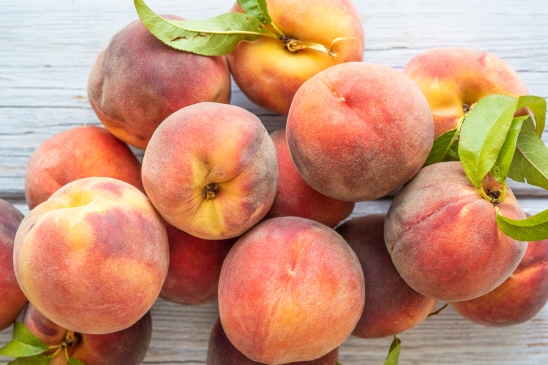
To be eaten out of hand over the sink.

We went peach picking this past week; these are likely the last of this year’s harvest and ninety pounds are now nestled in boxes in our garage fridge awaiting processing. Colorado is most famous for its Palisade peaches, north of us in Mesa County; unfortunately – as though 2020 weren’t awful enough! – Palisade lost about eighty percent of its peach crop this year to that killing frost we had back in April. Our peach trees here in Delta County didn’t suffer nearly as badly (we did lose all of our cherries), so we’ll have local canned peaches in January that taste like liquid sunshine. (Fun fact: if you’re buying Palisade peaches on the Front Range, you should ask what orchard the fruit actually came from. Most of the peaches sold as “Palisade” this year didn’t come from Colorado, but from California. Also, in a season like this one, many of our Delta County peaches get rebranded as Palisade. Brand names sell, plain and simple.)
Fox 01 sml

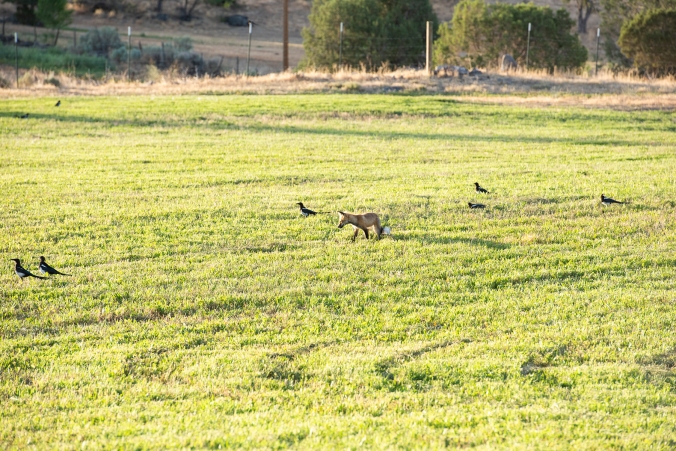
Hunting with an audience.

N captured this early morning shot of our resident young fox hunting voles in our pasture. The magpies, never shy about their desire for a free meal, wait patiently in the hope that they too might share in the spoils. It’s tough to balance our ecosystem’s need for apex predators – we definitely want the fox to help control our rodent population, but we’d also like it to stay far away from our chickens. This debate is currently playing out on a much larger scale, as the Colorado ballot this November will ask whether voters want to reintroduce gray wolves, eradicated around 1940, in our part of the state. (Also please observe how beautiful that pasture looks. All credit to N for his mowing and irrigation work this season!)
Wheat 01 sml

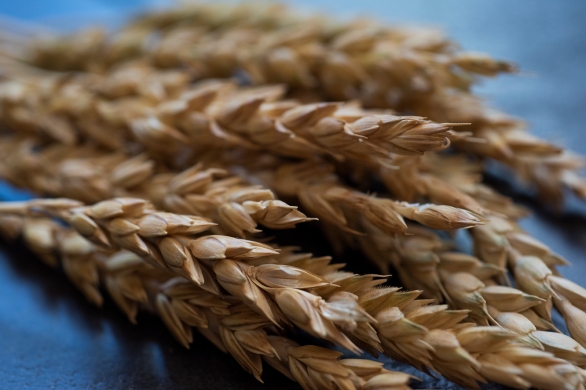
‘Marquis’ spring wheat.

We grew wheat! We opted to participate in small-scale wheat trials this year, and while much of our trial crop was demolished by deer, rabbits and squirrels, and plenty more taken out by strong winds, we did harvest a few stalks. The wheat still needs to be separated from the chaff and field notes beg to be written, plus seed must be returned to the seed bank organizing the project. If we actually grew enough to bake a single loaf of bread, I’ll be amazed – but it’s really exciting to grow grains. In decades past, most regions in the U.S. had their own uniquely adapted grain varieties, and of course this also supported the mills and bakeries required to process those grains. Those disappeared in the centralization of agriculture, but local heritage grains are staging a resurgence across the country. We want to be part of that trend, even on a minuscule scale.
Cantaloupe 01 sml

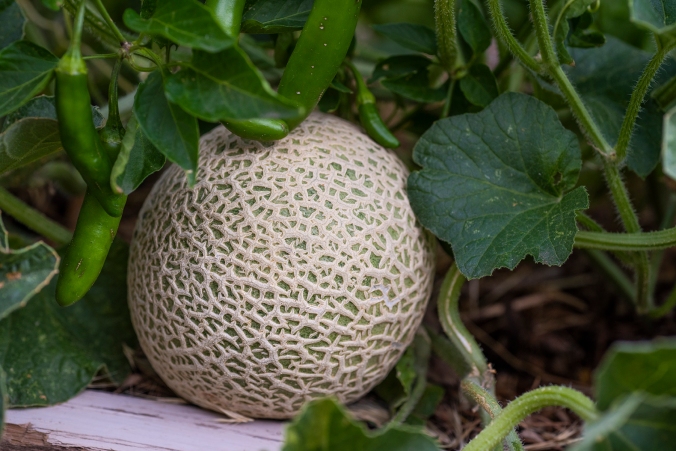
Not bad for an unintentional crop.

We also grew melons! This is amusing because we didn’t plant any melons. We do, however, have a thriving compost pile, and members of the vast curcubit family (squash, cucumbers and melons) are notorious both for cross-pollinating and for volunteering in unexpected places. This miniature cantaloupe (each is about the size of a softball) appeared in the hot pepper bed, where the serranos and cayennes are flourishing. We have five or six mature fruits now, and are excited to harvest one to see what we grew. If it’s delicious, we’ll save the seeds in the hopes we can grow it again, and we’ll have a melon bred just for Quiet Farm!
Tomato Plate 01 sml

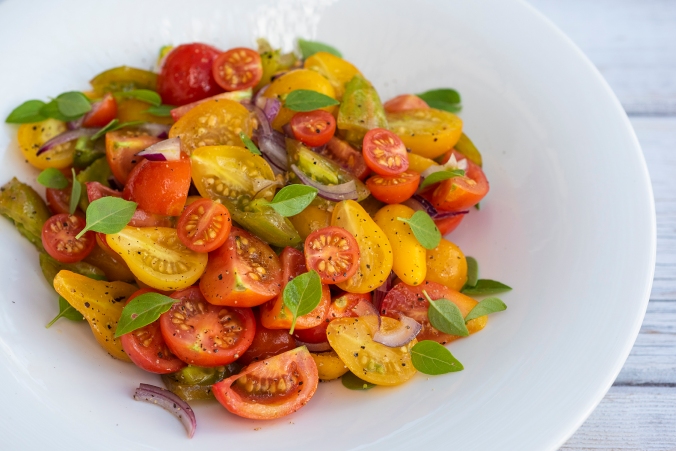
Definitely qualifies as a meal.

And finally, our tomatoes are coming on strong. The intense heat wave we’ve just endured definitely hastened the tomato ripening schedule, though we’ve obviously needed to irrigate much more frequently. This time of year we’re likely to have a tomato salad at every meal, if only because the season is so fleeting. No recipe needed: sun-warmed tomatoes, halved or quartered, good olive oil, thinly-sliced red onion, a few grinds of black pepper, basil and a generous sprinkling of crunchy salt. Fresh mozzarella, ricotta or cotija would obviously not go amiss here. Honestly, it’s summer in a bowl and we’ll make the most of it while it lasts.

With that, we’re off to tackle a busy week that will hopefully include a hay delivery, a pre-winter fireplace inspection and more than a few canning projects. Wishing you all safety and health.
How to make kimchi

A couple of years back, we all got really into probiotics. In the simplest terms, probiotics are beneficial microorganisms – bacteria and/or yeasts – in our surrounding environment and within our bodies that help keep us healthy. Since so many of us are regularly on antibiotics, which kill off both good and bad organisms indiscriminately, it makes sense that our bodies would be deficient in helpful bacteria. The rise of serious digestive-related disorders, too, indicated that our microbiome was in serious trouble.

Many of these health issues can be attributed to the fact that the vast majority of food we eat is completely, totally dead. I don’t mean dead in the literal sense, like how we turn a sad CAFO pig into even sadder pork chops, but dead in the sense that all life has been processed out of it. Instead of eating slightly muddy carrots, freshly dug, we eat “carrot chips” and drink “carrot juice,” which have been subjected to high-heat processing and irradiation and a million other complicated techniques, rendering that carrot into what Michael Pollan would call “an edible food-like substance.” It’s no longer actual, nutritious food; we’ve just been told it is.

Continue reading

The zucchini chronicles

Zucchinis 01 sml

This is only one day’s harvest!

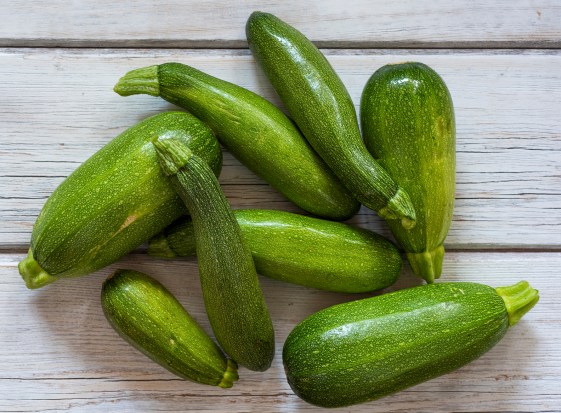
(…or the courgette chronicles, for our English audience.) By now we’re likely all familiar with the time-honored adage about how rural residents only lock their cars in July and August, because that’s when a fiendish neighbor is most likely to deposit a bag of overgrown and unwanted zucchini on the passenger seat. It’s an apt joke, however; anyone who has grown summer squash knows that it absolutely has a mind of its own. One day, there are tiny flowers on the plant; not even twenty-four hours later, it seems, zucchini the size of baseball bats have taken over the garden. If not carefully monitored, these plants can become unmanageable very quickly.

Squash 01 sml

Please, someone, tell me what’s wrong with this zucchini plant?

I always think of zucchini (like my beloved kale) as a self-esteem boost for the gardener. It grows well in just about any conditions, needs little care and produces voluminously and reliably. Interestingly, this is the first season I’ve struggled with zucchini – of seven plants, four look like the photo above: small and stunted with initially green leaves that turn crisp and brown without growing larger. The plant keeps putting on new leaves, which promptly die; no blossoms or fruit appear. All of the seven plants are from the same seed and in the same bed and none are planted where squash grew last year; I’ve never seen anything like this. Are they diseased? Attacked by a mysterious pest? Why are three plants growing perfectly? If any experienced gardeners want to weigh in on this unexpected quandary, I’d love to hear your thoughts.

Continue reading

Farm update: August 3

“This pandemic feels like a relay race and if that means that every once in a while, you need to break down and freak out, that’s fine. We can carry the baton for each other while we lose it, gather strength, and then carry on. The world seems out of control, but we can control our kitchens and the good things that come out of them. That’s something.”

-Steve Sando, Rancho Gordo

Vegetables 01 sml

A daily harvest last week.

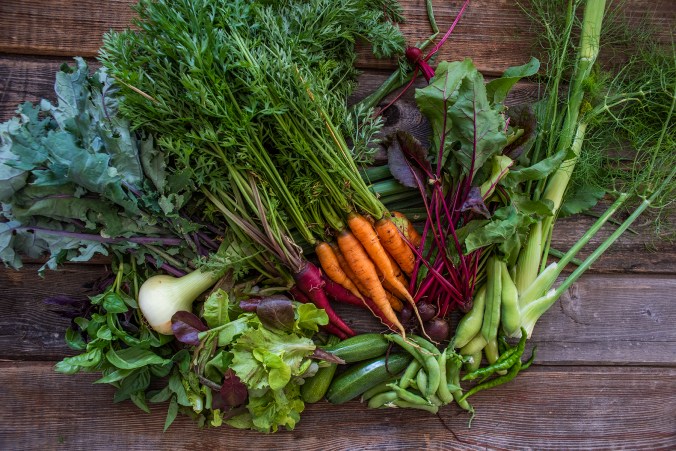
It’s reaching that point in the season when all of our hard work starts to pay off in abundance. Harvests now happen daily, rather than weekly or every few days, and a small bucket is required. Although the stars of summer – tomatoes and peppers – haven’t really come on yet, we’re swimming in greens, carrots, beets, onions, zucchini, fennel, kale and fresh herbs. It’s not going to be a great year for either winter squash or sweet peppers, much to our disappointment, and we fear that the squirrels have pre-harvested many of our potatoes. But we’re looking forward to cucumbers and fresh beans along with a (hopefully strong) tomato crop.

Continue reading

Farm update: July 20

“Still, I cook. We need to cook, after all, to nourish ourselves and those around us. We need to cook to feel better, to make others feel better, to get along. I may begin the process in weariness, but as often as not I end it in surprise and triumph, happy at least to have made something delicious, to have shared it with those with whom I shelter.”

-Sam Sifton, The New York Times

Quiche 01 sml

No longer trendy but still delicious.

One of the cruel ironies of being a farmer is that when the vegetables really start rolling in, it’s way too hot to cook. Plus, after twelve hours working in the blazing sun all we want is chilled watermelon and ice-cold beer – not exactly a balanced diet. Enter the quiche! Long a mainstay of stuffy, boring women’s luncheons, quiche is hopelessly out of fashion but so well-suited for hot summer months, especially when fresh eggs, vegetables and herbs are in abundance. I always bake first thing in the morning (the house doesn’t need any help heating up later in the day), and quiche is perfect warm, cold or at room temperature. It has a reputation for being terribly unhealthy, but loaded with broccoli, spinach, peppers and herbs, with just a little egg and sharp, savory cheese to bind it all together, it’s an ideal summer staple. Let’s bring quiche back!

Continue reading

Farm update: June 8

“Good morning. Concentration is hard to come by these days, amid the nation’s strife. We are living through a tough and chaotic and wrenching time, filled with fury and an abiding sadness. We’re unsettled. We’re tense. We’re divided. The emotions arrange themselves in combinations that make it hard to work, to read, to watch, to listen, much less to think.

Cooking can help. The act of preparing food is a deliberate and caring one, even if you’re just making yourself a bowl of oatmeal at the end of a long night of worry. The way you sprinkle raisins over the top is an intentional act of kindness to yourself. So what I’m doing now, amid my restless skimming of nonfiction and news, thrillers and literature, poems that don’t bring solace: I read recipes, think about who in my family they might please, and I cook.”

-Sam Sifton, The New York Times

Brownies 01 sml

So much effort, yet so worth it.

While I was flipping through the April issue of Bon Appétit, N saw this recipe and asked me to make these “camouflage brownies.” And so I did. They required approximately seventeen different bowls, forty-two utensils, nine measuring devices and three separate batter components. (When a professional chef tells you a recipe is complicated and elaborate, believe her.) But the end result? Amazing. We don’t eat a lot of sweets, so we devoured this pan a little quicker than good sense would indicate, and it was entirely worth it. And I had to buy the cream cheese in a two-pack, so we’ll probably see these again in our kitchen very soon.

Continue reading

The meat of the matter

The past two months have exposed a great number of frailties in systems we’ve long taken for granted. From child care to health care, we’ve learned firsthand that most – if not all – of our societal structures are built on debt-ridden quicksand. Nowhere has this fragility been more apparent than in our food supply, long the envy of less-developed nations.

Meat 01 sml

Mmmm…meat in tubes. Delicious.

If you’ve ever traveled in the Caribbean or Africa or Asia – really, anywhere outside of the U.S. and Europe – you know that a standard Western grocery store is a thing of miracles. The glossy, perfect produce, appealingly stacked in lush displays. With artificial thunderstorms! Acres of cold-storage, displaying hygienically shrink-wrapped packages of beef, pork, chicken and fish, none of which resemble the animal they once were. The deli abounds with cheeses and olives and overflowing dishes of prepared foods, enticingly displayed on beds of ornamental kale.  Aisle upon aisle of boxed mixes and snack foods and sodas and candy and cookies and chips, plus thousands of cleaning products and toiletries and other various and sundry items, all brightly-colored and stocked in abundance. A standard Western grocery store never has bare shelves, because that violates its very reason for existing – that we have so much, we can replenish each item before it’s even made its way to the check-out.

Continue reading

One potato, two potato

Last year we planted potatoes for the first time and achieved a reasonable level of success for a freshman effort, though our part of Colorado isn’t at all suited for potato growing. To our south and east, however, you’ll find the San Luis Valley: the second-largest fresh potato-growing region in the country and justifiably famous for the crop. Their loose, sandy soils are much better for potatoes than our heavy, rocky clay.

Potato Towers 01 sml

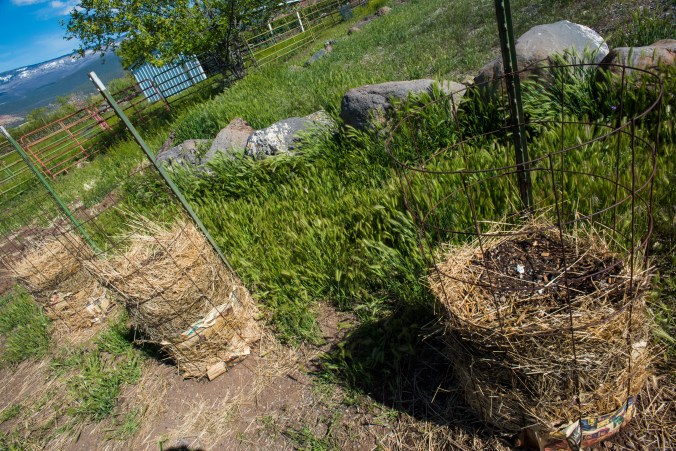
Last season’s potato towers.

But like any stubborn farmer, we love being told what we can’t grow, so that we can try it anyway. We quickly realized that we wouldn’t be planting potatoes in the ground and so opted for potato towers: layers of soil, compost, newspaper and straw in a wire cage, with seed potatoes nestled gently in between. We planted about one and a half pounds of seed potatoes in each of three potato towers, and yielded about twenty pounds of potatoes in total – not bad, considering the minimal growing space and effort required, but not the thirty-plus pounds we were hoping for. And some of the potatoes were really tiny, like the size of marbles. Not very practical.

Continue reading

The sourdough bandwagon

Here’s what N and I have learned in the five-odd weeks since this madness really kicked off: the things we’ve been doing for years – growing food, baking bread, keeping chickens, buying only secondhand, cutting our own hair – are exactly what all of America seems to want to do right now. Listen up, everyone: we’re cool and we’re on-trend and we are probably influencers too. We’re going to call ourselves influencers, anyway. We’d like to influence you to bake sourdough, mostly because no one can find any yeast yet people still really, really like fresh bread.

Sourdough 05 sml

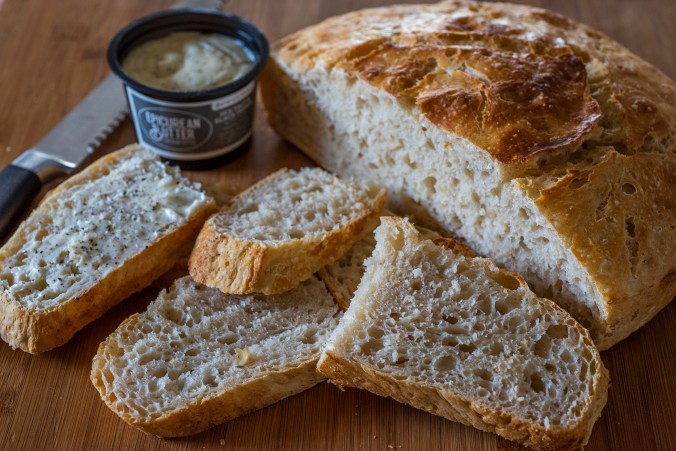
Really, what’s better than fresh bread and good butter?

I’m not at all surprised by the gardening and the bread baking, truly. People have extra time on their hands and want to do something both purposeful and satisfying, plus spring has arrived in most places and it’s a pleasure to be outside. But the sourdough thing? That did take me by surprise, as sourdough has a reputation for being so tricky and difficult and obsessive and a little weird because people name their sourdough starters and refer to them as pets. But then of course all of the country’s commercial yeast disappeared somewhere so it’s only natural that everyone would turn to sourdough, and people also need new pets in this time of isolation, kind of like Wilson in Castaway, so it all sort of makes sense.

Continue reading

Kitchen substitutions

A lifetime ago, N and I worked and lived on boats. We worked on fancy boats and not-so-fancy boats and were often at sea for days or even weeks at a time, traveling from southern Florida to the Caribbean, or across the Atlantic to make quick landfall in the Azores before an intense Mediterranean charter season. Being at sea meant no quick runs to the store, no online grocery delivery, and so I grew adept at using the ingredients I had on hand and figuring out what substitutions I could make.

It turns out that this skill comes in handy in our new world, too. Americans are cooking and baking more than ever – which is fantastic! – and more often than not, we’re doing so with a limited selection of ingredients, thanks to supply-chain bottlenecks and unnecessary hoarding and other factors. So it might be useful to learn some simple kitchen substitutions, which will make you a better cook and a better baker both during quarantine and once things return to “normal,” whatever that might mean.

Continue reading