Food politics book club

Our house is filled with books. On shelves, stacked by the bed, in my office…the only place that doesn’t contain any books is the kitchen. N reads a lot of military history mixed with an eclectic selection of farming books and autobiographies, and my choices tend to be modern fiction plus just about anything on food. I feel as strongly about books as I do about food: if they’re not good, I won’t finish them. I have no sense of obligation having started a book; there are simply too many stellar books out there to waste time on the appallingly bad ones. I’ve written before about how choosing books for our trip was one of the toughest parts of packing; I didn’t care at all about which tattered shirts and frayed cargo pants I brought, but I cared a lot about the reading material.

cookbooks-4-sml.jpg

Because I talk a lot about food politics both here and in my cooking classes, I’m often asked for book recommendations. I’ve put together a compilation of some of my favorite books on food politics and America’s desperately compromised food system. Know that there are many more great selections out there, and if you have recommendations for books I haven’t included, please share them! If you’re looking for an even more comprehensive list of some of the best books on food politics, go here.

Cookbooks 1 sml

It is not possible to have a discussion about food politics in America without mentioning Michael Pollan. In my opinion, no author has done more to explain how what was once just “food” evolved into “industrialized agriculture.” I think Cooked is by far his most accessible work; even for me, The Omnivore’s Dilemma and The Botany of Desire get a little…technical. But really, anything by Mr. Pollan is guaranteed to get you questioning your assumptions. And if you can’t commit to reading his books, watch his Netflix series based on Cooked. Plus, his breathtakingly simple manifesto “Eat food. Not too much. Mostly plants.” is by far the best seven-word statement on food I’ve ever encountered.
Cookbooks 2 sml

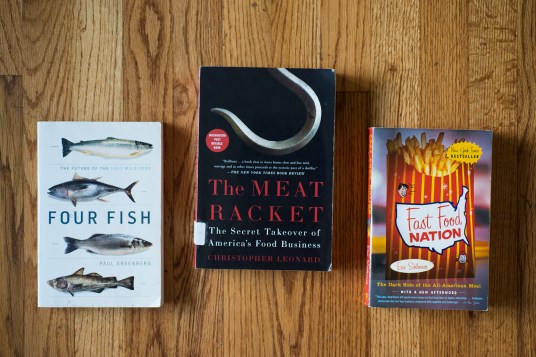
Four Fish, Paul Greenberg

It is virtually certain that certain species of fish currently used as food will become extinct within our lifetimes; our visit to Japan’s famous Tsukiji fish market simply stunned us with the sheer quantity of seafood caught and sold every single day. There isn’t much positive that can be said about the world’s fishing industry, but this book explains it in a clear, simple manner. (Please, if you’re in the U.S. and you choose to eat fish: consider buying only sustainably caught or responsibly farmed American seafood. Or eat much, much lower on the ocean food chain, like sardines and anchovies. Whatever you do, please don’t buy farmed fish from southeast Asia; their abuse of both humans and the environment makes ours here in the U.S. look positively benign.)

The Meat Racket, Christopher Leonard

One of the best and most difficult books I’ve ever read on our industrial meat supply, The Meat Racket exposes the brilliantly cruel “bracket” system used in modern CAFOs. This book is a carefully researched and shockingly grim portrait of the massive corporations like Tyson currently controlling the vast majority of America’s meat market, and of the farmers trying desperately to stay afloat in a game totally rigged against them. Read at your own risk; you’ll have a hard time buying frozen chicken nuggets after this one.

Fast Food Nation, Eric Schlosser

This book, published in 2001, is subtitled “The Dark Side of the All-American Meal” and could be rightfully argued as the one that started it all. No one really has anything nice to say about fast food in general; it is toxic to the people who eat it, the people who work there, the animals sacrificed for it and most definitely the planet. But it’s great for shareholders…or at least it was, until the fast food industry started slowing down after decades of growth. This is one area where there may actually be something positive on the horizon: fewer Golden Arches across our country.

Cookbooks 3 sml

Twinkie, Deconstructed, Steve Ettlinger

Ever been curious about sodium caseinate? How about modified food starch? Hydrolyzed soy protein? Polysorbate 60? Learn more than you ever wanted to know about how our processed food is made. (Remember, food at home is “cooked.” Food in packages is “processed.”) And we wonder why our gut microbes can no longer handle anything.

The Third Plate, Dan Barber

Last December, N and I had the honor of attending the Young Farmers Conference, held annually at Chef Barber’s Blue Hill at Stone Barns just outside of New York City. I’ve admired and respected this chef since his early days of farm-to-table cuisine; in the professional chef world, he is at the forefront as an advocate for less food waste and a more conscious approach to cooking and food overall. Simply one of my very favorite food books.

Tomatoland, Barry Estabrook

This book sort of pretends to be just about tomatoes and is actually much more about the workers planting and picking them, but it’s still worth a read. We’ve had out-of-season produce in supermarkets for so long that we rarely think about it anymore, but it’s not just the earth that takes a beating – the people do, too. This book almost singlehandedly brought about a very public and (somewhat) successful battle with fast food companies and supermarkets over fair pay for farmworkers; learn more here.

Animal, Vegetable, Miracle, Barbara Kingsolver

Kingsolver might be more known for her fiction, but when she and her family packed up and left Arizona for rural Kentucky, then documented their attempts to eat solely from their own land for a year, the food cognoscenti paid attention. It’s a deceptively simple book (with recipes!) that explains why modern turkeys can’t reproduce naturally and why organic certification is almost impossible for small farms to get and why you should bake your own bread, but there is a lot more under the surface. If you’re thinking about running away to your own piece of land as we are, this book will push you farther in that direction.

Other books I recommend not pictured here (most likely because I loaned them to someone):

The American Way of Eating, Tracie McMillan

Eating Animals, Jonathan Safran Foer

Salt, Sugar, Fat, Michael Moss

Anything by Marion Nestle

Anything by Joel Salatin


Mad about ewe

It is impossible to overstate the importance of the humble sheep in New Zealand. The famous Captain Cook first introduced sheep here in 1773; meat and wool, as well as numerous other byproducts, quickly formed the economic background of this young nation. Even today, New Zealand is well-known for its lamb and wool, and the oft-cited statistic that New Zealand has a lot more sheep than people (about 27 million to 4 million) still holds true, although the animal numbers have fallen dramatically in recent years. The worldwide introduction of synthetic fibers understandably had a massive impact on the wool industry.

NJB_1837

One of the great joys of travel – especially on road trips – is stumbling upon something amazing that wasn’t in the day’s plans. We were on our way to camp on the beach at Clifton, in Hawke’s Bay on the east coast of the North Island, when we drove by Wool World. My head immediately filled with visions of a slick, American-style theme park devoted entirely to sheep, hopefully with a petting zoo, roller coaster and extensive gift shop. The reality was far different, and much better.

NJB_1891

Clifton Station, Hawke’s Bay.

NJB_1846

The dogs are coming…

Clifton Station (ranches in the U.S. are stations here) was founded in 1859 and has been run by the same family since. It encompasses about 2,000 acres on the east coast of the North Island. Despite the signage outside advertising shearing and herding demonstrations, Wool World is now only open for large groups of pre-booked cruise ship passengers. We got lucky, however, and walked up while a station hand was treating lambs in a gated paddock near the road. These lambs had just been taken off their mothers and were headed out to munch on fresh new pasture; the abrupt change in diet causes their delicate little lamb tummies to go a bit haywire, so they’re essentially given a pre-emptive antacid.

NJB_1865

The station hand gave us free rein to walk into the old shearing barn, built in 1886 and still in use today. This barn is true living history and it was incredible to see the pride that this family takes in their property, their animals and their way of life. Places like these are becoming more and more rare, and recognizing the past is especially relevant because modern agriculture is changing so quickly. The opportunity to see this space will be one of the highlights of our trip to New Zealand.

NJB_1880

Blade shearers in 1893 with shedhands and shepherds. The records indicate that 25,000 sheep were shorn in the shed that year.

NJB_1876

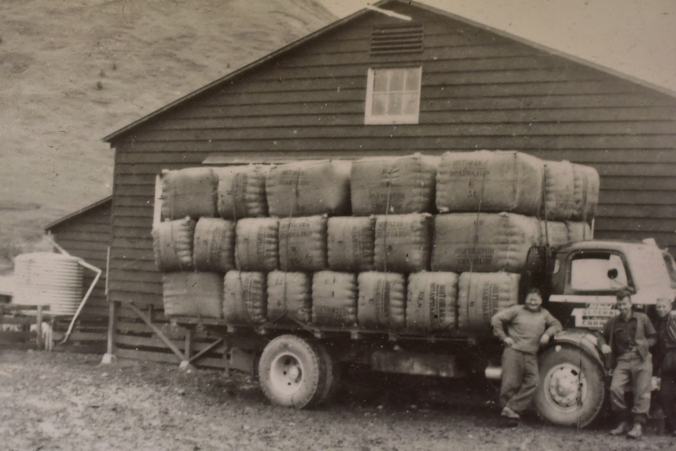
Horse-drawn wool bales headed to the railyard for transport to Wellington or Napier.

NJB_1877

Bales of wool bound for a local wool sale.

NJB_1848

Not much has changed in this woolshed since the late 1800s.

NJB_1853

Shearing stalls.

NJB_1871

Belt-driven machinery allowed multiple sheep to be shorn at one time.

NJB_1860

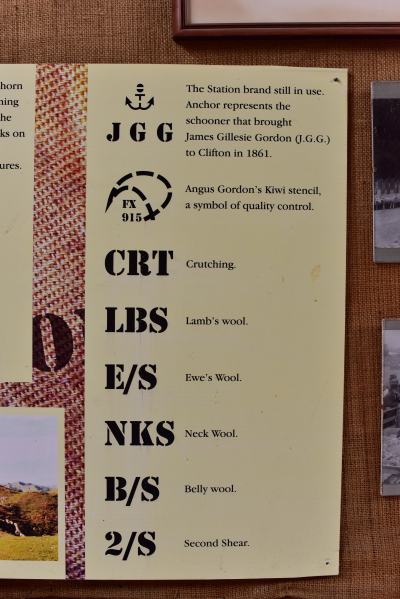
Wool bales are stenciled with their station origin, destination, pack year and grade. Low-grade wool (and the sacks) were often used on walls for home insulation.

NJB_1873

A helpful identification key for bale stencils.

NJB_1861

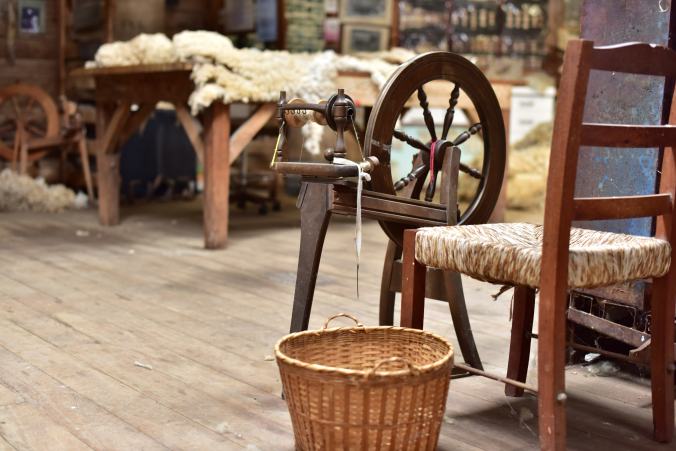
Ye Olde Spinning Wheel. Avoid at all costs, princesses.

NJB_1843

If you should ever have the opportunity to see a herding demonstration, do not miss it! Watching the shepherd and the dogs run the sheep is truly remarkable.

Interlude: Cows love Skittles

Friends, we interrupt our regularly scheduled light and fluffy travel programming to bring you a brief interlude on cows. Cows and Skittles, to be precise. If you are here just for fun travel adventures, please feel free to tune out now – this one is about food politics.

Perhaps some of you noticed a little story that a couple of papers ran recently about a Skittles spill on a Wisconsin highway (although I’m painfully aware that there are one or two more significant American news stories to focus on right now). To summarize, a truckload of red Skittles missing their signature “S” spilled onto the road thanks to a rain-saturated cardboard box. When the local sheriff’s department came out to investigate, they discovered that the candy was on its way to be used as cattle feed. Maybe it’s fake news? Now that so much of what we read contains “alternative facts,” it’s hard to know what to believe. (You can read versions of the article here, here and here, and I’m sure there are plenty more.) Feeding food waste to cattle is apparently common practice in the U.S.

Stone Barns-06

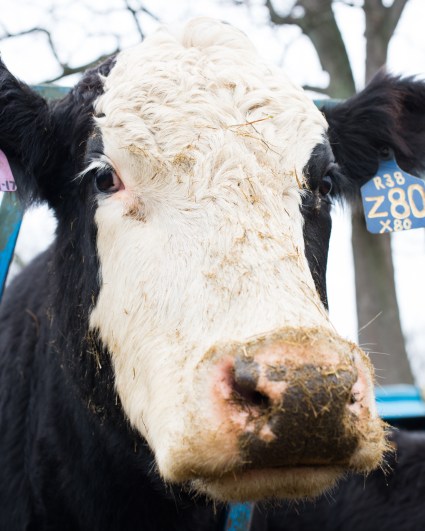
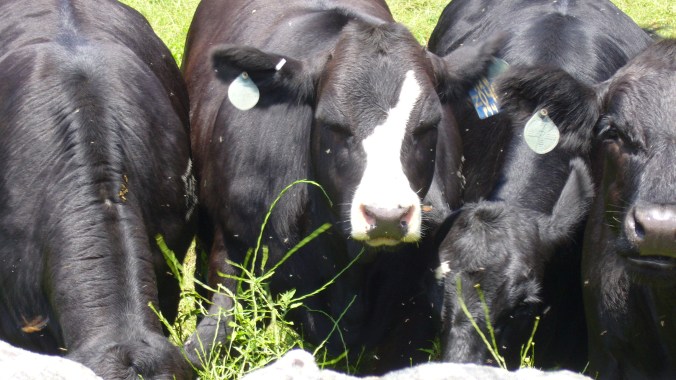
Bessie here actually prefers M&Ms to Skittles, if you want to know the truth.

Back in 2012, the severe drought that swept across the country caused corn prices to skyrocket, and that’s reportedly when the trend of feeding excess food to cattle really accelerated. In some cases, cows were even fed candy that was still wrapped, although a professor of animal nutrition seemed mostly convinced that the wrappers would pass through the cow without issue. I’m in no way a vet or other animal expert, but I imagine that plastic really can’t be good for an animal’s insides – even one as large and tough as a cow.

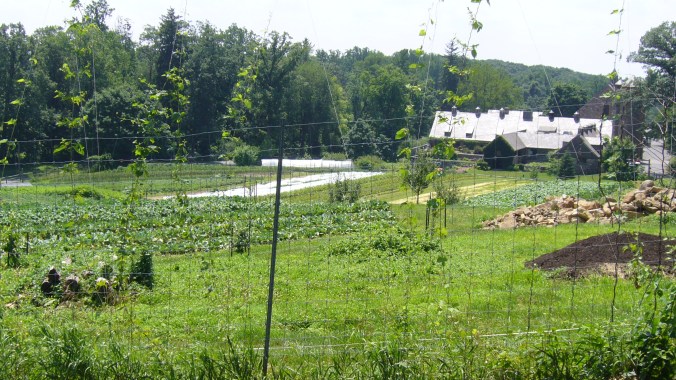
But wait, you might say. Skittles are mostly just corn syrup, which is just corn, right? And that’s what the cow would be eating if corn prices hadn’t risen so much, so really, what’s the big deal? It’s actually not the Skittles that bother me – it’s all the other stuff we don’t know about. Consider that the only reason we now know that these Skittles were intended for cattle feed is because they spilled. Had they not spilled, we’d still be shoveling our CAFO hamburgers in, none the wiser. This story indicates that a lot of other mysterious food waste goes to our cows, including but not limited to stale baked goods, peanut and almond shells, and orange rinds. Probably harmless, yes, but do these ingredients affect the integrity (what little there is) of the meat? Could a severely peanut-allergic person have a reaction to beef from a cow fed on peanut meal? I have no idea. And I also have no idea what is in our food.

Stone Barns 074

My point is not that the Skittles themselves that are inherently bad (although they are). It’s that you didn’t know they were there. How can anyone make an informed decision about what they eat when they don’t have all the information? How can I implore my cooking students to read the label of every food item they buy when I know full well that label is inherently misleading? I also resent the implication that feeding Skittles to cows saves them from the landfill and is therefore virtuous. In a country that wastes over 40% of all edible food produced, I’m fairly certain that the quantity of Skittles we’re talking about here is negligible enough that the landfill excuse doesn’t hold up – greenwashing at its finest.

Some time ago, a friend who shops very consciously received a recall notice at the bottom of her grocery store receipt indicating that the big-brand chicken she’d purchased weeks earlier had been recalled. Since she deliberately never purchased big-brand chicken, she knew this had to be a mistake – yet when she contacted store management, she received a boilerplate customer service response that didn’t address the issue. Follow-up calls and emails went ignored, leaving her to assume that of course she had purchased that chicken – labeled as organic and packaged under a “clean” name – even while trying so hard not to. Plus, organic and conventional chicken were both part of the same recall, so how can one trust that the organic product really is? And that leaves us here, stumbling around the grocery store in a panic, reading labels frantically and generally feeling like a failure all the time because we no longer have any faith in a system designed to protect us from fraud and mislabeling.

These stories are compelling on many levels, but my takeaway is this: unless we’ve grown, raised and processed food ourselves from start to finish, we no longer can have any faith that we’re buying what we think we’re buying. I know plenty of people who wouldn’t feed their kid Skittles (concerns over Red 40 high on the list) but would certainly offer a lean beef stir-fry with plenty of supposedly organic vegetables and arsenic-free brown rice. Yet these same people, who are working so hard to get it right, are getting it wrong. Again and again, because they cannot trust that they’re buying and consuming what they think they are.

Stone Barns 070

I’d love to end on a positive note, so I’ll leave you with this – if you want to trust your food, grow your own. Start a small garden. (If you’re in the Denver area, support a locally-owned business and go here for everything you need to get growing.) Raise backyard chickens. Get a beehive. Join a CSA. Know what you’re eating and where it came from, and be willing to ask questions. Also: eat less meat, and spend more money on it, and know who raised and processed it. And please, let us know your thoughts on this story. We’d specifically like to hear if you feel confident about label honesty and accuracy (including organic vs. conventional) and what exactly is in the food you buy.

chickens2

Here fishy, fishy

NJB_0713

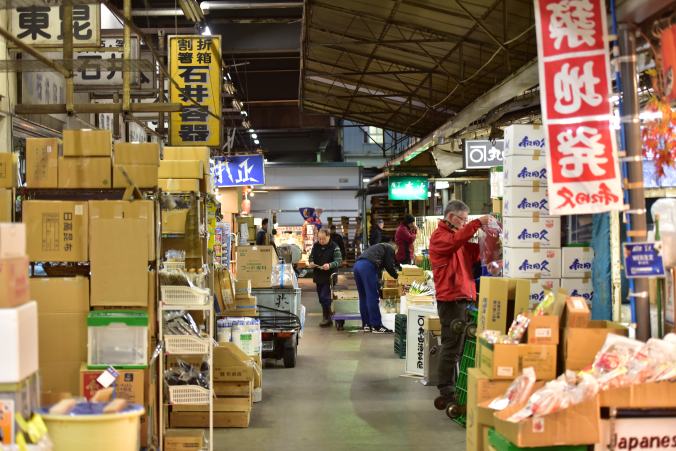
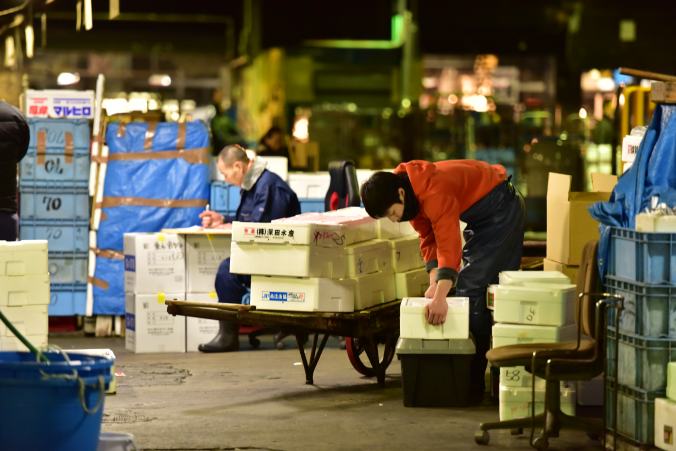
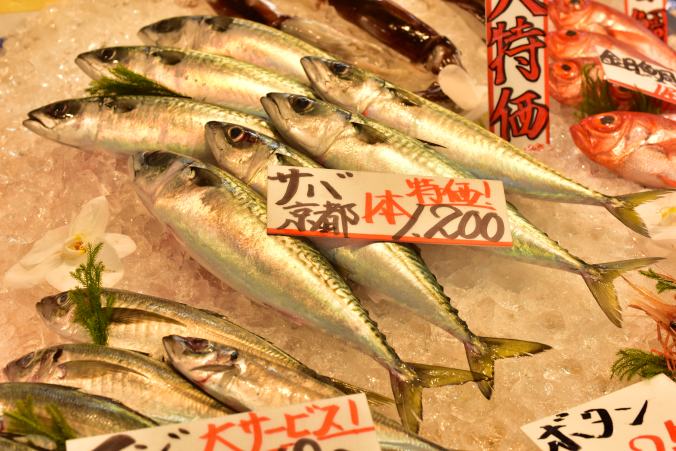
Tsukiji Fish Market is definitely not dressed up to impress tourists.

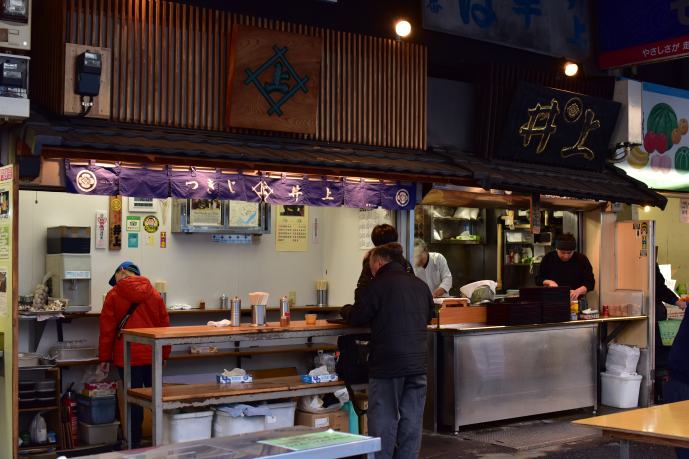
It’s our last week in Japan and we’re tackling Tokyo, district by district. We woke up at 4AM to jump on the first train out to Tsukiji Fish Market, the largest wholesale seafood market in the world. We opted not to attend the famous tuna auction, mostly because you have to arrive by about 2AM via expensive taxi in order to queue for the limited tickets available to tourists. Even without the tuna auction, though, the market is pretty spectacular.

NJB_0702

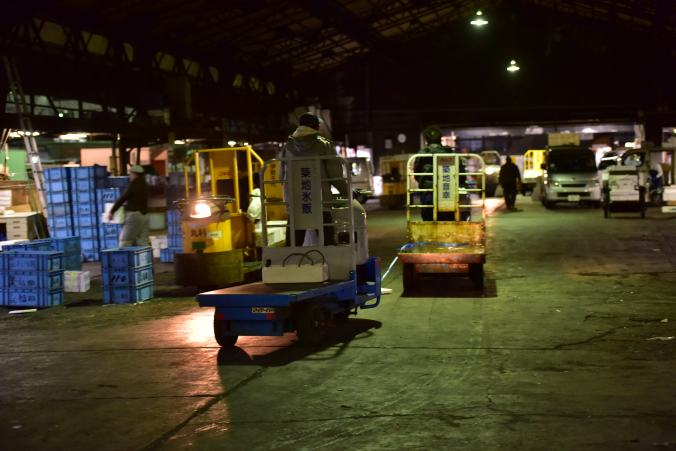
Please stay out of the way…these guys move fast.

NJB_0706

Seafood arrives here from all over the world. Most of the crew starts work between 2 and 3AM each day the market is open.

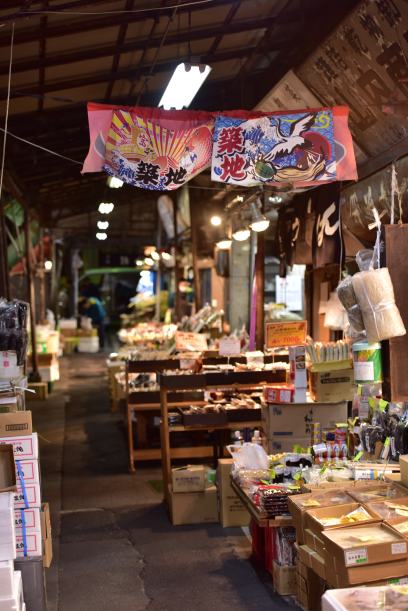
Tsukiji is made up of two markets – the inner market holds all the wholesale vendors and is off-limits to the public except for between about 5 and 6:30AM for those with tickets to the auction. The outer market is entirely open to the public and contains dozens of small restaurants, plus stalls selling kitchen equipment and other goods.

NJB_0690

Stalls selling kitchen equipment and other sundries line the outer market.

NJB_0689

Of course you can still smoke here…we’re in Japan.

Make no mistake – this is a working market, and tourists are barely tolerated. The market has closed to tourists entirely on a number of occasions, thanks to safety concerns and complaints from vendors, but is currently open. You’re expected to pay close attention to the carts, forklifts, trucks and other machinery moving at high speed around the market, and basically stay out of the way.

NJB_0721

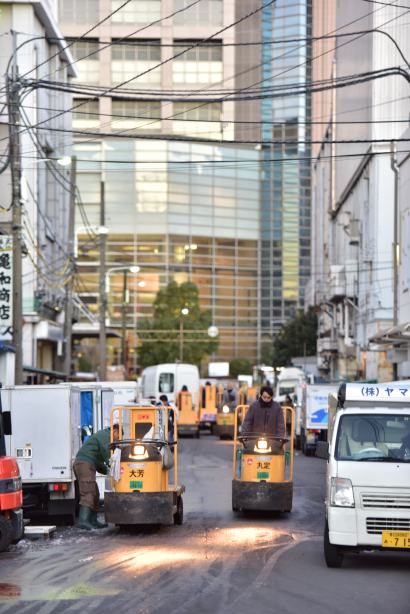
The grittiness of the fish market contrasts with shiny modern skyscrapers.

Tsukiji Market sits on prime Tokyo real estate just outside Ginza, one of the city’s fanciest shopping districts. Land here is more valuable than anywhere else in the world; as such, the market was scheduled to move in November 2016 in preparation for the 2020 Olympics. This was a highly unpopular decision, as many of these stalls (and their inhabitants!) have been in place for decades. In August 2016, the move was postponed; the reclaimed land where the market is to relocate is reportedly heavily polluted, and corruption allegations have been tossed around. Relocating a market of this size is a massive undertaking and it will be interesting to see if and when it actually occurs.

NJB_0734

NJB_0731

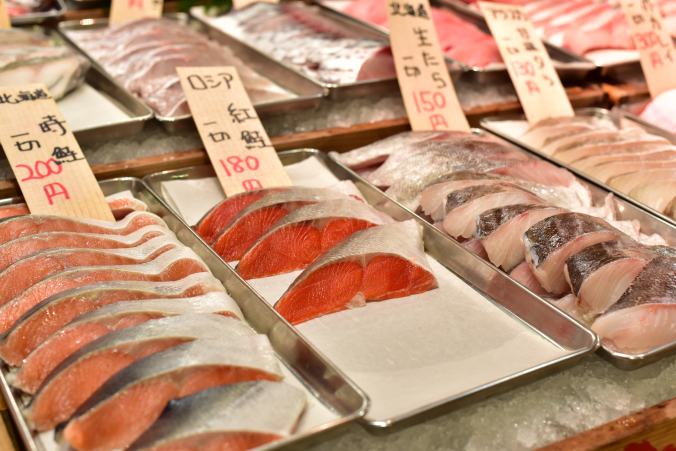
The fish for sale is always presented beautifully, and of course on plenty of fresh ice.

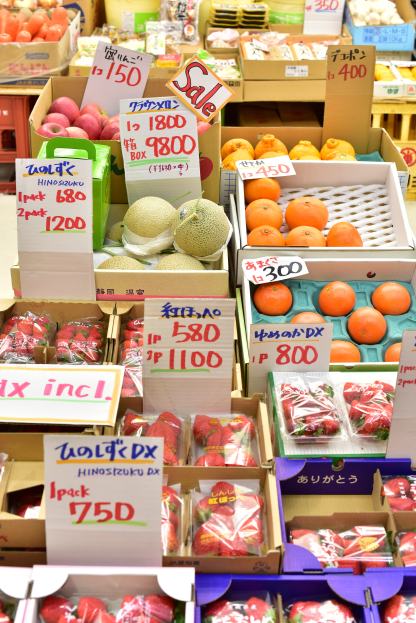
Tsukiji doesn’t just sell fish, though that’s what it’s best known for. There are stands with fruit, vegetables and exotic mushrooms too. Earlier on our trip I commented about the exorbitant cost of fruits and vegetables here; have a close look at the cantaloupes in the photo below – they’re priced at 1800 yen, or about $16 each. And they’re on sale! You can save if you buy the whole box of six for about $87. At a fancy food hall later that day, we saw melons nestled gently into little presentation crates and selling for about $150, and individual strawberries for $5 each. Perfect fruit are a popular gift here.

NJB_0735

Want an orange? They’re between $3 and $4.50 each, depending on the variety.

NJB_0730

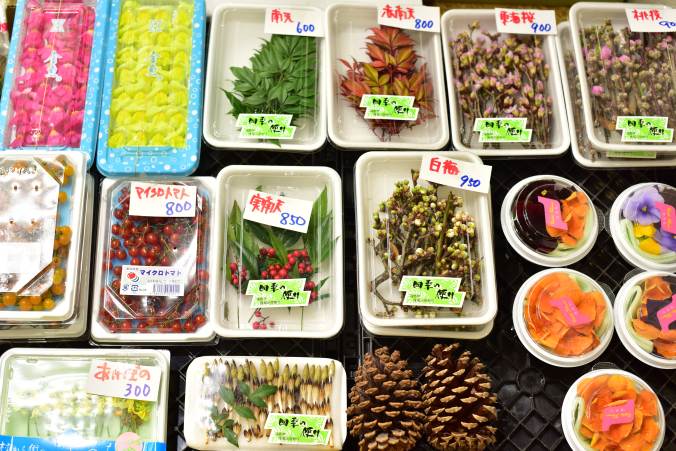
An interesting array of herbs, flowers and other decorative garnishes.

NJB_0736

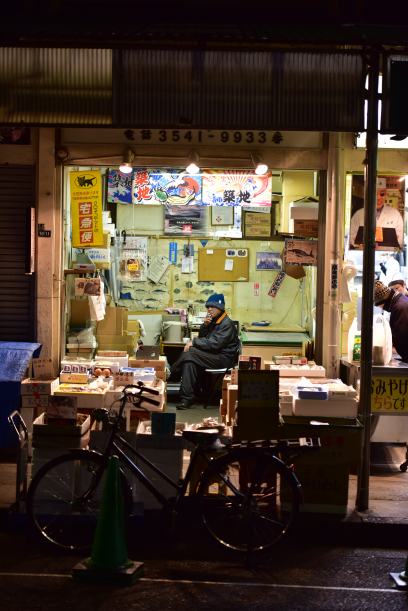
One of the numerous small “restaurants” that line the outer market. You order at the counter on the right from the chef or his assistant, and eat standing at the long table on the left. Dishes are washed in the gutter next to the street, and no, I don’t think the health department is bothered.

NJB_0742

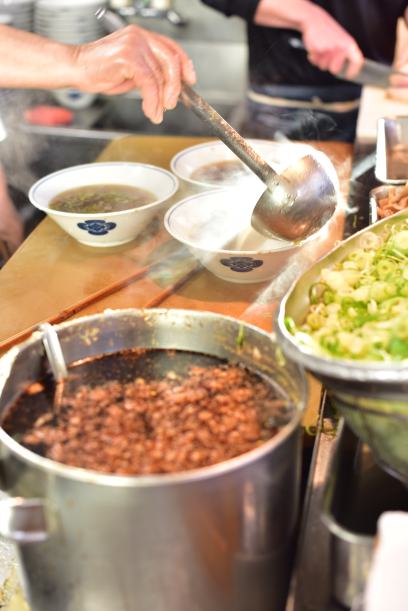
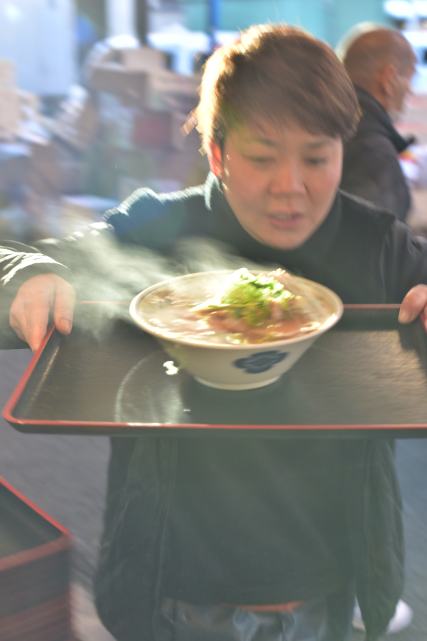
Ramen for breakfast on a chilly winter morning? Yes, please.

NJB_0746

Indeed we ate ramen, not sushi, at the world’s most famous fish market.

NJB_0719

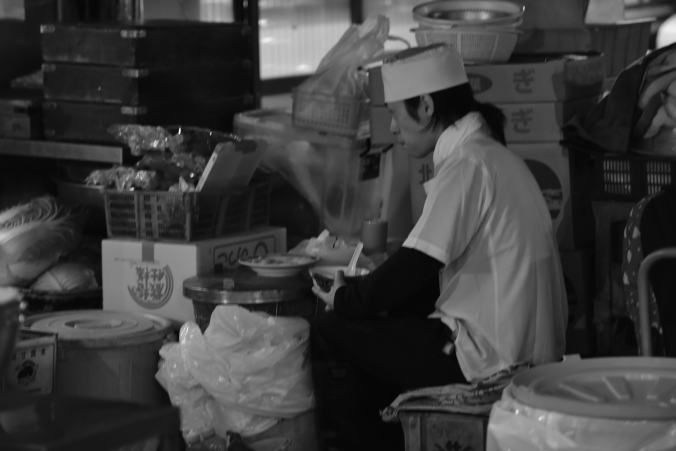
A quiet moment before a busy day.

Commercial fishing is a challenging topic, especially for the Japanese. On one hand, you have cultural traditions formed over countless generations in this island nation. On the other hand, it’s pretty clear that we’re running out of fish. Consider that Tsukiji Market alone handles over 700,000 tons of fish per year. That isn’t even a comprehensible number, but it’s definitely one that won’t continue. Many wholesalers and famous sushi chefs lament that the size and quantity of the tuna has decreased dramatically over the past twenty years; as oceanic pelagics, these fish can’t be farmed as other fish can. By some accounts, over 90% of the world’s fishing stocks are either fished out or nearly so; it’s estimated that at current fishing rates, fish and seafood will be completely gone by 2048.

This isn’t made any easier by the fact that – at least in the U.S. – we’re constantly told to eat more fish to improve our health. The U.S. imports over 90% of its seafood, much of it from highly compromised environments, so while fish may help your heart, eating more of it has an irrevocable environmental and social cost. And how do you even know you’re eating the fish you think you are? Much of it is mislabeled. Like most of our food system, this industry is heavily compromised too.

An issue as complex as the sustainability of modern fishing isn’t going to be solved in one post. But as always, friends, please spend your food dollars wisely and make your fish and seafood choices consciously and carefully.

NJB_0385

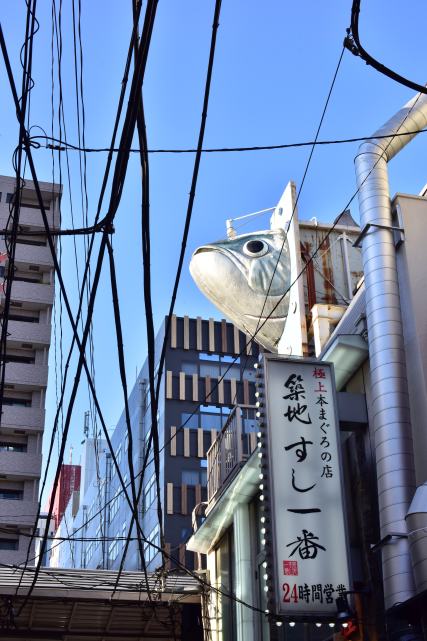
Easy to find the market with landmarks like this!

Why cooking matters, vol. 1

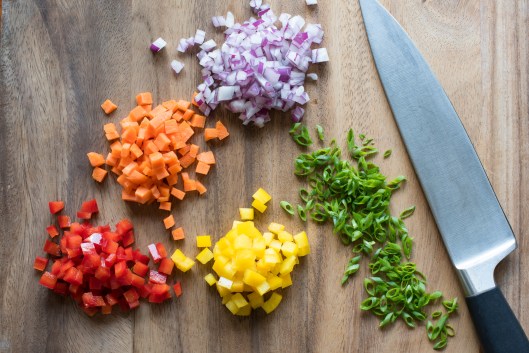
Knife Skills.jpg

Some months ago, I was setting up for one of my corporate Lunch & Learns. A staff member poked her head in “to see what smelled so good!” When I explained that I was there to teach a class on healthy cooking at home, I could literally see her shut down. “I don’t cook,” she said emphatically – derisively, in my (perhaps biased) opinion. I interpreted her comment to mean that no sane person would waste their time cooking when they didn’t have to.

And it’s true – no one, at least in the U.S., actually has to cook ever again. Between traditional restaurants, fast-casual, delivery, $8 green juices and four million different meal replacement energy bars, why would anyone cook at home? You could use that time to catch a Pokemon or update your status or watch Game of Thrones.

CCA-118.jpg

And yet, I believe that learning to cook is a necessary life skill, like writing a resume, or sewing a button, or changing a tire. Except that we’re no longer passing this skill on – cooking is now something done for us, rather than by us. We are now in an unprecedented era – one in which today’s children are expected to have a lower life expectancy than their parents. This has never before occurred in an industrialized nation, and I’d be the first to argue that our movement towards eating the majority of our food in restaurants plays a huge role. But despite our looming health crisis, somehow cooking at home has lost its luster and I cannot understand why. Maybe that’s easy for a professional chef to say, but cooking at home is so much easier than most people think it is.

We live in an age of instant gratification, where food or booze or cheap Chinese-made goods are available within minutes. Cooking – and cooking well – isn’t. People who attend my classes often ask how they can learn to cook better. My answer, while boring, is invariably the same: in order to cook well, you have to cook regularly. You have to get it wrong in order to know when you’ve gotten it right. Needless to say, no one likes this answer.

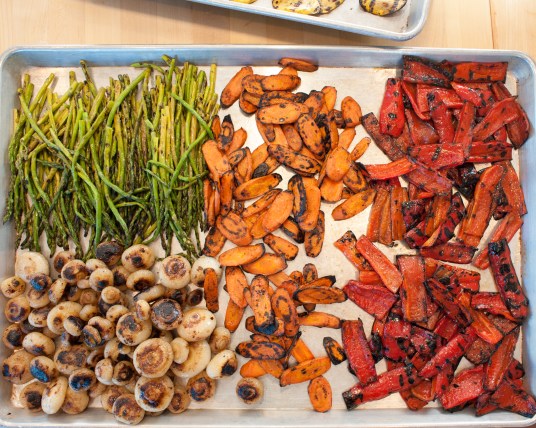
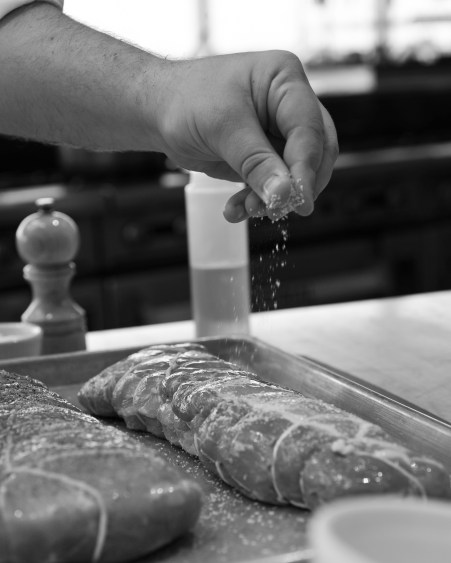
While there might be a million cooking apps, there is no app to teach you how to season properly. How to cook meat to your preferred doneness. How to roast vegetables until they have those delicious caramelized crackly edges. How to know when a cake is done. These are things that can only be learned with practice. Repeated practice. Tasting, tasting and more tasting. And yes, you will make mistakes. And some of the things you cook won’t be amazing. But the learning curve isn’t steep, and you’ll improve quickly. Soon, your food will be better than most restaurants. Trust me on that, but mostly trust yourself and trust your palate.

CCA-05 2.jpg

Here we are, at the beginning of the new year – a time when many of us resolve to get healthy. If you’ve made a commitment to living a healthier lifestyle this year and beyond, and if you don’t cook, I ask you politely – please try. There is simply no one thing you can do that is better for your physical health, your financial health and the planet’s health than cooking at home. Start small; commit to cooking one or two meals at home each week. Plan your meals. Devote a couple of hours on a Sunday afternoon to preparing batches of food for the week ahead. Pack repurposed leftovers for your work lunches. Minimize your food waste by making delicious soups and stir-fries and frittatas. And please, if I can be of more assistance in encouraging you to cook at home, contact me – I have a wealth of helpful tips that I’ll gladly share.

I leave you with this manifesto from Amanda Hesser and Merrill Stubbs of Food52, a site that passionately encourages home cooks.

Because, if you cook:

Your family will eat dinner together.
You will naturally have a more sustainable household.
You’ll set a lifelong example for your children.
You’ll understand what goes into food and will eat more healthily.
You’ll make your home an important place in your life.
You’ll make others happy.
People will remember you.

Wishing you the joy of learning to cook in 2017!