Gone to seed

We talk a lot about saving seeds here at FQF, and since fall is definitely underway, they’re on our minds more than ever at the moment. In addition to all of our canning and preserving projects and other preparations for winter, collecting and storing seeds is a big part of our autumn task list.
Sunflower Seeds 01 sml

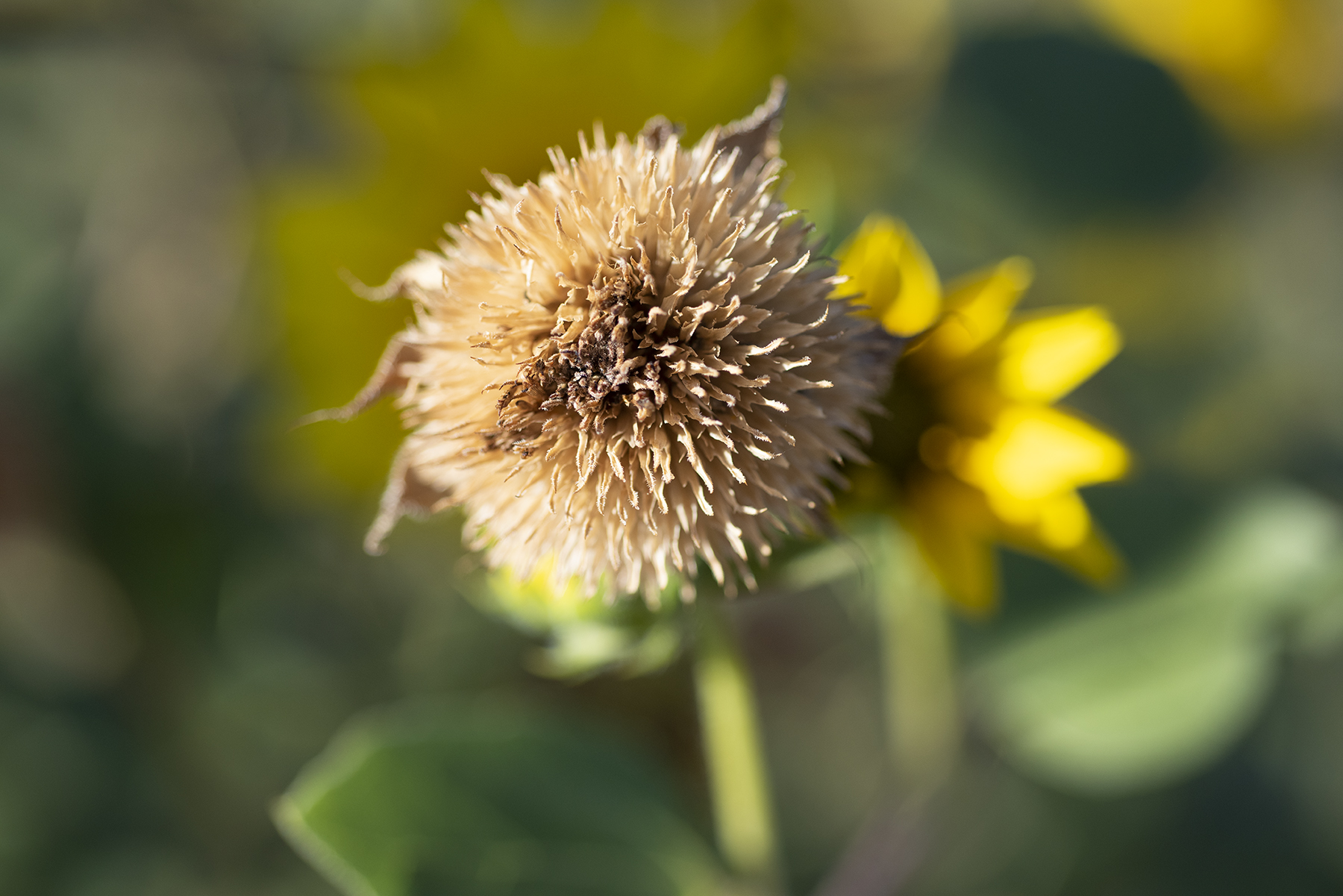
Collect your sunflower seeds before the birds and squirrels do!

We use the idiom “go to seed” to refer to someone or something that’s let itself go. It’s become messy or unattractive or disheveled or unkempt; it no longer appears tidy and neat. It’s obviously a phrase of agricultural origin, and this is the time of year when it takes on significance in the garden, as most annuals are coming to the end of their natural lives. In their quest to reproduce, the plants have gone to seed: typically they flower first, then the flowers produce seeds, which are spread by wind, insects, animals or human intervention.
Lettuce Seeds 01 sml

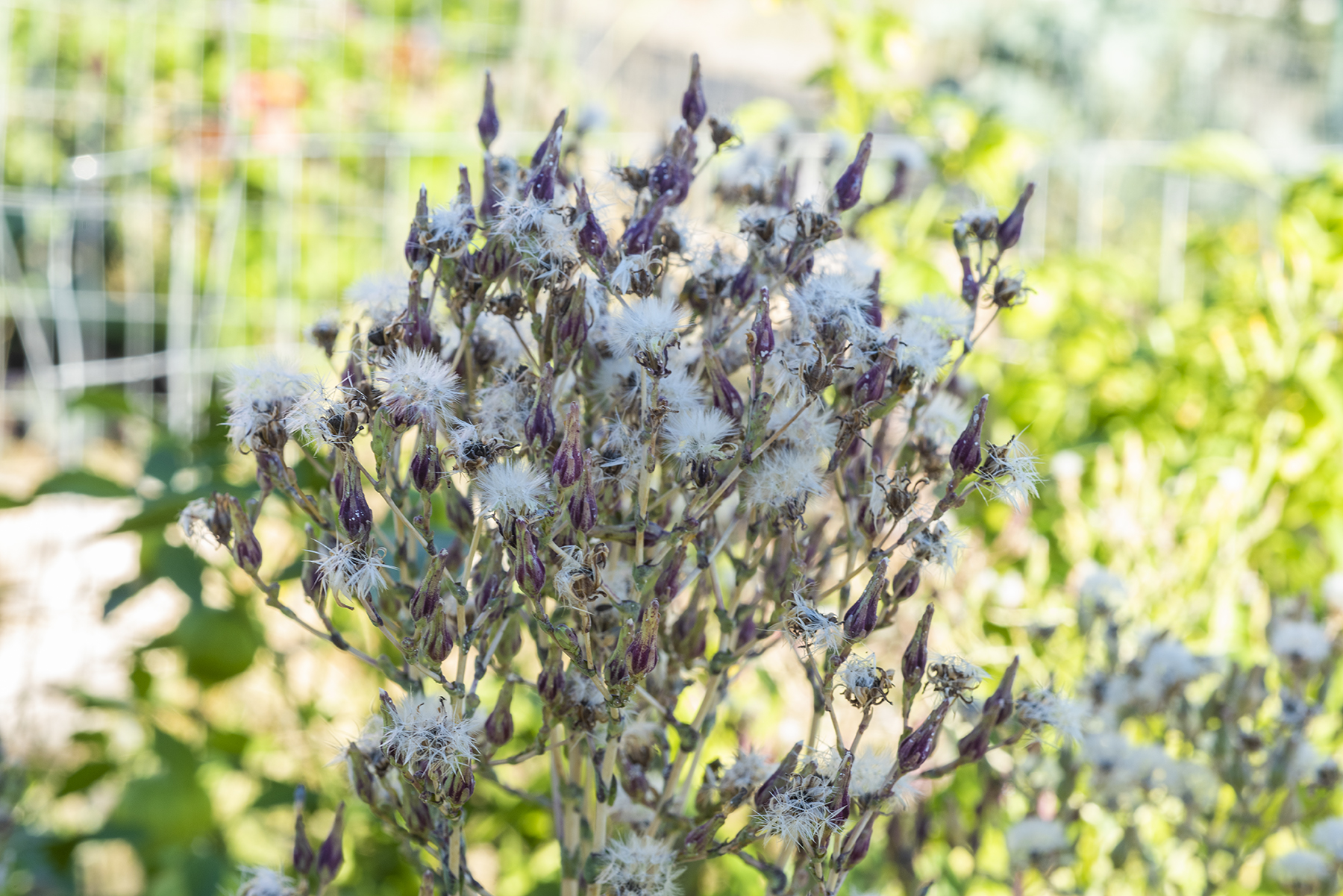
Lettuces are one of the easiest plant families from which to save seeds.

It’s unfortunate, truly, that so many gardeners are offended by the appearance of plants gone to seed, and especially in perfectly manicured suburban settings are likely to rip plants out at the first sign of flowering. Letting plants proceed through their natural life cycle teaches you a lot about botany and helps you become a better grower. Plus, if you’re careful and diligent, you can start building your own unique seed bank, which will both save you money and improve plant diversity.

Continue reading
This week in flowers: September 7

Slowly but surely, summer is giving way to fall – or winter, really, considering Tuesday night’s forecast. From a high today of just above 90, the thermometer will plummet sixty degrees to a projected hard freeze Tuesday night, and possibly snow, too. This shockingly early first frost (it usually occurs in the first or second week of October) is on-brand for the utter debacle that is 2020, and it will likely kill all of our tomatoes, peppers, squash, cucumbers, flowers and delicate herbs. None of these plants are even close to finished for the season, so our overall yields will be cut in half, at least. It’s a terrible, heartbreaking situation for any farmer, and we’re no exception.

At the moment, though, we still have lots of blooms on the farm, and it’s fascinating to watch the flowering plants shift with the seasons. Here are a few we’ve spotted recently (see blossoms from earlier this season here and here). After Wednesday morning, all of these will have vanished.

Continue reading

This week in flowers: July 13

Friends, it’s truly a surprise anything is blooming right now, considering our punishing temperatures – high nineties every day! – and total lack of moisture. Also, please send tax-deductible donations to help pay our extortionate water bill. But! We do have a few bright spots of color around the farm that we thought we’d share.

Calendula 01 sml

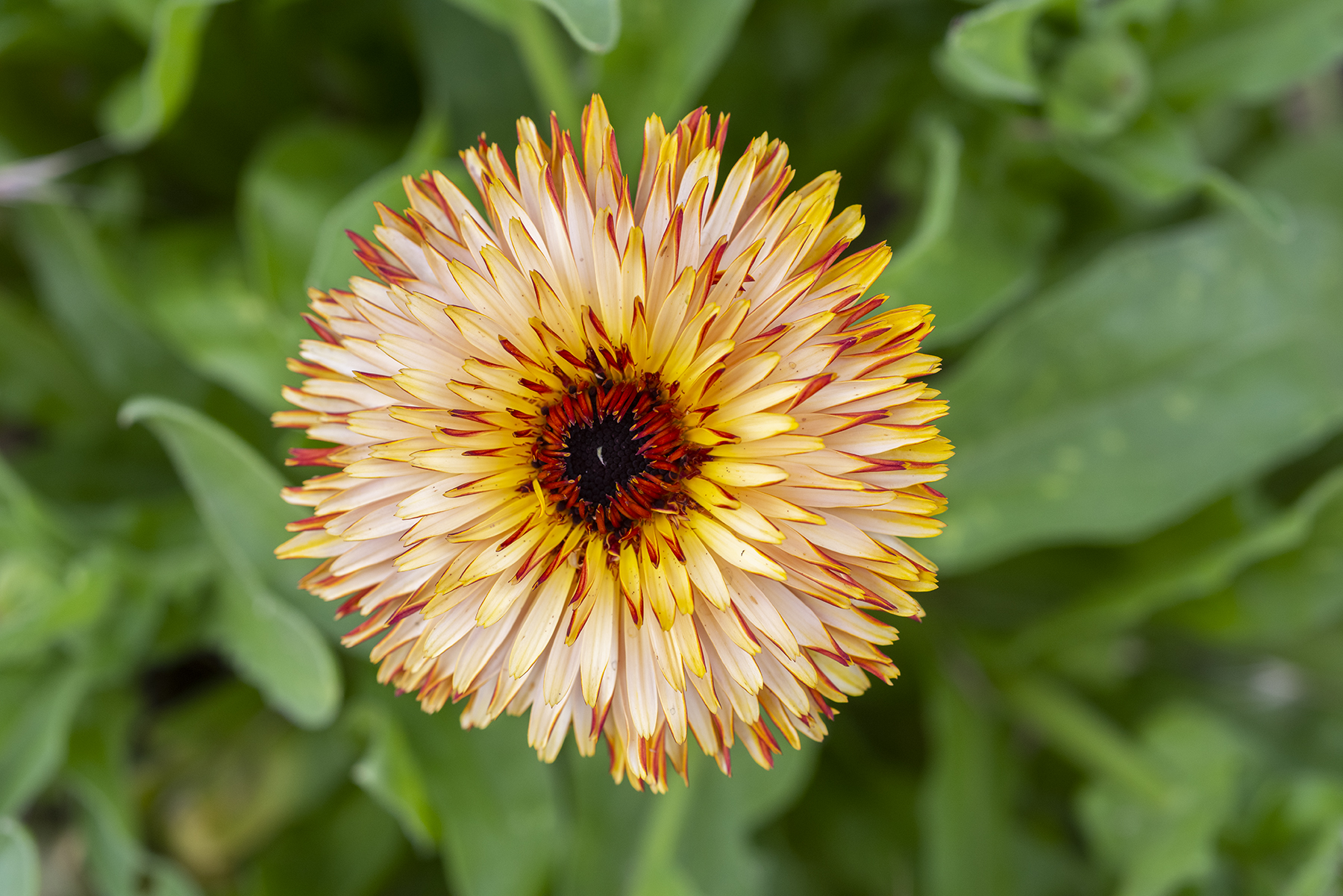
Calendula (Calendula officinalis) is a member of the marigold family.

We planted a number of different flowers, including calendula and marigolds, in our raised beds to both provide visual interest and to attract beneficial pollinators. Although calendula doesn’t love our intense summer weather, most seem to be doing reasonably well and will hopefully bloom again in fall’s cooler temperatures.

Continue reading

This week in flowers: June 1

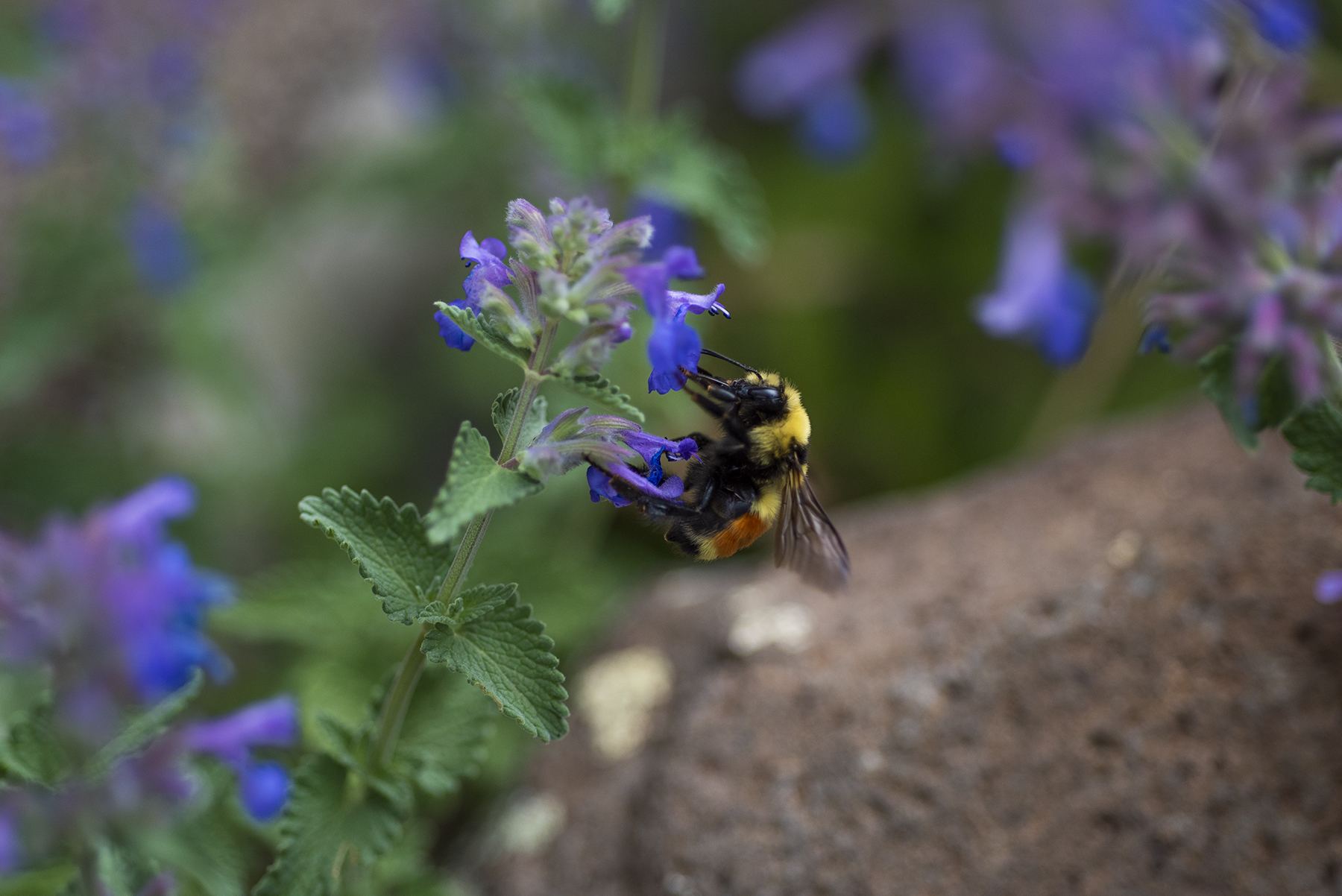
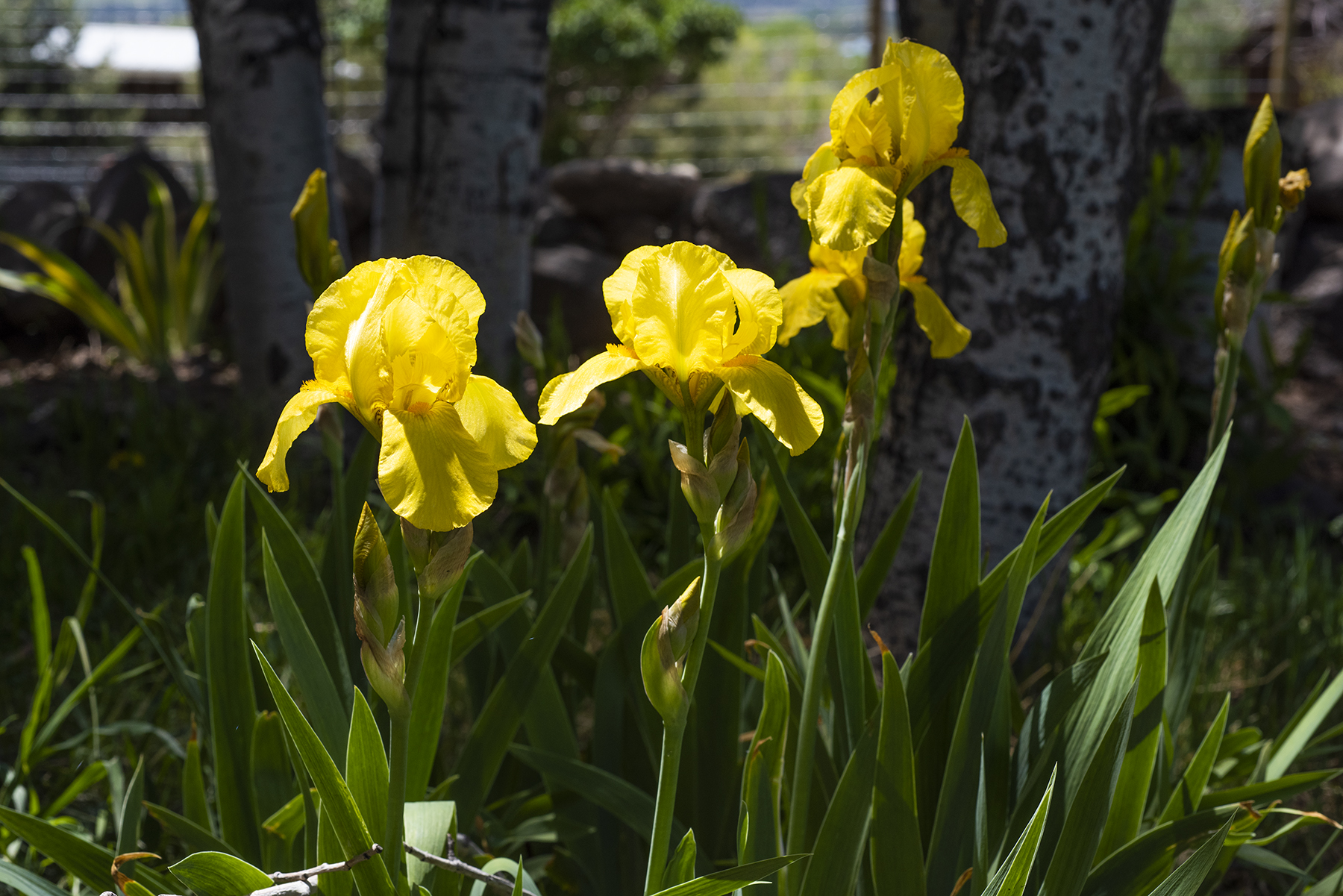
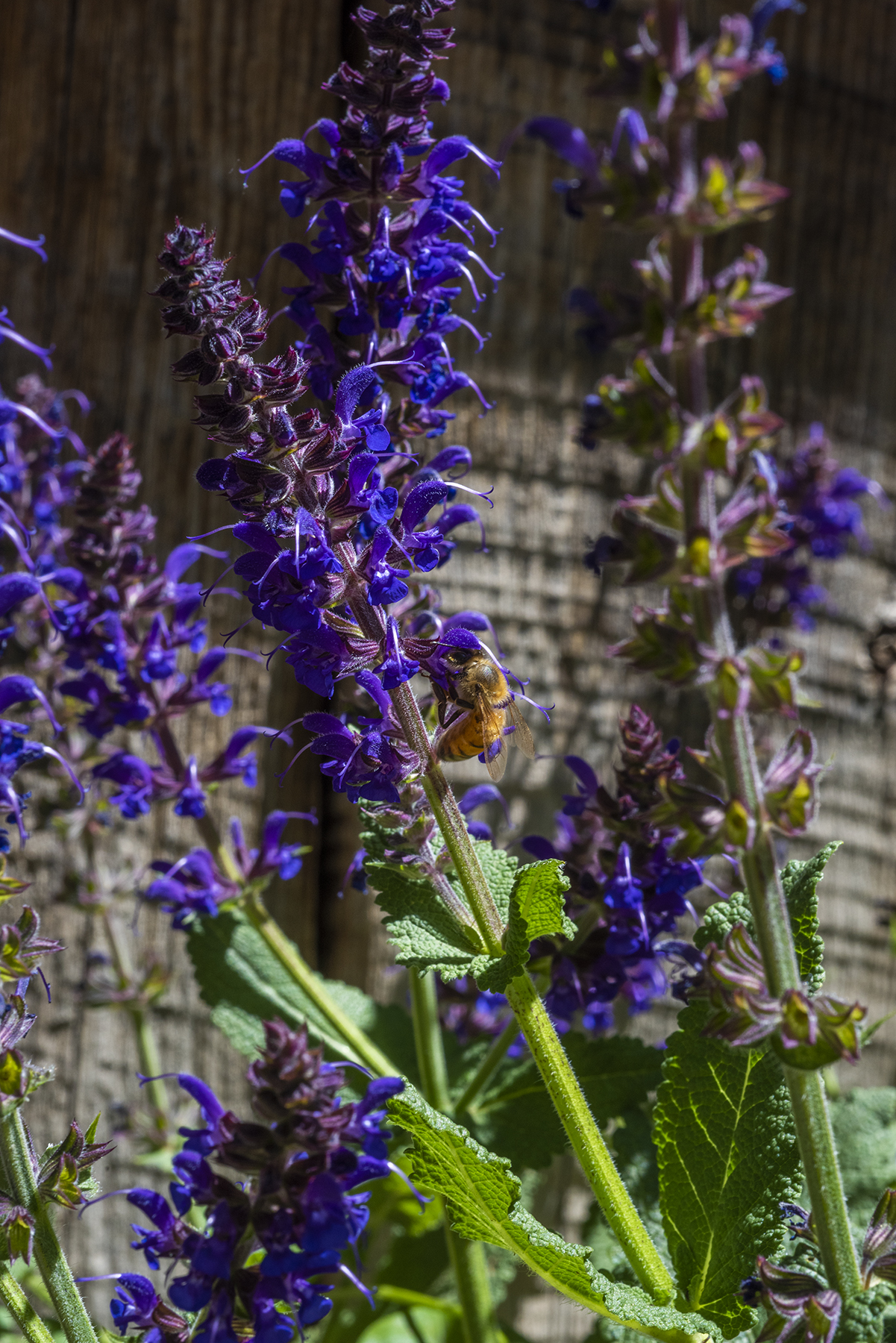
We’re working hard at creating space for a diverse array of organisms at Quiet Farm. We want plants blooming and flowering and setting seed, plants in every stage of life, throughout the season. We want our plants and trees to provide food and pollen and a home for all manner of things. We want to be a welcoming haven for songbirds and bees and insects and hummingbirds and toads and raptors and every other winged and crawling creature. We want not monoculture but polyculture, a place that mimics a natural ecosystem as closely as possible. We want life, and lots of it, everywhere we look and listen.

Flowers 03 sml

Bumble Bee 01 sml

Iris 02 sml

Flowers 04 sml

Iris 04 sml

Flowers 05 sml

If we spent all our time spraying poisons and pulling “weeds,” or removing plants that didn’t fit a perfect garden aesthetic, we’d have none of this. No birdsong, no beneficial insects, no pollinators. Instead, we have a farm that bursts with color and vibrancy and life.

The world is furious and raging right now. In response: plant something colorful. Grow something delicious. Create something beautiful. Cook something nourishing. Wishing you and yours a calm, peaceful and healthy week.

Farm update: May 11

It’s hot, dry and windy out here, and feels more like late July than early May. We seem to have skipped straight from a parched winter into an equally arid summer, missing the soft green lushness of spring entirely; the peas and radishes survived frost damage only to turn bitter and pithy from sun scald. Last year we had rain almost every single day in May, and this year it’s unlikely we’ll see any. Early reports indicate that the mountain snowpack is melting far too quickly, thanks to this premature summer, and our primary focus these days is on keeping all of our plants irrigated. Here are a few more things we’ve been up to recently.

Irrigation 02 sml

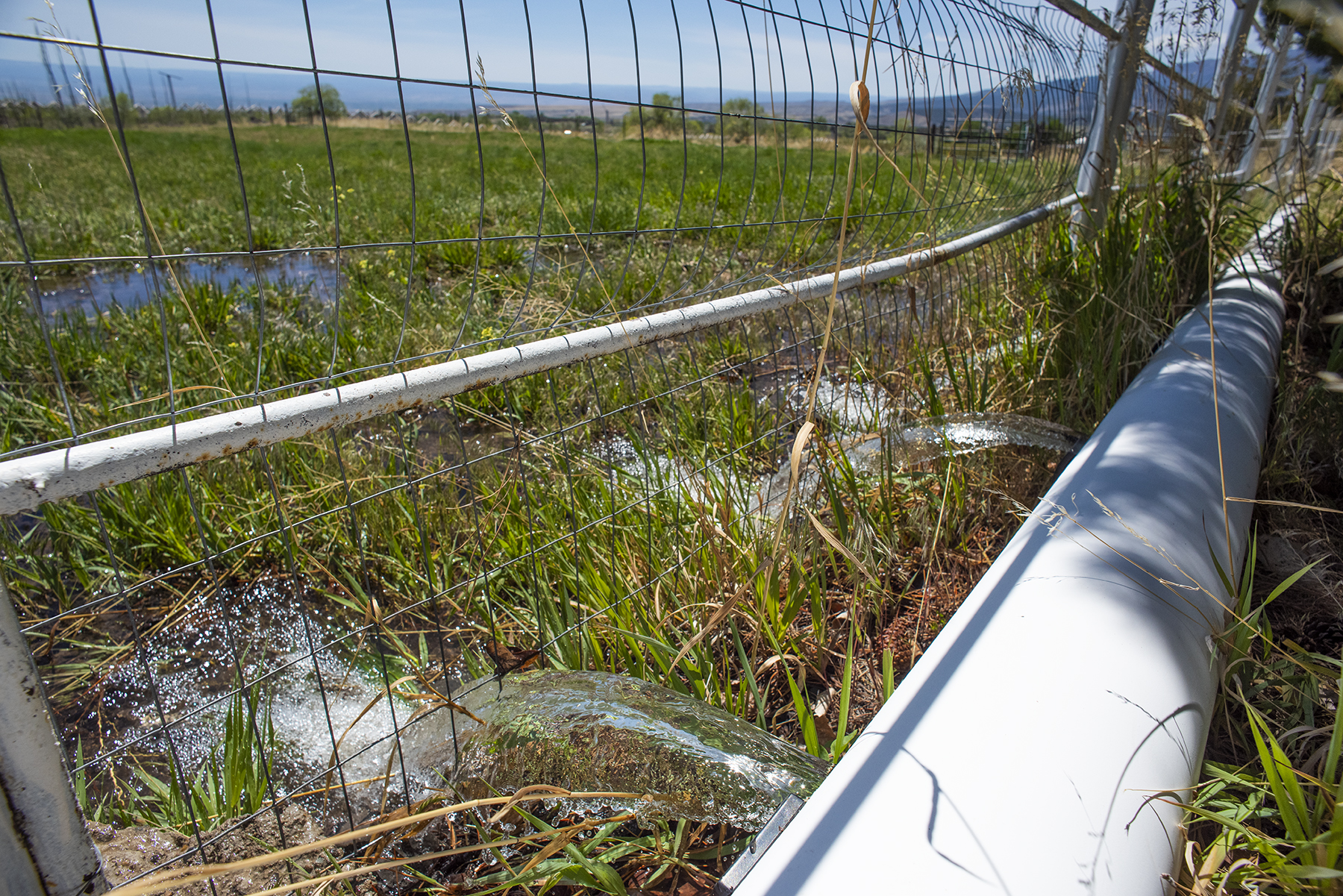
Our gated irrigation pipe at work. 

All of our irrigation water comes from snow on the Grand Mesa. When the snow thaws each spring, the snowmelt makes its way down the mountain through an intricate series of ditches, headgates, creeks and pipes. We’re focused this year on regenerating our pasture, so have started flood-irrigating our land to see what grows. Later this season we’ll remark our pasture (cut channels that direct the water) and hopefully seed it with perennial grasses, too. Eventually we’ll use the land for rotational grazing, likely a grass-fed steer or two. Flood irrigation requires a lot of work – the water has to be “moved” by opening and closing valves and gates along the pipes – but it’s the system we have, so we’re learning how to use it to the land’s advantage.

Continue reading

Farm update: April 27

Hello there. How are things in your world? It’s an odd and unsettled time, to be sure. Here at Quiet Farm we’re keeping our heads down and our hands busy as we navigate the seasonal weather shifts that have us careening from wind to rain to sun to hail and back again, all in the space of a few minutes.

House Finch 01 sml

House finch (Haemorhous mexicanus).

Spring is underway, slowly but surely, and our diverse bird life reflects that. The bald eagle pair we’d been keeping an eye on has vanished, presumably for colder climes; now the gorgeous call of the Western meadowlark (Sturnella neglecta) marks our days. Watching the scrappy magpies fight off aggressive egg-stealing ravens is decent entertainment, too.

Continue reading

Gardening for beginners

The aftermath of both September 11 and the 2008 economic collapse brought a renewed interest in home gardening, and our current catastrophe looks to be no different. Garden centers have started operating online, seed companies are back-ordered for the foreseeable future and lots of people are reviewing their HOA regulations and eyeing available space in their suburban backyards. While it might not be practical to expect a backyard garden to provide all necessary food for a standard American family (how do you grow dinosaur-shaped chicken nuggets, anyway?), gardening offers an active yet meditative experience, an immense sense of satisfaction and self-sufficiency, and a deeper appreciation for how much work it takes to grow food. With that in mind, we offer a few basic tips for people looking to start their own garden.

Seedling 02 sml

The current seed-starting set-up in our sunroom, expanding by the day.

Start small, and plant what you’ll actually eat. In moments of stress or panic (or when we suddenly have an unexpected amount of free time on our hands) we might be tempted to dig up our entire backyard and start an urban farm. This is great in theory, but if you’ve never grown a single basil plant before, we highly recommend that you start small – maybe just a couple of herb pots or a tidy little container garden on a sunny patio. It’s easy to think big and abundant, but when things return (somewhat) to normal, whenever that may be, you may not have the necessary time to devote to your garden. You can always expand if it turns out you love growing food.

Also in the interest of keeping things manageable, plant what you’ll actually eat. I’ve decided this year that I’m no longer going to devote precious garden space to eggplant, because although we don’t hate it, we don’t love it, either. And our vegetable real estate is exceedingly valuable – more so every year – and I want to plant things we adore, like tomatoes and peppers and interesting culinary herbs. When you’re choosing what you’ll grow, make sure you have a selection of vegetables and herbs that are relevant to your household, and if possible, try one new variety that you’ve never eaten before.

Continue reading

This week in flowers: July 1

There are lots of amazing aspects of living where we do now, but one of the most rewarding has to be watching the farm change with the seasons. Since we’re still learning our land, we’re constantly surprised by plants or blooms or bushes that appear seemingly overnight. Summer is here, and we’ve got lots of lovely flowers all over.

QF Flowers 07 sml

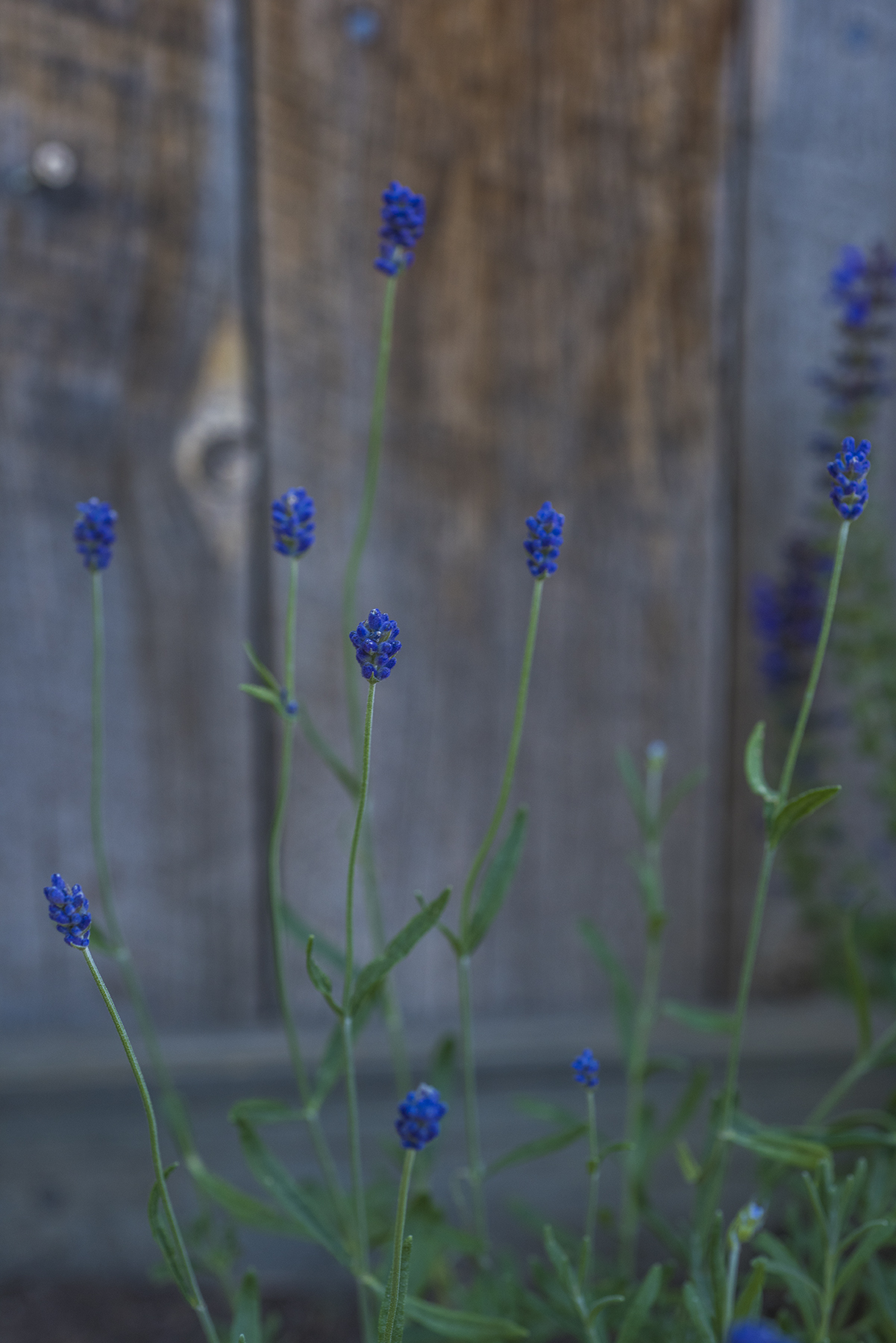
‘English Munstead’ lavender (Lavandula angustifolia), fragrant and bee-friendly. Continue reading

Farm update: May 20

Our average last frost date here at Quiet Farm is May 13; as a rough guideline, this means that it’s generally safe to plant warm-weather crops (tomatoes, peppers and so on) outside after this date. Except that we had about an inch of light, fluffy, powdery snow plus some shockingly low overnight temperatures this past week, and if we’d had all of these plants outside they would have died a chilly death. While some vegetables can handle low temperatures, our summer stars want heat and more heat, so ours are still safely tucked away in the sunroom. What do we learn from this? Always check the forecast, and never trust Colorado weather to do what you expect.

Seed Potatoes 01 sml

These seed potatoes are bred for the Rocky Mountain West.

We’re expecting another week of cool, wet weather, which makes it impossible to pour concrete for our fence posts. But there is always something that can be planted, even if it’s not tomatoes and peppers. Our locally-grown seed potatoes have been planted in “potato towers,” which we constructed from galvanized fencing and layers of newspapers, compost and straw. I planted a little over a pound of each variety; theoretically each pound planted should yield about ten pounds of fresh potatoes in maybe July or August. I’ve never planted potatoes in towers so am excited to see how this experiment turns out! (If you want to plant potatoes, buy certified seed potatoes and don’t plant those from the grocery store – they’ve typically been treated to prevent sprouting and therefore won’t grow.)

Continue reading

Hive inspection

Back in late July, we showed some photos of our beehive. A few weeks later, we opened the hive again for a summer inspection and wanted to share those pictures here too. As we’ve said before, we’re new to beekeeping, but we’re learning more every day.

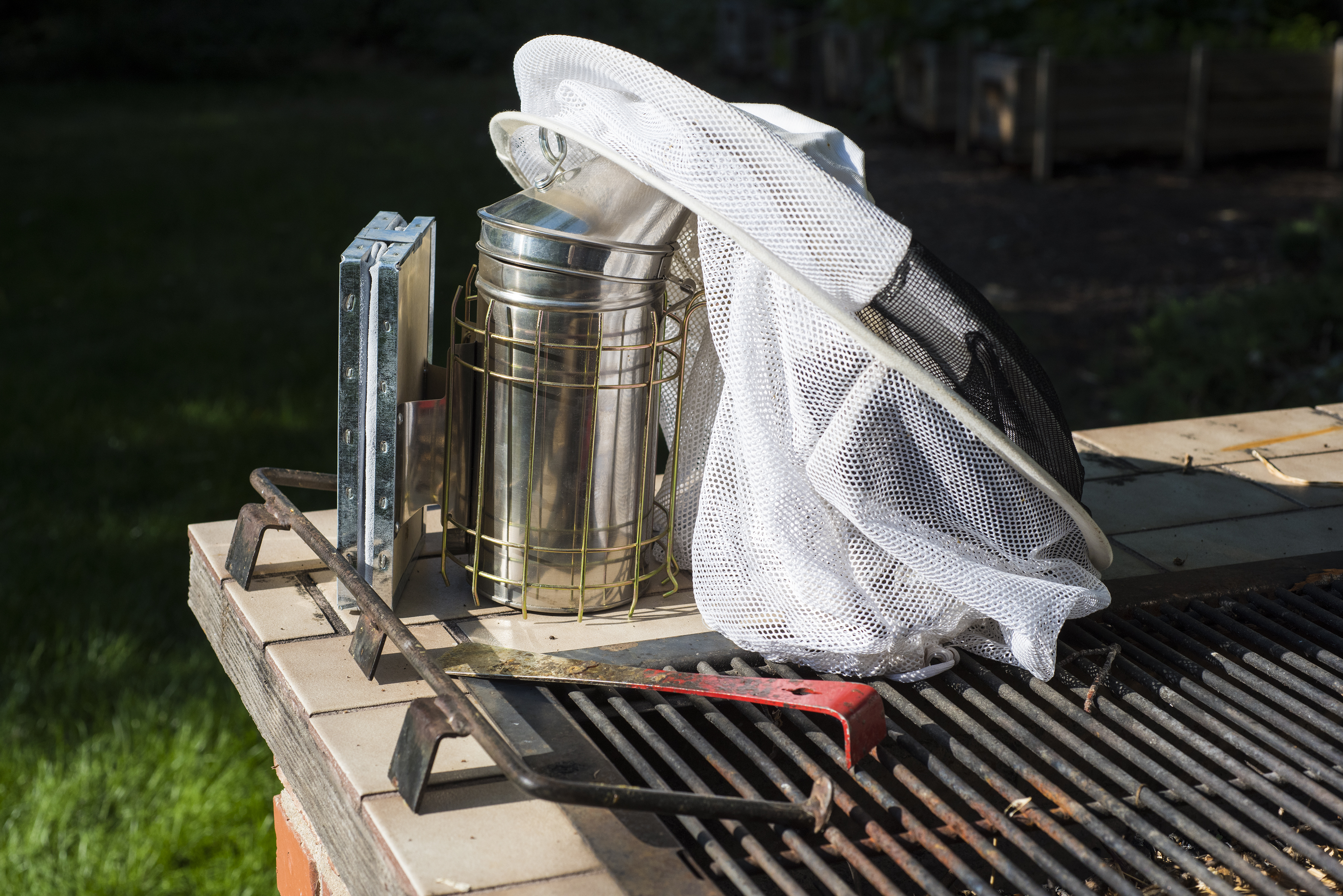
Equipment.jpg

Necessary equipment: veil, smoker, pry bar and support frame.

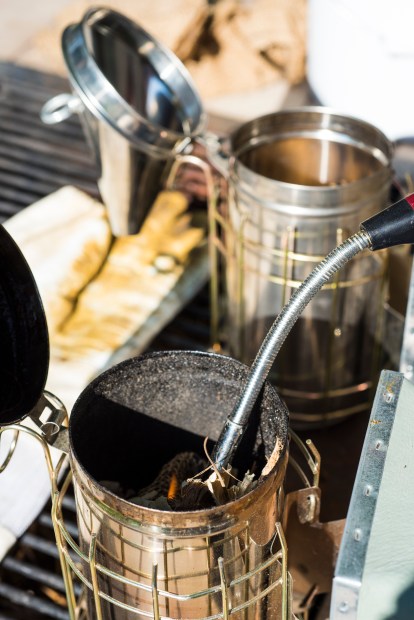
Smoker Ignition.jpg

Lighting the smoker.

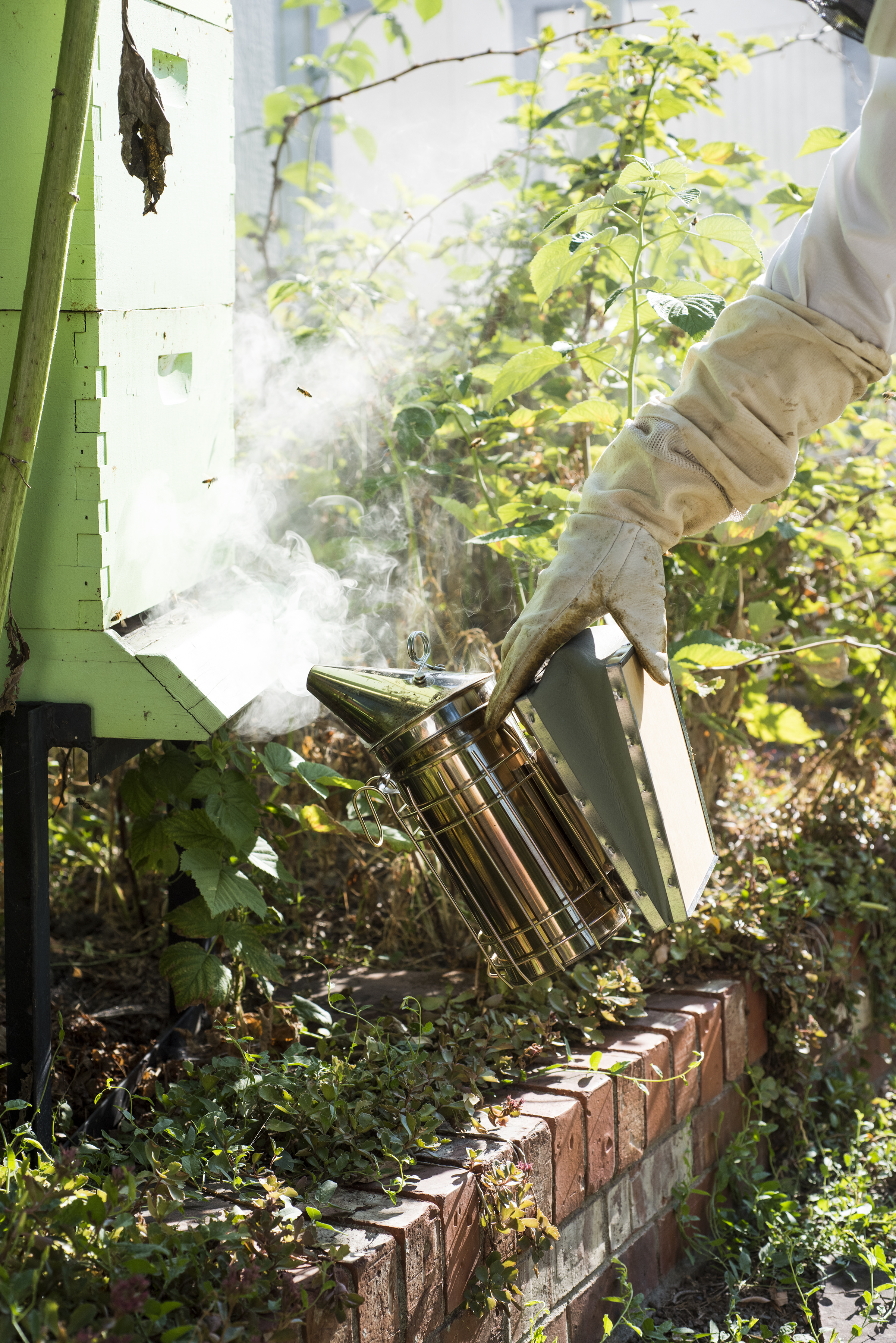
Smokers are commonly used by beekeepers when opening and inspecting hives. The smoke is thought to dampen the guard bees’ pheromone response, allowing the beekeeper to open the hive without a defensive reaction. This does not mean, however, that beekeepers don’t get stung – but the goal is to minimize the stings, because those are harmful not only to the beekeeper but obviously to the hive, too, as the bees die once they’ve stung. Good beekeepers want to reduce unnecessary bee death whenever possible.

Smoker Entrance

Smoking the hive in preparation for opening.

Hive Opening.jpg

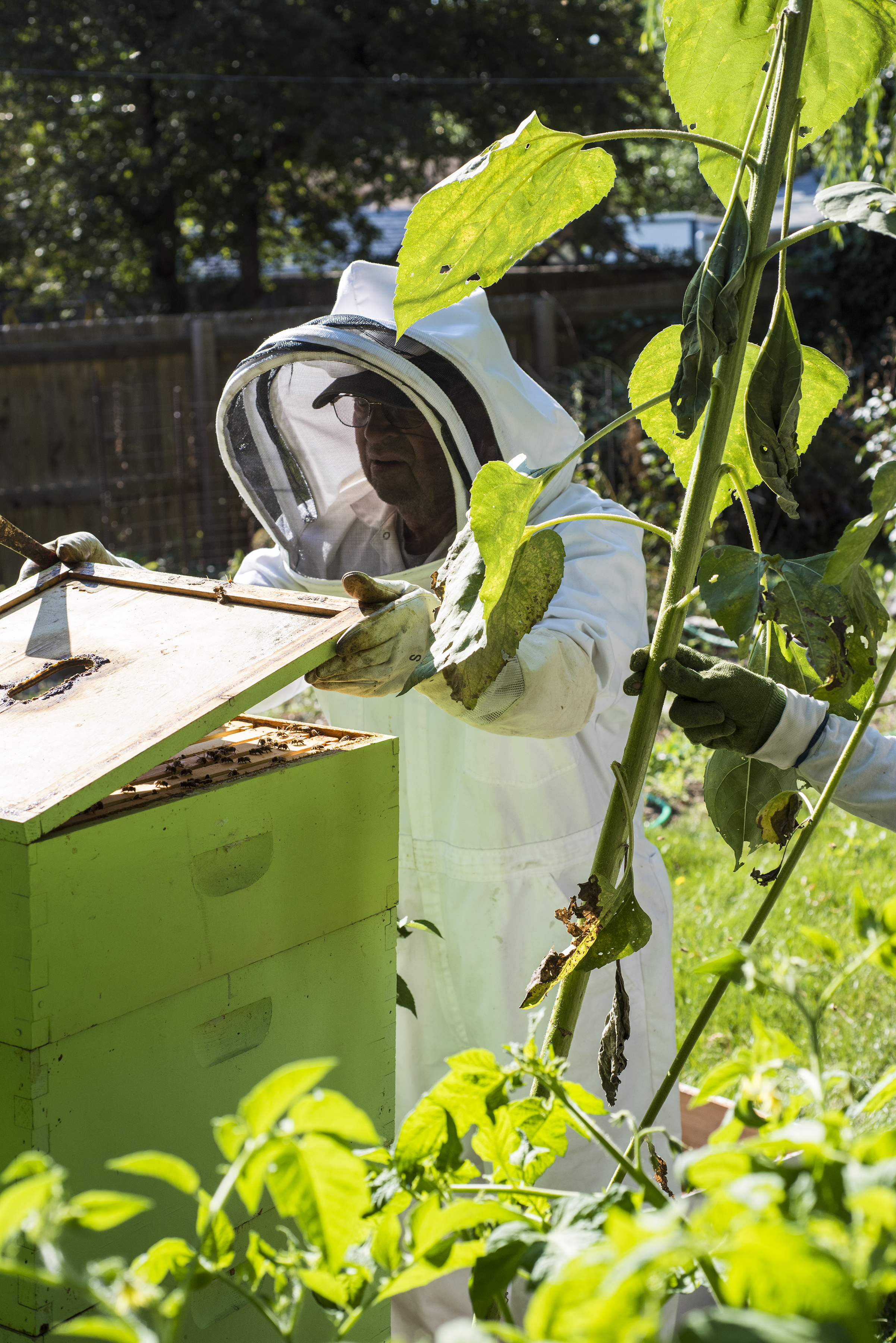
Carefully opening the hive. (I am very helpfully holding an enormous sunflower stalk out of the way.)

Beekeepers traditionally wear white because large predators of hives – bears, raccoons, skunks – are overall dark in color. It is thought that the bees will be less stressed, and therefore less likely to attack, if the beekeepers are clothed in white. In South America, however, beekeepers most often wear red.

Honey Super.jpg

The inner workings of our Langstroth hive.

Frame Opening.jpg

Removing the frames one by one.

Frames 02.jpg

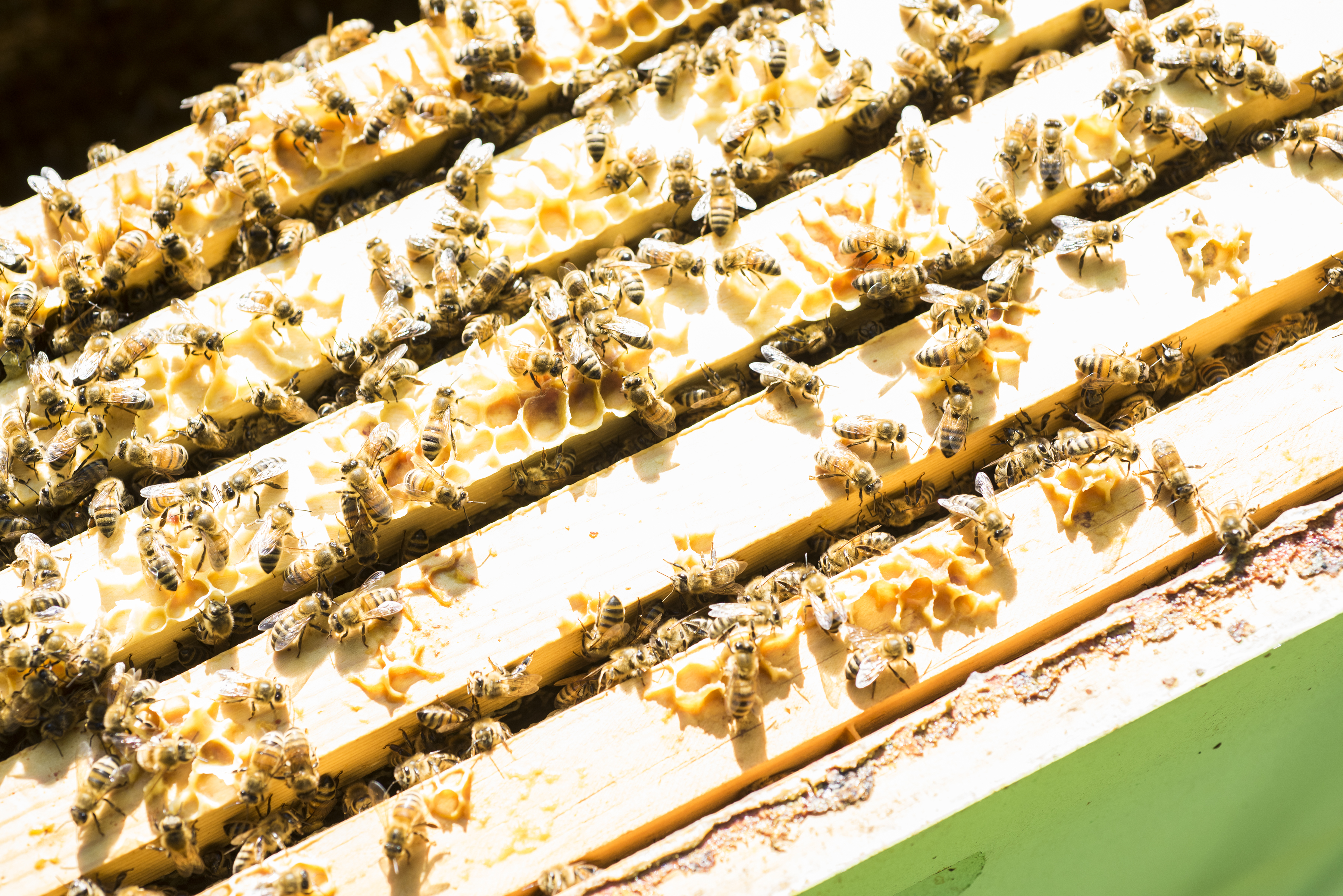
It is such a thrill to see so many healthy, thriving bees!

Frame Inspection 05.jpg

Frame Honeycomb.jpg

Honeycomb! We’ll leave some for the bees’ winter food supply, and hopefully there will be enough for us, too.

Frame Inspection 06.jpg

Can you spot the queen? I couldn’t.

Hive Open.jpg

Our hive without its top box and cover.

Hive Closing Up 02.jpg

Closing up the hive.

We’re hoping we’ll be able to harvest some of that gorgeous honey you saw above in a few weeks, before the weather turns. Stay tuned!

P.S. Jim, you’re the best. We couldn’t do this without you. Thanks!