This week in flowers: June 1

We’re working hard at creating space for a diverse array of organisms at Quiet Farm. We want plants blooming and flowering and setting seed, plants in every stage of life, throughout the season. We want our plants and trees to provide food and pollen and a home for all manner of things. We want to be a welcoming haven for songbirds and bees and insects and hummingbirds and toads and raptors and every other winged and crawling creature. We want not monoculture but polyculture, a place that mimics a natural ecosystem as closely as possible. We want life, and lots of it, everywhere we look and listen.

Flowers 03 sml

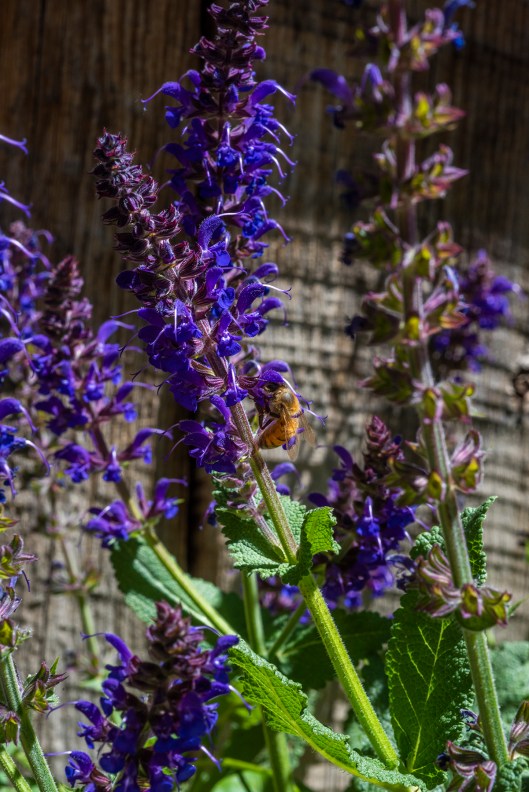
Bumble Bee 01 sml

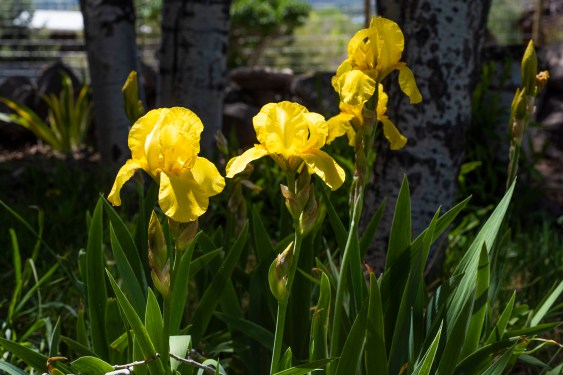
Iris 02 sml

Flowers 04 sml

Iris 04 sml

Flowers 05 sml

If we spent all our time spraying poisons and pulling “weeds,” or removing plants that didn’t fit a perfect garden aesthetic, we’d have none of this. No birdsong, no beneficial insects, no pollinators. Instead, we have a farm that bursts with color and vibrancy and life.

The world is furious and raging right now. In response: plant something colorful. Grow something delicious. Create something beautiful. Cook something nourishing. Wishing you and yours a calm, peaceful and healthy week.

Farm update: May 11

It’s hot, dry and windy out here, and feels more like late July than early May. We seem to have skipped straight from a parched winter into an equally arid summer, missing the soft green lushness of spring entirely; the peas and radishes survived frost damage only to turn bitter and pithy from sun scald. Last year we had rain almost every single day in May, and this year it’s unlikely we’ll see any. Early reports indicate that the mountain snowpack is melting far too quickly, thanks to this premature summer, and our primary focus these days is on keeping all of our plants irrigated. Here are a few more things we’ve been up to recently.

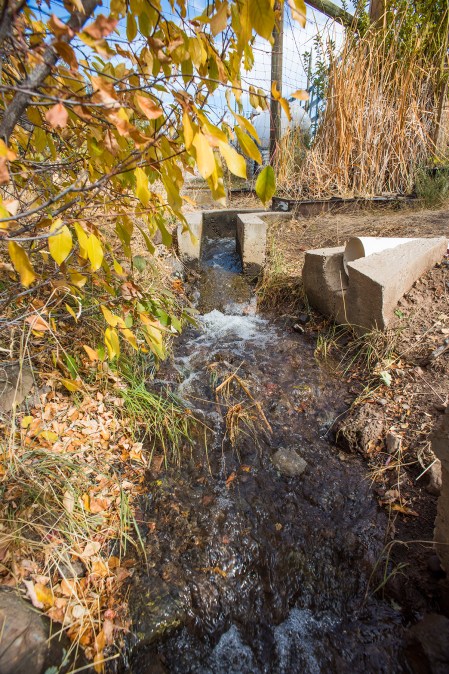
Irrigation 02 sml

Our gated irrigation pipe at work. 

All of our irrigation water comes from snow on the Grand Mesa. When the snow thaws each spring, the snowmelt makes its way down the mountain through an intricate series of ditches, headgates, creeks and pipes. We’re focused this year on regenerating our pasture, so have started flood-irrigating our land to see what grows. Later this season we’ll remark our pasture (cut channels that direct the water) and hopefully seed it with perennial grasses, too. Eventually we’ll use the land for rotational grazing, likely a grass-fed steer or two. Flood irrigation requires a lot of work – the water has to be “moved” by opening and closing valves and gates along the pipes – but it’s the system we have, so we’re learning how to use it to the land’s advantage.

Continue reading

Farm update: April 27

Hello there. How are things in your world? It’s an odd and unsettled time, to be sure. Here at Quiet Farm we’re keeping our heads down and our hands busy as we navigate the seasonal weather shifts that have us careening from wind to rain to sun to hail and back again, all in the space of a few minutes.

House Finch 01 sml

House finch (Haemorhous mexicanus).

Spring is underway, slowly but surely, and our diverse bird life reflects that. The bald eagle pair we’d been keeping an eye on has vanished, presumably for colder climes; now the gorgeous call of the Western meadowlark (Sturnella neglecta) marks our days. Watching the scrappy magpies fight off aggressive egg-stealing ravens is decent entertainment, too.

Continue reading

Farm update: February 24

Greetings! We are currently stuck in that awkward phase between winter and spring. Some days it’s all teasing warmth and perfect blue skies, and some days it’s bleak and grey with icy, biting winds. Most of our snow is gone, though we expect (and hope for) one or two more storms, at least. It’s a changeable season, but spring is definitely in the air and we’re starting to hear more songbirds and see new growth everywhere we look. Here are a few things we’ve been up to recently.

Prairie Falcon 01 sml

A prairie falcon (Falco mexicanus) in one of our towering cottonwoods.

We still haven’t captured a photo of our shy Northern harrier, seen regularly hunting mice in our pasture on sunny afternoons, but N did snap this lovely photo of a prairie falcon. The prairie falcon is about the size of a peregrine falcon, but with a much different hunting style (low swooping over the ground, rather than rapid dives). Unfortunately for the songbirds we’ve been hearing, much of the prairie falcon’s winter diet is the Western meadowlark, but we hope this one will focus more on our ground squirrel population. As with all falcons, the female is substantially larger than the male. Continue reading

Winter on the farm

In nautical terminology, “the doldrums” refer to an actual place – waters near the Equator where sailing ships were often stuck for days or weeks in windless seas. In common parlance, however, the doldrums mean “a state or period of stagnation, inactivity or depression.” And so here we are in deepest winter.

Raised Beds 02 sml

Our dormant raised beds, slumbering under snow.

Continue reading

Farm update: October 21

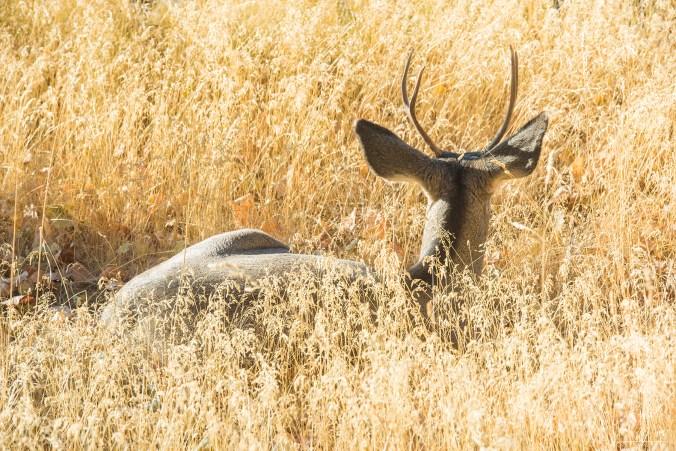
Buck 01 sml

The south lawn of our house makes a peaceful resting spot.

Is it autumn where you live? Is it crisp and cool with bright scarlet and gold leaves everywhere? Is it dark when you wake up in the morning? It is here, and we’re settling into this brief transition season before winter extends its icy grip. Much of our work these days involves cleaning, tidying, preserving, covering and generally setting things in place for the colder months. We try to take advantage of these bluebird fall days for as long as we can; once the snows come, we won’t be working outside much.

Garlic Slate 01 sml

Growing garlic takes forever, but it’s worth the wait.

Ninety of this season’s largest garlic cloves have been planted in a bed newly prepared with lots of rich compost. Last year’s garlic went into an existing cinderblock bed that was here when we moved in; a few weeks ago we broke that bed down and dispersed the soil into new trenches for garlic and asparagus. The cloves will slumber quietly here over the winter, and in the spring we’ll hopefully see green garlic peeking up through mulch and snow. Every year we’ll plant more and more garlic; we eat a lot of it, of course, but since garlic adapts to its unique environment, we want a generous quantity to save for planting.

Irrigation Water 01 sml

The water runs through a culvert underneath our driveway and out into our pasture. You can see our flume in the upper right.

We ran our irrigation water for the first time this season, and it went surprisingly well. Our pasture isn’t planted right now so the irrigation run was more of an experiment to see how the water would move through our gated pipe system. We own shares in a local creek that pulls water from reservoirs on the Grand Mesa; when we want to run water we order a certain amount for a certain period and that water is deducted from our account. This run was for two days (forty-eight hours straight!) and it requires a lot of hands-on management, mainly opening and closing gates manually in the big pipes. When we’re more comfortable with our irrigation we won’t need to babysit it as much, but we’re unleashing hundreds of thousands of gallons of water mere feet from our house, and we definitely want to pay close attention to where it’s going.

Tomatoes Ripening 01 sml

Our tomato crop redeemed itself after a rocky start.

We harvested all of our vegetables prior to our recent hard freeze and brought in just over one hundred pounds of green, unripe tomatoes. In the past I’ve never had good luck ripening tomatoes indoors, but for whatever reason these are ripening quite well. They’re no longer good to eat fresh – the overnight temperatures dropped too low, so the tomatoes taste as though they’ve been refrigerated – but they’re perfect for sauces, soups and purees. A pantry stocked with canned homegrown tomatoes is a winter gift indeed.

Tree Mulch 01 sml

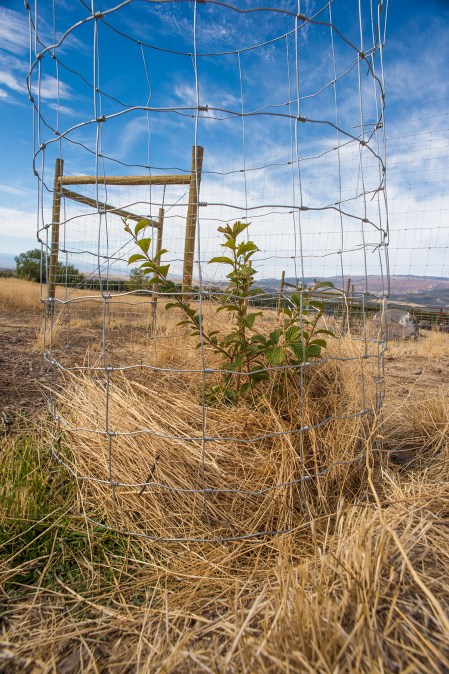
One of our little saplings, hopefully protected from winter weather (and deer). 

We’ve hustled recently to layer all of our fruit tree saplings with warm winter mulch. Some of our little trees look healthy and others are…struggling. We’re hopeful that the mulch blanket will keep the trees protected from our harsh winter weather, since their root systems are likely to still be quite delicate. One of our priority spring projects next year will be to put a drip irrigation system in the orchard so we can stop watering the trees by hand.

We’re back to work, friends. We wish you a good week.


Save our seeds

Seeds 01 sml

Our first hard frost is forecast this week, so there is much to be done. In addition to lots of canning and preserving, autumn on a small homestead means saving seeds. We’ve talked about the importance of seed saving previously, and each season we’re working on expanding our seed bank. Never before has it been so important to save our own seeds and thereby take responsibility for our own food supply; as seed companies are again and again snapped up by massive agrochemical conglomerates, our control of our own seeds – our fundamental birthright, and the source of our food supply – becomes ever more tenuous.

Lettuce Seed 01 sml

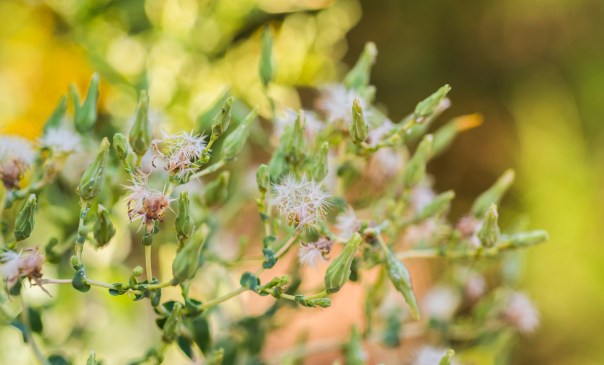
Most lettuces and other salad greens encase their seeds in little windblown puffballs.

As I wrote in our previous seed post, “Today, nearly three-quarters of all seeds planted in the U.S. – both unmodified and genetically engineered varieties – are privately owned and controlled by three large agrichemical corporations. Growing food is a basic human right, and we are quickly moving towards a future in which we will no longer own the source of our food. Lack of food leads to hunger, which leads to unrest, which leads to revolution, which leads to profitable wars benefitting those same corporations. Building our own seed banks, even if technically illegal, means we still have some say in our food supply. Seed saving is a small but powerful act of resistance.”

Continue reading

This week in flowers: July 1

There are lots of amazing aspects of living where we do now, but one of the most rewarding has to be watching the farm change with the seasons. Since we’re still learning our land, we’re constantly surprised by plants or blooms or bushes that appear seemingly overnight. Summer is here, and we’ve got lots of lovely flowers all over.

QF Flowers 07 sml

‘English Munstead’ lavender (Lavandula angustifolia), fragrant and bee-friendly. Continue reading

Farm update: June 3

Hello there! Has summer finally started where you live? We’re excited for warm weather and sunshine and to get all of our tomatoes, peppers, eggplant and other summer crops into the ground finally.

Rasberry Beds 04 sml

The raspberry plants are tiny, like our fruit trees, and are protected with plastic cages.

A few weeks ago we planted forty raspberry plants, ten each of four different cultivars. We planted both summer-bearing and fall-bearing varieties, in the hopes of having fresh raspberries for months on end. We don’t expect to see any fruit this year, but raspberries typically do well in this area so we’re looking forward to bountiful future harvests. In order to plant these canes, we used the excavator to dig long, wide beds, then we filled those beds with about eight cubic yards of soil from Mount Doom. This meant around thirty-six wheelbarrow loads moved by hand – we farm like it’s the 1850s over here, friends. One day, we’ll have a tractor. One day.

Kale Salad 01 sml

Greens this fresh make those plastic supermarket packets taste like nothing.

We were excited to harvest our first salad greens and radishes; shown here is a mixture of Buttercrunch lettuce, pak choi, red Russian kale and lacinato kale. Our greens are pretty late this year; next year we hope to have our high tunnel built so that we have fresh greens throughout the winter and early spring. Few things taste better after months of heavy, rich, starchy foods than a bright, crisp salad.

Bullock's Oriole 02 sml

A male Bullock’s oriole waiting for the buffet to open.

Although we love seeing the hummingbirds at our feeders, we’ve found that the local population of Bullock’s orioles (Icterus bullockii) appreciates the easy sugar hit, too. The orioles are much bigger than the tiny hummingbirds, and when they’re on the feeders they scare the hummingbirds away. Because they’re so big, they also cause the feeders to swing wildly and spill sugar syrup everywhere, which makes a sticky mess. We haven’t yet figured out how to keep the hummingbirds coming while discouraging the orioles, even though their flashy yellow plumage is gorgeous.
Compost 03 sml

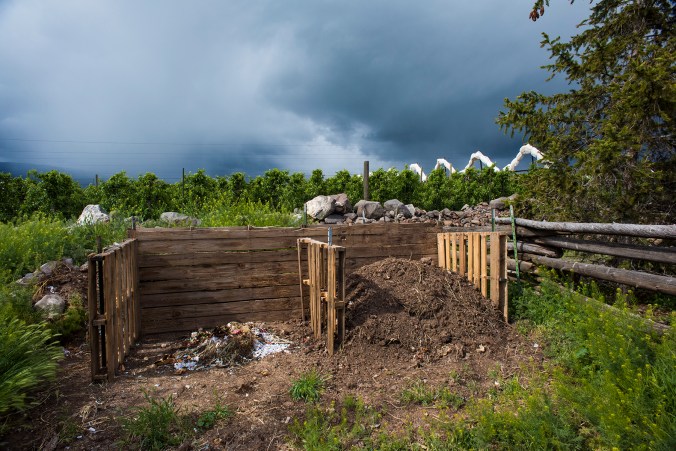
So much tidier now!

We built a new bin structure for our compost using salvaged shipping pallets; you can see the original small compost pile here. (We think pallets are one of the most useful free things you can find!) Now the compost can be kept neater, and it’s simple to throw fresh organic material into the left bin while waiting for the right side to finish “cooking.” When we get that tractor it will be a lot easier to move the finished compost onto the vegetable beds.

Chickens 01 sml

Welcome home, chickens!

And then there’s this news: Quiet Farm has twelve new residents. They are a motley, ragtag bunch, who came to us because a friend was moving house. We have at least two roosters (maybe three; one is sensibly staying quiet for the moment) and an assortment of breeds. They’re still laying pretty well for older birds – certainly enough for our needs – and thus far they’ve had an exciting time exploring their new home. More on the chicken house renovation coming soon!

Have a great week!


Farm update: May 20

Our average last frost date here at Quiet Farm is May 13; as a rough guideline, this means that it’s generally safe to plant warm-weather crops (tomatoes, peppers and so on) outside after this date. Except that we had about an inch of light, fluffy, powdery snow plus some shockingly low overnight temperatures this past week, and if we’d had all of these plants outside they would have died a chilly death. While some vegetables can handle low temperatures, our summer stars want heat and more heat, so ours are still safely tucked away in the sunroom. What do we learn from this? Always check the forecast, and never trust Colorado weather to do what you expect.

Seed Potatoes 01 sml

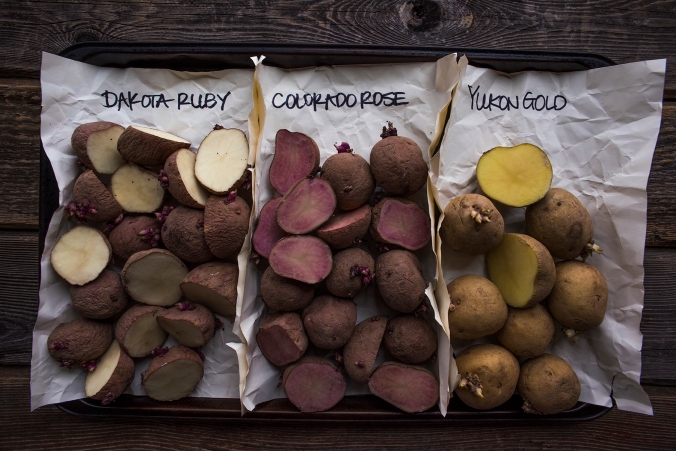
These seed potatoes are bred for the Rocky Mountain West.

We’re expecting another week of cool, wet weather, which makes it impossible to pour concrete for our fence posts. But there is always something that can be planted, even if it’s not tomatoes and peppers. Our locally-grown seed potatoes have been planted in “potato towers,” which we constructed from galvanized fencing and layers of newspapers, compost and straw. I planted a little over a pound of each variety; theoretically each pound planted should yield about ten pounds of fresh potatoes in maybe July or August. I’ve never planted potatoes in towers so am excited to see how this experiment turns out! (If you want to plant potatoes, buy certified seed potatoes and don’t plant those from the grocery store – they’ve typically been treated to prevent sprouting and therefore won’t grow.)

Continue reading