Street food

After the markets, street food vendors are one of the most colorful sights in southeast Asia. From fresh fruits and vegetables to juices, meat and snacks, just about anything you fancy is available from a street stall. Although you might not know exactly what you’re eating, it’s worth watching just for the show.

NJB_2928

A lobster stall in Nha Trang setting up for business.

NJB_2926

Crocodile farming – for both meat and leather – is big business in central Vietnam; the industry is definitely not PETA-approved. This enticement is outside a restaurant in Nha Trang.

NJB_2645

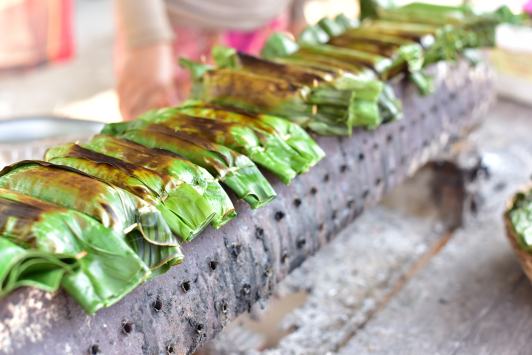
These delicious little packets contain sticky rice stuffed with bananas, eaten as a snack or dessert.

NJB_3735

These lovely women are running a rotee stand. Rotees in Thailand fall somewhere between a crêpe and a pancake and are filled with sweet or savory ingredients.

NJB_3723

Carts are set up along just about every street.

NJB_2923

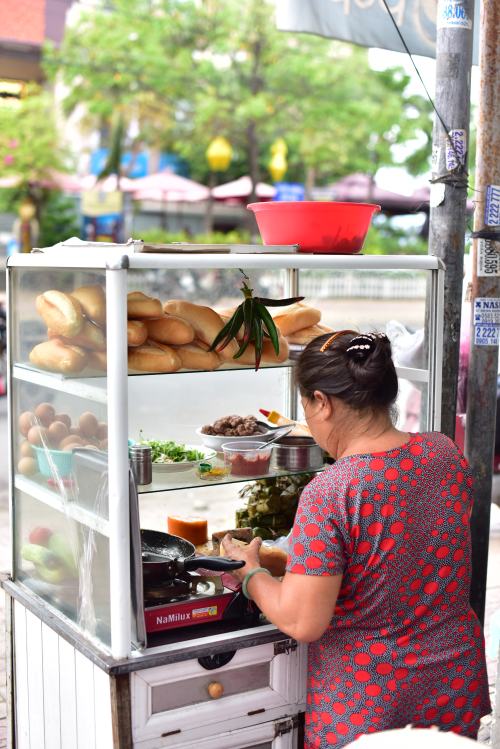
This woman is making Vietnam’s world-famous banh mi sandwich, sold for about 75 cents.

NJB_2911

These tiny bananas (about the length of a finger) are so much more flavorful than the standard Cavendish variety we get at home.

NJB_3173

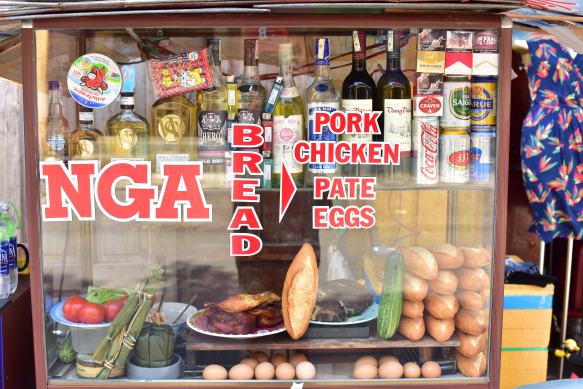
Fancy some whiskey or red wine with your street food meal? You can have it.

NJB_3743

Perhaps you’d like a meatball skewer?

NJB_2496

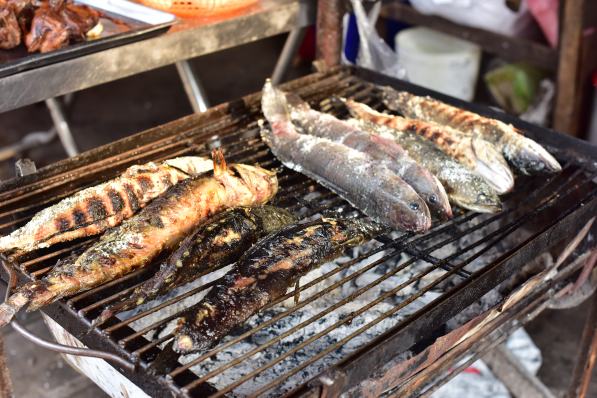
Salted whole fish, ready to eat.

NJB_2486

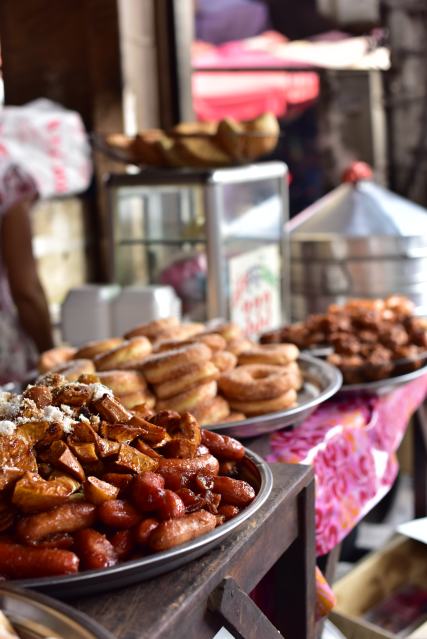
Fried sweet potato, banana and other tasty treats.

NJB_2597

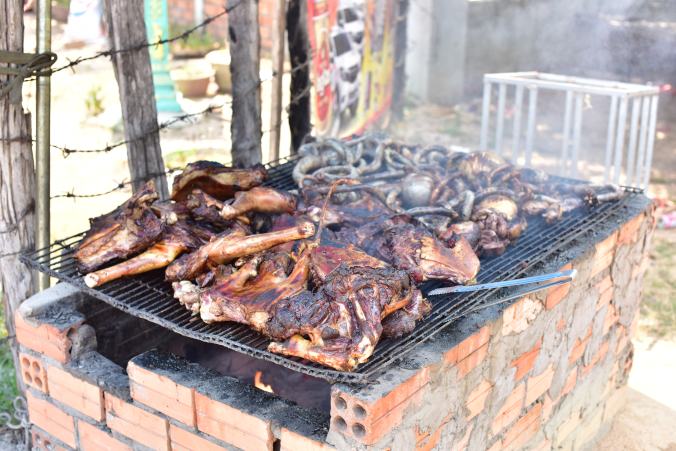
The “special meat” restaurant outside of Siem Reap. Sit, stay…good dog.

NJB_2488

Little sweet cakes, served hot.

NJB_2781

Skewers and more, ready for the grill.

NJB_2755

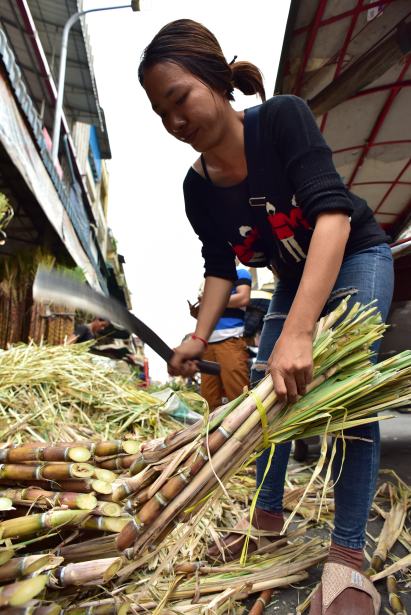
Baling sugarcane on the streets of Phnom Penh.

NJB_2479

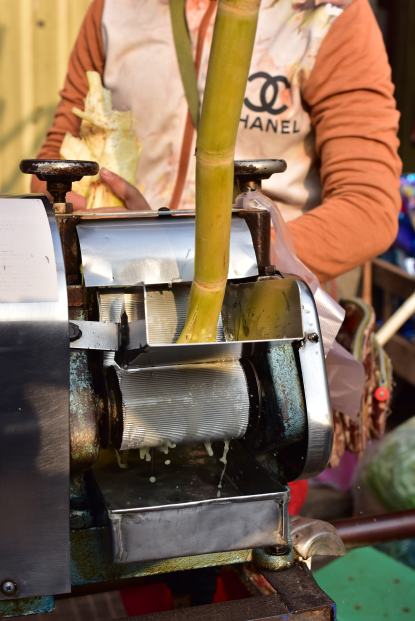
The sugarcane is crushed through a press to produce delicious juice, which is flavored with fresh lime and sold in little baggies as a refreshing drink.

NJB_2656

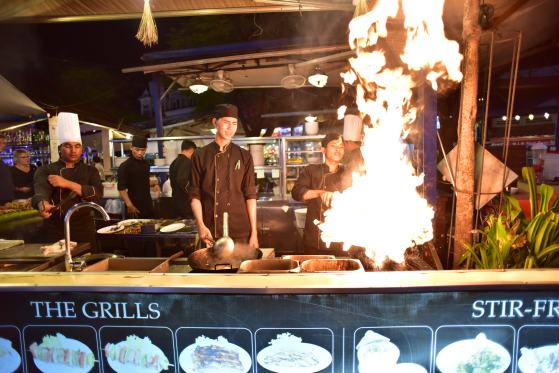
Chefs demonstrate their stir-fry skills at Siem Reap’s night market.

NJB_3740

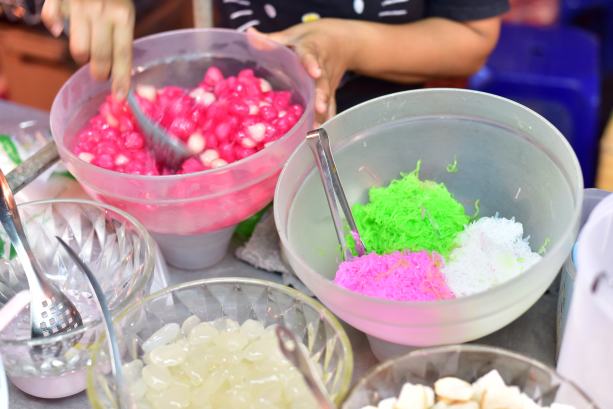
Honestly, I don’t know. But what colors!


How things are made

Hi! We’re in Cambodia! Adjusting to southeast Asia’s extreme temperatures (currently 96°F with 43% humidity) after New Zealand’s temperate climate has been a bit of a shock, but we’re adapting. The key? Drinking plenty of water and a hotel with a pool. Plus, no heavy-duty touring activities (like dusty temples) between the intense hours of noon and 5PM. One must take good care of oneself when traveling.

NJB_2321.JPG

$29 a night gets you quite a bit of luxury in Siem Reap.

One of the benefits of traveling in less developed countries like Cambodia is often the opportunity to see things being made by hand that are almost always created by machine elsewhere. We participated in a tour that took us through small villages outside of Siem Reap where we had the chance to see incense, rice noodles, and tofu, among other things, all crafted by hand.

NJB_2608

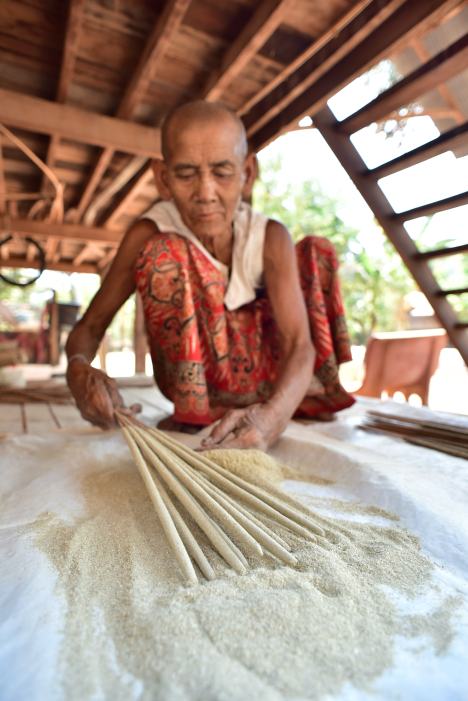
This incredible woman has been making incense sticks since she was 15. She’s now 76.

NJB_2614

Scented bark, used as the base for the incense sticks.

Bark and other raw materials for the incense are collected from the surrounding area, then sifted and made into a paste with water. The paste is rolled around bamboo sticks, dusted and dried in the sun.

NJB_2609.JPG

61 years of making incense by hand might be the embodiment of mastering one’s craft.

NJB_2620

Dusting the incense sticks before they’re left to dry in the sun.

NJB_2613.JPG

The finished incense sticks are collected into bundles and sold at the market for ceremonial use at altars such as the one below.

NJB_2558

An altar at a village pagoda.

We stopped at a home in a village outside of Siem Reap where fresh rice noodles are made. As with most of the homes we visited, this business is a family affair, with everyone participating in the household’s livelihood.

NJB_2583

The dough for these noodles is simply finely ground rice and water.

NJB_2592

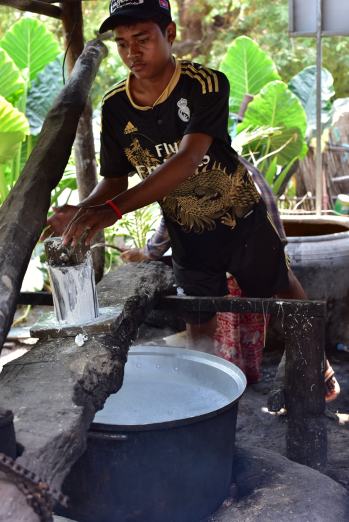
This contraption uses the well-known engineering theory of “playground seesaw” to knead and pound the dough in shallow pans.

NJB_2577

The noodle dough is placed in the cylindrical press and tamped down with a wooden plunger.

NJB_2584

The boy wasn’t heavy enough to weigh down the press, so another family member joined in.

NJB_2580

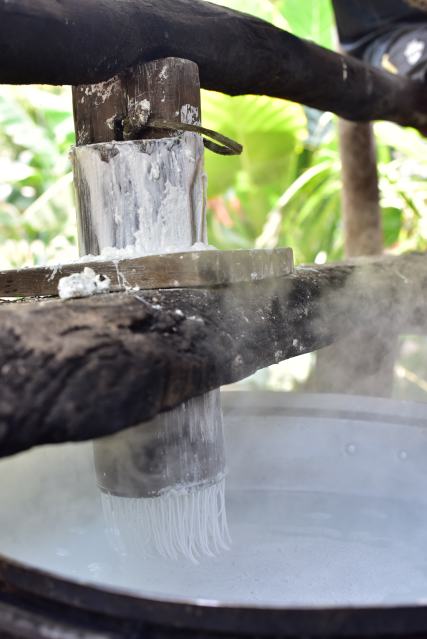
Noodles gently dropping into their hot bath.

The family’s press is a simple yet ingenious human-weighted device that forces the thick, dense dough through a metal sheet pricked with tiny holes, creating the thin noodles. The noodles are quickly cooked in boiling water, then removed and drained.

NJB_2590

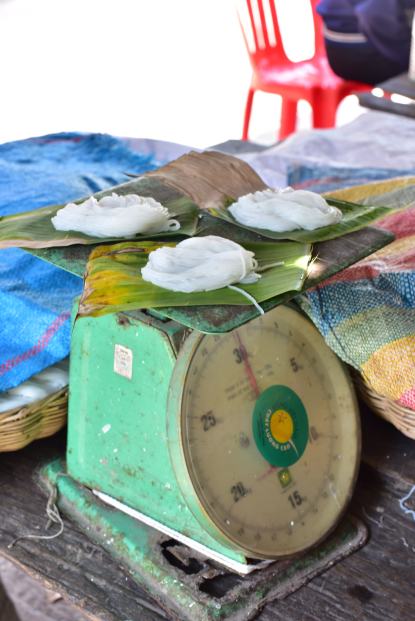
Bundles are carefully weighed, although these women are so skilled and accurate that the scale probably isn’t even necessary.

NJB_2576

The noodle bundles are packed in bamboo-lined rattan baskets for transport to the market and local restaurants.

Another stop was a house near Siem Reap’s wholesale market where a local family makes fresh tofu. Batches and batches are made every day and sold at the market or to a multitude of small restaurants. The “production kitchen” is of course also the family’s home.

NJB_2525

The wood-fired stove used for heating the soymilk.

Tofu is made in a manner very similar to cheese: fresh soy milk is heated, a coagulant is added to curdle the milk, and the mixture is pressed to remove liquid.

NJB_2537

The hot soymilk curdles immediately after the coagulant is added. 

NJB_2526

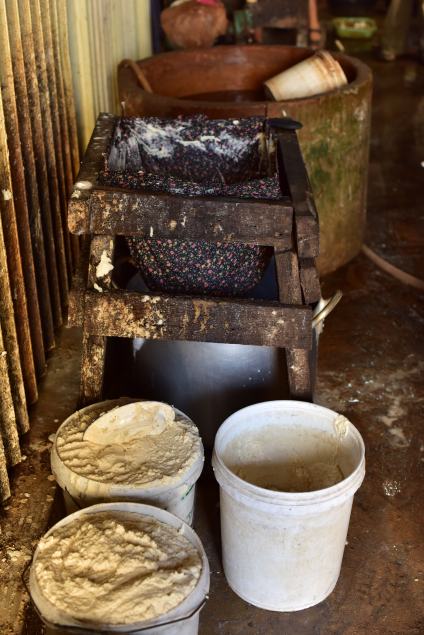
The curd is drained through fabric before being placed in the press.

NJB_2527

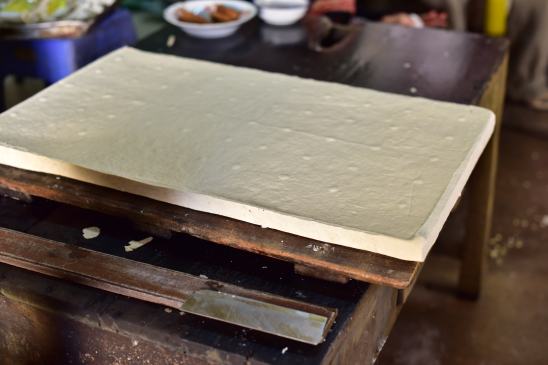
The drained curd is placed in a tray and pressed to remove liquid. Note the clever use of a bottle jack!

NJB_2529

Finished tofu.

NJB_2531

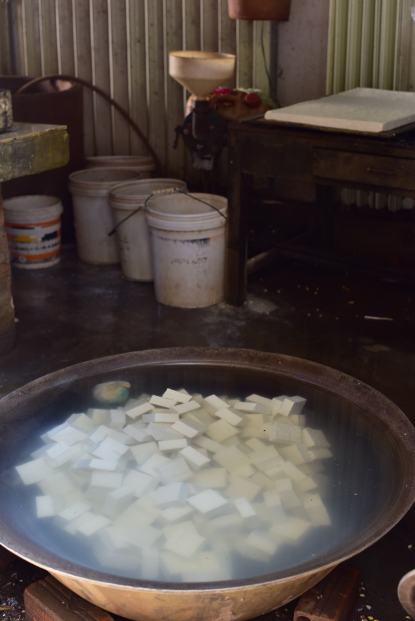
Tofu cubes, ready for sale. Tofu is always stored in liquid (usually filtered water) to keep it fresh and moist. 

If you’re interested in making your own homemade tofu, start here!

How to campervan in New Zealand

When organizing this impulsive trip, we gave a lot of thought not only to where we would go, but also how we’d get around once we got there. We planned on mostly using public transportation – trains, buses, ferries and so on – instead of renting cars, but in New Zealand, we wanted to rent a campervan. And we are so pleased that we did.

NJB_1153

If you’re British, you probably get the inside joke of the license plate.

New Zealand is roughly the same size as Great Britain or Japan, but holds just over four million residents in comparison with Britain’s 64 million and Japan’s stunning 127 million. This means, of course, that there is a great deal of open country – and because food and accommodation might be few and far between, a campervan is the perfect way to explore. (It’s also called caravanning, but that’s usually only when you’re using a regular vehicle to tow a caravan that has no engine of its own. That’s commonly known as fifth-wheeling in the U.S.)

New Zealand is so friendly and welcoming to campervans; we’ve seen hundreds and hundreds of vans of all shapes and sizes during our time here, proving that it is one of the most popular ways to see the country. There are campgrounds everywhere, from basic and rustic to luxurious; most of these have small motel rooms as well as powered and non-powered sites plus places for tent campers. Amenities vary, but almost always include common showers, toilets and kitchens, and there is often a pool or hot spring too.

NJB_1319

Fernland Spa, near Tauranga, offers private open-air hot spring pools. The pools are filled from the spring, then drained into the nearby estuary, cleaned and refilled after every use, eliminating the need for chemical treatments.

The greatest advantage of campervanning is definitely the flexibility. We drafted a rough itinerary before we arrived, mostly based on N’s year living here back in the early 2000s, of places he wanted to revisit or had never been. But once we got on the road, we loved being able to stay in a place longer or leave early if it suited our plans. Had we booked all of our accommodation at B&Bs and hotels in advance, there would be none of this.
IMG_20170227_152617942

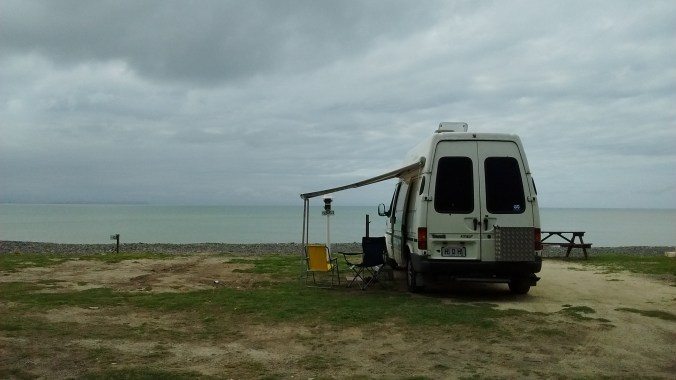
One of our very favorite campsites right on the ocean in Clifton, Hawke’s Bay.

The other biggest draw, especially on a trip of this length, is the ability to save a lot of money by cooking most of our own food. While I’m not making anything fancy, I am cooking simple, delicious meals appropriate to the summery weather and what we discover on our travels. We’ve been in a lot of agricultural regions, and many farms and orchards have unmanned honesty stands on the side of the road. Signs advertise what’s available, you select what you want and put your money in the box. We’ve bought just-harvested tomatoes, dried figs, zucchini, new potatoes, tons of fruit and anything else that catches our fancy. We’ve eaten a lot of local lamb, plus fresh sausages from the butcher, and it’s refreshing not to agonize over my meat purchase for endless minutes: all of the meat is pasture-raised in New Zealand, and none of it comes from a CAFO. Even tiny grocery stores in dusty little towns have a great selection of local meat. Just being able to make our own coffee and tea saves so much money rather than buying to-go drinks every day.
NJB_1485

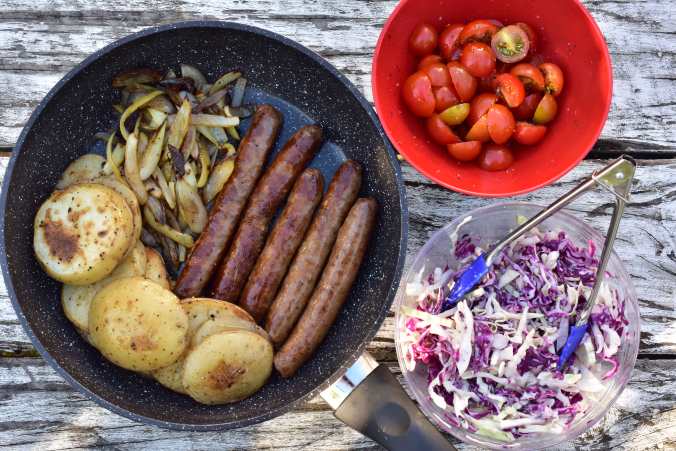
On the menu: local venison and merlot sausages, grilled potatoes and onions, fresh tomatoes with olive oil and salt, and a simple cabbage coleslaw.

As in the U.S., there are various membership programs you can join that offer discounted rates at particular campgrounds; we’ve used an invaluable (and free!) app called CamperMate to navigate our way to parks in a particular region. Freedom camping is also popular and it’s pretty much exactly what it sounds like: sleeping in a designated area for free, but without any services like showers and sometimes not even toilets. This is often not popular with local residents, however, because there have been many cases of freedom campers basically turning a lovely local spot into their own unserviced campground, and therefore freedom camping is heavily regulated and often banned outright. We’ve freedom-camped a couple of times, but it’s not always ideal for a variety of reasons.

NJB_1344

Camping by a gorgeous river near Tongariro National Park.

If you want to travel New Zealand by campervan, do your research; it’s essential to understand exactly what size and style of vehicle you’ll be renting. If you plan on doing any freedom camping, you’ll need to be certified self-contained, or CSC. The CSC sticker allows you to stay in more remote sites where other vehicles wouldn’t be permitted, and there are definitely rangers patrolling who will issue stiff $200 fines if yours isn’t displayed. You should also know that renting a campervan isn’t cheap; when we were first researching, we were stunned by quotes of nearly $8K for our month here, and after that you still need to pay for campgrounds unless you freedom-camp exclusively. There are also diesel taxes, tolls, and hefty charges for the ferry if you want to travel between the North and South Islands.

NJB_1446

Semis at sunrise on the Interisland Ferry en route from Wellington to Picton.

For our American readers, remember that New Zealand drives on the left; unless you’re very comfortable with handling larger vehicles, you’ll absolutely want to book in some practice time in a safe area before you hit the open road. And finally, New Zealand has basically one major north-south motorway; all of its other roads are relatively small two-lane roads, especially compared to our massive flat, straight American highways. Journeys here are measured by time, not by distance; you can’t read “Auckland to Wellington, 658 kilometers” on the map and assume that will only be an six-hour journey – it’s closer to ten. It takes a lot longer to get to places here than you might expect, and the driving can be challenging and tiring with a lot of hills and narrow, windy roads. Driving a campervan in New Zealand isn’t for the faint-of-heart – but we’d argue that it’s by far the best way to see these gorgeous islands.

P.S. A million thanks to my amazing, incredible partner, who grew up driving on the left and took on the challenge of this journey with literally no help from me whatsoever. I will never be able to make him enough coffees to thank him!

Going nuts, vol. 1

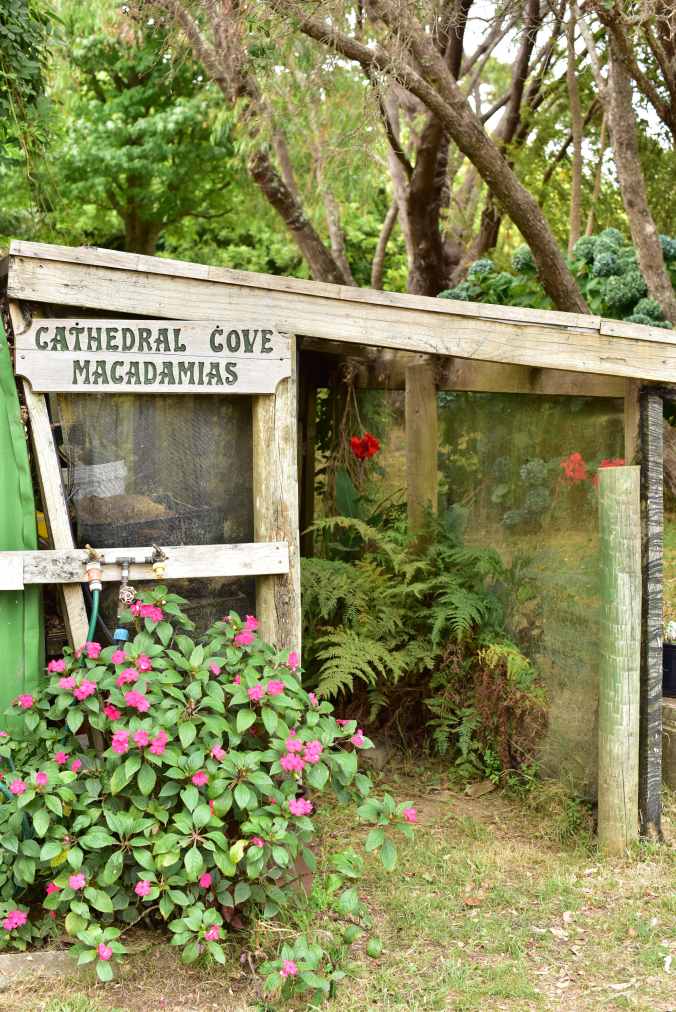
When roadtripping in New Zealand in a converted 1999 Ford Transit van with less-than-ideal brakes, there are few things that your partner – who is gamely doing all of the driving – enjoys more than you screeching “Hey! Fresh avocados!” or “Stop! They’ve got pick-your-own strawberries!”, thus forcing him to make dramatic unplanned stops and U-turns, typically on dusty gravel roads with no turning room whatsoever. No, seriously, he loves this! Sometimes, however, you get your act together enough in advance that you can actually plan a visit to a farm, and so it was with our stop at Cathedral Cove Macadamias.
NJB_1177

Cathedral Cove is located on the Coromandel Peninsula, east of Auckland on New Zealand’s North Island. Macadamias, named in 1857 in honor of Scottish-Australian chemist John Macadam, are native to Australia and grown commercially in many of the world’s tropical regions, including Hawaii, South America, Australia and New Zealand.

NJB_1178

Cathedral Cove’s storefront and open-air tasting parlor.

South Africa now produces most of the world’s macadamias, although Hawaii is credited with “introducing” the nut to consumers, specifically with their ubiquitous and smartly-marketed Royal Hawaiian chocolate macadamia boxes which have been given as gifts by travelers returning from Hawaii for decades.

NJB_1182

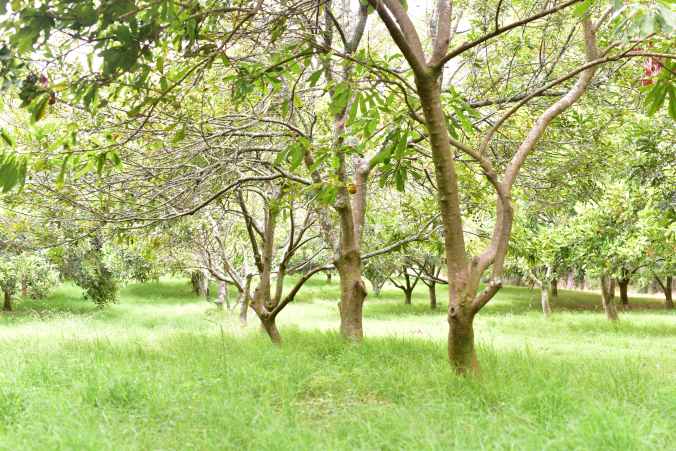
A few of Cathedral Cove’s mature macadamia trees.

Macadamia trees are propagated by grafting, and they start producing in abundance at about seven to ten years of age. Once established, the trees can produce for over 100 years. They are higher in overall nutrition than any other nut, and they are also typically the most expensive, with the exception of the treasured pine nut.

NJB_1187

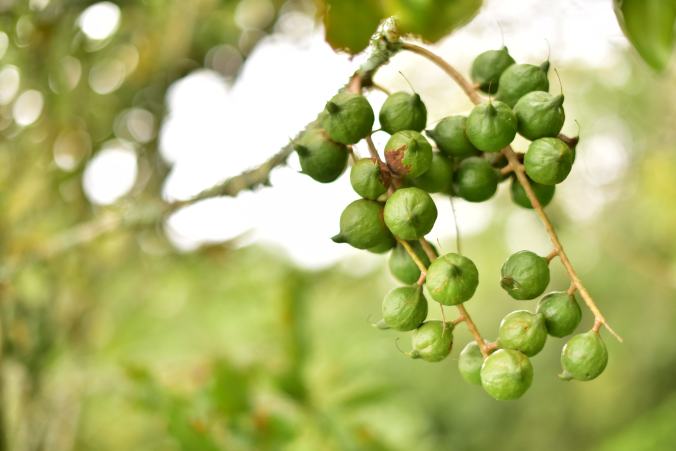
These macadamias will be ready to harvest in April or May. After they’re hulled, they’ll be dried for about six weeks before they’re ready to consume.

NJB_1190

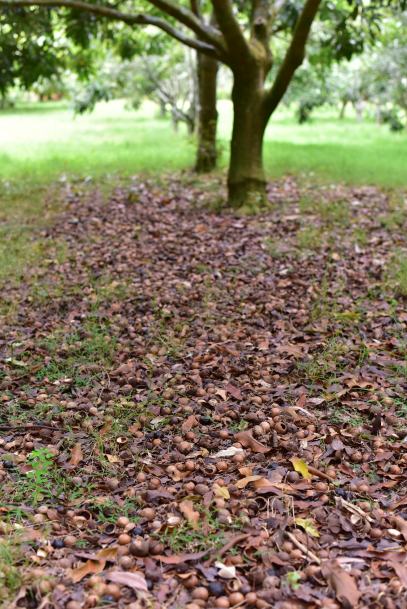
Hulls from the previous year’s crop are used as mulch in the orchard, ensuring that nothing goes to waste.

At Cathedral Cove, the macadamias are processed entirely by hand from start to finish, and they’re also completely organic. The macadamias are sold fresh and roasted, and pressed into oil and made into butter, brittle and other value-added products. In addition to macadamias, Cathedral Cove also grows avocados, figs, apples and a variety of citrus fruits.

NJB_1173

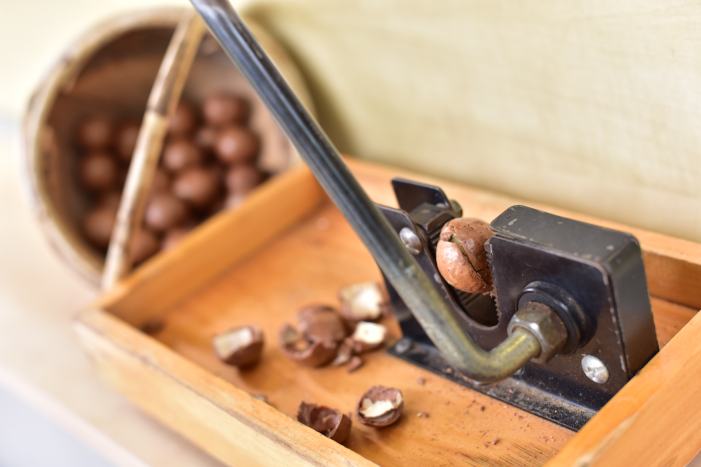
At the little storefront you get to eat as many macadamias as you crack!

NJB_1181

Macadamia oil, best used as a simple, flavorful drizzle over salad or grilled bread. It also works wonders as a hair or skin moisturizer!

NJB_1215

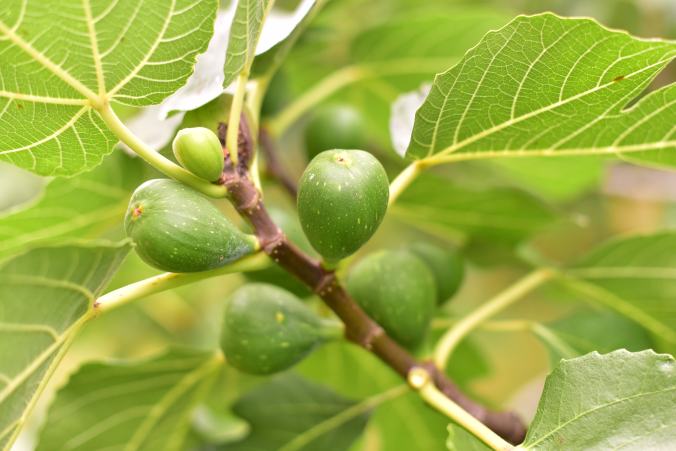
Fresh figs that were sadly not yet ready to eat when we visited.

NJB_1191

Cathedral Cove is organic, so no chemical pesticides or herbicides are used in the orchard.

NJB_1188

Bees are absolutely integral to a successful orchard. As at most of the farms we’ve seen, maintaining a healthy pollinator population is essential to a healthy ecosystem.

NJB_1204

We bought avocados to eat with heirloom tomatoes from the farmers’ market…it is summer here, after all.

NJB_1199

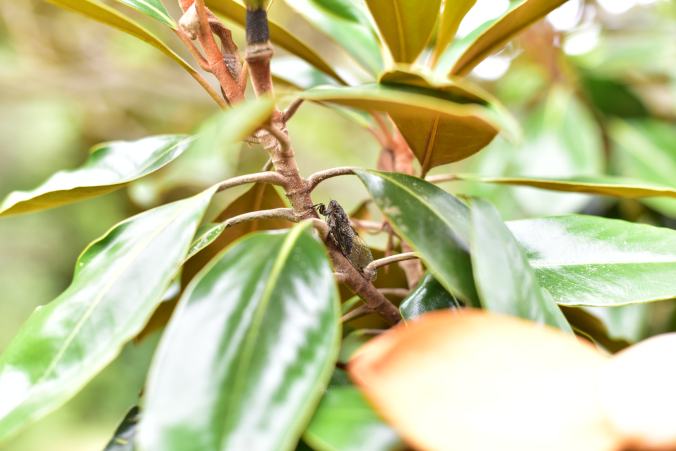
Look closely…New Zealand’s most vocal yet least seen creature, the cicada, is hiding here.

NJB_1205

One of the many citrus trees on the property.

NJB_1213

Definitive proof that “drinking wine” actually qualifies as “eating fruit.”

NJB_1203

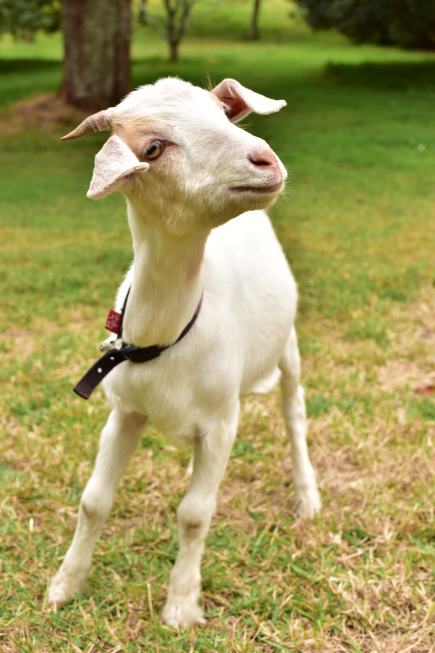
Meet Willow, one of Cathedral Cove’s organic lawnmowers.

Because macadamias are so delicious (and so precious), they’re best used as a showcase ingredient. As with all nuts, lightly toasting them in a dry pan will bring out their flavorful oils, but tread carefully – nuts burn very quickly. For storage, place in an airtight bag or container in the refrigerator or freezer as the good fats in nuts cause them to turn rancid quickly. Always buy nuts from stores with high turnover (of product, not staff) and whenever possible, smell them before purchasing – rancidity is definitely noticeable. Should you find yourself with a wealth of macadamias, try this. Or maybe this. Or just eat them lightly toasted and salted, perhaps with a gentle dusting of curry powder.

Many thanks to Cathedral Cove Macadamias for welcoming us onto their beautiful property!

Here fishy, fishy

NJB_0713

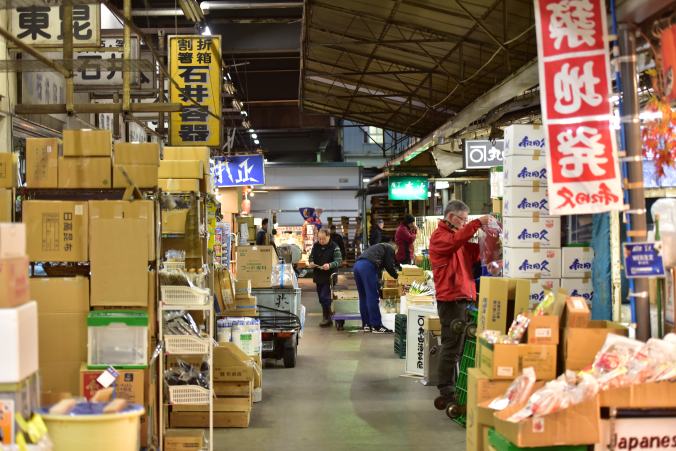
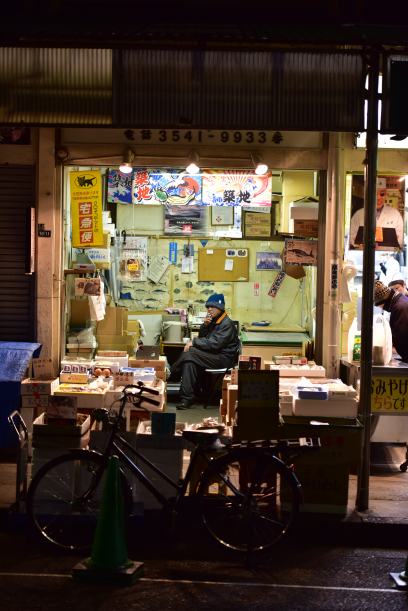
Tsukiji Fish Market is definitely not dressed up to impress tourists.

It’s our last week in Japan and we’re tackling Tokyo, district by district. We woke up at 4AM to jump on the first train out to Tsukiji Fish Market, the largest wholesale seafood market in the world. We opted not to attend the famous tuna auction, mostly because you have to arrive by about 2AM via expensive taxi in order to queue for the limited tickets available to tourists. Even without the tuna auction, though, the market is pretty spectacular.

NJB_0702

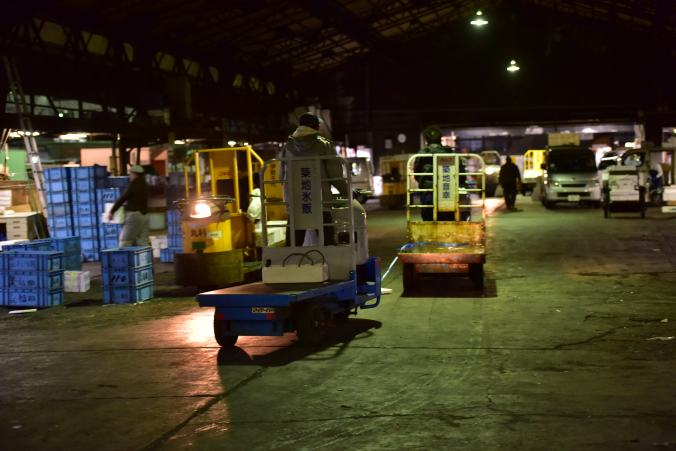
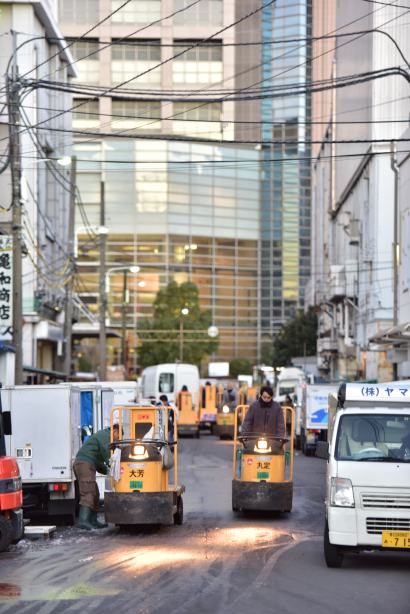
Please stay out of the way…these guys move fast.

NJB_0706

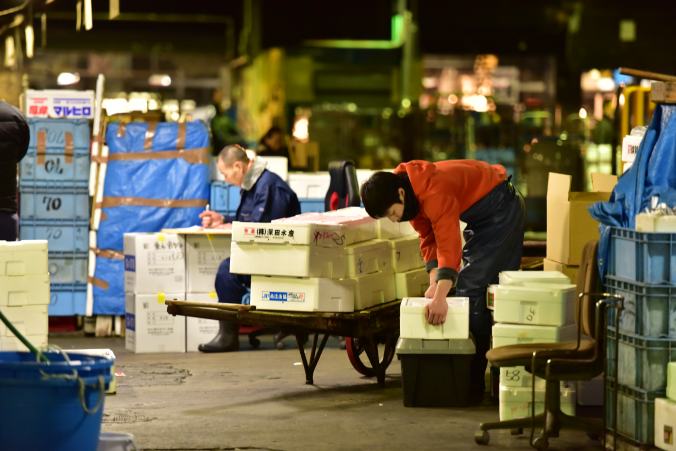
Seafood arrives here from all over the world. Most of the crew starts work between 2 and 3AM each day the market is open.

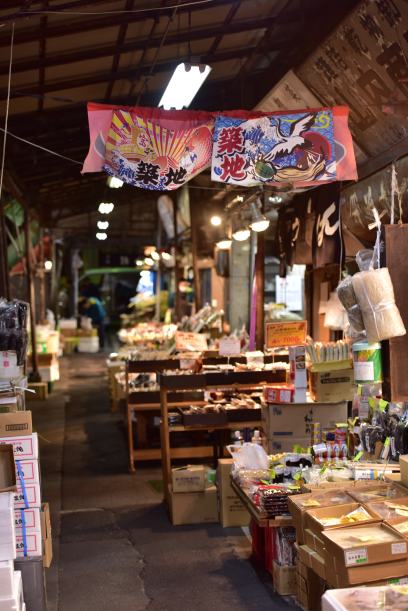
Tsukiji is made up of two markets – the inner market holds all the wholesale vendors and is off-limits to the public except for between about 5 and 6:30AM for those with tickets to the auction. The outer market is entirely open to the public and contains dozens of small restaurants, plus stalls selling kitchen equipment and other goods.

NJB_0690

Stalls selling kitchen equipment and other sundries line the outer market.

NJB_0689

Of course you can still smoke here…we’re in Japan.

Make no mistake – this is a working market, and tourists are barely tolerated. The market has closed to tourists entirely on a number of occasions, thanks to safety concerns and complaints from vendors, but is currently open. You’re expected to pay close attention to the carts, forklifts, trucks and other machinery moving at high speed around the market, and basically stay out of the way.

NJB_0721

The grittiness of the fish market contrasts with shiny modern skyscrapers.

Tsukiji Market sits on prime Tokyo real estate just outside Ginza, one of the city’s fanciest shopping districts. Land here is more valuable than anywhere else in the world; as such, the market was scheduled to move in November 2016 in preparation for the 2020 Olympics. This was a highly unpopular decision, as many of these stalls (and their inhabitants!) have been in place for decades. In August 2016, the move was postponed; the reclaimed land where the market is to relocate is reportedly heavily polluted, and corruption allegations have been tossed around. Relocating a market of this size is a massive undertaking and it will be interesting to see if and when it actually occurs.

NJB_0734

NJB_0731

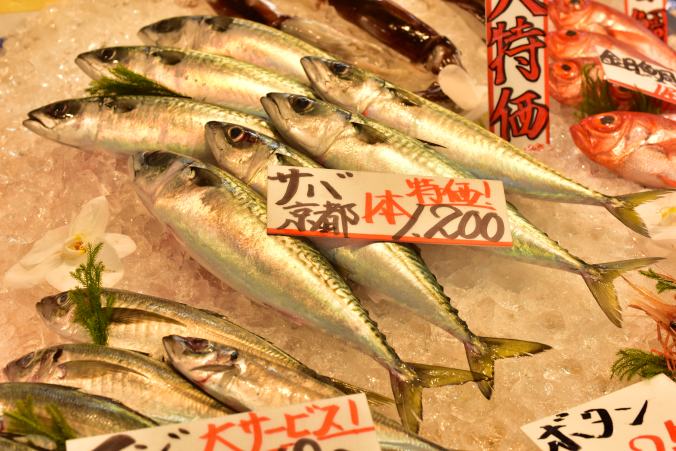
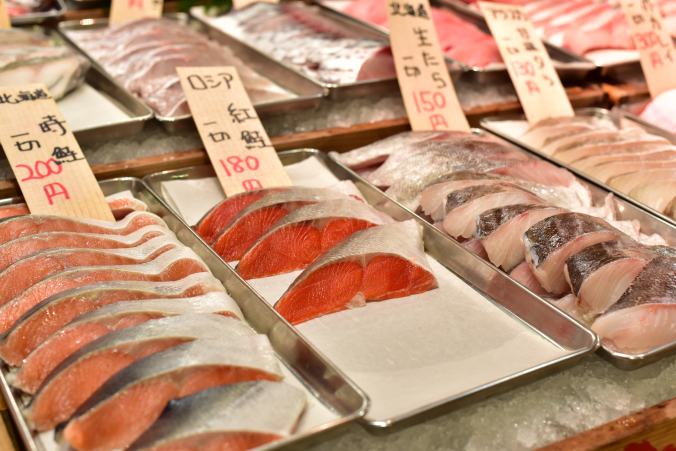
The fish for sale is always presented beautifully, and of course on plenty of fresh ice.

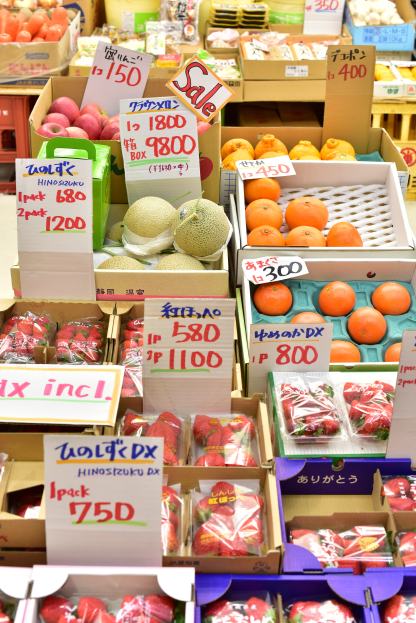
Tsukiji doesn’t just sell fish, though that’s what it’s best known for. There are stands with fruit, vegetables and exotic mushrooms too. Earlier on our trip I commented about the exorbitant cost of fruits and vegetables here; have a close look at the cantaloupes in the photo below – they’re priced at 1800 yen, or about $16 each. And they’re on sale! You can save if you buy the whole box of six for about $87. At a fancy food hall later that day, we saw melons nestled gently into little presentation crates and selling for about $150, and individual strawberries for $5 each. Perfect fruit are a popular gift here.

NJB_0735

Want an orange? They’re between $3 and $4.50 each, depending on the variety.

NJB_0730

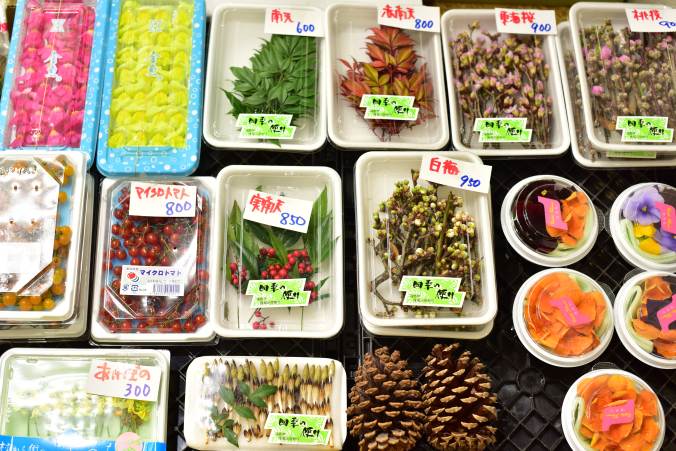
An interesting array of herbs, flowers and other decorative garnishes.

NJB_0736

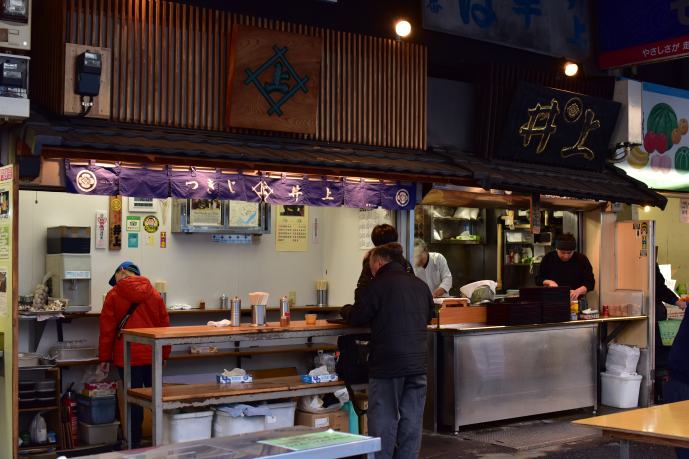
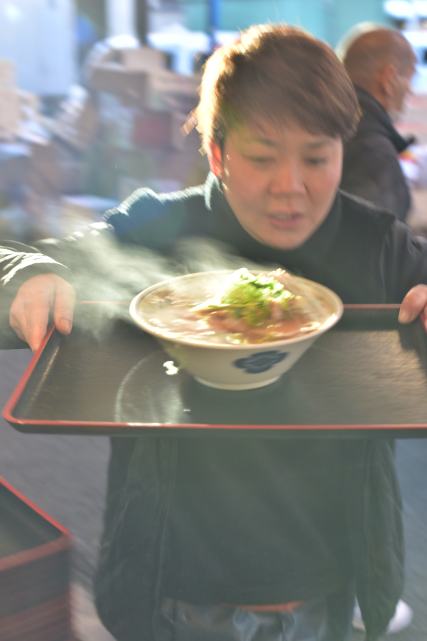
One of the numerous small “restaurants” that line the outer market. You order at the counter on the right from the chef or his assistant, and eat standing at the long table on the left. Dishes are washed in the gutter next to the street, and no, I don’t think the health department is bothered.

NJB_0742

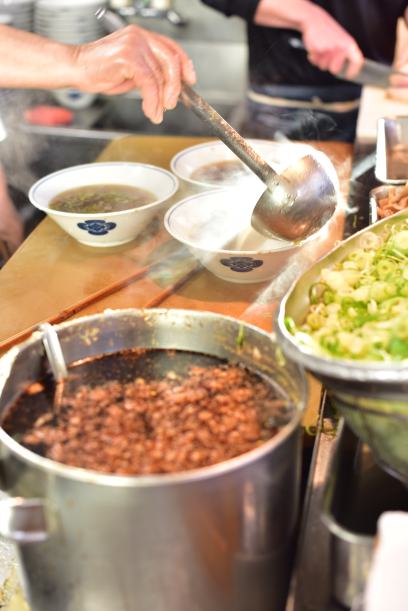
Ramen for breakfast on a chilly winter morning? Yes, please.

NJB_0746

Indeed we ate ramen, not sushi, at the world’s most famous fish market.

NJB_0719

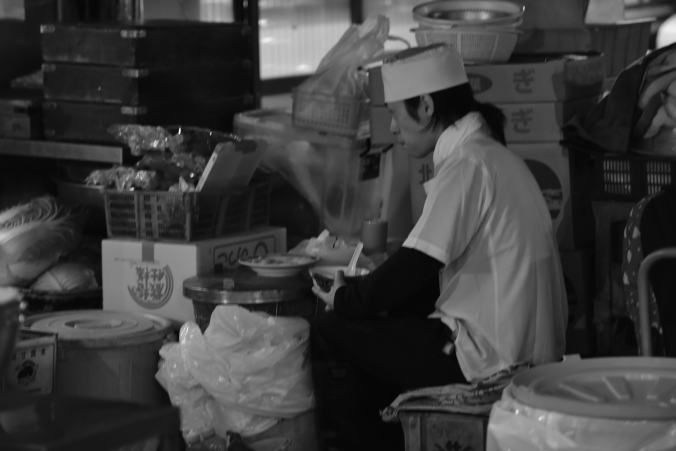
A quiet moment before a busy day.

Commercial fishing is a challenging topic, especially for the Japanese. On one hand, you have cultural traditions formed over countless generations in this island nation. On the other hand, it’s pretty clear that we’re running out of fish. Consider that Tsukiji Market alone handles over 700,000 tons of fish per year. That isn’t even a comprehensible number, but it’s definitely one that won’t continue. Many wholesalers and famous sushi chefs lament that the size and quantity of the tuna has decreased dramatically over the past twenty years; as oceanic pelagics, these fish can’t be farmed as other fish can. By some accounts, over 90% of the world’s fishing stocks are either fished out or nearly so; it’s estimated that at current fishing rates, fish and seafood will be completely gone by 2048.

This isn’t made any easier by the fact that – at least in the U.S. – we’re constantly told to eat more fish to improve our health. The U.S. imports over 90% of its seafood, much of it from highly compromised environments, so while fish may help your heart, eating more of it has an irrevocable environmental and social cost. And how do you even know you’re eating the fish you think you are? Much of it is mislabeled. Like most of our food system, this industry is heavily compromised too.

An issue as complex as the sustainability of modern fishing isn’t going to be solved in one post. But as always, friends, please spend your food dollars wisely and make your fish and seafood choices consciously and carefully.

NJB_0385

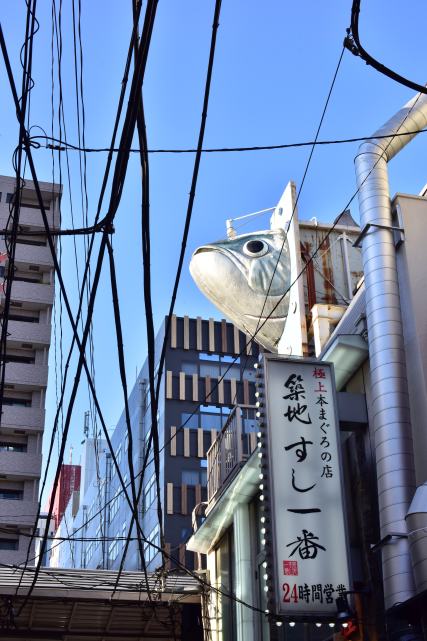
Easy to find the market with landmarks like this!

Food for thought

NJB_9683

Octopus skewers, Nishiki Market, Kyoto.

Food – ingredients, preparation, presentation – is something I think about far more than the average person. As I’ve mentioned, at home we almost never eat out, both because I love to cook and because I’m often testing recipes or preparing for a class, so I tend to have an excess of food on hand at any given moment. Food obviously plays a huge role in travel, too, and for me that’s both positive and negative. I love tasting unfamiliar ingredients and trying to appreciate a place through its food culture, but the reality is that more often than not restaurant food is disappointing and overpriced – especially when you’re traveling in heavily touristed areas. I know how much I’m overpaying for it and I hate that feeling of being cheated – paying $75 or more for a “nice” meal, only to leave with a bitter taste. It’s tough, though, especially in a country like Japan where everyday communication is delicate at best and a mess of unforeseen land mines at worst, to know where the locals eat. My answer to that, invariably, is “at home.”

NJB_9689

Prepared food counter, Nishiki Market, Kyoto.

Other people travel and visit art museums and temples and things. I travel and visit minimarkets and grocery stores, because I think few places tell a country’s story better than where the locals shop for food. I was looking forward to Japan for many reasons, but the food was high on the list. We have a superficial impression of Japanese food in the U.S. – primarily sushi, of course, then perhaps tempura or soba or various tofu dishes. I’m interested not in what people eat when they go out to celebrate a special occasion (do we all eat at The Capital Grille every night? I think not), but what they grab from the store at 5:30 on a Tuesday night after a long day at work.

FullSizeRender (3)

Soba noodles with shrimp tempura, Arashiyama.

And I’ll admit – I’ve been really surprised by Japanese food culture, at least what little I’ve seen of it. First and foremost, sugary drinks take a lot of rightful blame as a major source of excess calories in the American diet; we’re now seeing “soda taxes” and other measures designed to curb consumption and hopefully reduce our obesity and diabetes rates. But Japan, which I think many people perceive as one of the healthiest countries in the world (see The Blue Zones) is absolutely covered with drink vending machines. They are everywhere. There are apparently more than 5.5 million machines in this tiny country, while the U.S. has just under 7 million for nearly three times the population and a lot more landmass. While the machines do contain bottled water, they also contain sugared coffee drinks (cold and hot – and that is a miracle in the middle of this damp, frigid winter), sports drinks (the awkwardly-named Pocari Sweat is my favorite), and plenty of other sugary beverages. Clearly, the machines are worth the real estate – so why aren’t the Japanese plunging into a sugar-related health crisis like we are?

NJB_9687

Fried snacks, Nishiki Market, Kyoto.

I’ve also been surprised at the amount of refined grains, but that may be because I’m so focused on teaching whole grains at home. Obviously plain white rice is a staple served with every meal; we’re currently on a farm stay and the rice steamer is kept filled with fresh, hot rice for eating at any time of day. But the buns, pastries and breads are all soft, white and sweet – the bread available for our morning toast here is like that super-cheap, super-thick “Texas Toast” we used for French toast as kids. I watched the nine-year-old son eat four pieces slathered with fake butter and jam for his breakfast this morning, and he’s thin as a whippet. So again, I’m observing very high consumption of refined grains – which the body essentially converts to sugar – and yet not observing the expected results.

NJB_9681

One of N’s recent lunches, and the only time yet I’ve seen raw vegetables such as lettuce and tomato.

Meals for us have primarily been inexpensive, filling and warming – plenty of ramen, of course, plus other noodle soup variations, but also curry rice and simple “lunch sets,” which usually include miso soup, various pickles and a main such as chicken and rice (photo above). These too have surprised me with the overall lack of vegetables. While there might be a few small dishes of pickled or fermented vegetables, we’ve only once had any served raw – a fresh carrot and daikon salad here at the farm, with a delicious creamy, tangy dressing. There are never any vegetables in the soups or with the meat and rice, certainly nothing like what we’d think of as traditional stir-fry. That said, the Japanese tend to cook more seasonally than we do, and I suspect we’d see a greater variety of raw vegetables during warmer months than in the middle of bleakest winter.

NJB_9707

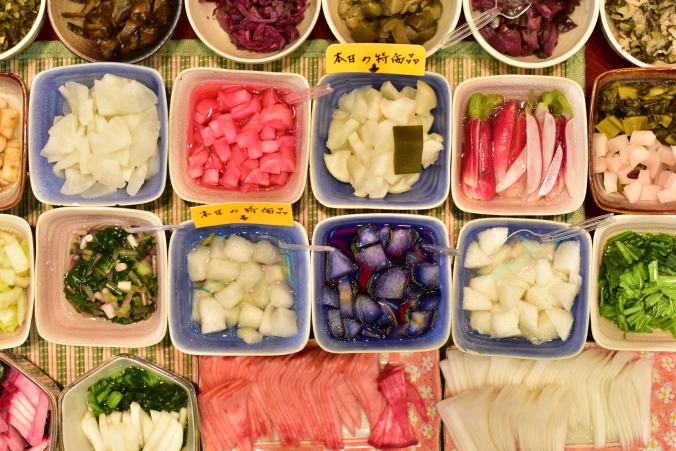
Pickled vegetable selection, Nishiki Market, Kyoto.

In stores, it’s package after package after package. From a thousand varieties of crunchy salty snacks to pre-made sandwiches to “Hot Pockets” to sushi and sashimi, I’ve noticed very little in the way of fresh ingredients designed for preparing meals at home. Fresh fruits and vegetables are almost nowhere to be seen and crazily expensive when found; I bought an apple in downtown Kyoto – one apple – for about $2.50. We’ve walked by a couple of small fruit and veg stands, but literally nothing that would rival your most basic American grocery store produce department with its stunning array of gloriously arranged, perfectly shiny, identically sized out-of-season fruits and vegetables. And yet the farm we’re currently staying on has acres of fruit trees and thousands of apples in cold storage right now, so where are they all going?

NJB_9565

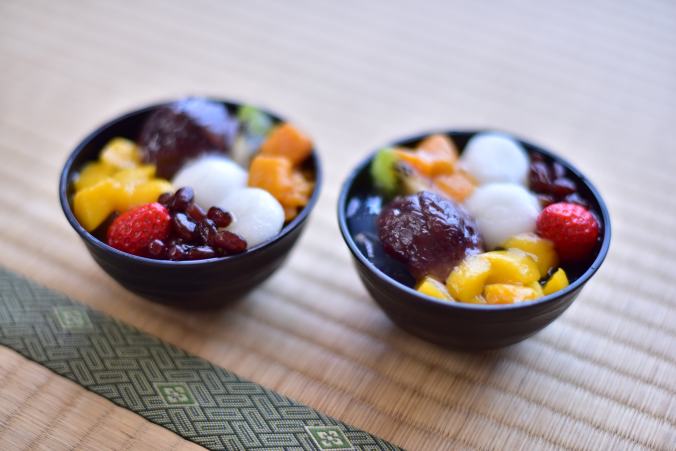
The oddest dessert I’ve ever eaten…jellied fruit and red beans with clear gelatinous cubes underneath. Algae? Gelatin? Space-age packing material? Also it came with what I thought was a sauce and may have actually been hand sanitizer. Not dead yet.

So after nearly two weeks of eating and travelling in Japan, I’m left with a mess of contradictions. The diet appears, at least on the surface, to be as unhealthy as ours in the U.S. And yet the people here, at least from my extremely limited research, don’t seem to be plagued by the same health crises. What can we learn from this?

(P.S. Please know that these observations are only based on a few days here in Japan and are in no way intended to represent some sort of serious large-scale sociological study. If anyone has spent time in Japan and has additional insight to share about the food culture, I’d love to hear it!)

Minimart Challenge: Japan

So I have THE MOST AMAZING IDEA for a competitive cooking show and it goes a little something like this: cheftestants (yes, I hate that word too) are dropped into a random minimart in a random country and they have a specified amount of time and money to spend in said minimart. After they have made their selections, they are whisked away to an Airbnb where they’re obligated to craft their minimart purchases into something delicious. The challenge, of course, is that the Airbnb kitchen will most definitely NOT be stocked with the high-end equipment they’re accustomed to in their shiny professional kitchens. Instead, it will contain the oddest assortment of dull knives, thrift-store cookware and mismatched plates and cutlery. Good luck, cheftestants!

One of the biggest challenges of extended travel for me is not cooking. I’m well aware that most people would wholeheartedly disagree with this statement, but I cook virtually every single meal when we’re at home, including all of the food packed for N’s work lunches. (The irony, of course, is that I’m regularly asked for restaurant recommendations. We never eat out.) While others might relish a break from cooking, I dread it – because, as I teach in all of my classes, when you cook at home you hold sway over exactly what goes into your food. When we’re traveling, especially for a trip as long as this one, I have to relinquish a great deal of control over what we eat – and that doesn’t come easy. It’s not only that I want to know exactly what we’re eating, but also that as a chef I want the opportunity to cook with unusual ingredients that I might never find at home. And also that cooking sets everything right in my world.

NJB_9588

Sites like Airbnb, however, have made travel so much easier, especially if you want the option of staying in a home with kitchen facilities. We’re currently in an Airbnb in Arashiyama, just outside of Kyoto, and we have access to a reasonably well-stocked common kitchen. (I’ve certainly cooked in worse.) Today was a bit of a rest day for us, and as we didn’t feel like going out to a restaurant we opted for the minimart up the road.

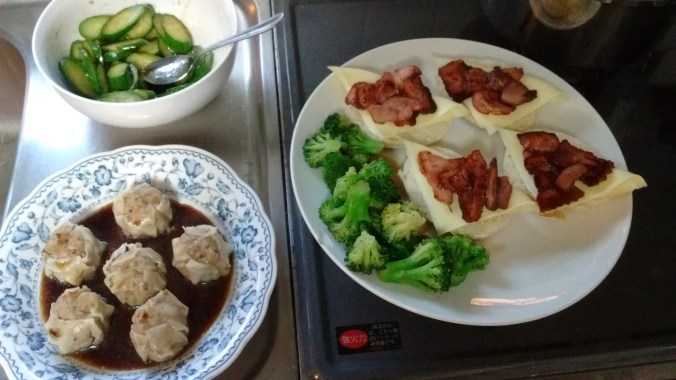
The result: sesame-soy cucumber salad with crunchy rice crackers, steamed shu mai, bacon and cheese sandwiches and crispy broccoli. All procured for about $17, and that included the wine. It took about 15 minutes to put this meal together. Was it the absolute healthiest? No, but it did include two different vegetables and honestly, there was a lot of rather mysterious unidentifiable fried food that we didn’t buy. My loves, the point is this: not every meal you cook at home is going to be perfect. Sometimes, it might even be a hot minimart mess. But – and this is specifically directed to all those busy parents reading this who think they’re not doing a good enough job – it matters. Cooking matters. So keep it up, because you’re doing great. See you on TV, cheftestants.

minimart.02

P.S. I’m sorry for the above photo; N was busy setting up the cribbage board. Let’s just put a copyright rule in place: if the photo is good, N took it. If it’s lousy, it’s mine. Avert your eyes accordingly.

Why cooking matters, vol. 1

Knife Skills.jpg

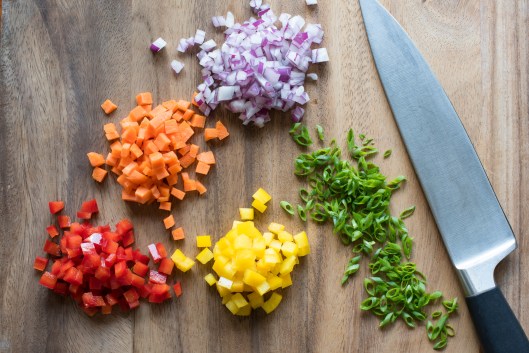
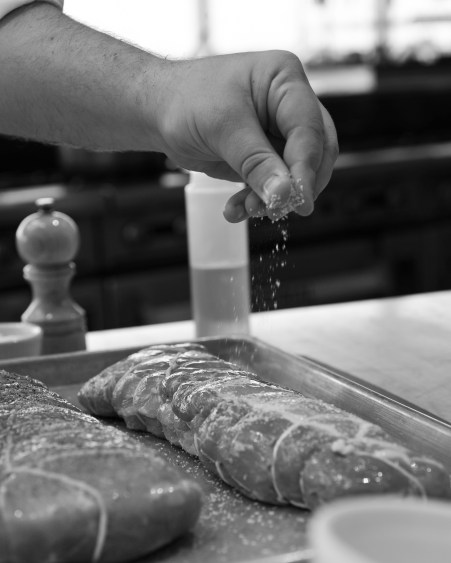
Some months ago, I was setting up for one of my corporate Lunch & Learns. A staff member poked her head in “to see what smelled so good!” When I explained that I was there to teach a class on healthy cooking at home, I could literally see her shut down. “I don’t cook,” she said emphatically – derisively, in my (perhaps biased) opinion. I interpreted her comment to mean that no sane person would waste their time cooking when they didn’t have to.

And it’s true – no one, at least in the U.S., actually has to cook ever again. Between traditional restaurants, fast-casual, delivery, $8 green juices and four million different meal replacement energy bars, why would anyone cook at home? You could use that time to catch a Pokemon or update your status or watch Game of Thrones.

CCA-118.jpg

And yet, I believe that learning to cook is a necessary life skill, like writing a resume, or sewing a button, or changing a tire. Except that we’re no longer passing this skill on – cooking is now something done for us, rather than by us. We are now in an unprecedented era – one in which today’s children are expected to have a lower life expectancy than their parents. This has never before occurred in an industrialized nation, and I’d be the first to argue that our movement towards eating the majority of our food in restaurants plays a huge role. But despite our looming health crisis, somehow cooking at home has lost its luster and I cannot understand why. Maybe that’s easy for a professional chef to say, but cooking at home is so much easier than most people think it is.

We live in an age of instant gratification, where food or booze or cheap Chinese-made goods are available within minutes. Cooking – and cooking well – isn’t. People who attend my classes often ask how they can learn to cook better. My answer, while boring, is invariably the same: in order to cook well, you have to cook regularly. You have to get it wrong in order to know when you’ve gotten it right. Needless to say, no one likes this answer.

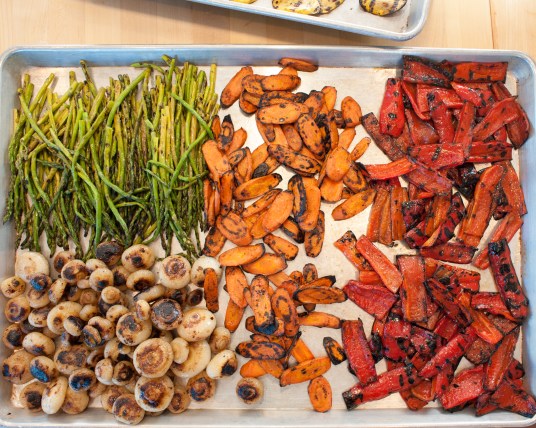
While there might be a million cooking apps, there is no app to teach you how to season properly. How to cook meat to your preferred doneness. How to roast vegetables until they have those delicious caramelized crackly edges. How to know when a cake is done. These are things that can only be learned with practice. Repeated practice. Tasting, tasting and more tasting. And yes, you will make mistakes. And some of the things you cook won’t be amazing. But the learning curve isn’t steep, and you’ll improve quickly. Soon, your food will be better than most restaurants. Trust me on that, but mostly trust yourself and trust your palate.

CCA-05 2.jpg

Here we are, at the beginning of the new year – a time when many of us resolve to get healthy. If you’ve made a commitment to living a healthier lifestyle this year and beyond, and if you don’t cook, I ask you politely – please try. There is simply no one thing you can do that is better for your physical health, your financial health and the planet’s health than cooking at home. Start small; commit to cooking one or two meals at home each week. Plan your meals. Devote a couple of hours on a Sunday afternoon to preparing batches of food for the week ahead. Pack repurposed leftovers for your work lunches. Minimize your food waste by making delicious soups and stir-fries and frittatas. And please, if I can be of more assistance in encouraging you to cook at home, contact me – I have a wealth of helpful tips that I’ll gladly share.

I leave you with this manifesto from Amanda Hesser and Merrill Stubbs of Food52, a site that passionately encourages home cooks.

Because, if you cook:

Your family will eat dinner together.
You will naturally have a more sustainable household.
You’ll set a lifelong example for your children.
You’ll understand what goes into food and will eat more healthily.
You’ll make your home an important place in your life.
You’ll make others happy.
People will remember you.

Wishing you the joy of learning to cook in 2017!

Our daily bread

Let’s quit with the pre-trip stress for a moment, shall we? And let’s instead discuss one of my favorite kitchen activities: bread making.

Bread.jpg

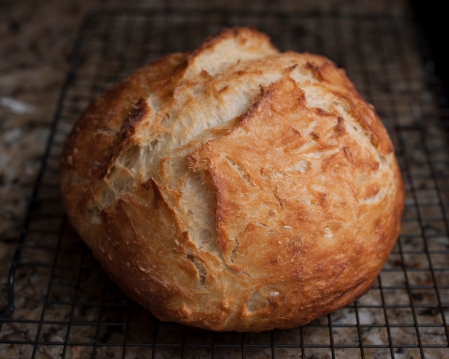
I know, I know. We’re not allowed to eat bread any more. Because we’re all gluten-free and Paleo and watching our carbs and good Lord I am tired of hearing about why we’re not allowed to enjoy one of the world’s great pleasures: homemade bread. Did you know every single one of the world’s known cultures has had some form of bread? How about all the ways it’s used in common parlance? As money, as sustenance, as the body of Christ. It is that important. And to just reject however many thousands of years of anthropological food history because we’ve suddenly decided that one single mysterious non-ingredient makes us sick? No. Our entire modern food system is making us sick. But that’s not bread’s fault.

Bread 01

Let me be clear – I am in no way talking about soft, squishy supermarket bread. Bread should not remain fresh at room temperature for weeks. That is a violation of everything that “fresh bread” stands for, plus a rejection of flavorful peasant cuisine based on stale bread. Panzanella, pappa al pomodoro, fattoush…how do you make these when the bread stays fresh forever? I’m talking about homemade bread: flour, yeast, water, salt. At its heart, nothing more than those four, although of course the permutations are innumerable.

Bread 02

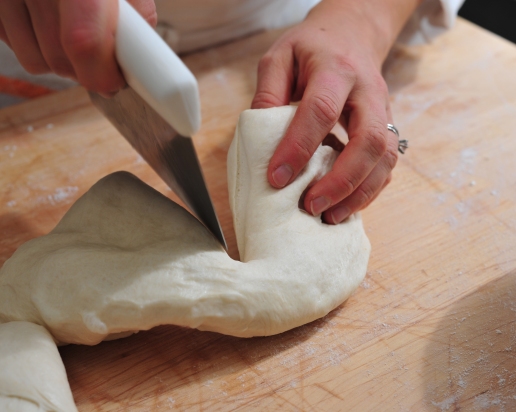
I’ve taught hundreds of cooking classes on every culinary topic imaginable, and I’ll freely admit that my homemade bread classes are my favorite. This is mainly because the effort is so much worth the reward – and people are always amazed that they can actually make delicious bread at home, especially at altitude.

Bread 05

And so, with no additional fanfare, allow me to introduce you to the magical world of bread baking at home. Start here. Then make this one. Move on to this. I’ve made all of these dozens of times, and they work perfectly – even in Denver. (If you’re above 6,500 feet, refer to this.) And when you really fall down the rabbit hole of homemade bread, try this. And for reference? Read this, this and this.

Please, bake a loaf of homemade bread at least once. For the pleasure of working with your hands. For understanding how four simple ingredients create true alchemy. For the aroma alone. It’s not nearly as difficult as you think it is. Then eat it warm, with good butter or olive oil. Or eat it plain, with nothing at all to interfere. Then make it into croutons or crostini or a lovely winter soup. And while you’re eating it, remember that civilizations were built on this. For good reason.

Wishing you a winter filled with homemade bread.