Winter descends

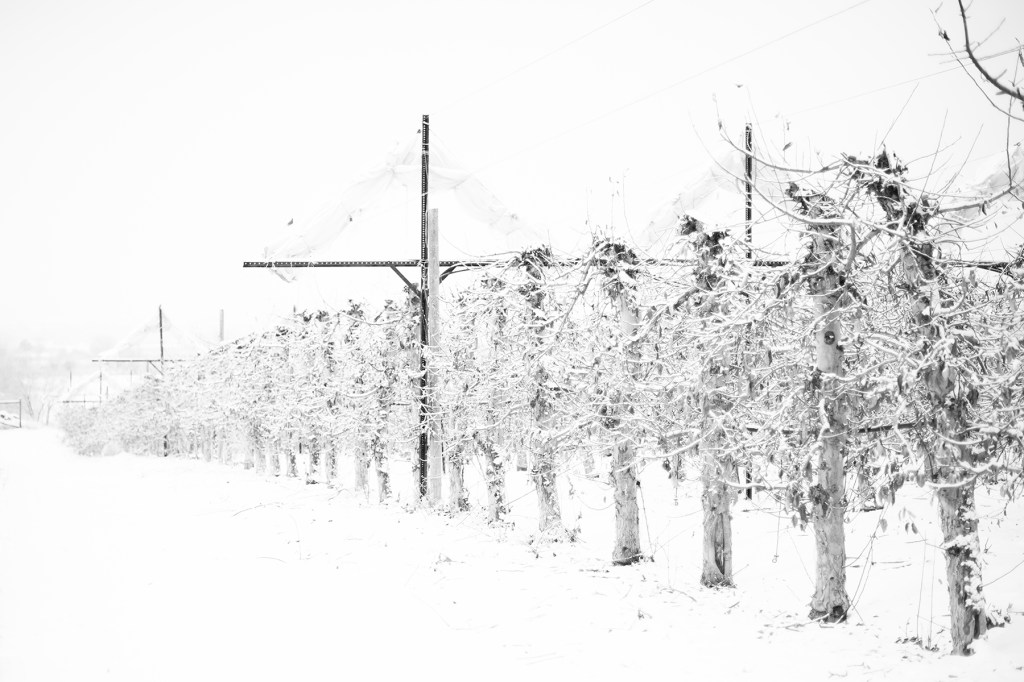
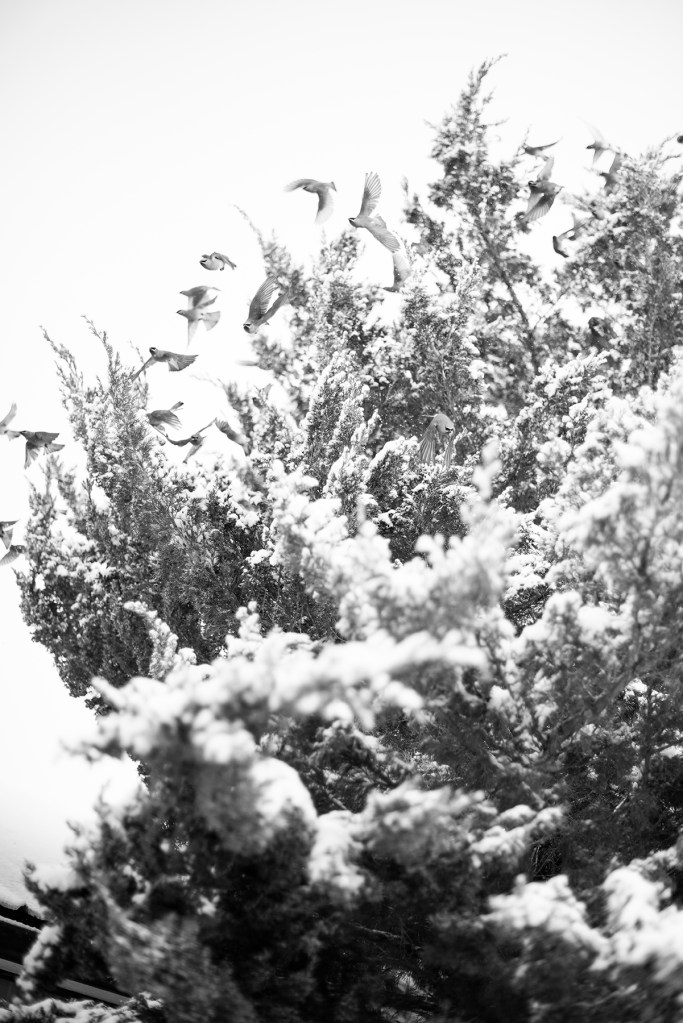
“In a year that stripped life to bare fundamentals, the natural world has become our shared story. Seasons have offered the rare reminder that the world moves on even as our sense of time blurs.”

“The undeniable hardship of this winter is a reminder that for much of human history, particularly in colder climates, winter was a season simply to be survived. Winter is a primal time of death and loss, and a time for grief. It reminds us that darkness, not only light, is part of the recurring rhythm of what it means to be human.”

Continue reading

Farm update: October 26

Our first snowstorm arrived late last night, and with that, the 2020 growing season at Quiet Farm has officially concluded. Much of the past week has been spent preparing for this introduction to winter; though our skies will clear and temperatures will rise again later in the week, none of our annual crops will survive this cold snap. We’ve been threatened with hard freezes prior to this and have been lucky enough not to lose any plants; our season lasted far longer than expected. We’re hopeful that this early, wet storm will help the firefighters battling the numerous destructive wildfires currently raging across Colorado.

Flooding our pasture with snowmelt from the Grand Mesa.

We ran our final irrigation last week, then broke down most of our gated pipe so that we can repair any damaged gates and valves during the off-season. We have stellar water shares here at Quiet Farm, and thanks to N’s careful planning, we made our water last all season. This year was definitely a rebuilding year for our pasture, and we’re optimistic that our plans for next year’s irrigation run, which include reseeding, marking and thoughtful grazing by our herd, will yield even better results. Small farms are key to fighting climate change – if managed well, land like ours can absorb far more carbon than it emits. Establishing these “carbon sinks” across the country should be of highest priority; if this season’s devastating wildfires are any indication, the Rocky Mountain West has a tough road ahead.

Continue reading

Gone to seed

We talk a lot about saving seeds here at FQF, and since fall is definitely underway, they’re on our minds more than ever at the moment. In addition to all of our canning and preserving projects and other preparations for winter, collecting and storing seeds is a big part of our autumn task list.

Sunflower Seeds 01 sml

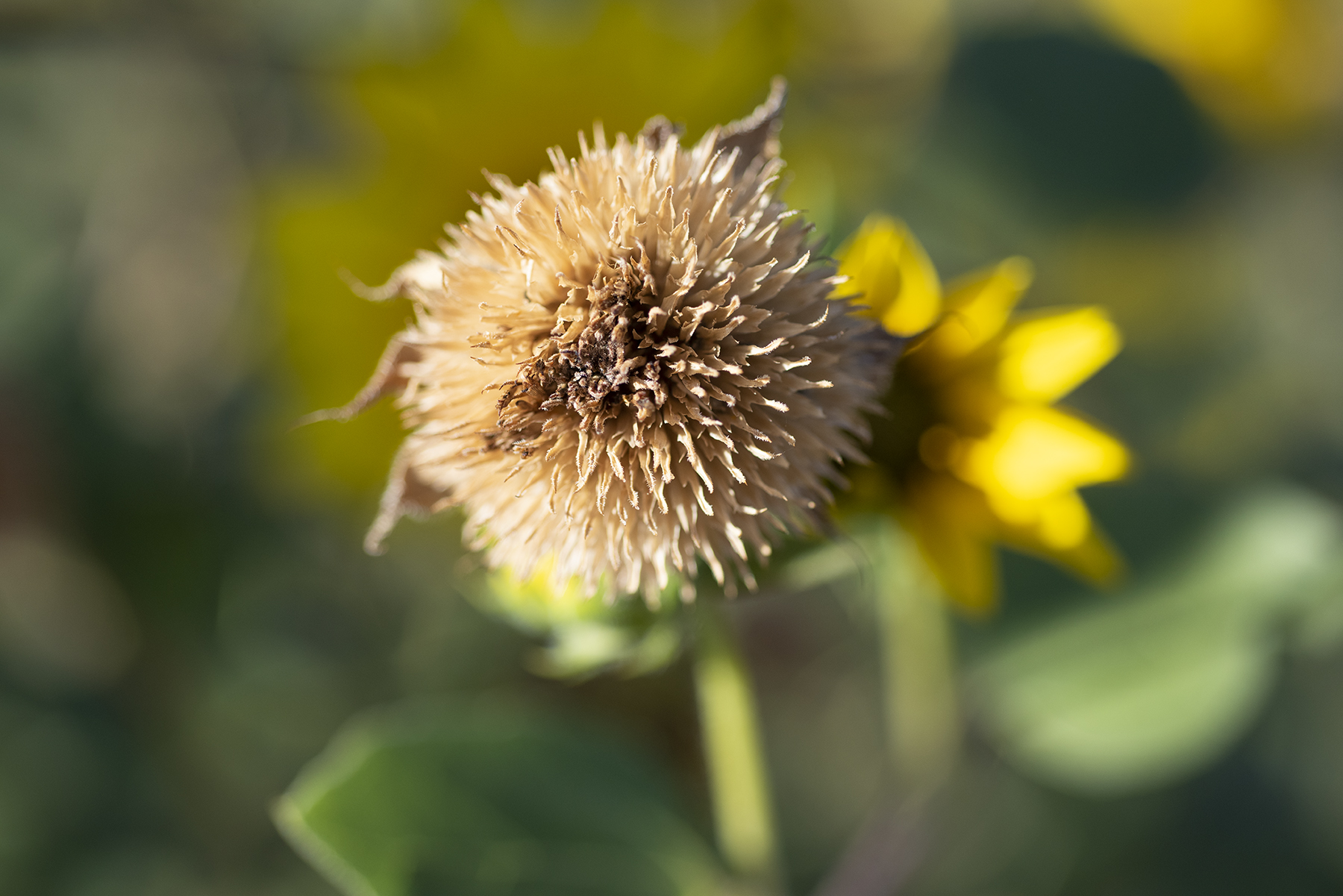
Collect your sunflower seeds before the birds and squirrels do!

We use the idiom “go to seed” to refer to someone or something that’s let itself go. It’s become messy or unattractive or disheveled or unkempt; it no longer appears tidy and neat. It’s obviously a phrase of agricultural origin, and this is the time of year when it takes on significance in the garden, as most annuals are coming to the end of their natural lives. In their quest to reproduce, the plants have gone to seed: typically they flower first, then the flowers produce seeds, which are spread by wind, insects, animals or human intervention.

Lettuce Seeds 01 sml

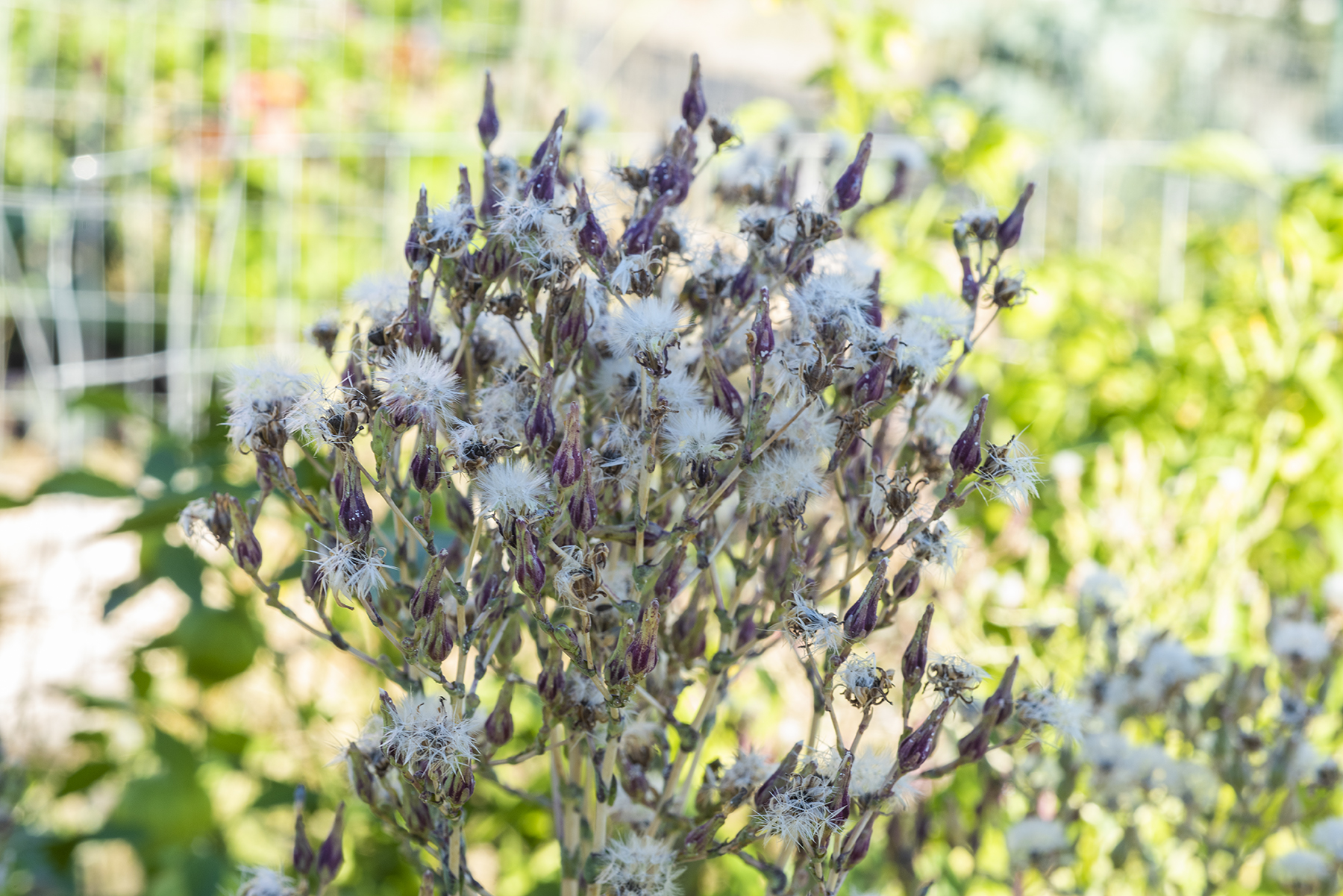
Lettuces are one of the easiest plant families from which to save seeds.

It’s unfortunate, truly, that so many gardeners are offended by the appearance of plants gone to seed, and especially in perfectly manicured suburban settings are likely to rip plants out at the first sign of flowering. Letting plants proceed through their natural life cycle teaches you a lot about botany and helps you become a better grower. Plus, if you’re careful and diligent, you can start building your own unique seed bank, which will both save you money and improve plant diversity.

Continue reading

Farm update: August 31

How are you doing out there, friends? Here at Quiet Farm we’re immensely grateful for clearer skies and cooler temperatures. We’re about seventy miles from the largest wildfire in Colorado’s history, and there were days over the past couple of weeks where it felt as though we lived inside of a barbecue grill. Although the air still smells of smoke, and we don’t have our crystalline blue skies back, conditions have definitely improved. We send our heartfelt thanks to all of the fire fighters, police officers, and other emergency services personnel who put their lives on the line every single day. Thank you.

Peaches 01 sml

To be eaten out of hand over the sink.

We went peach picking this past week; these are likely the last of this year’s harvest and ninety pounds are now nestled in boxes in our garage fridge awaiting processing. Colorado is most famous for its Palisade peaches, north of us in Mesa County; unfortunately – as though 2020 weren’t awful enough! – Palisade lost about eighty percent of its peach crop this year to that killing frost we had back in April. Our peach trees here in Delta County didn’t suffer nearly as badly (we did lose all of our cherries), so we’ll have local canned peaches in January that taste like liquid sunshine. (Fun fact: if you’re buying Palisade peaches on the Front Range, you should ask what orchard the fruit actually came from. Most of the peaches sold as “Palisade” this year didn’t come from Colorado, but from California. Also, in a season like this one, many of our Delta County peaches get rebranded as Palisade. Brand names sell, plain and simple.)
Fox 01 sml

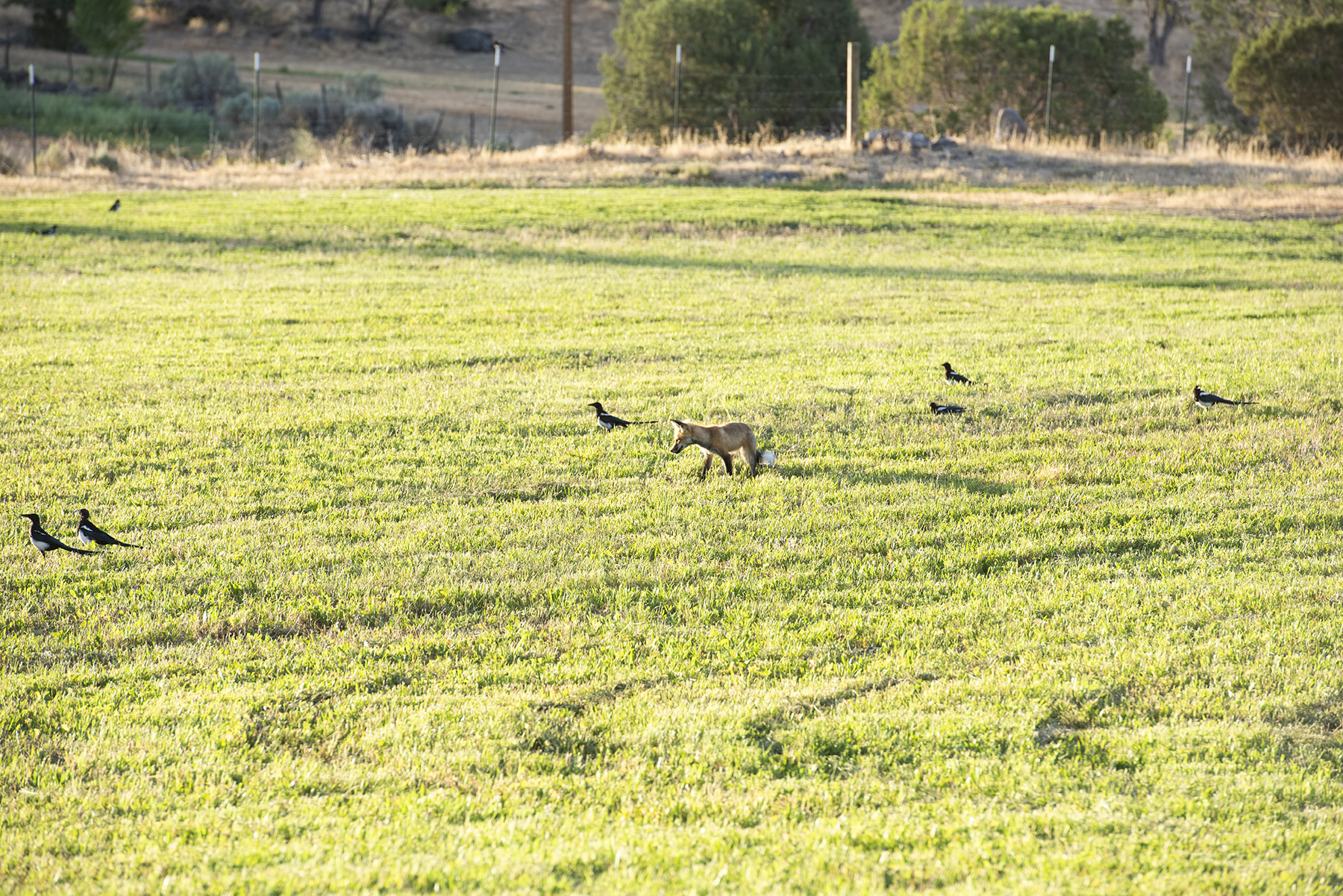
Hunting with an audience.

N captured this early morning shot of our resident young fox hunting voles in our pasture. The magpies, never shy about their desire for a free meal, wait patiently in the hope that they too might share in the spoils. It’s tough to balance our ecosystem’s need for apex predators – we definitely want the fox to help control our rodent population, but we’d also like it to stay far away from our chickens. This debate is currently playing out on a much larger scale, as the Colorado ballot this November will ask whether voters want to reintroduce gray wolves, eradicated around 1940, in our part of the state. (Also please observe how beautiful that pasture looks. All credit to N for his mowing and irrigation work this season!)
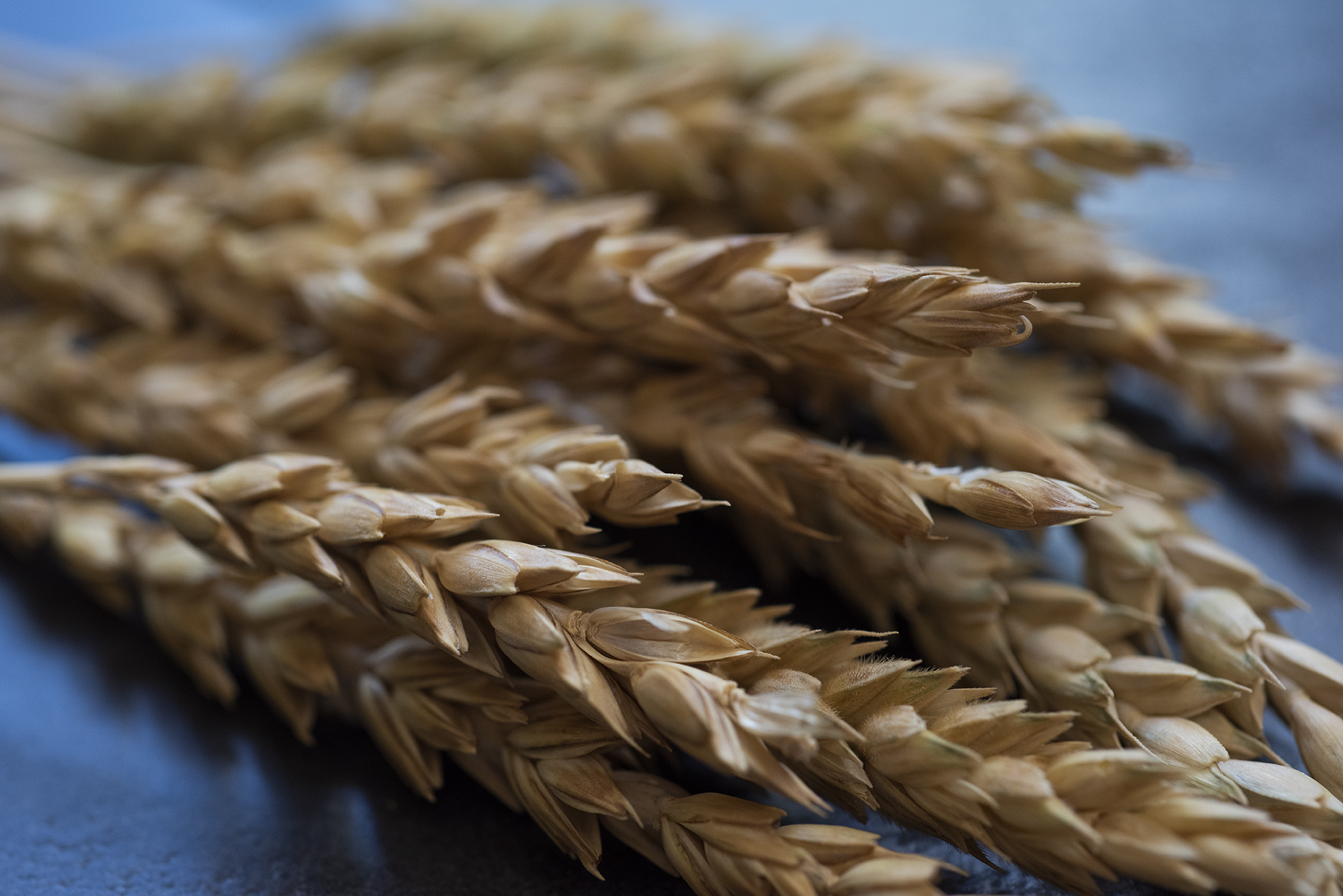
Wheat 01 sml

‘Marquis’ spring wheat.

We grew wheat! We opted to participate in small-scale wheat trials this year, and while much of our trial crop was demolished by deer, rabbits and squirrels, and plenty more taken out by strong winds, we did harvest a few stalks. The wheat still needs to be separated from the chaff and field notes beg to be written, plus seed must be returned to the seed bank organizing the project. If we actually grew enough to bake a single loaf of bread, I’ll be amazed – but it’s really exciting to grow grains. In decades past, most regions in the U.S. had their own uniquely adapted grain varieties, and of course this also supported the mills and bakeries required to process those grains. Those disappeared in the centralization of agriculture, but local heritage grains are staging a resurgence across the country. We want to be part of that trend, even on a minuscule scale.
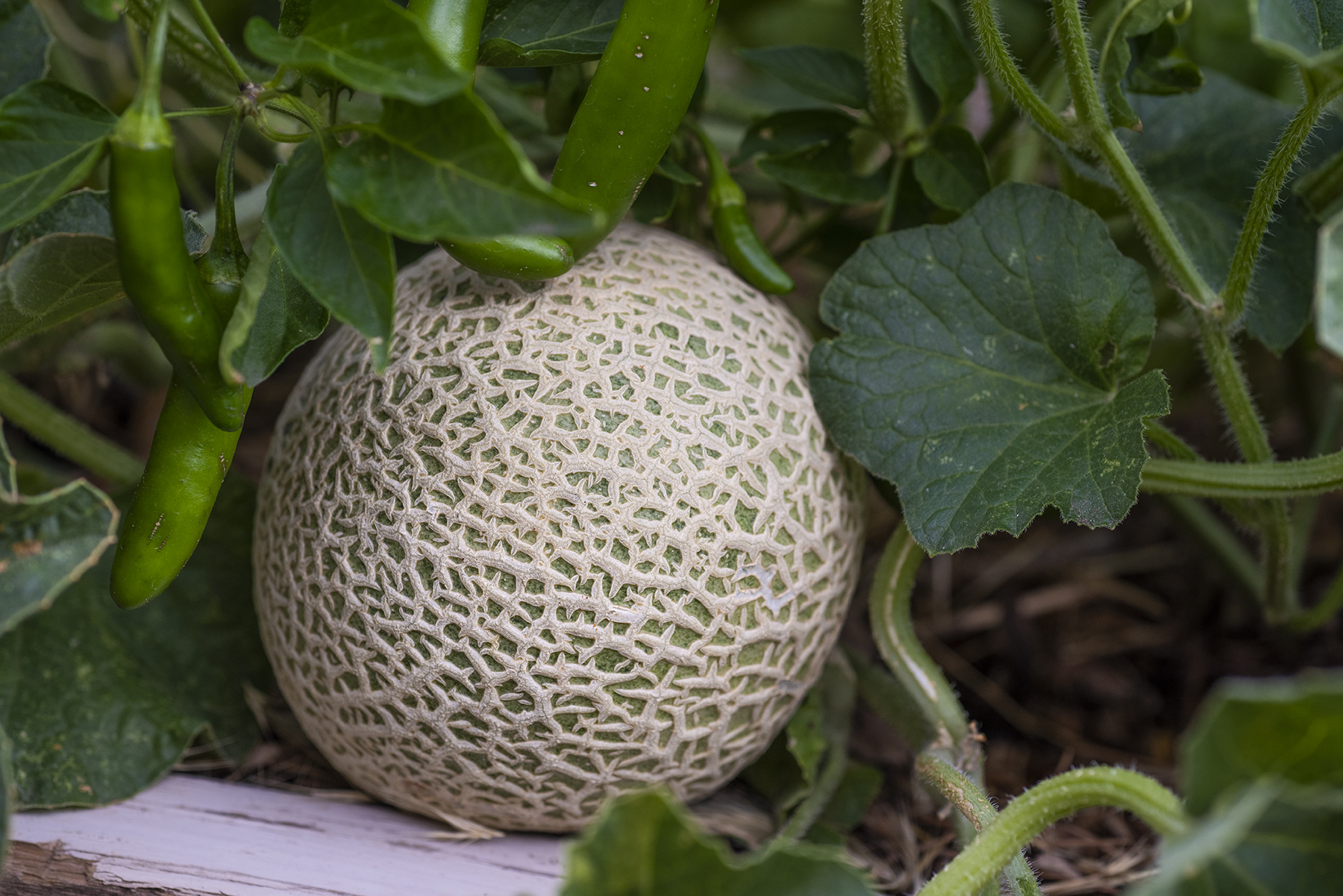
Cantaloupe 01 sml

Not bad for an unintentional crop.

We also grew melons! This is amusing because we didn’t plant any melons. We do, however, have a thriving compost pile, and members of the vast curcubit family (squash, cucumbers and melons) are notorious both for cross-pollinating and for volunteering in unexpected places. This miniature cantaloupe (each is about the size of a softball) appeared in the hot pepper bed, where the serranos and cayennes are flourishing. We have five or six mature fruits now, and are excited to harvest one to see what we grew. If it’s delicious, we’ll save the seeds in the hopes we can grow it again, and we’ll have a melon bred just for Quiet Farm!

Tomato Plate 01 sml

Definitely qualifies as a meal.

And finally, our tomatoes are coming on strong. The intense heat wave we’ve just endured definitely hastened the tomato ripening schedule, though we’ve obviously needed to irrigate much more frequently. This time of year we’re likely to have a tomato salad at every meal, if only because the season is so fleeting. No recipe needed: sun-warmed tomatoes, halved or quartered, good olive oil, thinly-sliced red onion, a few grinds of black pepper, basil and a generous sprinkling of crunchy salt. Fresh mozzarella, ricotta or cotija would obviously not go amiss here. Honestly, it’s summer in a bowl and we’ll make the most of it while it lasts.

With that, we’re off to tackle a busy week that will hopefully include a hay delivery, a pre-winter fireplace inspection and more than a few canning projects. Wishing you all safety and health.
How to start composting

Americans produce about five times as much trash per capita as does the rest of the world: a truly shameful statistic. Even while the news shows images of food bank lines stretching for miles, we still manage to waste far more food (about 40% of everything we buy) than the average human. Most of this food waste ends up in landfills, which are rapidly reaching capacity; by some estimates, over half the waste in municipal landfills could be composted and used to build soil fertility. It’s also frustrating to see thousands of plastic trash bags filled with grass clippings and raked leaves headed to the landfill where they won’t decompose effectively when rebuilding the soil is one of the very best weapons we have against climate change.

QF Compost 01 sml

Our original compost pile.

If you’re looking to reduce your own waste stream, starting a compost pile is one of the best and easiest solutions. And if you’re cooking at home more these days, as most of us are, you might find yourself producing a lot of food scraps that could be put to much better use than the landfill. Composting has long been presented as too challenging / too time-consuming / too complicated / too messy / too smelly / impossible on a small scale. If managed correctly it is none of these, and is one of the very best ways to make your own plants better, even if you’re simply growing fresh herbs on a sunny windowsill.

Continue reading

Fantastic beasts

As we’ve mentioned previously, we want rich, abundant, diverse life here at Quiet Farm. We can best accomplish this by planting a wide variety of different plants (rather than a monoculture), by avoiding chemicals, sprays and poisons and by learning to live with socially-unacceptable “weeds.” Here are a few beautiful creatures that have been spotted on our farm recently!

Butterfly 01 sml

Two-tailed swallowtail butterfly (Papilio multicaudata).

Butterflies (and moths, to a lesser extent) are hugely important pollinators and are indicative of healthy ecosystems, so we’re always happy to see them flitting about the farm. The presence of butterflies typically indicates a healthy environment for other unseen invertebrates, too. This two-tailed swallowtail, which expired in our garlic bed, is particularly gorgeous.

Continue reading

Farm update: June 8

“Good morning. Concentration is hard to come by these days, amid the nation’s strife. We are living through a tough and chaotic and wrenching time, filled with fury and an abiding sadness. We’re unsettled. We’re tense. We’re divided. The emotions arrange themselves in combinations that make it hard to work, to read, to watch, to listen, much less to think.

Cooking can help. The act of preparing food is a deliberate and caring one, even if you’re just making yourself a bowl of oatmeal at the end of a long night of worry. The way you sprinkle raisins over the top is an intentional act of kindness to yourself. So what I’m doing now, amid my restless skimming of nonfiction and news, thrillers and literature, poems that don’t bring solace: I read recipes, think about who in my family they might please, and I cook.”

-Sam Sifton, The New York Times

Brownies 01 sml

So much effort, yet so worth it.

While I was flipping through the April issue of Bon Appétit, N saw this recipe and asked me to make these “camouflage brownies.” And so I did. They required approximately seventeen different bowls, forty-two utensils, nine measuring devices and three separate batter components. (When a professional chef tells you a recipe is complicated and elaborate, believe her.) But the end result? Amazing. We don’t eat a lot of sweets, so we devoured this pan a little quicker than good sense would indicate, and it was entirely worth it. And I had to buy the cream cheese in a two-pack, so we’ll probably see these again in our kitchen very soon.

Continue reading

This week in flowers: June 1

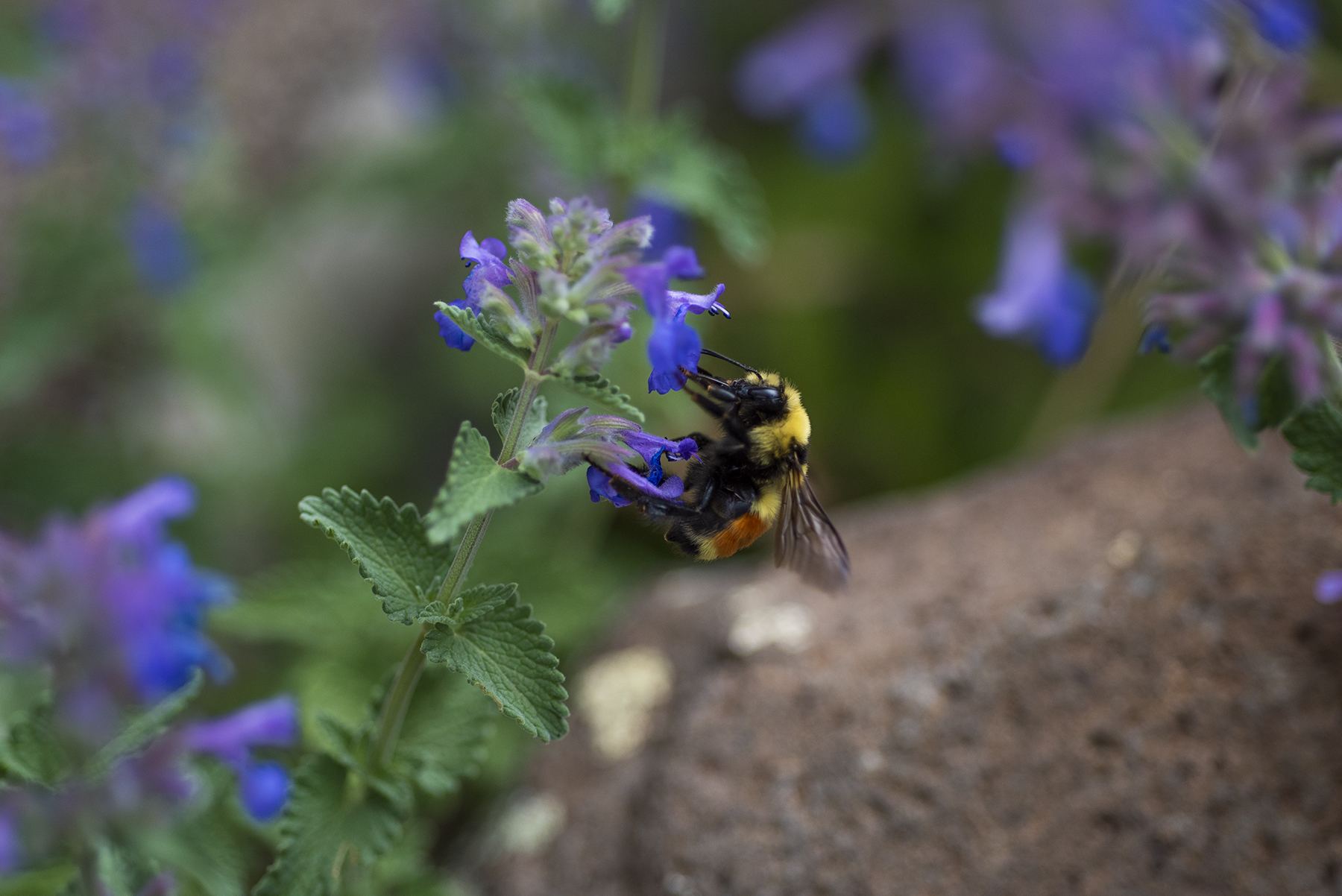
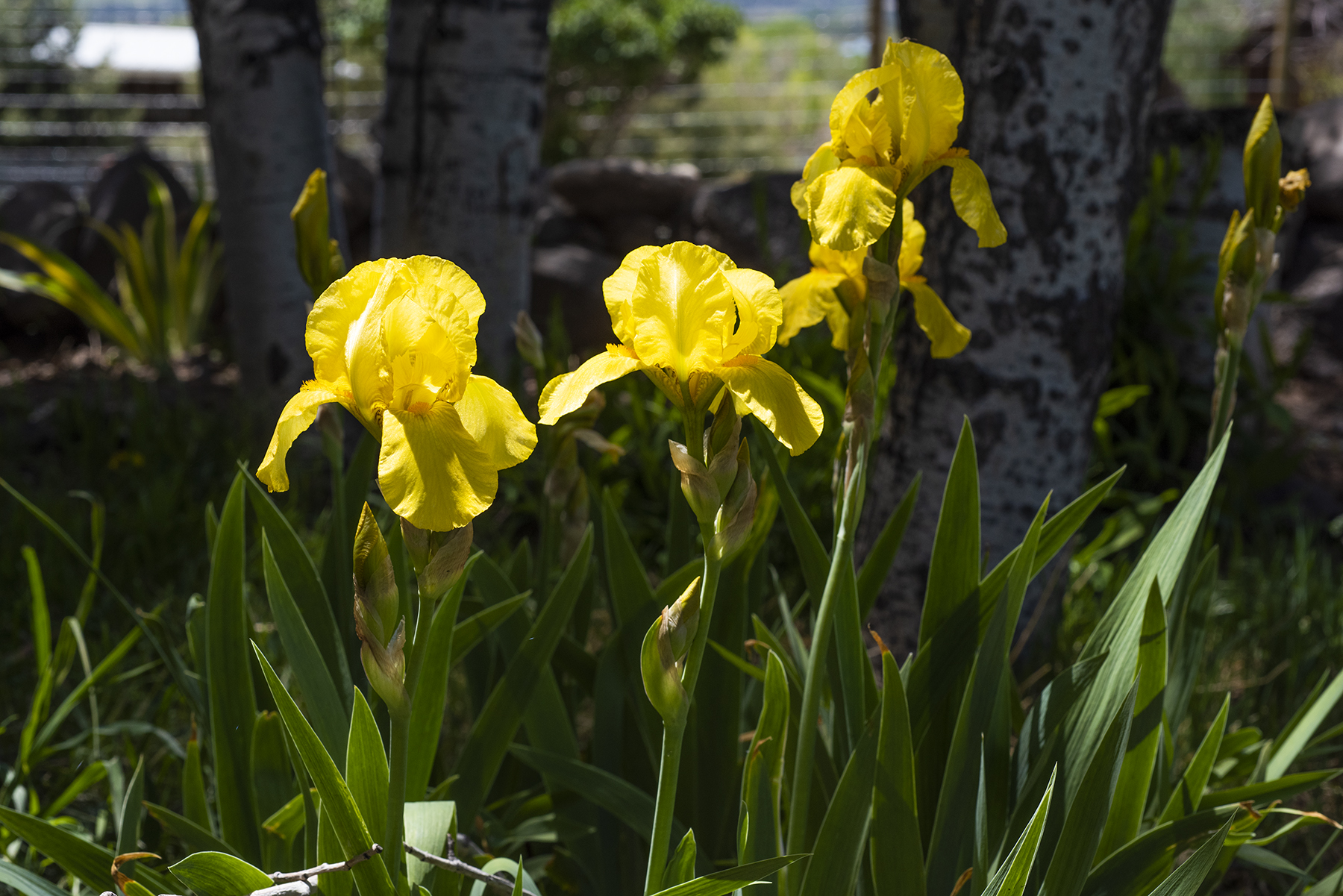
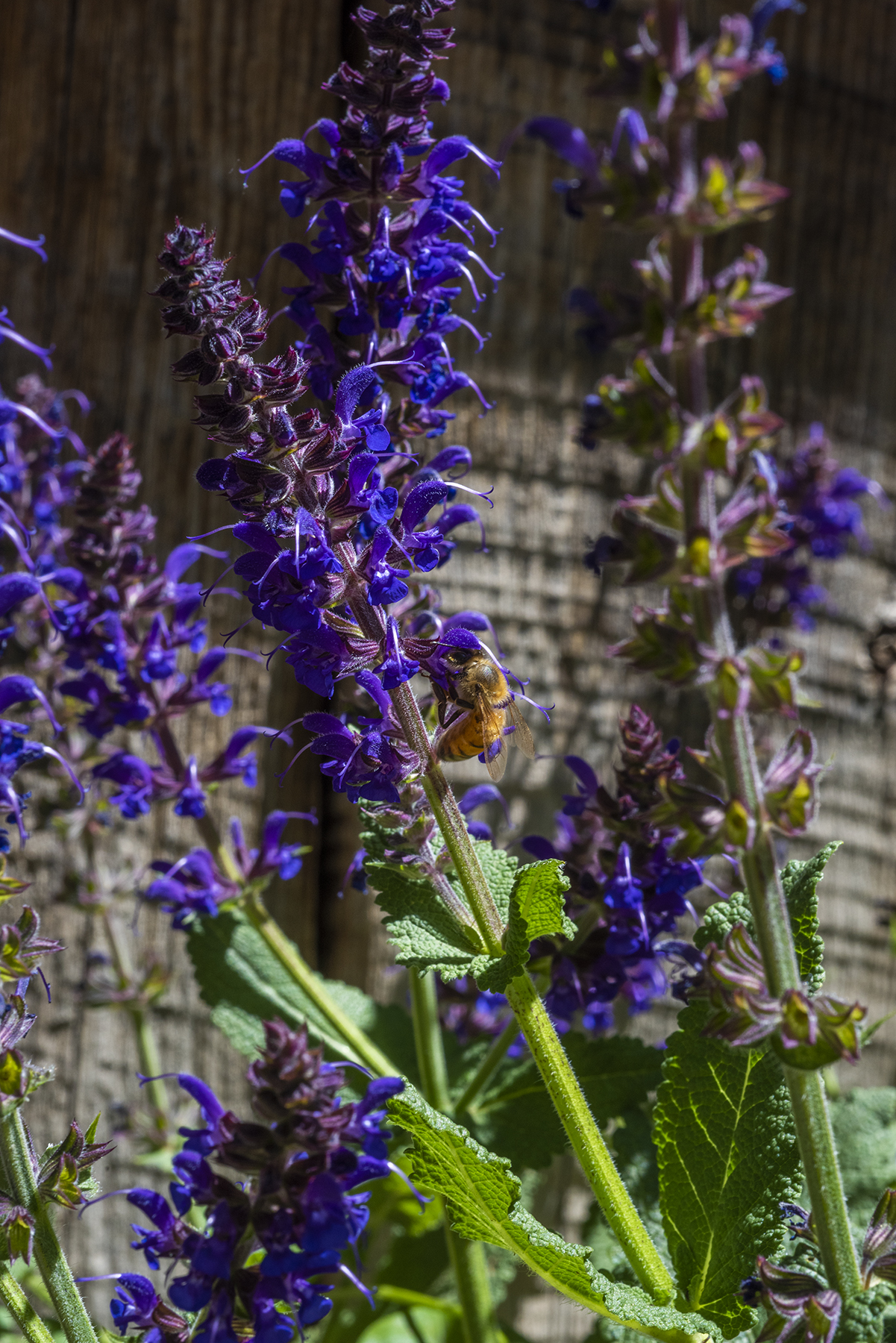
We’re working hard at creating space for a diverse array of organisms at Quiet Farm. We want plants blooming and flowering and setting seed, plants in every stage of life, throughout the season. We want our plants and trees to provide food and pollen and a home for all manner of things. We want to be a welcoming haven for songbirds and bees and insects and hummingbirds and toads and raptors and every other winged and crawling creature. We want not monoculture but polyculture, a place that mimics a natural ecosystem as closely as possible. We want life, and lots of it, everywhere we look and listen.

Flowers 03 sml

Bumble Bee 01 sml

Iris 02 sml

Flowers 04 sml

Iris 04 sml

Flowers 05 sml

If we spent all our time spraying poisons and pulling “weeds,” or removing plants that didn’t fit a perfect garden aesthetic, we’d have none of this. No birdsong, no beneficial insects, no pollinators. Instead, we have a farm that bursts with color and vibrancy and life.

The world is furious and raging right now. In response: plant something colorful. Grow something delicious. Create something beautiful. Cook something nourishing. Wishing you and yours a calm, peaceful and healthy week.

Where the water goes

There has long existed a tired stereotype of a farmer as some sort of rural idiot, a barely-literate country bumpkin who can only just string two sentences together. If there is anything we’ve learned during our nearly two-year (!) farming adventure, it’s that a successful small farmer is anything but stupid. You have to be a veterinarian and a seedsman and an ATV mechanic and a soil scientist and an entomologist. You have to dig holes, repair fences, build structures, patch hoses and outwit pests. You have to be strong, creative, resourceful, thrifty and tireless. And you have to know how to manage the water on your property, no matter how it gets there.

Drip Irrigation 02 sml

The components of one of our drip irrigation kits.

One of our goals for this, our second full season of farming, is to get our irrigation dialed in. We don’t farm in a traditional American sense, i.e. hundreds of acres of the same crop (usually corn or soybeans) laid out in precise rows and neat blocks. Irrigating that sort of monocrop is relatively easy, because every plant is identical and therefore its water needs are identical, too. Once that irrigation system is established, it’s basically set-it-and-forget-it. Instead, we farm in a sort-of patchwork style all across our property: perennial herbs in this corner, a bed or two or nine here, trees over there. As a result, our irrigation is similarly patchwork, because there is no one-size-fits-all solution.

Continue reading

Farm update: May 11

It’s hot, dry and windy out here, and feels more like late July than early May. We seem to have skipped straight from a parched winter into an equally arid summer, missing the soft green lushness of spring entirely; the peas and radishes survived frost damage only to turn bitter and pithy from sun scald. Last year we had rain almost every single day in May, and this year it’s unlikely we’ll see any. Early reports indicate that the mountain snowpack is melting far too quickly, thanks to this premature summer, and our primary focus these days is on keeping all of our plants irrigated. Here are a few more things we’ve been up to recently.

Irrigation 02 sml

Our gated irrigation pipe at work. 

All of our irrigation water comes from snow on the Grand Mesa. When the snow thaws each spring, the snowmelt makes its way down the mountain through an intricate series of ditches, headgates, creeks and pipes. We’re focused this year on regenerating our pasture, so have started flood-irrigating our land to see what grows. Later this season we’ll remark our pasture (cut channels that direct the water) and hopefully seed it with perennial grasses, too. Eventually we’ll use the land for rotational grazing, likely a grass-fed steer or two. Flood irrigation requires a lot of work – the water has to be “moved” by opening and closing valves and gates along the pipes – but it’s the system we have, so we’re learning how to use it to the land’s advantage.

Continue reading