Farm update: May 24

Late spring is a busy time of year for small farms and homesteads. The task list seems endless: plant this, thin these, weed that, water those and by the way, the alpacas and chickens still need food, water and clean bedding. The best we can do is simply to make list after list, and tackle those lists one item at a time. One thing we do adjust as we move into our busiest period: our daily routine. If possible, we try to be outside in the morning and inside in the afternoon, because our blustery, changeable winds make working outside even more challenging after two o’clock. This is a lovely ideal, of course, and things don’t always proceed as planned – but all we can do is our very best.

Here are a few things we’ve been up to, if you’d like to see:

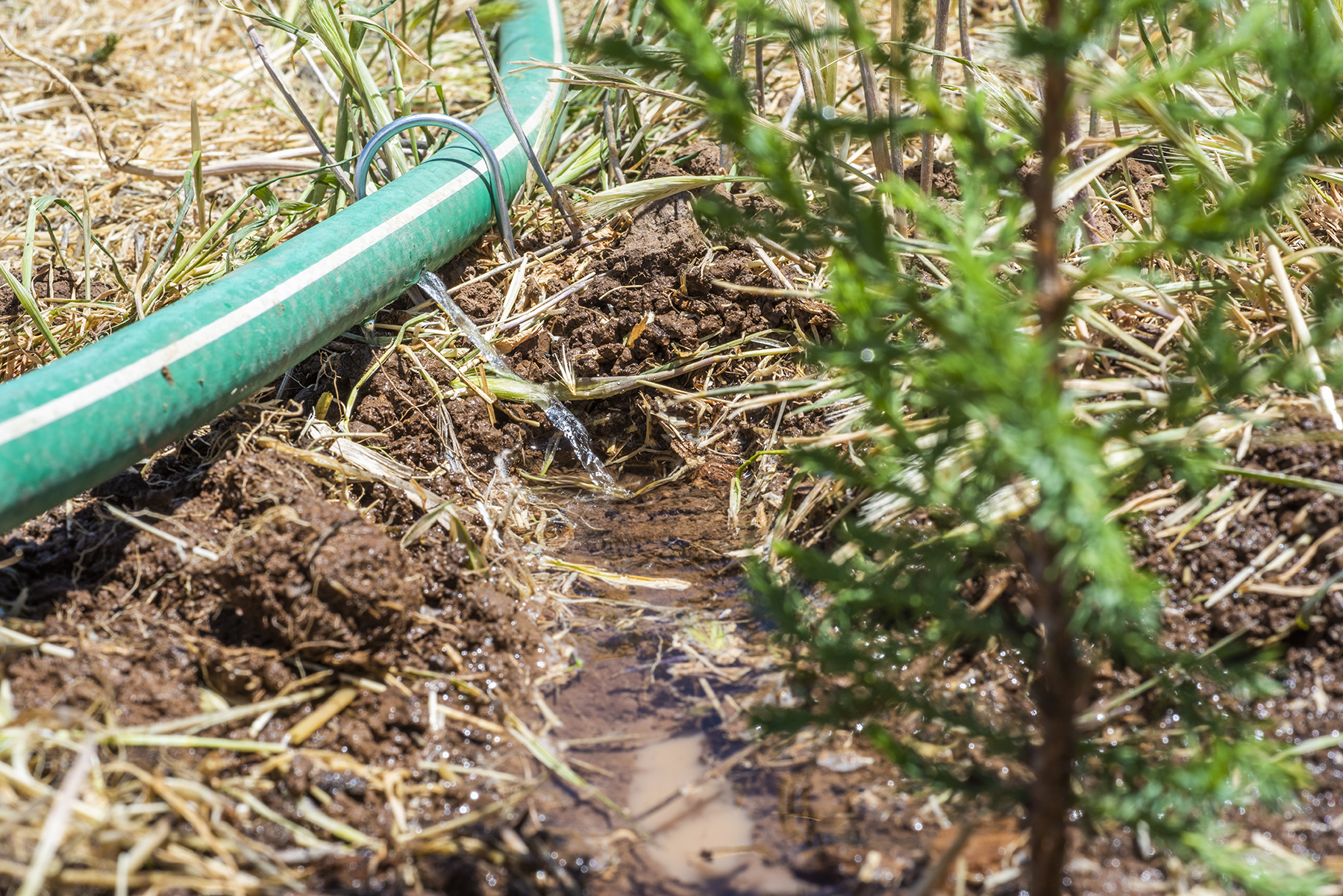
Careful pasture management is helping our land stay green despite the exceptional drought.

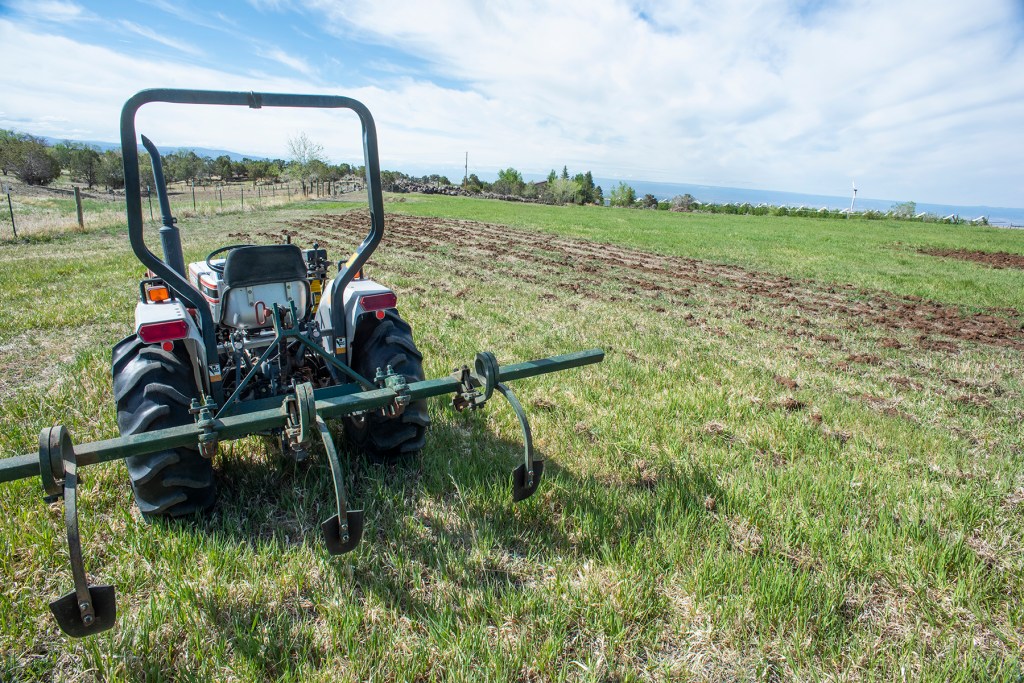
Our irrigation season is set to launch next week, though we still haven’t learned our water allotment for this year. In preparation for running water, we purchased a three-row marker to attach to our little tractor. Because we use gated pipe to irrigate our pasture, it’s important to “mark” the fields with channels that direct the water to the correct places. Marking is usually done on a three-year rotation, but our pastures were essentially abandoned for close to seven years, so it’s going to take some time to get the irrigation pinpointed. In addition to marking the fields, we also reconnected all of our gated pipe and replaced damaged gaskets and gates. Most people don’t break down their pipes every year, but we’ve mentioned before that we have a severe rodent problem – and if they build a winter burrow in the pipes, they’ll eat the gates. It’s more work to disassemble and reassemble the pipes, but likely saves us money in the long run.

Continue reading

A word on weeds

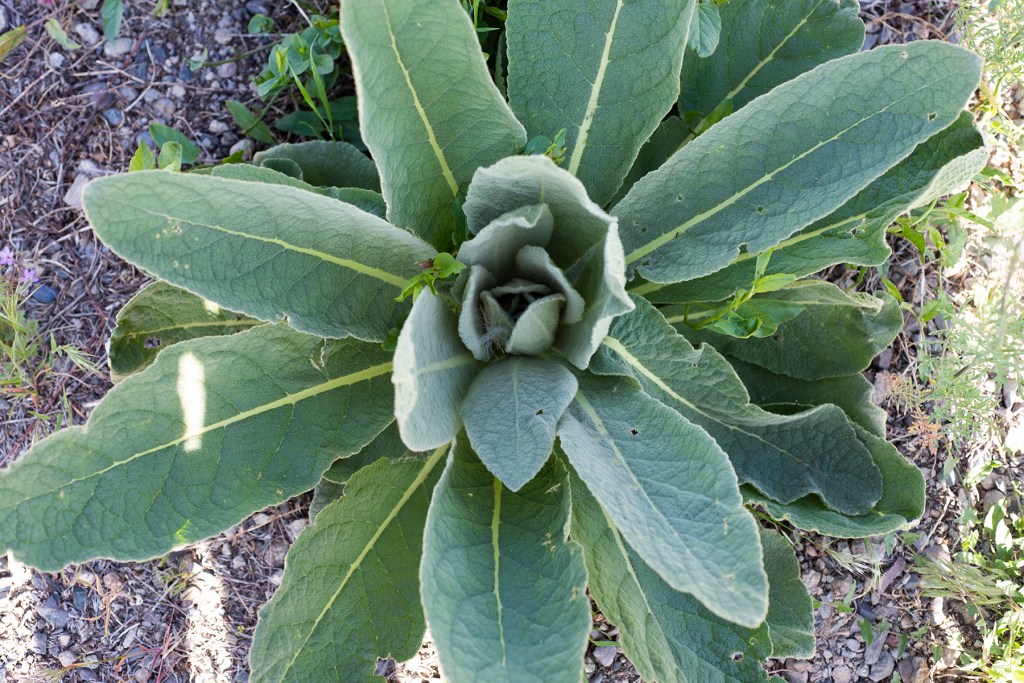
Soft and fuzzy common mullein (Verbascum thapsus).

A couple of years ago, a film titled The Biggest Little Farm was released in the U.S. It received quite a lot of publicity, especially unusual for a farm documentary, and was shown at film festivals and charity screenings across the country. The film opened shortly after we purchased Quiet Farm and was mentioned to us by scores of friends and acquaintances, so of course we had to watch it. The story follows John and Molly Chester as they attempt to regenerate an abandoned farm outside of Los Angeles.

Continue reading

Grit and grace

Hello there. We want to say that we’re still here on Quiet Farm, and that it’s been a rather challenging start to the growing season. One hundred percent of our county is currently in “exceptional drought” – the scale doesn’t go any higher! In official government parlance that translates to “dust storms and topsoil removal are widespread; agricultural and recreational economic losses are large.” We’d agree with that assessment – and it’s only May.

We have not yet received our official irrigation allotment for the season, but are expecting less than half of what we had last year. Wildfire season (now really year-round rather than just a season) has already started in California, New Mexico and Arizona, and promises to be grim here again, too. Dust storms and relentless wind are a regular feature of our days, and it’s impossible to keep the cool-weather crops properly irrigated. We have not had any moisture at all since January.

To compound our troubles, our hundreds of plant seedlings in the sunroom have been infected by an unknown disease or other ailment, and as a result are tiny, stunted and definitely not thriving. They should be going outside in about three weeks, but at this point it’s unlikely that we’ll have any at all, and it’s too late now to start more warm-weather crops. Perhaps the universe is sending a clear message that this isn’t our year.

That said, what else can we do but keep going? This blog isn’t meant to be a place for complaints and whining. We have a comfortable house, plenty to eat and we’re healthy and safe. Many, many people have it far worse than we do, and we’re well aware of that. We will do what we can with what we have, and perhaps the growing season will stage a recovery of sorts. And if it’s a total write-off, then we’ll try again next year.

Tip your hat to a farmer the next time you meet one – this growing food thing is no joke. Thanks as always for reading, and we hope you and yours are safe, healthy and well.

Gardening book club

The world feels far too heavy and sad, particularly here in Colorado, for some absurdly cheerful post about alpacas or chickens or whatever we’re doing on the farm. Instead, we’ll offer a brief round-up of some favorite gardening books, in the hopes that you might be inspired to search these out at your local library or favorite independent bookseller. As with cooking, there is always something new to learn about gardening and growing food, no matter how long you’ve been doing it. And as with cooking, where feeding hungry people nourishing, healthy food feels like an act of pure hope and a direct rebellion against the stupid, meaningless tragedy of the world, so does planting a seed or a sapling.

Continue reading

Farm update: March 22

We are sorely disappointed to report that we did not receive even one paltry inch of snow from the massive spring storm that walloped Denver and the Front Range last weekend. To add insult to injury, snow was in the forecast again today, to no avail – I promise you that it is clear and dry outside right now. We joke regularly about checking (In)AccuWeather on our phones, where it’s always “currently snowing in Delta County” – no. No, it isn’t. We have learned from our time here to only trust the weather that we can actually see and feel. All other promises and forecasts ring hollow.

So what we’re not doing on the farm right now is plowing or shoveling snow. But here are a few other things we’ve been up to lately, if you’d care to see.

Continue reading

Farm update: March 1

Hello there, and welcome to March. (March?!? Really? We are completely not prepared for all of our spring tasks yet.) Also, welcome to the nearly one-year anniversary of the pandemic lockdowns. A year of this madness. How is everyone doing out there? The “pandemic wall” is a real thing, make no mistake, and I think a lot of us have hit it. Hard.

The images in this post might convince you that we’re buried in snow over here at Quiet Farm; sadly, that is not at all true. We have gotten a bit of snow both here and up on the mesa, and of course we’re grateful for every last flake, but it’s still looking as though it’s going to be a painfully dry year. As always, the only thing within our control is how we use the water we do have, so we’ll be focusing our efforts on making sure that not a drop goes to waste.

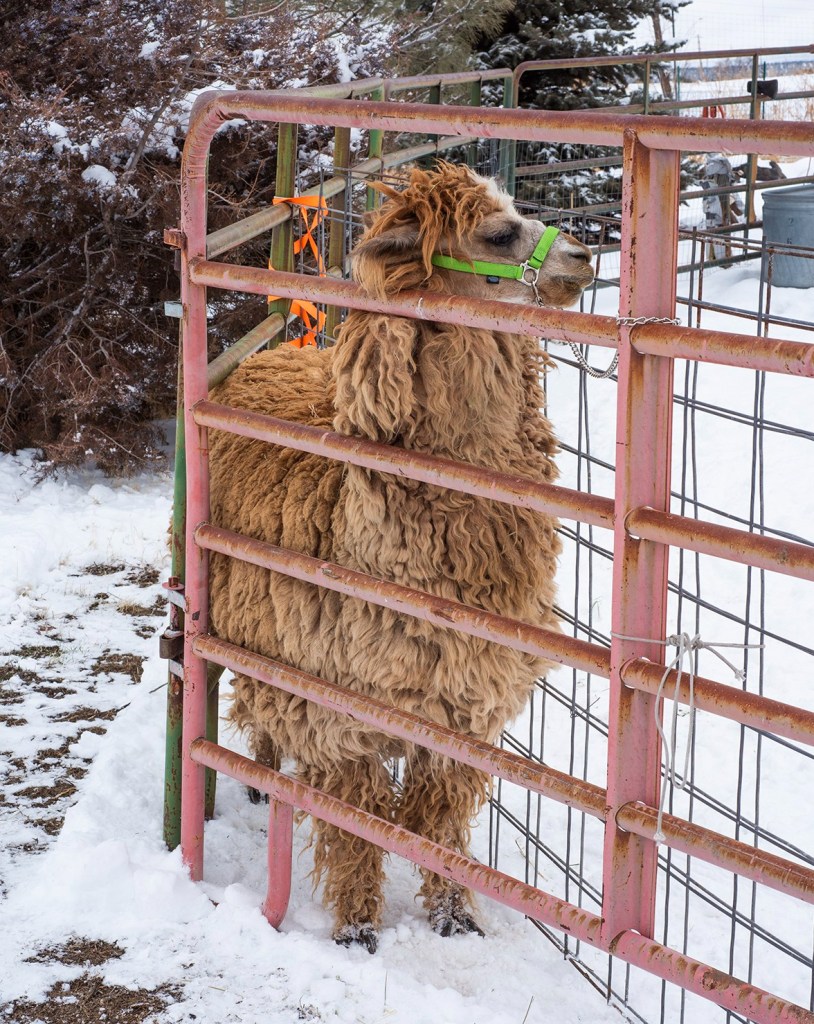
Paris secured in our makeshift crush before the vet’s arrival.

One great accomplishment that we’ve had recently is to successfully geld one of our male alpacas, Paris. His behavior had become increasingly aggressive and since we are not running a breeding program, there is no reason to keep an intact male on the farm. We were able to safely secure him in a “crush,” and our terrific local vet took care of the rest. It takes about sixty days for all the testosterone to leave his system, but his aggressive behavior has definitely lessened since the fateful day. We’re also pleased to announce that we’re on the mobile shearing schedule for the spring, so the alpacas will be getting a tidy cut in late May or early June, which will make them much more comfortable this summer. We are working on halter-training all the animals so that we can handle them in a safe and calm manner – this is much easier said than done, and frequently both humans and alpacas stomp off in frustration and tears. (Okay, maybe not the alpacas. Definitely the humans.)

Our game fence is good for more than just keeping out deer!

I’m also proud to announce that I’ve finished a patchwork quilt I started late last year. I won’t lie: I made approximately ten million mistakes on this quilt and learned so much about what not to do in quilting. I also unknowingly caused a lot of my own problems by designing a somewhat complicated pattern that required an excessive amount of piecework and stop/start stitching. (It’s only my fourth full-size quilt, however, so perhaps I should cut myself a bit of slack. I am very much a novice.) I read an article recently about different crafting hobbies people had taken up during the pandemic; one woman tackled a complicated shawl using fairly advanced knitting techniques. She wrote, “I almost quit a lot of times. But I kept at it, and I was both miserable and joyful at times – it was a good emotional process for me. The challenge was a great distraction from the chaos and stress of the unknown.” That accurately sums up my feelings about making this quilt – and I’m already excited about starting my next one.

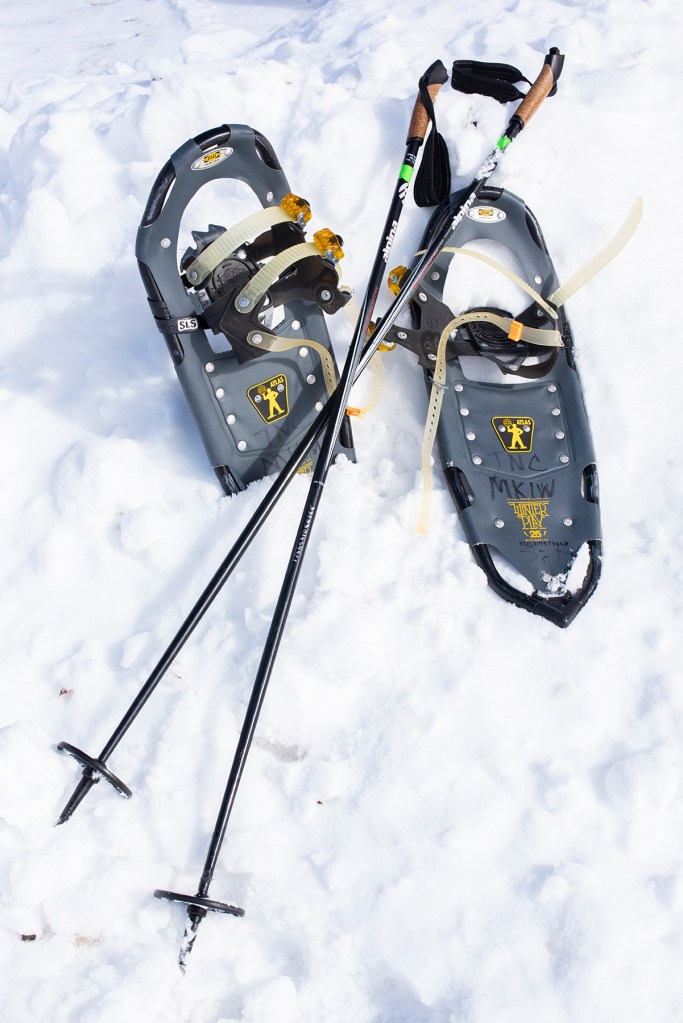
Snowshoeing is a surprisingly challenging workout!

We’ve mentioned on more than one occasion how much we adore our local library system; to make us love them even more, they’ve started loaning snowshoeing equipment! We’re about twenty minutes’ away from some of the best snowshoe/cross-country trails in the West, and borrowing equipment and just running up the mountain for a couple of hours has been a terrific break. (Even better: many of the trails ban loud, obnoxious snowmobiles.) We’re hopeful that we’ll be able to go a few more times before the demands of spring on the farm limit our time away.

This is an ideal afternoon snack with a strong cup of PG Tips.

There’s been more comfort baking than usual ’round these parts lately. One favorite is a long-ago classic that I’ve resurrected because for once I have a massive bag of spelt flour and plenty of fresh rosemary on hand: this rosemary-chocolate olive oil cake, originally from Kim Boyce’s Good to the Grain. This may not be to everyone’s liking – rosemary isn’t frequently used in desserts – but I love it and don’t find the piney herb flavor overwhelming at all. The cake is tender, delicate and not too sweet, and is a perfect afternoon pick-me-up. I highly recommend a good-quality 70% dark chocolate bar here, cut into rough chunks, plus a generous sprinkling of turbinado sugar on top for extra crunch and texture. (For high-altitude bakers: I reduced the baking powder to 1 tsp. but didn’t make any other changes.) As with most things I bake, more than half of this cake promptly went straight into the freezer as a gift to my future self.

Stay calm and stay sane out there, dear friends. The best thing we can do is just to keep going.

Interlude: How chocolate is made

Can’t speak for your household, friends, but we need a break from the winter doldrums over here. I’d claim that it’s all grey and gloomy outside – typical February weather – but the truth is, it’s bright and sunny and windy and disturbingly warm and snow-free for this time of year. Our “exceptional drought” is no longer exceptional, it’s just the way things are now. (Or to throw down an overused phrase from 2020: it’s the “new normal.”) Our town has pre-announced water restrictions, as have many cities on the Front Range. We’re hoping for some moisture later this week, but this late in the season it’s highly unlikely we’ll make up the deficit.

To that end, we’re going on a tropical vacation. Of course I mean this metaphorically, not literally! We haven’t traveled in well more than a year, and have no plans to do so anytime soon. A couple of years ago, however, we went on a chocolate trip to Belize where we learned about the process of making chocolate from bean to bar. And so, let’s imagine that we are all calm, warm and relaxed in the tropics and that everything is right with the world.

Cacao trees are a tropical plant, typically reaching fifteen to twenty-five feet in height.

All chocolate comes from cacao trees (Theobroma cacao) which only grow in a limited geographical range: about twenty degrees north and south of the equator. This tropical belt is also where you’ll find coffee and lots of delicious fruits, like pineapple, guava, papaya and many more (coffee and chocolate are both botanically fruit). Most of the world’s chocolate comes from Africa, but a small amount is produced in Latin America.

Cacao pods are about eight inches in length, though the size depends on variety and climate.

Cacao pods are ripe when they turn a bright yellow-orange color. Not all the pods ripen at the same time, so the trees are usually harvested continuously throughout the year.

The pulp encasing the beans is often used to make a fermented drink.

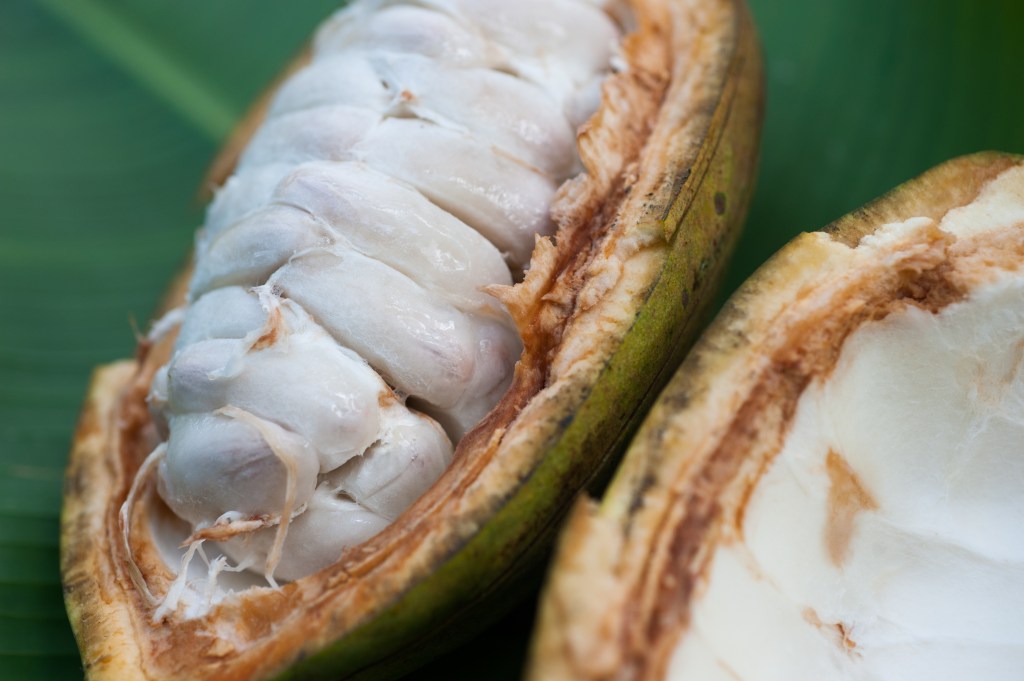
Once harvested, the seedpods are opened and the cacao beans removed. The beans are surrounded by a white pulp called baba, which tastes fresh and fruity.

The smell of the fermenting cacao beans is intense and amazing.

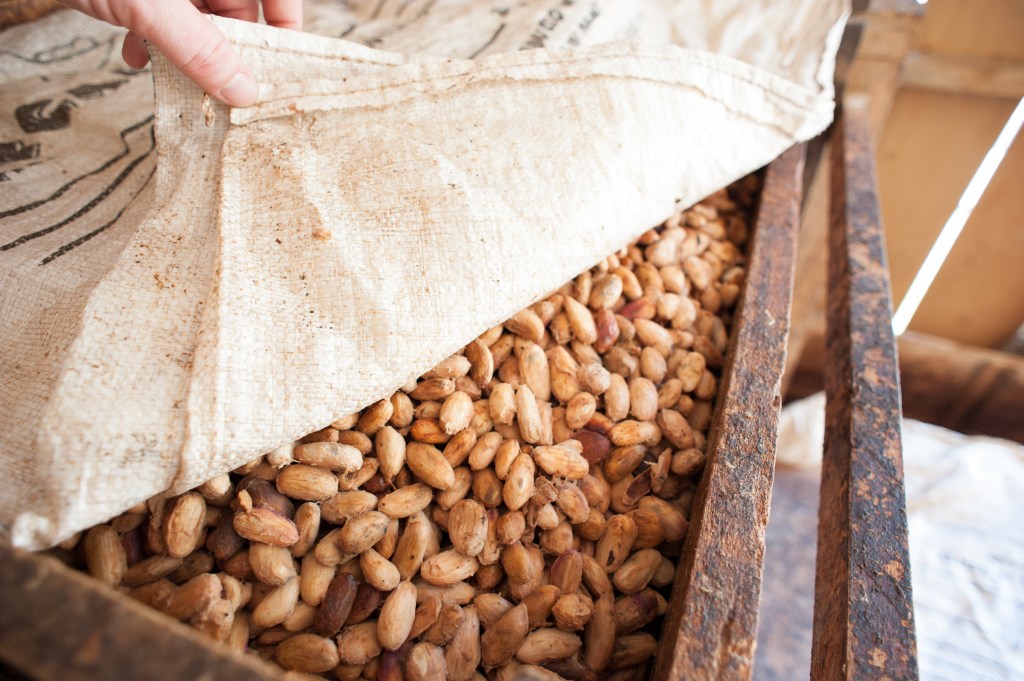
The beans are cleaned of most of the baba and left to ferment for about a week. (Exposure to light turns the pale, creamy beans a darker violet color.) In Latin America, the fermentation is most often done through a simple yet elegant series of cascading boxes; in Africa, beans are typically fermented in piles on the ground.

Checking for readiness.

Fermenting cacao beans are sliced open regularly to determine the degree of fermentation. It takes a great deal of skill and knowledge to know when the beans are perfect.

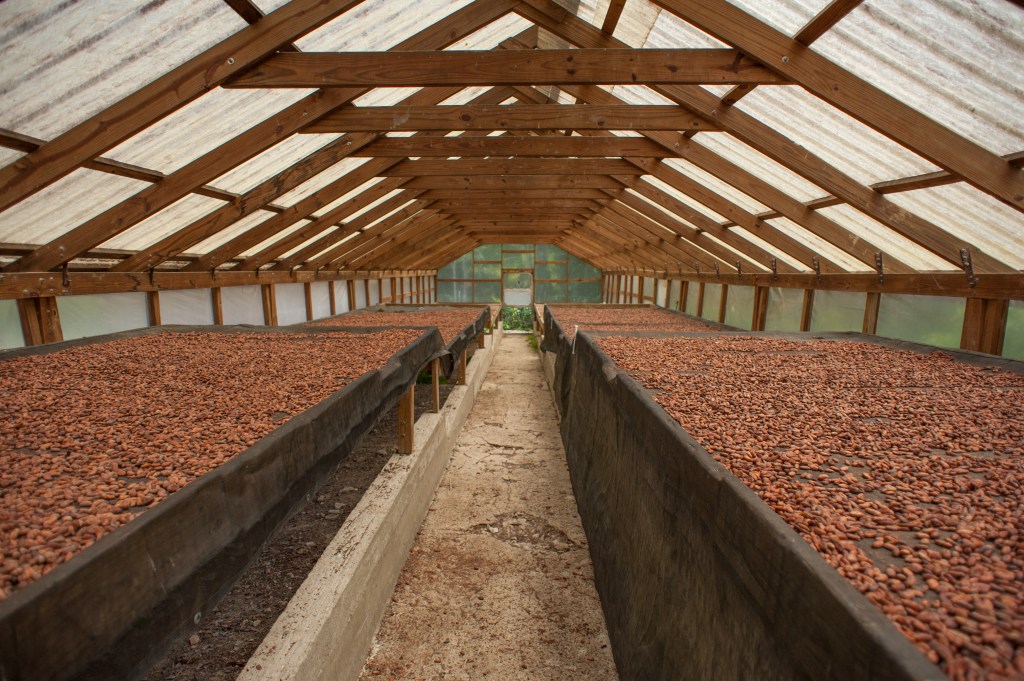
Drying beans need tropical heat but not tropical moisture.

After fermentation is complete, the cacao beans are dried. This is an important step; if the beans are shipped with excess moisture, they’ll spoil in transit. Enormous covered drying barns are used, and the beans are turned regularly to ensure even drying. The tropical weather can make this step challenging.

Ready for transport.

Once the beans are completely dried, they’re sorted, graded and shipped to wholesalers or chocolate manufacturers. Belize produces a very small amount of cacao relative to other countries, but the cacao is of a spectacularly high quality.

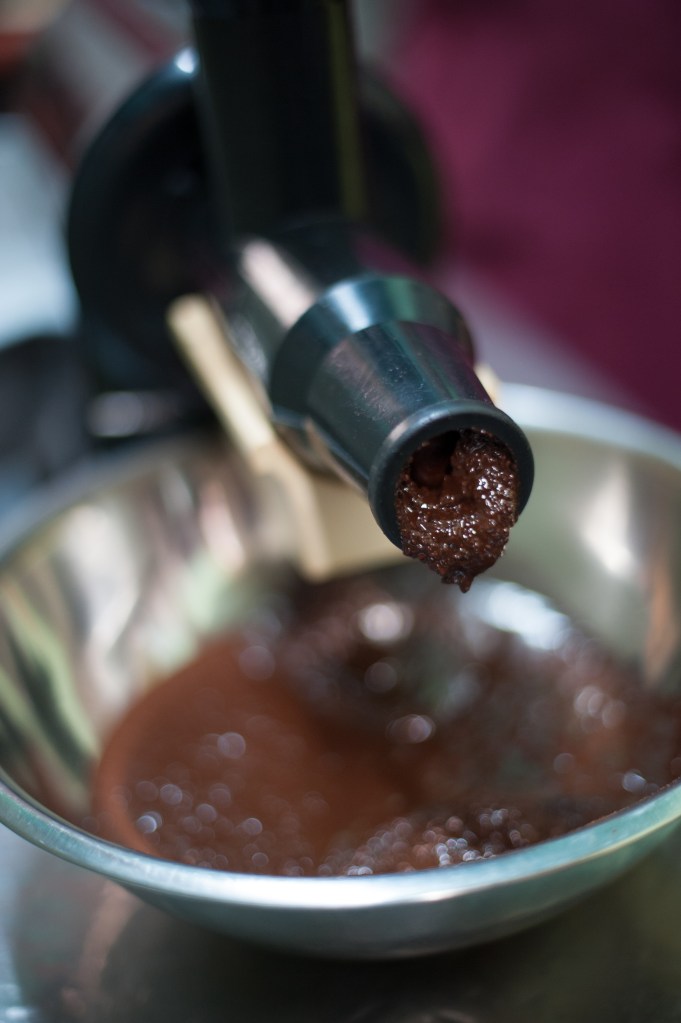
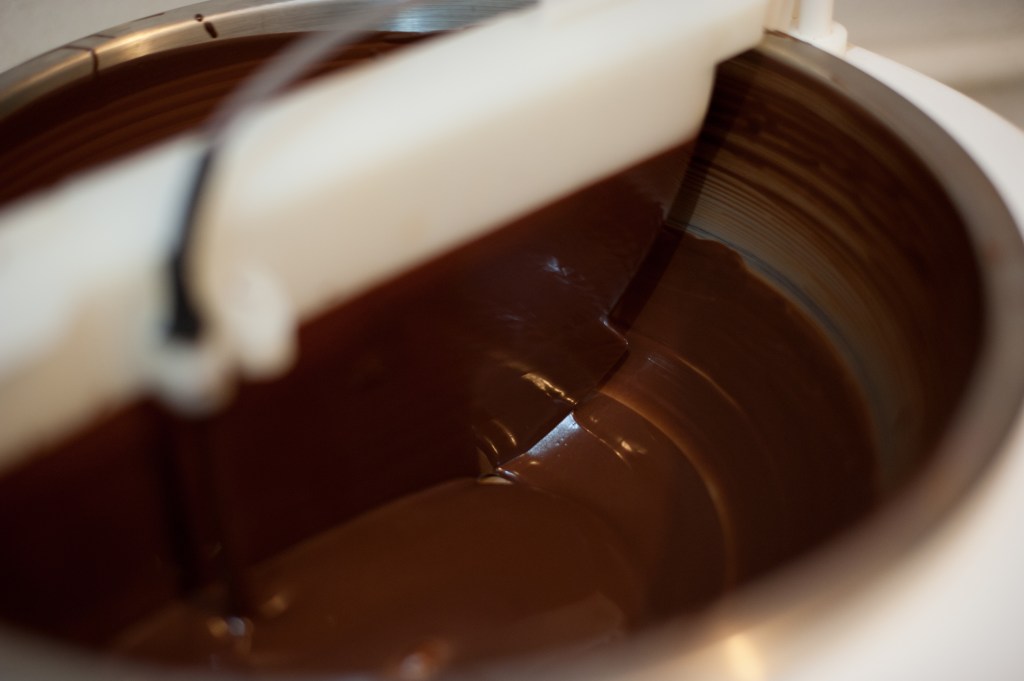
Grinding cacao nibs into chocolate paste.

When the cacao beans arrive at the manufacturer, they’re inspected and cleaned again. The whole beans are roasted at low temperatures to bring out flavor (much like coffee beans), then the shell is separated from the nib (the “meat” of the bean) by winnowing. (Cacao shells are frequently used as garden mulch.) Grinding pure cacao nibs yields “cocoa mass”; applying high pressure to this cocoa mass produces cocoa butter and cocoa powder.

Conching chocolate is a complicated process of aeration, blending and kneading.

The chocolate we eat is made from cocoa mass with other ingredients added in, including additional cocoa butter, emulsifiers (most commonly soy lecithin) and sweeteners. True dark chocolate doesn’t contain any milk solids, whereas milk chocolate obviously does. White chocolate is most often cocoa butter, sugar, palm oil and soy, with no cocoa mass, and as such isn’t technically chocolate. That percentage on the label of a chocolate bar tells you the chocolate-to-sugar ratio: a 70% bar, for example, contains 30% sugar. The higher the percentage, the less sugar and therefore the less sweet the chocolate. Unsweetened chocolate is 100% cocoa mass with no sugar whatsoever; terms like semisweet and bittersweet have no defined meaning.

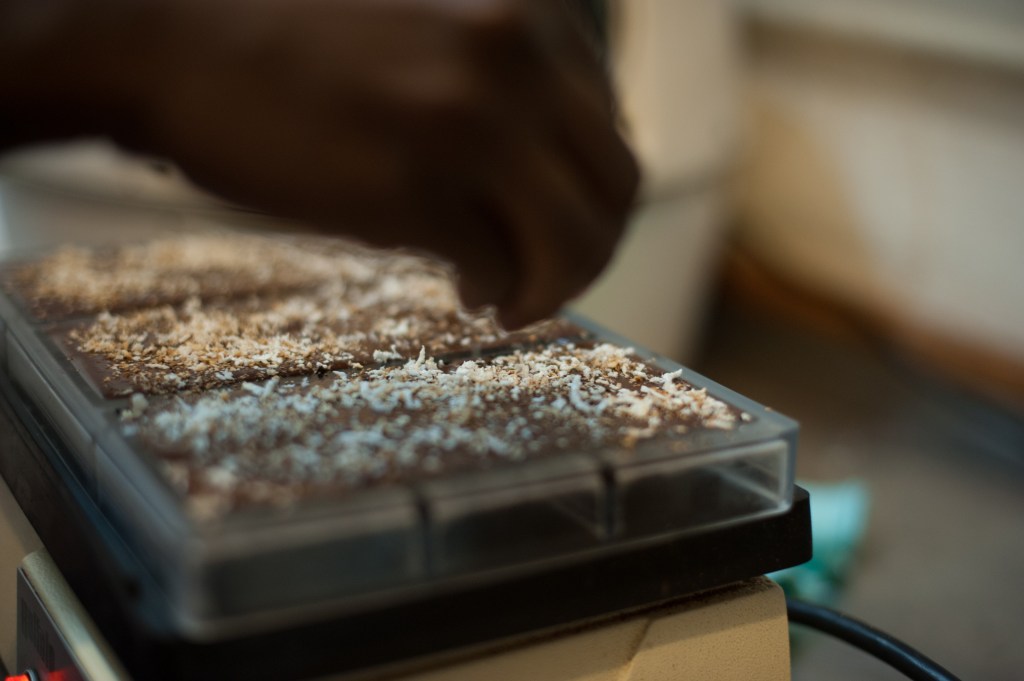
Finishing chocolate bars with toasted coconut.

After the chocolate is thoroughly conched, it’s tempered and molded. Tempering chocolate is a finicky process that involves carefully warming the mixture to the perfect temperature, then holding it there for a prescribed period. Tempering stabilizes the cocoa butter molecules, and gives premium chocolate its snap and sheen. (If you’ve ever opened a chocolate bar to find white spots on it, fear not – it’s simply the cocoa butter rising to the surface. It’s called bloom and is totally harmless.) The tempered chocolate is poured into molds and chilled to produce its final form, then packaged for sale.

As with all our food, chocolate production is a complicated and troubled subject. Most chocolate in the world is grown and manufactured under terrible conditions and is kind neither to the planet nor the workers involved. Spend a little more on your chocolate – look for single-origin and direct trade! – and avoid any with palm oil or soy lecithin, both of which are environmentally devastating. As a rule, chocolate from Latin America is a better choice than that from Africa. Quality chocolate costs more for good reason: read the labels and vote with your dollars.

Wishing everyone an imaginary tropical vacation this week, or at least some good chocolate.

Farm update: January 25

Hello there, and how are things in your world? We’re still in the slower season here at Quiet Farm, but we’re starting to think about spring planting and other farm tasks on our to-do list. The biggest issue on our minds right now is definitely water, or lack thereof – it’s been far too warm and dry this winter, with very little snow. We need about twenty feet of snowpack on the Grand Mesa in order to have decent irrigation run-off in spring and summer, and right now we have two feet – or ten percent of what we need. We are hoping for an exceptionally wet spring, but to be honest it’s looking as though our “extraordinary drought conditions” will persist, which likely means more wildfires, too. With that concern front and center, we’re always thinking of ways we can use the water we do have more efficiently.

We love our local library’s seed bank!

We are huge fans of the Delta County Library system, which does yeoman’s work on a painfully limited budget. In years past we’ve attended “seed-sorting parties” in late winter to help the library prepare its extensive seed bank for the spring growing season. Obviously we cannot gather in person at the moment, so the library managed a perfect pivot and created take-home kits for volunteers. Each kit contained donated seeds (we received bolita beans, marigolds and pink hollyhock) and we sorted and packaged the seeds into individual labeled envelopes. Local gardeners are encouraged to “check out” seeds in spring, grow out the crop, then collect and return seeds to the library in autumn to share with other gardeners. The seed library has been going strong in Delta County since 2013; this program not only encourages seed-saving, but also provides an incredible wealth of locally-adapted seeds and helps build our foodshed’s sovereignty. A task like this is well worth our time.

Continue reading

An ode to citrus

I mentioned this in last week’s post, but citrus plays a key role in our winter diet. We eat a lot of fresh fruit on the regular, mostly our gorgeous local peaches and cherries and apples, but in winter our counters are piled high with grapefruit and clementines and oranges of every variety. Is it local? Absolutely not, although with the warming trends we’re seeing here it may be soon. Is it necessary? Absolutely yes, because “I feel like I’m swallowing the sun, and it’s so dark outside.” There are a thousand good reasons to incorporate more citrus in your diet, but for the moment, let’s just focus on how it provides a thin slice of joy during an increasingly bleak season. (Also it’s far cheaper than buying totally unregulated “vitamin C capsules” in little plastic bottles.)

More sunshine, please.

Lots of people remember receiving oranges in Christmas stockings, back when food was truly seasonal and therefore quite precious and rare. Citrus fruit is of course available year-round nowadays, but it really is best in the northern hemisphere’s winter. American citrus production is concentrated in California and Florida; California grows most of the citrus used for fresh eating, whereas Florida’s production is focused on juice. Texas and Arizona both grow some commercial citrus too, but their numbers pale in comparison to the Left Coast and Right Coast groves, even though Florida is suffering from a variety of citrus diseases. Brazil, Spain and Mexico dominate the world citrus market.

Did you know that most mammals can synthesize their own vitamin C – but that humans and other primates cannot? (Capybaras and guinea pigs can’t either. Don’t feel bad.) During the eighteenth century, disease killed far more British soldiers than military action; scurvy was the leading cause of death, particularly for sailors without access to fresh fruits and vegetables for months at a time. Though anecdotal evidence suggested that lemon and lime juice (and sauerkraut) prevented scurvy, and the few hardy sailors who consumed shipboard rats did not contract it (rats can synthesize their own vitamin C!), it wasn’t until very late in the century that citrus fruit was issued in sailors’ rations. Once one of the world’s most devastating diseases, scurvy is now rarely seen in the developed world, except in cases of severe malnutrition.

Continue reading

Winter descends

“In a year that stripped life to bare fundamentals, the natural world has become our shared story. Seasons have offered the rare reminder that the world moves on even as our sense of time blurs.”

“The undeniable hardship of this winter is a reminder that for much of human history, particularly in colder climates, winter was a season simply to be survived. Winter is a primal time of death and loss, and a time for grief. It reminds us that darkness, not only light, is part of the recurring rhythm of what it means to be human.”

Continue reading