Farm update: May 24

Late spring is a busy time of year for small farms and homesteads. The task list seems endless: plant this, thin these, weed that, water those and by the way, the alpacas and chickens still need food, water and clean bedding. The best we can do is simply to make list after list, and tackle those lists one item at a time. One thing we do adjust as we move into our busiest period: our daily routine. If possible, we try to be outside in the morning and inside in the afternoon, because our blustery, changeable winds make working outside even more challenging after two o’clock. This is a lovely ideal, of course, and things don’t always proceed as planned – but all we can do is our very best.

Here are a few things we’ve been up to, if you’d like to see:
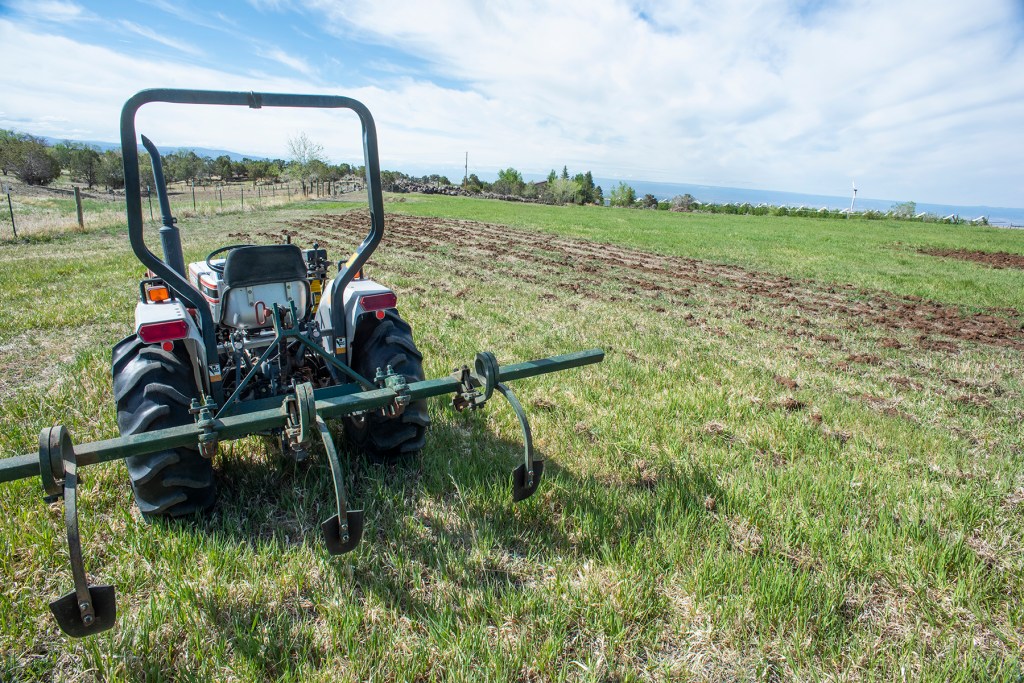
Careful pasture management is helping our land stay green despite the exceptional drought.

Our irrigation season is set to launch next week, though we still haven’t learned our water allotment for this year. In preparation for running water, we purchased a three-row marker to attach to our little tractor. Because we use gated pipe to irrigate our pasture, it’s important to “mark” the fields with channels that direct the water to the correct places. Marking is usually done on a three-year rotation, but our pastures were essentially abandoned for close to seven years, so it’s going to take some time to get the irrigation pinpointed. In addition to marking the fields, we also reconnected all of our gated pipe and replaced damaged gaskets and gates. Most people don’t break down their pipes every year, but we’ve mentioned before that we have a severe rodent problem – and if they build a winter burrow in the pipes, they’ll eat the gates. It’s more work to disassemble and reassemble the pipes, but likely saves us money in the long run.

Continue reading
Farm update: January 25

Hello there, and how are things in your world? We’re still in the slower season here at Quiet Farm, but we’re starting to think about spring planting and other farm tasks on our to-do list. The biggest issue on our minds right now is definitely water, or lack thereof – it’s been far too warm and dry this winter, with very little snow. We need about twenty feet of snowpack on the Grand Mesa in order to have decent irrigation run-off in spring and summer, and right now we have two feet – or ten percent of what we need. We are hoping for an exceptionally wet spring, but to be honest it’s looking as though our “extraordinary drought conditions” will persist, which likely means more wildfires, too. With that concern front and center, we’re always thinking of ways we can use the water we do have more efficiently.

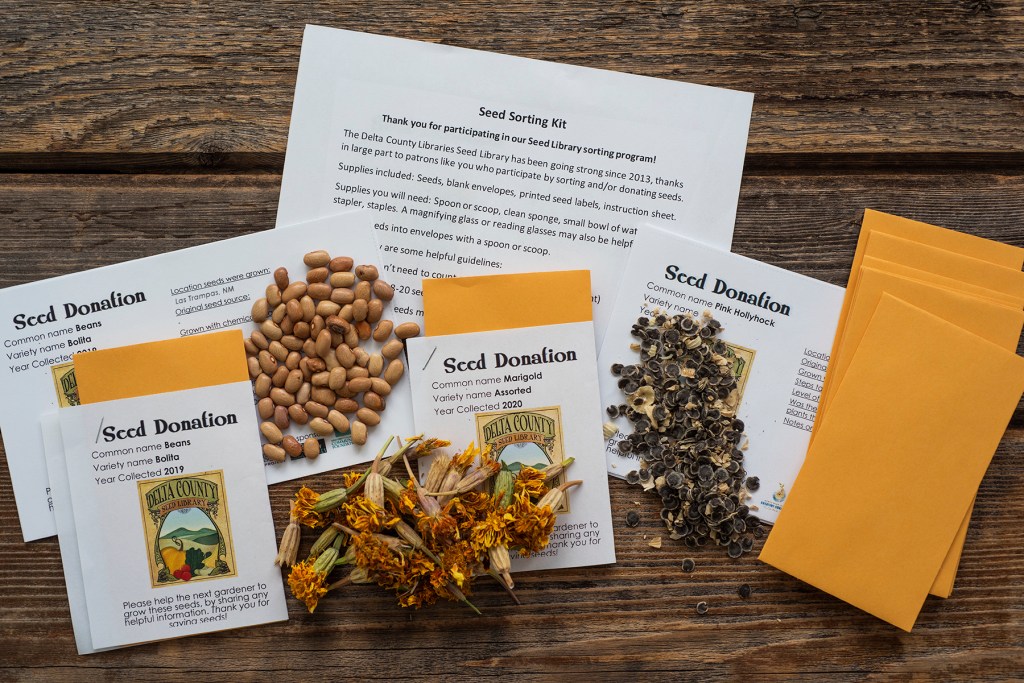
We love our local library’s seed bank!

We are huge fans of the Delta County Library system, which does yeoman’s work on a painfully limited budget. In years past we’ve attended “seed-sorting parties” in late winter to help the library prepare its extensive seed bank for the spring growing season. Obviously we cannot gather in person at the moment, so the library managed a perfect pivot and created take-home kits for volunteers. Each kit contained donated seeds (we received bolita beans, marigolds and pink hollyhock) and we sorted and packaged the seeds into individual labeled envelopes. Local gardeners are encouraged to “check out” seeds in spring, grow out the crop, then collect and return seeds to the library in autumn to share with other gardeners. The seed library has been going strong in Delta County since 2013; this program not only encourages seed-saving, but also provides an incredible wealth of locally-adapted seeds and helps build our foodshed’s sovereignty. A task like this is well worth our time.

Continue reading