N took a lot of remarkable photos during our round-the-world trip, but you won’t see us riding elephants, cradling sea turtles, posing for selfies with tiger cubs or swimming with captive dolphins. (We’ve certainly swum with wild dolphins in the middle of the ocean, but we don’t have the photos to prove it.)

Animal tourism is all of a sudden a hot topic. Last year, SeaWorld announced that it would cease its controversial orca captive breeding program. In May, Ringling Brothers Circus performed its last show; ticket revenue had dwindled for years once the animal attractions were eliminated. And last autumn, TripAdvisor – one of the world’s largest ticket sellers for tourist attractions worldwide – announced that they would no longer sell tickets to most animal attractions. All of these stories, and many more, clearly indicate that knowledge about this topic is growing, and quickly.
A recent Oxford University study indicated that between two and four million visitors per year pay to visit animal attractions that are considered harmful to animal welfare. Most of this is done out of ignorance, not cruelty. If you’re an American tourist, for example, you might assume that other countries have strict standards for the animals’ health and wellbeing (even though America doesn’t). The reality, however, is that most animal attractions are in desperately poor countries, and the “trainers” might be impoverished people simply looking to feed their family. The possibility of strict regulations, competent oversight or of punishments meted out for violations, is laughable just about everywhere.
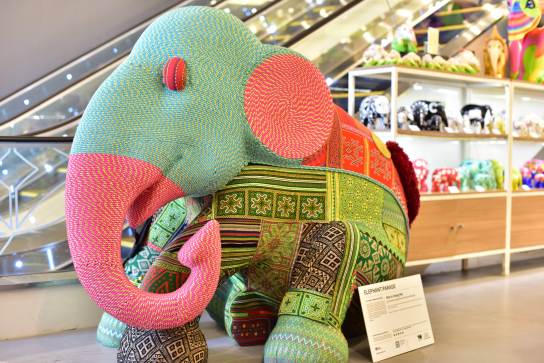
As such, animal tourism was a major issue during much of our trip, particularly in southeast Asia. If you visit Thailand for the first time, one of the things you’ll notice quickly is that elephants are ubiquitous. They’re used in high-end art and on cheap tourist trinkets.

Elephants advertise beer here too.
Their elegant silhouette can be seen everywhere, and nowhere more glaringly than in the racks and racks of tourist brochures found outside just about every restaurant and guesthouse in Chiang Mai, where these photos were all taken. (Please know that elephant riding and other abusive animal tourism is available all over Asia; we just spent the most time in Thailand and therefore found its constant and unrelenting promotion here particularly overwhelming.)
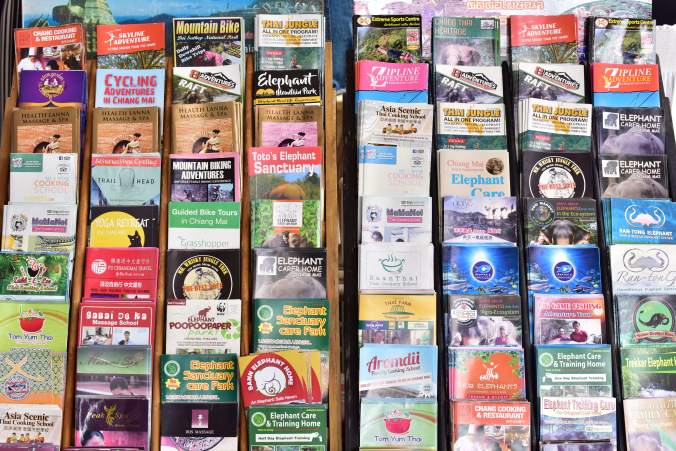
Look at all the options you have! Definitely go for the cheapest one. The animals like it there best.


Notice words like happy, sanctuary and home? These places are anything but.
Many people don’t know that elephants aren’t physiologically designed to be ridden. Despite seeming sort of like a giant, floppy horse, elephants’ spines aren’t built to support weight. Plus, elephants are fundamentally wild animals, and in order to be “domesticated” enough for tourists, they have their spirits broken. They’re also naturally social creatures with intricate familial relationships, and in these camps they typically exist in solitude. And adult females are routinely slaughtered in order to capture wild calves. I could go on and on, but I’m sure you get the idea. Elephants are not supposed to be a tourist attraction.

Tired of this lecture? We haven’t even discussed cuddling tiger cubs yet! Tigers aren’t like house cats and they’re not thrilled about you pawing them. Most of the “tiger sanctuaries” in Asia sedate the tigers before letting the tourists in, just to ensure that the creatures are docile enough to avoid incidents. Oh, and sometimes they’re heavily involved in wildlife trafficking, too! Really some good people here. Absolutely give them your money.
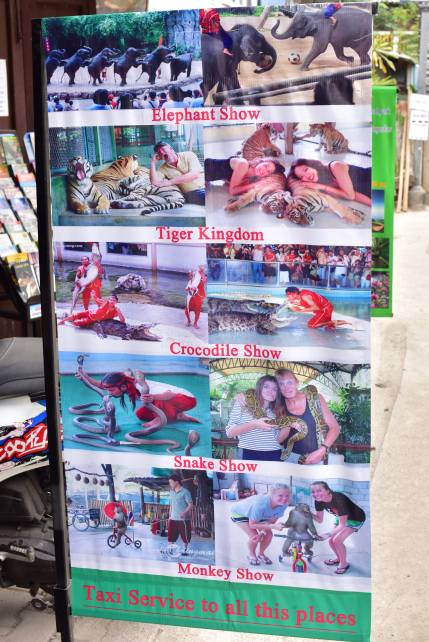
Don’t these look like fun? The animals are absolutely thrilled to have such an opportunity to enhance your vacation.
Or perhaps you’d rather donate your money a little closer to home, to a place like Lion’s Gate in Colorado, which recently euthanized all of its animals even after other sanctuaries volunteered to take the lions, tigers and bears. These people do not care a fig about animal welfare, and don’t let the cute pictures make you think otherwise. Animal attractions rake in billions of dollars every year, and since there is massive profit to be made from charging people to “experience” (i.e. unintentionally mistreat) animals, it will continue to happen.

Could we discuss how animal tourism provides jobs and livelihoods in some of the world’s poorest countries? Of course. Should we talk about zoos, which in some places are top-notch research and breeding facilities and in other places absolute horror shows, especially when the population is starving? Sure. Maybe we can discuss the fact that – at least in America – we raise animals for food in horrifying conditions and most people aren’t particularly bothered about that so why shouldn’t we mistreat them for our entertainment, too? And in response to all those hypotheticals, I would argue: because we as humans are better than that. Or at least we should be.

The advertisements for the animal attractions are literally everywhere.
People who visit animal tourism attractions are typically people who love animals. They want to get up close and personal with fascinating creatures they don’t often encounter, and they’re willing to pay for that privilege. But the Oxford study demonstrated that as many as 80% of these people will visit animal attractions and post positive reviews online, without acknowledging the risks to the animals’ health and welfare. They argue that they really love tigers – they were even born in the Year of the Tiger! – so just one selfie with a drugged tiger cub won’t hurt. Because it shows their social media feed how much they love tigers! It is simply not acceptable, friends. Just as the way America currently raises most of its animals for food isn’t acceptable, neither is this.
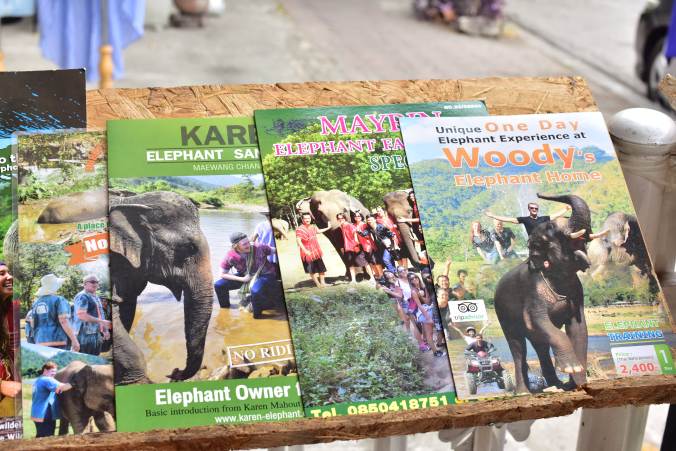
If you made it all the way to the end of this post, thank you. We’ve written about this because we think it’s important and we hope you do too. Please, if you’re considering visiting any sort of animal tourism attraction – whether in the U.S. or overseas – do your research, and don’t just fool yourself with glowing online reviews. Use your common sense and ask yourself whether a large, predatory and naturally solitary animal like a tiger really wants to be handled by human beings for endless hours each day. Not all animal attractions are necessarily poorly managed or abusive, but the bad ones definitely outweigh the good ones.
We say it a lot, but vote with your wallet – refuse to support organizations or attractions that promote any sort of animal cruelty (looking at you, Tyson, Hormel and countless others). This is especially relevant if you’re traveling in the Third World, but as we know from films like Blackfish, we’re to blame here in the U.S. as well. We write a lot about animal welfare on this site, and that’s true not only for what we eat, but what we exploit for entertainment, too. How you choose to spend your money matters, always – and the recent policy changes from major companies like SeaWorld and TripAdvisor shows that they’re paying attention to your choices. Use those choices wisely.







 Finding Quiet Farm