Gardening for beginners

The aftermath of both September 11 and the 2008 economic collapse brought a renewed interest in home gardening, and our current catastrophe looks to be no different. Garden centers have started operating online, seed companies are back-ordered for the foreseeable future and lots of people are reviewing their HOA regulations and eyeing available space in their suburban backyards. While it might not be practical to expect a backyard garden to provide all necessary food for a standard American family (how do you grow dinosaur-shaped chicken nuggets, anyway?), gardening offers an active yet meditative experience, an immense sense of satisfaction and self-sufficiency, and a deeper appreciation for how much work it takes to grow food. With that in mind, we offer a few basic tips for people looking to start their own garden.
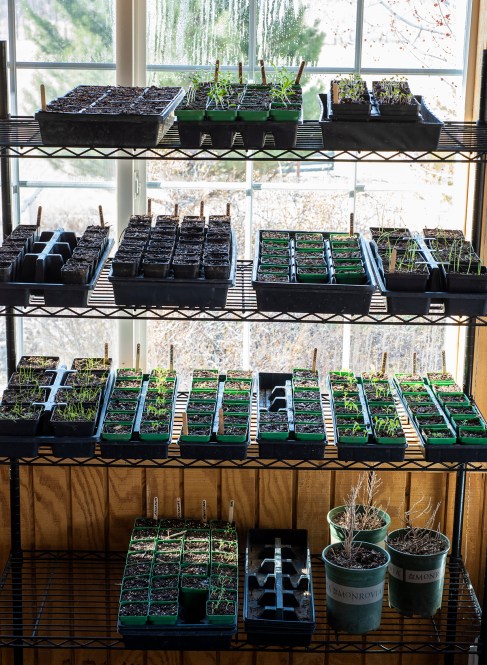
Seedling 02 sml

The current seed-starting set-up in our sunroom, expanding by the day.

Start small, and plant what you’ll actually eat. In moments of stress or panic (or when we suddenly have an unexpected amount of free time on our hands) we might be tempted to dig up our entire backyard and start an urban farm. This is great in theory, but if you’ve never grown a single basil plant before, we highly recommend that you start small – maybe just a couple of herb pots or a tidy little container garden on a sunny patio. It’s easy to think big and abundant, but when things return (somewhat) to normal, whenever that may be, you may not have the necessary time to devote to your garden. You can always expand if it turns out you love growing food.

Also in the interest of keeping things manageable, plant what you’ll actually eat. I’ve decided this year that I’m no longer going to devote precious garden space to eggplant, because although we don’t hate it, we don’t love it, either. And our vegetable real estate is exceedingly valuable – more so every year – and I want to plant things we adore, like tomatoes and peppers and interesting culinary herbs. When you’re choosing what you’ll grow, make sure you have a selection of vegetables and herbs that are relevant to your household, and if possible, try one new variety that you’ve never eaten before.


Continue reading

Best diet hack ever!

Fruit Platter 01 sml

It’s January, and in America at least, that means New Year’s resolutions. Gyms are packed. Whole Foods is packed. Juice bars are packed. “Revolutionary” diet books and “foolproof” programs and “guaranteed” supplements and exorbitantly expensive electronic bikes are winging their way to doorsteps across the country even as we speak. And for what, dear friends? Although “get healthy” and “lose weight” are by far the most common resolutions, numerous studies have shown that over 80% of all resolutions are abandoned somewhere in February, if not sooner. The problem isn’t the resolution itself – it’s the way most of us go about it.

Squash Soup 01 sml

In this country, we are nothing if not dietary extremists. We go vegan or Paleo or gluten-free on impulse, or because we think everyone else is doing it. We blindly subscribe to the latest social media-fueled/celebrity-endorsed “health” trend. (Looking at you, celery juice.) We ignore moderation as a lifestyle entirely, and instead fixate on the newest, shiniest trick that promises to make us better, healthier and twenty pounds lighter. But why haven’t the fifty previous sparkly tricks worked? Because all of those glittering promises are built on quick fixes and short-term solutions, not on building a lifetime of habits. Let’s be honest – anyone can stick to pretty much anything for a week or two, maybe even a month or six weeks. Eat more salads? No problem. Cut back on alcohol? Easy. Go full-on keto? Tougher, but still manageable.

Continue reading

A fresh start

QF Snow 02 sml

I love everything about January. I love the quiet, the fresh start, the clean slate. And of course, this is the time of year when so many of us promise to do better. When we promise to eat right, drink less, stop going out to restaurants so often, quit smoking, save our money, exercise more and all the rest.

I don’t subscribe to the negativity often associated with New Year’s resolutions. (By mid-January, over a quarter of all New Year’s resolutions have been discarded, and only a scant 10% are actually followed through to the end of the year. Those are some pretty bleak statistics.) Changing habits is hard enough; I’d much rather start off on a positive note. I make a list of goals, not resolutions.

And with that positivity in mind, let’s revisit our annual primer on eating better. This isn’t designed to be an exhaustive list, nor a restrictive diet plan, merely a few simple tips to get your head in the right place for making healthy changes in your daily eating. Allow me to shout this from the rooftops: diets don’t work. Changing your mindset does.

Continue reading