The 2024 bean harvest

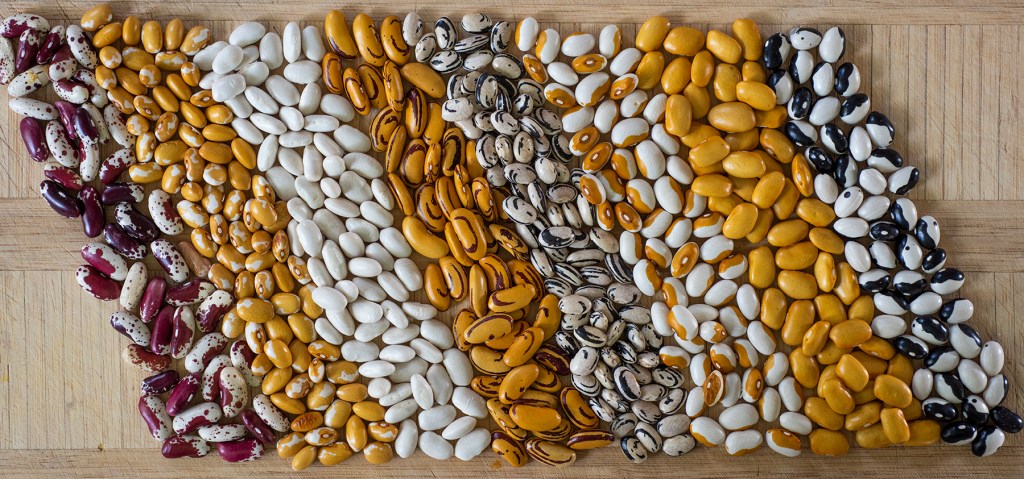
Part of our display at a recent harvest festival.

Hello friends. Mid-November and we’ve only just finished harvesting the last of our dry beans. We grew over thirty cultivars this year, some roaring successes and some total crop failures (Ayocote Blanco). As ever, we learn from each year’s experience and know better what to grow and what not to grow in coming seasons.

Below we’ve listed all the new cultivars we grew this season, and we also grew almost every cultivar from 2023. We won’t describe those again in this post, but you can read about that harvest here. (Note that the bean we referred to as ‘Palomino’ in 2023 is also called ‘Southwest Gold’ and ‘Zuni Gold,’ depending on the company.)

Continue reading

The 2023 bean harvest

Well, hello there. It’s nice to be here again. We’ve taken a break from posting, but we certainly haven’t taken a break from farming. On the contrary, we have expanded our growing area and our crops. This year, we grew hundreds of pounds of organic vegetables, but we’re most proud of our dry bean harvest – twenty varieties! Read on to learn more about what we grew.

Clockwise from top left: Hopi Yellow, Vaquero, Bolita, Dragon’s Tongue.

Hopi Yellow: A classic yellow bean, larger than Buckeye. Perfectly at home in any soup or stew, this is a bean that will enhance any recipe yet never steal the spotlight. Excellent productivity.

Vaquero: Also called Orca or Yin-Yang (for obvious reasons), these small, dense beans cook up beautifully and produce a rich, inky pot liquor. A stunning bean and surprisingly productive for an heirloom.

Bolita: A lovely, delicate little bean in the pinto family, but smaller and sweeter in flavor. Bolitas are native to southwestern Colorado and New Mexico and figure prominently in the Indigenous cuisine of the region.

Dragon’s Tongue: These pale lavender wax beans grow inside pretty dark purple-striped pods and are most commonly eaten as a fresh green bean, though the attractive pod stripes unfortunately disappear when they’re cooked.

Clockwise from top left: Aztec White, Rio Zape, Jacob’s Cattle, Tiger’s Eye.

Aztec White: One of our very favorite varieties, Aztec White is our top producer and a bean we will likely always grow. These beans are perfect for a white chili or a lush, garlicky dip for crudités.

Rio Zape: We’re proud to grow this spectacular purple and black bean that inspired the creation of the legendary Rancho Gordo. An impressive member of the pinto family, this bean offers deep, dark flavor with coffee and chocolate notes.

Jacob’s Cattle: Like most beans in the kidney family, Jacob’s Cattle’s is dense, meaty and full-flavored. It holds its shape and stands up to strong seasoning, so it makes an excellent chili bean.

Tiger’s Eye: These stunning beans are honestly almost too beautiful to eat. Almost! Tiger’s Eye ripen early due to their thin pods; their correspondingly thin skin nearly disappears in cooking, but they’ll hold their own in any chili or soup.

Clockwise from top left: Hutterite, Cranberry, Palomino, Midnight Black.

Hutterite: Possibly brought to the northern Midwest by Ukrainians in the 1850s, or maybe selected from China Yellow by settlers – like many beans its origin story is a bit murky. This bean is creamy, productive and mild, perfect for any gentle, warming soup or stew.

Cranberry: This comes from a huge bean family; it is likely native to Colombia but is now bred around the world. It’s also called Borlotti, Wren’s Egg and more. Cranberry beans are soft and thin-skinned and they produce a luxurious pot liquor, perfect for pasta e fagioli.

Palomino: This bean is a golden variation of Anasazi, but we choose not to use that disputed name and so have branded it Palomino. Like other yellow beans, it is creamy, mild and versatile.

Midnight Black: A true black turtle bean with traditional flavor and an inky broth, this bean originates from Rancho Gordo’s seedstock. Fresh black beans, cooked from dry, will completely change hearts and minds on using canned black beans.

Clockwise from top left: Forelle, Mayocoba, Peregion, Yellow Eye.

Forelle: Officially known as Forelle fliederfarben, which translates to ‘lilac trout’ in German, these round, purple beans with black stripes are absolutely gorgeous. This variety produced abundantly, always a surprise for heirloom beans.

Mayocoba: Native to either Peru or Mexico, these are creamy, pale yellow, thin-skinned beans with a soft, buttery texture. They make excellent refried beans.

Peregion: These come out of the Pacific Northwest and have a gorgeous zebra coloration. One of the few beans where the striping is still (faintly) visible after cooking, Peregion are productive and delicious.

Yellow Eye: These beans are both rich and mild, more a supporting character than an outright star. They are an old New England variety and the bean of choice for classic Boston baked beans.

Clockwise from top left: Garbanzo, Buckeye, Marcella, Red Cranberry.

Garbanzo: Also called chickpea or ceci bean, this legume is most commonly used in hummus and other Middle Eastern dishes. Garbanzos are not native to North America like most other beans here and are low-yielding and tricky to grow – but the unusual, fronded plants are fun to see in the field.

Buckeye: Rancho Gordo says, “A small, dense yet velvety bean that holds its shape and provides a rich bean broth. Easily one of the staff’s favorite beans. Buckeye is incredibly creamy, almost more like a classic black turtle bean than anything else. It’s dense without being intense, if that makes sense.” Can’t top that description.

Marcella: A long white cannellini-style bean, named by Rancho Gordo in honor of the great Marcella Hazan. Thin-skinned and creamy; ideal for brothy Italian-style soups and rich, flavorsome dips and spreads.

Red Cranberry: An old variety, likely grown by Indigenous tribes in the northeast U.S. Gorgeous rich red color and much rounder than the more common striped/speckled cranberry bean above. Listed in Slow Food’s Ark of Taste.

We could go on and on about dry beans (and have, previously), but let’s sum it up like this: they’re native to our region and therefore exceptionally drought-tolerant. They’re an incredibly nutritious source of plant-based protein and beneficial fiber. They require almost no care, and they are not plagued by pests, viruses or disease so require no inputs, at least in our microclimate. They keep well. And they actually give more than they take, replenishing the soil with each season’s growth. Beans are an absolute powerhouse in every category, and they’re a great addition to Quiet Farm. We’re deeply proud of our 2023 harvest, and are already evaluating what varieties we’ll grow next year.

More than ever, we know that small, regenerative farms are the only sure way out of this increasingly catastrophic environmental mess we find ourselves in. We encourage you to support small farms in whatever way makes the most sense for you and your household.

As always, thanks for being here. We’ll be back again soon!

The bean harvest

Our eight bean varieties from the 2022 harvest.

Here we are, dear friends, and yet again I’m singing songs of love and devotion to beans – specifically our own 2022 harvest! My total and complete adoration of dried beans is no secret. Not only are beans one of the most inexpensive yet nutritious whole foods available, but as nitrogen-fixing legumes they actually improve soil. They grow well in our tricky high-plains desert environment, they don’t require much water and they’re very low-maintenance. There can hardly be a better edible crop to grow! Plus, as the world gradually starts to realize that a meat-centric diet for nine billion people simply won’t work, beans (and other nutritious legumes and pulses) will become ever more important as plant-based proteins. We’d like to get ahead of that curve and start cultivating more edible legumes on our farm, for both our own health and our soils, so this year we planted a test crop.

Continue reading

Farm update: January 25

Hello there, and how are things in your world? We’re still in the slower season here at Quiet Farm, but we’re starting to think about spring planting and other farm tasks on our to-do list. The biggest issue on our minds right now is definitely water, or lack thereof – it’s been far too warm and dry this winter, with very little snow. We need about twenty feet of snowpack on the Grand Mesa in order to have decent irrigation run-off in spring and summer, and right now we have two feet – or ten percent of what we need. We are hoping for an exceptionally wet spring, but to be honest it’s looking as though our “extraordinary drought conditions” will persist, which likely means more wildfires, too. With that concern front and center, we’re always thinking of ways we can use the water we do have more efficiently.

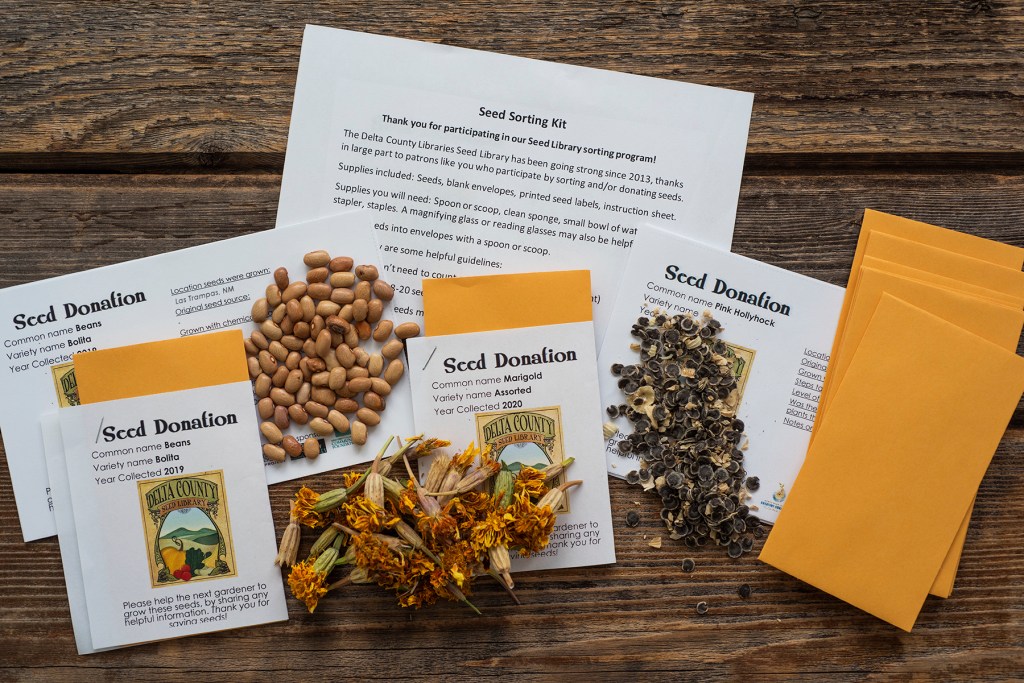
We love our local library’s seed bank!

We are huge fans of the Delta County Library system, which does yeoman’s work on a painfully limited budget. In years past we’ve attended “seed-sorting parties” in late winter to help the library prepare its extensive seed bank for the spring growing season. Obviously we cannot gather in person at the moment, so the library managed a perfect pivot and created take-home kits for volunteers. Each kit contained donated seeds (we received bolita beans, marigolds and pink hollyhock) and we sorted and packaged the seeds into individual labeled envelopes. Local gardeners are encouraged to “check out” seeds in spring, grow out the crop, then collect and return seeds to the library in autumn to share with other gardeners. The seed library has been going strong in Delta County since 2013; this program not only encourages seed-saving, but also provides an incredible wealth of locally-adapted seeds and helps build our foodshed’s sovereignty. A task like this is well worth our time.

Continue reading

Farm update: November 9

There’s no question that it’s been one hell of a week. Scratch that: it’s been one hell of a year. Over here at Quiet Farm, though, we carry on planting, tidying, baking, canning, caring for our animals and preparing for winter. Here are a few things we’ve been up to recently, if you’d like to see.

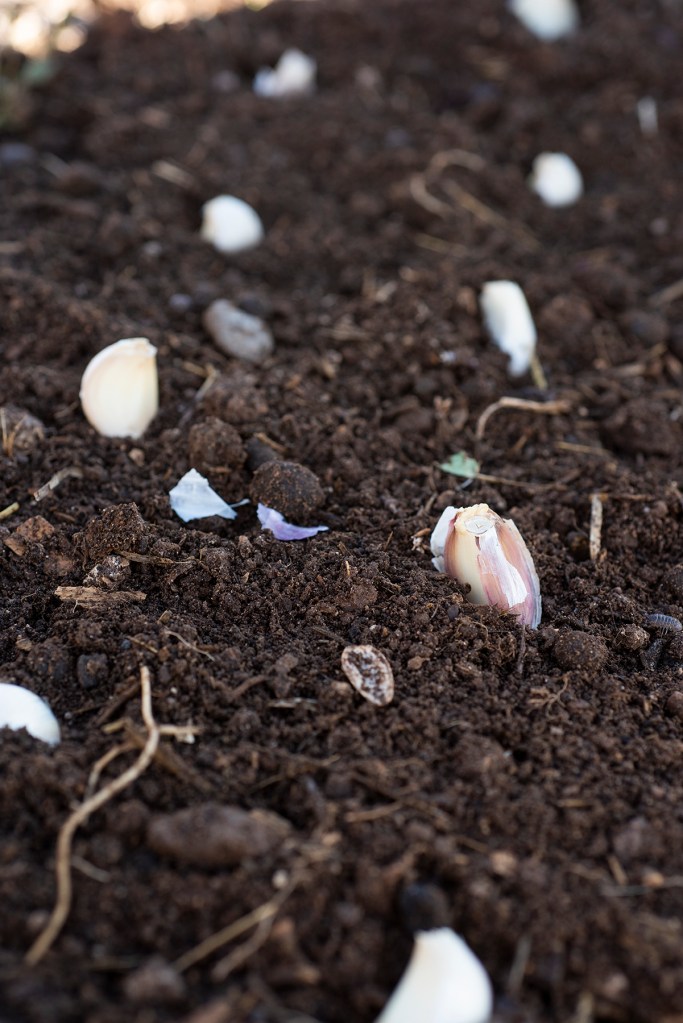
Ready for a long winter’s nap.

We planted our 2021 garlic crop this week; it’s tucked under a warm, cozy blanket of compost, alpaca manure and straw. Garlic is a unique annual crop in that it stays in the ground for about nine months, but during that time it requires almost no maintenance beyond occasional watering. As usual, we’d separated this year’s garlic harvest and saved the largest cloves for planting; thanks to garden magic, each individual clove grows into a full head. We planted about one hundred and fifty cloves in two new beds, then a friend texted with an offer of extra garlic that she had over-ordered (thanks, Judy!), so another seventy cloves went into an additional row. Every year I run out of garlic before the July harvest, and every year I vow to plant more. Will over two hundred heads be enough for next year? Stay tuned, and vampires beware.

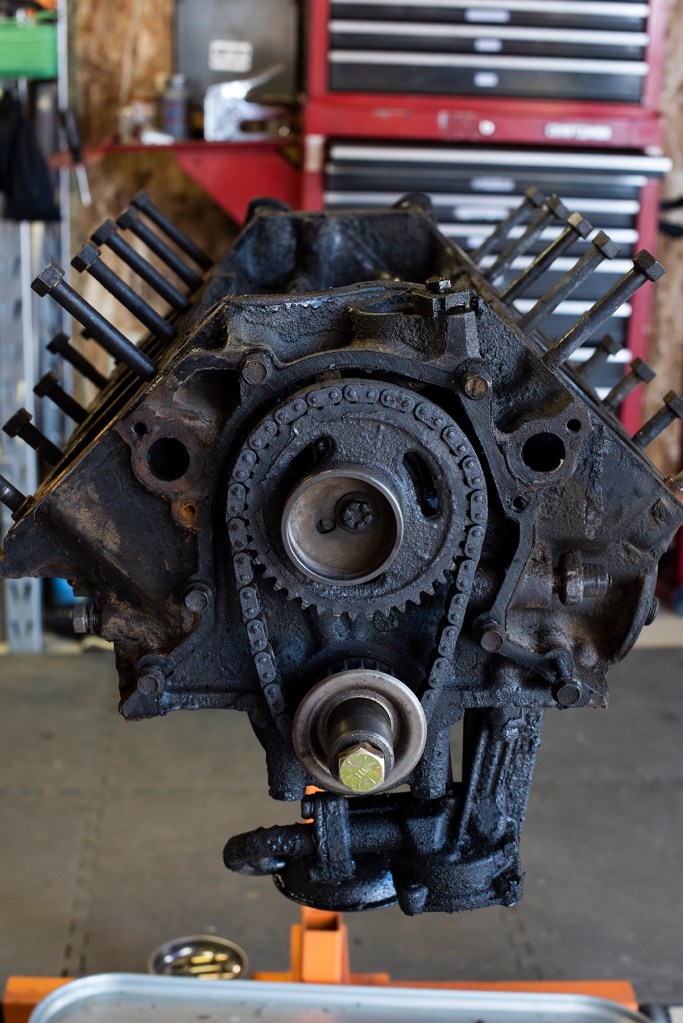
Simple. Elegant. Gorgeous. (Also filthy.)

My winter will hopefully involve lots of sewing and reading, and N will focus his time and energy on this rescued beauty. For all you gearheads out there, this is a classic example of American motor muscle: a Ford 289 small-block V8 manufactured in the summer of 1964; it likely came out of a Mustang or a Galaxie. At the moment, it needs a lot of cleaning and possibly a replacement part or two, but who knows what it could accomplish once restored to its former glory? While electric cars might be all the rage, there is much to be said for the elegant simplicity of a powerful internal combustion engine. (We obviously love beautiful 1960s Americana here; see also the recently-acquired Singer Touch ‘N’ Sew.)

So thrilled with our dry bean harvest!

I may well be more proud of the beans we grew than just about any other crop. While I love growing vegetables, with each passing year (especially when there’s a pandemic and associated food scarcity!) I am more and more committed to growing long-term food storage crops like grains and beans. We planted just one small row of these ‘Peregion’ beans this season, and though I doubt I have more than a few pounds of homegrown beans for the winter, I know that I’ll be expanding on the varieties we grow next season. Dry beans are easy to grow and to store, require very little post-harvest processing and punch well above their weight in terms of nutritional value. Plus, they’re delicious! We hope to grow a lot more beans here at Quiet Farm.

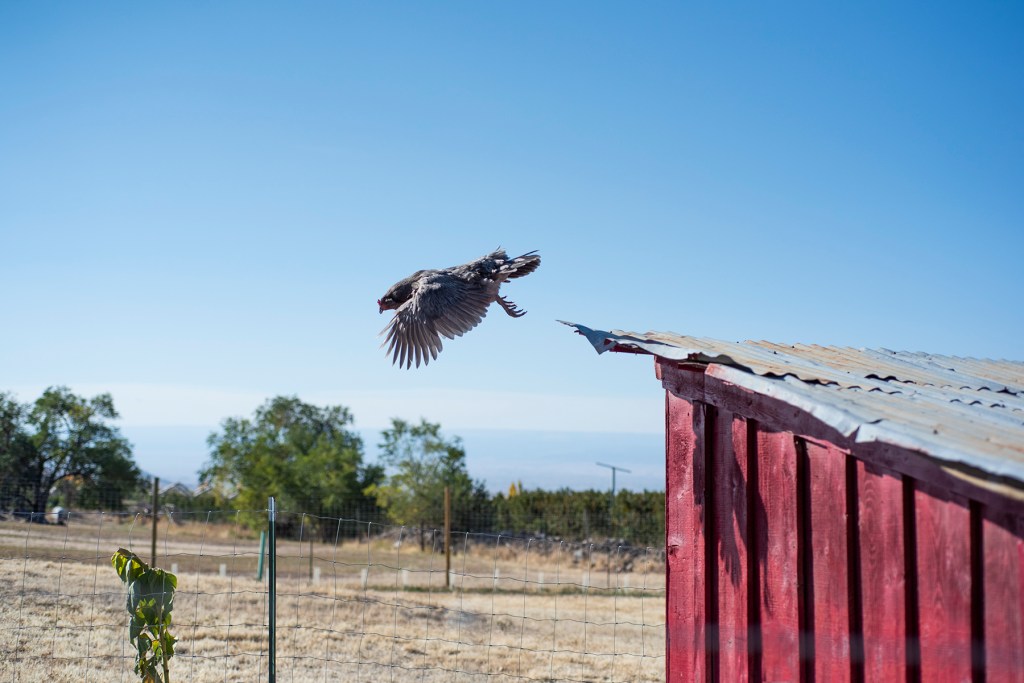
Flying the coop.

Domestic chickens are the closest living relatives of the T.Rex (that’s true) and have similarly tiny brains. Here, one of our genius hens decided to make her way to the top of the chicken house, but was understandably somewhat perplexed as to how she might get down – although she did finally make the leap. Little does she know that the roof offers zero protection from raptors, of which we have many, and actually makes a perfect runway for a hungry hawk searching for a tasty chicken meal. If she continues her high-flying adventures, she’ll learn that lesson the hard way.

This is how we roll.

True confession time, friends: all November and December issues of food and entertaining magazines (Bon Appetit, Food & Wine, Martha Stewart, etc.) received at Quiet Farm usually go straight into the library donation bin without even being opened once. Such is the extent of my loathing for the end-of-year holidays and all the attendant expectations, “must-have foods,” waste and excess! This year, however, a customer requested soft, fluffy dinner rolls, and I wanted to experiment with a few different iterations. Plus, I was completely sold on this caption: “If food could give you a hug, these rolls definitely would.” As we face the end of one of the most difficult years any of us have ever experienced, is there anything we all need more than a giant, warm, comforting hug? I think not. (P.S. The rolls are a bit labor-intensive but excellent, and they work at altitude. Worth your time.)

Wishing everyone a calm, restful and healthy week.

Cooking with dried beans

My love for beans knows no bounds. They’re cheap, filling, easily available, simple to cook, packed with nutrition and utterly delicious. Seriously, what more could you want? There’s a good reason rice and beans are the staple food for well more than half the world’s population.

I’m on a personal mission to encourage people to cook dried beans, rather than canned. Look, I’m a big fan of having a well-stocked pantry, and if storing a couple of cans of black beans or chickpeas in yours means you’re more likely to whip up a quick soup or homemade hummus, then I’m all for it. But for sheer value and flavor, you can’t beat dried beans. They’re way cheaper, they’re not difficult to cook and they really don’t take more time – you just need to plan in advance. There are a lot of fairly strong opinions on how to cook dried beans, so if you already have a way that works well for your household, keep it. I’m here to tell you how I do it and why, but ultimately it doesn’t matter to me how you prepare your dried beans, just that you do.

bean stripes 01 sml

Apparently we have quite a few different dried beans in our pantry.

Spoiler alert (and controversial bean-cooking tip alert, too): I cook all of my beans the exact same way, in a slow cooker (also commonly known as a Crock-Pot). And I no longer soak the beans in advance. Plus, I salt them at the beginning. That’s right, friends: I don’t soak my beans. And I salt before they’ve started cooking. I have spent years and years cooking dried beans, and I’ve tried every method: simmering on the stove, pressure cooker and on and on, and I’m personally convinced that the slow cooker, with its incredibly gentle simmer and moist, low-heat environment, is perfect for beans. And I get to skip the soaking step, too. (I don’t have an InstaPot, and I’m not going to buy one, but if you have it and you like it, then use it for beans.)

Continue reading