We speak for the trees

“The best time to plant a tree was twenty years ago. The second best time is now.”

Our farm had been mostly abandoned for a number of years prior to our purchase, and even with three years of hard work, there is always more to be done. One task that we try to accomplish every year is to plant more trees – although we did opt out this year because we knew that water would be in such short supply. We still have trees to care for, of course, and if this drought cycle ever eases (looking unlikely, in all honesty) we’ll definitely plant more trees. Every project we choose is focused on improving our land, for us and for the future.

Cedar Trees 01 sml

Our Eastern red cedar (Juniperus virginiana) saplings, ready for planting.

Trees are an incredible weapon against the climate crisis, yet we don’t call them into service nearly often enough. Any homeowner knows how valuable trees are in keeping houses cool in summer, and many cities have started planting trees in public spaces as a natural heat sink against all that concrete. With so many new housing developments cropping up, however, trees are mowed down and then halfheartedly planted again as an afterthought, and often left to wither and die without proper care. And of course it takes years, if not decades, for the shade canopy to grow. Healthy, mature trees are a valuable asset to any property; we’re working hard to save the ones we have and add as many more as possible.

Cedar Trees 03 sml

Planting our Eastern red cedar windbreak along the southern line of our game fence.

One of the very best things we’ve discovered since moving to the farm is the CSU Seedling Tree Program. This is a joint project of the Colorado Forest Service and Colorado State University, and it provides seedling trees, bushes and other perennials to homeowners at an exceptionally low cost. We’ve used the program twice now with great success, and will definitely participate again. The only downside is that many of the tiny seedlings are sold in packs of 25 or 30 – meaning you either need a lot of land, or you need to make share arrangements with friends and neighbors. It’s also essential to plan in advance, as the sale opens in November (trees arrive the following May) and plants sell out quickly.
Cedar Trees 04 sml

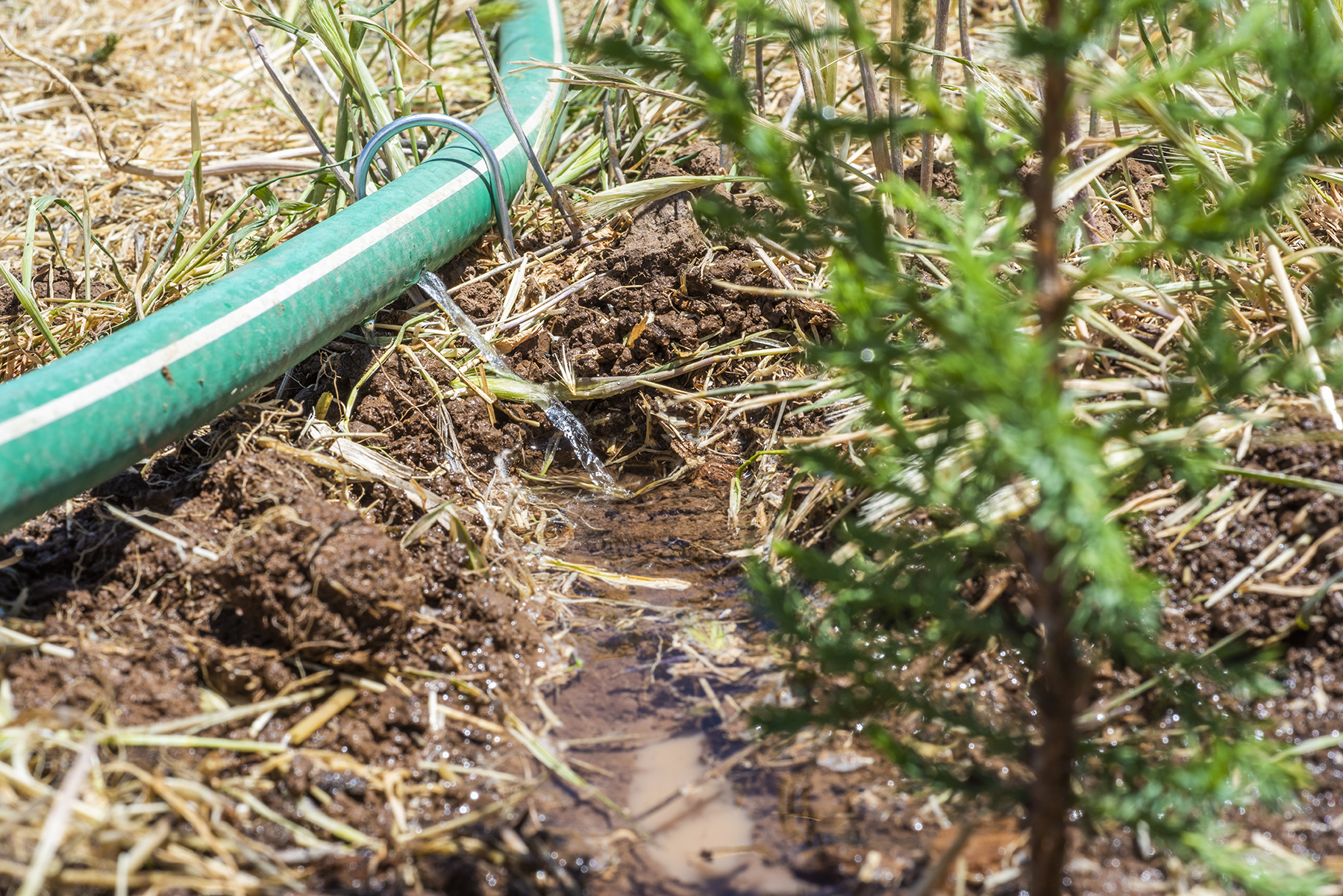
A damaged garden hose makes great drip line!

The biggest advantage to purchasing plants from this state program is that everything is grown in Colorado, meaning it will likely survive our harsh conditions if properly cared for. Additionally, there is a helpful information sheet that shows which plants will grow best where; some are suitable for up to seven thousand feet – perfect for us! – and some can tolerate the higher mountain elevations. The program also provides planting guides and lots of other useful tips to keep the trees healthy.
Tree Mulch 01 sml

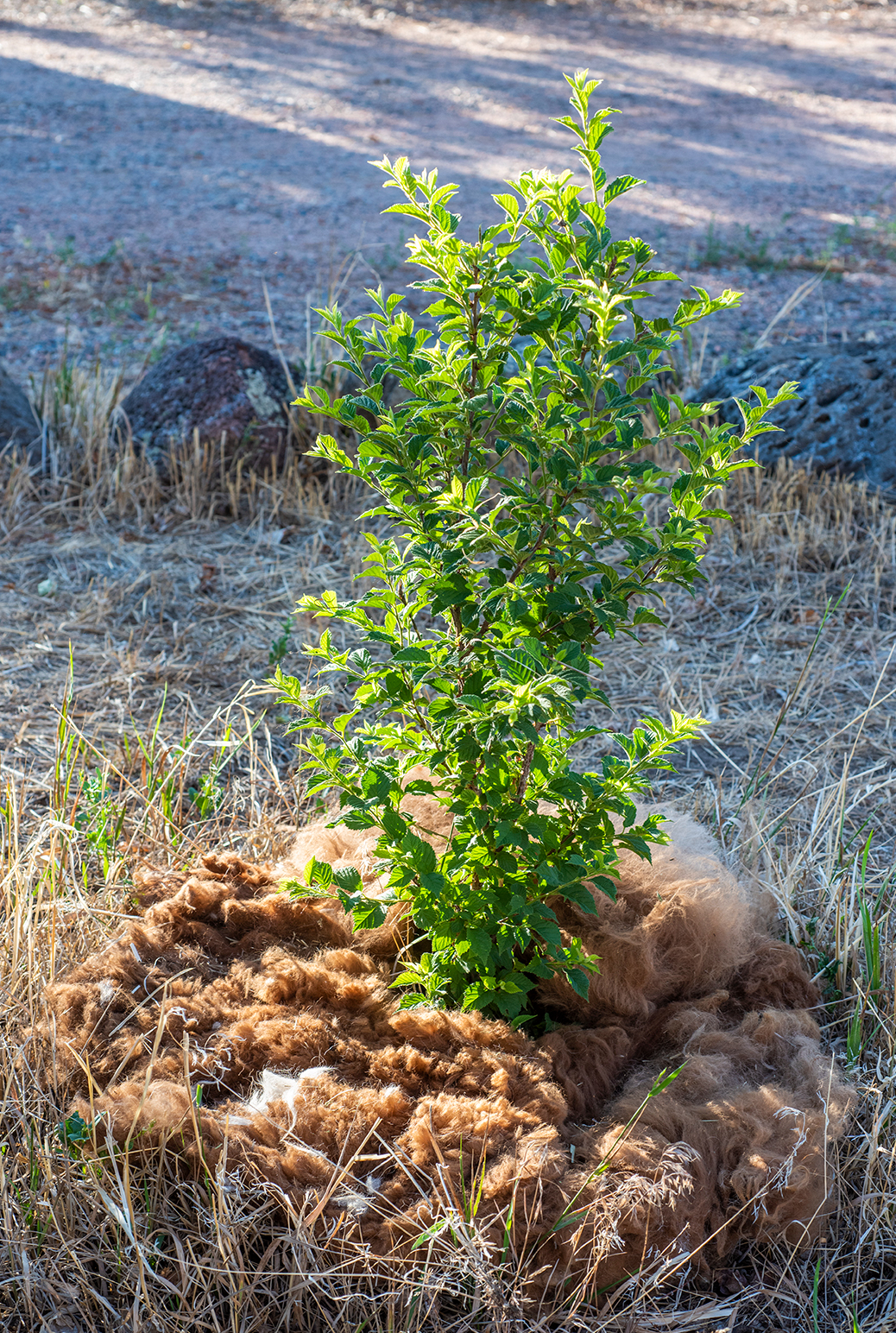
One of our Nanking cherry trees, heavily mulched with an alpaca fleece blanket.

Quality trees are expensive. They’re rightfully expensive because they took a lot of labor and care and investment to grow. Many people don’t realize that while big-box stores might be cheap, they’re not necessarily going to sell plants suitable for that particular area; those national purchasing decisions are made months, if not years, in advance, by some corporate executive at the head office in some vague place a thousand miles and many weather patterns away from Colorado’s arid high-plains desert. If you’re spending good money on trees, it makes sense to choose trees that are appropriate for your space. Figure out where you want to plant – is it sunny? Shaded? What sort of soil? What’s the elevation? Do you want a deciduous option? Is there good drainage? Will it impact overhead wires? Near sewer lines? Once you’ve got the site narrowed down, do some research about your hardiness zone and what might suit your needs. Go to a reputable local nursery that knows what works in your climate, not some impersonal big-box store looking to offload ten thousand Meyer lemon trees because they didn’t sell in Arizona.

We caged the saplings to protect them; somehow, this one was missed when we removed the cages. It has since been freed and is growing nicely.

Once you’ve chosen your trees, make sure you know how and when to plant them. Here, we can plant some things in spring and others in fall, and it makes a big difference for the tree’s long-term success. Follow the planting instructions from the nursery, if they’re trustworthy; you can also check with your local Extension office. (Pro tip: when you know you have trees arriving, prepare your planting holes well in advance so that you can plant your trees as soon as possible. It rarely benefits a tree to keep it in its pot for any longer than necessary.) Make sure your spacing and placement account for the tree’s eventual canopy spread and possible interference with overhead obstructions.

We think some of our fruit trees have an aphid infestation; the presence of ladybugs is a good sign that nature is usually capable of defending itself if left alone.

One of the biggest mistakes people make in Colorado is not to water in seedlings thoroughly in the first year, or during dry winters. Especially in this climate, little saplings will often suffer from severe transplant shock and will need far more water than you might think. If your land isn’t set up with drip irrigation or some other similar system, it’s imperative that you figure out how those tiny trees will get the water they need. Although our orchard is on drip, many of our other trees are watered by hand, and especially this year we’re giving them a deep soak with every week’s irrigation run. Those roots will never establish properly if the tree is drought-stricken in its first year.

We’ve lopped the crowns off some of our struggling mature trees; most are showing growth again at the base.

Many homeowners think that it would be great fun to plant fruit trees for fresh, homegrown fruit, but be aware that fruit trees have their own set of challenges. The Front Range is particularly harsh on fruit trees because of the dramatic diurnal temperature swings; the main reason Colorado’s fruit industry is centered on the Western Slope is because we rarely experience those. (With the obvious exception of last October’s horrible freeze, which is why we have no local fruit this year.) And if your trees do bear fruit, they’ll bring pests (wasps! deer!) along with them. The majority of our fruit trees are outside our game fence, and we know that expanding that fence will be something we’ll need to tackle sooner rather than later if we ever want to harvest our own plums and Nanking cherries.

We didn’t think our Northern Catalpa (Catalpa speciosa) survived the winter, but it is thriving!

There is a perfect tree for every situation, but it might take a bit of effort on your part to figure out exactly what that tree is. Trees add so much intrinsic beauty and value to our world that it’s our responsibility to plant them wherever we can. If possible, dear friends, please consider planting trees where you live, work and play. We don’t plant trees for ourselves, we plant trees for future generations – and since we have rather a lot to apologize for, planting a few trees seems to be the least we can do.

P.S. If you’re not familiar with the title reference, it’s paraphrased from this classic, which was first released in 1971 and was well ahead of its time. It was banned in a California school district in 1989 because it was thought that it would “turn children against the logging industry.” Maybe it was the devastating and rapacious clearcutting of old-growth forests that actually turned people against the logging industry, and not a silly children’s book?

Early summer book reviews, vol. 1

Lots of newspapers and magazines like to publish “summer reading lists,” implying that the only thing you have to do this summer is relax on a lounge chair by the pool, languidly sipping cold drinks and tearing through page after page of the latest bestseller. For us, at least, this aspirational vision bears absolutely zero resemblance to our real lives – we actually read less in summer, mainly because maintaining the farm is more than a full-time occupation. (Also we don’t have a pool. ) Even with all of our tasks and projects, however, I have managed to read more this year than I did in 2020 – I know plenty of avid readers who struggled with focus and the inability to finish books last year. Based on the round-up below, it certainly looks as though non-fiction, specifically focused on human psychology and behavior, is my genre of choice these days; with that in mind, we offer a few book recommendations. As always, we’d love to hear yours, too!

Continue reading

Farm update: June 14

Hello there, and how are things in your world? Here at Quiet Farm it’s hot, dry and smoky. The Pack Creek Fire, burning southeast of Moab, Utah – started by an unattended campfire! Thanks, thoughtful and responsible campers! – has filled our blue skies with thick smoke and turned our sunsets into a terrible neon orange ball of scorching flame. We’re forecast to spend the week ahead melting under triple-digit temperatures, and we plan to only be outside for the bare minimum of tasks between noon and six o’clock. This week will be all about survival – ensuring that we, and all of our plants and animals, have plenty of shade and fresh, cool water.

A few activities we’ve been up to recently on the farm:

Look at all those vitamins!

Our harvests lately have been greens, greens and more greens – no complaints, since we eat salad every day. The arugula, kale, spinach and mixed lettuces have all been crisp and delicious this season, but this week’s furnace-like temperatures will put an end to that abundance; as a rule, most lettuces and greens do not care for excessive heat and often turn unpalatably bitter. I’ve harvested just about every leaf out there; as usual, I leave a number of plants to intentionally go to seed for future plantings. I regularly replant salad greens underneath the tomatoes; by the time the greens are up, the tomato plant will shield the tender leaves from the scalding summer sun. We’re also harvesting garlic scapes (the squiggly things on the left side of the photo) to encourage the garlic plant to put all its energy into the underground bulb. Scapes are delicious in pesto, salad dressing or stir-fried. And we’re picking strawberries, too, which are spectacular and have never once made it all the way into the house except for this photo, after which they were promptly devoured.

Continue reading

Farm update: May 24

Late spring is a busy time of year for small farms and homesteads. The task list seems endless: plant this, thin these, weed that, water those and by the way, the alpacas and chickens still need food, water and clean bedding. The best we can do is simply to make list after list, and tackle those lists one item at a time. One thing we do adjust as we move into our busiest period: our daily routine. If possible, we try to be outside in the morning and inside in the afternoon, because our blustery, changeable winds make working outside even more challenging after two o’clock. This is a lovely ideal, of course, and things don’t always proceed as planned – but all we can do is our very best.

Here are a few things we’ve been up to, if you’d like to see:

Careful pasture management is helping our land stay green despite the exceptional drought.

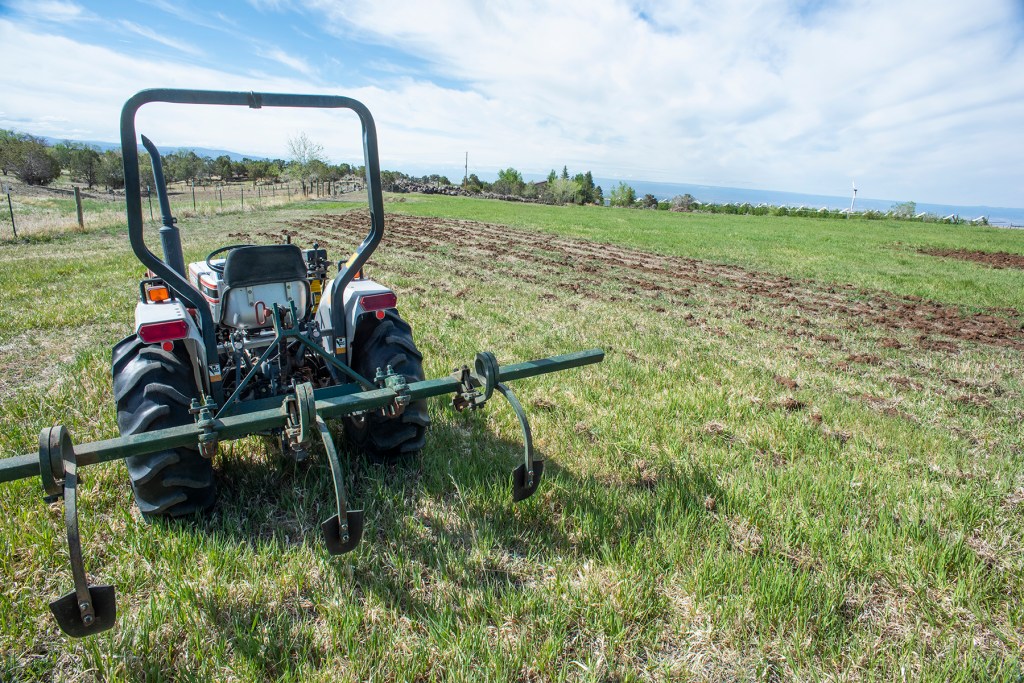
Our irrigation season is set to launch next week, though we still haven’t learned our water allotment for this year. In preparation for running water, we purchased a three-row marker to attach to our little tractor. Because we use gated pipe to irrigate our pasture, it’s important to “mark” the fields with channels that direct the water to the correct places. Marking is usually done on a three-year rotation, but our pastures were essentially abandoned for close to seven years, so it’s going to take some time to get the irrigation pinpointed. In addition to marking the fields, we also reconnected all of our gated pipe and replaced damaged gaskets and gates. Most people don’t break down their pipes every year, but we’ve mentioned before that we have a severe rodent problem – and if they build a winter burrow in the pipes, they’ll eat the gates. It’s more work to disassemble and reassemble the pipes, but likely saves us money in the long run.

Continue reading

A word on weeds

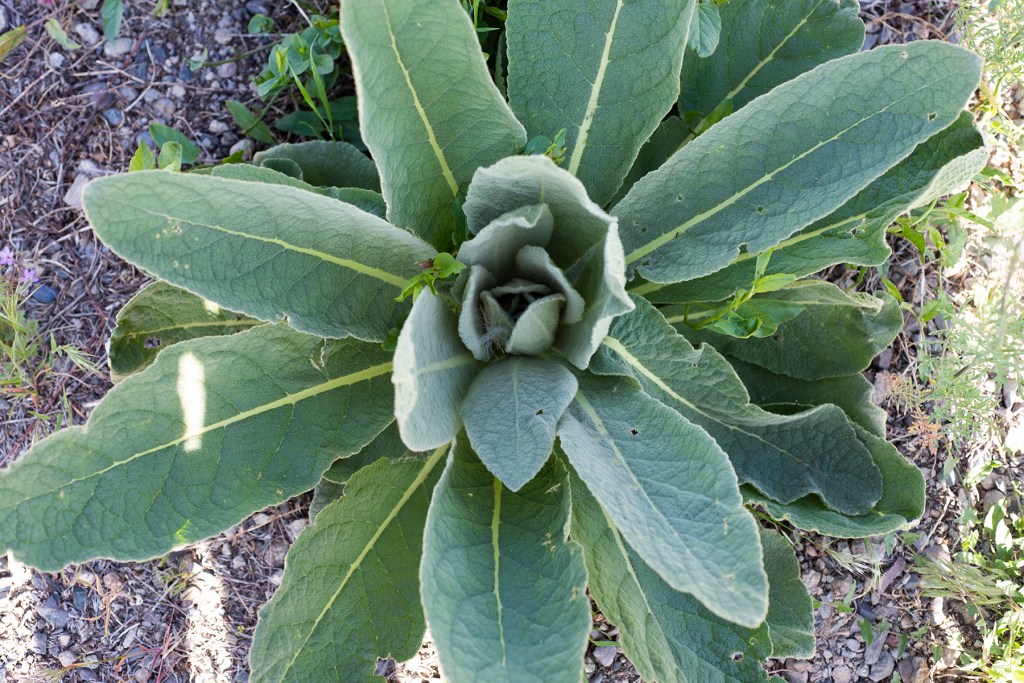
Soft and fuzzy common mullein (Verbascum thapsus).

A couple of years ago, a film titled The Biggest Little Farm was released in the U.S. It received quite a lot of publicity, especially unusual for a farm documentary, and was shown at film festivals and charity screenings across the country. The film opened shortly after we purchased Quiet Farm and was mentioned to us by scores of friends and acquaintances, so of course we had to watch it. The story follows John and Molly Chester as they attempt to regenerate an abandoned farm outside of Los Angeles.

Continue reading

The FAQ Series: Yeast

This post likely would have been much more helpful about fourteen months ago, when the baking craze started in full force, but better late than never. Hopefully people still bake on occasion? Today we’re going to talk about yeast, a reasonably simple subject that gets complicated surprisingly quickly.

Before we get into the precise details of the baking yeast we use today, it’s important to understand just a bit about the history of bread and leaveners in general. A leavener – basically anything that makes dough rise – can be physical, chemical or biological in nature. Physical leavening agents are air and steam, which might be incorporated either through mixing or through the oven’s heat. Chemical leaveners, most often baking soda and baking powder, create a chemical reaction that causes doughs to rise. And finally, yeast acts as a biological leavener; yeast is a microscopic organism that consumes simple sugars and creates carbon dioxide gas as a byproduct of fermentation, which in turn causes dough to expand. Yeast cells used in baking are found either in commercial packaged form or wild in a starter.

Yeast-risen doughs really are simpler than this picture makes them seem.

Continue reading

Grit and grace

Hello there. We want to say that we’re still here on Quiet Farm, and that it’s been a rather challenging start to the growing season. One hundred percent of our county is currently in “exceptional drought” – the scale doesn’t go any higher! In official government parlance that translates to “dust storms and topsoil removal are widespread; agricultural and recreational economic losses are large.” We’d agree with that assessment – and it’s only May.

We have not yet received our official irrigation allotment for the season, but are expecting less than half of what we had last year. Wildfire season (now really year-round rather than just a season) has already started in California, New Mexico and Arizona, and promises to be grim here again, too. Dust storms and relentless wind are a regular feature of our days, and it’s impossible to keep the cool-weather crops properly irrigated. We have not had any moisture at all since January.

To compound our troubles, our hundreds of plant seedlings in the sunroom have been infected by an unknown disease or other ailment, and as a result are tiny, stunted and definitely not thriving. They should be going outside in about three weeks, but at this point it’s unlikely that we’ll have any at all, and it’s too late now to start more warm-weather crops. Perhaps the universe is sending a clear message that this isn’t our year.

That said, what else can we do but keep going? This blog isn’t meant to be a place for complaints and whining. We have a comfortable house, plenty to eat and we’re healthy and safe. Many, many people have it far worse than we do, and we’re well aware of that. We will do what we can with what we have, and perhaps the growing season will stage a recovery of sorts. And if it’s a total write-off, then we’ll try again next year.

Tip your hat to a farmer the next time you meet one – this growing food thing is no joke. Thanks as always for reading, and we hope you and yours are safe, healthy and well.

Gardening book club

The world feels far too heavy and sad, particularly here in Colorado, for some absurdly cheerful post about alpacas or chickens or whatever we’re doing on the farm. Instead, we’ll offer a brief round-up of some favorite gardening books, in the hopes that you might be inspired to search these out at your local library or favorite independent bookseller. As with cooking, there is always something new to learn about gardening and growing food, no matter how long you’ve been doing it. And as with cooking, where feeding hungry people nourishing, healthy food feels like an act of pure hope and a direct rebellion against the stupid, meaningless tragedy of the world, so does planting a seed or a sapling.

Continue reading

Farm update: March 22

We are sorely disappointed to report that we did not receive even one paltry inch of snow from the massive spring storm that walloped Denver and the Front Range last weekend. To add insult to injury, snow was in the forecast again today, to no avail – I promise you that it is clear and dry outside right now. We joke regularly about checking (In)AccuWeather on our phones, where it’s always “currently snowing in Delta County” – no. No, it isn’t. We have learned from our time here to only trust the weather that we can actually see and feel. All other promises and forecasts ring hollow.

So what we’re not doing on the farm right now is plowing or shoveling snow. But here are a few other things we’ve been up to lately, if you’d care to see.

Continue reading