Preservation classes!

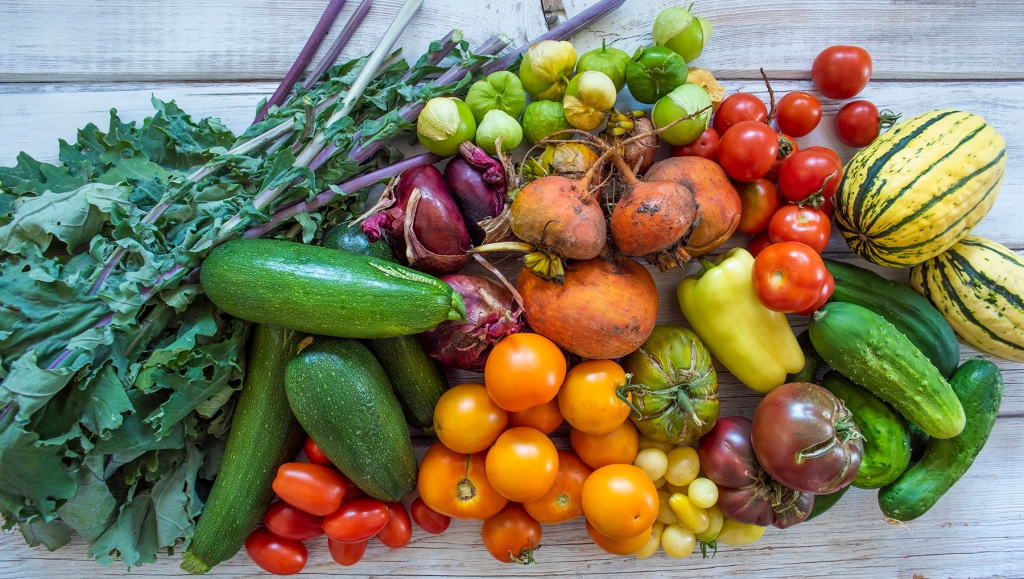
Hi! Would you like to learn how to can and preserve your own food? Come take a fun preservation class with me! I teach small-group classes (never more than eight guests) in our dedicated studio space. We learn a lot! We eat delicious food! We build community and self-reliance!

Peaches / Saturday, August 16 / 9AM-11AM / Showcasing our area’s legendary local peaches! Learn the basics of water-bath canning, plus how to dry and freeze peaches. Opening a jar of home-canned peaches in frigid January is a beacon of warm sunlight!

Jams & Chutneys / Saturday, August 30 / 9AM-11AM / You need homemade jam to enjoy with your homemade sourdough! Learn the basics of water-bath canning, plus how to make delicious homemade jams, chutneys and condiments.

Tomatoes / Saturday, September 13 / 10AM-12PM / Preserved tomatoes are an incredibly versatile addition to your home pantry. Learn the basics of water-bath canning, plus how to dry and freeze tomatoes. This class showcases our farm’s heirloom tomatoes (grasshopper-permitting)!

Salsas & Hot Sauces / Saturday, September 27 / 10AM-12PM / What to do with all those peppers? Learn the basics of water-bath canning, plus how to make delicious mild and spicy condiments like salsa, hot sauce and chile powder. Featuring our farm’s unique peppers and heirloom tomatoes!

Apples / Saturday, October 11 / 10AM-12PM / Keep the Applefest vibes rolling and enjoy more local apples! Learn the basics of water-bath canning for applesauce and apple pie filling, plus how to dry and freeze apples.

Fermentation, Vinegar & Kombucha / Saturday, October 25 / 10AM-12PM / Learn the basics of fermentation, and make your own incredible homemade vinegars and kombuchas! Sauerkraut and pickles, too!

If you would like more information on these or any other cooking classes or events, please send me a message!

Farm update: May 12

It’s mid-May here on the Western Slope and we’ve had virtually no appreciable moisture for months. Grand Mesa snowpack is critically low. Accordingly, even though water allocations haven’t yet been set, we are planning for an exceptionally limited irrigation season, as are other farmers in our region.

What else is happening on the farm these days?

This photo of gated pipe in our pasture is from back in 2018 – our pasture looks nothing like this now.

Our gated pipe is always broken down and stored for winter, and we’ve returned that pipe to its position along the ridgeline. We made some needed repairs, but it will likely be at least four to six weeks before we get water so we won’t know our pass/fail result until that first irrigation run.

Continue reading

The 2024 bean harvest

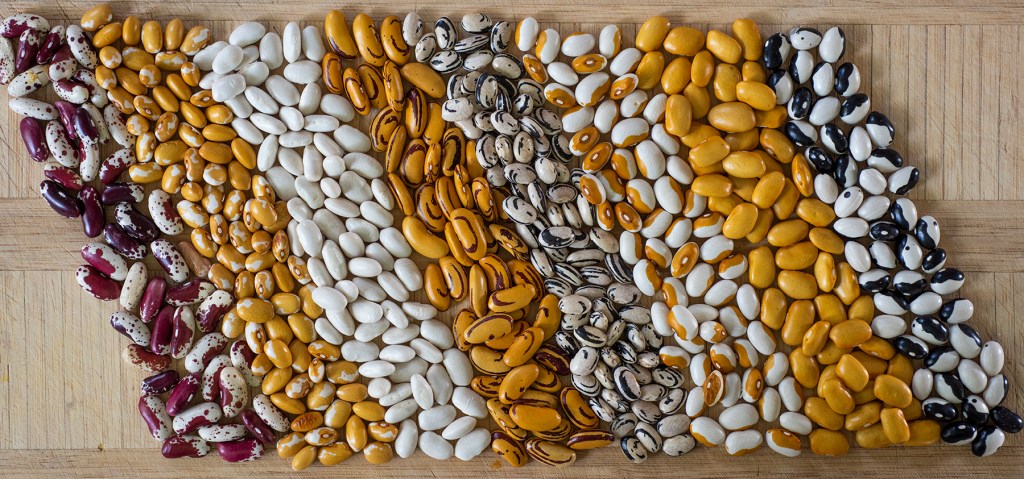
Part of our display at a recent harvest festival.

Hello friends. Mid-November and we’ve only just finished harvesting the last of our dry beans. We grew over thirty cultivars this year, some roaring successes and some total crop failures (Ayocote Blanco). As ever, we learn from each year’s experience and know better what to grow and what not to grow in coming seasons.

Below we’ve listed all the new cultivars we grew this season, and we also grew almost every cultivar from 2023. We won’t describe those again in this post, but you can read about that harvest here. (Note that the bean we referred to as ‘Palomino’ in 2023 is also called ‘Southwest Gold’ and ‘Zuni Gold,’ depending on the company.)

Continue reading

The 2023 bean harvest

Well, hello there. It’s nice to be here again. We’ve taken a break from posting, but we certainly haven’t taken a break from farming. On the contrary, we have expanded our growing area and our crops. This year, we grew hundreds of pounds of organic vegetables, but we’re most proud of our dry bean harvest – twenty varieties! Read on to learn more about what we grew.

Clockwise from top left: Hopi Yellow, Vaquero, Bolita, Dragon’s Tongue.

Hopi Yellow: A classic yellow bean, larger than Buckeye. Perfectly at home in any soup or stew, this is a bean that will enhance any recipe yet never steal the spotlight. Excellent productivity.

Vaquero: Also called Orca or Yin-Yang (for obvious reasons), these small, dense beans cook up beautifully and produce a rich, inky pot liquor. A stunning bean and surprisingly productive for an heirloom.

Bolita: A lovely, delicate little bean in the pinto family, but smaller and sweeter in flavor. Bolitas are native to southwestern Colorado and New Mexico and figure prominently in the Indigenous cuisine of the region.

Dragon’s Tongue: These pale lavender wax beans grow inside pretty dark purple-striped pods and are most commonly eaten as a fresh green bean, though the attractive pod stripes unfortunately disappear when they’re cooked.

Clockwise from top left: Aztec White, Rio Zape, Jacob’s Cattle, Tiger’s Eye.

Aztec White: One of our very favorite varieties, Aztec White is our top producer and a bean we will likely always grow. These beans are perfect for a white chili or a lush, garlicky dip for crudités.

Rio Zape: We’re proud to grow this spectacular purple and black bean that inspired the creation of the legendary Rancho Gordo. An impressive member of the pinto family, this bean offers deep, dark flavor with coffee and chocolate notes.

Jacob’s Cattle: Like most beans in the kidney family, Jacob’s Cattle’s is dense, meaty and full-flavored. It holds its shape and stands up to strong seasoning, so it makes an excellent chili bean.

Tiger’s Eye: These stunning beans are honestly almost too beautiful to eat. Almost! Tiger’s Eye ripen early due to their thin pods; their correspondingly thin skin nearly disappears in cooking, but they’ll hold their own in any chili or soup.

Clockwise from top left: Hutterite, Cranberry, Palomino, Midnight Black.

Hutterite: Possibly brought to the northern Midwest by Ukrainians in the 1850s, or maybe selected from China Yellow by settlers – like many beans its origin story is a bit murky. This bean is creamy, productive and mild, perfect for any gentle, warming soup or stew.

Cranberry: This comes from a huge bean family; it is likely native to Colombia but is now bred around the world. It’s also called Borlotti, Wren’s Egg and more. Cranberry beans are soft and thin-skinned and they produce a luxurious pot liquor, perfect for pasta e fagioli.

Palomino: This bean is a golden variation of Anasazi, but we choose not to use that disputed name and so have branded it Palomino. Like other yellow beans, it is creamy, mild and versatile.

Midnight Black: A true black turtle bean with traditional flavor and an inky broth, this bean originates from Rancho Gordo’s seedstock. Fresh black beans, cooked from dry, will completely change hearts and minds on using canned black beans.

Clockwise from top left: Forelle, Mayocoba, Peregion, Yellow Eye.

Forelle: Officially known as Forelle fliederfarben, which translates to ‘lilac trout’ in German, these round, purple beans with black stripes are absolutely gorgeous. This variety produced abundantly, always a surprise for heirloom beans.

Mayocoba: Native to either Peru or Mexico, these are creamy, pale yellow, thin-skinned beans with a soft, buttery texture. They make excellent refried beans.

Peregion: These come out of the Pacific Northwest and have a gorgeous zebra coloration. One of the few beans where the striping is still (faintly) visible after cooking, Peregion are productive and delicious.

Yellow Eye: These beans are both rich and mild, more a supporting character than an outright star. They are an old New England variety and the bean of choice for classic Boston baked beans.

Clockwise from top left: Garbanzo, Buckeye, Marcella, Red Cranberry.

Garbanzo: Also called chickpea or ceci bean, this legume is most commonly used in hummus and other Middle Eastern dishes. Garbanzos are not native to North America like most other beans here and are low-yielding and tricky to grow – but the unusual, fronded plants are fun to see in the field.

Buckeye: Rancho Gordo says, “A small, dense yet velvety bean that holds its shape and provides a rich bean broth. Easily one of the staff’s favorite beans. Buckeye is incredibly creamy, almost more like a classic black turtle bean than anything else. It’s dense without being intense, if that makes sense.” Can’t top that description.

Marcella: A long white cannellini-style bean, named by Rancho Gordo in honor of the great Marcella Hazan. Thin-skinned and creamy; ideal for brothy Italian-style soups and rich, flavorsome dips and spreads.

Red Cranberry: An old variety, likely grown by Indigenous tribes in the northeast U.S. Gorgeous rich red color and much rounder than the more common striped/speckled cranberry bean above. Listed in Slow Food’s Ark of Taste.

We could go on and on about dry beans (and have, previously), but let’s sum it up like this: they’re native to our region and therefore exceptionally drought-tolerant. They’re an incredibly nutritious source of plant-based protein and beneficial fiber. They require almost no care, and they are not plagued by pests, viruses or disease so require no inputs, at least in our microclimate. They keep well. And they actually give more than they take, replenishing the soil with each season’s growth. Beans are an absolute powerhouse in every category, and they’re a great addition to Quiet Farm. We’re deeply proud of our 2023 harvest, and are already evaluating what varieties we’ll grow next year.

More than ever, we know that small, regenerative farms are the only sure way out of this increasingly catastrophic environmental mess we find ourselves in. We encourage you to support small farms in whatever way makes the most sense for you and your household.

As always, thanks for being here. We’ll be back again soon!

The bean harvest

Our eight bean varieties from the 2022 harvest.

Here we are, dear friends, and yet again I’m singing songs of love and devotion to beans – specifically our own 2022 harvest! My total and complete adoration of dried beans is no secret. Not only are beans one of the most inexpensive yet nutritious whole foods available, but as nitrogen-fixing legumes they actually improve soil. They grow well in our tricky high-plains desert environment, they don’t require much water and they’re very low-maintenance. There can hardly be a better edible crop to grow! Plus, as the world gradually starts to realize that a meat-centric diet for nine billion people simply won’t work, beans (and other nutritious legumes and pulses) will become ever more important as plant-based proteins. We’d like to get ahead of that curve and start cultivating more edible legumes on our farm, for both our own health and our soils, so this year we planted a test crop.

Continue reading

Fight inflation in the kitchen

The total came to nearly $90 – four painfully small canvas totes of groceries that did not include meat, cheese or eggs. Had I been shopping at an ultra-fancy Amazon-owned health-halo organic market, this might have seemed reasonable, or even a bargain. Instead, I was at the (sadly) best option in our poor, rural county: a grim, dark and untidy corporate chain store with exploitative policies, limited fresh produce and extensive displays of cheap soda, chips and cookies. Shopping here is not pleasurable, by any stretch of the imagination; both the atmosphere and the prices leave much to be desired.

Unless you’re named Musk or Bezos, you’ve likely noticed that inflation has started to bite, and to bite hard. In the twelve-month period ending this past March, the U.S. inflation rate was 8.5% – the highest it’s been since late 1981. In the simplest economic terms, inflation means that our money doesn’t go as far as it used to. The huge conflagration of various challenges we’re facing right now – a global pandemic, the pointless war in Ukraine, climate change, housing instability, supply-chain disruptions, insatiable greed – means that we’re all experiencing inflation to varying degrees. The good news is that in almost all cases, you can control how much inflation affects your individual household by adjusting your own behavior. No surprise, then, that one of the easiest places to accomplish this is in the kitchen.

Before we really start whining about grocery prices, however, I want to make it perfectly clear that the average American spends far less on food as a percentage of their household income than do most other developed nations. The best available statistics indicate that we spend about 7% of our budget on food, whereas in the U.K. it’s closer to 9.5%, and around 15% in France, Spain and Italy. On a relative basis, our food is devastatingly cheap here; this is because we have absurd federal farm subsidies and because we’re a net exporter of food, which means we produce a lot. (Our cheap food is obviously both terrible for the environment and our own health, but the system holds!) Unfortunately, we’re very spoiled and therefore accustomed to cheap food, which means that we’re far more sensitive to price increases than other countries. (See also: $90 for four tiny bags of groceries, above.)

If you, too, are starting to feel the sharp stick of inflation in your own food budget, we hereby present some easy ways to keep your food costs down, eat healthier, and reduce environmental impact. It’s a win-win-win!

Continue reading

Farm update: November 22

Hello and what’s new in your world? Here at Quiet Farm we very much wish that winter would appear already. We haven’t had even a dusting of snow since that frost back in October, and it’s barely cold enough to freeze the animals’ water or kill off all the aphids on the kale. Far too warm for late November – but don’t you worry, our trusty politicians are taking care of that pesky climate collapse issue even as we speak.

Our fall harvest has all been successfully preserved; the last of the ripe tomatoes went into the sauce pot yesterday. Chiles are drying in the sunroom, ready to be pulverized into chile powder; pumpkins and squash are neatly stacked on shelves; apples and onions remain in cold storage in our insulated woodworking shed. We are stocked and ready, and we invite Serious Winter to show up immediately if not sooner.

Here are a few more things we’ve been up to recently, if you’d like to see:

Bright, tart pomegranate seeds make these amazing waffles even better.

Obviously we’ve discussed the waffles previously, but yet here we are again. I made a fresh batch last weekend and since holiday brunches and family gatherings and all sorts of festivities are lurking just around the corner, I must evangelize the waffles once more. Please, dear friends, if you do not make one other thing from scratch this holiday season, please make these waffles. I know this level of devotion to a seemingly innocuous breakfast food seems a bit over the top, but trust me – these are the best waffles ever, and you can stop Googling ‘best waffle recipe.’ Plus they’re very easy to make, and they freeze beautifully – you can just have fabulous homemade toaster waffles any time you like, and you can also stop buying expensive processed frozen waffles with mysterious ingredients! The recipe hails from Fannie Farmer by way of Marion Cunningham’s brilliant The Breakfast Book, which I highly recommend. (But seriously, go make these waffles. Do it now.)

Hot sauce doesn’t have to be just painfully ‘hot.’

Making hot sauce is always part of our farm preservation work each year. Although I’ve experimented with lots of different types of hot sauces, for the moment I’m keeping it simple – one fiery-sweet red version, very loosely based on Sriracha and this Melissa Clark recipe, and one fermented serrano version, a rough knock-off of green Tabasco. The red hot sauce is definitely milder, with a gentle undertone of sweetness from the red bell peppers, while the green is a tangier, sharper vinegar-based sauce, used more sparingly. As a personal rule, I don’t love aggressive, punch-in-the-face hot sauces; I want a bit of heat but would still like to taste whatever I’m eating. Hot sauce is simple and inexpensive to make at home, keeps indefinitely and is a thoughtful consumable gift for anyone on your list who likes things spicy. (P.S. If you buy classic Sriracha, save, wash and reuse the iconic squeeze bottles for your own homemade hot sauce.)

Small part. Big impact.

I don’t in any way fancy myself an influencer, but if I can influence you to NEVER, EVER buy GE appliances, please allow me to do so. We have a full suite of GE appliances in our kitchen – all of which came with the house – and every single one has failed at least once. Most recently we found ourselves without a functioning oven, which is quite challenging for someone who bakes on a more or less daily basis. Some investigation and a few helpful YouTube tutorials later, we ordered a new igniter. (Of course, I foolishly ordered the first igniter from GE and it arrived pre-broken, thanks to their careless packing. The second igniter, from an entirely different company, arrived in perfect condition, but obviously it was now two weeks later. Thanks again, GE. You’re tops.) We successfully installed the new igniter – a five-minute job, though gaining access to the compartment and putting everything back together neatly made it more like an afternoon – and lo and behold, we thankfully once again have a working oven. As always, successfully learning to repair things ourselves goes a long way towards our goal of self-sufficiency.

Crispy, salty, savory and delicious hot or at room temperature – galettes are winners.

And of course with a working oven, we can once again make delicious meals like galettes! Like the waffles above, we’ve extolled the virtues of galettes previously – they can be sweet or savory, hot or cold, made in advance or pulled fresh from the oven – and they lend themselves well to using up whatever odd bits and ends you might have on hand. They’re also beginner-friendly, if you’re intimidated by all the perfect pies you’re seeing right now; galettes are designed to be “artisanal” and “rustic” which – fun fact! – are both Latin for “messy” and “imperfect.” This time of year our galettes are most likely to have fall flavors, like delicata squash, caramelized onion, peppery goat cheese, sage and rosemary – but honestly, you can put pretty much anything you want in one. If you’ve got a couple rounds of pastry dough in the freezer you’re halfway there; galettes are easy to prep for holiday gatherings and perfect as a vegetarian main dish or as a simple, impressive dessert.

Available now as an NFT: “Untitled: Llama and Alpacas at Rest, 2021”

And finally, it’s always nice to observe our camelid herd lounging peacefully in the pasture; if they’re at rest, it means they’re getting plenty to eat. We’re regularly challenged by this rebellious bunch of feral miscreants, but they add a certain flair to Quiet Farm, and we’re glad to have them here.

Wishing you all the best during a tough time of year, dear friends.

A tomato review, vol. 2

As mentioned, we’ve had an utterly spectacular year for tomatoes. I knowingly overplanted simply because we’d gotten off to such a terrible start, and I honestly had very little faith that my scrawny, under-nourished plants would thrive. Once they received a compost tea shot, however, and then were planted out in our compost-enriched soil, all of the plants absolutely took off. In more than ten years of growing food, this is the first year where I was regularly behind on harvesting tomatoes – I simply couldn’t pick them fast enough.

To that end, we present our second annual tomato review. Each year we grow some old favorites and some new experiments to see what we might want to add to future seasons. We grow primarily open-pollinated heirlooms, both for exemplary flavor and so we can save our seeds, but we do also grow the occasional hybrid for interest and experimentation. Previously I’d only ever grown the smaller cherry and grape tomatoes, because I didn’t believe we had a long-enough growing season to produce the large heirlooms, but this magical season proved everything wrong. I’ll definitely plant the larger heirlooms again in upcoming years.

This was our first year growing Barry’s Cherry. This heirloom tomato, bred by the legendary Brad Gates, is small and pale yellow with a pointed “beak” at the end. The flavor is terrific, tangy and bright with a hint of acidity, and the plant produces unbelievable yields on huge clusters. I’d definitely grow this tomato again; my only complaint is that the fruit tends to fall off the vine with even the slightest sideways glance. This makes harvesting really challenging and would definitely render this difficult to grow in a large-scale commercial operation. For home gardens, however, it’s a great choice.

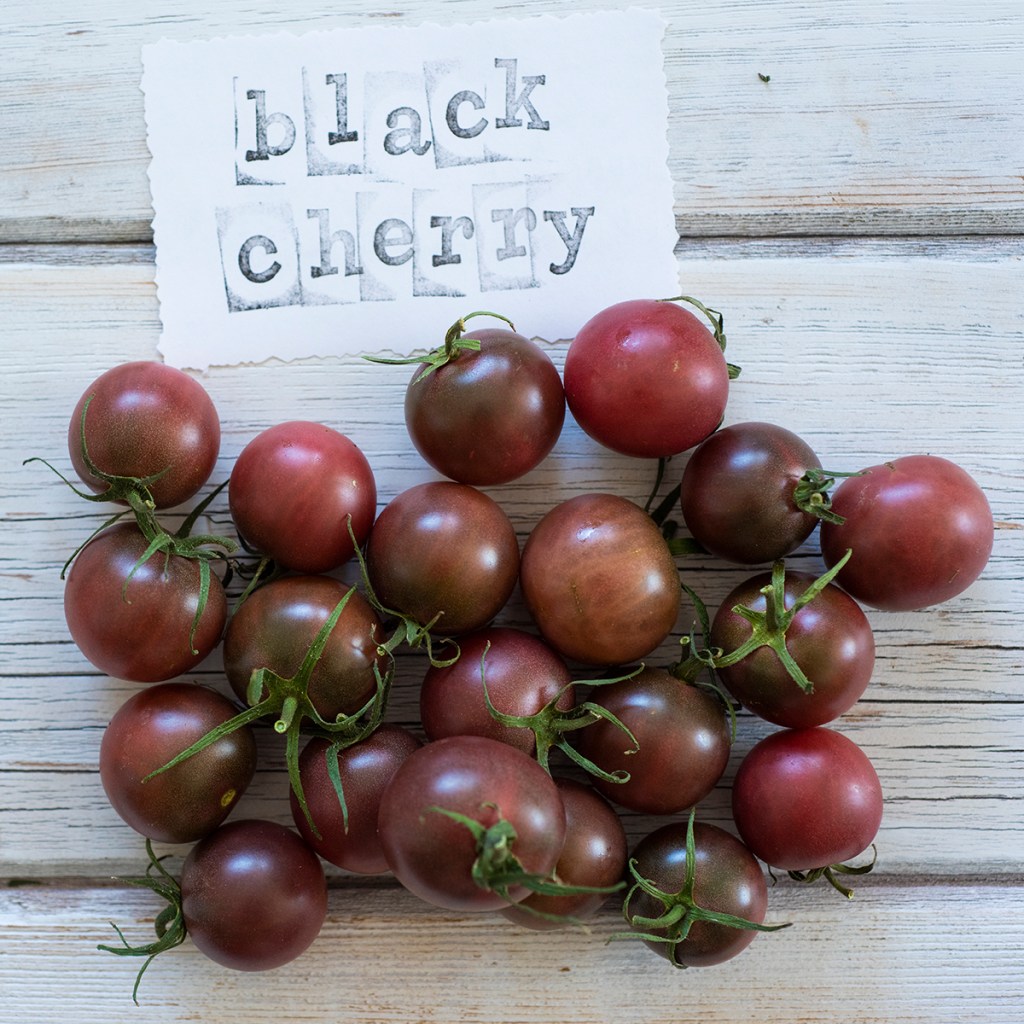
I organized the tomato photos in this year’s review alphabetically, rather than in order of preference, which does somewhat minimize the suspenseful awards-show atmosphere: Black Cherry is the 2021 Taste Winner. These seeds originated from a tomato I tasted from a friend’s garden last year, and she didn’t know the exact name, nor whether they were heirloom or hybrid. I took a chance on saving those seeds and lo and behold, now we have Black Cherry seeds in abundance. This tomato is gorgeous, with a blackish-purple coloration that indicates higher levels of anthocyanins. The flavor is incredible – that perfect blend of sweetness and acidity that I’m always looking for in tomatoes. The plants produced well, and I found that the tomatoes growing lower on the vine (i.e. out of direct sunlight) had better flavor and a darker color. Black Cherry has definitely earned its spot in Quiet Farm’s mandatory planting category.

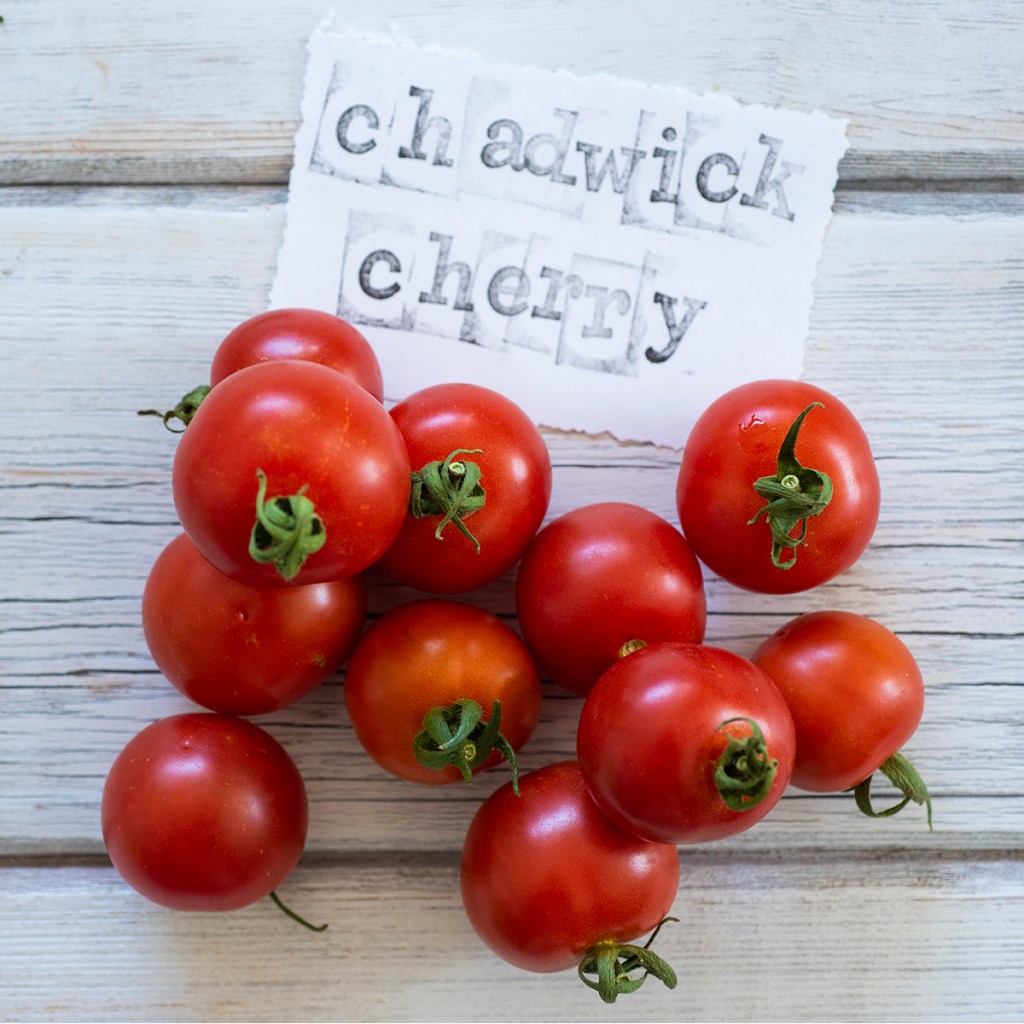
We grew Chadwick Cherry tomatoes last year, and they’re in regular rotation now, too. They’re likely never going to win our taste test because the flavor isn’t quite as bright or sparkly as some of my other favorites, but the plants produce early and abundantly, and the tomatoes are perfect in recipes where their flavor will blend rather than dominate. This tomato is named for organic gardening pioneer Alan Chadwick, an interesting character if ever there was one.

I’ve long known about the Cherokee Purple tomato, a pre-1890 variety that was only reintroduced commercially about thirty years ago, but never thought I could grow it at 6300 feet in a high-plains desert. This season absolutely proved me wrong. We produced multitudes of huge Cherokee Purple fruit on heavy vines that should have been staked better than they were (lesson learned for next year). Like the Black Cherry above, the Cherokee Purple has rich, wine-dark coloration and a deep, almost smoky flavor. This is a certainly a full-size heirloom that we’ll grow again. (One caveat: we also grew Black Krim tomatoes this year, and thanks to an unfortunate tag mishap, it is difficult to tell which plants are which as the fruits are very similar. Perhaps our saved seeds will create a new Cherokee Krim crossbreed?)

This was our first year with Galina, a small, sunshine-yellow cherry tomato originating in Siberia. The fruit ripens early, as one might expect from a cold-climate Russian tomato, and produces well. The flavor is bright and cheerful and of course it’s lovely to have yellow tomatoes to accompany the red and green varieties for colorful salads. Galina didn’t win our taste test this year, but it’s a much more interesting tomato than Yellow Pear, a classic small yellow heirloom that we found rather bland and flat last year.

We’ve grown Green Zebra for a number of years now. The striated color is stunning, especially when paired with red and yellow tomatoes, and the flavor is terrific. It can be a little difficult to tell when Green Zebras are ripe – they actually turn slightly golden when they’re ready to be harvested; gently pressing on the bottom of the tomato is often a good indication of ripeness, if color is difficult to determine. This is a classic heirloom and one we’re happy to grow every year.

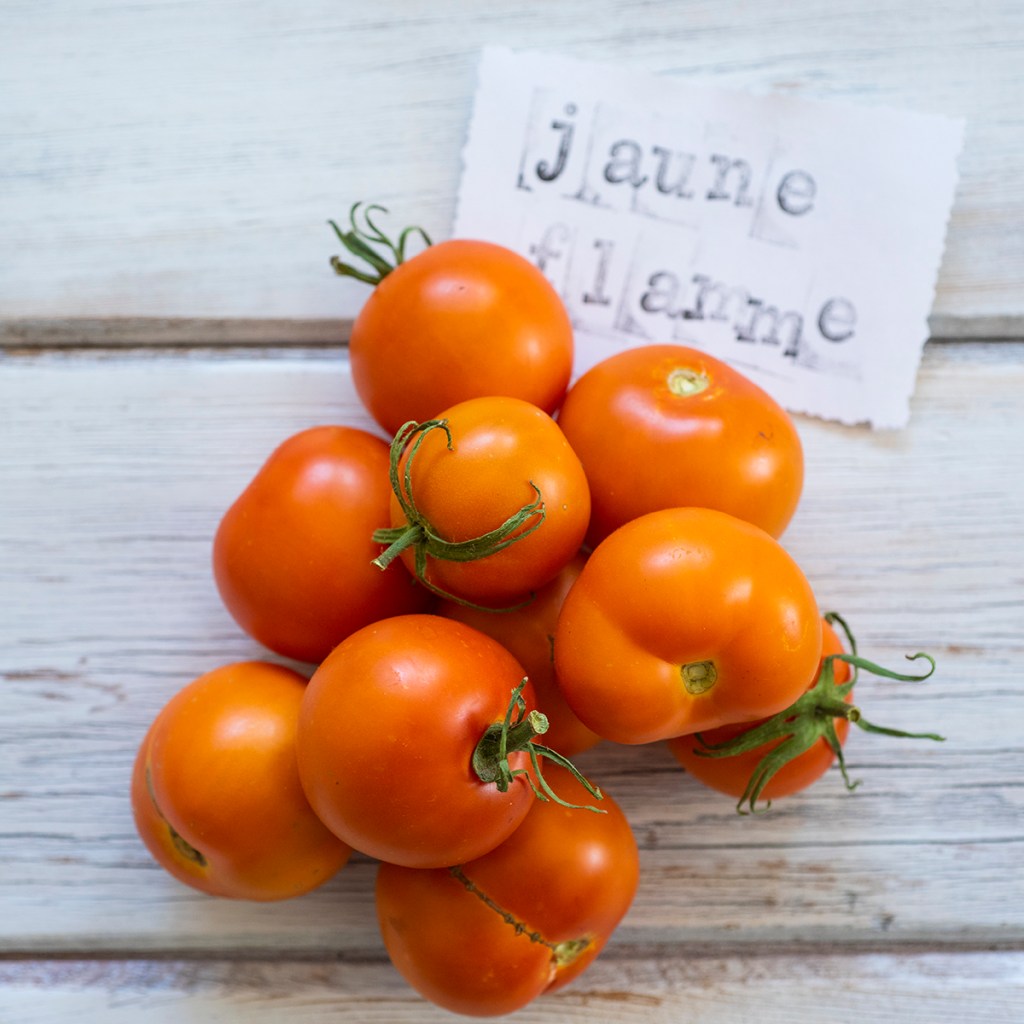
Jaune Flamme, meaning “yellow flame” in French, has quickly become one of our favorite tomatoes. It’s medium-size, about a golf ball or a bit larger, with abundant fruits and sparky flavor. Here, at least, it presents as more fiery orange than yellow, and it makes a stunning golden tomato sauce or soup. On the downside, this was the only tomato where we observed blossom end rot this year which may doom it for future plantings if the trend continues.

Juliet made its first appearance at Quiet Farm this year too. This is a small Roma-style hybrid tomato, and the plants remained relatively compact – as opposed to some varieties that have stretched and vined and tangled absolutely everywhere. Juliet ripened early but the flavor was nothing special; for me, it’s too flat and sweet without any of the acidity I seek. The fruits also fell off the plants regularly, which isn’t a plus. The tomatoes are fine in salsas and sauce, but I’d be hard-pressed to grow this again without experimenting with other interesting tomatoes first.

Lemon Boy is a rare hybrid here at Quiet Farm; a friend had extra plants that were headed for the compost, so we planted a few. The fruit is standard in size and a gorgeous, shimmering yellow that’s easy to spot when ripe. The flavor was delicious too and showed up perfectly on a salad platter against darker red and subtle green tomatoes. Although we’d be happy to grow these next year, Lemon Boy is a hybrid (the yellow version of Better Boy) so we won’t bother saving seeds and will hope to just be gifted starts again.

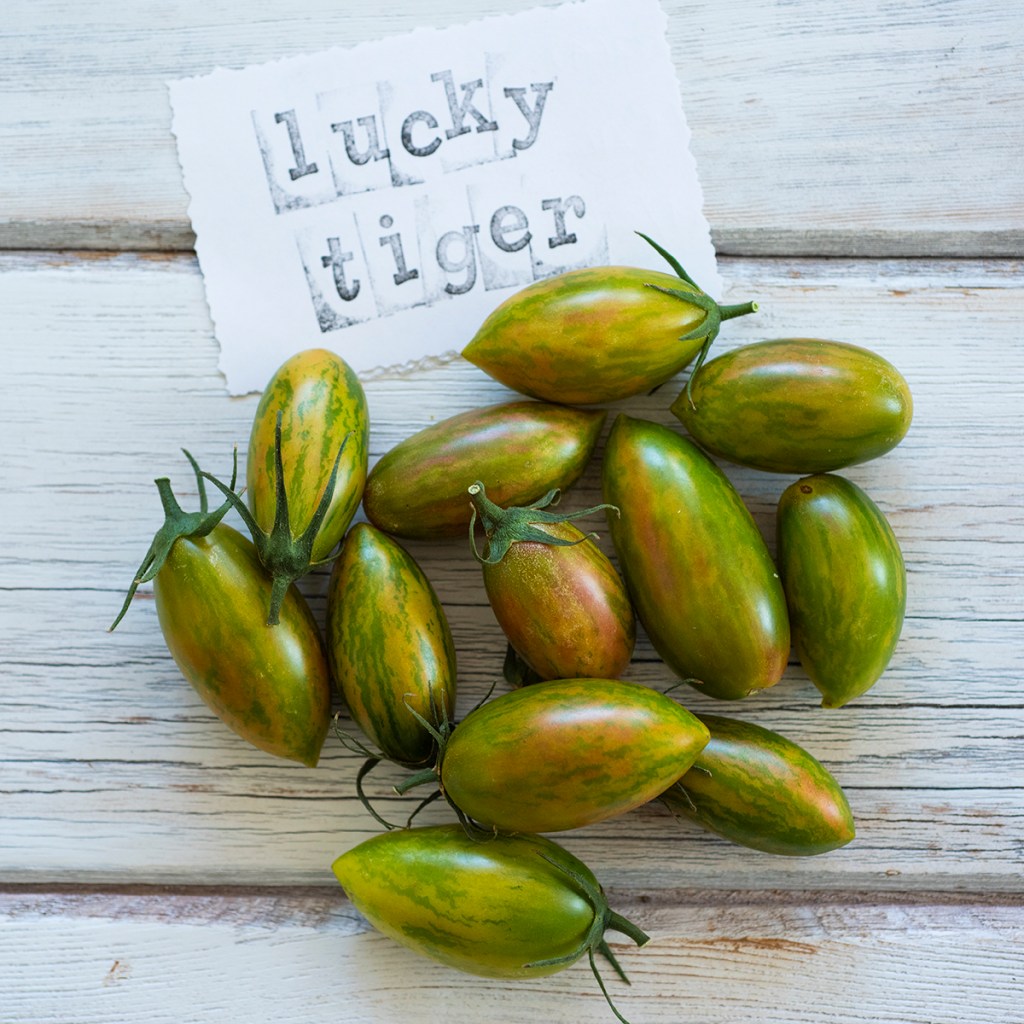
Lucky Tiger is an amazing tomato and was our hands-down winner in last year’s taste test. Developed by Fred Hempel, another legendary tomato breeder, Lucky Tiger has it all – stunning looks, spectacular flavor and reasonable productivity for a finicky heirloom. One seed catalog sums it up perfectly: “This tomato gets top marks for flavor: tangy, sweet and complex with tropical notes and balanced acidity.” Lucky Tiger is so impressive that it should encourage everyone to grow unusual heirlooms. This is another tomato that will definitely be planted every year at Quiet Farm.

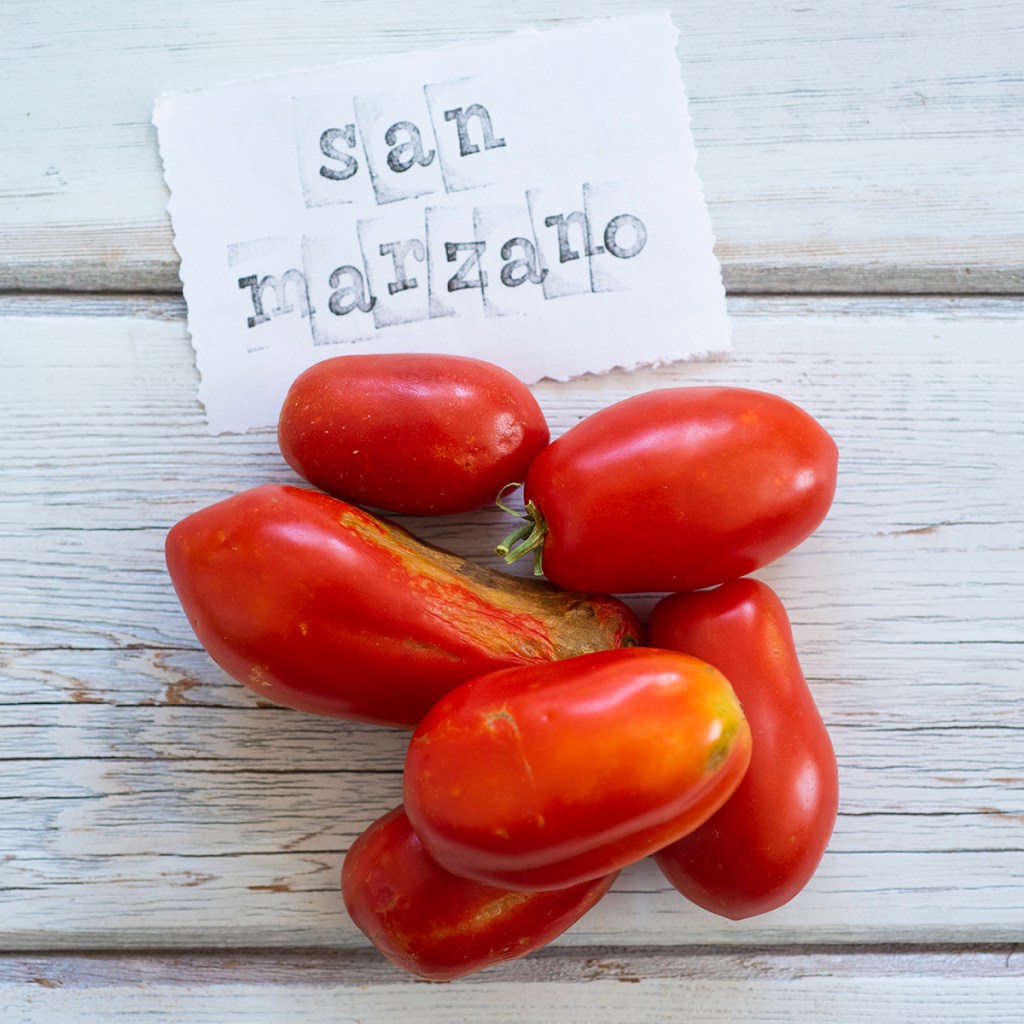
We grew San Marzano and Roma tomatoes this year; these are both elongated paste tomatoes with meaty flesh and not too much in the way of juice or seeds. They’re typically used for sun-dried tomatoes or sauce making. Ours were mediocre at best; the plants took forever to set fruit and took forever to ripen, and only now are the plants loaded with green, unripe fruit. Spoiler alert: we don’t have enough time left in our growing season for these to yield much more. Overall, I was unimpressed. As always, I’ll save seeds but it could well be a couple of years before I’m willing to give these another shot.

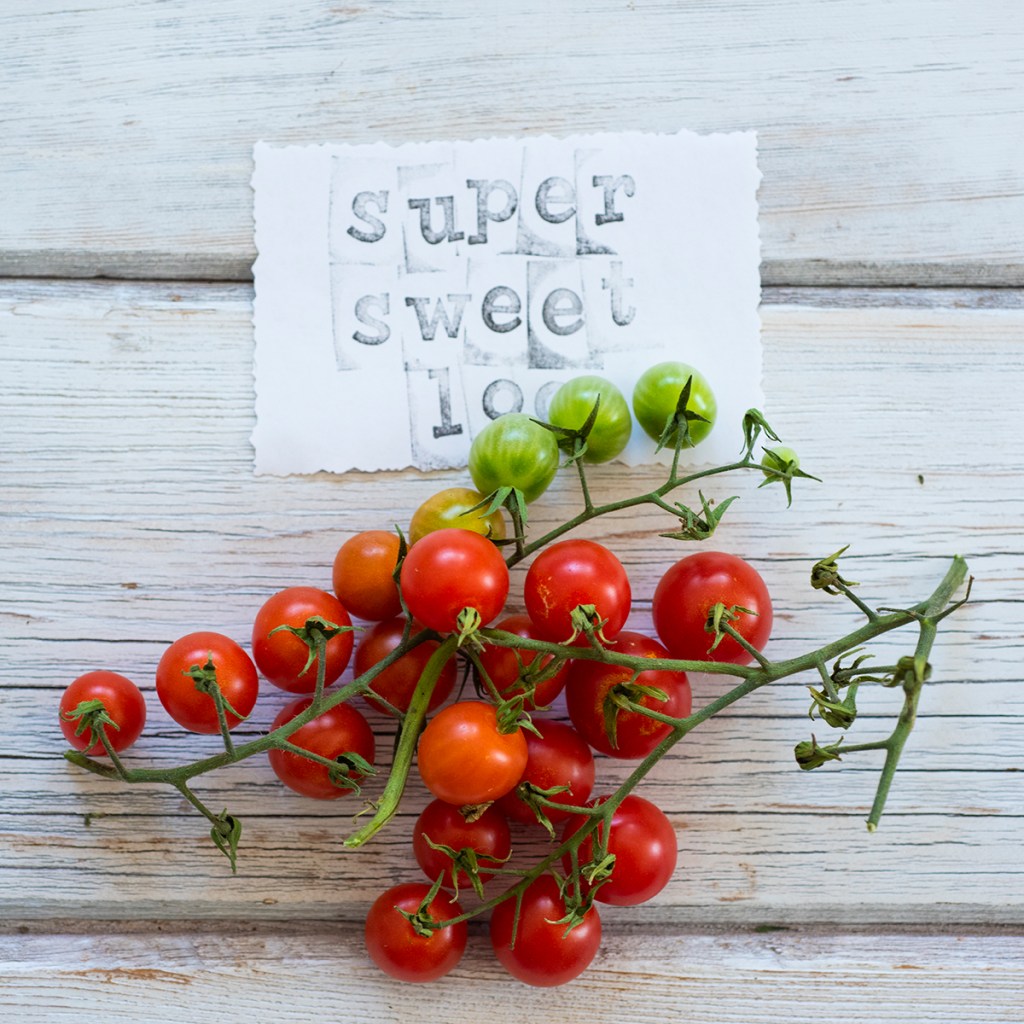
This was our first year growing Supersweet 100s, although we grew Peacevine Cherry last year, which is the dehybridized version of this tomato. This is a glorious tomato, tiny and sweet and perfect for eating by the handful. It produces so abundantly and in such difficult-to-access clusters that we still have thousands on the vine that need to be harvested. This tomato is really too tiny to cook with but is ideal for eating fresh. We won’t save seeds from these, since it’s a hybrid, but will definitely grow Peacevine Cherry again.

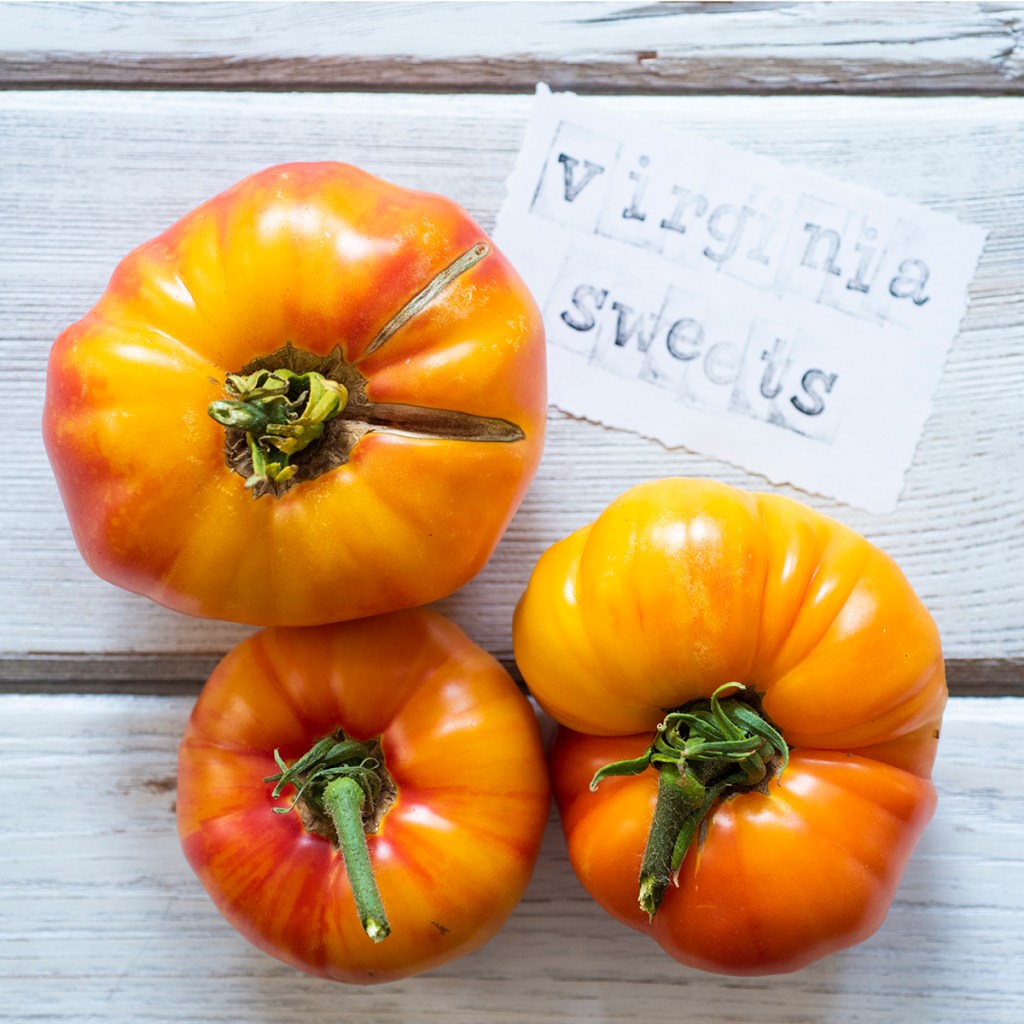
Our final tomato this season is Virginia Sweets, another full-size heirloom that we were surprised to produce. These tomatoes are massive – well over a pound each – and gorgeous, with an unusual streaky yellow and red sunset appearance. The flavor, however, left a bit to be desired. Like sweet corn, many tomato breeders in recent years have focused on breeding sweeter and sweeter tomatoes, because that’s what the American palate seems to demand. (This is why lemon juice is now mandated in home-canned tomatoes, because too much acid has been removed and the pH is no longer suitable for long-term storage.) I’m thrilled to have successfully grown such large heirlooms, but I’d probably try another variety before growing these again, since the flavor wasn’t balanced enough for my tastes. A satisfying experiment, nonetheless!

What tomato varieties did you grow this year? Any that particularly captured your fancy? We’d love to know more about your favorites.

The height of the harvest

“Things are somewhat ugly out there. I couldn’t have imagined in the spring that we’d be suffering Covid (and fools) this long after a vaccine was announced, but here we are. One really fine manifestation of this has been to appreciate the things that are going right. Not as planned, but still in the right direction. Gardening and farming help a lot. Whether you pop a bean in a clay pot with some soil or you are farming thousands of acres, producing food is pretty cool and we’re lucky to be helping nature, in the garden and on the stovetop!” -Steve Sando, Rancho Gordo

Hello there, friends. As you might imagine, it is an exceptionally busy time on the farm. August and September are the months we wait all year for and the abundance is staggering. These are the days when all of the hard work done in early spring really comes to fruition, but the workload is staggering, too. In addition to harvesting each day, we also need to preserve the harvest, plant fall crops, collect seeds and start thinking about fall clean-up tasks and winterizing the farm. We’re still irrigating two days per week, too, which eats up a lot of time. No matter the long hours, though, the incredible food we’re growing makes it all worthwhile.


These squash bugs are having one heck of a party.

Every growing season we face different challenges – the weather, the water and the pests all vary from year to year. Ideally, though, we’re learning from each experience and are better equipped for future troubles. This year we were surprised to discover the common squash bug (Anasa tristis) attacking our summer squash. Despite our never-ending drought, our relentless winds and our high altitude, we do have one great advantage in farming where we do – insects are rarely (if ever) a major problem. I’ve never dealt with squash bugs before, and by the time I discovered them, they’d done a huge amount of damage. I researched organic control methods and laughed out loud at one not–at-all-helpful suggestion: “carefully remove each bug by hand.” (Let me tell you what I do not have time for right now: removing individual bugs by hand.) And so, I opted for a broader form of retaliation: I clear-cut the Costata Romanesco plant back to its roots, leaving only the two huge squashes that I’m saving for seed. I do think that the ‘overgrown tropical jungle’ aspect of this particular plant contributed to this infestation, since the bugs often shelter at the plant’s base, so I need to consider this for future plantings. Also, if we should be so unlucky as to have a mild winter the larvae will likely not be killed and I’ll encounter the same problem again. Therefore, crop rotation and careful attention before the bugs get out of hand are definitely on next year’s to-do list.

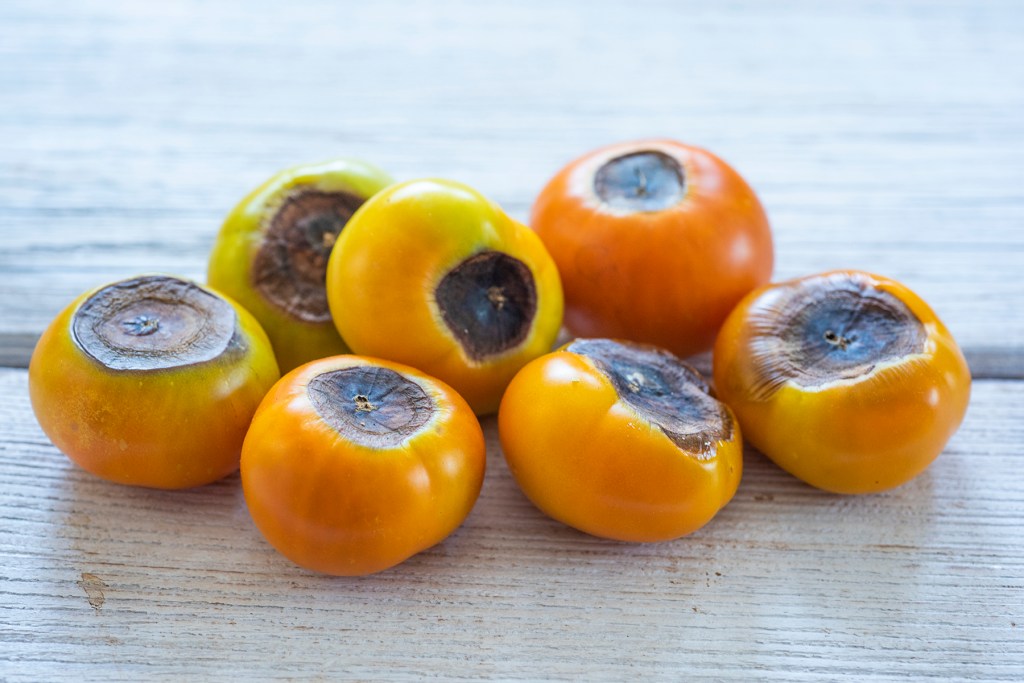
Blossom end rot is easy to identify.

One garden ailment that I am painfully familiar with is blossom end rot, commonly referred to as BER by horticulturalists and farmers. BER isn’t technically a pest or a disease; rather, it’s a physiological disorder caused by insufficient calcium uptake. Although BER can affect peppers, squash, cucumbers and melons, I’ve only ever encountered it in tomatoes. Though there can be various causes, in my growing experience, BER is most often caused by inconsistent watering – both too much and too little – which can definitely be an issue in our growing area. As an example: for the past few weeks we’ve been running our regular Wednesday/Thursday irrigation schedule, but then have also experienced dramatic midnight thunderstorms which of course soak the plants even further. BER usually appears when the fruit is about half-size, and the spot at the base will turn leathery and spongy and eventually cause the entire fruit to rot. BER won’t hurt you, and you can cut out the affected areas, but I usually throw affected fruits straight to the chickens. As always, keep good records – you may find that certain species are more affected by BER in your garden than others. This year, I’m only seeing it in the Jaune Flammes shown above, and not in other varieties, and only in one raised bed – which indicates that the drip irrigation in that particular bed may also need a closer look. Paying attention to what’s going on with your plants will usually teach you everything you need to know.

Tomatillos are one of our favorite summer staples.

Do you grow tomatillos? I feel like they’re not very well known outside of the American Southwest, but I adore them and grow them every year. They’re in the same nightshade family (Solanaceae) as tomatoes, peppers, eggplant and potatoes, and they’re also closely related to ground cherries and Cape gooseberries. They grow on plants similar to tomatoes and often need to be staked, because they’re quite sprawling and unkempt, but they’re prolific, hardy, drought-tolerant and delicious. Tomatillos are crisp and tart and usually ready to eat when the papery husk turns from bright green to a paler beige, or when they fall off the plant. Most of ours end up in salsa verde, but they make a wonderful sauce for enchiladas and a great addition to spicy soups, vegetarian tacos or green chile. Plus, they’re rich in fiber and vitamins C and K, too!

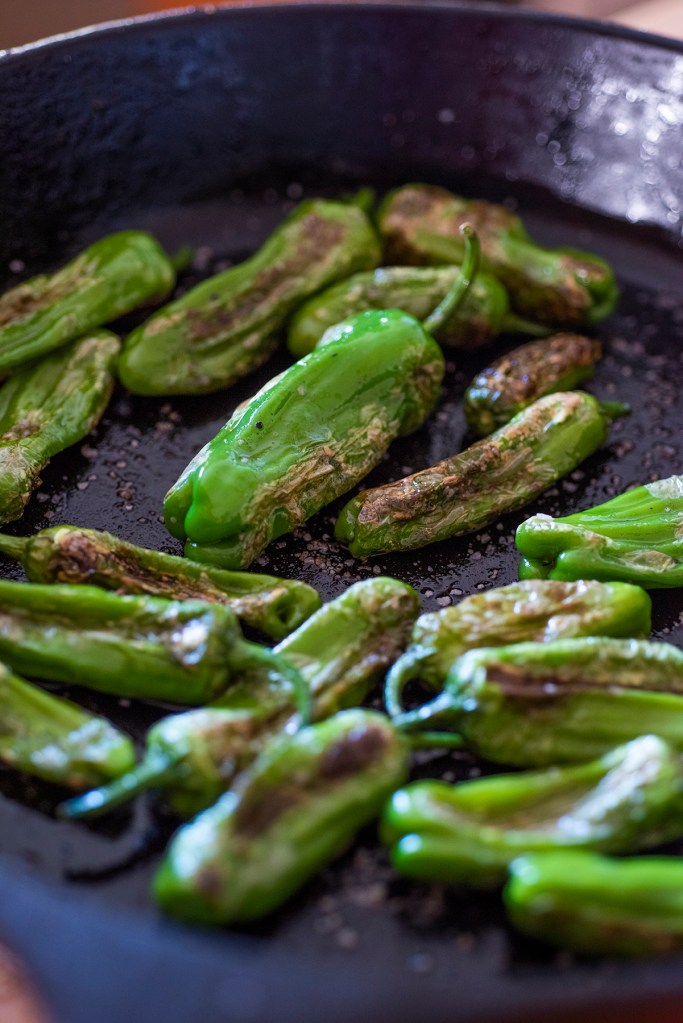
Blistered shishitos are often a pre-dinner snack.

Our shishito peppers have done well this year, which is terrific news because I haven’t had any success with this crop since we moved here. Shishitos are native to Japan, likely bred from the Spanish padrón pepper, and harvested green at about two inches long. We enjoy them in the most common fashion, seared in a screaming-hot cast iron skillet, dusted with flaky salt and nanami togarashi seasoning, then eaten whole out of hand (except for the stem). Shishitos are considered a “Russian roulette” pepper, in that they’re mostly quite mild but about one in ten will be eye-wateringly hot. This has a lot to do with their growing conditions, however, and ours have been pretty tame so far this year. As usual, I’ve left one pepper on the plant for the entire season so that I’ll have viable seeds for next year.

A great reason to dust off the angel food cake pan!

In addition to harvesting and preserving our own crops, this is also high time for purchasing fresh fruits and vegetables from other local farmers. We don’t grow sweet corn here at Quiet Farm; it’s a wind-pollinated grass, needs a good amount of land, and is virtually impossible to grow organically. Instead, I typically buy a case (about fifty ears) from a grower just down the road in Olathe, which is of course famous for its sweet corn. I grilled two-thirds of the ears and left the rest raw; all of the kernels, cooked and raw, were cut off the cob and frozen in small zip-top bags for adding to soups and chowders this winter. A few ears were saved for enjoying fresh, but most of this box went straight into the freezer as quickly as possible – corn does not improve once it’s been picked. I hope you were able to enjoy lots of fresh corn this summer, too.

One of the highlights of living where we do.

We’ve mentioned more than once this year that our local stone fruit growers were devastated by an early freeze last October, and many had no fruit at all. We were able to get out to pick a few peaches and have been enjoying them every day since. When I say “a few peaches,” what I actually mean is more than two hundred pounds – most went into the canning pot (fifty quarts), many into the dehydrator and the remainder into jam. This could well be our last year for peaches; we know many growers who are pulling out their peach trees because the heartache and stress simply isn’t worth it. And the orchard where we go to harvest is likely being sold soon, and it’s doubtful that a u-pick will be part of the new owner’s business model. Change is hard but inevitable, especially in the era of climate disruption – but at least we’ll have local peaches this winter.

As the world seems to spin more and more out of control each day, all we can do is focus on controlling what we can – and for us, that’s our land, our animals, what we grow and what we eat. We are doing our very best out here and hope you are, too, wherever you may be.