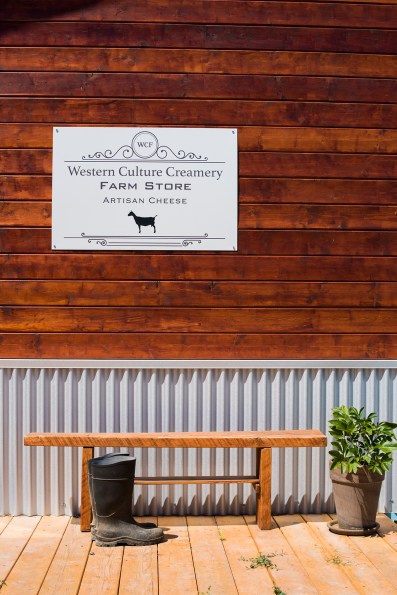
The Farm Series: Western Culture

Western Culture 01 sml

Now that we actually have a farm, we can get a bit more serious about researching where we’ll obtain our animals. We plan to raise dairy goats and laying hens, with the intention of producing enough milk, cheese and eggs to supply our own kitchen as well as our cooking school. Because healthy animals produce healthy food, it’s essential that we know exactly where our animals come from.

Western Culture 07 sml

We still have a lot of work to do on both our chicken house and our goat barn to get them ready for animals, and we don’t plan to purchase any until next spring. We want to make our reservations now, however, so that when we’re ready we’ve got animals waiting for us. Small dairies especially need to know in advance how many animals they can sell during a given season so they can plan their breeding program.

Western Culture 11 sml

Continue reading

Let’s learn about goats!

JGGD 11 sml

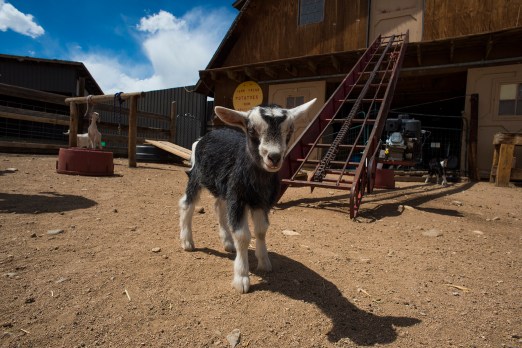
This is not the first time we’ve posted photos of #totesadorbs baby goats, and it certainly won’t be the last. We’ve known since we first invented Quiet Farm in our heads that we want to keep milking does, so as with all other aspects of farming, we’re learning how to do that from books and the University of YouTube and on-farm experience, too. By the time we actually find our farm, hopefully we’ll (sort of) know what we’re doing.

NJB_5018

Some fun facts about goats:

  • Goats have a reputation for eating just about anything, including clothes, trash and other inedible items. This is entirely untrue; goats are browsers, rather than grazers, and are naturally curious. They use their lips and teeth much as we use our fingertips – to investigate unknown objects – and they’re actually quite fussy about what they’ll eat. Goats also only have teeth on their bottom jaw, not their upper.
  • Goats are fantastic climbers and love to quickly attain the highest perch available – hence the popularity of goat yoga. Goats can climb trees!

Continue reading