Friends! The preservation season is fully upon us and our Preservation Series has been such fun so far! If you’re in the Surface Creek or North Fork Valleys, join us this Saturday, September 27, for our class on salsa, hot sauce and pickles!
And we’ve got another food swap coming up November 1 – contact me for more details!
Hi! Would you like to learn how to can and preserve your own food? Come take a fun preservation class with me! I teach small-group classes (never more than eight guests) in our dedicated studio space. We learn a lot! We eat delicious food! We build community and self-reliance!
Peaches / Saturday, August 16 / 9AM-11AM / Showcasing our area’s legendary local peaches! Learn the basics of water-bath canning, plus how to dry and freeze peaches. Opening a jar of home-canned peaches in frigid January is a beacon of warm sunlight!
Jams & Chutneys / Saturday, August 30 / 9AM-11AM / You need homemade jam to enjoy with your homemade sourdough! Learn the basics of water-bath canning, plus how to make delicious homemade jams, chutneys and condiments.
Tomatoes / Saturday, September 13 / 10AM-12PM / Preserved tomatoes are an incredibly versatile addition to your home pantry. Learn the basics of water-bath canning, plus how to dry and freeze tomatoes. This class showcases our farm’s heirloom tomatoes (grasshopper-permitting)!
Salsas & Hot Sauces / Saturday, September 27 / 10AM-12PM / What to do with all those peppers? Learn the basics of water-bath canning, plus how to make delicious mild and spicy condiments like salsa, hot sauce and chile powder. Featuring our farm’s unique peppers and heirloom tomatoes!
Apples / Saturday, October 11 / 10AM-12PM / Keep the Applefest vibes rolling and enjoy more local apples! Learn the basics of water-bath canning for applesauce and apple pie filling, plus how to dry and freeze apples.
Fermentation, Vinegar & Kombucha / Saturday, October 25 / 10AM-12PM / Learn the basics of fermentation, and make your own incredible homemade vinegars and kombuchas! Sauerkraut and pickles, too!
If you would like more information on these or any other cooking classes or events, please send me a message!
When it comes to home gardens, there is no contest – tomatoes are far and away the most popular vegetable (botanically a fruit) to plant. And it’s no surprise; while we can purchase tomatoes year-round, they’re uniformly cold, flavorless, mealy orbs only vaguely reminiscent of “tomato.” But a homegrown tomato in late summer, sliced thickly and drizzled with good olive oil, flaky salt and cracked pepper? There is simply nothing better, and the grocery store versions do not hold a candle. Home growers and small farmers know this.
It’s mid-May here on the Western Slope and we’ve had virtually no appreciable moisture for months. Grand Mesa snowpack is critically low. Accordingly, even though water allocations haven’t yet been set, we are planning for an exceptionally limited irrigation season, as are other farmers in our region.
What else is happening on the farm these days?
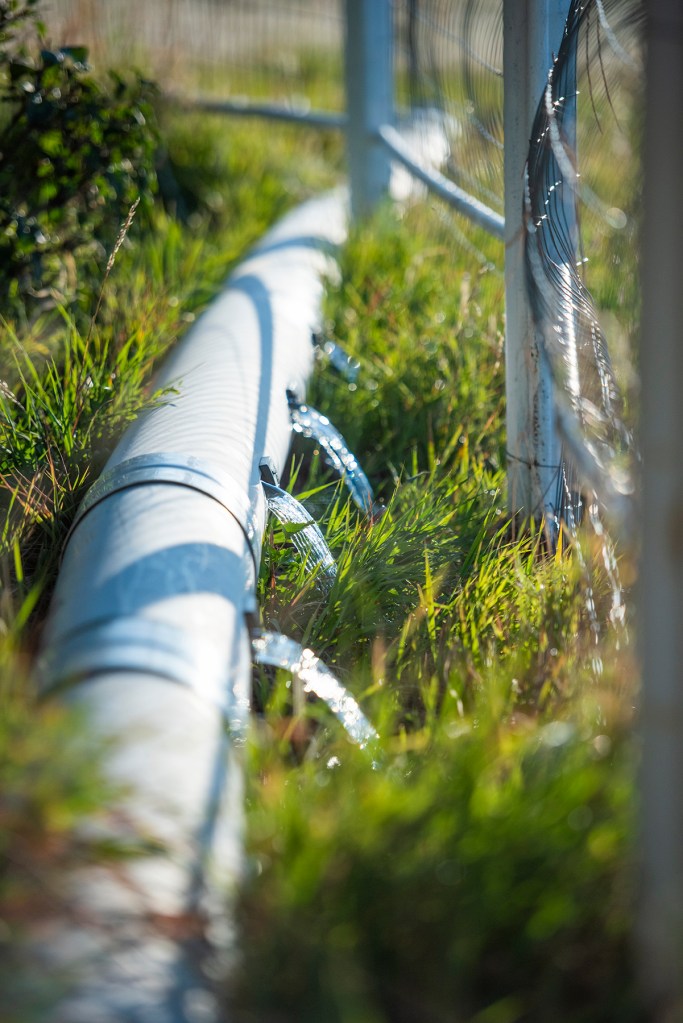
This photo of gated pipe in our pasture is from back in 2018 – our pasture looks nothing like this now.
Our gated pipe is always broken down and stored for winter, and we’ve returned that pipe to its position along the ridgeline. We made some needed repairs, but it will likely be at least four to six weeks before we get water so we won’t know our pass/fail result until that first irrigation run.
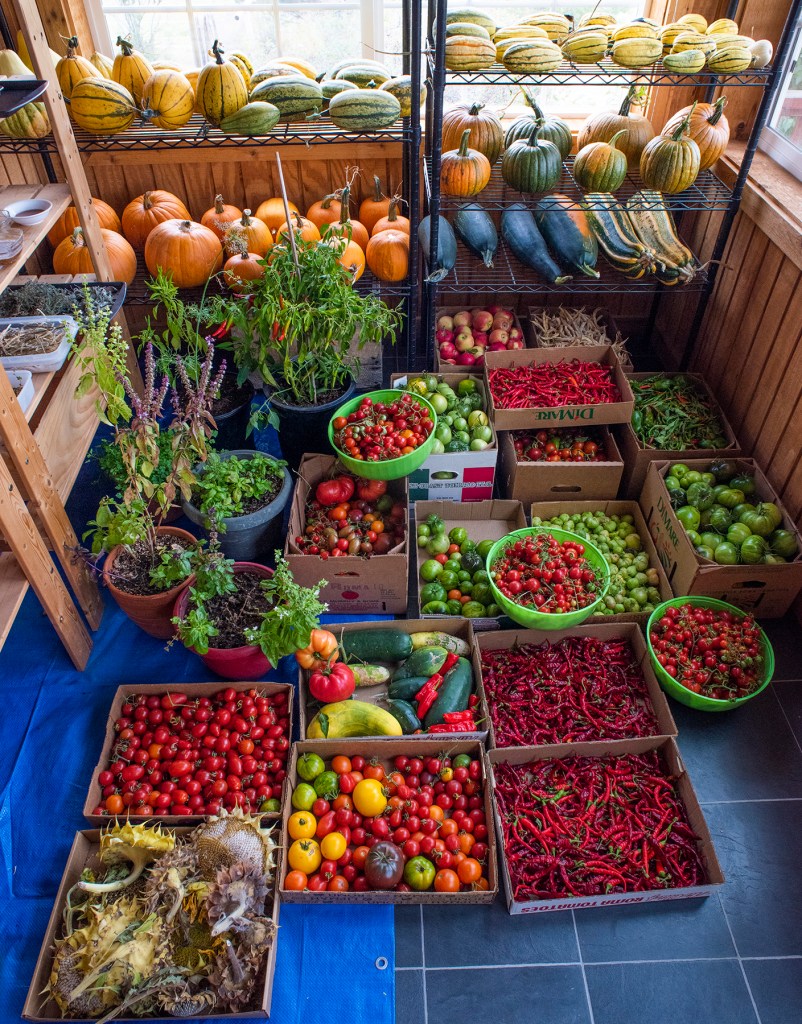
It’s surprisingly cold now, in late November, although dry and clear. As always, we’d love for some of the snow blanketing other parts of the country (hello, six feet in Buffalo!) to bestow its generosity upon us here, but nothing shows in the forecast as yet. Days are crisp and blue, and nights definitely require extra quilts. The sunroom is still full of cardboard trays of slowly ripening tomatoes and peppers; this unheated room works perfectly for cold storage and allows these vegetables to ripen slowly with sunlight but without so much warmth that they’d rot. Certainly something is sacrificed in terms of flavor when crops aren’t allowed to ripen outside, but we have a reasonably short growing season here so we have to work with what we have – and it’s a lovely treat to enjoy our own fresh tomato salads well into winter.
Those cardboard trays are slowly transforming into rustic, delicate ristras and canning jars of salsa and sauce; seeds are mostly dried and packed away. The winter squash bounty hasn’t been tapped into yet; that will carry us through the coldest months and into fragile spring with warming soups and curries. New planting rows for next year have been plowed and filled with compost. The plants we pulled out have been mowed into bits to break down into compost over winter; the beds have been mulched with spent straw and next year’s garlic has been planted. In all ways, our season is gradually winding down and we’re more than ready to tuck ourselves in for a couple of months of much-needed rest.
We’re still reviewing our season, cataloguing our successes and noting what changes and improvements we plan to make for next year. This year certainly had its challenges, but it definitely offered wins, too! Read on for more about the 2022 growing season.
Hello there. It’s been a minute, no? This growing year has presented a new array of challenges and learning opportunities. We will shortly mark the fall equinox; like most (all?) farmers, we pay close attention to these seasonal transitions and how the gradual changes in light and warmth impact everything we do. Things are winding down here and we can tell that our bodies and minds are ready for the natural rest offered in late fall and winter. Humans may think they’ve evolved ‘beyond seasons,’ but the truth is, we are still agricultural beings at heart, and paying close attention to those shifting rhythms benefits everyone.
Before the much-welcomed slowdown, however, there is still lots of preserving to be done for the (hopefully long) winter ahead! And to that end, I’m teaching a free canning and preserving class this weekend at our local library. More information can be found here. If you’re in the area, please come out and say hello!
We’ll be back again soon with tales of our growing adventures, book recommendations and project highlights. Wishing you all a safe, healthy and pleasant fall.
The total came to nearly $90 – four painfully small canvas totes of groceries that did not include meat, cheese or eggs. Had I been shopping at an ultra-fancy Amazon-owned health-halo organic market, this might have seemed reasonable, or even a bargain. Instead, I was at the (sadly) best option in our poor, rural county: a grim, dark and untidy corporate chain store with exploitative policies, limited fresh produce and extensive displays of cheap soda, chips and cookies. Shopping here is not pleasurable, by any stretch of the imagination; both the atmosphere and the prices leave much to be desired.
Unless you’re named Musk or Bezos, you’ve likely noticed that inflation has started to bite, and to bite hard. In the twelve-month period ending this past March, the U.S. inflation rate was 8.5% – the highest it’s been since late 1981. In the simplest economic terms, inflation means that our money doesn’t go as far as it used to. The huge conflagration of various challenges we’re facing right now – a global pandemic, the pointless war in Ukraine, climate change, housing instability, supply-chain disruptions, insatiable greed – means that we’re all experiencing inflation to varying degrees. The good news is that in almost all cases, you can control how much inflation affects your individual household by adjusting your own behavior. No surprise, then, that one of the easiest places to accomplish this is in the kitchen.
Before we really start whining about grocery prices, however, I want to make it perfectly clear that the average American spends far less on food as a percentage of their household income than do most other developed nations. The best available statistics indicate that we spend about 7% of our budget on food, whereas in the U.K. it’s closer to 9.5%, and around 15% in France, Spain and Italy. On a relative basis, our food is devastatingly cheap here; this is because we have absurd federal farm subsidies and because we’re a net exporter of food, which means we produce a lot. (Our cheap food is obviously both terrible for the environment and our own health, but the system holds!) Unfortunately, we’re very spoiled and therefore accustomed to cheap food, which means that we’re far more sensitive to price increases than other countries. (See also: $90 for four tiny bags of groceries, above.)
If you, too, are starting to feel the sharp stick of inflation in your own food budget, we hereby present some easy ways to keep your food costs down, eat healthier, and reduce environmental impact. It’s a win-win-win!
And in the space of a few days, our season went from lush abundance to a frozen wasteland. Such is the nature of growing food at over six thousand feet in a high-plains desert.
Our first hard frost arrived this past week, and with it a few light dustings of early snow. Up on the mesa we were thrilled to see a solid fifteen inches show up on the Sno-Tel! All of our irrigation water, of course, comes directly from the mesa, so we are always in favor of as much winter moisture as possible to boost next year’s irrigation allotment.
Our sunroom looks like an unusual farmers’ market!
Temperatures dropped into the high 20s overnight, which is far too cold for summer crops like tomatoes, cucumbers and peppers. (Don’t worry, the kale is fine. The kale is always fine.) Prior to the freeze we harvested everything we could – nearly four hundred pounds on Monday alone; now comes the task of preserving all of that food to enjoy through winter and spring. The cruel irony, of course, is that once the storm passed we quickly returned to bright bluebird skies and comfortable daytime temperatures in the mid-60s, which likely means we would have gotten at least another two or three weeks in the growing season. But when a hard freeze announces that you’re done, then you’re done – and there’s not much arguing.
One of our gated pipes with the season’s final run.
Our irrigation season runs through the end of October, but we balanced our account this year to fortuitously end just before the cold snap arrived. Running irrigation later in the season is already a chilly task; combine that with a hard freeze and it can be downright miserable. We were very pleased with how we managed our irrigation in a drought year and though of course we hope for higher water shares next year, we know that with smart planning we can make even a low allotment work for our land. It’s incredible how much we’ve learned in only three short years here.
A friend’s trial orchard, where new apple varieties are tested.
Prior to the hard freeze we’d picked nearly two hundred pounds of local apples for winter storage. One box has already been transformed into applesauce; the remainder will stay reasonably fresh in one of our insulated but unheated sheds. This delicious fruit will provide snacks all throughout the winter; I’ll also bake with the apples as well as dehydrate a few pounds for adding to granola. As always, the bounty of incredible local fruit is one of the greatest benefits of living where we do.
Adelaide, Paris, Paihia and Fiji contemplating the change in seasons.
Although the damp, freezing weather makes the corral a bit of a sloppy mess, the animals are entirely unfazed by the cooler weather. They’ve put on quite a bit of fleece since their shearing, so they’re ready for winter, too.
And with that, we’re off to sort produce for canning. Wishing you a calm and peaceful week, friends.
As mentioned, we’ve had an utterly spectacular year for tomatoes. I knowingly overplanted simply because we’d gotten off to such a terrible start, and I honestly had very little faith that my scrawny, under-nourished plants would thrive. Once they received a compost tea shot, however, and then were planted out in our compost-enriched soil, all of the plants absolutely took off. In more than ten years of growing food, this is the first year where I was regularly behind on harvesting tomatoes – I simply couldn’t pick them fast enough.
To that end, we present our second annual tomato review. Each year we grow some old favorites and some new experiments to see what we might want to add to future seasons. We grow primarily open-pollinated heirlooms, both for exemplary flavor and so we can save our seeds, but we do also grow the occasional hybrid for interest and experimentation. Previously I’d only ever grown the smaller cherry and grape tomatoes, because I didn’t believe we had a long-enough growing season to produce the large heirlooms, but this magical season proved everything wrong. I’ll definitely plant the larger heirlooms again in upcoming years.
This was our first year growing Barry’s Cherry. This heirloom tomato, bred by the legendary Brad Gates, is small and pale yellow with a pointed “beak” at the end. The flavor is terrific, tangy and bright with a hint of acidity, and the plant produces unbelievable yields on huge clusters. I’d definitely grow this tomato again; my only complaint is that the fruit tends to fall off the vine with even the slightest sideways glance. This makes harvesting really challenging and would definitely render this difficult to grow in a large-scale commercial operation. For home gardens, however, it’s a great choice.
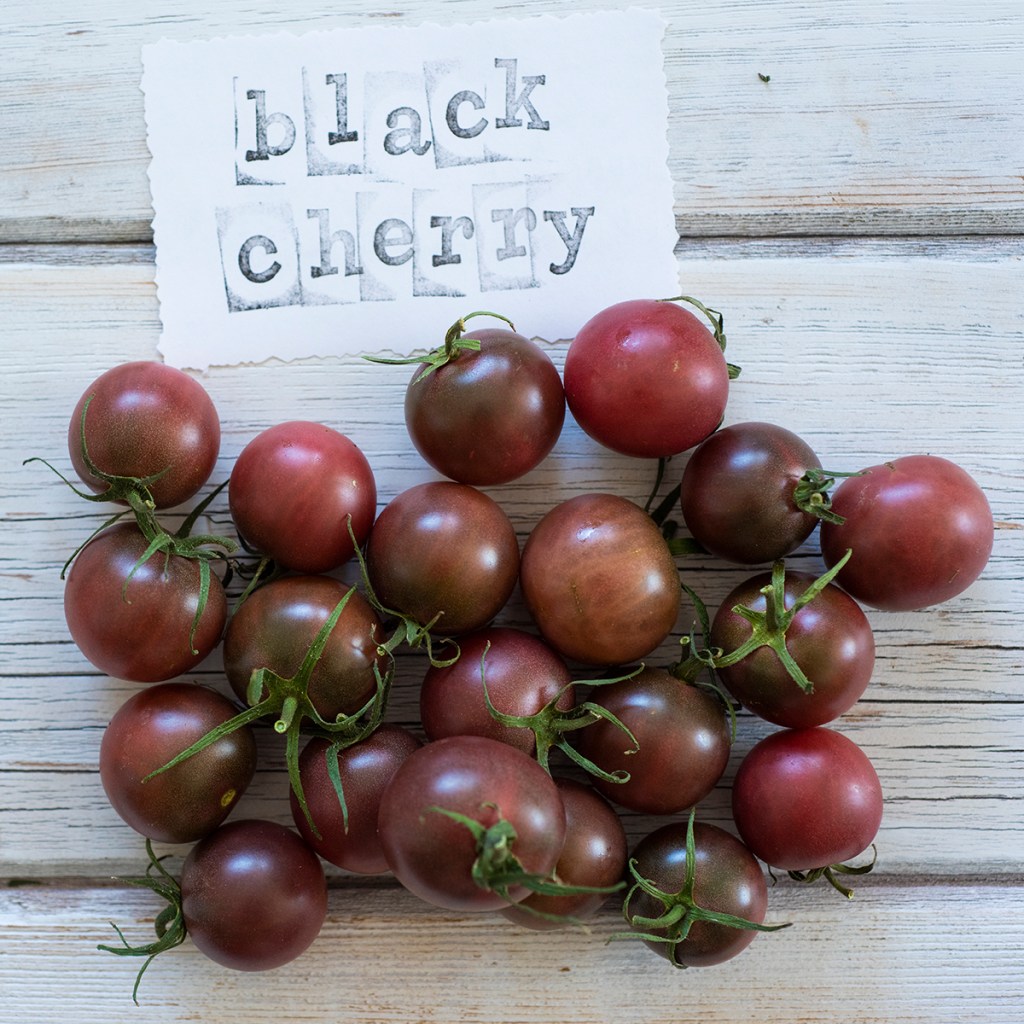
I organized the tomato photos in this year’s review alphabetically, rather than in order of preference, which does somewhat minimize the suspenseful awards-show atmosphere: Black Cherry is the 2021 Taste Winner. These seeds originated from a tomato I tasted from a friend’s garden last year, and she didn’t know the exact name, nor whether they were heirloom or hybrid. I took a chance on saving those seeds and lo and behold, now we have Black Cherry seeds in abundance. This tomato is gorgeous, with a blackish-purple coloration that indicates higher levels of anthocyanins. The flavor is incredible – that perfect blend of sweetness and acidity that I’m always looking for in tomatoes. The plants produced well, and I found that the tomatoes growing lower on the vine (i.e. out of direct sunlight) had better flavor and a darker color. Black Cherry has definitely earned its spot in Quiet Farm’s mandatory planting category.
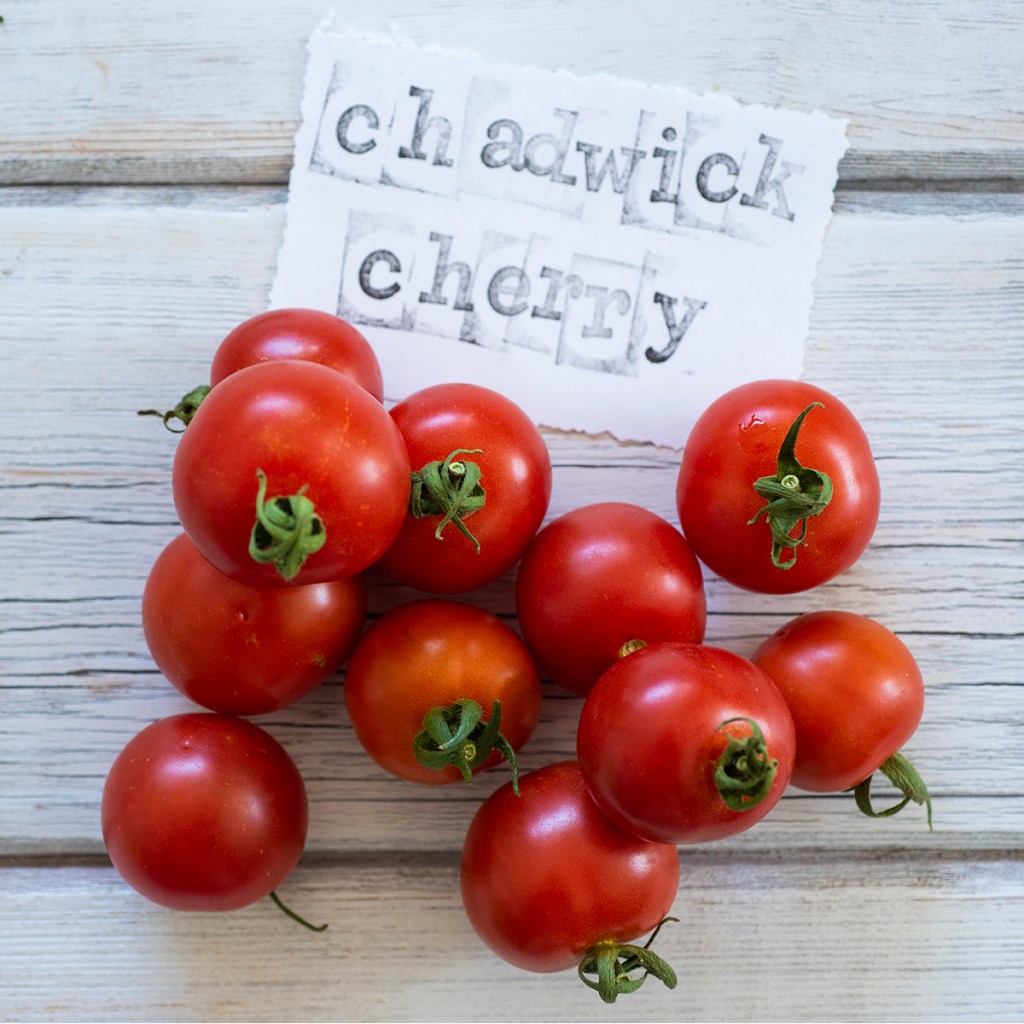
We grew Chadwick Cherry tomatoes last year, and they’re in regular rotation now, too. They’re likely never going to win our taste test because the flavor isn’t quite as bright or sparkly as some of my other favorites, but the plants produce early and abundantly, and the tomatoes are perfect in recipes where their flavor will blend rather than dominate. This tomato is named for organic gardening pioneer Alan Chadwick, an interesting character if ever there was one.
I’ve long known about the Cherokee Purple tomato, a pre-1890 variety that was only reintroduced commercially about thirty years ago, but never thought I could grow it at 6300 feet in a high-plains desert. This season absolutely proved me wrong. We produced multitudes of huge Cherokee Purple fruit on heavy vines that should have been staked better than they were (lesson learned for next year). Like the Black Cherry above, the Cherokee Purple has rich, wine-dark coloration and a deep, almost smoky flavor. This is a certainly a full-size heirloom that we’ll grow again. (One caveat: we also grew Black Krim tomatoes this year, and thanks to an unfortunate tag mishap, it is difficult to tell which plants are which as the fruits are very similar. Perhaps our saved seeds will create a new Cherokee Krim crossbreed?)
This was our first year with Galina, a small, sunshine-yellow cherry tomato originating in Siberia. The fruit ripens early, as one might expect from a cold-climate Russian tomato, and produces well. The flavor is bright and cheerful and of course it’s lovely to have yellow tomatoes to accompany the red and green varieties for colorful salads. Galina didn’t win our taste test this year, but it’s a much more interesting tomato than Yellow Pear, a classic small yellow heirloom that we found rather bland and flat last year.
We’ve grown Green Zebra for a number of years now. The striated color is stunning, especially when paired with red and yellow tomatoes, and the flavor is terrific. It can be a little difficult to tell when Green Zebras are ripe – they actually turn slightly golden when they’re ready to be harvested; gently pressing on the bottom of the tomato is often a good indication of ripeness, if color is difficult to determine. This is a classic heirloom and one we’re happy to grow every year.
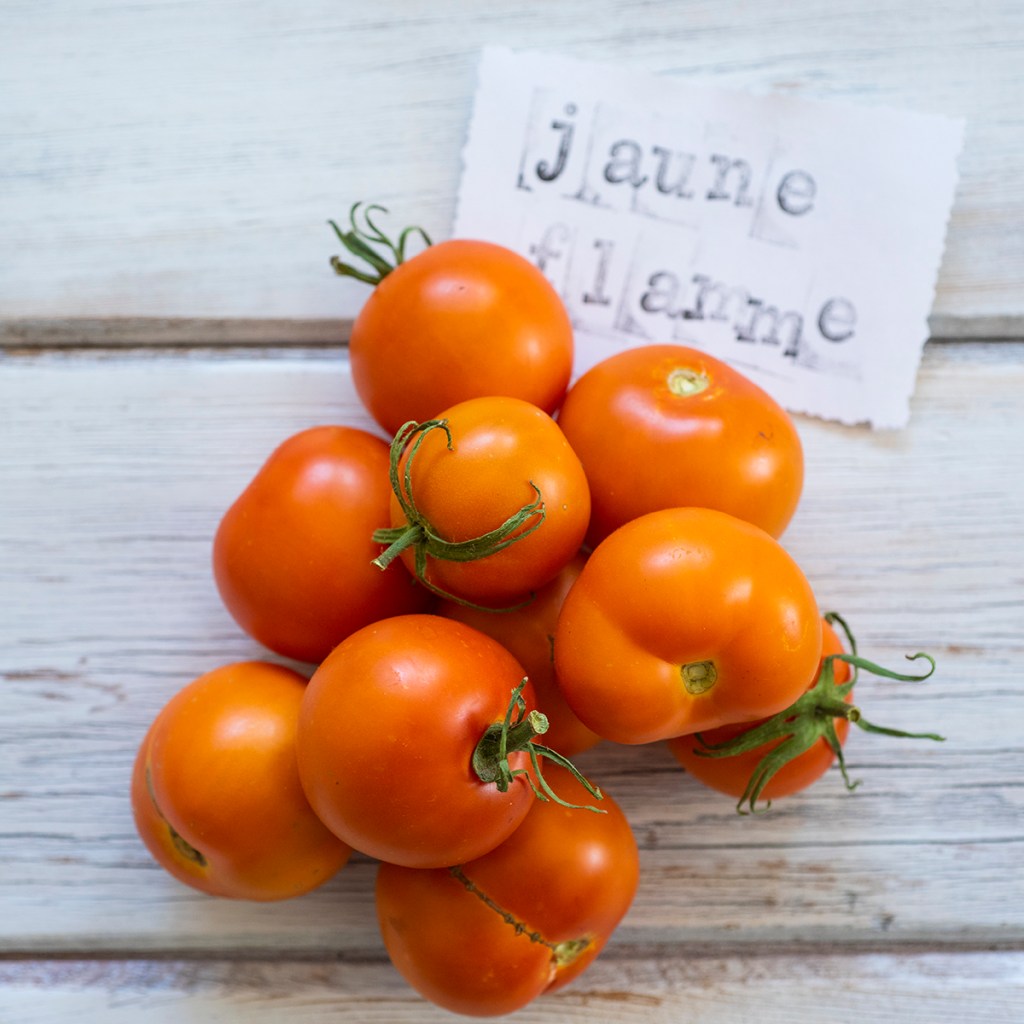
Jaune Flamme, meaning “yellow flame” in French, has quickly become one of our favorite tomatoes. It’s medium-size, about a golf ball or a bit larger, with abundant fruits and sparky flavor. Here, at least, it presents as more fiery orange than yellow, and it makes a stunning golden tomato sauce or soup. On the downside, this was the only tomato where we observed blossom end rot this year which may doom it for future plantings if the trend continues.
Juliet made its first appearance at Quiet Farm this year too. This is a small Roma-style hybrid tomato, and the plants remained relatively compact – as opposed to some varieties that have stretched and vined and tangled absolutely everywhere. Juliet ripened early but the flavor was nothing special; for me, it’s too flat and sweet without any of the acidity I seek. The fruits also fell off the plants regularly, which isn’t a plus. The tomatoes are fine in salsas and sauce, but I’d be hard-pressed to grow this again without experimenting with other interesting tomatoes first.
Lemon Boy is a rare hybrid here at Quiet Farm; a friend had extra plants that were headed for the compost, so we planted a few. The fruit is standard in size and a gorgeous, shimmering yellow that’s easy to spot when ripe. The flavor was delicious too and showed up perfectly on a salad platter against darker red and subtle green tomatoes. Although we’d be happy to grow these next year, Lemon Boy is a hybrid (the yellow version of Better Boy) so we won’t bother saving seeds and will hope to just be gifted starts again.
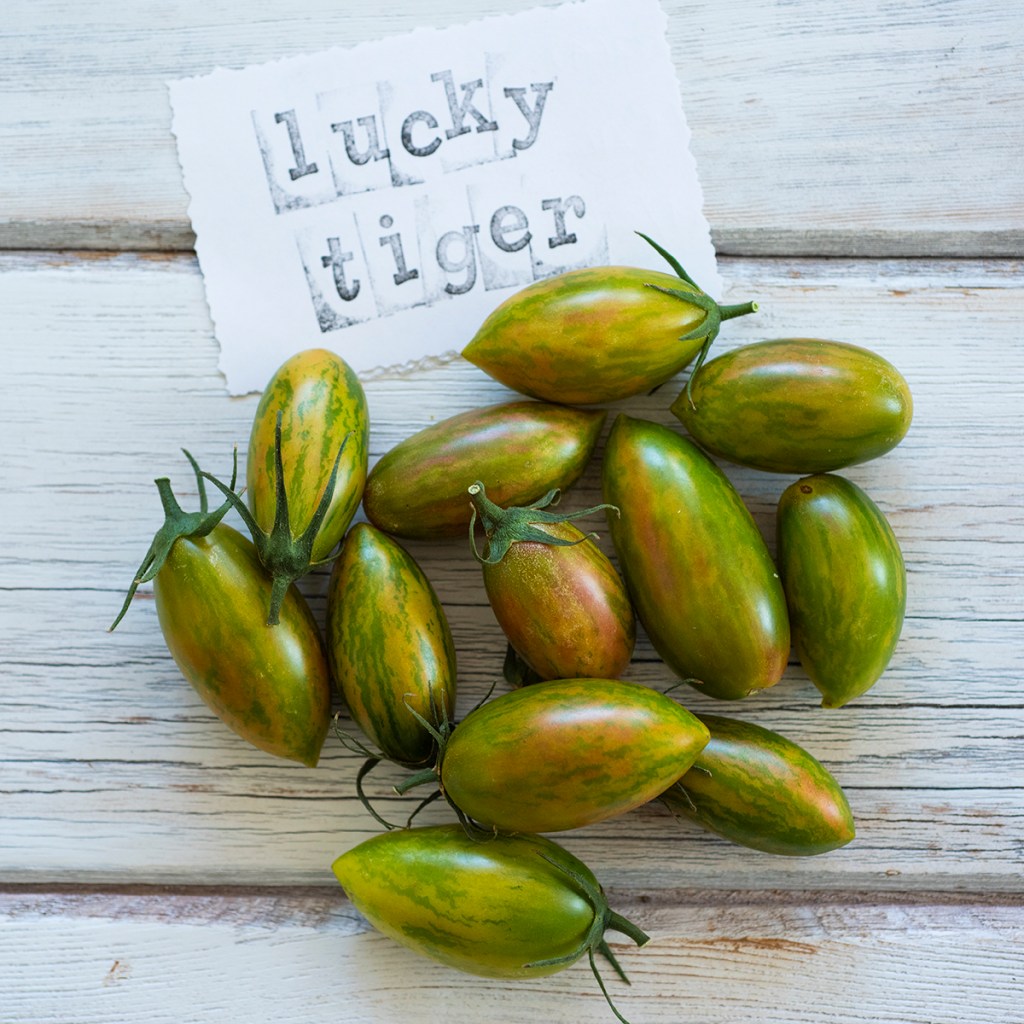
Lucky Tiger is an amazing tomato and was our hands-down winner in last year’s taste test. Developed by Fred Hempel, another legendary tomato breeder, Lucky Tiger has it all – stunning looks, spectacular flavor and reasonable productivity for a finicky heirloom. One seed catalog sums it up perfectly: “This tomato gets top marks for flavor: tangy, sweet and complex with tropical notes and balanced acidity.” Lucky Tiger is so impressive that it should encourage everyone to grow unusual heirlooms. This is another tomato that will definitely be planted every year at Quiet Farm.
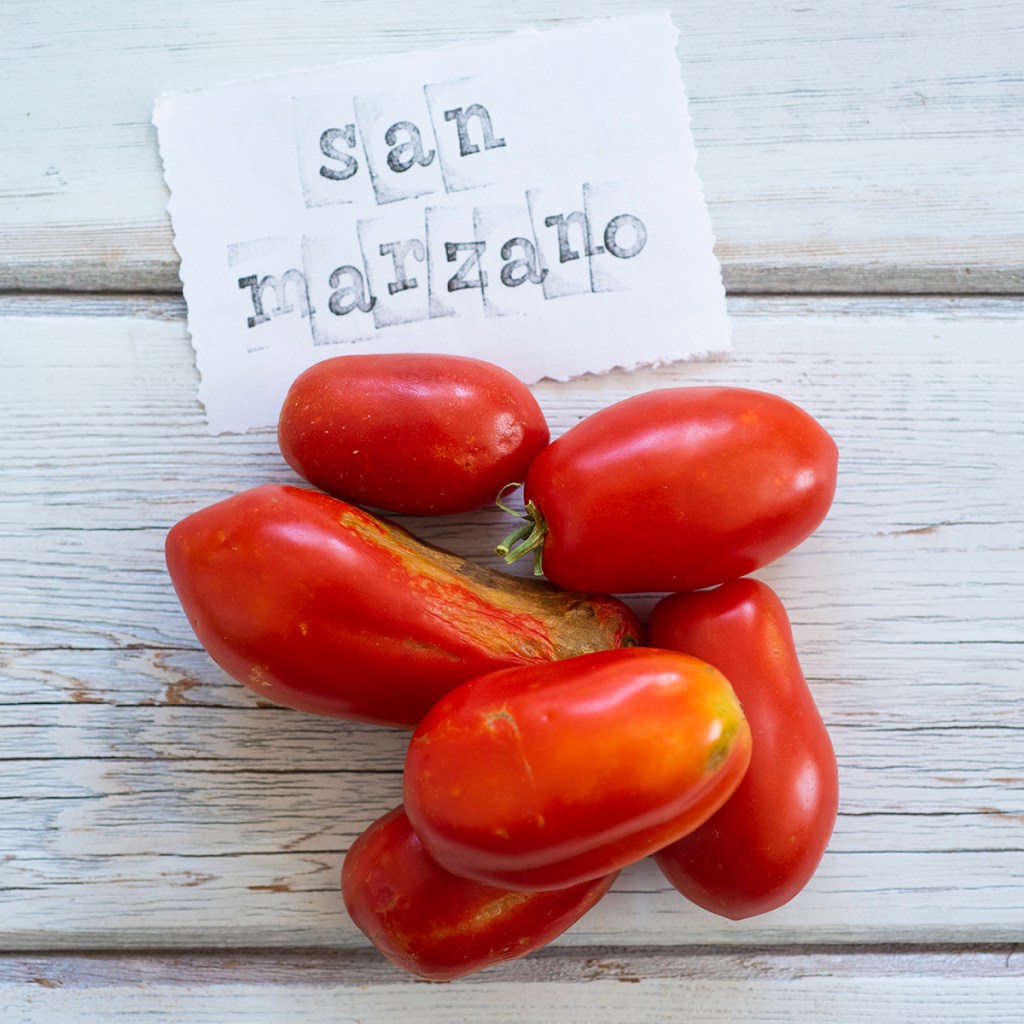
We grew San Marzano and Roma tomatoes this year; these are both elongated paste tomatoes with meaty flesh and not too much in the way of juice or seeds. They’re typically used for sun-dried tomatoes or sauce making. Ours were mediocre at best; the plants took forever to set fruit and took forever to ripen, and only now are the plants loaded with green, unripe fruit. Spoiler alert: we don’t have enough time left in our growing season for these to yield much more. Overall, I was unimpressed. As always, I’ll save seeds but it could well be a couple of years before I’m willing to give these another shot.
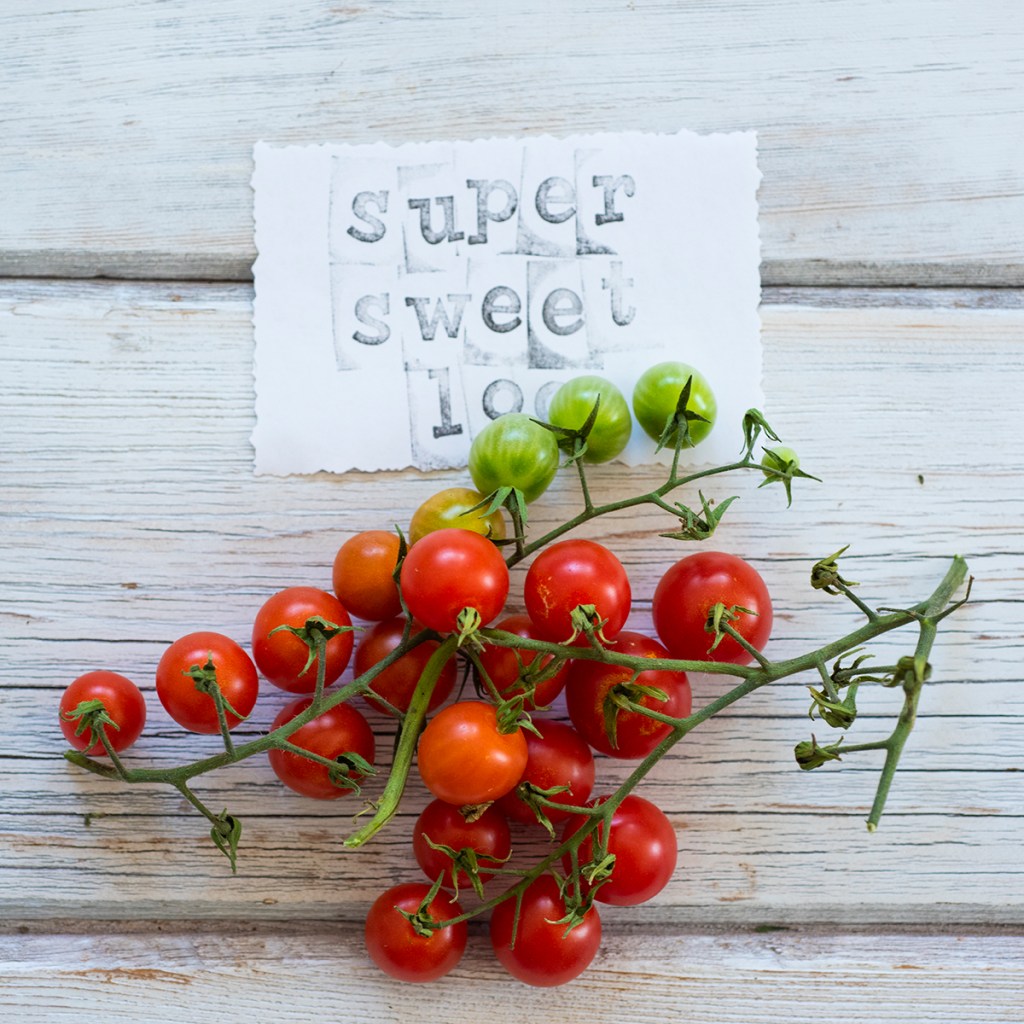
This was our first year growing Supersweet 100s, although we grew Peacevine Cherry last year, which is the dehybridized version of this tomato. This is a glorious tomato, tiny and sweet and perfect for eating by the handful. It produces so abundantly and in such difficult-to-access clusters that we still have thousands on the vine that need to be harvested. This tomato is really too tiny to cook with but is ideal for eating fresh. We won’t save seeds from these, since it’s a hybrid, but will definitely grow Peacevine Cherry again.
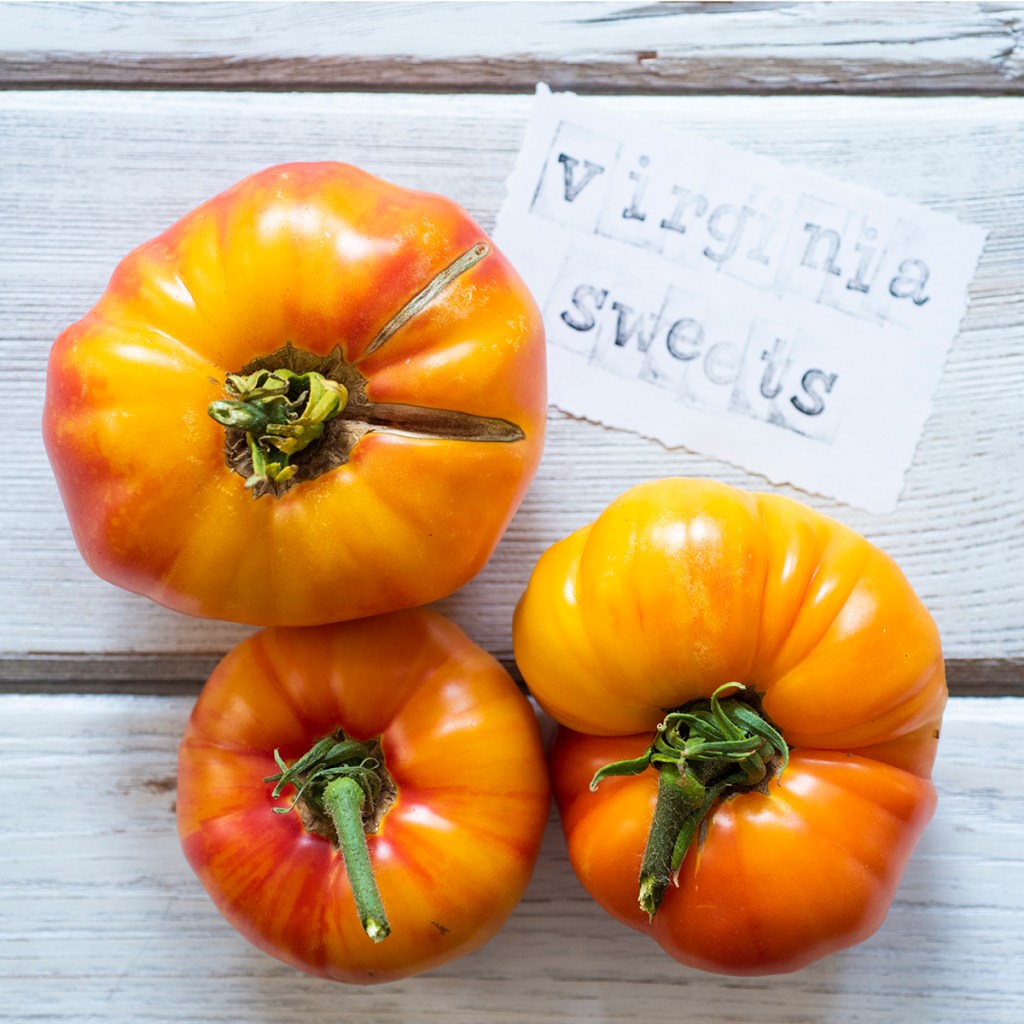
Our final tomato this season is Virginia Sweets, another full-size heirloom that we were surprised to produce. These tomatoes are massive – well over a pound each – and gorgeous, with an unusual streaky yellow and red sunset appearance. The flavor, however, left a bit to be desired. Like sweet corn, many tomato breeders in recent years have focused on breeding sweeter and sweeter tomatoes, because that’s what the American palate seems to demand. (This is why lemon juice is now mandated in home-canned tomatoes, because too much acid has been removed and the pH is no longer suitable for long-term storage.) I’m thrilled to have successfully grown such large heirlooms, but I’d probably try another variety before growing these again, since the flavor wasn’t balanced enough for my tastes. A satisfying experiment, nonetheless!
What tomato varieties did you grow this year? Any that particularly captured your fancy? We’d love to know more about your favorites.
Autumn is very much on its way here at Quiet Farm. Overnight lows plunge to the mid-40s, though our daytime temperatures remain in the mid-80s. The plants are all starting to look a bit tired, a bit yellowed, a bit lackluster. The seasonal transition has begun, and we are looking forward to the slower rhythms of late fall and winter. This remains an exceptionally busy time for us; here are a few things we’ve been up to, if you’d like to see.
One day’s harvest of an easy twenty-five pounds.
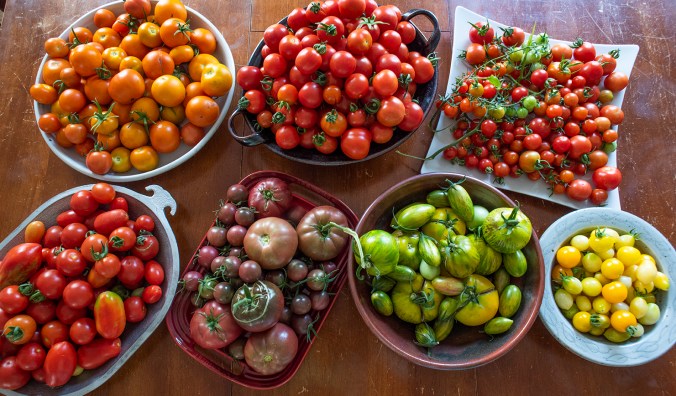
Despite a rough start, we’ve had a spectacular year for tomatoes. We planted about sixty tomato plants of about fourteen different varieties, and our yields have been simply staggering. We’ve grown full-size heirlooms that I never thought possible, believing that our growing season was simply too short, and the smaller cherry and grape tomatoes have done well too. Every night for weeks now there’s been a fresh tomato salad with supper, and we’ve put up sauce, soup and salsa for a warm and nourishing winter. I never, ever tire of fresh tomatoes, and since we don’t eat storebought tomatoes, we’re getting our fill now. We will miss these gorgeous things until next summer.
Spotted on an evening irrigation check.
As we’ve spoken of many times here, we focus our efforts on improving our land and our soil, and one of the best ways we can do that is by encouraging both native plants and the pollinator population. Monarch butterflies are an iconic pollinator species; the western U.S. monarch population is currently traveling south on its fall migration. The monarch caterpillar (Danaus plexippus) shown above feeds exclusively on milkweed; once the caterpillar has transformed into a butterfly, it has a much more varied diet. Unfortunately, milkweed is also toxic to livestock, so ranchers regularly treat pasture milkweeds with toxic herbicides – which is why the monarch population is declining, because the larvae cannot survive without these plants. We keep camelids here at Quiet Farm, and have spent hours worried about our animals becoming ill from consuming milkweed in our pastures; obviously, we’re not going to spray and we don’t particularly want to pull all these host plants.
After extensive research, our solution – for the moment – is to let things stand as they are. Hardy alpacas and llamas, native to the high Andes, aren’t nearly as delicate as domesticated cattle and sheep, so are far less likely to become sick. Plus, we’re intentionally cultivating a mixed pasture, with lots of different plants for our animals to graze; the likelihood of any of our animals eating enough milkweed to become seriously ill is slender indeed. There are never perfect methods of pasture management, but we’re working hard at figuring out what we can do to maintain balance.
Beautiful photo. Terrible plant.Just look at its horrible weaponry!
One thing that is very much not in balance is our puncturevine population. The farm is absolutely overrun with this heinous plant this year, and we’ve spent countless hours trying to eradicate it – pulling by hand, obviously, as dousing the entire farm in glyphosate is clearly not an option. Puncturevine (Tribulus terrestris) is an invasive weed, uniquely adapted to our desert climate, that grows where few other plants will; most infuriatingly, the seeds can remain dormant in the soil for seven to ten years. While we’re happy to let neutral weeds, like purslane and mullein, grow freely, the puncturevine burrs are harmful to humans and animals – and bicycle tires, too. For reasons unknown to us, this year conditions were absolutely perfect for puncturevine to take over our land and so it has. We are hoping that we’ve removed most of it, but we know that some of those viciously sharp little seeds are simply biding their time until next year. Or the year after that. Or the year after that. The battle continues.
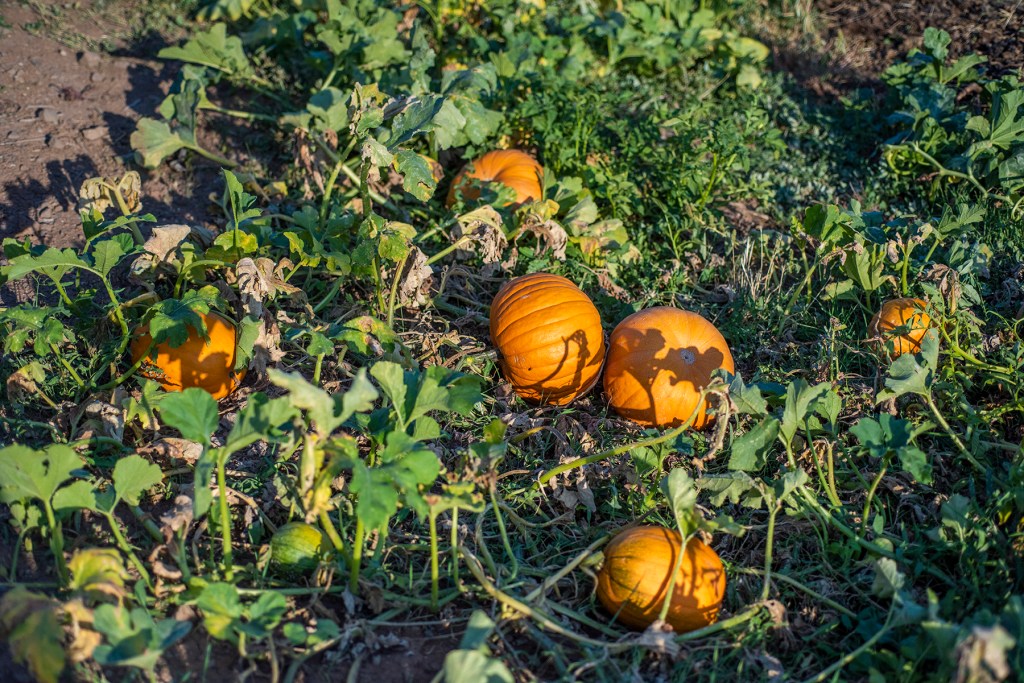
The Quiet Farm pumpkin patch.
We’ve done well with winter squash this year, though as usual there are some squashes that didn’t exactly breed true – always a risk with saved seeds and limited isolation practices. Squash plants are a reliable harbinger of fall; ours usually start showing signs of powdery mildew, and the vines themselves start to fade and turn a bit crispy. I usually trim immature fruit so that the plant devotes all its energies to ripening the larger fruits, but this year I’ve mostly left the squash patch to its own devices. Depending on the variety, most pumpkins start out dark green with stripes; the fruits turn the classic bright orange in the same way leaves change color on deciduous trees. These jack o’lantern pumpkins yielded nicely; they’ll be cured for winter storage and won’t be carved but instead used for soups, curries and muffins.
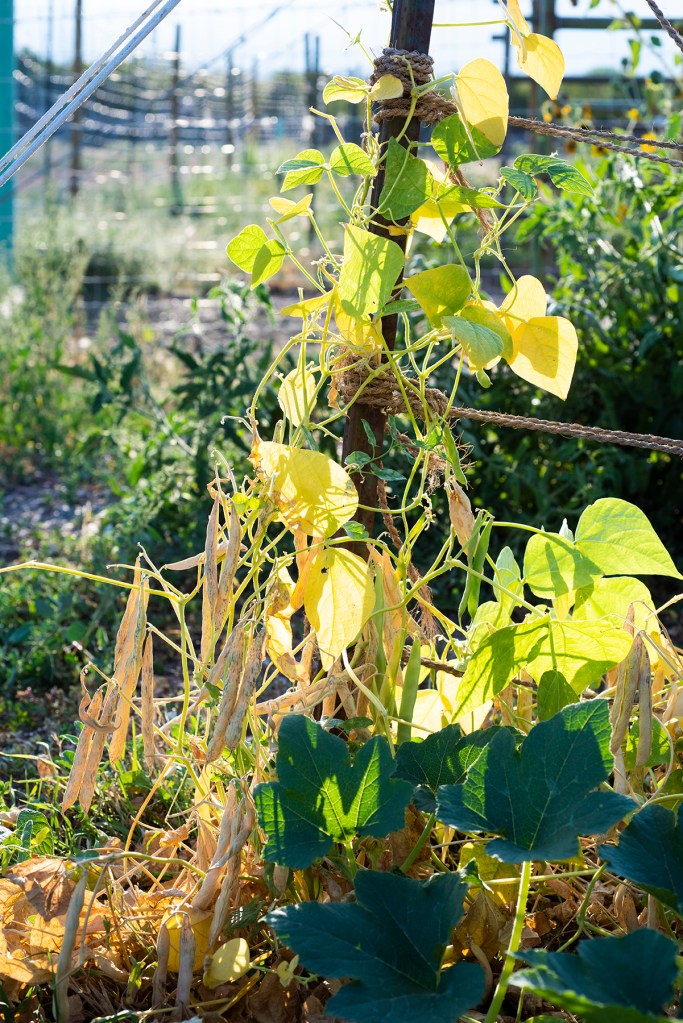
As with other annuals, the bean plants will also clearly demonstrate that they’re nearly finished for the season. These are labeled as ‘Aztec White’, but based on the small size I suspect they’re more along the lines of a true navy bean. Dry beans can stay on the vine until frost threatens, a huge bonus for the time-starved farmer; if there isn’t time to shell the beans immediately, they can be tossed into repurposed feed sacks and stored in a cool, dark, dry place, away from pests and damp. Shelling dry beans is a perfect project for a crisp, late fall day, when the more pressing tasks have been completed! Once they’re shelled I’ll hopefully have a better idea of the variety, although when it comes to heirloom beans I’m not hugely bothered about specifics, especially when seeds are freely shared amongst local growers. If the beans grow well and taste delicious, that’s really all that matters.
Farm candy.
And to end on a sweet note, we’re pleased to share that our raspberry patch is finally producing. It’s taken us a couple of years to get these canes established, but we’re now harvesting enough raspberries to actually bring a few inside, rather than just eat them all in the field. We’re hopeful that we’ll have a few more weeks before a hard frost, so that all of the unripe berries will have a chance to ripen, but we’re thrilled with anything we get – these are like candy. As with tomatoes, the difference between just-picked raspberries, still warm from the sun, and those sitting in the cold case at your local supercenter is night and day, and we’ll eat our fill for as long as we possibly can.













 Finding Quiet Farm